













Ever wondered if that morning cuppa or dinner plate could be harbouring tiny bits of plastic? As it turns out, microplastics are hiding in far more of your food than you'd expect.
Let's take a look, with expert insight from Dr Stephani Johnson and Nicholas Mallos, who've been studying how these particles slip into what we eat.
1. Tea From Plastic Tea Bags

Your comforting cup might deliver more than just caffeine. Premium mesh tea bags can release billions of microplastic particles when steeped in hot water, according to research highlighted by Dr Johnson.
Many popular brands use polypropylene to seal their bags, which breaks down in hot temperatures. Switch to loose-leaf tea with a metal or glass infuser for a cleaner, safer cuppa without the unwanted plastic extras.
2. Bottled Water
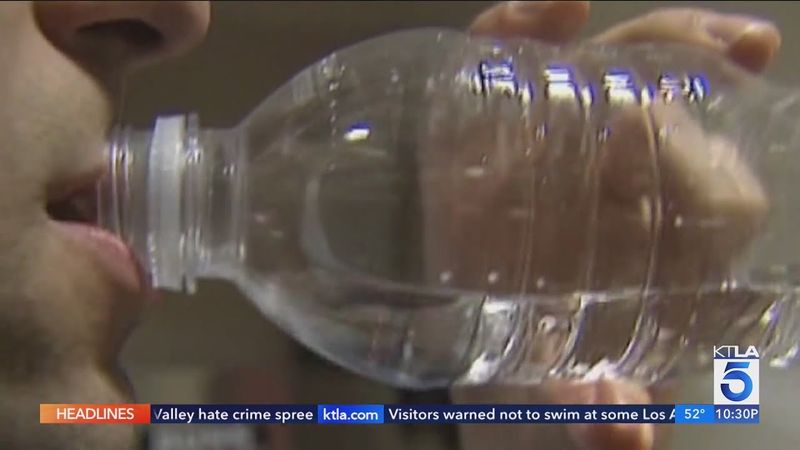
Crystal clear doesn't mean plastic-free. Bottled water contains significantly more microplastics than tap water, with studies detecting an average of 325 particles per litre.
Some samples contained up to 240,000 nanoplastic fragments! The plastic bottles themselves shed tiny particles into the water they hold. Filtering your tap water at home provides a much safer alternative to those convenient bottles.
3. Seafood (Especially Shellfish)
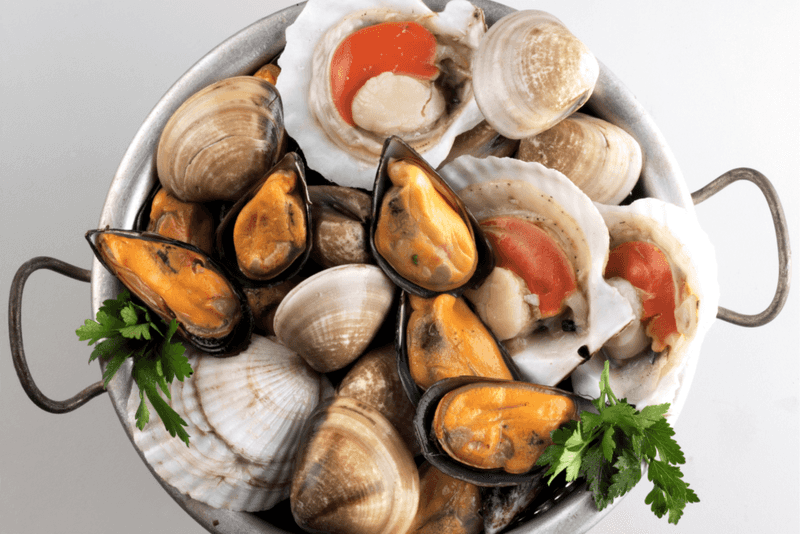
Ocean pollution has turned our seafood into unwitting plastic carriers. Clams, mussels and oysters are particularly problematic because they filter feed, collecting microplastics from seawater directly into their tissues.
Bottom-feeding fish like cod and halibut accumulate particles from sediment. Nicholas Mallos' research specifically identified breaded shrimp products as having alarmingly high contamination levels compared to other protein sources.
4. Processed Protein Products
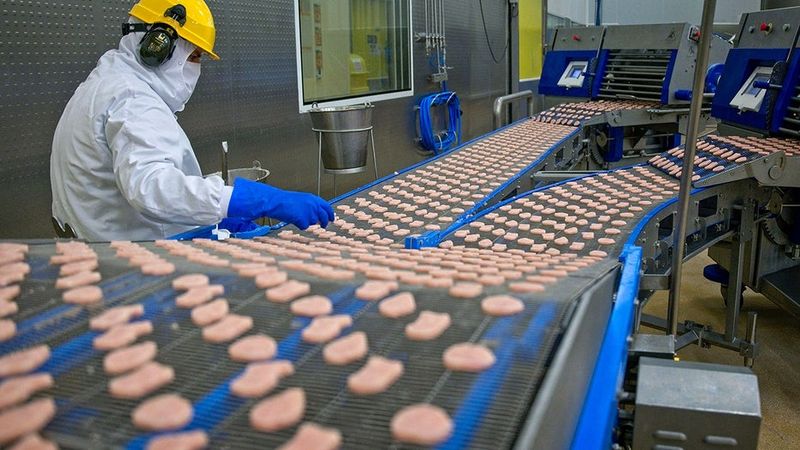
Convenience comes with a plastic price tag. Highly processed protein foods like chicken nuggets, fish fingers and plant-based burgers contain surprisingly high microplastic levels. The extensive handling, machinery contact and packaging all contribute to contamination.
Mallos' groundbreaking study found plant-based meat alternatives particularly concerning, containing more plastic particles than their animal counterparts. Whole, minimally processed proteins remain your safest choice.
5. Table Salt (Especially Sea Salt)
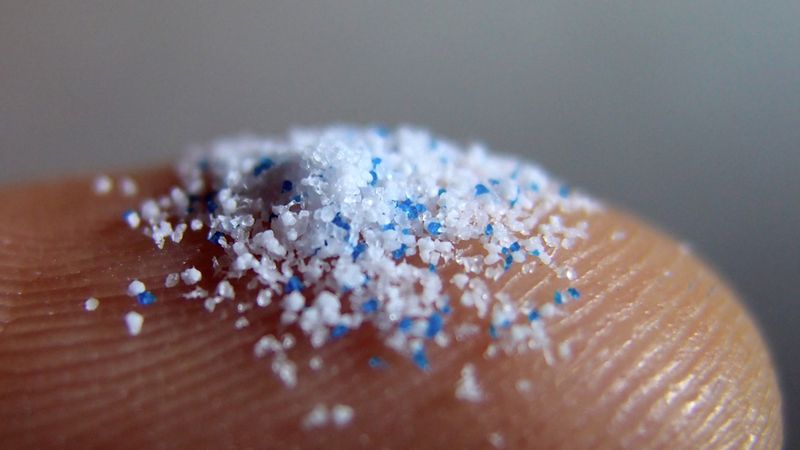
That pinch of seasoning might include unwelcome ingredients. Sea salts, Himalayan pink salt and black salt varieties contain considerable microplastic levels, reflecting their environmental origins. Ocean-derived salts naturally incorporate plastic pollution from seawater during evaporation.
Even fancy gourmet salts aren't immune. One study found up to 19,800 microplastic particles per kilogram in commercial salt products, with sea salt containing three times more than rock salt.
6. Rice Grains
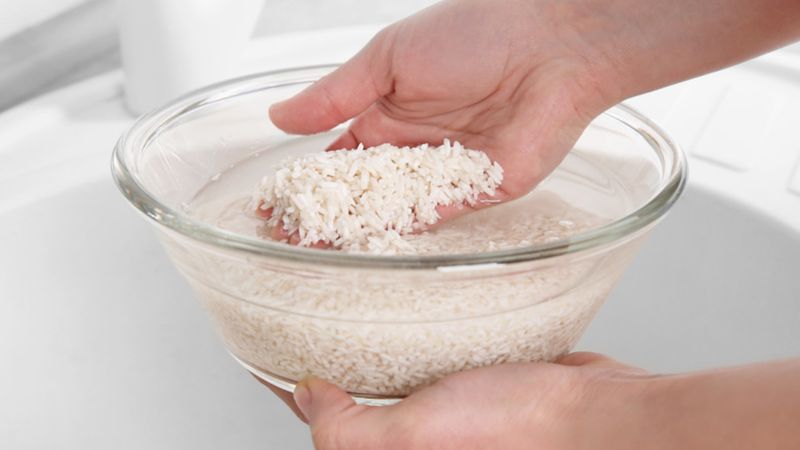
A worldwide staple food carries an invisible problem. Rice frequently contains microplastics due to contaminated irrigation water and polluted growing environments. The plastic particles can bind to rice grains during cultivation and processing.
Scientists recommend thoroughly rinsing rice before cooking, which can reduce microplastic levels by 20-40%. Choosing organic rice might also help, as it's typically grown in less contaminated conditions with stricter water quality controls.
7. Honey Products
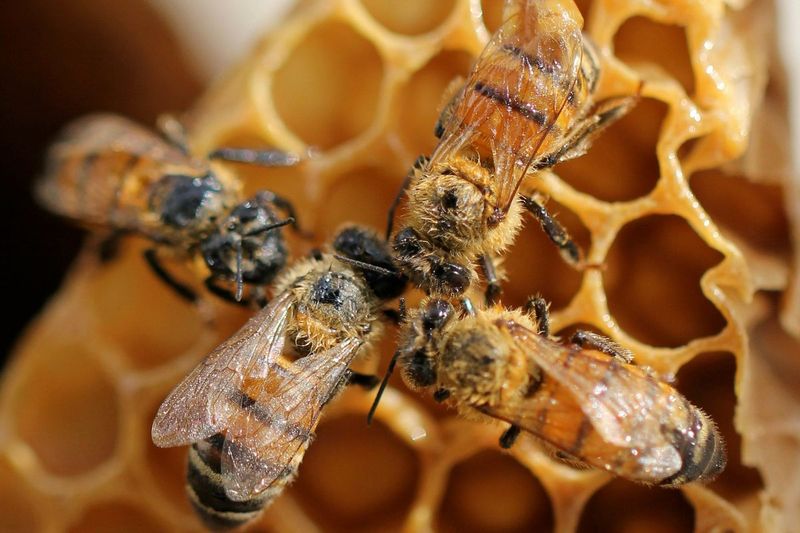
Nature's sweetener isn't immune to modern pollution. Bees collect nectar and pollen from flowers that have accumulated airborne microplastics or those deposited by rain. These particles then make their way into honey during production.
Research published in scientific journals has detected various polymer types in commercial honey samples worldwide. Even organic and premium varieties aren't completely safe, though they typically contain lower concentrations than standard commercial brands.
8. Root Vegetables
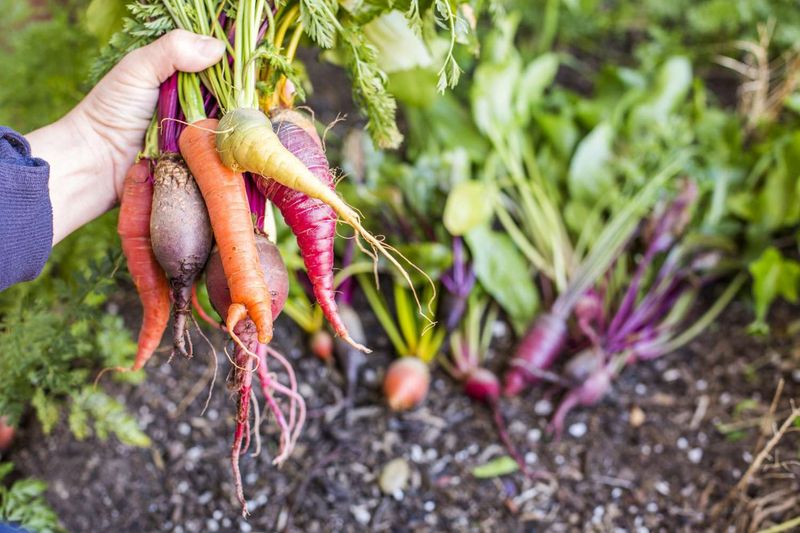
Underground growers are particularly vulnerable to plastic infiltration. Carrots, potatoes, beetroot and other root vegetables absorb microplastics directly from contaminated soil through their outer layers.
Agricultural plastic mulch, sewage sludge fertilisers and irrigation with recycled wastewater all contribute to soil contamination. Peeling root vegetables before consumption can significantly reduce your exposure, though some particles penetrate deeper into the flesh.
9. Fruit With Edible Skins
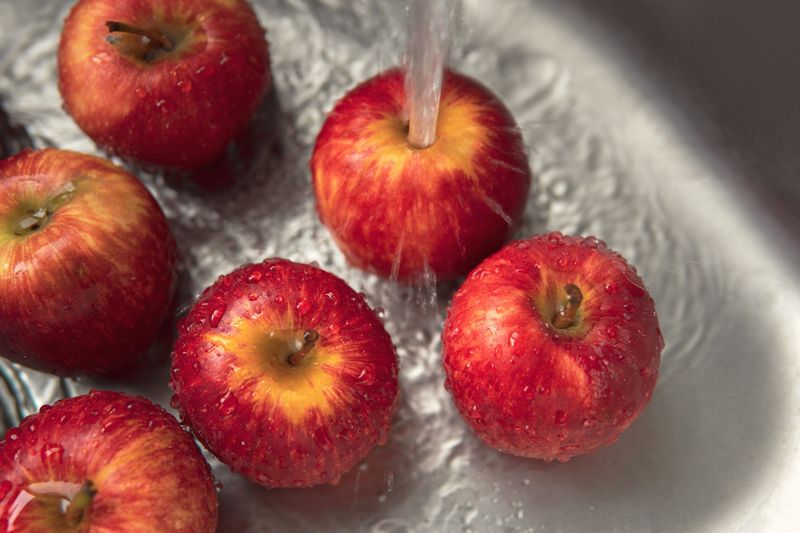
Your apple a day might come with unwanted additions. Fruits with edible skins like apples, pears, grapes and berries accumulate microplastics from polluted rainwater, agricultural sprays and handling processes. The waxy coatings applied to many commercial fruits can trap these particles.
Thorough washing helps but doesn't eliminate all contamination. Studies by environmental scientists have detected measurable levels of various plastic polymers in popular fruits, particularly those with rough or porous skin textures.
10. Beer Products
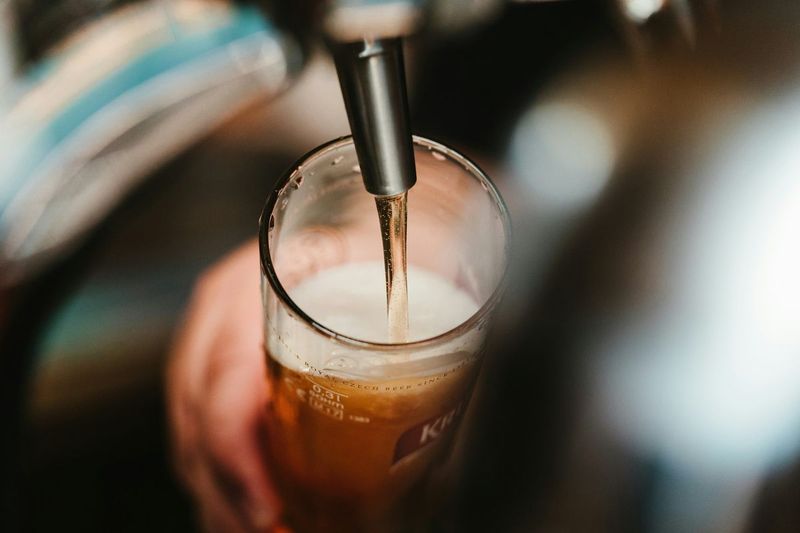
Your pint might contain more than hops and malt. Beer has been flagged in multiple studies as containing surprising amounts of microplastic contamination.
The plastic enters during various stages: from water used in brewing, grains that may have absorbed particles during growth, or contact with plastic equipment during production. Glass-bottled beers typically contain fewer particles than tinned varieties. Craft breweries using filtered water sources and traditional equipment often produce cleaner options.
11. Dairy Products
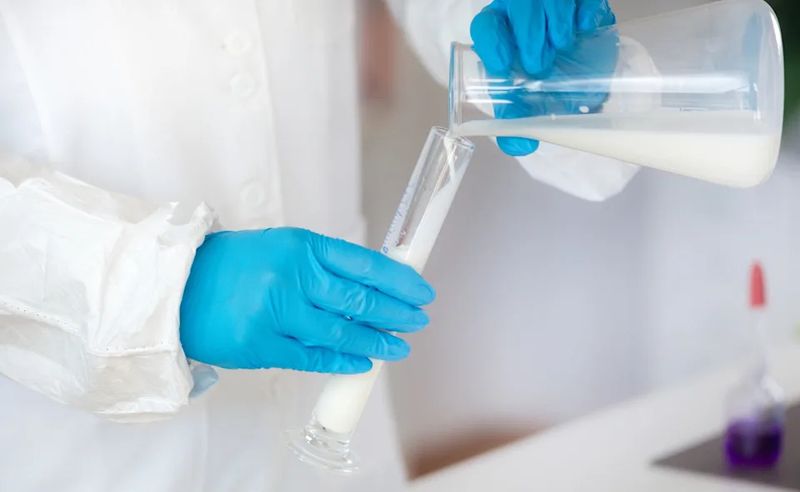
Milk and dairy aren't spared from plastic pollution. Researchers have detected microplastics in milk, cheese and yogurt products, likely entering through multiple pathways.
Plastic particles can come from processing equipment, packaging materials or even from contaminated animal feed. Studies show plastic-packaged milk contains higher particle counts than glass-bottled varieties. The plastic lining in milk cartons is a particular concern, as it can shed particles into the liquid over time.
12. Table Sugar
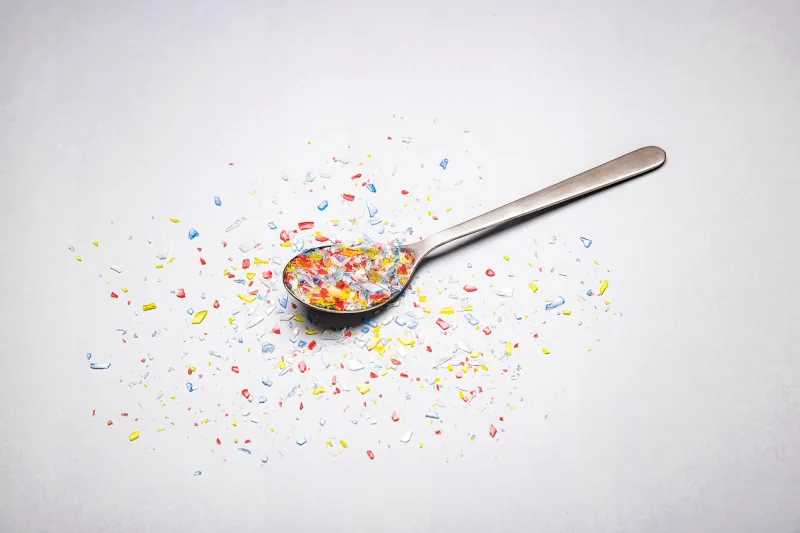
The sweet crystals hiding in your cupboard aren't just sugar. Scientific analysis has revealed commercial sugar contains an average of 440 microplastic particles per kilogram. Contamination occurs during processing, when sugar solutions come into contact with plastic equipment, filters and packaging materials.
Brown and raw sugars aren't necessarily safer alternatives. Some researchers suspect airborne microplastic dust settles on sugar during production, adding another contamination source that's difficult to control.
13. Tinned Foods
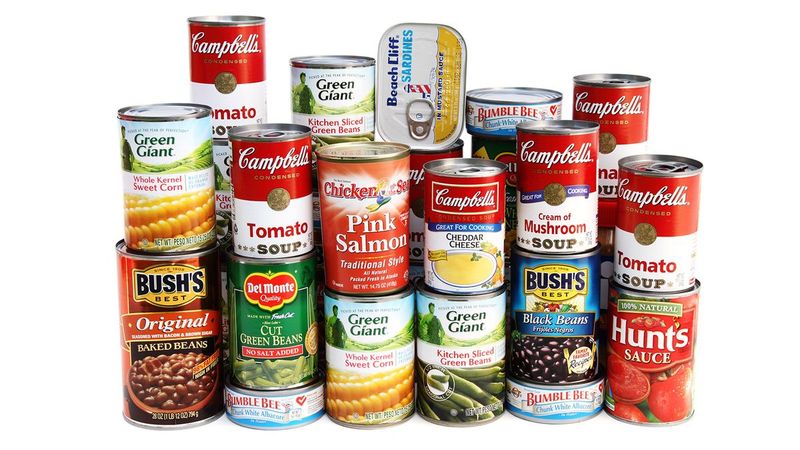
That convenient tin might add more than just ease to your meal. Many food cans are lined with plastic-based resins that can shed particles into the contents, especially acidic foods like tomatoes. The high temperatures used in the canning process can accelerate microplastic shedding.
Studies examining tinned fish, vegetables and soups have found concerning levels of various plastic types. BPA-free alternatives aren't necessarily better, as replacement compounds may still release different plastic particles.



