









Mary Berry has a knack for taking simple ingredients and showing just how good they can be, and her method for cooking broccoli and cauliflower proves it.
These vegetables are often written off as dull or soggy, usually because they are boiled until all their flavour disappears.
Mary Berry’s approach brings out their natural sweetness, keeps their texture crisp and bright, and turns two everyday staples into side dishes you will actually look forward to eating.
This article is for general informational purposes only and is based on cooking guidance shared publicly by Mary Berry. Individual results may vary. Photos are for illustrative purposes only.
Mary Berry's Stir Fry Method That Keeps Vegetables Crisp
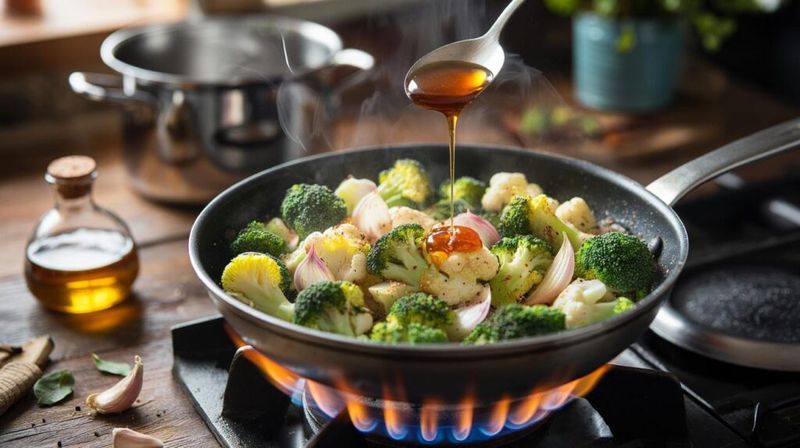
Mary Berry offers a far more effective approach in her cookbook Mary Berry Everyday, recommending that broccoli and cauliflower be stir-fried rather than boiled. She describes the method as quick, simple and noticeably tastier, with the vegetables retaining a pleasant crunch.
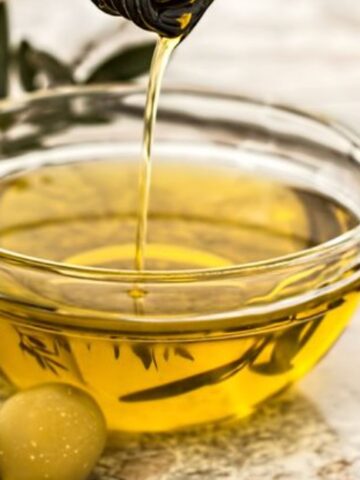
Stir-frying in hot olive oil means the florets spend less time exposed to heat and moisture, helping them stay firm and bright.
According to Mary Berry, this small change from boiling to stir-frying transforms the texture and brings out far better flavour, all while keeping preparation straightforward.
Why Boiling Makes Broccoli And Cauliflower Lose Flavour
Boiling broccoli and cauliflower is one of the quickest ways to strip them of their natural appeal. Prolonged cooking in water softens the florets to the point of becoming mushy, and much of their natural sweetness disappears in the process.
Boiling drains away both flavour and nutrients, leaving the vegetables bland or even slightly bitter. Many of the vitamins also leach into the cooking water, reducing their nutritional value.
This is why the vegetables often earn an unfair reputation for being dull when, in reality, the problem lies with the method rather than the ingredients.
How High Heat Caramelises Natural Sugars For Better Taste
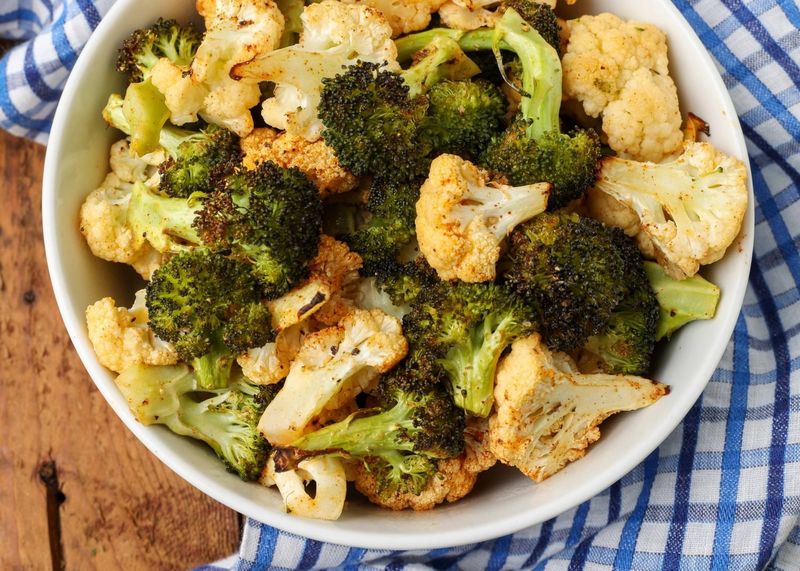
Stir-frying broccoli and cauliflower at a high temperature encourages their natural sugars to caramelise. This process brings out a deeper, nutty or savoury flavour that boiling simply cannot achieve.
As the vegetables take on a little colour, their edges become golden and slightly crisp, adding both flavour and texture.
This method not only makes the vegetables tastier but also preserves more nutrients, since the cooking time is short and the vegetables aren’t submerged in water. The result is a dish that tastes fresher, richer and more complex.
Simple Add-Ins That Enhance Mary Berry's Versatile Recipe
Another advantage of Mary Berry’s method is how easily it can be adapted. Ingredients such as garlic, shallots or a favourite seasoning can be added to personalise the dish.
This adaptability means the recipe can shift from subtly savoury to sweet or mildly spicy, depending on what you choose to include.
A drizzle of honey, a sprinkle of chilli flakes or a touch of black pepper can take the vegetables in different flavour directions.
Rather than being something you “force down,” the dish becomes one you genuinely look forward to eating.
How Mary Berry's Cooking Approach Elevates Everyday Vegetables

Mary Berry’s approach shows how simple changes can elevate everyday ingredients. By swapping boiling for a fast stir-fry and using just a few pantry staples, she turns two often-overlooked vegetables into something far more appealing.
Her technique respects the natural qualities of broccoli and cauliflower, allowing them to stay crisp, colourful and full of flavour.
It also reflects her broader cooking philosophy: straightforward methods, good ingredients and results that feel both practical and satisfying.
This recipe demonstrates how even the humblest vegetables can shine with the right technique.