













Remember those fast-food joints that dotted British high streets and motorways back in the day? Some vanished without much fuss, while others left a burger-shaped hole in our hearts.
Britain's fast-food landscape has changed dramatically over the decades, with many beloved chains disappearing into the mists of culinary history.
1. Happy Eater
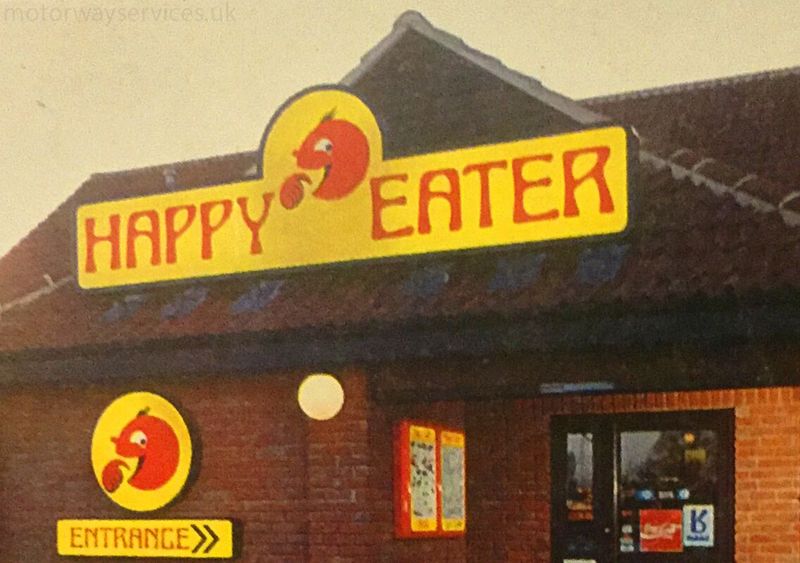
Launched in 1973 as a competitor to Little Chef, Happy Eater's garish red and yellow signs became fixtures along British A-roads until 1996.
The chain offered bland food in chalky interiors with sticky tables, though children enjoyed the outdoor playgrounds. The name itself now feels uncomfortably dated – who wants to eat somewhere that sounds like a medical condition?
2. Pizzaland
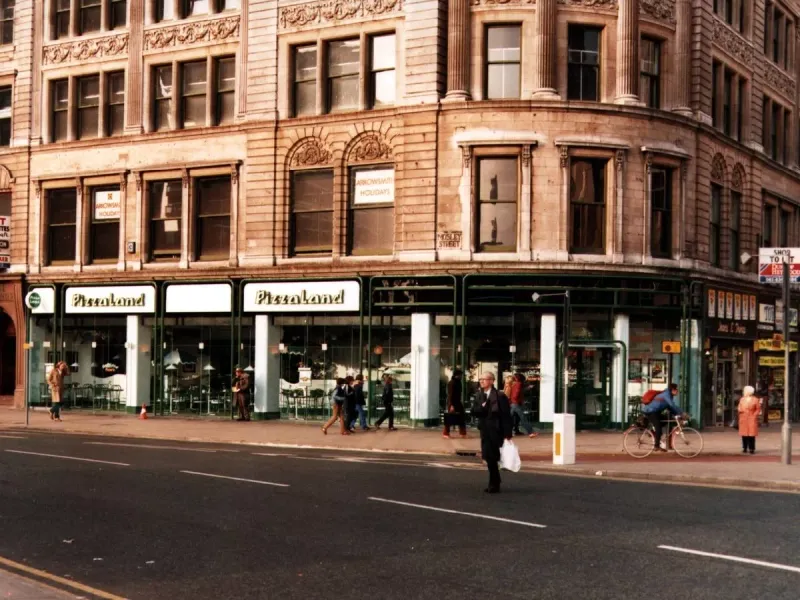
Once boasting 140 locations across Britain, Pizzaland collapsed in 1996 after a desperate penny-pizza promotion backfired spectacularly.
The chain's cardboard-like bases and sparse toppings made even modern budget pizzas seem gourmet by comparison. Their aggressive expansion strategy proved fatal when quality plummeted and customers fled to Pizza Hut and emerging local pizzerias offering authentic Italian alternatives.
3. Fuzzy's Grub
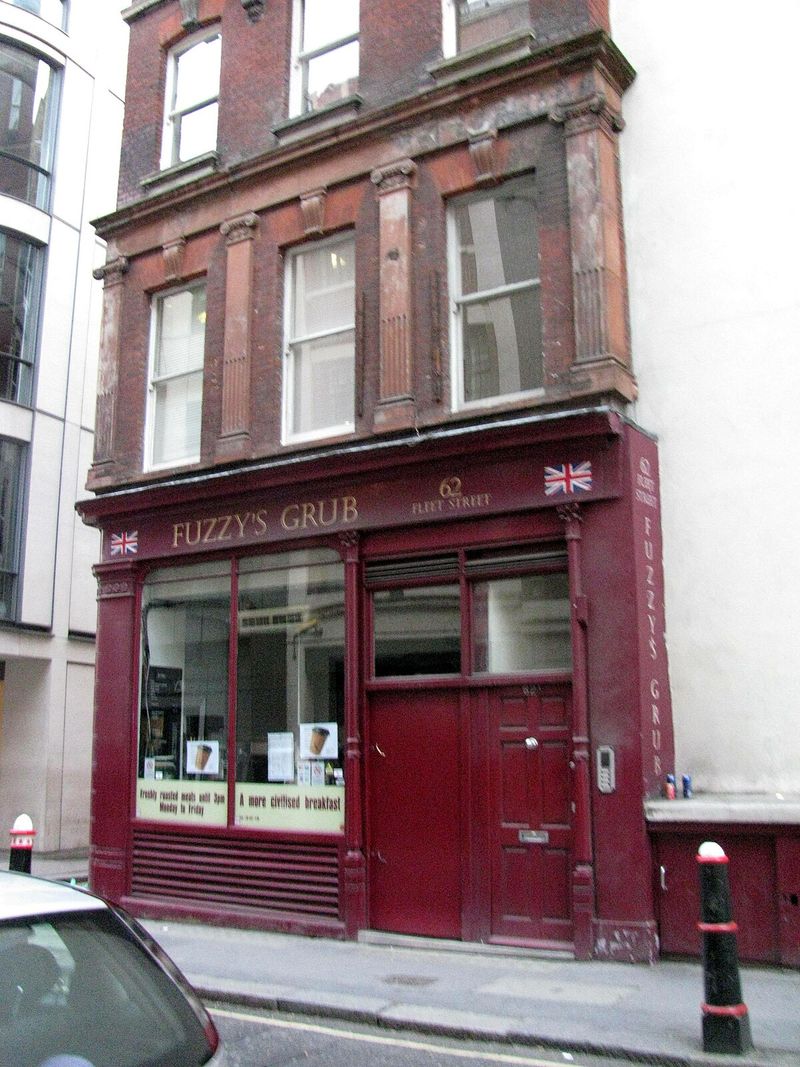
This London-based takeaway chain specialized in roast sandwiches – essentially Sunday dinner stuffed between bread slices. Sounds promising, but the execution left much to be desired.
By 2008, Fuzzy's Grub had collapsed entirely. The meat often arrived dry, the gravy soaked through the bread creating an unappetizing soggy mess, and portion sizes shrank as costs rose. Some things just aren't meant for takeaway format.
4. Berni Inn
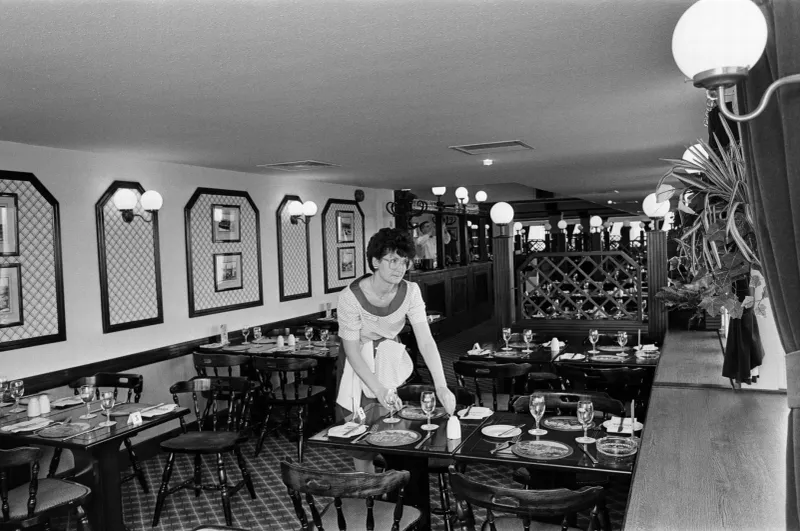
The Berni Inn chain dominated British dining from the 1950s to the 1980s with their predictable menu of prawn cocktail, steak, and Black Forest gateau.
Though technically not fast food, they deserve mention for their assembly-line approach to dining. The chain's stuffy atmosphere, faux-posh waiters, and identikit restaurants became the butt of comedy sketches. When competition arrived with actual flavour, Berni quickly faded into history.
5. Cadena Cafes
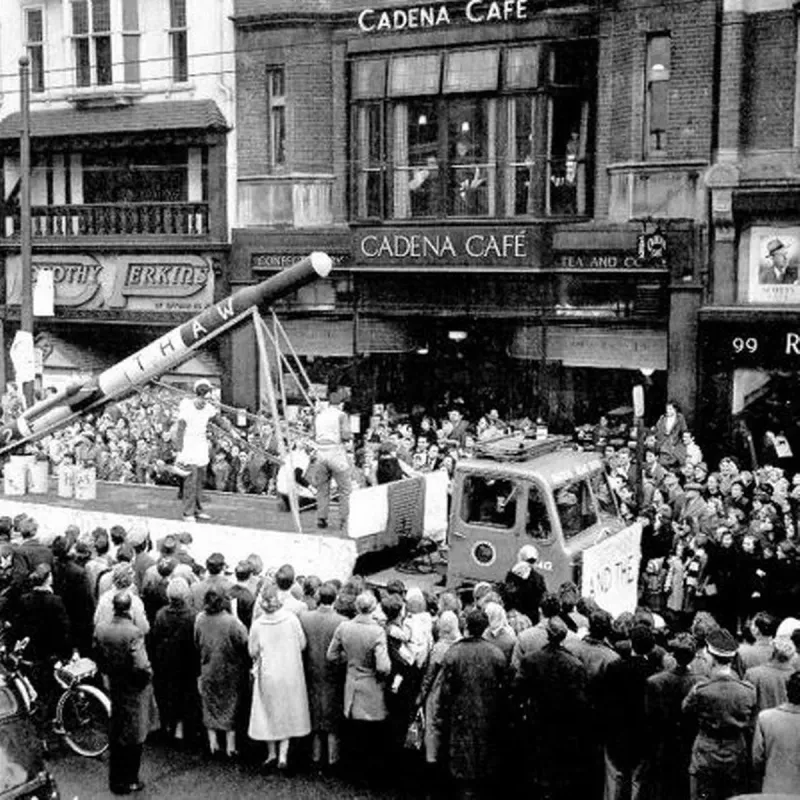
Long before Costa and Starbucks, Cadena Cafes dominated British high streets in the mid-20th century. Their uniform interiors featured Formica tables and waitresses in starched uniforms.
The food was notoriously bland – think limp sandwiches and watery soup. Most locations had vanished by the 1970s, unable to compete with more modern offerings. Only the oldest Brits even remember these relics of post-war austerity.
6. Firkin Brewery Pubs
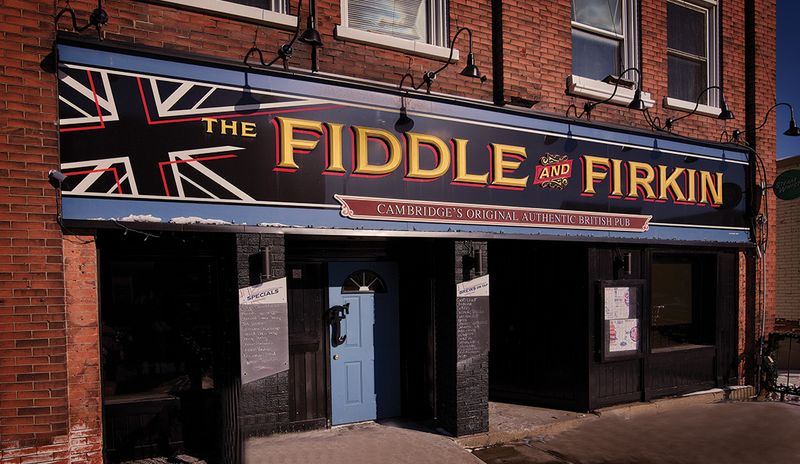
The Firkin chain spread across Britain in the 1980s-90s with locations bearing groan-worthy pun names like 'Firkin Worm' and 'Tidy Firkin'.
Each pub brewed beer on-site – an innovative concept at the time. However, the food was afterthought-level terrible: microwaved pies and soggy chips served on wooden boards. When the craft beer revolution arrived with actually decent food, the Firkin empire quickly collapsed.
7. Highlander Restaurants
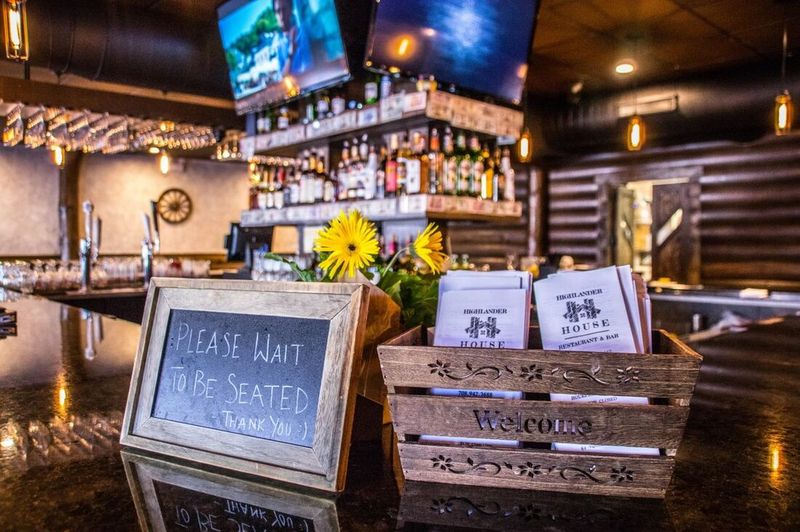
This Isle of Man-based chain briefly attempted expansion to the mainland but failed to make any meaningful impact.
The Scottish-themed restaurants offered mediocre food at premium prices, with staff forced to wear tartan uniforms regardless of their heritage. Their bizarre menu featured mishmash dishes like 'Highland Nachos' and 'Loch Ness Burgers'. Island locals barely remember the chain that vanished quietly in the early 2000s.
8. Little Chef
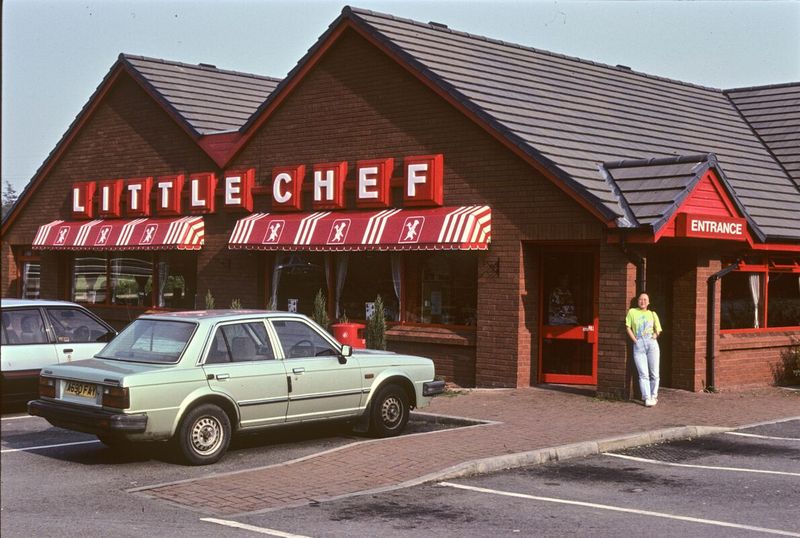
The red chef logo beckoned weary travelers from 1958 until the final location closed in 2018. Those distinctive A-road diners were a British institution.
Famed for their Olympic Breakfast and Jubilee Pancakes, Little Chef was where families refueled during long journeys. Despite attempts at revival (including a brief Heston Blumenthal makeover), changing travel habits and motorway services eventually spelled doom for this beloved roadside classic.
9. Spudulike
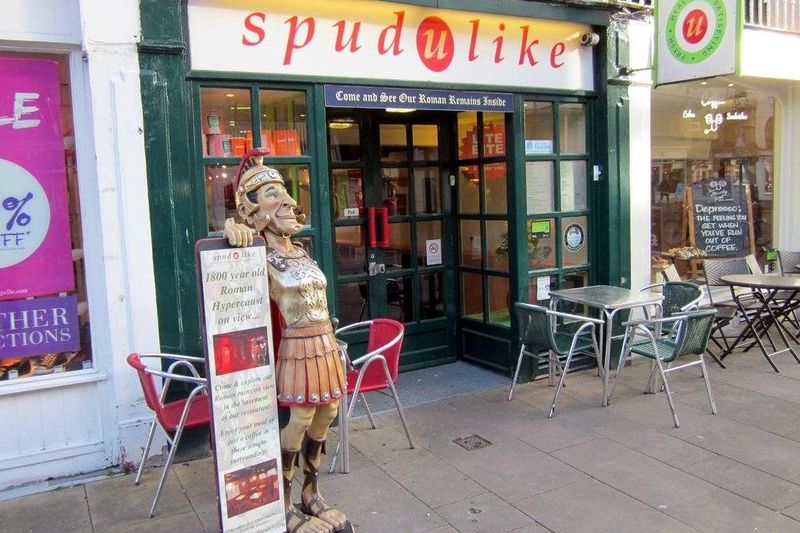
Born in Edinburgh in 1974, Spudulike elevated the humble jacket potato into a proper meal. Their fluffy spuds came with creative toppings that went well beyond beans and cheese.
The chain expanded to shopping centres nationwide before suddenly collapsing in 2019, leaving potato fans bereft. Though some locations reopened under new ownership, the original magic of those steaming, foil-wrapped potatoes topped with prawn mayo or chilli remains a cherished memory.
10. Ed's Easy Diner
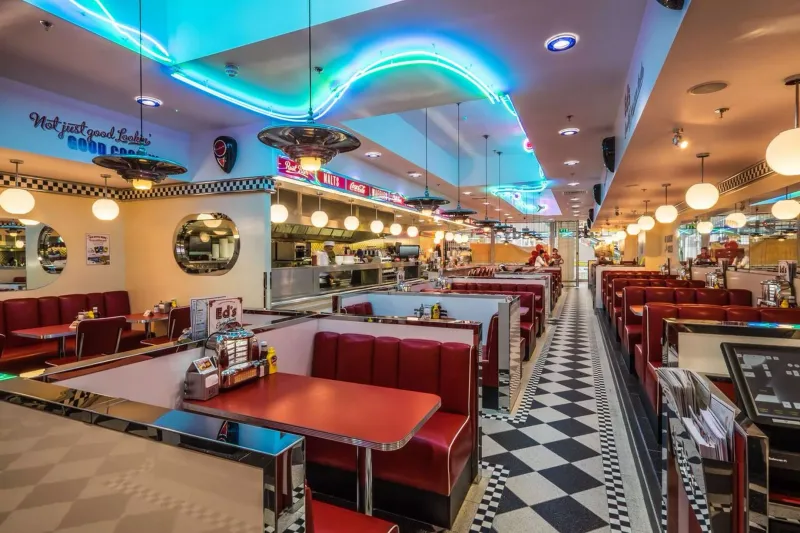
Those shiny chrome-and-red booths transported Brits to 1950s America without the passport. Ed's jukeboxes played rock 'n' roll while servers delivered thick milkshakes and proper burgers.
At its 2016 peak, nearly 60 locations operated nationwide. Financial troubles led to massive closures, with just a handful remaining today. The surviving restaurants lack the authentic charm that made the originals special – when Ed's truly felt like a slice of American diner culture.
11. Wendy's
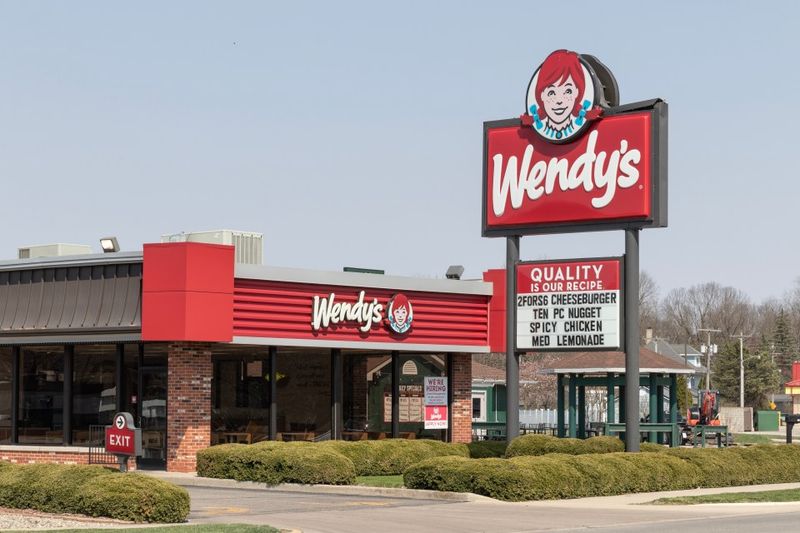
Before their recent UK return, Wendy's first attempted British conquest in the 1980s and 90s. Their square burgers and thick Frosty desserts briefly delighted British palates.
Unlike today's calculated expansion, that first wave fizzled due to property costs and fierce competition. Those old enough to remember still talk about the superior quality compared to other chains of the era. The nostalgic pull explains why their modern comeback generated such excitement.



