













Ever felt your blood pressure rise watching someone else in your kitchen? You're not alone. Across Britain, certain kitchen habits drive people up the wall, from the way we make tea to how we handle washing up.
These irritating behaviours not only cause domestic disputes but can waste energy, ruin food, and make cooking more stressful than it needs to be.
1. Leaving Dirty Dishes In The Sink
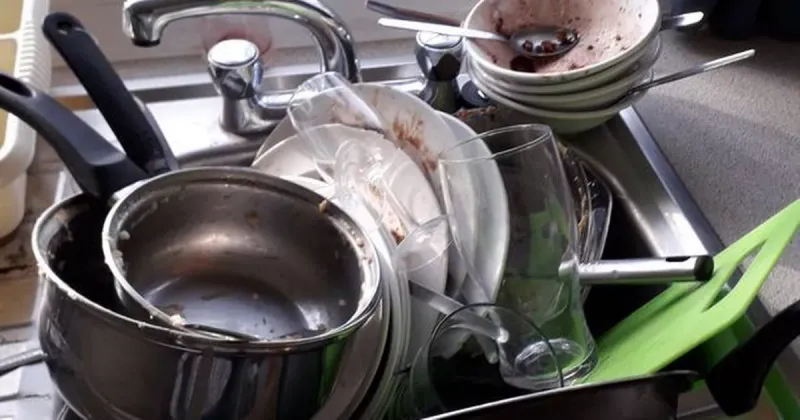
Nothing screams 'I'll deal with it later' quite like a tower of crusty plates in the sink. Food particles harden like concrete when left, making what could have been a quick rinse turn into an archaeological dig.
According to a 2022 survey by British home goods retailer Lakeland, 68% of Britons find this habit the most infuriating. The sink becomes unusable, smells develop, and resentment builds faster than the pile itself.
2. Overfilling The Kettle
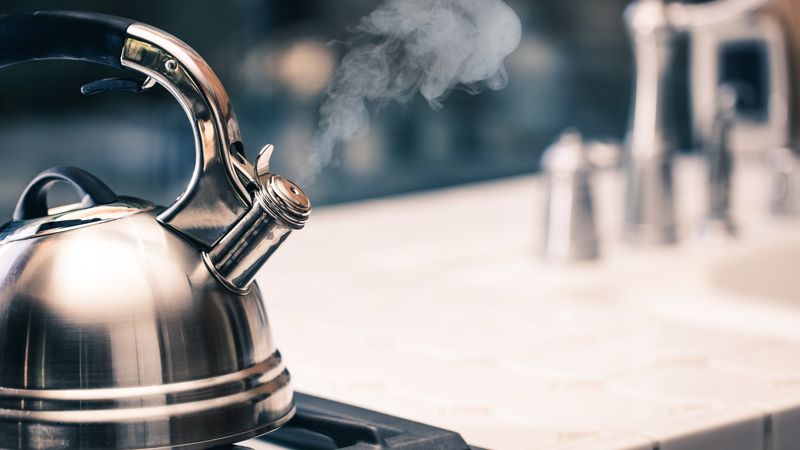
Fancy a cuppa? That doesn't mean filling the kettle to the brim for one lonely mug. This wasteful habit costs British households millions in unnecessary energy bills yearly.
Energy Trust UK reports that if everyone boiled only what they needed, we could save enough electricity to power the UK's street lights for two months. Plus, waiting for a full kettle to boil when you're gasping for tea? Pure torture.
3. Forgetting To Close The Fridge Properly
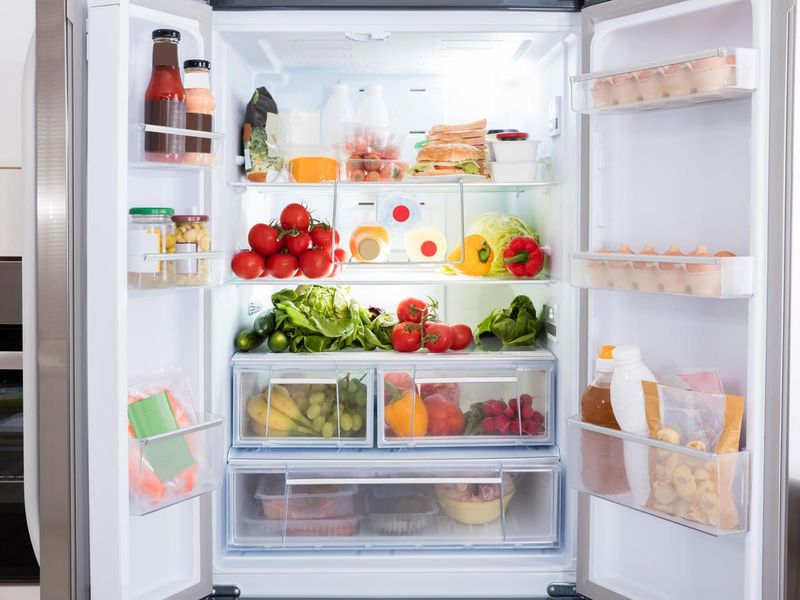
That gentle hum turning into an alarming beep—someone's left the fridge door ajar again. The cool air escapes while electricity bills soar.
Research from the University of Cambridge shows an open fridge can raise energy consumption by up to 40%. Meanwhile, food safety experts warn that temperature fluctuations can reduce shelf life and compromise safety.
The butter melts, milk spoils faster, and that expensive cheese develops unwanted cultures.
4. Using Too Many Pots And Pans
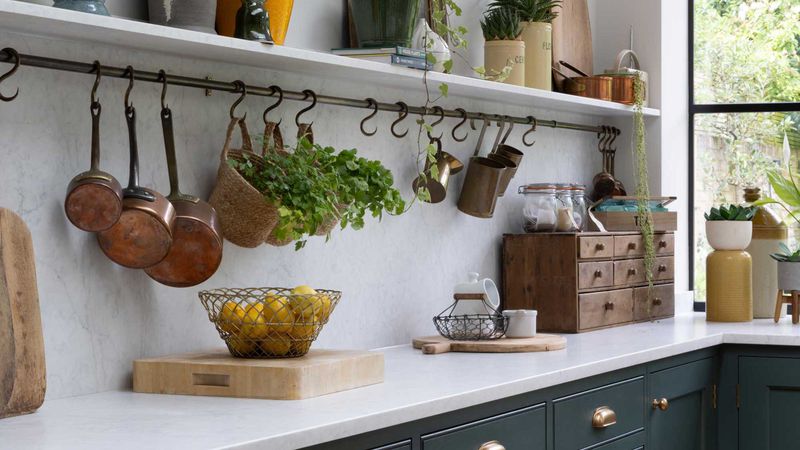
Gordon Ramsay would have a field day with those who turn a simple meal into a washing-up nightmare. The one-pan wonder becomes a ten-pan blunder.
Professional chef James Martin often remarks on this common home cooking mistake. Kitchen efficiency experts suggest planning your cooking sequence to minimize equipment use.
Not only does this habit create unnecessary cleaning, but it also wastes water, space, and precious cooking time.
5. Not Labeling Leftovers
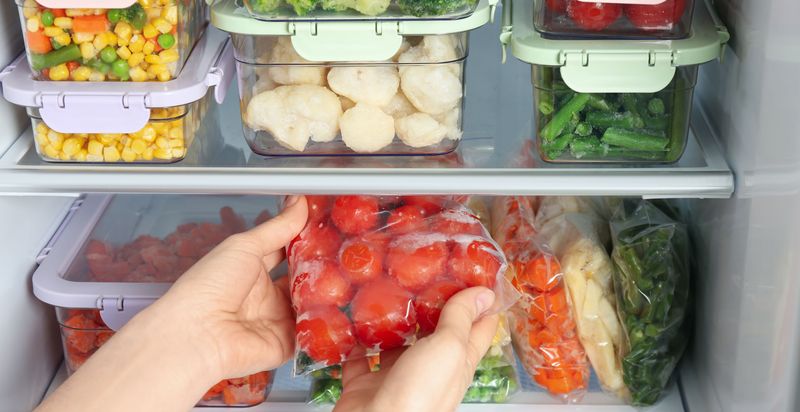
Mystery containers lurk in fridges across Britain, their contents forgotten and aging not-so-gracefully. Is it last week's curry or month-old soup? Nobody dares to check.
Food waste charity WRAP estimates UK households throw away 4.5 million tonnes of edible food annually. Much of this waste comes from unlabelled leftovers that get forgotten.
A simple date and description could save both food and the stomach-churning discovery of something formerly edible.
6. Leaving Spices In The Pantry Without Lids
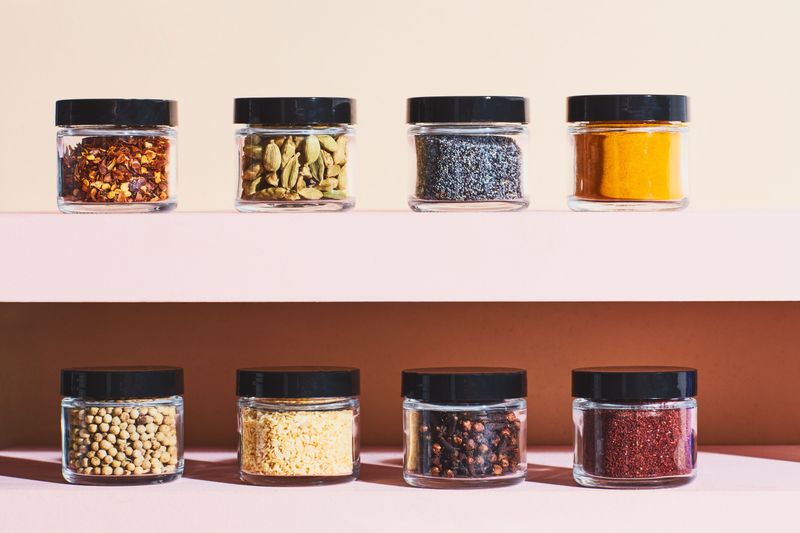
Paprika explosions and turmeric tsunamis await those who don't secure their spice lids. Once-vibrant flavours fade into bland dust as air exposure steals their punch.
Culinary expert Nigella Lawson emphasizes proper spice storage as essential for maintaining flavour. Open spices not only lose potency but can cross-contaminate, turning your carefully curated collection into a muddled mess.
The final insult? Finding that perfect spice jar empty because it's been slowly spilling for weeks.
7. Storing Food In The Wrong Place
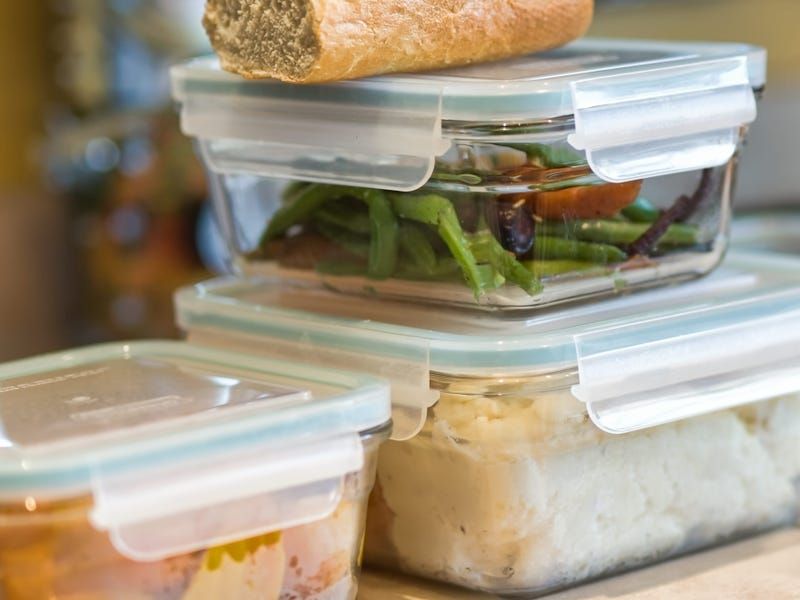
Potatoes and onions becoming roommates? Tomatoes chilling unnecessarily in the fridge? These storage blunders make food scientists shudder.
Dr. Rachel Adams from Cardiff Metropolitan University explains that improper food storage accelerates spoilage. Tomatoes lose flavour in cold temperatures, while potatoes near onions sprout faster due to ethylene gas exchange.
The result is wasted groceries and compromised flavours—a double disappointment for any home cook.
8. Constantly Opening The Oven Door
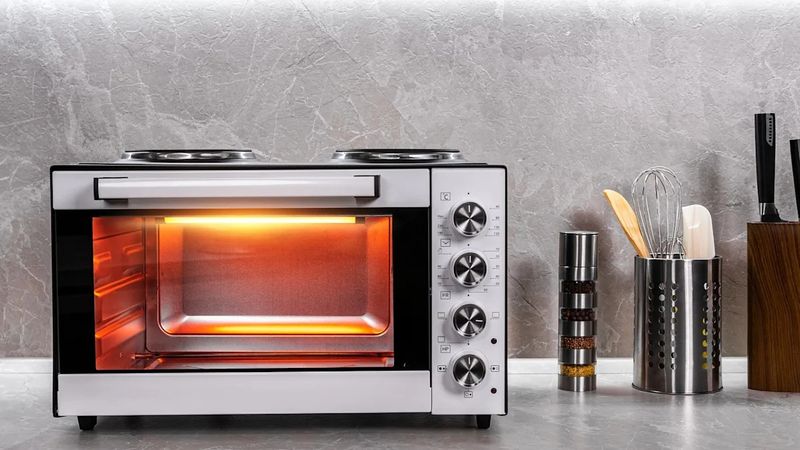
Patience wears thin when someone keeps peeking at the roast. Each curious glance drops the oven temperature by up to 25°C, turning perfectly timed recipes into guesswork.
Celebrity chef Jamie Oliver frequently warns against this common mistake. The temperature fluctuation causes uneven cooking and can add significant time to your baking.
Modern ovens often include viewing windows and lights specifically to discourage this tempting but counterproductive habit.
9. Cutting Bread With A Dull Knife
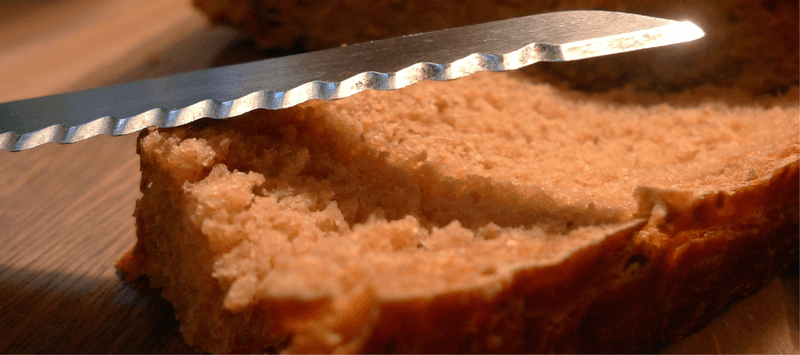
Bread massacre! What should be clean slices becomes a crime scene of crumbs and squashed loaves when attacked with inadequate cutlery.
Master baker Paul Hollywood considers proper bread cutting essential to preserving texture. A serrated knife designed specifically for bread makes clean cuts without compression.
The frustration of watching someone mangle a freshly baked sourdough with a butter knife ranks high among British kitchen grievances, according to a YouGov poll.
10. Leaving Dirty Tea Towels Around
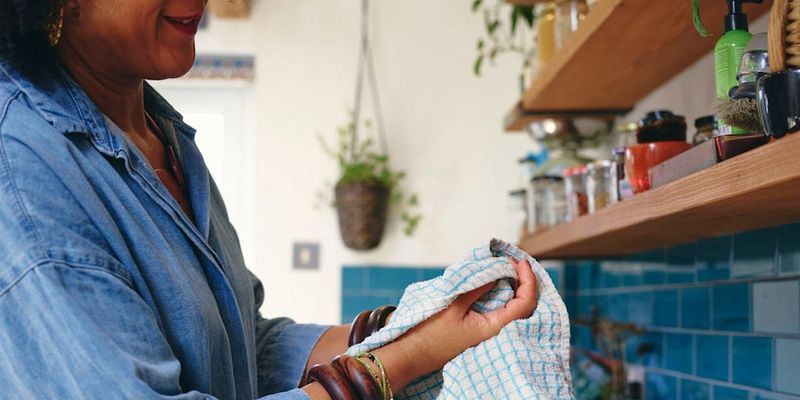
Damp, crumpled tea towels draped over chairs or abandoned on countertops become bacterial playgrounds. The innocent-looking cloth quickly transforms into a microbial metropolis.
Microbiologist Dr. Lisa Ackerley reports that kitchen towels can harbor more bacteria than toilet seats when not properly laundered. The Royal Society for Public Health recommends washing tea towels at 60°C after just a day or two of use.
Yet many Britons use the same towel for weeks!
11. Misplacing Kitchen Utensils
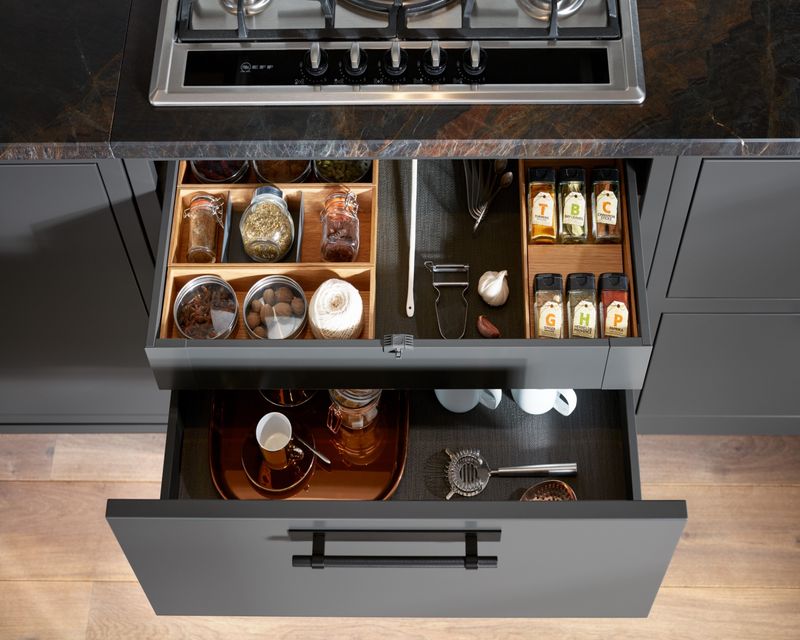
The frantic search for the fish slice during a critical cooking moment—we've all been there. Utensils seem to develop legs and wander off just when they're most needed.
Organisation psychologist Dr. Emma Richardson notes that misplaced items can increase cooking stress by up to 40%. Many British kitchens lack proper organisation systems, with drawers becoming jumbled chaos.
The resulting frustration often leads to using inappropriate tools for the job or abandoned recipes altogether.
12. Overcooking Vegetables
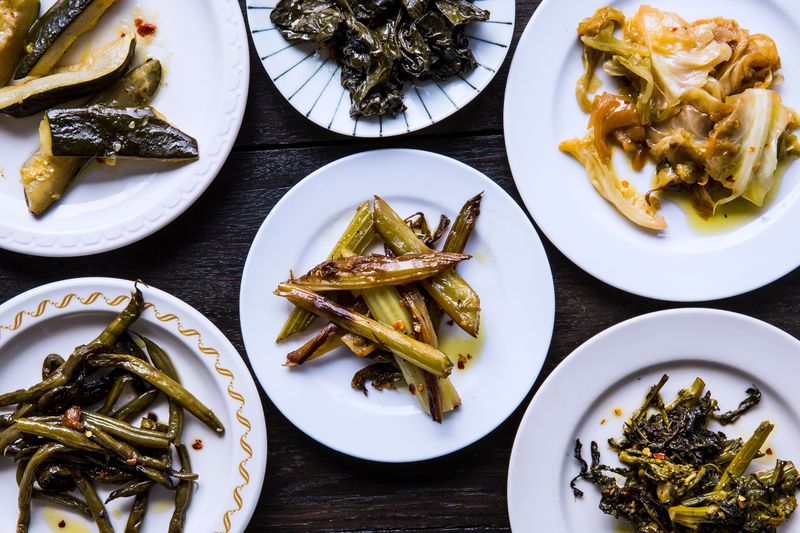
Mushy peas might be a British delicacy, but mushy everything else? Not so much. The tradition of boiling vegetables until they wave the white flag of surrender persists in kitchens nationwide.
Nutritionist Dr. Sarah Schenker points out that overcooking vegetables can reduce their vitamin content by up to 50%. Modern British cooking has evolved, yet many still cling to the methods of yesteryear.
Bright colours fade, textures collapse, and flavours disappear—vegetable abuse at its worst.
13. Using The Wrong Knives For The Job
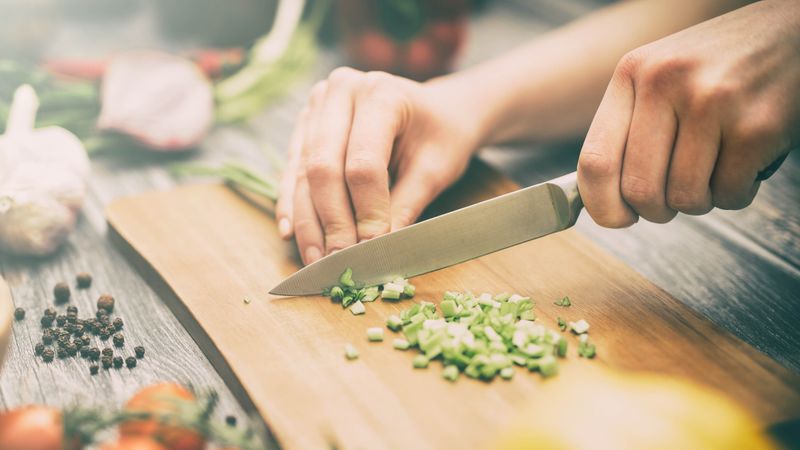
Watching someone hack at a tomato with a bread knife or saw through meat with a paring knife makes professional chefs wince. The right knife transforms cooking from struggle to symphony.
Culinary instructor Marco Williams from Le Cordon Bleu London explains that knife selection affects both food quality and safety. Using inappropriate knives increases the risk of accidents while producing inferior results.
Yet 62% of British home cooks regularly grab whatever's closest, regardless of suitability.



