













Phở, the beloved Vietnamese noodle soup, has earned a special place in the hearts of food lovers worldwide.
With its aromatic broth, silky rice noodles, tender meat, and fresh herbs, it delivers a perfect balance of rich flavours, fresh elements, and tangy lime that creates a comforting yet vibrant experience.
Making restaurant-quality phở at home might seem challenging, but with the right techniques, you can create that authentic taste right in your own kitchen.
1. Bones Are The Foundation
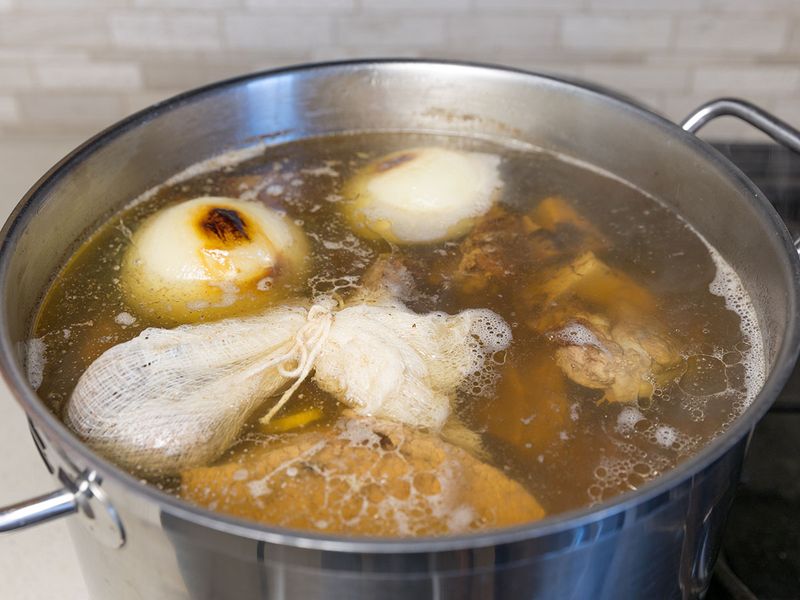
The secret to exceptional phở starts with quality bones. Select beef knuckles, oxtail, and marrow bones for their rich collagen content.
Blanch them first by boiling briefly, then rinsing under cold water to remove impurities. This crucial step ensures your broth remains clear rather than cloudy.
A proper bone-to-water ratio will deliver that silky mouthfeel that distinguishes superior restaurant broths from homemade attempts.
2. Char Your Aromatics
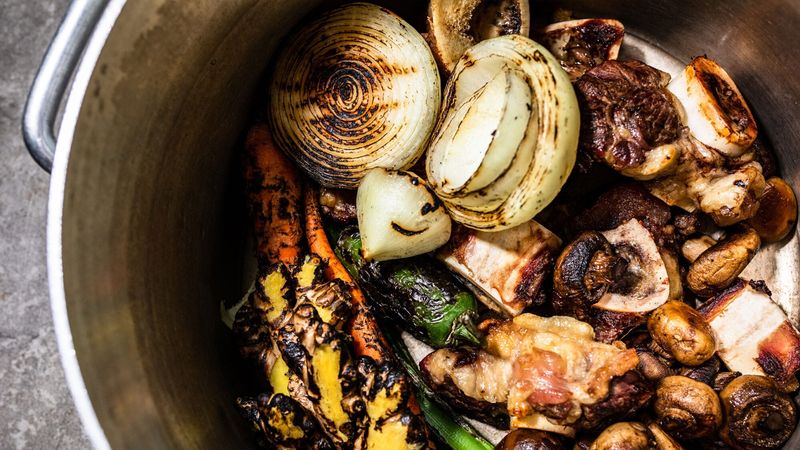
Traditional Vietnamese cooks know that charring onions and ginger creates magic in phở. Place whole onions and ginger pieces directly over an open flame or under the grill until blackened.
This technique caramelises the natural sugars while adding smoky depth to your broth. The charred exterior infuses complexity that simply can't be achieved otherwise.
Remember to peel away the burnt skin before adding to your pot.
3. Toast Spices For Aromatic Brilliance
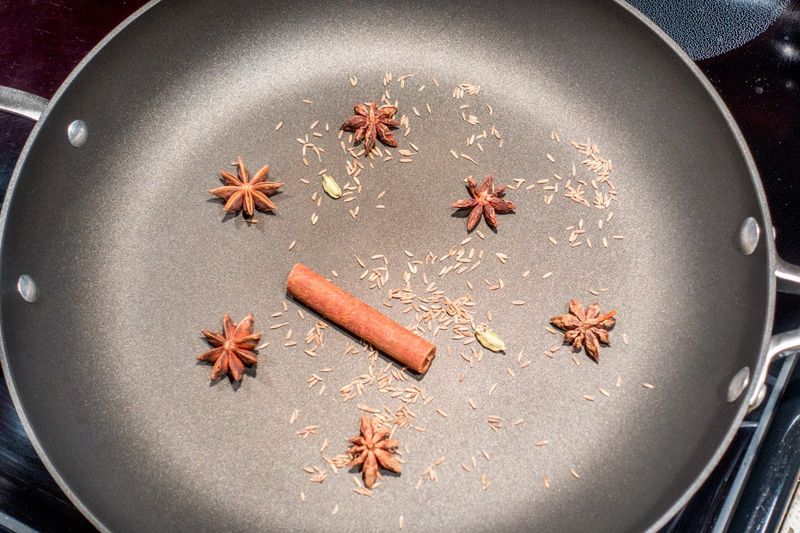
Phở's distinctive flavour profile comes from its spice blend. Star anise, cinnamon sticks, coriander seeds, cloves, and cardamom pods need proper treatment.
Heat a dry pan until hot, then add your spices, shaking frequently until they release their fragrant oils – usually about 2-3 minutes. You'll know they're ready when your kitchen fills with their intoxicating aroma.
Bundling them in cheesecloth creates a tidy spice sachet for easy removal later.
4. Master The Gentle Simmer
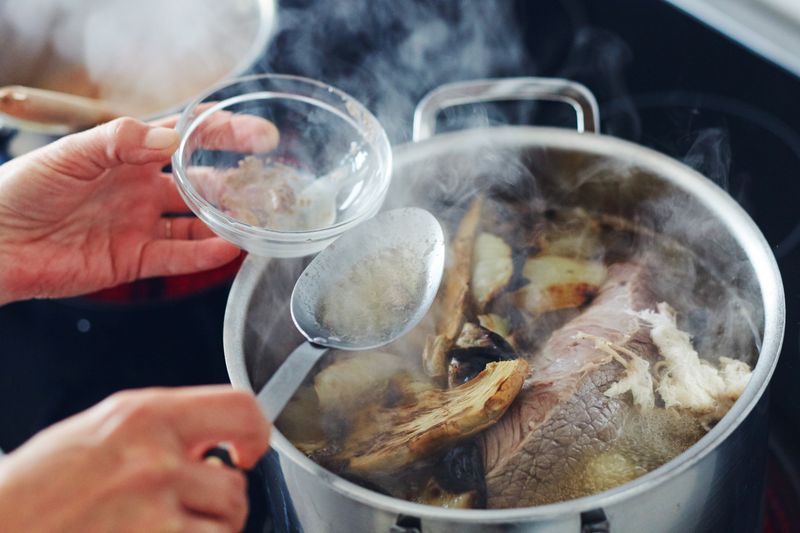
Rushing phở broth is a cardinal sin among Vietnamese chefs. Once your pot reaches a boil, immediately reduce to the gentlest possible simmer – barely a bubble breaking the surface.
This slow extraction process allows flavours to develop without becoming bitter. Beef phở traditionally simmers for 6-8 hours, while chicken requires 3-4 hours.
Patience rewards you with clear, complex broth that forms the heart of authentic phở.
5. Fish Sauce Selection Matters
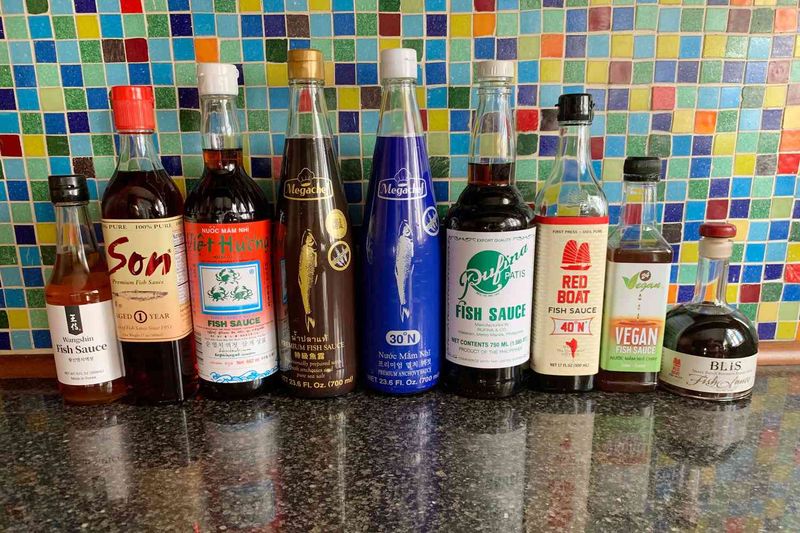
Not all fish sauce is created equal. Look for bottles labelled 'nước mắm nhĩ' – premium first extraction with higher protein content and deeper flavour.
Quality brands include Red Boat, Three Crabs, and Squid. Add this liquid gold gradually, tasting as you go, since saltiness varies between brands.
Fish sauce provides that elusive umami dimension that defines authentic Vietnamese cuisine and brings your phở to life.
6. Perfect Your Rice Noodle Technique
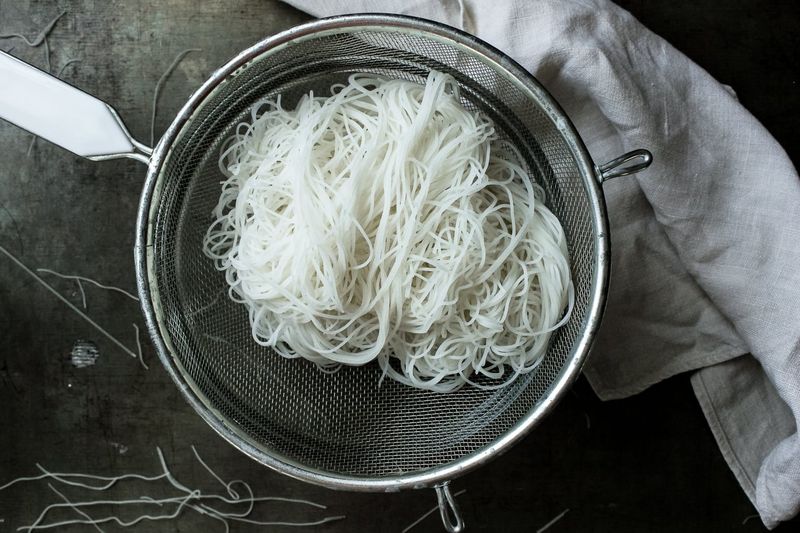
Fresh rice noodles (bánh phở tươi) deliver superior texture, but dried alternatives work well with proper preparation. Soak dried noodles in cold water for 30 minutes before cooking.
Cook them separately from your broth until just al dente – slightly undercooked. They'll continue softening when hot broth is added.
Rinse immediately under cold water to stop cooking and prevent sticking, a technique Vietnamese restaurants always employ.
7. Slice Meat Paper-Thin
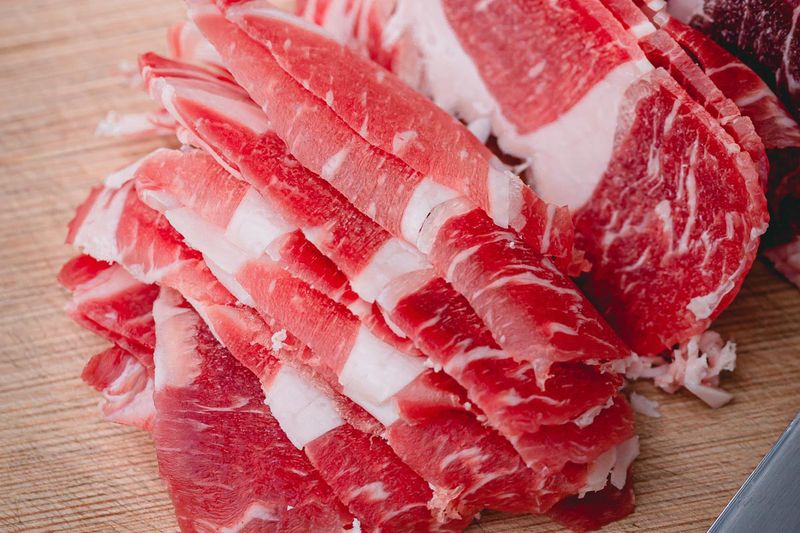
The signature raw beef in phở tái requires special handling. Freeze your sirloin or eye round for 30 minutes until firm but not solid.
Using your sharpest knife, slice against the grain into nearly translucent pieces. This preparation ensures the hot broth will cook the meat perfectly when poured over.
Professional chefs maintain their slicing knife's edge specifically for this delicate task, as thickness dramatically affects the meat's final texture.
8. Create A Fresh Herb Platter
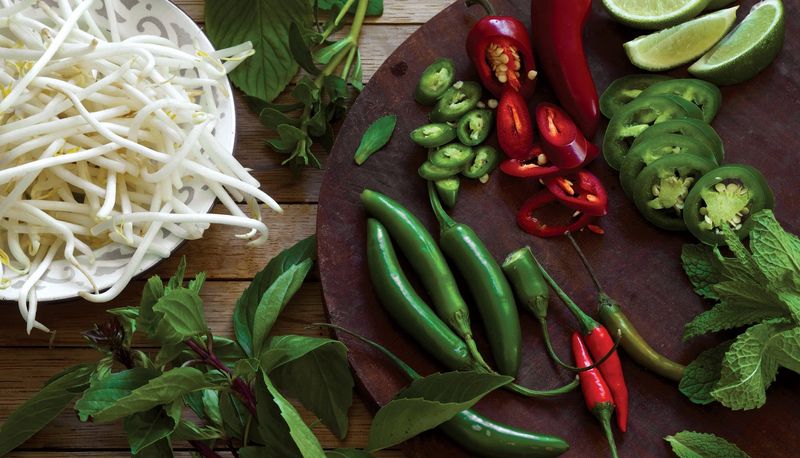
The herb accompaniments aren't mere garnishes – they're essential flavour components. Arrange Thai basil, sawtooth herb (ngò gai), cilantro, and bean sprouts on a separate plate.
Include lime wedges, sliced chillies, and hoisin sauce for customisation. Vietnamese dining culture encourages each person to adjust their phở to personal taste.
Fresh herbs should be added gradually throughout eating, not all at once, allowing their aromatics to infuse with each spoonful.
9. Skim Diligently For Clarity
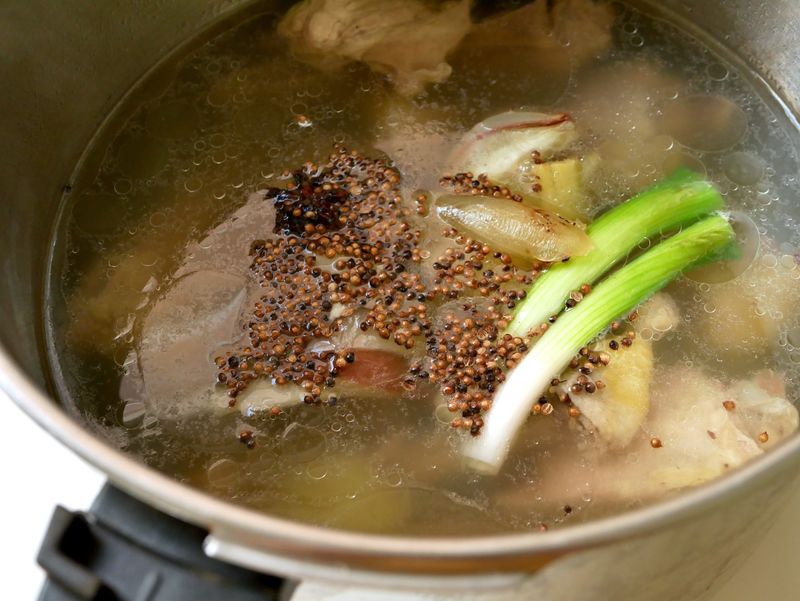
Crystal-clear broth distinguishes exceptional phở. During the first hour of simmering, proteins and impurities rise to the surface as foam.
Use a fine-mesh skimmer to gently remove this scum every 15-20 minutes. Each skimming session improves clarity dramatically.
Restaurant chefs maintain this vigilance throughout cooking, sometimes keeping a small pot of hot water nearby to rinse the skimmer between uses – a professional touch worth adopting.
10. Balance With Rock Sugar
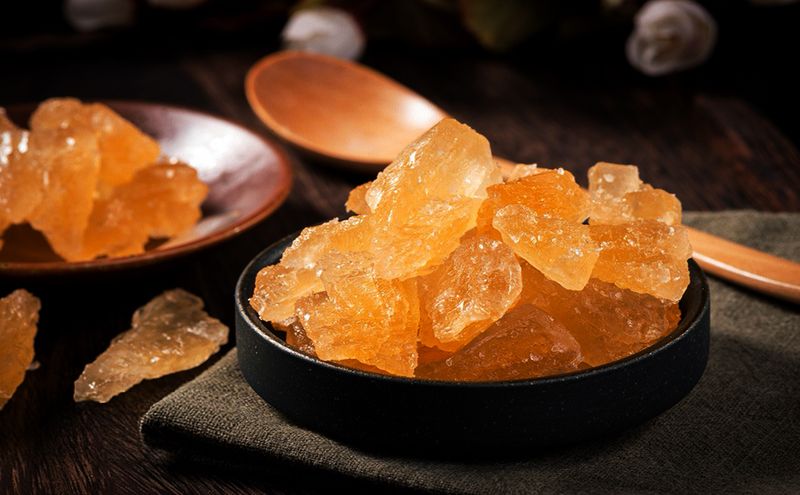
Yellow rock sugar (đường phèn) contributes more than sweetness – it rounds out sharp flavours and balances the saltiness from fish sauce. Unlike refined sugar, it imparts subtle caramel notes.
Add small pieces during the final hour of simmering, allowing them to dissolve completely. The goal isn't detectable sweetness but harmonious flavour.
Vietnamese grandmothers judge a broth's balance by how the flavours linger equally on the palate.
11. Master The Assembly Order
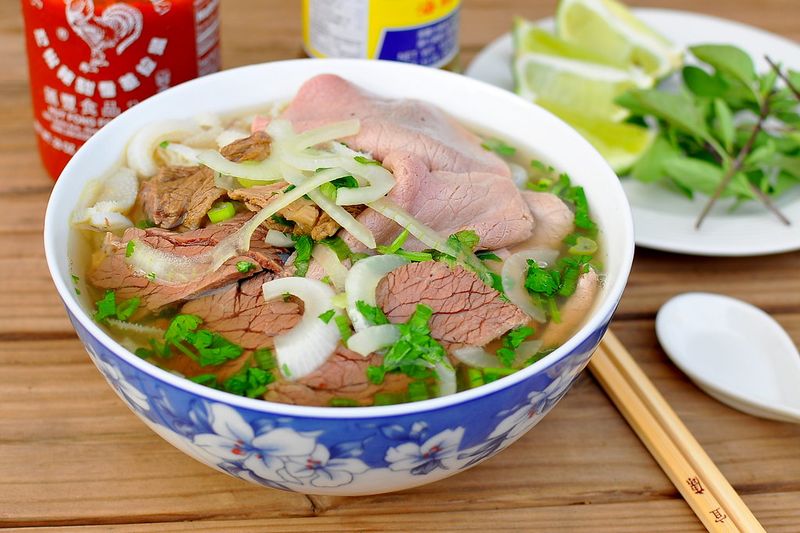
Professional phở assembly follows a specific sequence. First, place noodles in the bowl, followed by sliced onions and a sprinkle of chopped spring onions and coriander.
Arrange raw beef slices in a single layer atop this foundation. The final step – pouring steaming hot broth directly over the meat – cooks it perfectly.
This methodical layering ensures proper temperature and texture throughout the bowl, a technique that separates authentic restaurants from casual imitations.
12. Serve In Pre-Heated Bowls
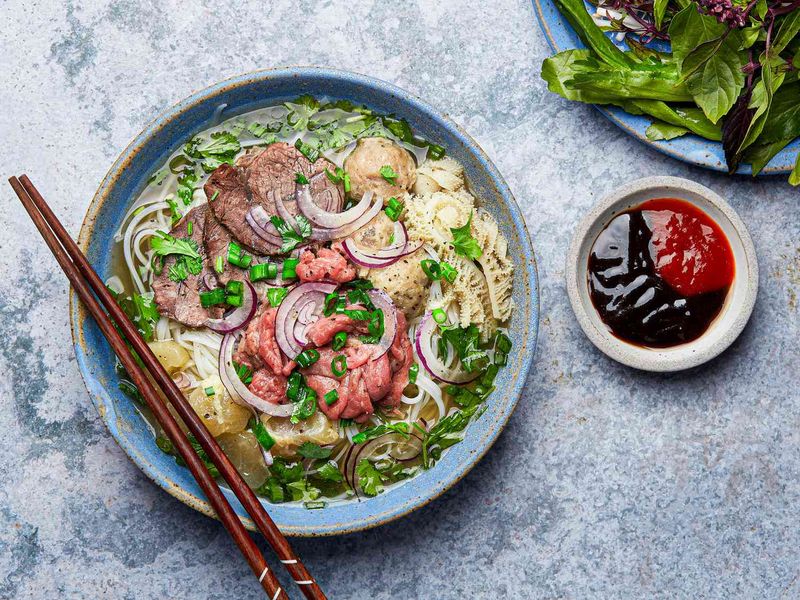
Temperature maintenance separates restaurant phở from disappointing home versions. Fill serving bowls with boiling water for 2 minutes before emptying and immediately assembling your phở.
This simple step keeps your soup piping hot throughout the eating experience. The ideal serving temperature hovers around 90°C – hot enough to cook raw beef but not scald the palate.
Traditional Vietnamese ceramic bowls retain heat particularly well for this purpose.



