










• Skip to primary navigation
  • Skip to main content
  • Skip to primary sidebar
The Daily Dish
  • About Me
  • Recipes
  • Wellbeing🧡
  • Contact
  • Subscribe
  • Gluten-Free
  • Navigation Menu: Social Icons

    Connect With Me

    • Facebook
    • Instagram
    • Pinterest
menu icon
go to homepage
  • About Me
  • Recipes
  • Wellbeing🧡
  • Contact
  • Subscribe
  • Gluten-Free
  • Let's Connect

    • Facebook
    • Instagram
    • Pinterest
  • subscribe
    search icon
    Homepage link
    • About Me
    • Recipes
    • Wellbeing🧡
    • Contact
    • Subscribe
    • Gluten-Free
  • Let's Connect

    • Facebook
    • Instagram
    • Pinterest
  • ×
    • 11 Top-Rated Restaurants In New Jersey That Are Always Worth The Trip
    • 10 Small Local Restaurants In Marietta, Georgia Worth A Visit
    • 11 Top-Rated Restaurants In Maryland That Are Always Worth The Drive
    • 12 Winston-Salem, North Carolina Hole-In-The-Wall Restaurants Only Locals Know About
    • 13 Under-The-Radar Florida Beachfront Restaurants Locals Keep To Themselves
    • 12 Small-Town New York Diners With Huge Pancakes And Classic Comfort Food Locals Call The Best
    • 11 Breathtaking Waterfront Restaurants You'll Only Find In New Jersey
    • 12 Michigan Factory Tours Worth Taking For A Surprisingly Cool Day Trip
    • 14 Michigan Carryout Fish Fry Windows Where The Lake Perch Comes Out Hot, Crispy, And Worth Every Mile
    • These 12 Illinois Buffets Never Changed And Locals Are Glad They Didn't
    • 12 Historic Michigan Restaurants That Have Been Serving For Decades
    • 10 No-Frills New Jersey Italian Restaurants With Meals Worth Clearing Your Schedule For
    Home » Recommendations

    A Guide To The Most Common Clam Varieties

    Published:Sep 4, 2025· Modified: Sep 3, 2025 by Ben Thompson

    • Share
    • Email

    Clams have been valued in coastal communities for centuries, both for their flavour and nutritional benefits. From chowders to pasta dishes, these shellfish bring the taste of the sea to the table.

    Understanding different varieties helps you cook and enjoy them with confidence.

    This article is for general information only. Availability and preparation may vary depending on the region. Photos are illustrative and may not reflect exact outcomes.

    1. Manila Clams
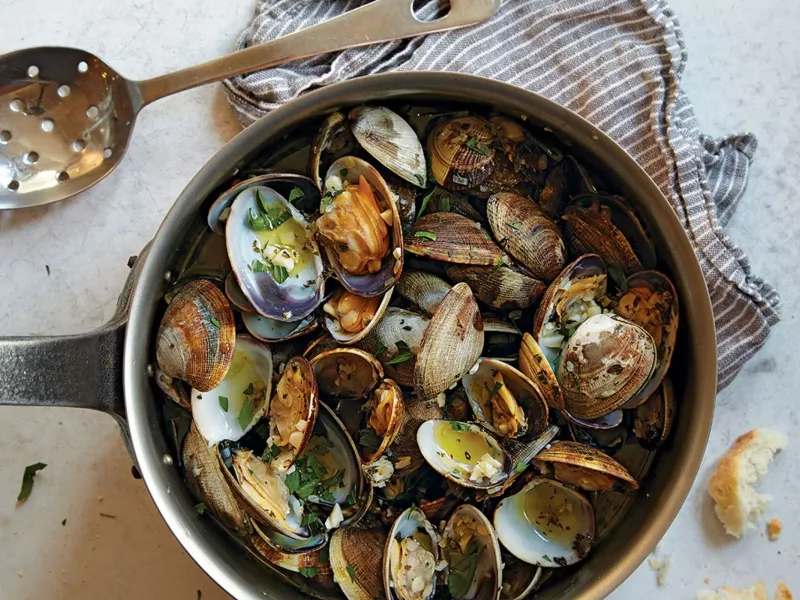
    Manila Clams
    Image Credit: © Sea Forager

    Manila clams are small but packed with sweet, briny flavour, making them a good choice for beginners. Originally from Asia, they are now common in North America and widely used by chefs.

    Steam with garlic to highlight their natural taste, or add to pasta dishes like linguine alle vongole. They cook in just a few minutes, ideal for quick dinners.

    2. Littleneck Clams
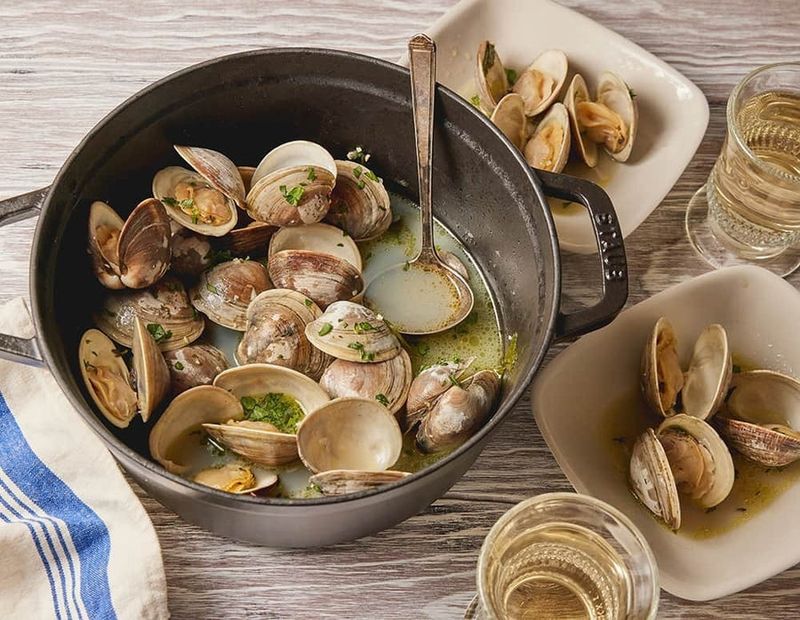
    Littleneck Clams
    Image Credit: © Roger's Fish Co.

    Littlenecks come from Atlantic waters and are often eaten raw or cooked. Their name comes from Little Neck Bay in Long Island, where they were first harvested commercially.

    They shine on the half shell with lemon or hot sauce, but also work well in chowders or simply steamed with butter and herbs. Choose clams with tightly closed shells and a clean ocean scent.

    3. Razor Clams
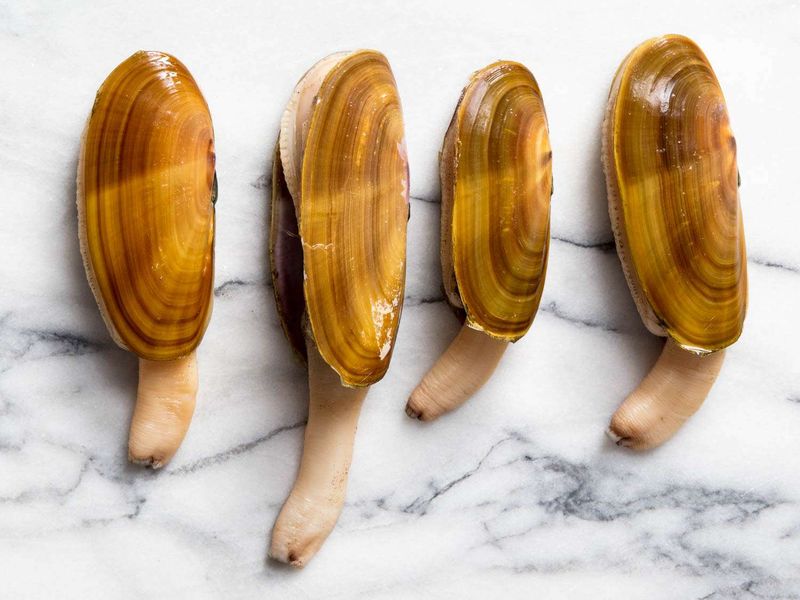
    Razor Clams
    Image Credit: © Serious Eats

    Pacific razor clams are known for their long shells and firm, sweet meat. They require careful cleaning but reward the effort with excellent flavour.

    Coat lightly in flour and pan fry for a simple preparation. Many families collect razor clams during low tide, and the meat freezes well for later use.

    4. Cherrystone Clams
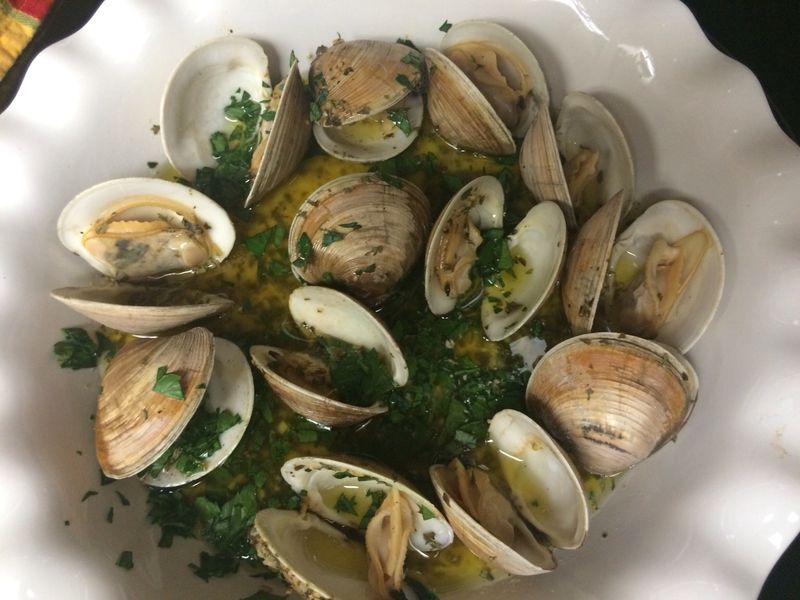
    Cherrystone Clams
    Image Credit: © Two Cousins and a Skillet

    Cherrystones are medium-sized clams, larger than littlenecks but smaller than chowder clams. Their name comes from Cherrystone Creek in Virginia.

    They can be grilled with herb butter or baked with breadcrumbs and bacon. Buy clams that close tightly when tapped and store under a damp cloth in the fridge.

    5. Quahog Clams
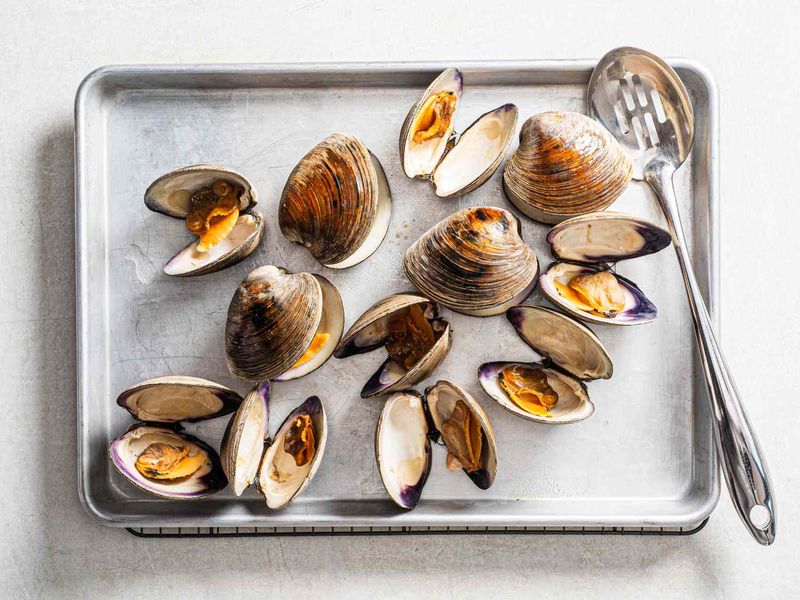
    Quahog Clams
    Image Credit: © Serious Eats

    Quahog clams, also called hard clams, are native to the Atlantic coast and recognised for their thick, durable shells. They have been harvested for centuries by indigenous peoples and coastal communities.

    In cooking, quahogs are often used in chowders and stuffed dishes, valued for their chewy texture and mild, sweet flavour. Larger specimens, known as chowder clams, provide a hearty base for traditional recipes.

    6. Butter Clams
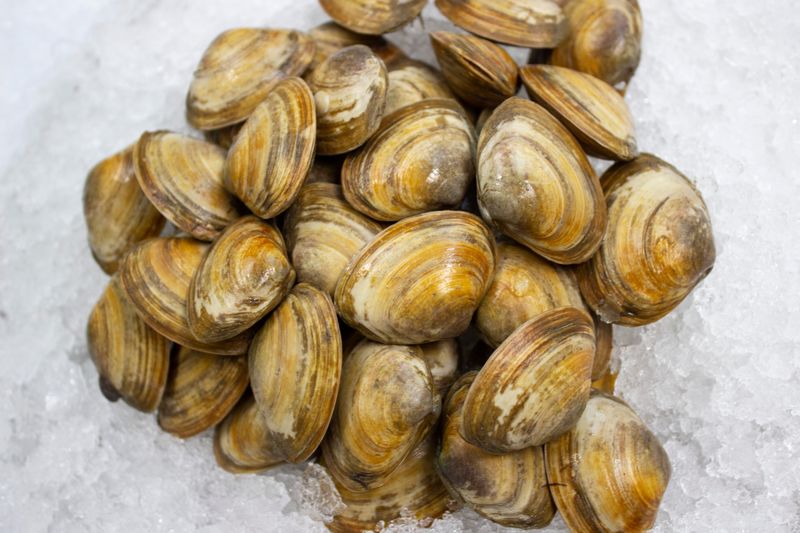
    Butter Clams
    Image Credit: © Pangea Shellfish Company

    Butter clams, found along the Pacific Northwest coast, are valued for their rich flavour and tender texture. Their sturdy shells provide protection from predators, making them a resilient species in coastal habitats.

    In the kitchen, butter clams are highly versatile. They can be steamed, grilled, or baked, and their naturally buttery taste pairs well with sauces made from wine and garlic.

    7. Steamers (Soft Shell Clams)
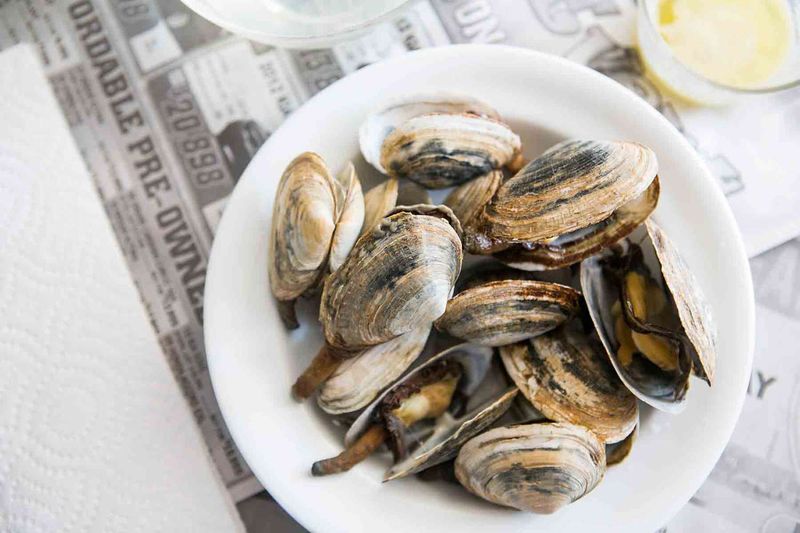
    Steamers (Soft Shell Clams)
    Image Credit: © Simply Recipes

    Steamers are a New England tradition, known for their thin, brittle shells and exposed necks.

    They are usually steamed in beer or white wine and served with butter and broth for dipping. Always purge them in salt water before cooking to remove sand.

    8. Cockles

    Cockles
    Image Credit: © Frozen Fish Direct

    Cockles are small, heart-shaped clams with tender meat and a slightly mineral taste. They have been gathered along European coasts for thousands of years.

    Quick cooking preserves their texture. Add to paella at the end of cooking or toss with pasta and wine for a simple meal.

    9. Mahogany Clams
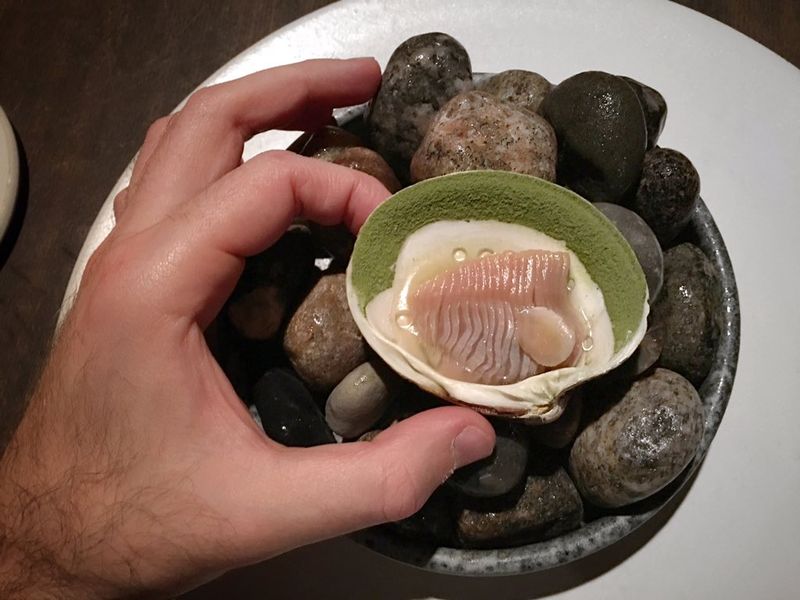
    Mahogany Clams
    Image Credit: © X

    Mahogany clams are older hard-shell clams with reddish-brown shells and a strong flavour. They are the largest size category of quahogs.

    Their firm texture makes them well suited to chowders, fritters, and stuffed clam recipes. Chefs often choose them for dishes that require longer cooking.

    10. Blood Clams
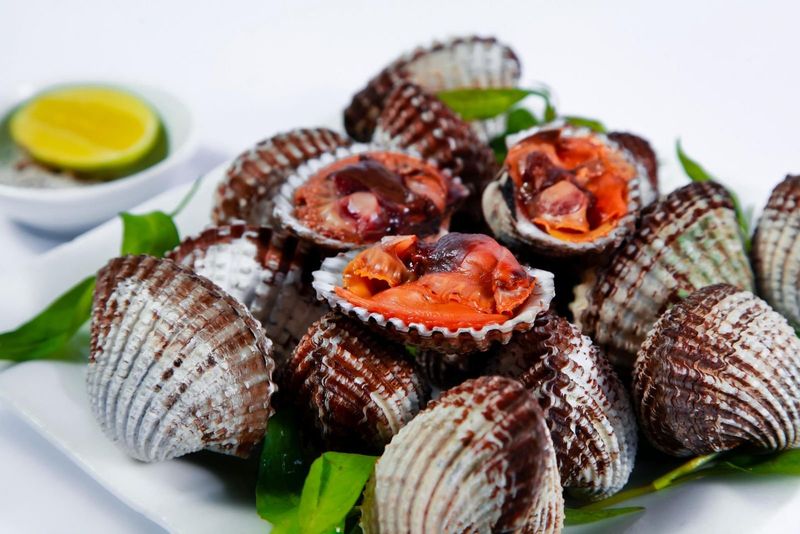
    Blood Clams
    Image Credit: © AGROVIET

    Blood clams are recognised for their distinctive red interior, caused by hemoglobin-rich blood – an uncommon trait among bivalves. Native to the Indo-Pacific, they thrive in warm, shallow waters.

    They are valued for their unique flavour but must be prepared carefully due to health concerns. When handled correctly, they can be a notable addition to seafood dishes.

    More Recommendations

    • 16 Surprisingly Useful Things To Cook When You Have Too Much Cheese And Not Enough Ideas
    • 21 Copycat Recipes That Might Make You Skip The Takeaway Altogether
    • 17 Cheap Meals That Taste Far Better Than Their Tiny Price Tag Suggests
    • 21 Everyday Foods Prepared Completely Differently Across Five Continents

    Primary Sidebar

    Keri Bevan

    Welcome, I'm Keri

    I'm the food photographer and recipe developer and writer behind Daily Dish.

    More About Me
    SUBSCRIBE

    Popular Posts

    • 15 Hole-In-The-Wall Restaurants In Louisiana That Are Totally Worth The Hype
    • 9 Charleston, South Carolina Restaurants Tourists Always Miss
    • 11 Unforgettable Iowa Day Trips Everyone Should Experience At Least Once
    • 9 All-You-Can-Eat Spots In Ohio That Keep People Coming Back For More

    Cozy Soups

    • Fava bean soup in a ceramic bowl.
      Fava Bean Soup
    • Vegan potato soup in a bowl with chives and croutons.
      Creamy Vegan Potato Soup
    • Bok choy soup with garlic and ginger.
      Bok Choy Soup With Garlic & Ginger
    • gluten free and dairy free tomato soup
      Creamy Gluten Free And Dairy Free Tomato Soup
    Company logs of people I have worked with.

    Footer

    ↑ back to top

    Recipes

    • Breakfast
    • Lunch
    • Dinner
    • Sauces and Dips
    • Gluten Free

    Newsletter

    • Sign Up! for emails and updates

    Contact

    • Contact
    • Privacy Policy
    • Daily Dish Web Stories

    As an Amazon Associate I earn from qualifying purchases.

    Copyright © 2024 Daily Dish

