













Red meat has long been a staple of British dinner tables, but health experts are increasingly concerned about how much we're eating.
From cancer risks to environmental impacts, the evidence suggests we might need to rethink our relationship with beef, lamb, and pork.
1. Official UK Guidelines Suggest Moderation
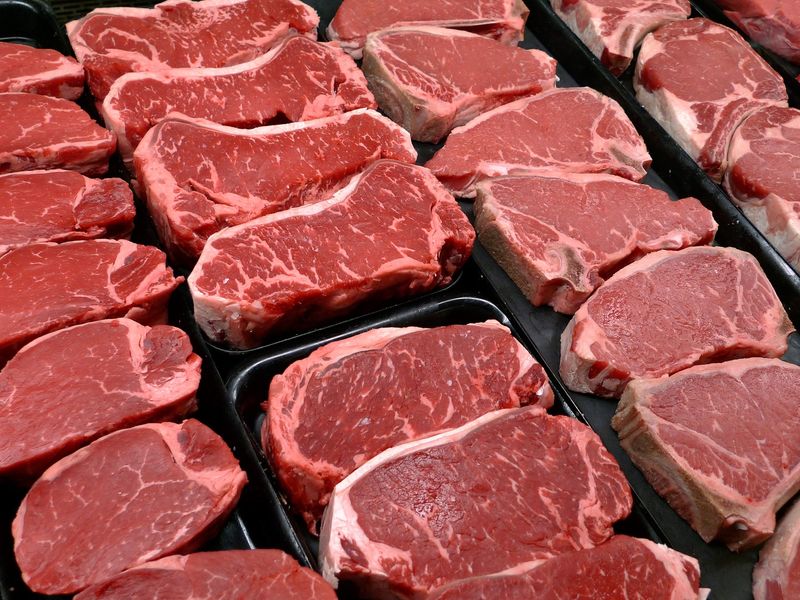
British health authorities have drawn a clear line in the sand. The NHS and British dietetic guidelines recommend limiting red and processed meat to 70g daily - roughly the size of a deck of cards.
Consuming over 90g per day? The British Nutrition Foundation suggests gradually reducing your intake to help lower risks of certain cancers and heart disease.
2. Cancer Connection Can't Be Ignored
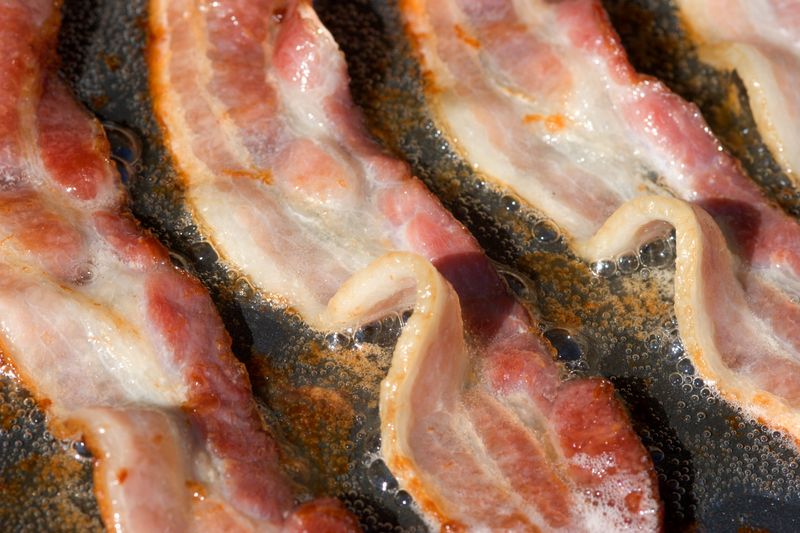
Alarming scientific consensus has emerged around red meat. Processed varieties like bacon and sausages are officially classified as Group 1 carcinogens—in the same category as tobacco.
Unprocessed red meat hasn't escaped scrutiny either, labeled as "probably carcinogenic" particularly for colorectal cancer. Even modest daily portions of around 50g can significantly raise your risk.
3. Your Heart Health At Stake
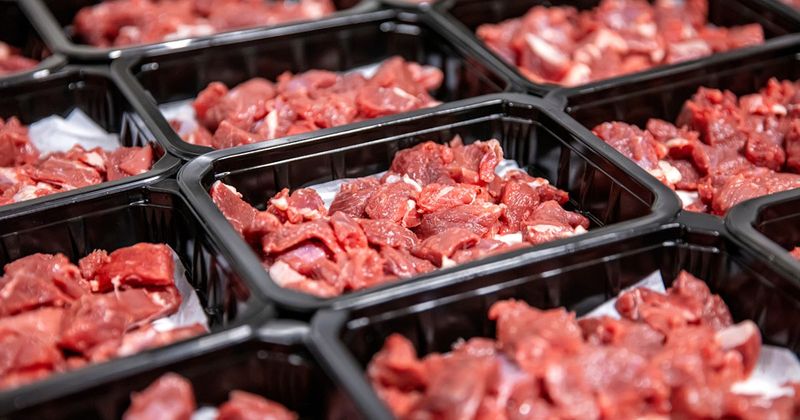
Regular red meat feasts come with unwelcome side effects. Multiple epidemiological reviews cited by the British Heart Foundation reveal concerning links between frequent consumption and elevated blood pressure.
The evidence doesn't stop there. Higher rates of coronary heart disease, type 2 diabetes, and even increased overall mortality rates appear in those who frequently enjoy steaks and burgers.
4. Average Brit Walks A Fine Line
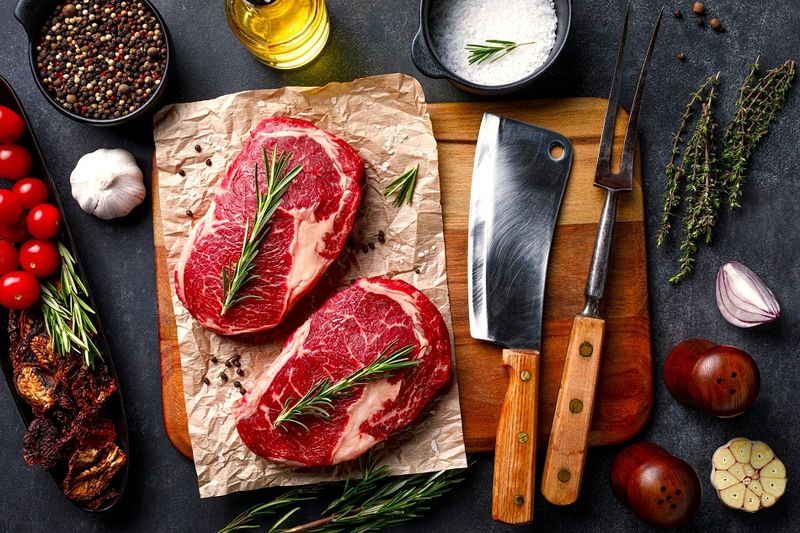
Most UK adults hover dangerously close to maximum recommended intake. National surveys show the typical Brit consumes between 60-70g of red and processed meat daily.
Men tend to eat more, averaging around 76g daily according to AHDB data. Without conscious effort to moderate portions, many unwittingly exceed the safety threshold established by health authorities.
5. Nationwide Meat Habits Are Changing
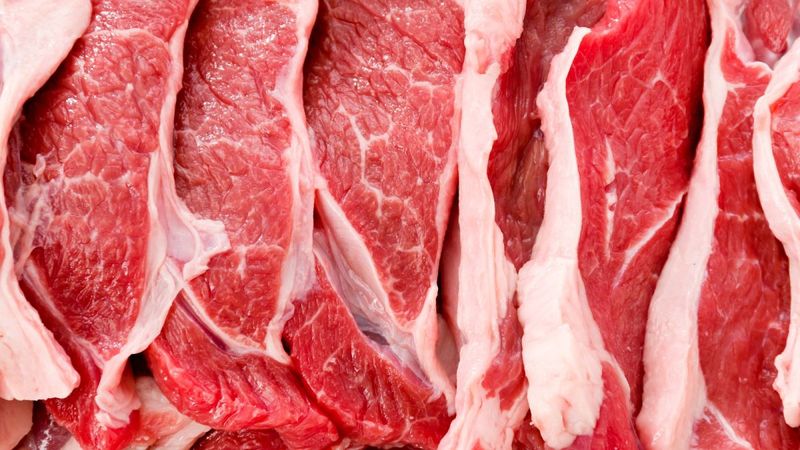
A quiet revolution is happening on British plates. Between 2008 and 2019, daily meat consumption dropped by approximately 17g per person—largely from reduced red and processed meat intake.
This shift, reported in The Lancet, shows growing awareness of health concerns. Progress remains slow though, with The Times noting consumption patterns vary significantly across different demographic groups.
6. Scientific Consensus Remains Strong
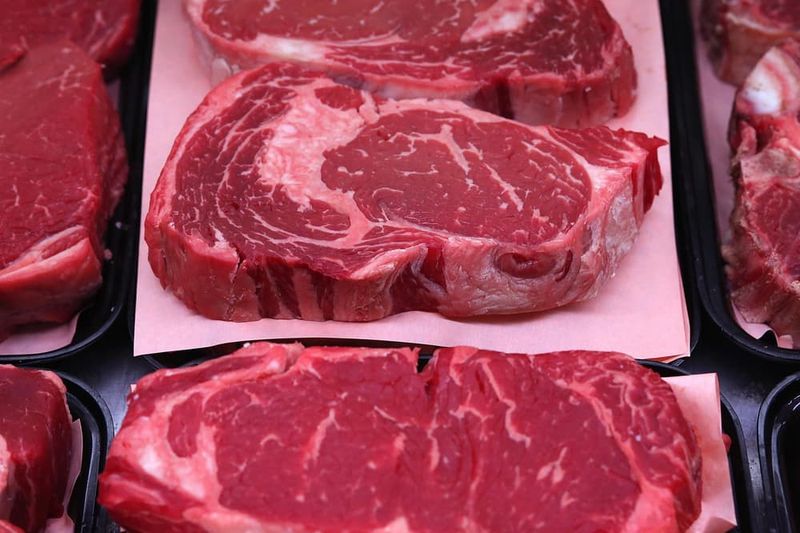
Despite occasional industry-funded studies suggesting otherwise, the medical community stands firm. The British Heart Foundation consistently advises limiting red meat for cardiovascular health.
When The Times reported on an industry review questioning meat's health impacts, independent experts quickly responded with compelling evidence supporting continued moderation. The scientific consensus hasn't wavered on recommended intake limits.
7. Nutritional Benefits Worth Considering
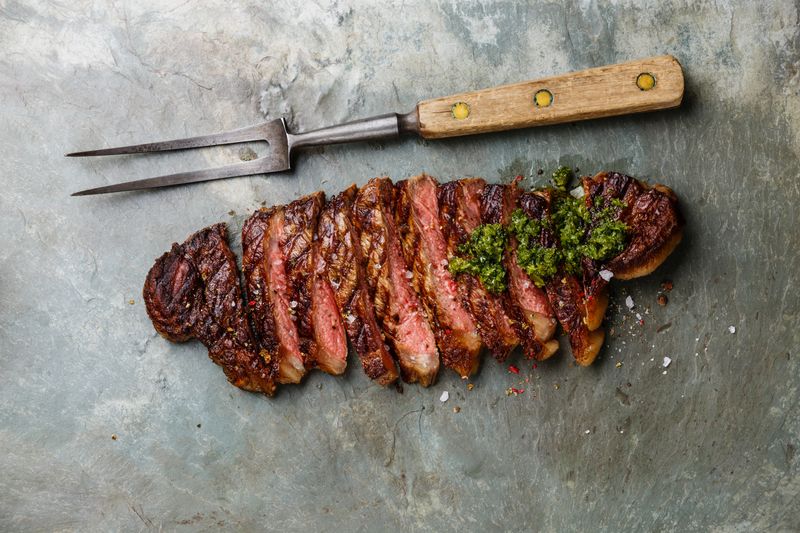
Red meat isn't all bad news. It delivers crucial nutrients like protein, iron, zinc, selenium and vitamin B12 that support overall health.
These nutrients prove especially valuable for children building strong bodies, pregnant women supporting fetal development, and older adults maintaining muscle mass. AHDB experts suggest choosing lean, unprocessed cuts to maximize benefits while minimizing health risks.
8. Processed Meats Pose Greatest Risk
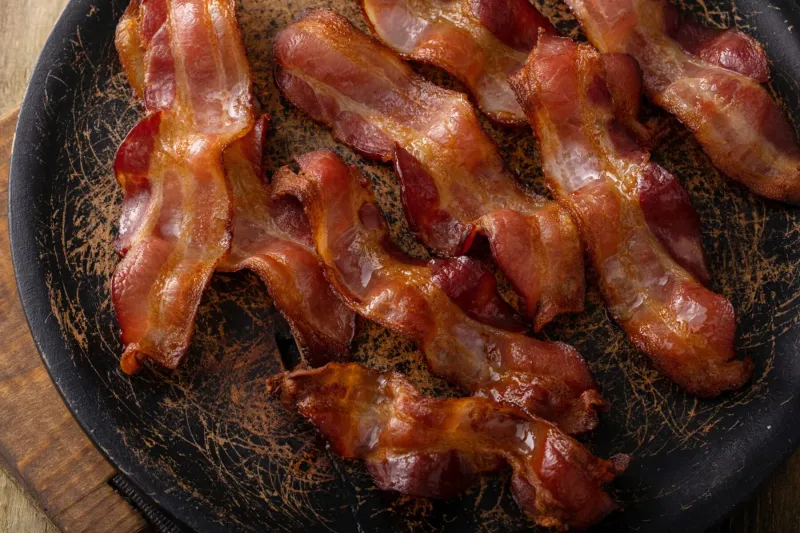
Not all red meat carries equal concern. Bacon, sausages, ham and other processed varieties contain preservatives and often high levels of salt and saturated fat.
The British Heart Foundation highlights these products show the strongest links to bowel cancer development. NHS research also connects them to increased hypertension risk, making them the primary candidates for reduction in your diet.
9. Environmental Benefits Of Cutting Back
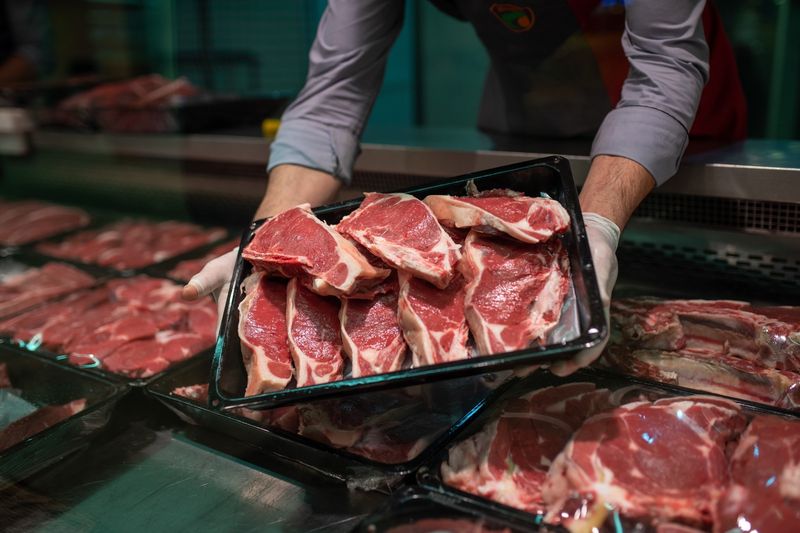
Reducing red meat does double duty for your health and the planet. The UK Climate Change Committee has set ambitious targets: 20% reduction by 2030, increasing to 35% by 2050.
These goals align perfectly with health recommendations. Nature journal research confirms that meeting these environmental objectives would simultaneously help Britons achieve healthier diets with lower disease risk.
10. Plant Alternatives Offer Viable Solutions
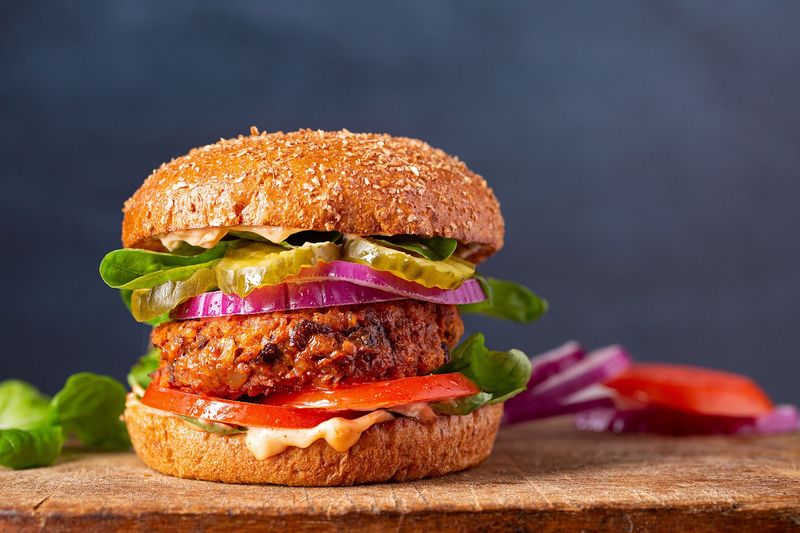
British dietitians have good news: you needn't go completely meatless. The British Dietetic Association endorses gradually replacing some red meat meals with beans, pulses, and fish alternatives.
MyNutriWeb resources demonstrate that well-planned diets featuring varied plant proteins can fully meet nutritional needs. This approach delivers adequate protein while reducing saturated fat intake and environmental impact, according to research cited by The Times.
11. Balanced Approach Maintains Nutrition
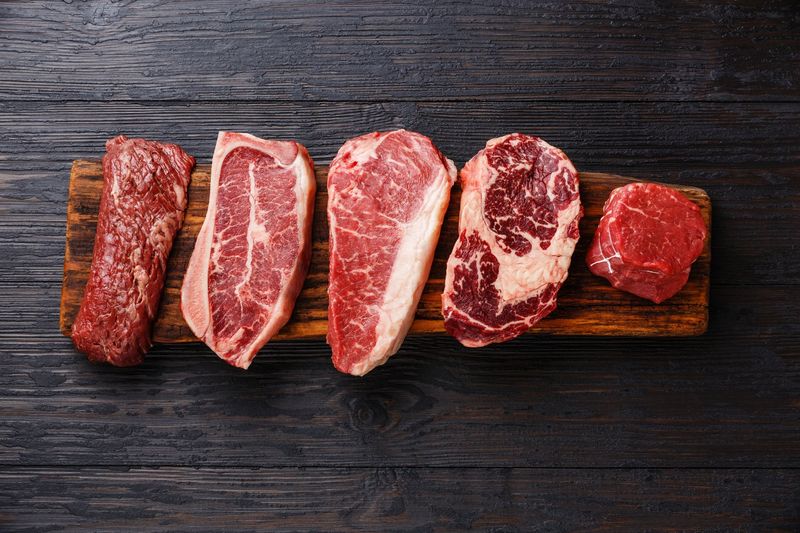
Fear of nutritional deficiencies keeps many Brits reaching for red meat. Yet NHS and British Nutrition Foundation experts confirm that limiting intake to 70g daily won't compromise your health.
The key lies in balance. Including lean meat alongside other protein sources ensures you'll meet requirements for essential nutrients. The Guardian reports that this moderate approach supports both bodily needs and planetary health.
12. Priority Groups For Dietary Changes
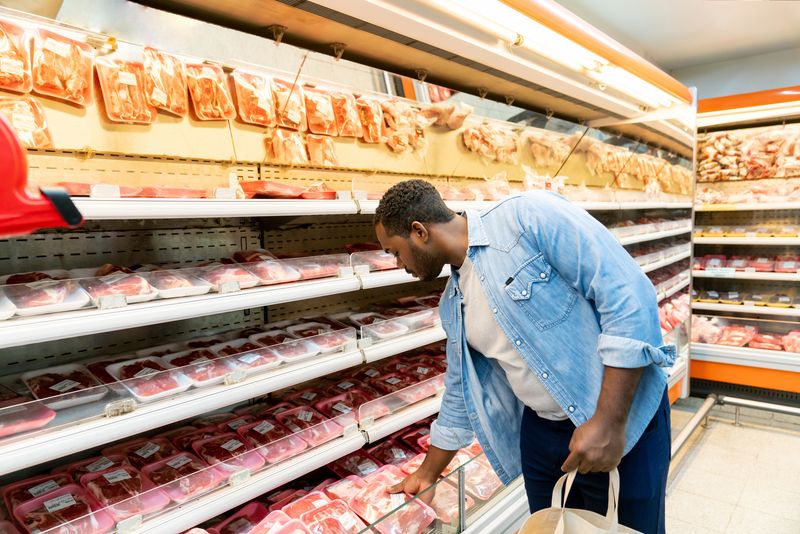
Some Britons should pay particular attention to their meat habits. AHDB research identifies men aged 19-39 as consuming disproportionately high amounts of processed meats like bacon and sausages.
Children also trend toward higher processed meat intake, making family dietary shifts especially important. The greatest health benefits come to those currently eating the most—making gradual reduction a powerful health intervention for heavy consumers.



