Every country has a sweet that instantly brings it to mind, whether it’s something you spot in a bakery window or a recipe passed down through generations. Travelling through Europe’s dessert traditions feels a bit like flipping through a family photo album made of sugar, pastry, and nostalgia.
Some names are familiar, others might surprise you, but each one tells a small story about local tastes and traditions.
Dessert associations reflect widely recognised cultural traditions rather than official national designations. Availability, recipes, and naming may vary by region and season.
1. Trileçe (Albania)
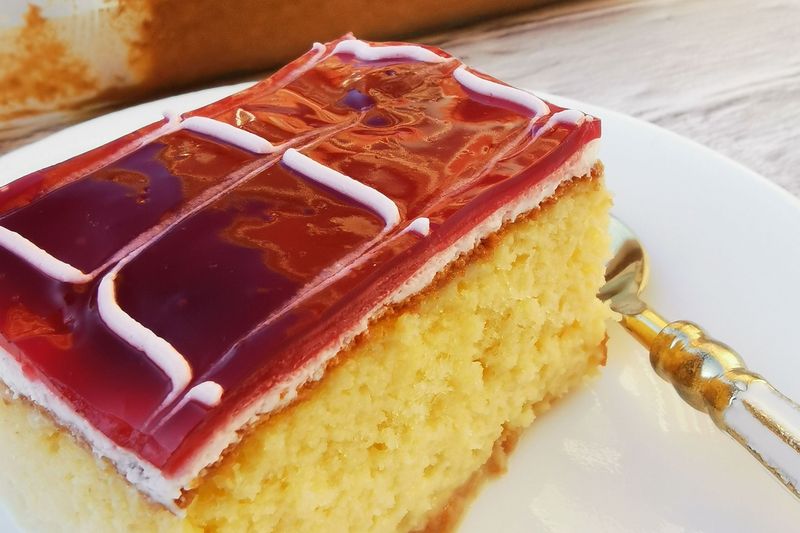
Imagine a cake so moist it practically melts on your tongue. Trileçe is Albania's beloved three-milk cake, soaked in a mixture of evaporated milk, condensed milk, and cream, then topped with a fluffy layer of caramel.
The result is a dessert that's incredibly rich yet surprisingly light. It's become a staple at celebrations and family gatherings throughout Albania, where everyone fights for the biggest slice.
2. Sachertorte (Austria)
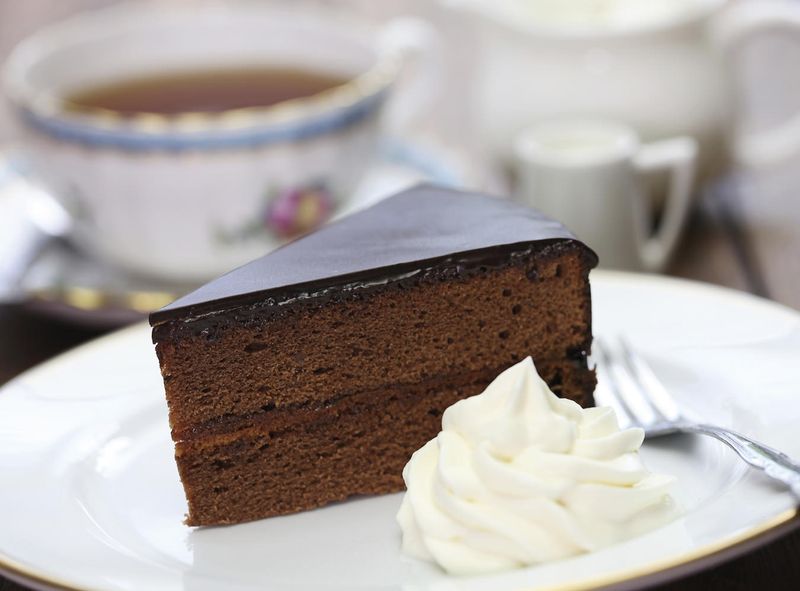
Vienna's most famous export isn't just classical music - it's this legendary chocolate cake. Sachertorte features two layers of dense chocolate sponge with a thin layer of apricot jam in between, all covered in a glossy dark chocolate glaze.
Created in 1832 by Franz Sacher, this elegant dessert has sparked a century-long rivalry between two Viennese cafés over the authentic recipe. Served with a dollop of whipped cream, it's pure sophistication.
3. Belgian Waffles (Belgium)
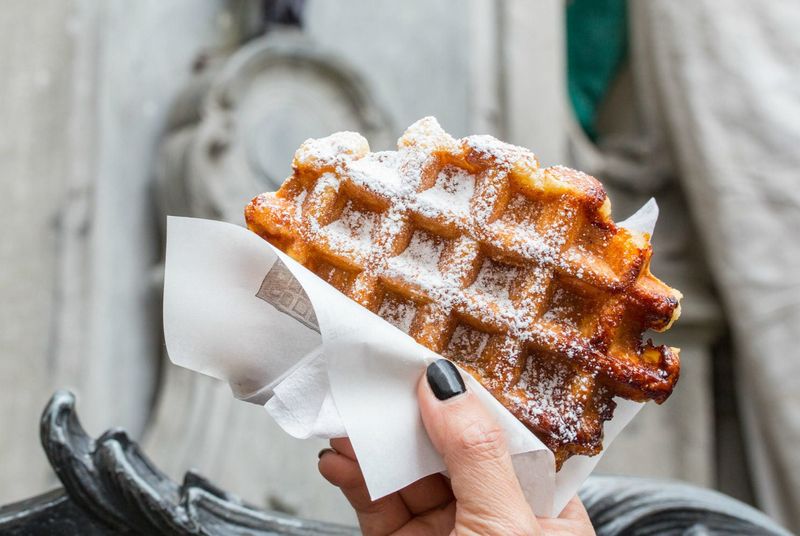
Crispy on the outside, fluffy on the inside - Belgian waffles are the stuff of breakfast dreams. These golden beauties have deep pockets perfect for holding melted chocolate, fresh strawberries, or a generous dusting of icing sugar.
Street vendors across Brussels serve them piping hot, and the aroma alone is enough to stop you in your tracks. Whether you prefer the lighter Brussels-style or the denser Liège version, you're in for a treat.
4. Tufahije (Bosnia And Herzegovina)
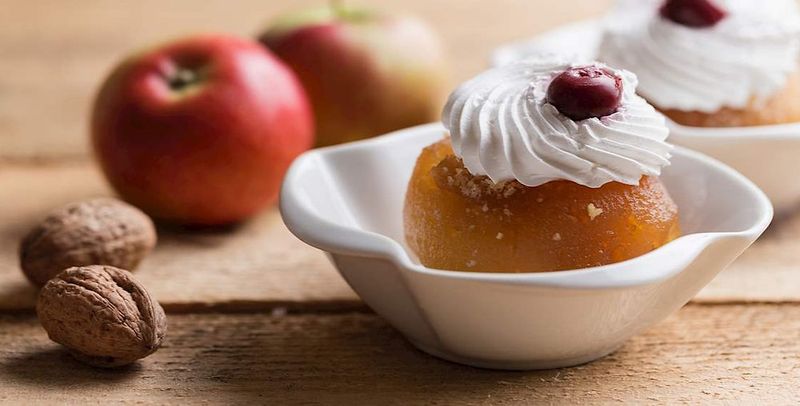
Poached apples stuffed with walnuts and topped with whipped cream - sounds simple, right? But tufahije is so much more than the sum of its parts.
The apples are slowly cooked in a sugar syrup until they're tender and sweet, then filled with a crunchy walnut mixture. This Bosnian speciality has Ottoman roots and remains a favourite at traditional restaurants.
The contrast between the soft fruit and nutty filling is absolutely divine.
5. Sweet Banitsa (Bulgaria)
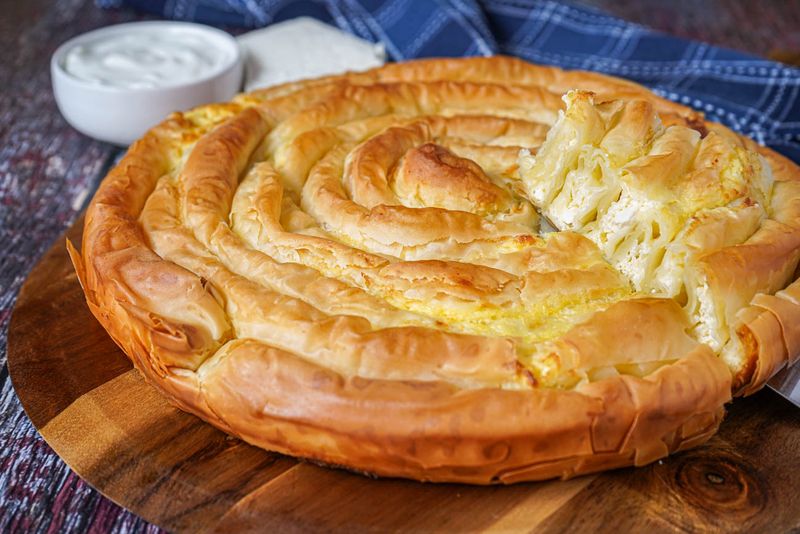
Flaky phyllo pastry layered with sweetened cheese and eggs creates Bulgaria's most comforting dessert. Sweet banitsa is traditionally baked in a spiral shape and dusted with icing sugar whilst still warm.
Bulgarian grandmothers have perfected this recipe over generations, often adding a splash of vanilla or a handful of raisins. It's commonly enjoyed with a cup of yoghurt on the side, making breakfast feel like a special occasion every single day.
6. Fritule (Croatia)
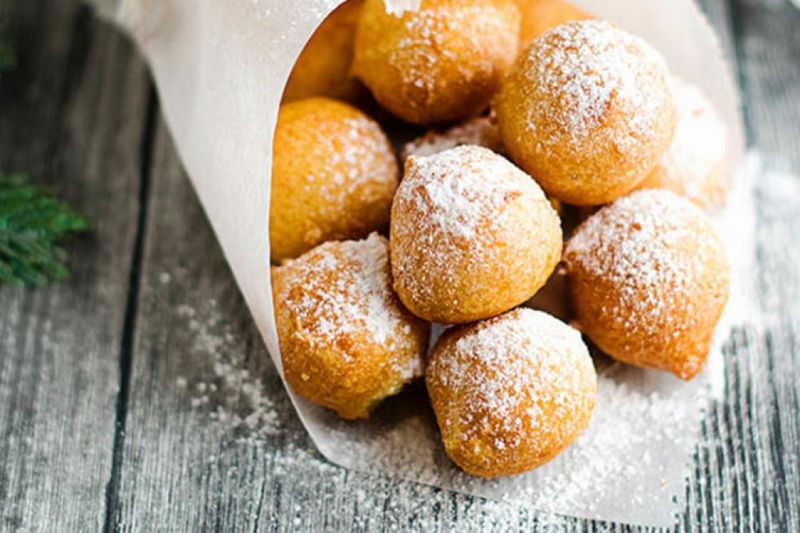
These tiny doughnut balls are Croatia’s answer to festive cheer and seaside snacking. Fritule are flavoured with citrus zest and sometimes raisins, then fried until golden and rolled in sugar.
You’ll spot them at Christmas markets and summer festivals, usually served warm in paper cones. The outside stays lightly crisp while the inside remains soft and fluffy.
One bite explains why locals happily queue for them year after year.
7. Loukoumades (Cyprus)
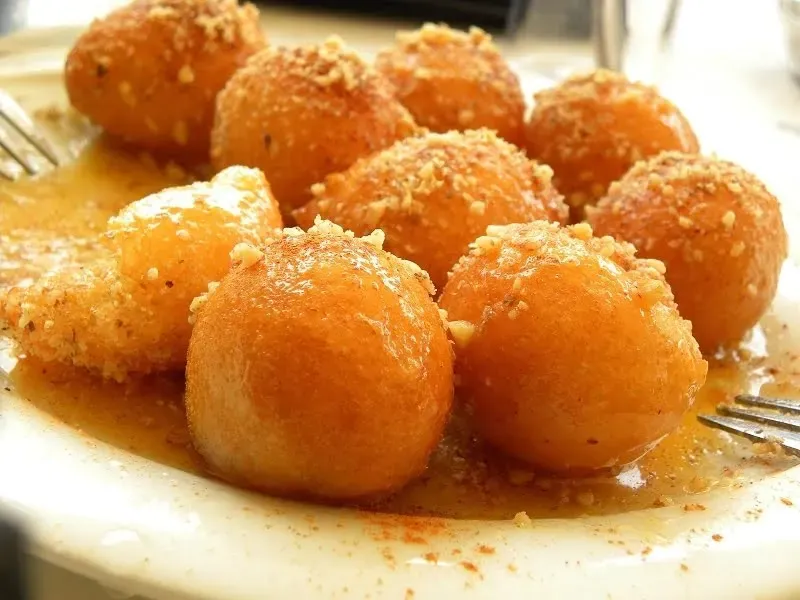
Golden honey puffs drizzled with syrup and sprinkled with cinnamon make loukoumades irresistible. These small dough balls are fried until crisp on the outside and fluffy inside.
Some versions are topped with crushed nuts or sesame seeds for extra texture. Recipes trace back many centuries in Greek and Eastern Mediterranean cooking traditions.
One bite instantly explains why they remain a favourite at festivals and family gatherings.
8. Trdelník (Czechia)
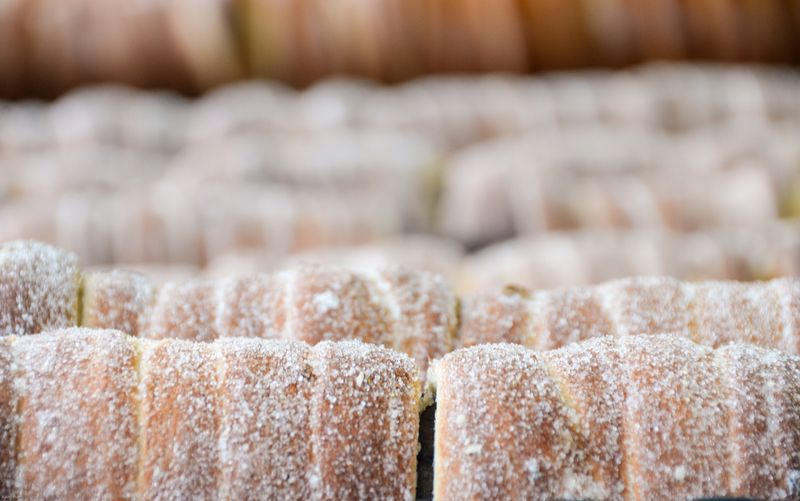
Walking through Prague's Old Town, you'll smell trdelník before you see it. This spiral-shaped pastry is rolled in cinnamon sugar and grilled over an open flame until caramelised.
The outside becomes crispy and sweet whilst the inside stays soft and doughy. Though tourists love it, locals have mixed feelings - some say it's a modern invention rather than a traditional Czech treat.
Either way, it's become an iconic part of the Prague experience.
9. Æbleskiver (Denmark)
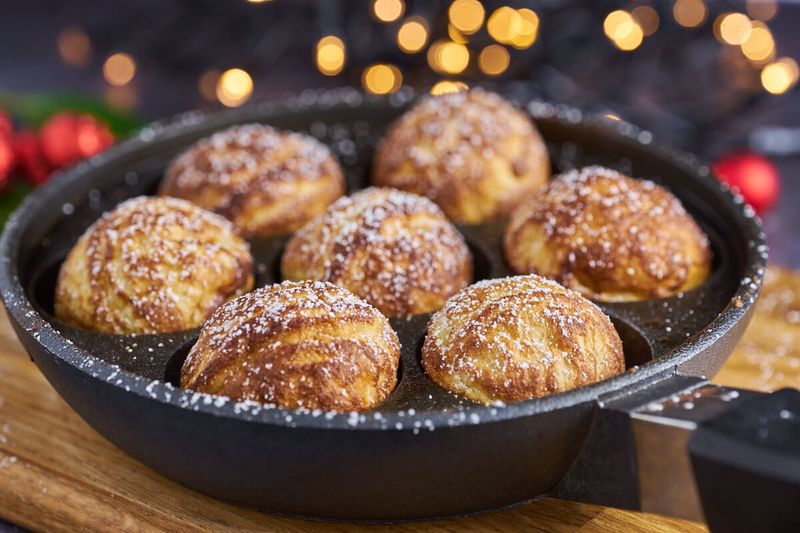
Picture perfectly round pancake balls, crispy on the outside and fluffy within. Æbleskiver are Denmark's festive favourite, traditionally served during Christmas with jam and icing sugar.
They're cooked in a special pan with round indentations, and you need to flip them constantly to get that perfect sphere shape. Danish families gather around the stove, turning them together whilst sharing stories.
Served warm, they're the definition of hygge - that cosy Danish contentment.
10. Sticky Toffee Pudding (England)
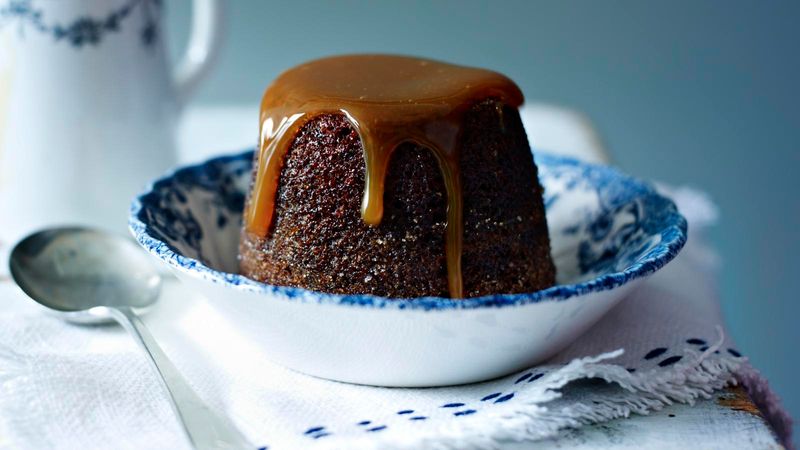
Rich, moist sponge cake studded with dates and drenched in warm toffee sauce - sticky toffee pudding is England's ultimate comfort dessert. Add a scoop of vanilla ice cream or a pour of custard, and you've got heaven on a plate.
This beloved pudding appeared in British restaurants in the 1970s and quickly became a national treasure. It's the kind of dessert that makes you close your eyes and savour every single bite.
11. Kringel (Estonia)
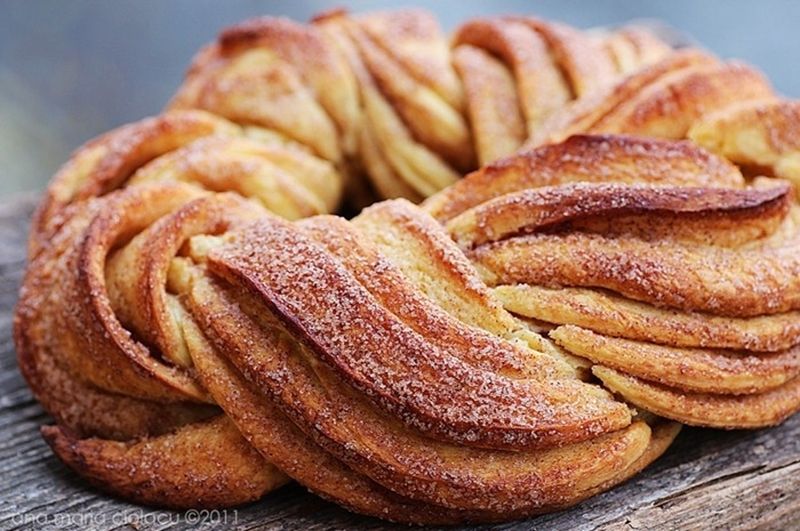
Estonia's kringel is a beautiful braided bread filled with cinnamon, nuts, or poppy seeds, then baked until golden. The dough is enriched with butter and eggs, making it soft and slightly sweet.
It's traditionally served at celebrations and holidays, sliced into thick rounds that reveal the swirled filling inside. Estonian bakers take pride in their kringel, often passing down recipes through generations.
With a cup of tea, it's absolutely perfect.
12. Runeberg Tart (Finland)
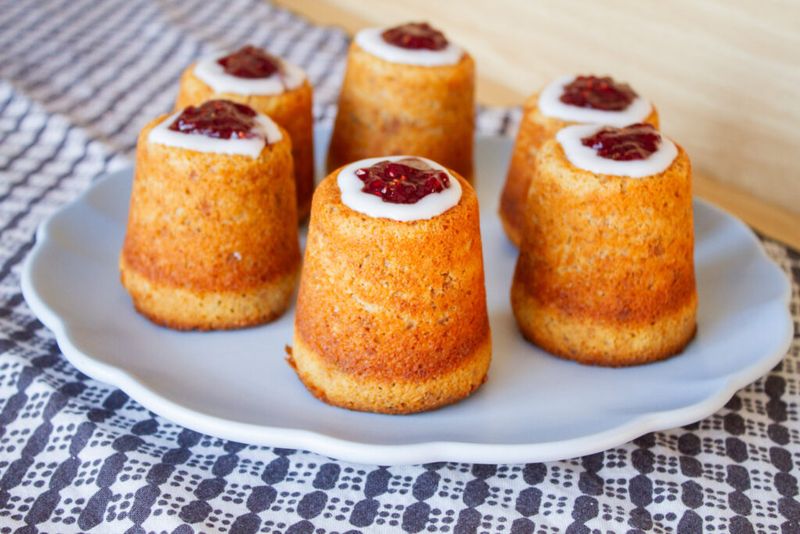
Named after Finland’s national poet, Runeberg tarts are small cylindrical cakes flavoured with almonds and gentle spices. They’re topped with a neat ring of raspberry jam and icing, giving them their signature look.
Finns traditionally enjoy them on Runeberg Day in early February to mark the poet’s birthday. The texture is dense yet tender, making each bite feel rich without being heavy.
They pair beautifully with a hot drink and a quiet moment.
13. Crème Brûlée (France)
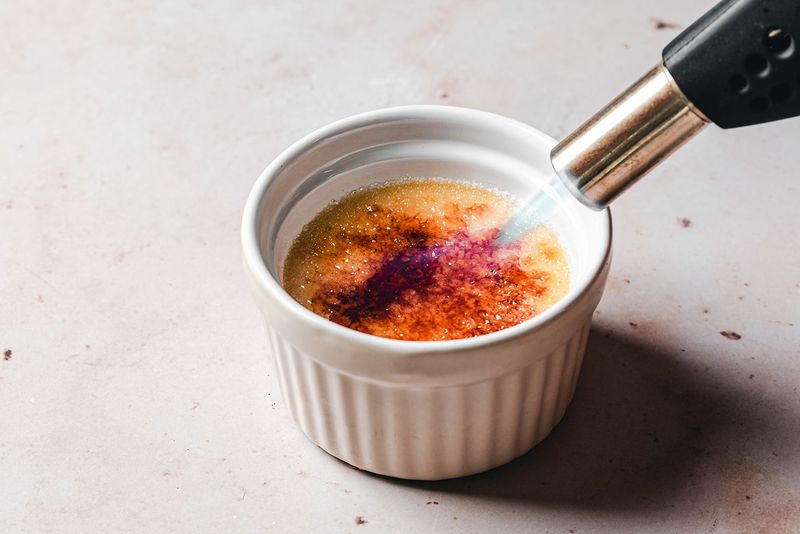
Crack through the caramelised sugar shell to reveal silky smooth custard beneath - that's the magic of crème brûlée. This French classic is made with cream, egg yolks, sugar, and vanilla, then chilled until set.
Just before serving, the top is sprinkled with sugar and torched until it forms a crispy, glassy layer. The contrast between the crunchy top and creamy custard is what makes this dessert so irresistible in restaurants worldwide.
14. Black Forest Gateau (Germany)
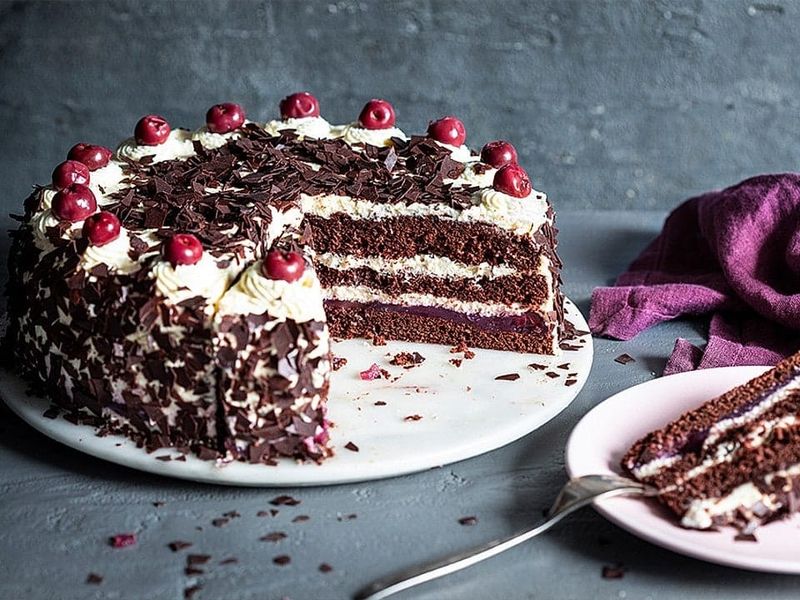
Layers of chocolate sponge, whipped cream, and cherries come together in Germany’s most famous cake. Black Forest gateau is named after the Black Forest region and is known for its deep chocolate flavour and fruity sweetness.
The cake is decorated with chocolate shavings and extra cherries, making it just as striking as it is tempting. It has been a favourite at celebrations since the early twentieth century.
Each slice delivers a satisfying mix of soft sponge and creamy richness.
15. Baklava (Greece)
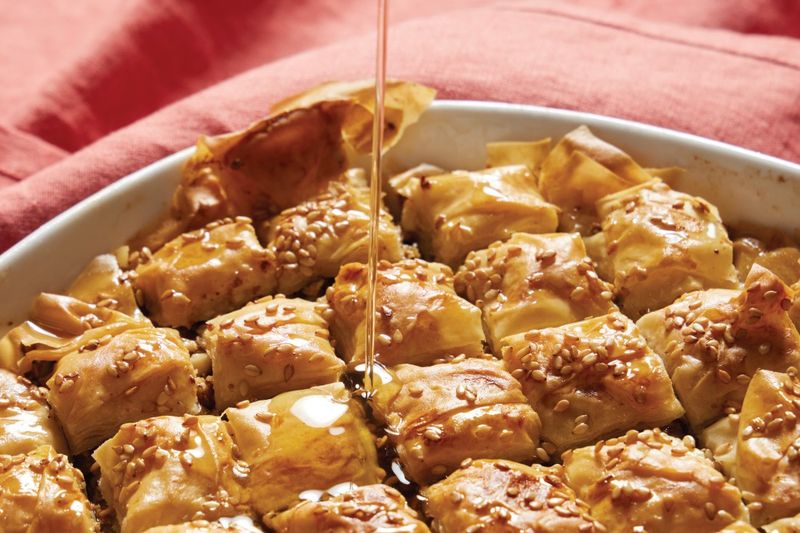
Crispy layers of phyllo pastry filled with chopped nuts and held together with sweet honey syrup - baklava is Greece's most treasured dessert. Each piece is cut into diamonds or squares before baking, creating perfect individual portions.
The combination of crunchy pastry, nutty filling, and sticky sweetness is absolutely divine. Though its exact origins are debated across the Mediterranean, Greeks have perfected their version over centuries.
It's impossible to eat just one piece.
16. Dobos Torte (Hungary)
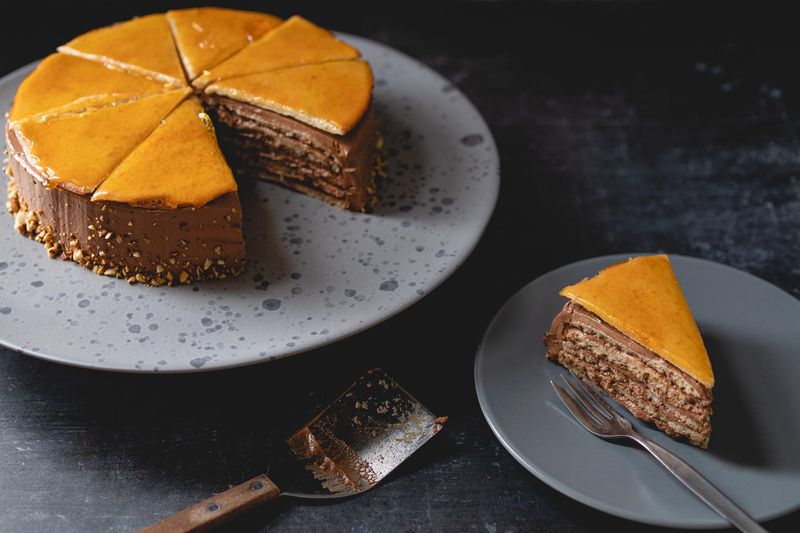
With its distinctive caramel topping divided into perfect wedges, Dobos torte is instantly recognisable. This Hungarian masterpiece consists of five layers of sponge cake with chocolate buttercream between each one.
The top is covered with hard caramel that's scored whilst still warm, creating those signature triangular pieces. Created by József Dobos in 1885, it was revolutionary for its time.
The combination of textures - soft cake, smooth cream, crunchy caramel - is absolutely brilliant.
17. Kleinur (Iceland)
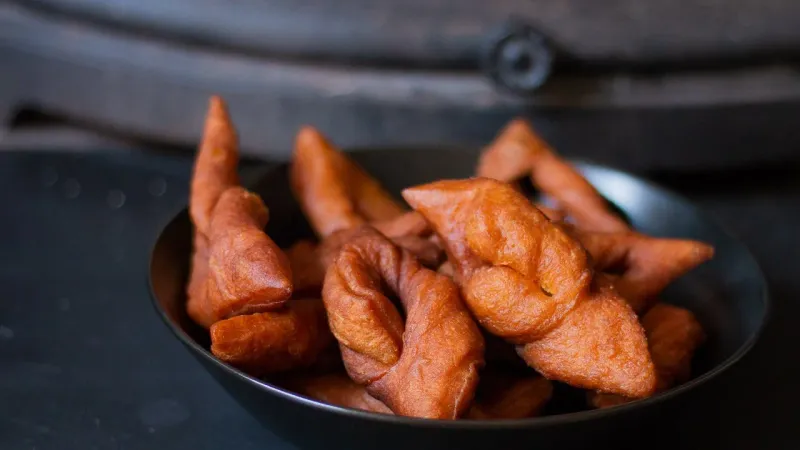
These twisted doughnuts are Iceland's answer to teatime treats. Kleinur are flavoured with cardamom and shaped into distinctive diamond knots before being fried until golden.
They're not overly sweet, which makes them perfect for dunking in coffee or hot chocolate. Icelandic families have been making kleinur for generations, often on cosy weekend afternoons.
The cardamom gives them a warm, slightly exotic flavour that sets them apart from ordinary doughnuts. Simply delightful with every bite.
18. Barmbrack (Ireland)
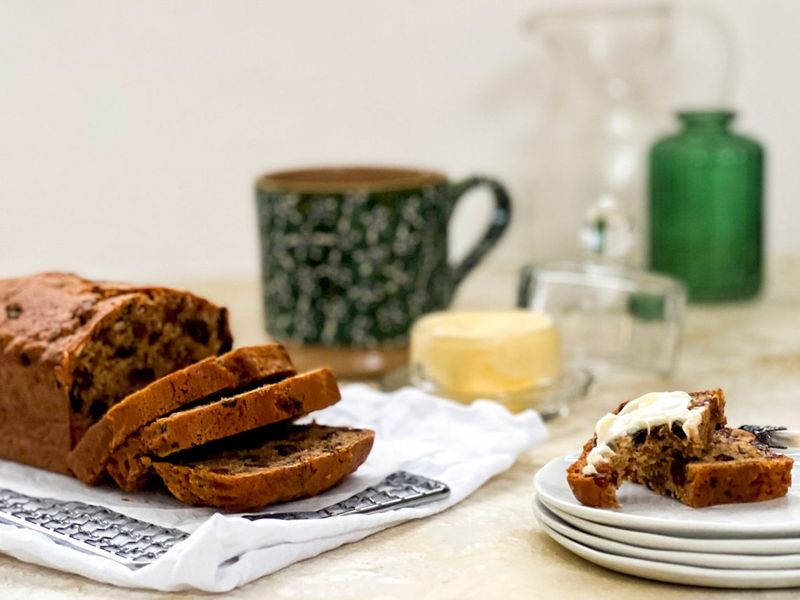
This traditional Irish fruit bread is packed with raisins and sultanas that have been soaked overnight in tea. Barmbrack, or 'barm brack,' is especially popular around Halloween, when bakers hide trinkets inside to predict the future.
Find a ring and you'll be married within the year, according to tradition. The tea-soaked fruit keeps the bread incredibly moist, and it's best served sliced thick with plenty of butter.
It's comfort food with a bit of magic thrown in.
19. Tiramisu (Italy)
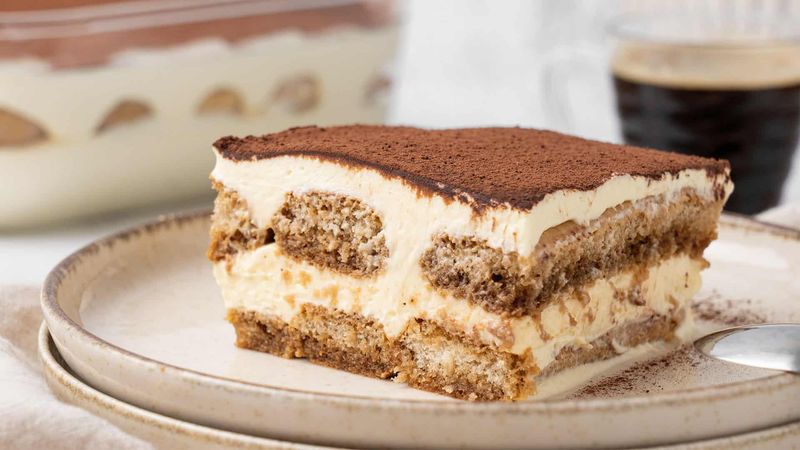
Coffee-soaked ladyfinger biscuits layered with mascarpone cream and dusted with cocoa powder - tiramisu means 'pick me up' in Italian, and it certainly lives up to its name. This no-bake dessert originated in the Veneto region in the 1960s.
The combination of rich cream, bitter coffee, and sweet cocoa creates a perfect balance of flavours. Every Italian family claims to have the best recipe, and honestly, they're probably all right.
It's elegant, delicious, and surprisingly easy to make.
20. Sklandrausis (Latvia)
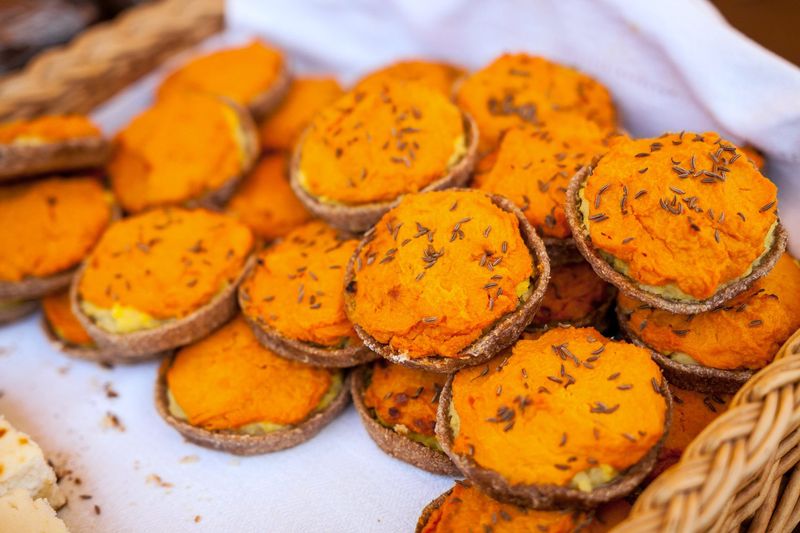
This unusual Latvian tart features a rye pastry base filled with a mixture of mashed potato and carrot, sweetened with sugar and spiced with caraway seeds. Sounds odd, but trust the process.
Sklandrausis has been made in Latvia for centuries, particularly in the Kurzeme region. The vegetables create a surprisingly sweet and earthy filling that works beautifully with the hearty rye crust.
It's been granted protected status by the European Union, recognising its cultural importance.
21. Šakotis (Lithuania)
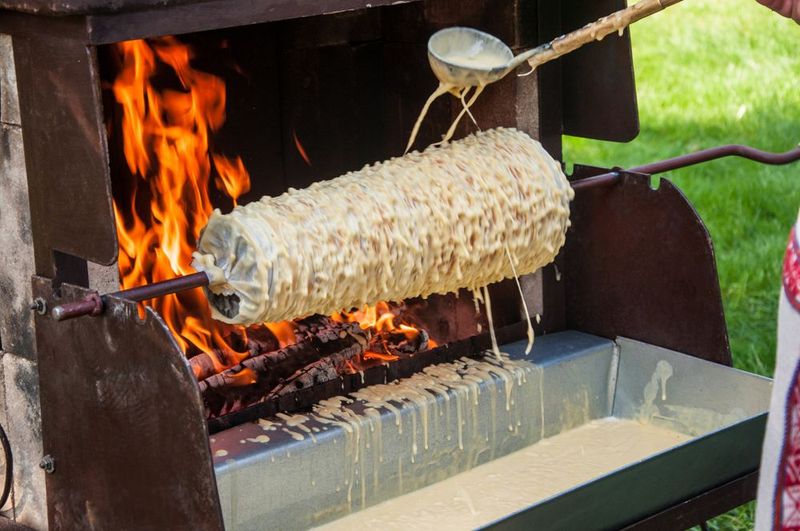
Looking like a spiky Christmas tree, šakotis is Lithuania's most dramatic dessert. This cake is made by dripping batter onto a rotating spit over an open fire, creating dozens of crispy branches.
The process takes skill and patience, as each layer must dry before the next is added. The result is a tall, hollow cake with a crunchy exterior and slightly chewy interior.
It's traditionally served at weddings and special celebrations, where its impressive appearance steals the show.
22. Kannoli (Malta)
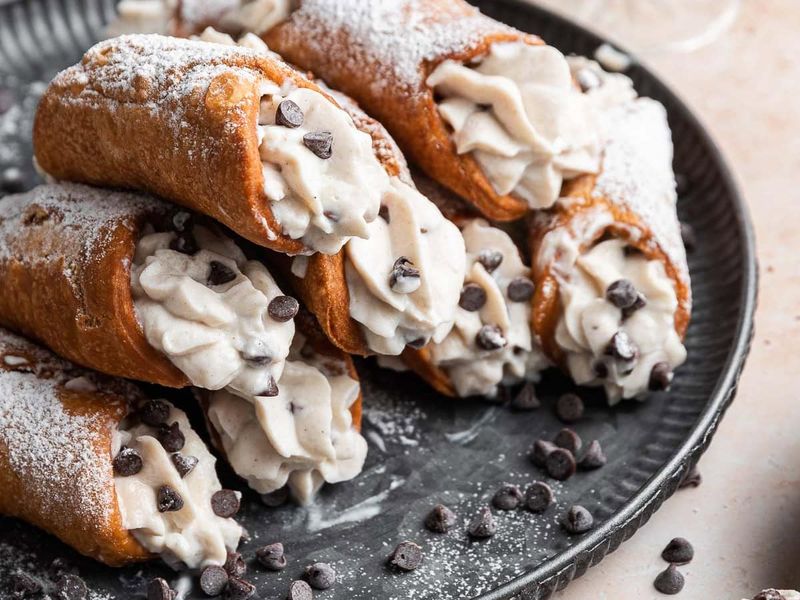
Malta's answer to Italian cannoli, kannoli are crispy pastry tubes filled with sweetened ricotta cheese and often studded with chocolate chips or candied fruit. The shells are fried until golden and incredibly crunchy.
They're typically filled just before serving to keep the pastry crisp. You'll find them in every Maltese bakery, and they're a must-try for anyone visiting the island.
The contrast between the crunchy shell and creamy filling is absolutely delightful every single time.
23. Priganice (Montenegro)
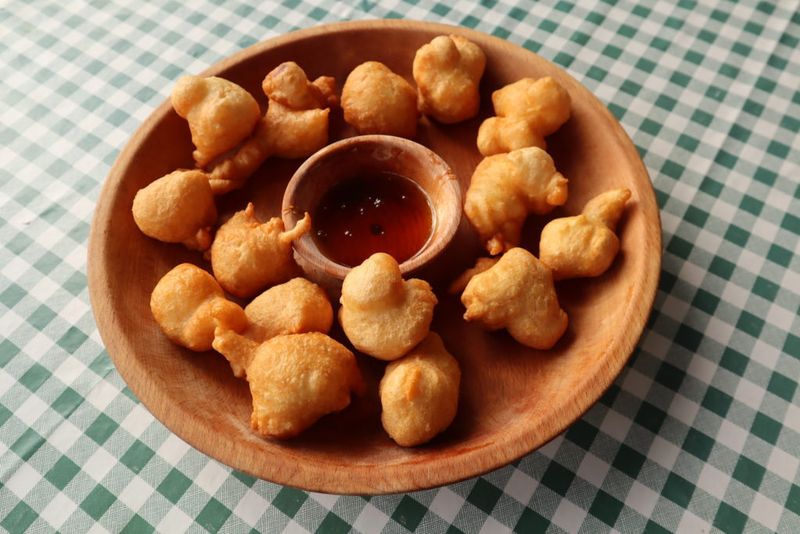
These fluffy fried dough balls are Montenegro's favourite comfort food. Priganice are light and airy inside with a golden exterior, typically served with honey, jam, or local cheese.
They're popular at breakfast or as a sweet snack throughout the day. Montenegrin grandmothers make them look effortless, frying batches in hot oil until they puff up perfectly.
Eat them warm for the best experience - they're cloud-like and utterly satisfying. Simple ingredients creating something truly special.
24. Stroopwafels (Netherlands)
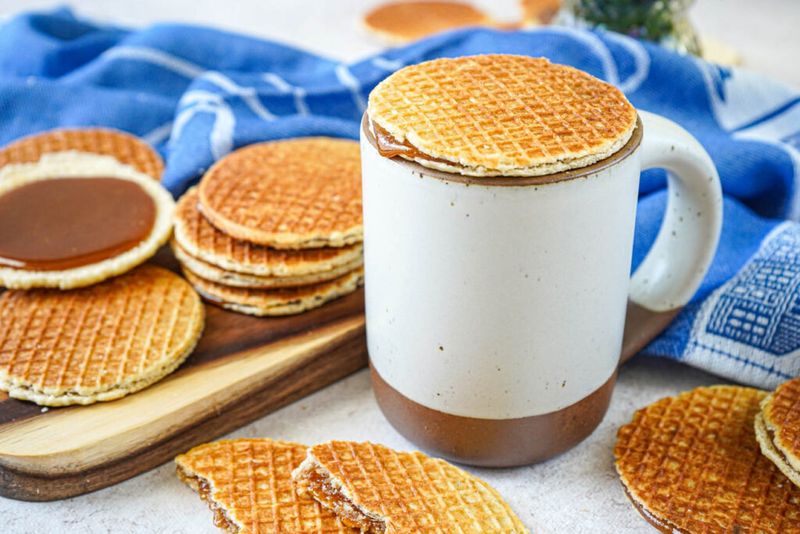
Two thin waffle cookies sandwiched together with caramel syrup - stroopwafels are the Netherlands' most addictive export. They're best enjoyed fresh from the market, where vendors make them on hot griddles.
The traditional way to eat them is to place one on top of your hot tea or coffee, letting the steam warm the caramel until it's gooey. Originally from Gouda, these treats have conquered the world.
Once you start eating them, stopping becomes nearly impossible.
25. Krumkake (Norway)
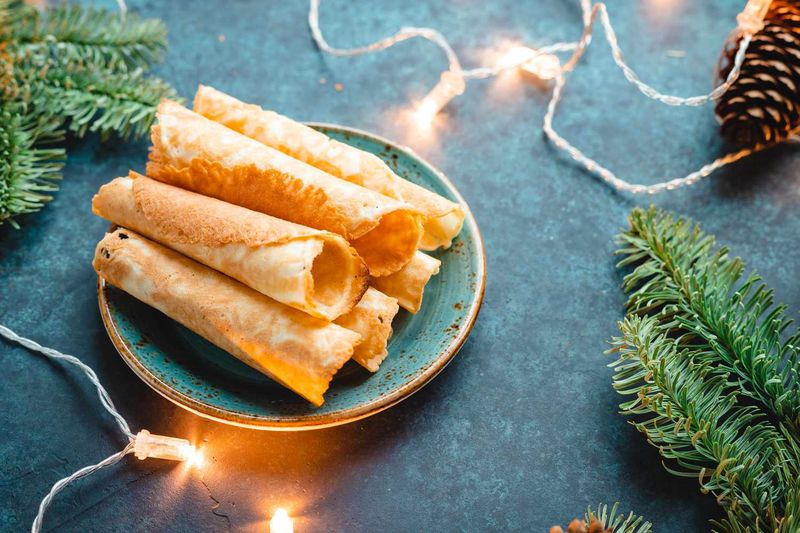
Delicate and lacy, krumkake are Norwegian waffle cookies rolled into cone shapes whilst still warm. They're made on a special patterned iron that creates beautiful designs on each cookie.
Traditionally flavoured with cardamom or vanilla, they're often filled with whipped cream during the Christmas season. Norwegian families bring out their krumkake irons for special occasions, making batch after batch.
The cookies are crispy, slightly sweet, and absolutely charming in their elegant simplicity.
26. Pączki (Poland)
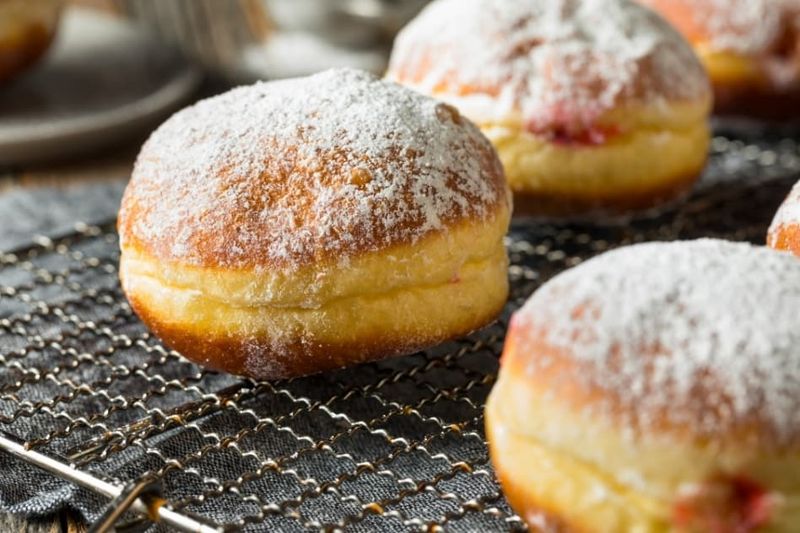
Fat Thursday in Poland means one thing, pączki everywhere. These round, jam-filled doughnuts are richer and heavier than typical doughnuts, made with eggs and butter for a soft, indulgent crumb.
Traditional fillings include rose hip jam, while modern versions feature custard or chocolate. Bakeries often sell out early as locals queue up for the freshest batch.
Dusted with sugar or icing, they feel like a proper celebration in every bite.
27. Pastel De Nata (Portugal)
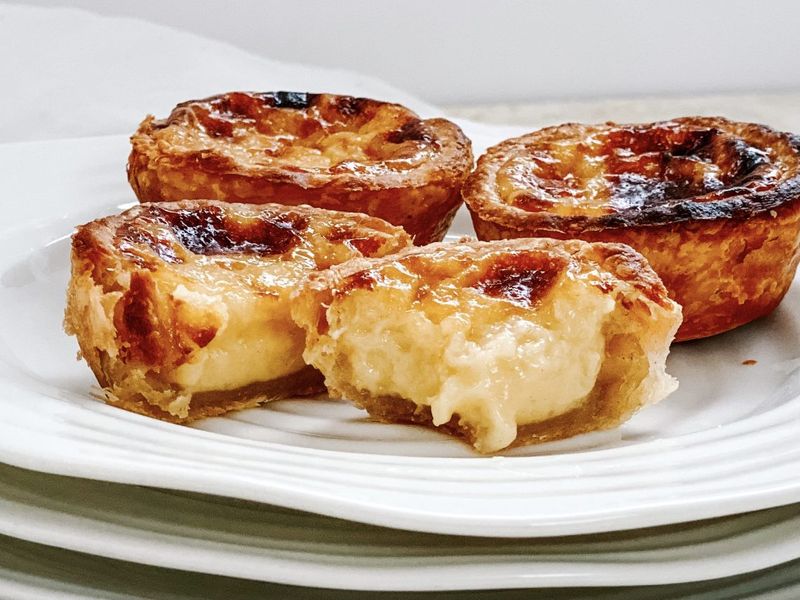
Crispy, flaky pastry cups filled with creamy custard and caramelised on top - pastel de nata is Portugal's greatest contribution to world cuisine. These little tarts originated at the Jerónimos Monastery in Lisbon in the 18th century.
The secret recipe is still closely guarded by the original bakery. Best eaten warm with a sprinkle of cinnamon and icing sugar, they're the perfect accompaniment to a strong coffee.
Absolutely irresistible in every possible way.
28. Cranachan (Scotland)
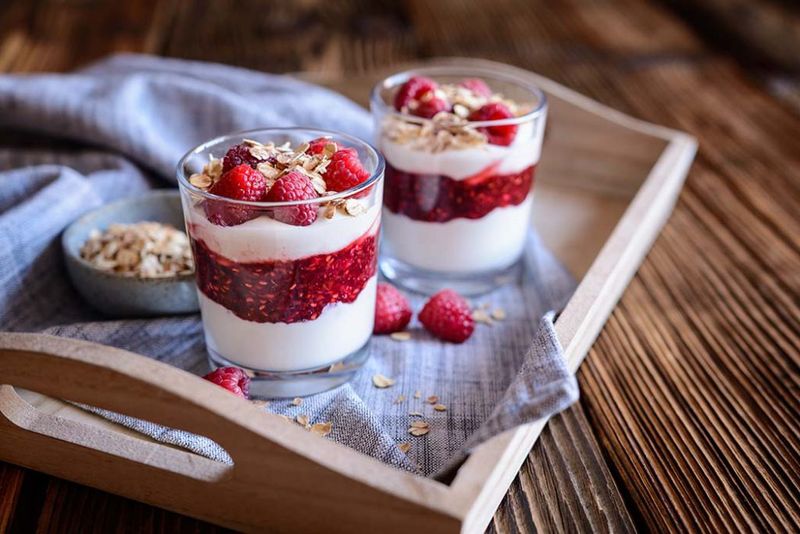
Toasted oats, whipped cream, honey, and fresh raspberries come together to create cranachan, one of Scotland’s most loved desserts. It’s often served at special gatherings and seasonal celebrations.
The oats add a gentle crunch that balances beautifully with the soft cream and juicy fruit. Served in individual glasses, it looks just as inviting as it tastes.
Simple ingredients combine to create something comforting and memorable.
29. Tarta De Santiago (Spain)
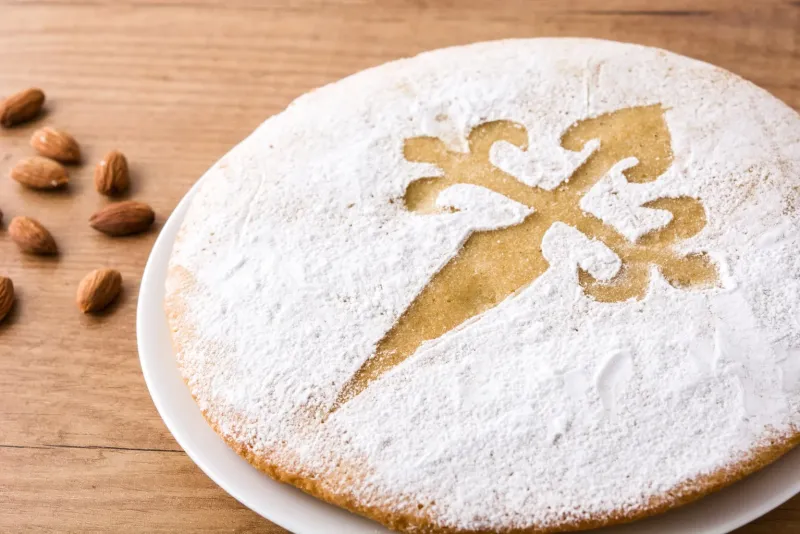
This almond cake from Galicia is beautifully simple and naturally gluten-free. Tarta de Santiago is made with ground almonds, eggs, and sugar, then finished with a stencil of the Cross of Saint James dusted in icing sugar.
The texture is moist and slightly dense, with a gentle sweetness that never feels heavy. It has long been associated with pilgrims travelling the Camino de Santiago.
The almond flavour shines on its own, making each slice quietly satisfying.
30. Kanelbullar (Sweden)
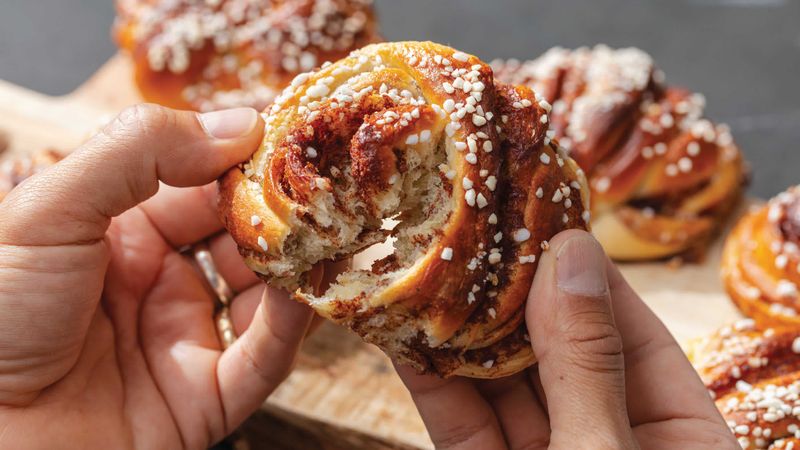
The aroma of cinnamon and cardamom fills Swedish bakeries every morning, announcing fresh batches of kanelbullar. These cinnamon buns are softer and less sweet than American versions, with a generous swirl of cinnamon butter.
They're topped with pearl sugar that adds a delightful crunch. Swedes take their fika (coffee break) seriously, and kanelbullar are the star of the show.
There's even a National Cinnamon Bun Day celebrated on 4th October. Absolutely wonderful with coffee.