Greek food is often praised for savoury classics, yet the dessert side of the menu hides plenty of delightful surprises. Beyond the well known sweets, there are regional treats that rarely make it onto tourist menus but leave a lasting impression once discovered.
It is the kind of food exploring that turns a simple café stop into a memorable travel moment. Sampling a few lesser known desserts can add an extra layer of adventure to any trip.
All information is provided for general interest only. Availability and recipes may vary by region, season and local bakeries.
1. Galaktoboureko
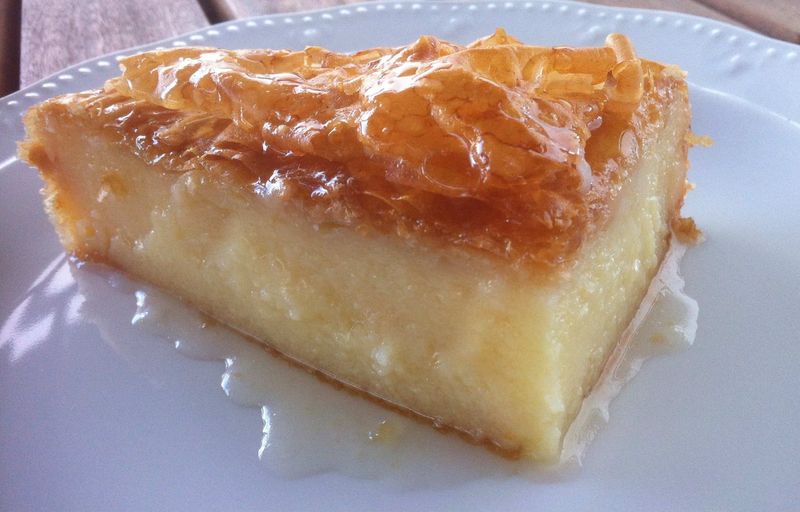
Imagine biting into layers of crispy, golden phyllo pastry that shatter at the slightest touch, revealing a creamy custard filling inside. That's galaktoboureko, a heavenly dessert drenched in sweet syrup that soaks into every layer.
Bakeries across Greece serve this treat warm, making it the perfect afternoon indulgence with a strong Greek coffee. The contrast between crunchy pastry and silky custard creates pure magic in your mouth.
2. Karidopita
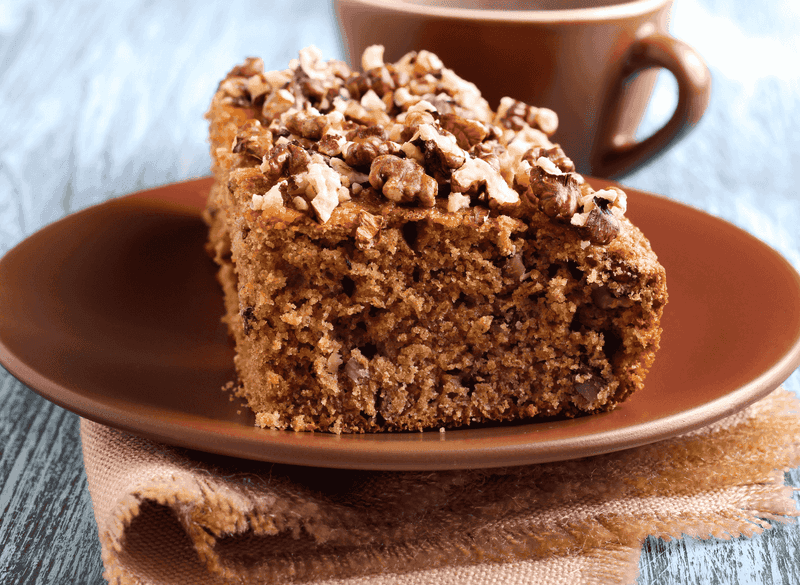
Walnut cake lovers, this one's for you. Karidopita combines ground walnuts with warming spices like cinnamon and cloves, creating an aromatic dessert that fills the entire room with its scent.
The cake itself is surprisingly light despite being packed with nuts, and it's completely soaked in a honey-cinnamon syrup after baking. Many Greek families serve this during festive occasions, though you'll find it year-round in traditional tavernas.
3. Ravani
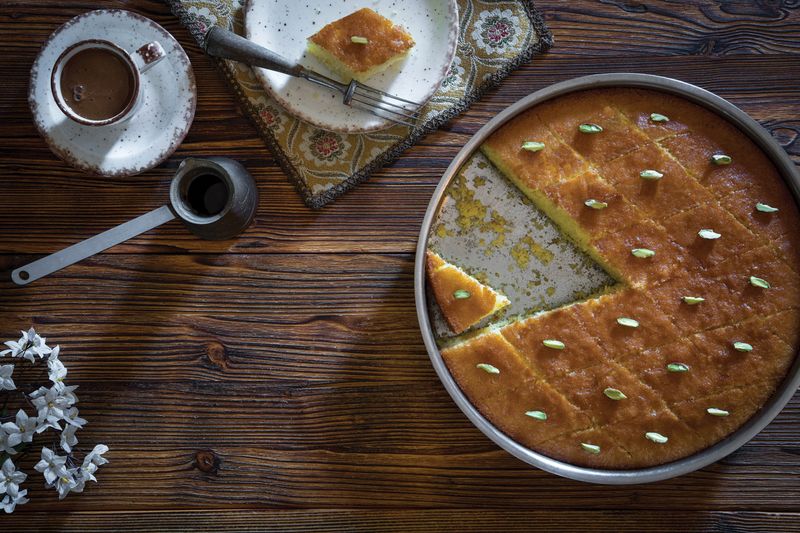
Similar to revani but with its own regional twist, ravani showcases how Greek dessert traditions vary from island to island. This version often includes yoghurt in the batter, giving it an extra tangy flavour that balances the sweetness beautifully.
Some bakers add orange zest or rose water to their ravani, creating unique flavour profiles. The syrup penetrates every pore of this sponge cake, ensuring maximum deliciousness in every bite.
4. Diples

Picture thin ribbons of dough fried until golden and crispy, then drizzled generously with honey and sprinkled with crushed walnuts and cinnamon. Diples are traditionally made during Christmas and weddings, symbolising good fortune and prosperity.
Making these delicate pastries requires skill, as the dough must be rolled paper-thin before frying. The result is a wonderfully crunchy treat that practically melts on your tongue while delivering intense honey flavour.
5. Bougatsa
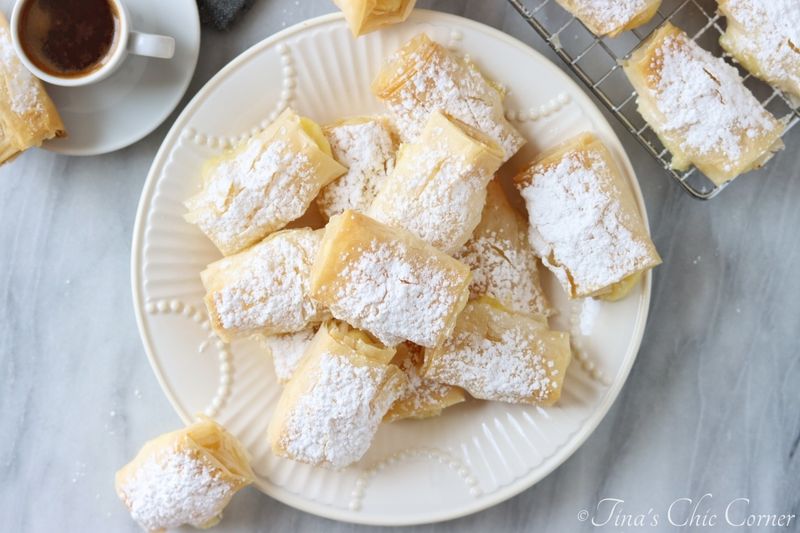
Early morning in Greece means queues outside bougatsa shops, where locals grab this breakfast pastry before work. Flaky phyllo envelopes a sweet semolina custard filling, finished with a generous dusting of icing sugar and cinnamon on top.
Eaten fresh and warm, bougatsa provides the perfect start to any day of sightseeing. The combination of textures and the not-too-sweet filling makes it utterly addictive and uniquely Greek.
6. Pasteli
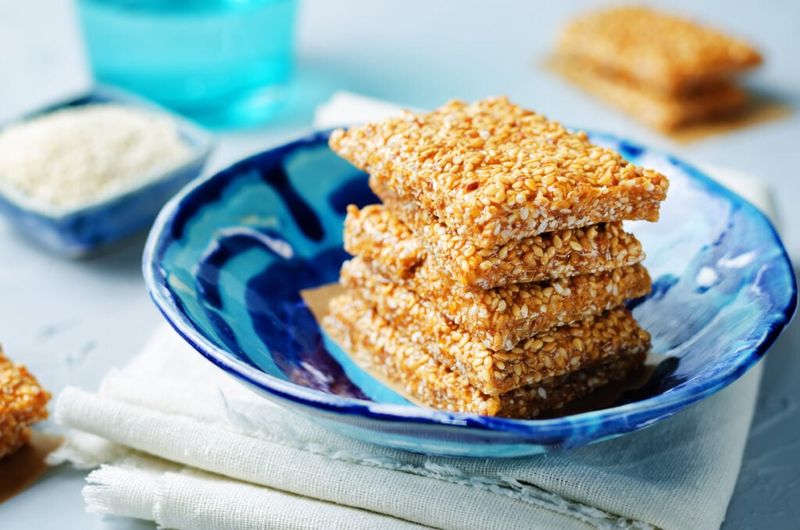
Pasteli is a simple yet deeply satisfying sweet made primarily from sesame seeds and honey. Versions of sesame and honey treats have been enjoyed in the region for centuries, which adds a lovely sense of tradition to every bite.
The chewy texture and gentle sweetness make it easy to enjoy as a quick snack or light dessert. You will often spot it sold at markets and bakeries, sliced into neat bars or diamond shapes.
It feels wholesome, comforting and wonderfully unfussy, which is exactly why it remains so popular today.
7. Loukoumades With Honey And Nuts
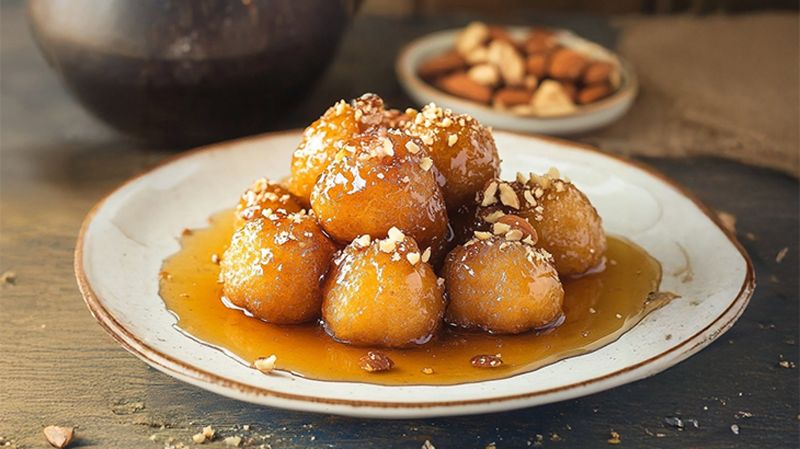
Golden puffs of fried dough emerge from bubbling oil, immediately getting drenched in warm honey and showered with chopped walnuts and cinnamon. Loukoumades are Greece's answer to doughnuts, but infinitely lighter and airier inside.
These bite-sized treats are best enjoyed piping hot, when the exterior is crispy and the interior remains fluffy. Street food stalls and dessert shops serve them fresh throughout the day and evening.
8. Halva With Semolina
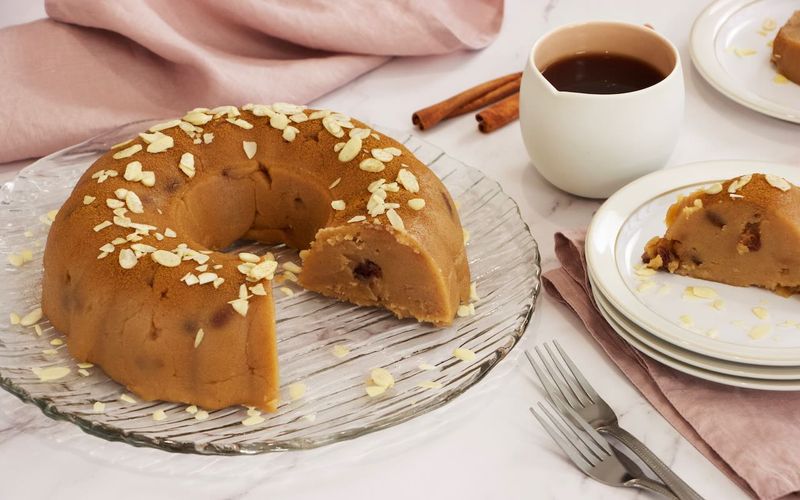
Don't confuse this with the tahini-based halva found elsewhere in the Mediterranean. Greek semolina halva is a warm, pudding-like dessert made by toasting semolina in olive oil before adding syrup and spices.
Families often prepare halva during Lent, as it contains no dairy or eggs. The result is a comforting, aromatic sweet with a unique grainy texture that's completely different from any other Greek dessert you'll encounter.