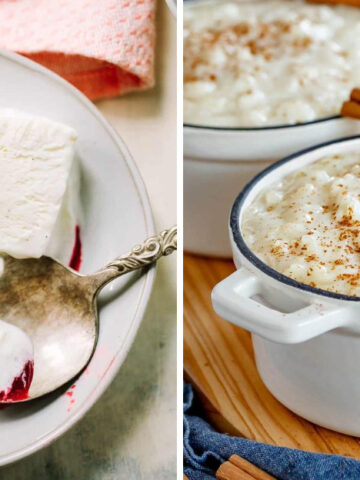
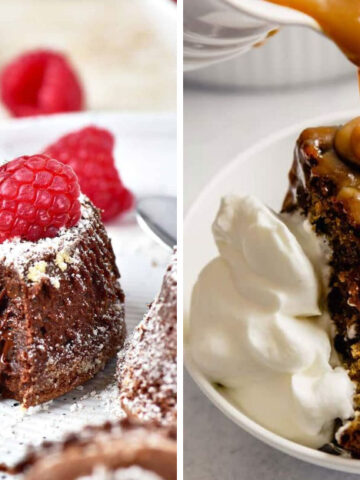
Some desserts from decades past are so unusual that they feel like they belong in a museum rather than on a plate.
You might even recognise a few from old family stories, though tasting them today would be a very different experience.
Curiosity alone is enough to make you wonder how these strange creations ever became favourites.
This article provides general information only and should not be taken as professional advice. Photos are for illustrative purposes only.
1. Blancmange
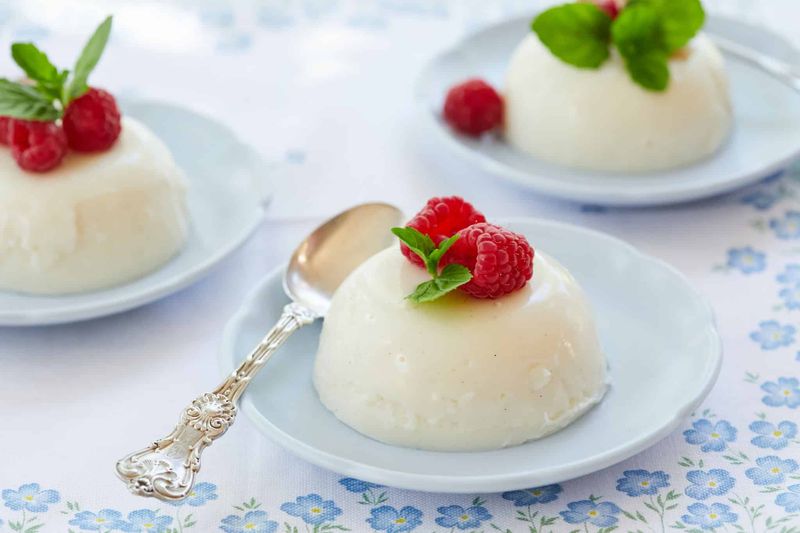
This wobbly white pudding might look like ordinary jelly, but blancmange has roots stretching back to medieval times.
Made from cornflour, milk, sugar, and almond essence, it sets into a delicate mould that quivers on the plate.
Victorian families adored this dessert at fancy dinners.
Today's kids might find its texture strange compared to modern puddings, though the sweet almond taste remains pleasant enough for adventurous eaters.
2. Cabinet Pudding
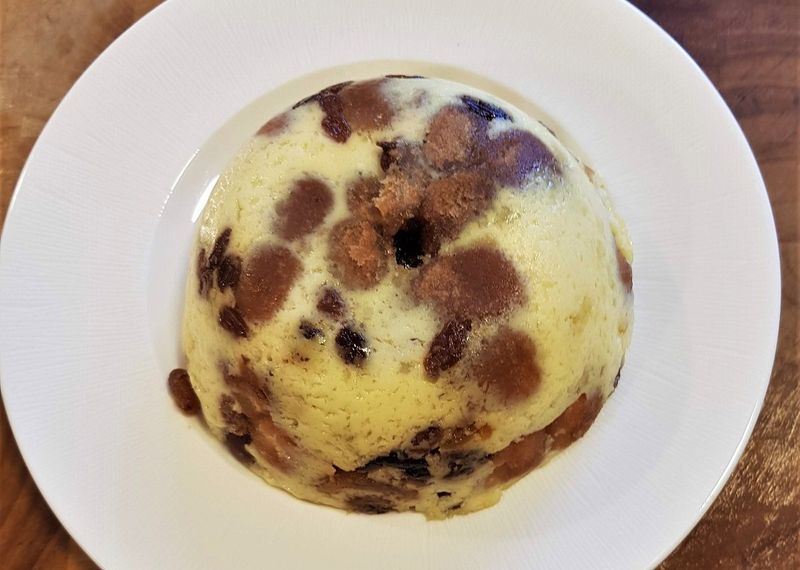
Leftover cake pieces find new purpose in this thrifty steamed pudding that Victorian housewives treasured.
Stale sponge combines with dried fruits, eggs, and milk inside a buttered mould before steaming for hours on the stovetop.
The name supposedly comes from keeping ingredients in kitchen cabinets.
When turned out, the pudding reveals beautiful fruit patterns.
Modern cooks rarely steam desserts anymore, making this technique seem rather mysterious to today's generation.
3. Syllabub
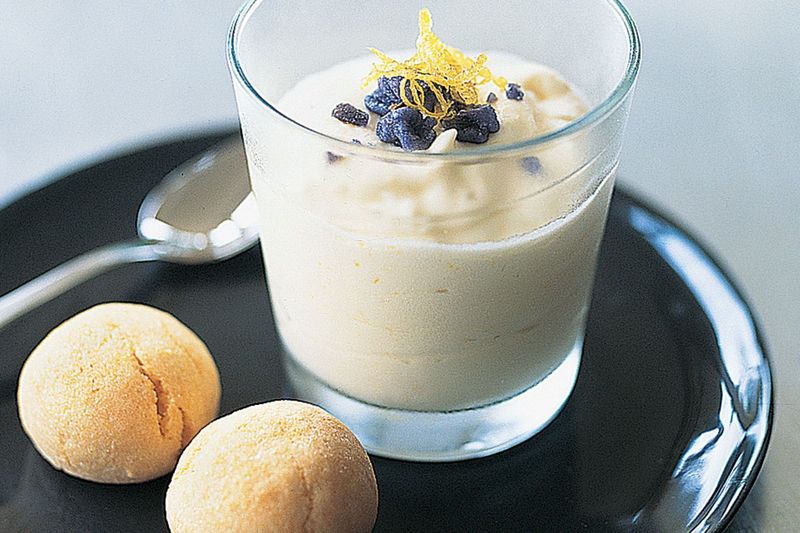
Cream gets whipped into clouds of froth with lemon juice and sugar to create this airy Georgian favourite.
The mixture separates into two distinct layers: foamy top and liquid bottom, both meant to be consumed together.
Wealthy families served syllabub in special tall glasses at parties.
The texture bewilders modern diners expecting uniform consistency throughout.
Some recipes suggest drinking the liquid through the foam, which seems quite odd by today's dessert standards.
4. Figgy Duff
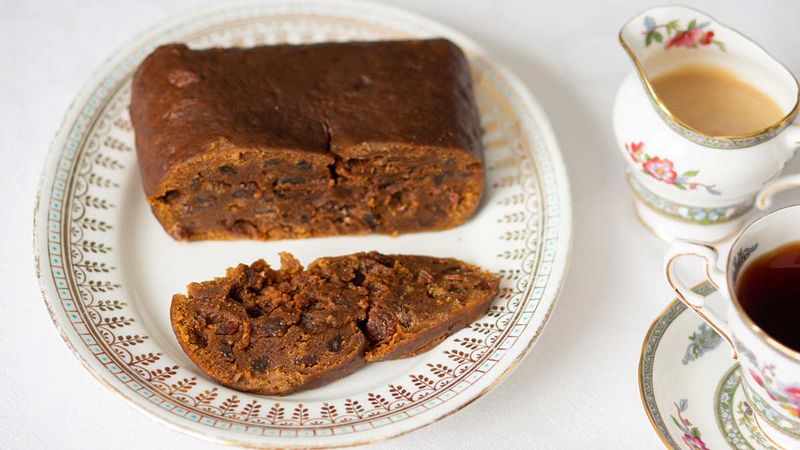
Newfoundland sailors carried this hearty steamed pudding on long voyages across the Atlantic.
Despite its name, figs rarely appear; instead, raisins and breadcrumbs mix with flour, molasses, and spices before being boiled inside a cloth bag.
The dense, heavy texture helped fill hungry bellies during harsh winters.
Modern children expecting light, fluffy cakes would find this pudding surprisingly solid and filling, almost like eating sweetened bread rather than proper dessert.
5. Cold Bread Pudding
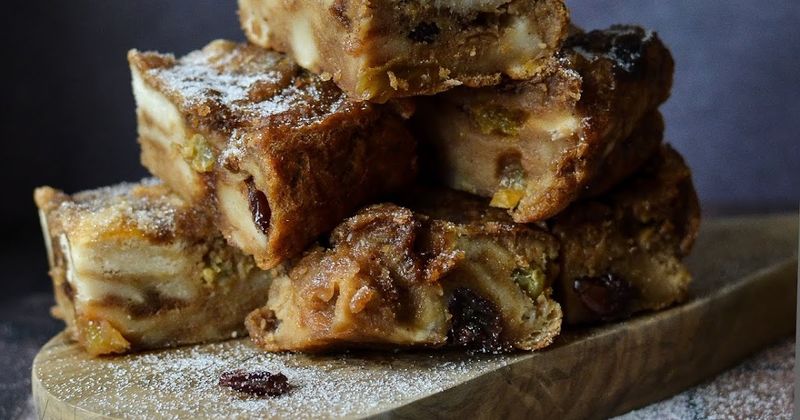
Stale bread transforms into dessert through an ingenious process that would surprise wasteful modern households.
Soaked bread crumbs mix with dried fruit, spices, and eggs before being pressed into a tin and chilled until firm.
Working-class families valued this economical sweet during tough times.
Unlike warm bread-and-butter pudding, this version gets served completely cold and sliced like cake.
The unusual texture falls somewhere between pudding and fruitcake, confusing contemporary taste expectations.
6. Gooseberry Fool
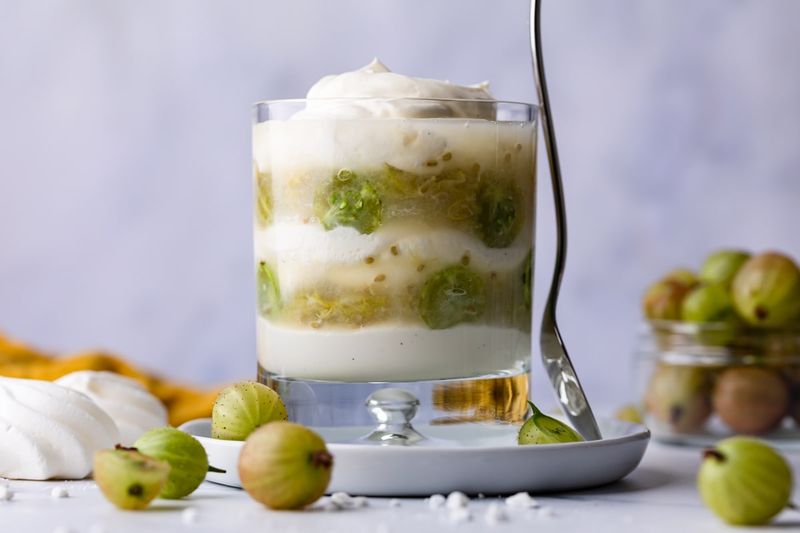
Tart gooseberries get stewed until soft, then folded through whipped cream to create this refreshingly simple summer pudding.
The name "fool" likely comes from the French word "fouler," meaning to crush or press.
English gardens once overflowed with gooseberry bushes every June.
Today's children rarely taste these sharp green berries, making the dessert's distinctive tangy flavour quite unexpected.
The pale green colour also looks unusual compared to bright modern desserts.
7. Junket
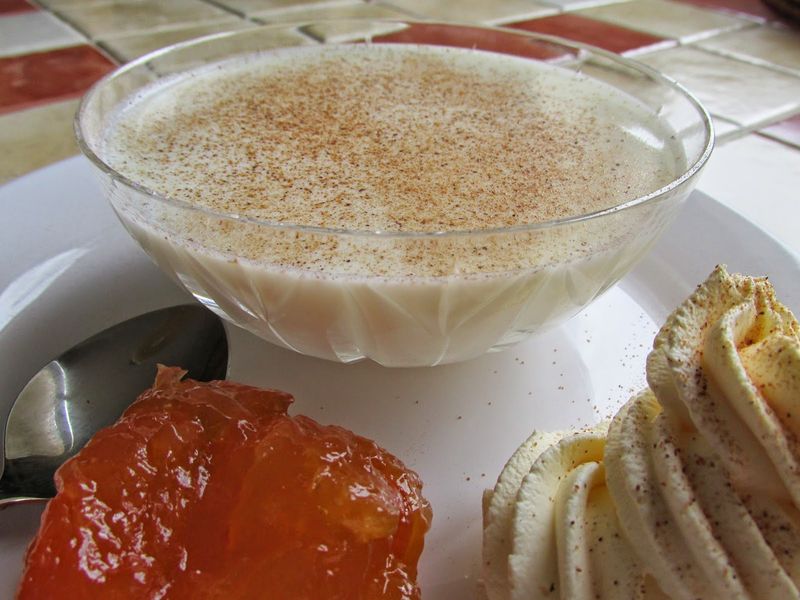
Warm milk transforms into a delicate set pudding through the magic of rennet, an enzyme traditionally extracted from calves' stomachs.
The mixture barely sets, creating a texture softer than custard yet firmer than milk.
Medieval monks enjoyed junket as a simple treat.
The wobbly consistency and subtle flavour seem incredibly bland to children raised on brightly coloured, intensely sweet modern puddings.
A sprinkle of nutmeg provided the only decoration in simpler times.
8. Hasty Pudding
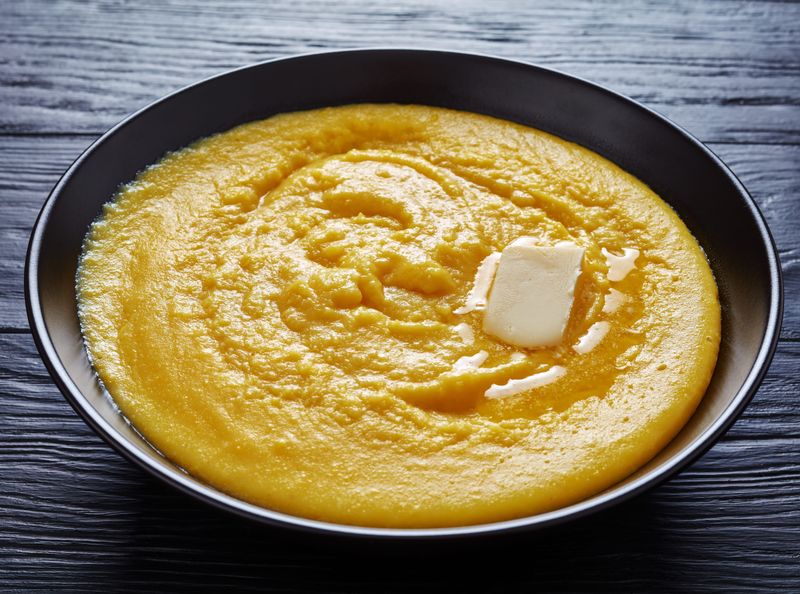
Wheat flour gets stirred into boiling milk until thick and porridge-like, creating one of Britain's quickest desserts.
The name perfectly describes the speedy cooking method that appealed to busy housewives throughout history.
Sweetened with honey or treacle, this humble pudding filled countless bellies before fancy recipes became popular.
Modern children expecting elaborate desserts would find hasty pudding disappointingly plain.
Its gloopy texture resembles breakfast porridge more than anything we'd call pudding today.
9. Flummery
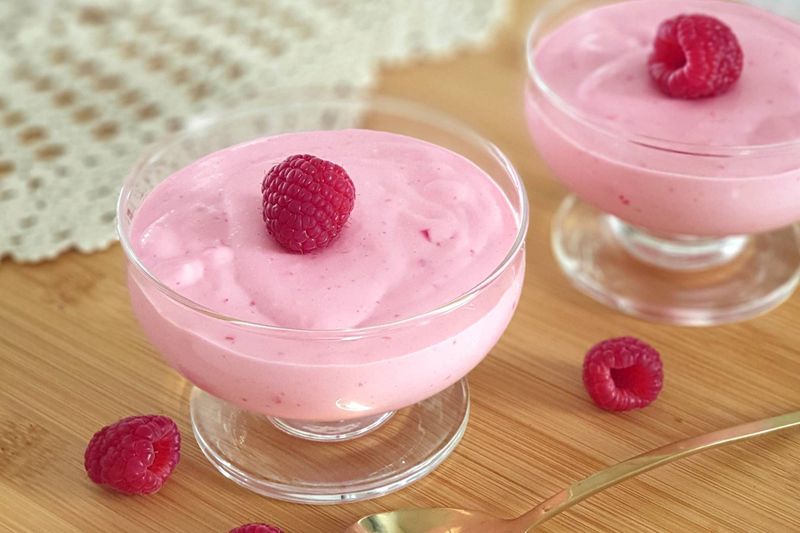
Oatmeal water gets boiled and strained repeatedly until it sets into a strange jelly-like substance that Welsh families treasured for centuries.
The resulting pudding wobbles like jelly but tastes nothing like the fruity versions children know today.
Served with honey or cream, flummery provided cheap nourishment for farming communities.
The unusual preparation method and bland oaty flavour would completely baffle modern dessert lovers expecting sweetness and excitement from their puddings.
10. Carrageen Moss Pudding
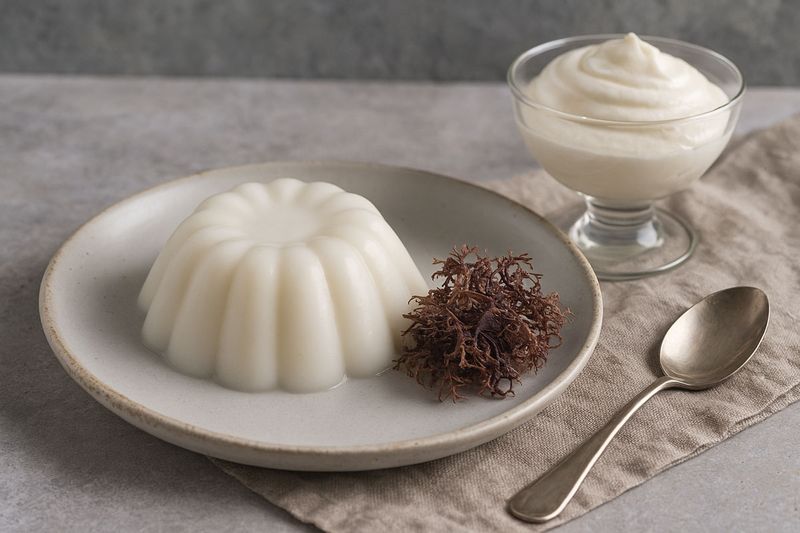
Irish coastal communities discovered that certain seaweed could thicken milk into a nutritious pudding with remarkable health benefits.
Dried carrageen moss gets simmered in milk until dissolved, then strained and left to set like blancmange.
The idea of eating seaweed for dessert sounds absolutely bizarre to modern British children.
Though the marine flavour disappears during cooking, knowing the main ingredient comes from the ocean makes this historical pudding particularly unusual by contemporary standards.