













Professional chefs have spent years mastering their craft, and they've noticed some common mistakes home cooks make in the kitchen.
These habits might seem harmless, but they can seriously affect the taste, texture, and quality of your meals.
Learning what to avoid will help you cook more confidently and create restaurant-quality dishes at home.
This article is for general informational and entertainment purposes only. Cooking methods, preferences, and results may vary depending on equipment, ingredients, and individual skill levels. Always follow proper food safety guidelines and consult reliable culinary sources when preparing meals.
1. Overcrowding The Pan
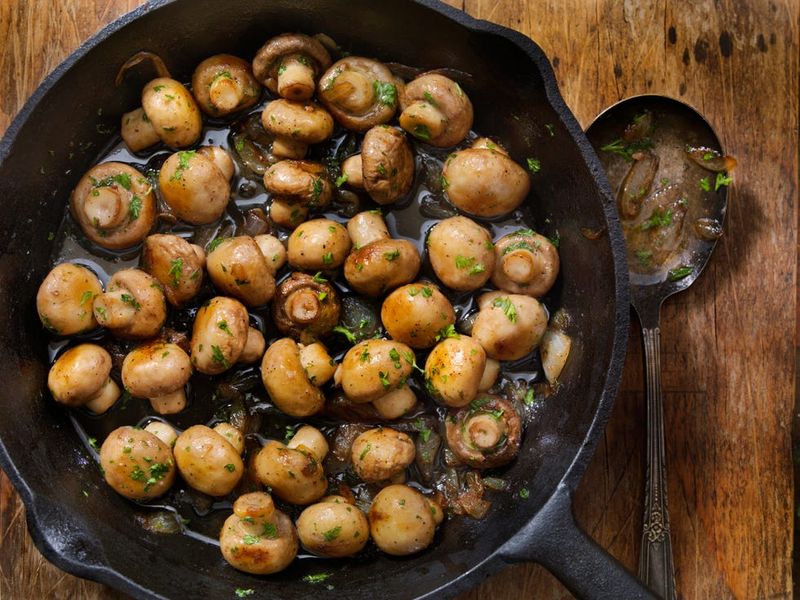
Cramming too many ingredients into one pan creates steam instead of that delicious golden-brown crust you're after.
When food touches, moisture gets trapped and everything ends up soggy rather than crispy.
Give your ingredients breathing room by cooking in batches.
Your patience will be rewarded with perfectly caramelised vegetables and beautifully seared meat that actually tastes like restaurant food instead of disappointing mush.
2. Not Preheating The Pan Or Oven
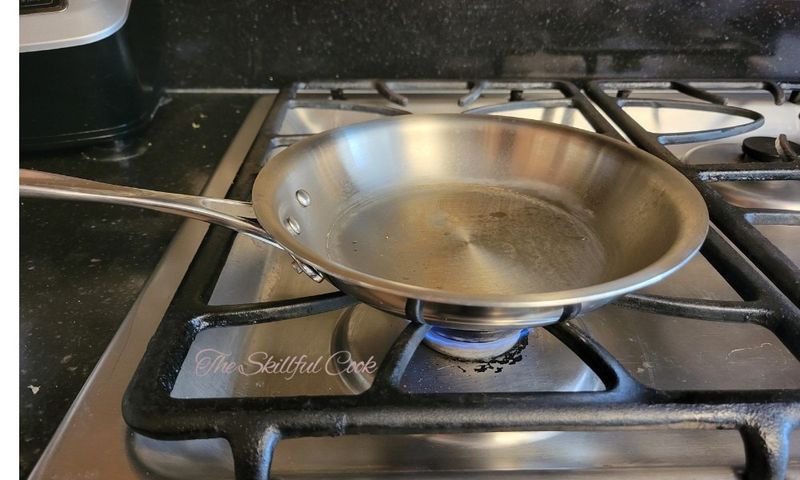
Tossing food into a cold pan is like jumping into a pool without checking the temperature first - shocking and unpleasant.
Your ingredients need immediate heat to develop proper texture and flavour.
Wait until your pan is properly hot before adding anything.
A good test is the water droplet method: if it sizzles and evaporates quickly, you're ready to cook with confidence and achieve professional results.
3. Using Dull Knives
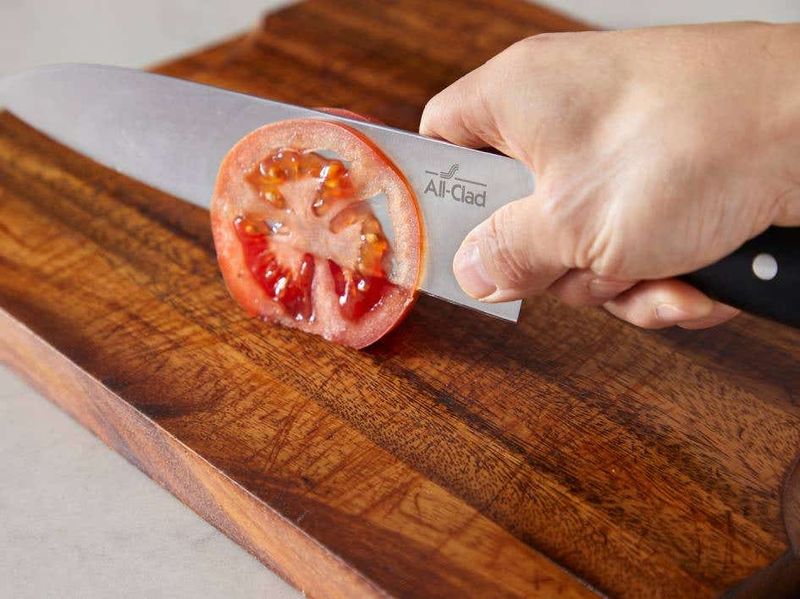
A blunt knife is actually more dangerous than a sharp one because it requires extra pressure and can easily slip.
You'll also end up with mangled vegetables that release too much juice and cook unevenly.
Sharpen your knives regularly or take them to a professional.
Clean cuts preserve the integrity of your ingredients, making prep work faster, safer, and far more enjoyable for even the simplest recipes.
4. Ignoring The Importance Of Seasoning
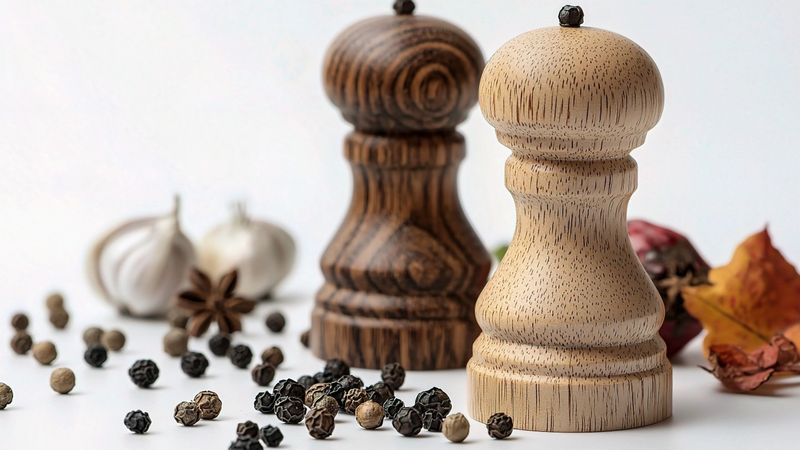
Many home cooks fear over-salting so much that they end up with flavourless food that tastes like cardboard.
Seasoning brings out natural flavours and transforms ordinary ingredients into something memorable.
Season at different stages of cooking, not just at the end.
Taste frequently and adjust as you go. Remember, you can always add more, but proper seasoning throughout the cooking process creates depth that simply can't be achieved by sprinkling salt on finished dishes.
5. Constantly Stirring Everything
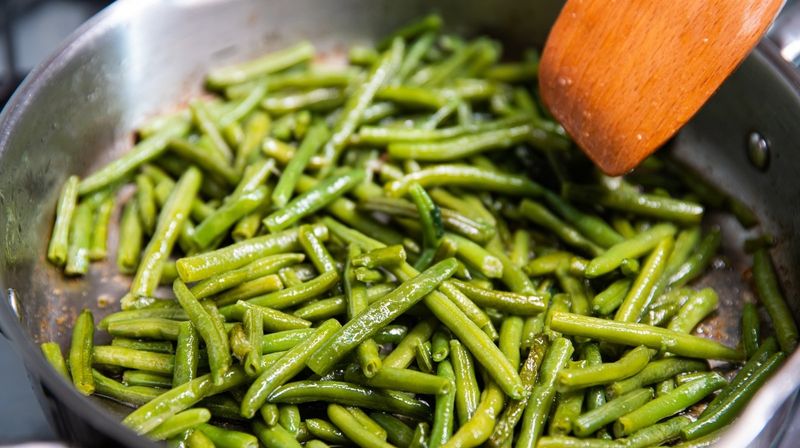
Standing over the hob and stirring non-stop might make you feel productive, but you're actually preventing proper browning.
Those delicious caramelised bits need contact with the hot surface to develop.
Step away from the spoon and let your food cook undisturbed.
Only stir when the recipe specifically calls for it, and you'll notice a dramatic improvement in flavour and texture that makes your dishes taste genuinely professional.
6. Cooking Meat Straight From The Fridge
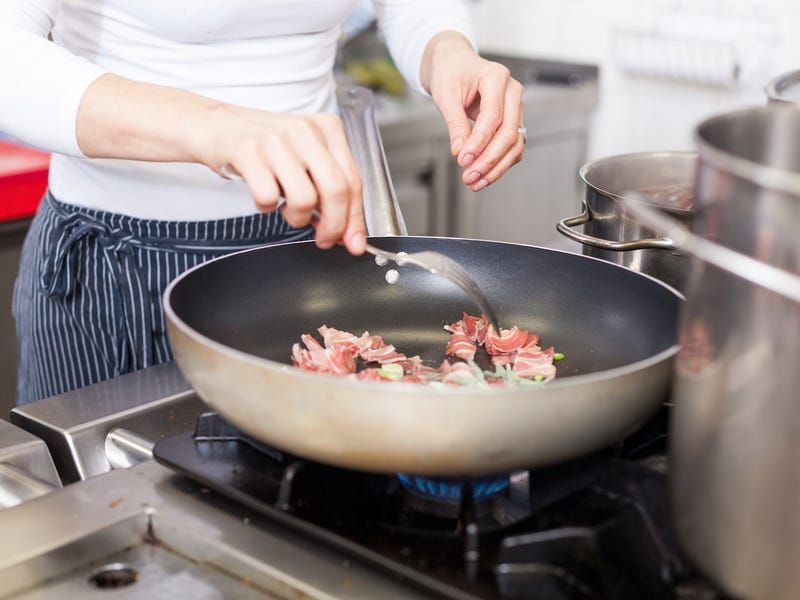
Slapping ice-cold meat onto a hot pan creates uneven cooking - burnt outside, raw inside.
The temperature shock also causes the muscle fibres to tense up, resulting in tough, chewy texture.
Let your meat sit at room temperature for about twenty to thirty minutes before cooking.
This simple step ensures even cooking throughout, helps achieve better browning, and produces tender, juicy results that rival any steakhouse.
7. Overcooking Pasta
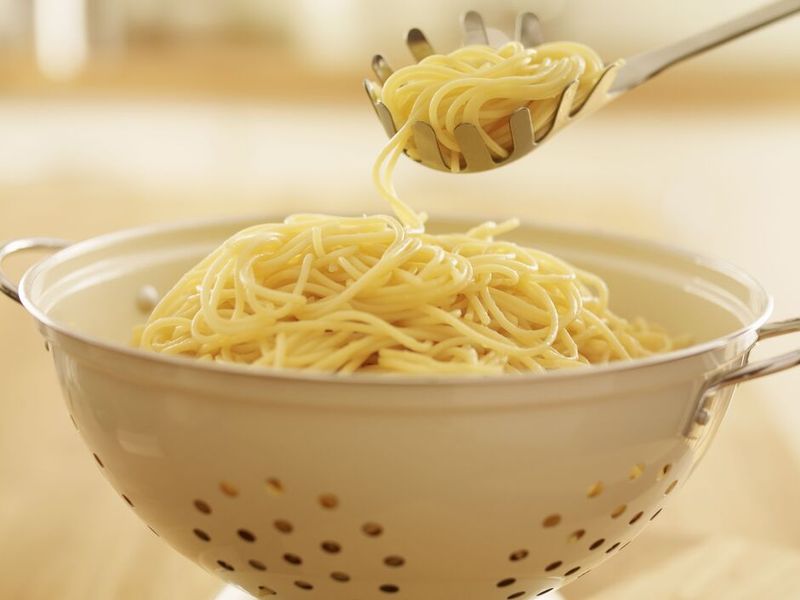
Mushy pasta is one of the biggest crimes in Italian cooking, yet it happens in kitchens everywhere.
That perfect al dente texture - slightly firm to the bite - makes all the difference between amateur and impressive.
Check your pasta a minute or two before the package directions suggest.
It should have a tiny bit of resistance when you bite it.
Remember, it continues cooking slightly even after draining, so slightly underdone is perfect.
8. Measuring Ingredients Incorrectly
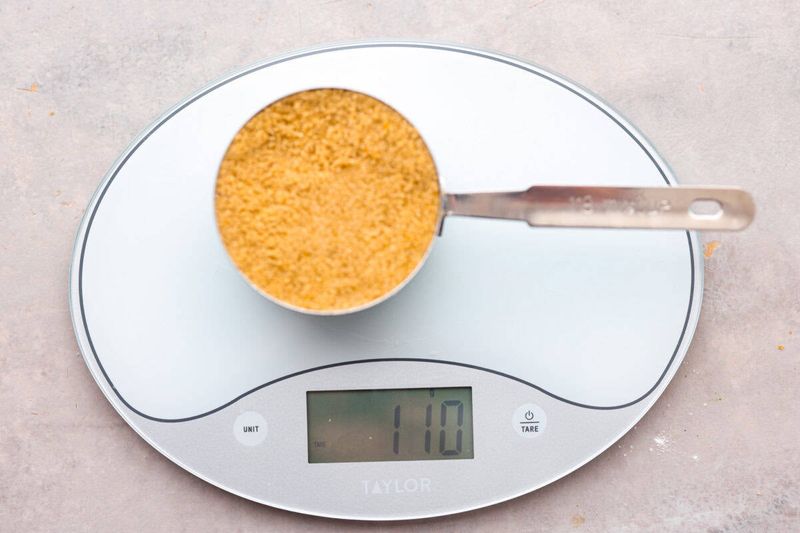
Eyeballing measurements or packing flour into cups creates inconsistent results, especially in baking where precision matters tremendously.
Too much or too little of key ingredients can ruin texture and taste.
Use proper measuring techniques: spoon flour into cups and level with a knife, never pack it down.
For liquids, use clear measuring jugs at eye level.
Following these simple rules ensures your recipes turn out correctly every single time.
9. Not Tasting As You Cook
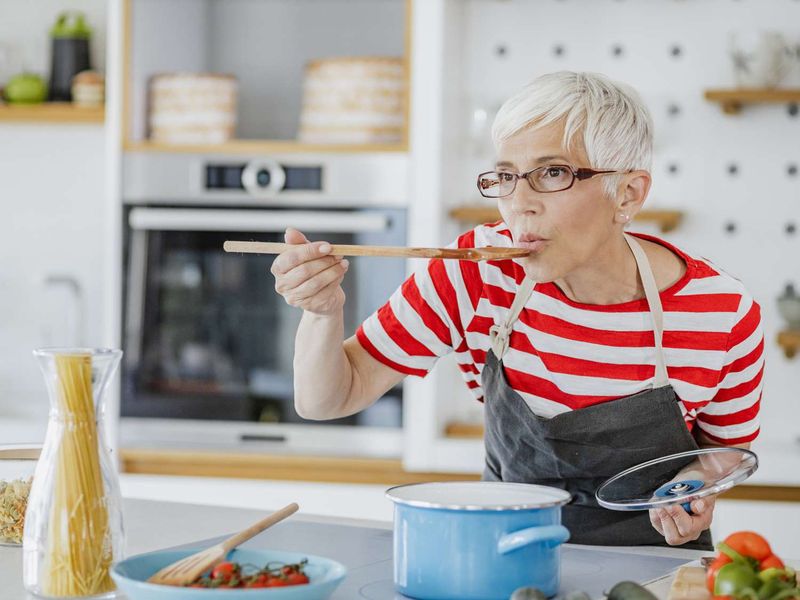
How can you possibly know if your dish needs adjustments if you never taste it?
Waiting until everything is plated means discovering problems when it's too late to fix them.
Keep a clean spoon nearby and taste throughout the cooking process.
This allows you to adjust seasoning, acidity, or sweetness as needed.
Professional chefs taste constantly - it's the secret to perfectly balanced dishes that make people ask for your recipe.
10. Using Too Much Garlic Or Salt
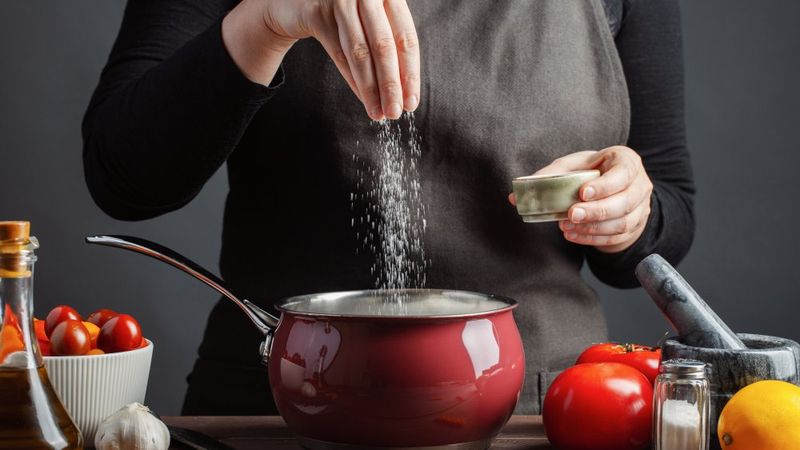
Garlic and salt are wonderful flavour enhancers, but drowning your food in either creates an unbalanced, overpowering mess.
Subtlety is key - you want to enhance natural flavours, not mask them completely.
Start with less than you think you need and build gradually.
Garlic becomes bitter when burnt, and oversalted food is nearly impossible to fix.
A light touch creates sophisticated, well-balanced dishes that let all ingredients shine through beautifully.
11. Neglecting To Let Meat Rest
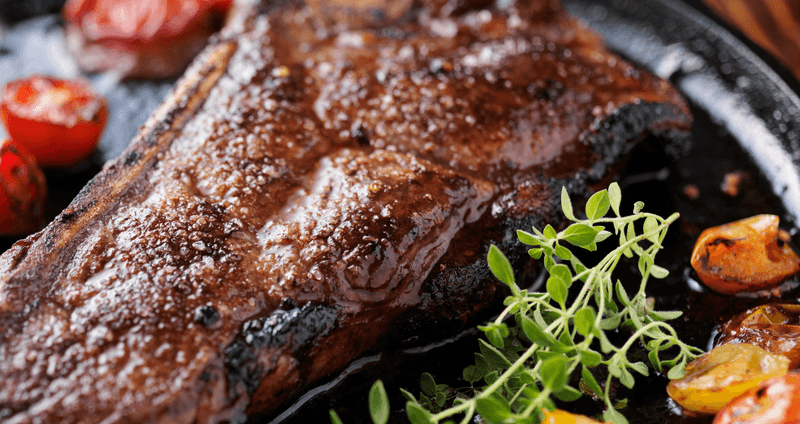
Slicing into meat the moment it comes off the heat sends all those precious juices flooding onto your cutting board instead of staying inside where they belong.
What a waste of flavour and moisture!
Patience pays off here - et your meat rest for five to ten minutes under loose foil.
The fibres relax and reabsorb the juices, resulting in tender, succulent meat that's worth the short wait every single time.
12. Rinsing Cooked Pasta
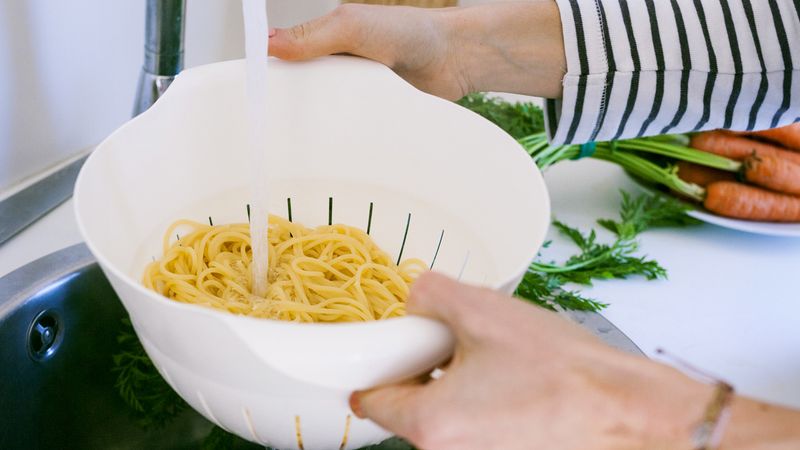
That starchy coating on freshly cooked pasta isn't something to wash away - it's liquid gold that helps sauce cling beautifully to every strand.
Rinsing removes this essential element and cools your pasta down unnecessarily.
Skip the rinse entirely unless you're making a cold pasta salad. Instead, save some pasta water before draining.
This starchy liquid is perfect for loosening sauce and creating that glossy, restaurant-quality finish professional chefs achieve effortlessly.
13. Using The Wrong Oil For High Heat
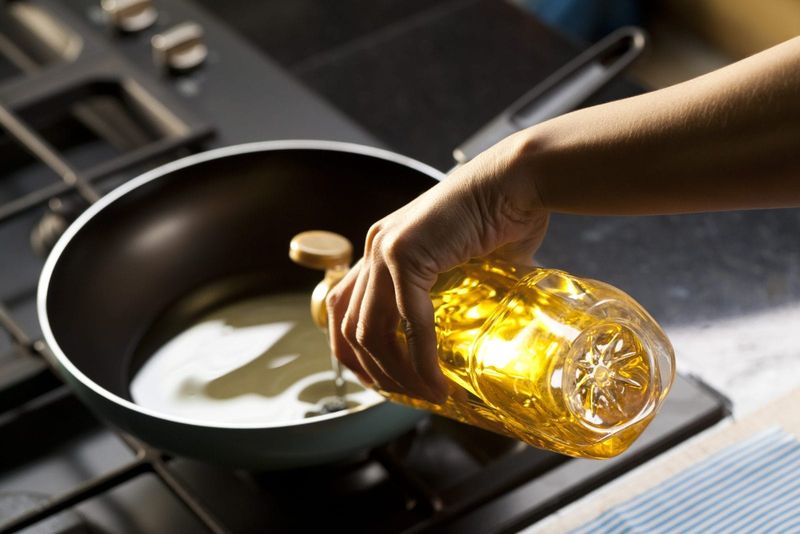
Extra virgin olive oil is fantastic for dressings and low-heat cooking, but it burns and turns bitter at high temperatures.
Each oil has a smoke point, and exceeding it creates unpleasant flavours and potentially harmful compounds.
Choose oils wisely based on cooking temperature.
For high-heat methods like stir-frying or searing, reach for vegetable, groundnut, or rapeseed oil.
Save your expensive extra virgin olive oil for finishing dishes and salads where its delicate flavour truly shines.
14. Skipping Mise En Place (Prep Work)
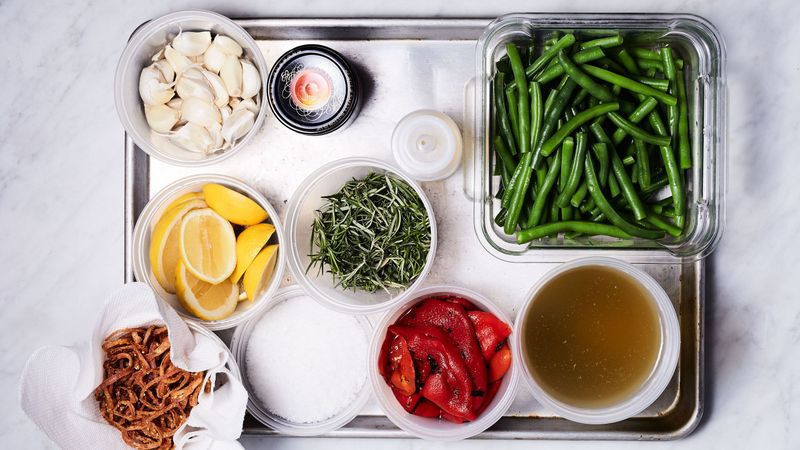
Frantically chopping vegetables whilst something burns on the hob creates stress and mistakes.
Professional chefs prepare everything beforehand - it's called mise en place, French for "everything in its place."
Before you start cooking, chop all vegetables, measure spices, and have everything ready in small bowls.
This simple organisation transforms cooking from chaotic scrambling into a calm, enjoyable experience where you can focus on technique rather than panicking about forgotten ingredients.
15. Ignoring Recipe Instructions

Recipes exist for good reason - they're tested formulas that work.
Deciding you know better and randomly changing temperatures, times, or ingredient amounts usually ends in disappointment, especially for beginners.
Follow recipes exactly the first time you make something.
Once you understand how it works, then experiment with modifications.
Think of recipes as your teacher - learn the fundamentals first, and you'll develop the knowledge needed to successfully improvise later on.
16. Crowding The Cutting Board
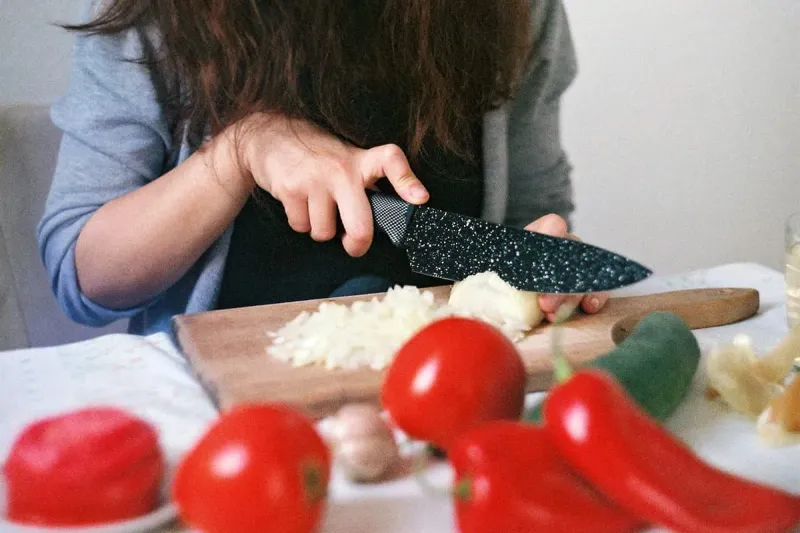
Trying to chop more ingredients when your board is already overflowing is inefficient and dangerous.
Pieces roll off, you can't see what you're cutting, and your knife work becomes sloppy and unsafe.
Transfer chopped ingredients to bowls as you work, keeping your cutting surface clear.
A clean workspace allows better knife control, faster prep, and safer cooking.
This professional habit takes seconds but dramatically improves your efficiency and enjoyment in the kitchen.
17. Using Cheap Cookware For Delicate Dishes
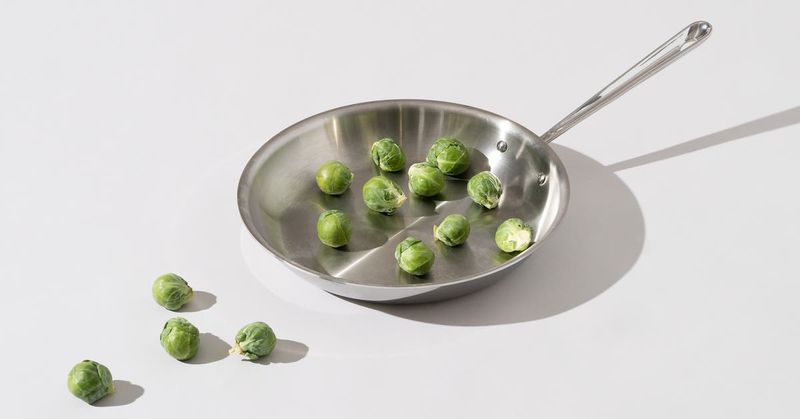
Flimsy pans with thin bottoms heat unevenly, creating hot spots that burn food in some areas whilst leaving it raw in others.
Delicate dishes like fish or eggs require consistent, gentle heat that poor-quality cookware simply cannot provide.
Invest in a few quality pieces - a good heavy-bottomed pan and a reliable non-stick skillet work wonders.
Proper cookware distributes heat evenly, lasts for years, and makes cooking significantly easier and more successful for everything you prepare.



