Craving something sweet but worried about the calories? You're not alone!
Many of us struggle to balance our love for desserts with healthy eating habits.
Thankfully, some cakes offer more nutritional benefits than others, letting you satisfy your sweet tooth without the guilt trip.
This article is for general information and inspiration only. Nutritional values, ingredients, and preparation methods may vary depending on recipes and personal choices. “Healthiest” refers to options that can be lighter or more nutrient-conscious compared with traditional cakes, but individual dietary needs differ. For personalised advice, always consult a qualified health professional or nutritionist.
1. Angel Food Cake
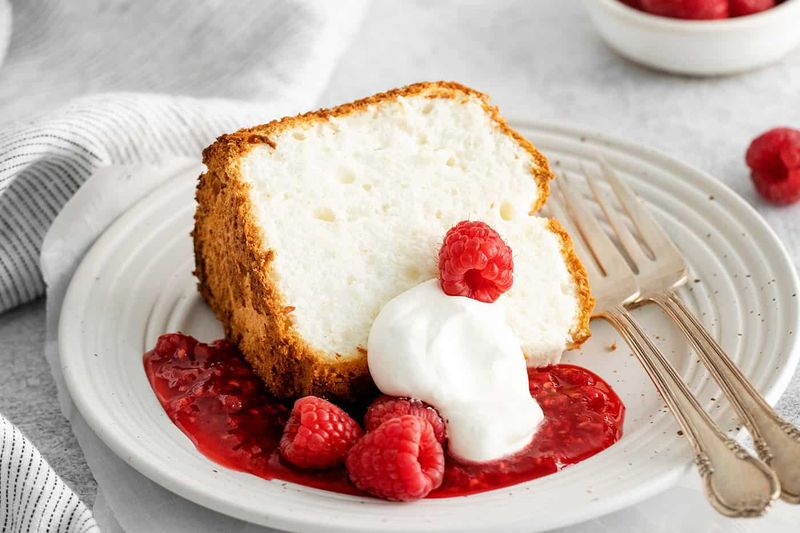
Light as a cloud and equally heavenly on your waistline!
Angel food cake skips the butter and egg yolks, resulting in a fat-free treat.
Made primarily with egg whites, sugar and flour, this airy delight contains significantly fewer calories than traditional cakes.
Perfect for warm summer evenings when you want something sweet without feeling heavy afterward.
2. Fatless Sponge Cake
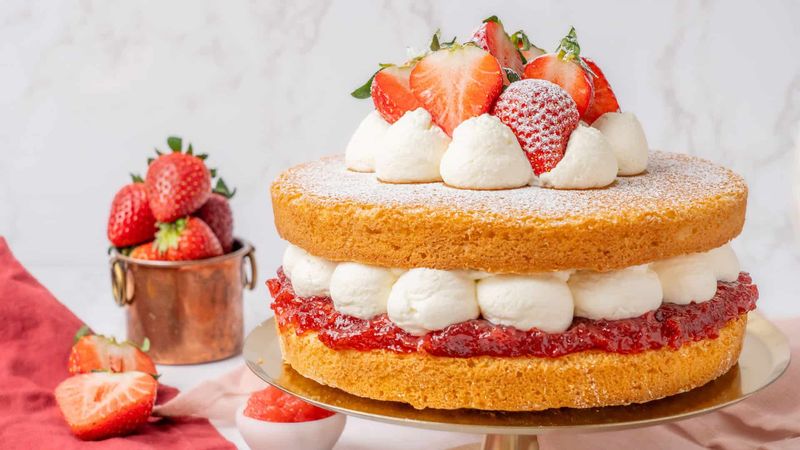
The name says it all! Without butter or oil, this British teatime classic relies on whipped eggs for its volume and moisture.
Traditionally served with fresh fruit and a light dusting of powdered sugar rather than heavy frosting.
The simple ingredient list makes this an excellent canvas for healthier toppings like Greek yoghurt or fresh seasonal berries.
3. Chiffon Cake
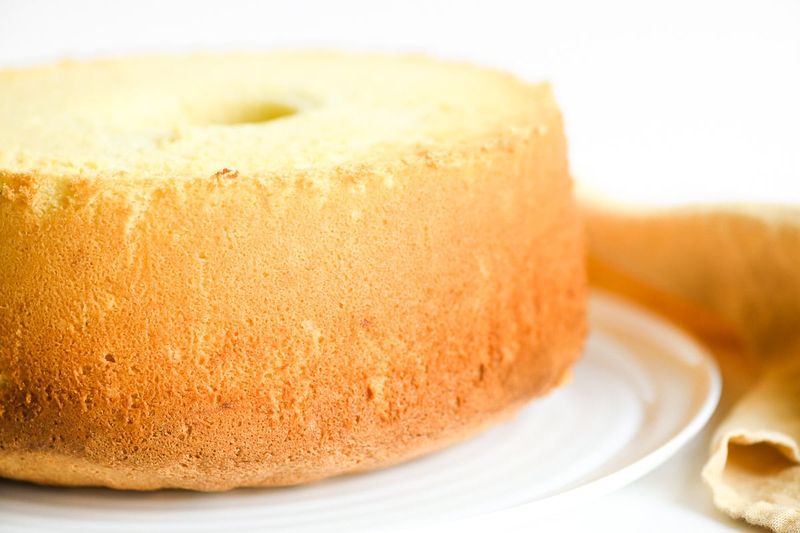
A brilliant compromise between indulgence and nutrition!
Chiffon cake uses vegetable oil instead of butter, making it lower in saturated fat while maintaining incredible moisture.
The combination of whipped egg whites and oil creates that signature tender crumb that melts in your mouth.
Often flavoured with citrus zest or vanilla, this versatile cake pairs beautifully with fresh fruit compotes.
4. Yoghurt Cake
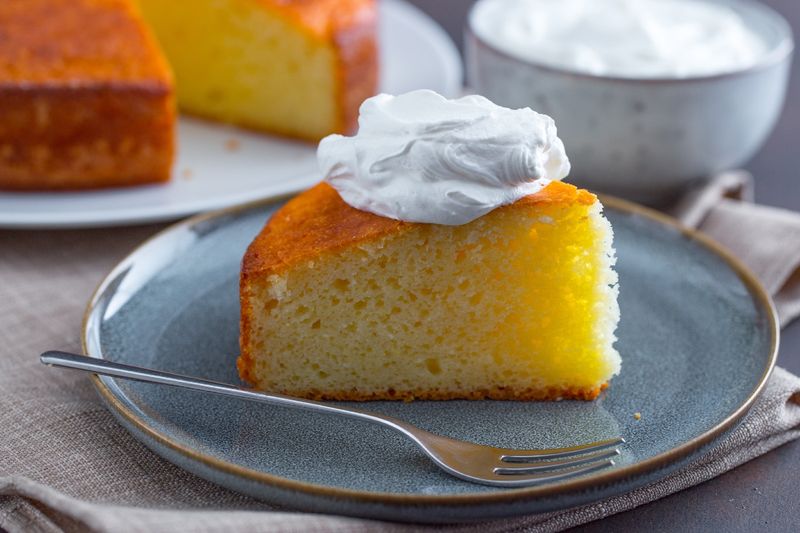
A French family favourite that's wonderfully moist without loads of butter!
The yoghurt adds protein and calcium while keeping the texture tender.
Traditionally measured using the yoghurt pot itself – how charmingly rustic!
You can enhance the nutritional profile by using whole grain flour and reducing the sugar.
Try adding lemon zest or fresh berries for extra flavour without extra calories.
5. Japanese Soufflé Cheesecake
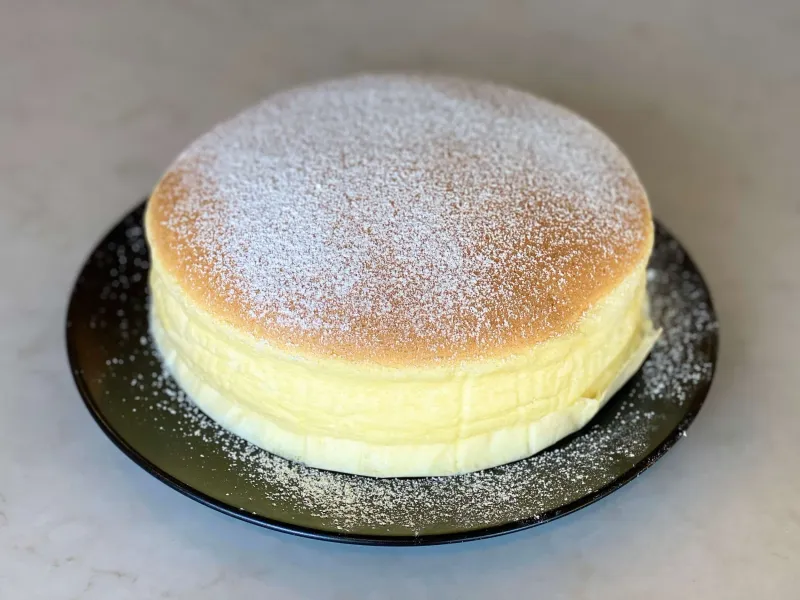
This Japanese favourite is known for being lighter than traditional cheesecakes thanks to the use of whipped egg whites.
The airy texture gives it a cloudlike, jiggly quality that melts in the mouth.
Most recipes use regular sugar, but it can also be made with honey as a natural sweetener for a gentler flavour.
Either way, it’s a softer, lower-fat alternative to the dense cheesecakes many people are used to.
6. Ricotta Cake
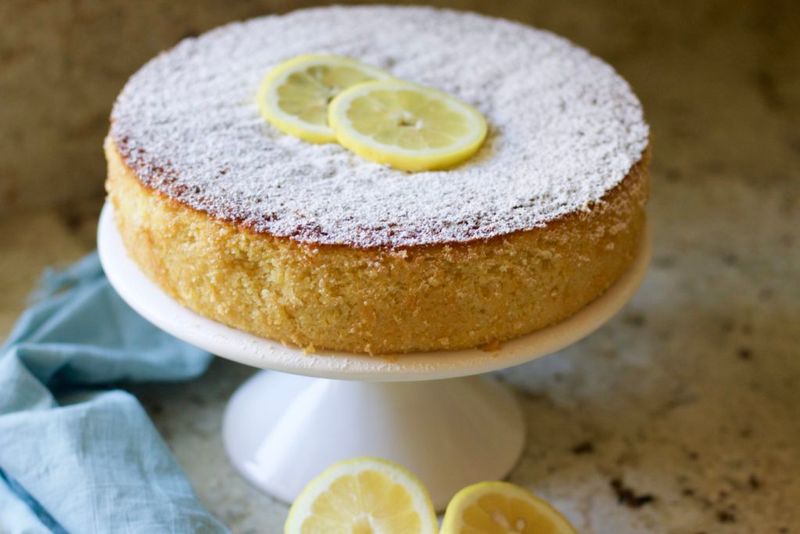
Ricotta cake is an Italian-inspired dessert that replaces some of the butter with creamy ricotta cheese.
The ricotta adds protein and calcium while creating a moist, tender crumb.
Often flavoured with citrus zest, almond, or vanilla, it offers a subtle sweetness that balances well with fresh fruit.
This simple yet elegant cake has become a popular choice for those wanting something lighter than heavier cream-based cakes.
7. Banana Oat Cake
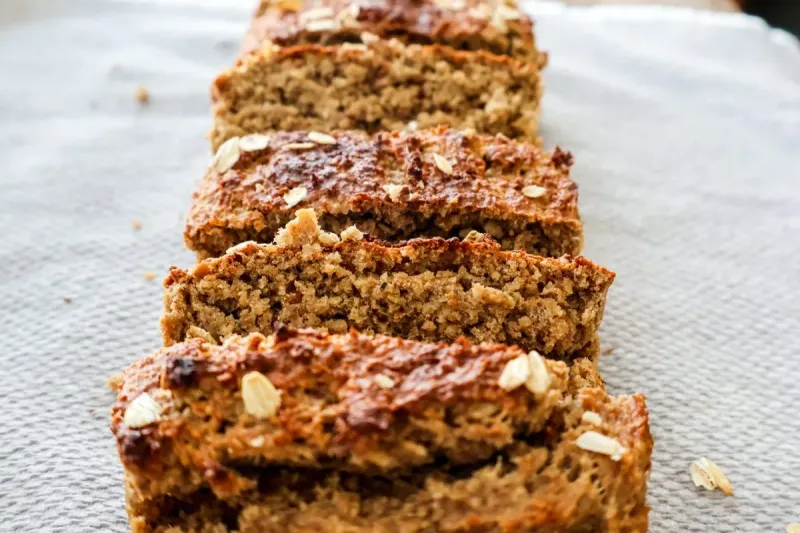
Breakfast or dessert? Why choose!
This hearty creation combines the goodness of rolled oats with naturally sweet, potassium-rich bananas.
The ripe bananas provide enough sweetness to reduce added sugar significantly.
With heart-healthy oats adding fiber and protein, this cake keeps you satisfied longer than conventional treats.
Some versions even skip refined flour entirely for an even more nutritious profile.
8. Swiss Roll
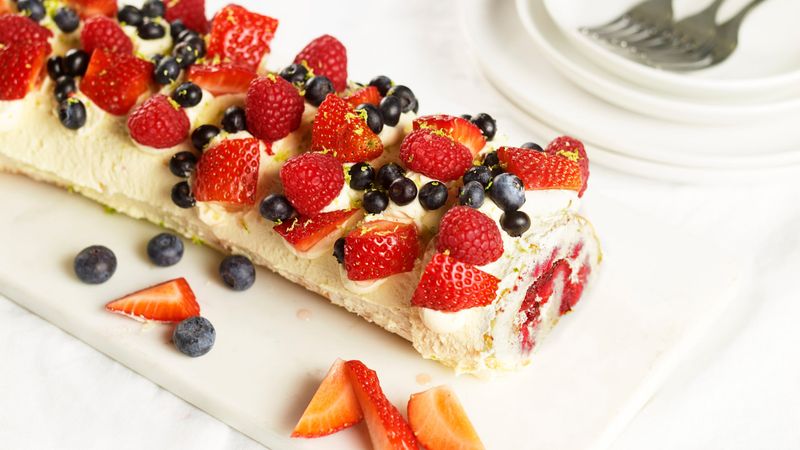
Thin layers mean smaller portions by design!
The traditional Swiss roll uses minimal cake batter spread thinly, then filled with fruit preserves.
For a healthier twist, fill yours with Greek yoghurt and fresh berries instead of buttercream.
The rolled presentation naturally creates portion control – each slice delivers satisfying sweetness without overwhelming calories or sugar.
A brilliant example of moderation built right into the design!