

Pastry chefs know better than anyone that not all desserts are created equal. Some restaurant sweets look tempting on the menu but can hint at shortcuts, inconsistent preparation, or mass production behind the scenes.
From overused classics to pre-made favourites, these are the desserts that professional pastry chefs tend to skip when dining out.
This article is for general informational purposes only. Restaurant practices, preparation methods, and menu quality may vary by location. Photos are for illustrative purposes only.
1. Molten Lava Cake
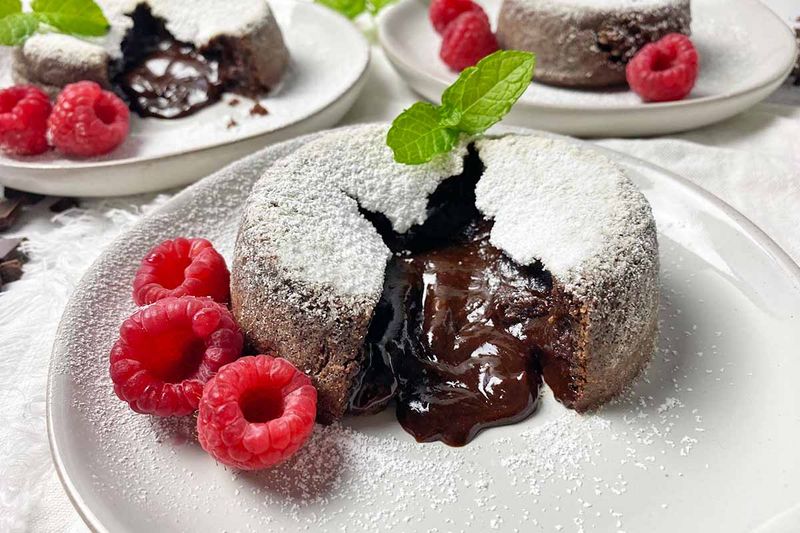
Picture this: a chocolate centre that's meant to ooze dramatically onto your plate, but more often than not, it arrives either rock solid or suspiciously runny. Pastry chefs know this classic is frequently microwaved from frozen rather than baked fresh to order.
The telltale signs include uneven heating and that rubbery texture around the edges. A proper lava cake requires precise timing and temperature control, something most busy kitchens simply can't manage consistently. When you spot it on a menu at a casual spot, chances are it's been sitting in a freezer for months.
2. Soufflé
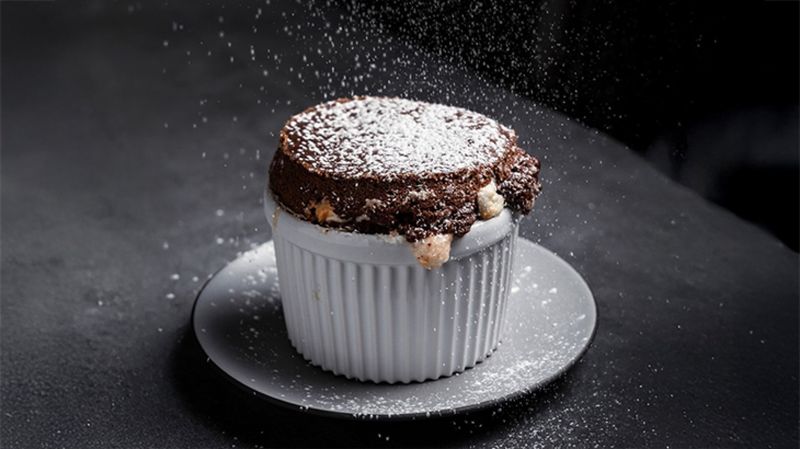
Few desserts demand as much skill and perfect timing as this French showstopper, which is precisely why seasoned pros approach it with caution. A genuine soufflé needs to be mixed, baked, and served within a tight window, rising tall and airy with a delicate wobble.
Most restaurants lack the staffing or patience for such fussy work, especially during peak service. What arrives instead might be a dense, deflated imposter that's been sitting under a heat lamp. Unless you're at a Michelin-starred establishment with a dedicated pastry team, it's often a gamble not worth taking.
3. Tiramisu
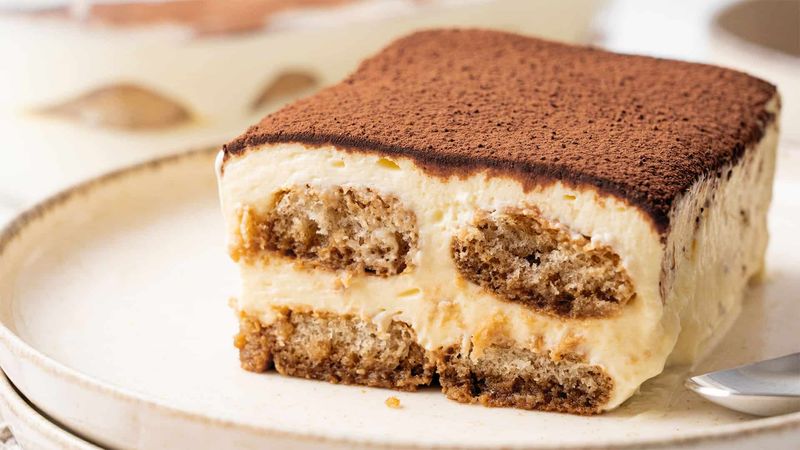
Authentic tiramisu should taste like a coffee-soaked cloud of mascarpone heaven, but the restaurant version often tells a different story. Many establishments use pre-made sponge instead of delicate ladyfingers, and swap out proper mascarpone for cheaper cream cheese or even artificial stabilisers.
Pastry chefs can spot these shortcuts a mile away. The texture becomes gluey rather than light, and that signature espresso kick gets replaced by artificial coffee flavouring. When a classic Italian dessert gets mass-produced in plastic containers and portioned out for service, it loses everything that made it special in the first place.
4. Cheesecake
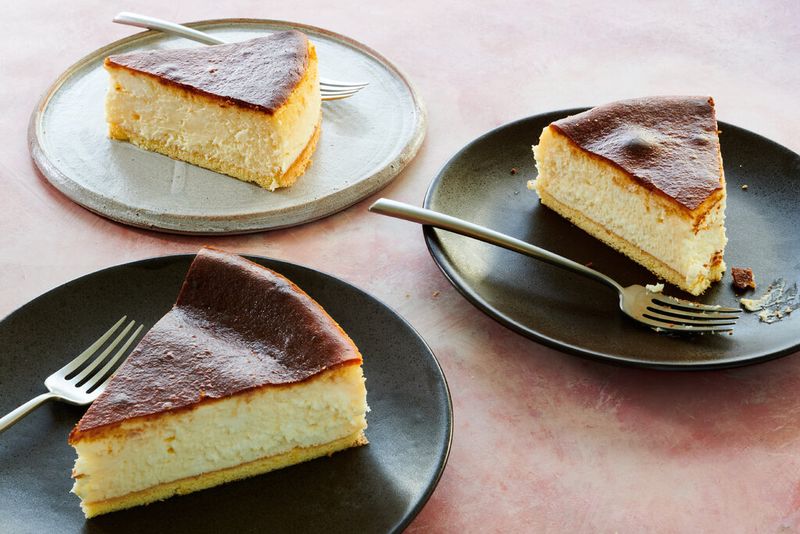
Britain's love affair with cheesecake runs deep, from baked New York style to no-bake digestive biscuit bases. Yet professionals know that restaurant versions rarely match homemade quality, often arriving straight from a catering supplier's freezer.
The real giveaway? That slightly waxy mouthfeel and artificial vanilla flavour that screams mass production. Proper cheesecake requires quality cream cheese, careful mixing to avoid cracks, and slow baking or adequate setting time. Most kitchens simply buy them in bulk, defrost them, and add a squirt of fruit compote to justify the price tag. You're essentially paying restaurant markup for supermarket quality.
5. Chocolate Mousse
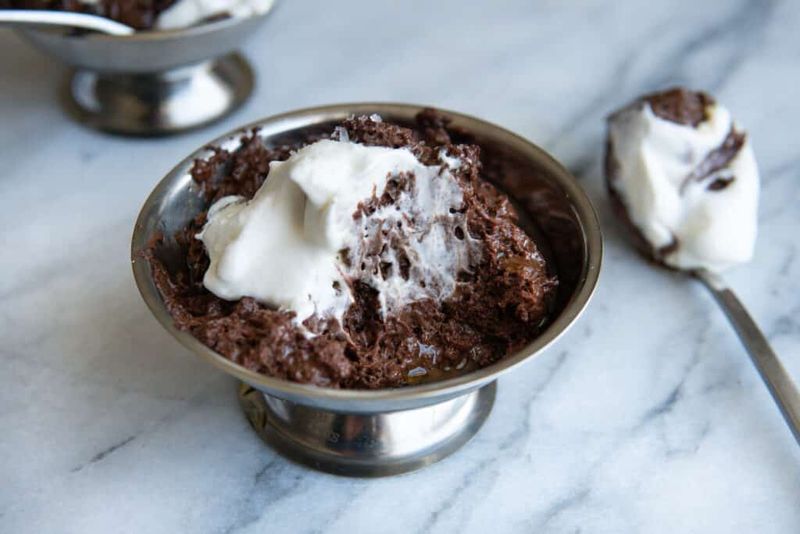
When done properly, chocolate mousse should be silky, airy, and intensely chocolatey, but achieving that texture takes time and technique. Unfortunately, many restaurants take shortcuts by using instant mousse powder or gelatine-heavy mixtures that set quickly but taste artificial.
Pastry professionals can immediately detect the difference between hand-whipped mousse made with quality chocolate and the packet stuff. The real deal requires tempering chocolate, carefully folding in whipped cream, and allowing proper chilling time. What you often get instead is a dense, overly sweet pudding that's been piped from a dispenser and garnished with a sad chocolate curl.
6. Crème Brûlée
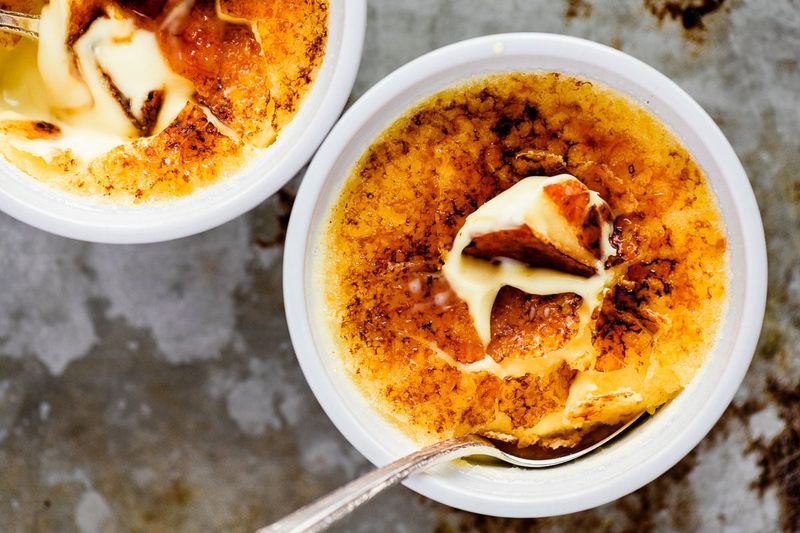
That satisfying crack of caramelised sugar is supposed to give way to smooth, vanilla-scented custard underneath, but restaurant versions often disappoint on both fronts. The custard itself is frequently made from a powdered mix rather than proper eggs and cream, resulting in a grainy, artificial texture.
Then there's the brûléed top, which should be torched fresh before serving but is often done hours in advance, leaving it soggy rather than crisp. Pastry chefs know that achieving the perfect wobble and that paper-thin sugar crust requires precision and last-minute attention that busy kitchens rarely provide during evening service.
7. Bread and Butter Pudding
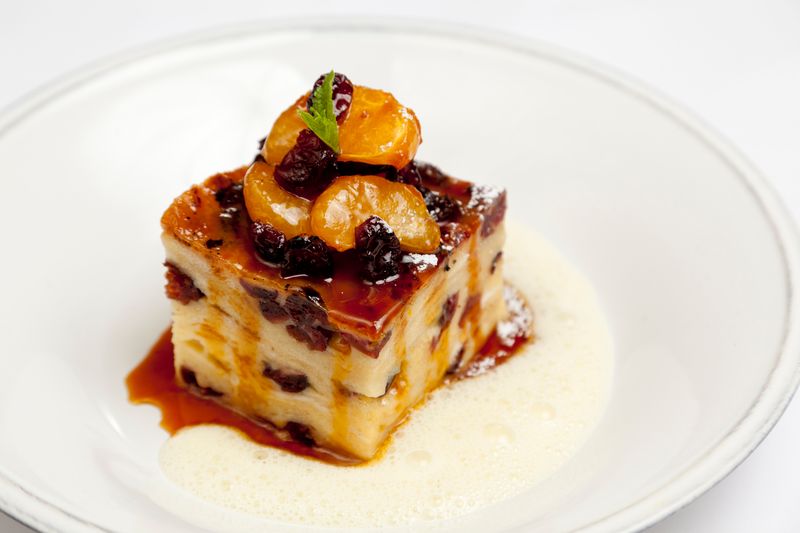
This quintessentially British comfort dessert should showcase buttery layers of bread soaked in rich custard, studded with plump raisins and baked until golden. Sadly, it's become the restaurant industry's favourite way to use up stale bread and leftover custard base.
What arrives at your table is often a dried-out brick swimming in cheap vanilla sauce, bearing little resemblance to the nursery classic. Pastry chefs recognise when corners have been cut, from the use of the cheapest white bread to custard that's more milk than cream. You're basically paying premium prices for what amounts to creative leftover management.
8. Banoffee Pie
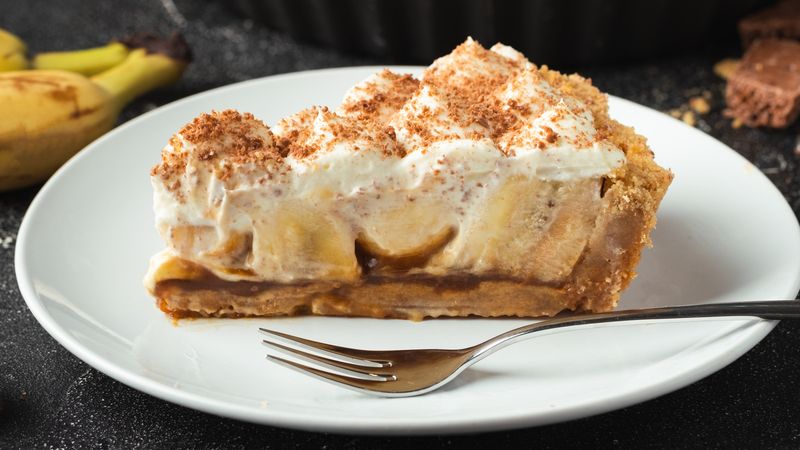
Born in the 1970s at a Sussex pub, banoffee pie became a British institution, combining digestive biscuits, toffee, bananas, and cream. However, restaurant versions frequently rely on tinned caramel rather than proper dulce de leche made from slowly simmered condensed milk.
The result? An artificial sweetness that overwhelms everything else, paired with bananas that have oxidised to an unappetising brown because the dessert was prepped hours ago. Professionals know that fresh assembly is crucial for this dessert, but most kitchens prepare it in bulk during morning prep. By evening service, you're getting a sad, pre-sliced wedge that's lost all its charm.