













There’s nothing quite like a proper plate of fish and chips - crispy, golden batter, fluffy chips, and that satisfying crunch with every bite. Making it at home might seem tricky, but with a few simple tricks, you can get that classic chippy flavour straight from your own kitchen.
From picking the right fish to mastering the perfect fry, here’s how to nail Britain’s favourite comfort food without leaving the house.
This article is for general informational purposes only. Cooking results may vary depending on equipment, ingredients, and personal skill level. Always handle hot oil with care and follow kitchen safety guidelines.
1. Choose The Right Fish
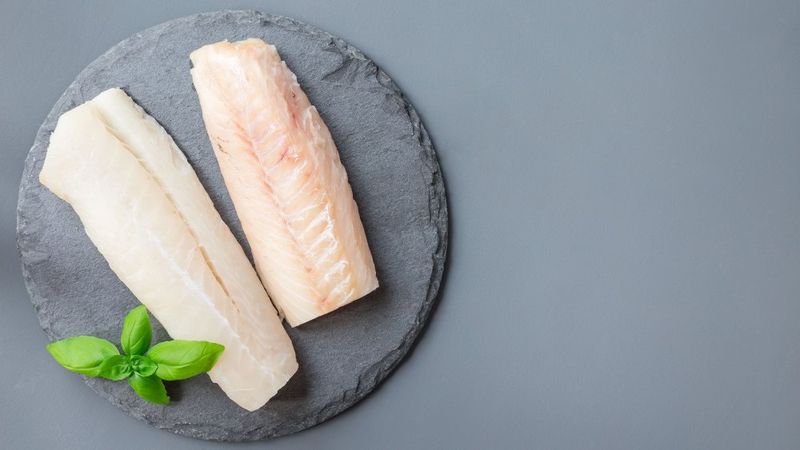
Cod and haddock are traditional favourites for a reason - their thick, flaky texture holds up beautifully during frying. Look for sustainable options with firm, white flesh that won't fall apart in the batter.
Freshness matters enormously, so buy from a trusted fishmonger when possible. Pat the fillets dry before battering to ensure the coating sticks properly and crisps up nicely.
2. Dry The Fish Thoroughly
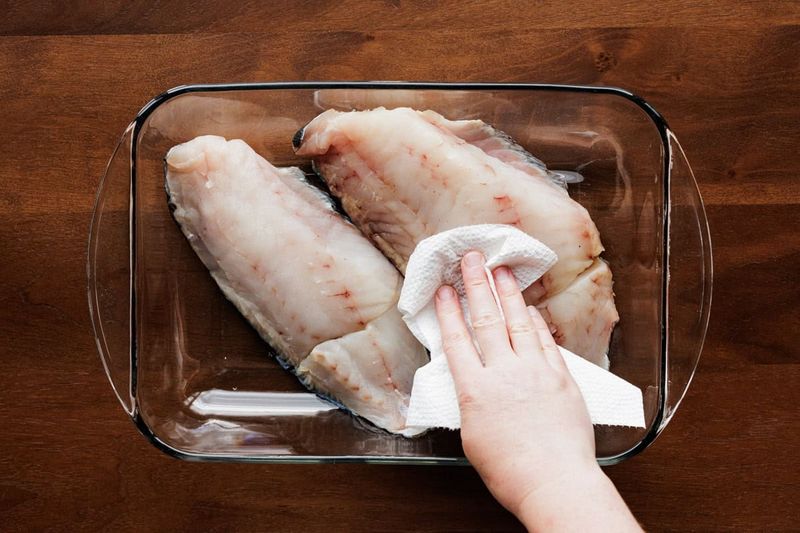
Moisture is the enemy of crispy batter. Before you even think about coating your fish, use kitchen paper to remove every bit of excess water from the surface.
This simple step prevents the batter from sliding off and creates a better seal. Some cooks even chill the dried fillets briefly to firm them up further, ensuring maximum crispiness when they hit the hot oil.
3. Use Cold Batter For Extra Crispiness
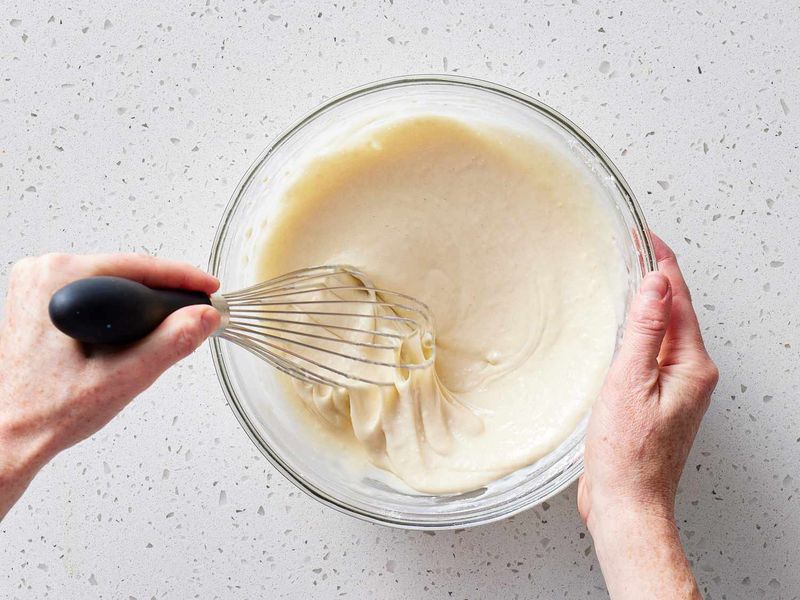
Temperature makes all the difference when it comes to achieving that signature crunch. Mix your batter with ice-cold sparkling water just before frying - the carbonation creates tiny air pockets that puff up beautifully.
Keep the bowl chilled while you work, even placing it over ice if your kitchen is warm. The contrast between cold batter and hot oil produces an incredibly light, crispy coating.
4. Pick The Right Oil
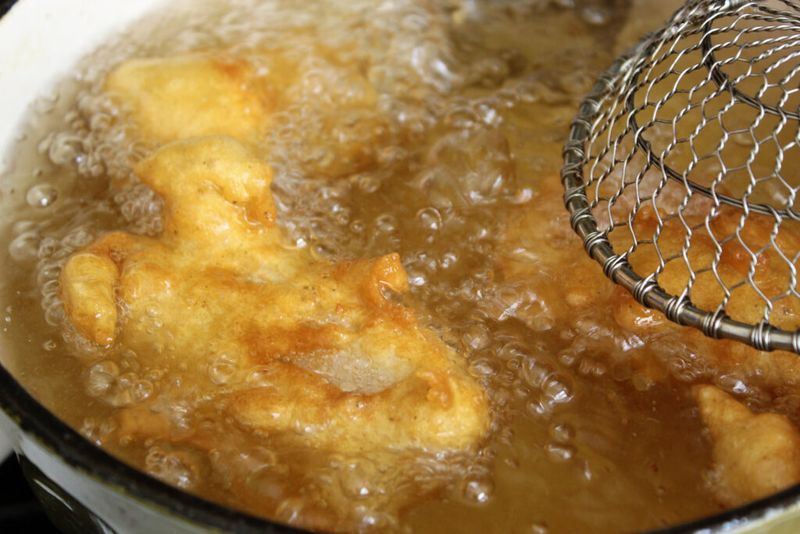
Not all oils are created equal for deep frying. Vegetable, sunflower, or groundnut oil work brilliantly because they have high smoke points and neutral flavours that won't overpower your fish.
Avoid olive oil - it burns too easily and adds unwanted taste. Fill your pan or fryer with enough oil so the fish can float freely, ensuring even cooking on all sides without sticking.
5. Fry At The Perfect Temperature
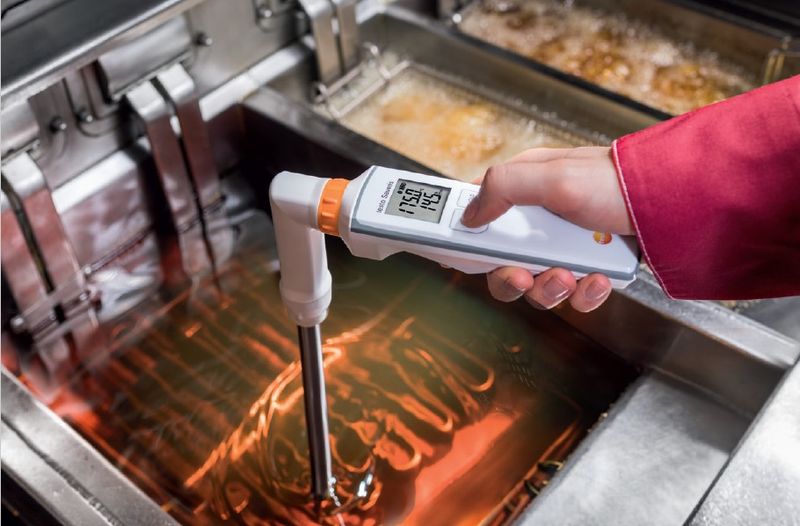
Getting the oil to exactly 180-190°C is crucial - too cool and your fish absorbs grease, too hot and the outside burns before the inside cooks. A cooking thermometer takes the guesswork out completely.
If you don't have one, drop a small piece of bread into the oil. It should sizzle and turn golden in about 30 seconds when the temperature is spot-on.
6. Double-Fry Your Chips
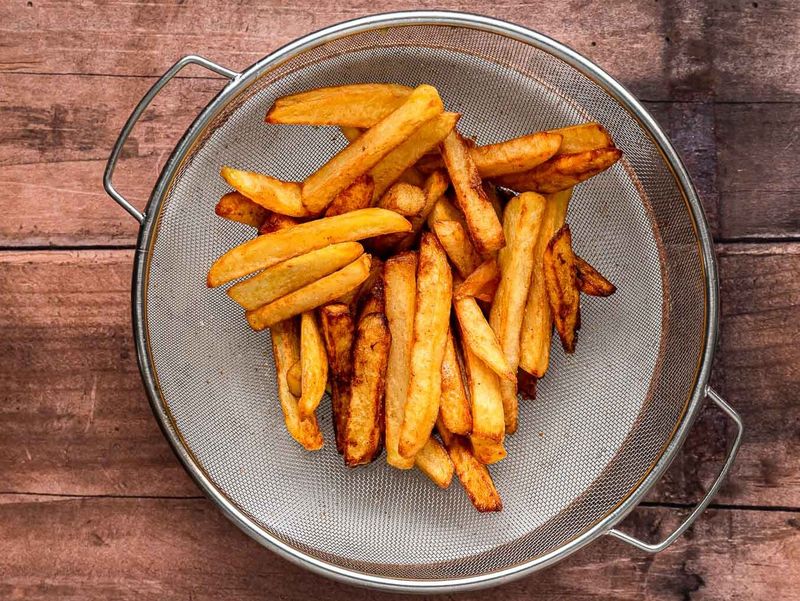
This technique is the secret behind chip shop perfection. First, blanch your chips at a lower temperature (around 130°C) until soft but not coloured, then drain and cool them completely.
When you're ready to serve, fry them again at 180°C until gloriously golden and crisp. The double cooking creates chips that are fluffy inside with an unbeatable crunch outside.
7. Season Straight Away
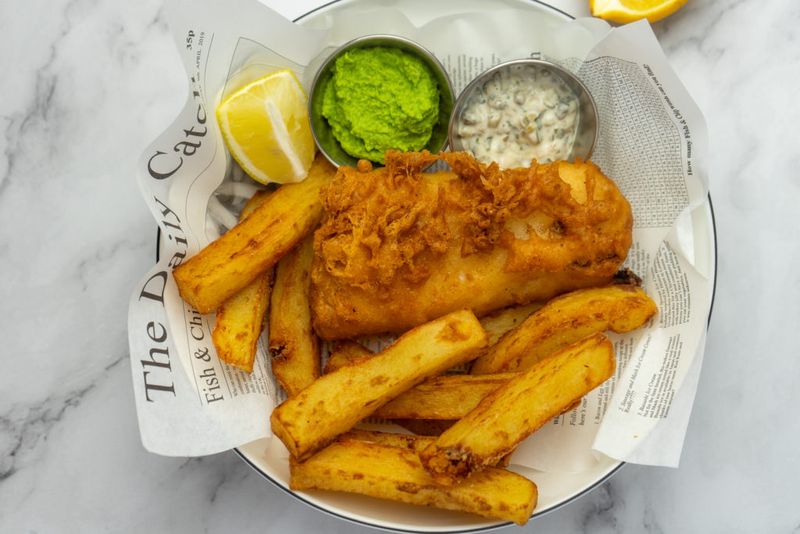
Timing is everything when it comes to seasoning. The moment your fish and chips emerge from the oil, give them a generous sprinkle of sea salt whilst they're still steaming hot.
The heat helps the seasoning stick and penetrate slightly, enhancing flavour throughout. Don't wait until they've cooled - you'll miss that perfect window when the salt adheres best and tastes most satisfying.
8. Serve With Classic Condiments
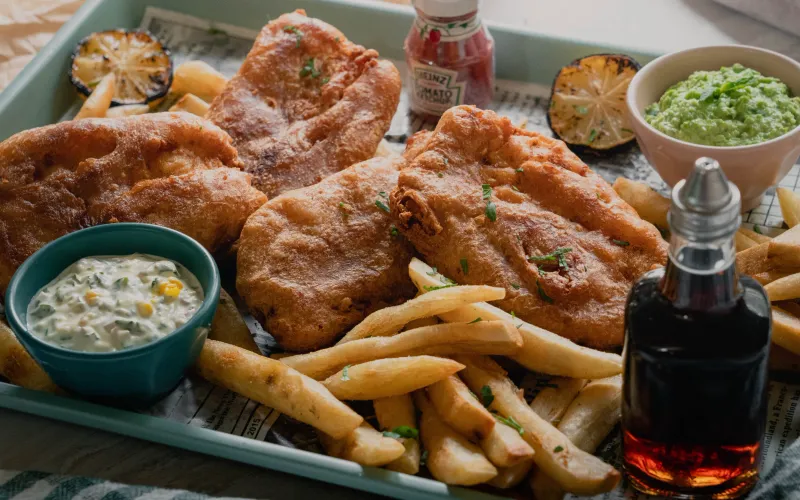
Authenticity matters when presenting this British treasure. Malt vinegar is non-negotiable - its sharp tang cuts through the richness perfectly.
Add a dollop of tartar sauce for creaminess and mushy peas for tradition. Some folks love a wedge of lemon for brightness. Serve everything on proper paper for that genuine chip shop experience, and watch your homemade feast disappear in minutes.



