










Freezers are brilliant for extending the life of many foods, but not everything belongs inside. Some items lose flavour, texture, or quality when frozen, while others may spoil faster than you expect.
Knowing what to keep out of the freezer can help you reduce waste, save money, and keep meals tasting their best.
This article is for general information only. Food storage methods and results may vary. Always check product packaging and follow safety guidelines.
1. Soft Cheese
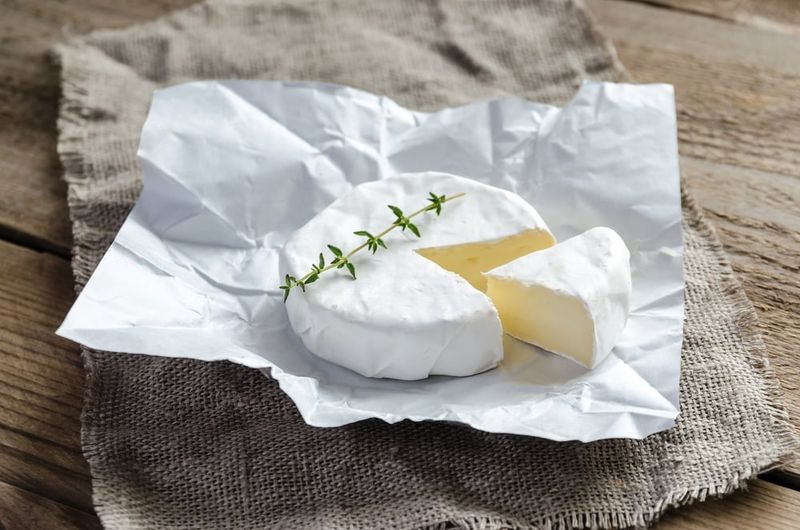
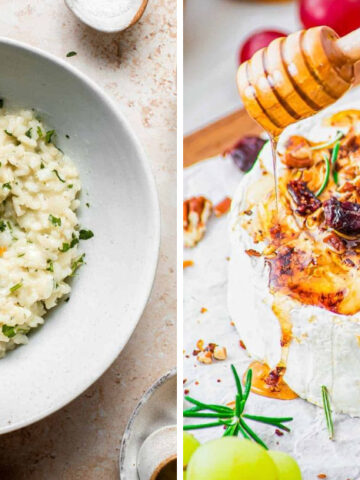
Cheeses like brie and camembert lose their creamy texture in the freezer. Ice crystals form inside, leaving them crumbly and grainy once thawed.
Hard cheeses cope better with freezing, but soft ones should be stored in the fridge wrapped in wax paper and enjoyed fresh.
2. Whole Eggs In Shell
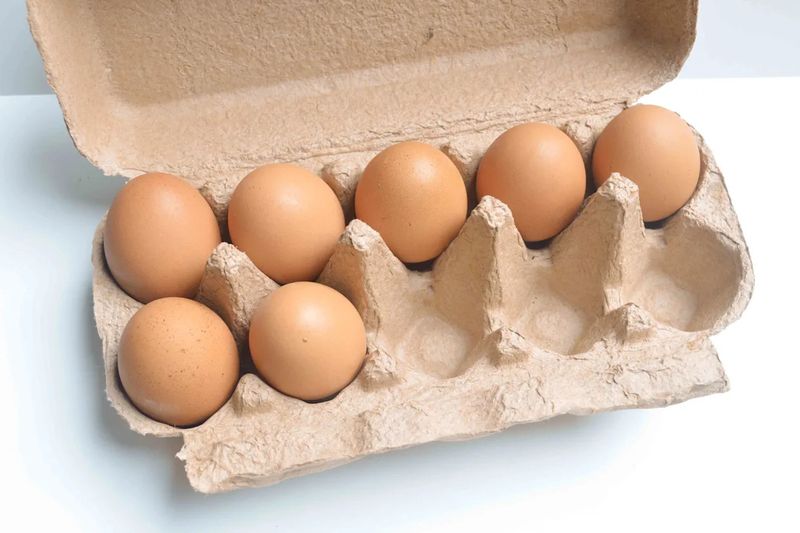
Eggs expand as they freeze, causing shells to crack. This not only creates a mess but can also make the eggs unsafe to eat.
If you want to freeze eggs, beat them first and portion into ice cube trays for safe use later in cooking or baking.
3. Lettuce And Leafy Greens
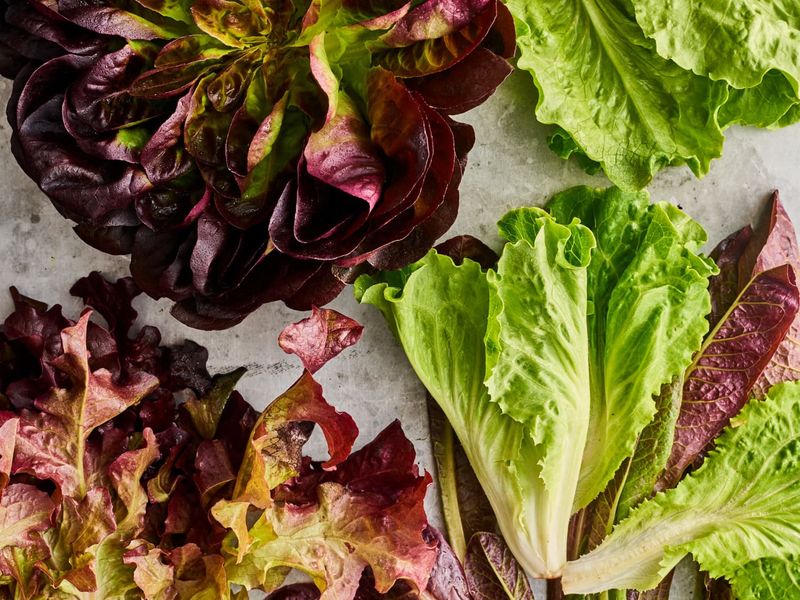
Leafy greens don’t survive the freezing process well. Ice crystals break down the delicate leaves, leaving them limp and watery once thawed.
For salads, it’s best to buy smaller amounts more often and store them in the fridge instead.
4. Mayonnaise
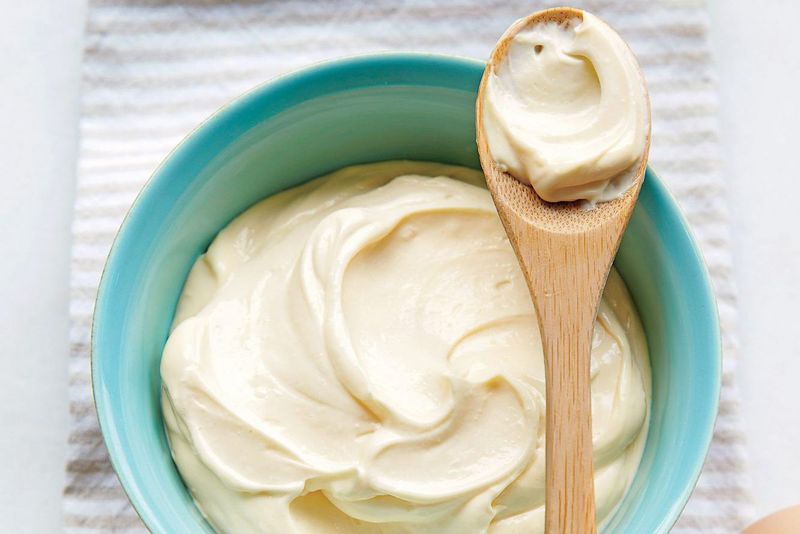
The emulsion that keeps mayonnaise smooth breaks down completely when frozen. The result is a separated, oily mixture that won’t return to its original texture.
For sandwiches or salads, keep mayo fresh and make smaller portions to avoid waste.
5. Cooked Pasta
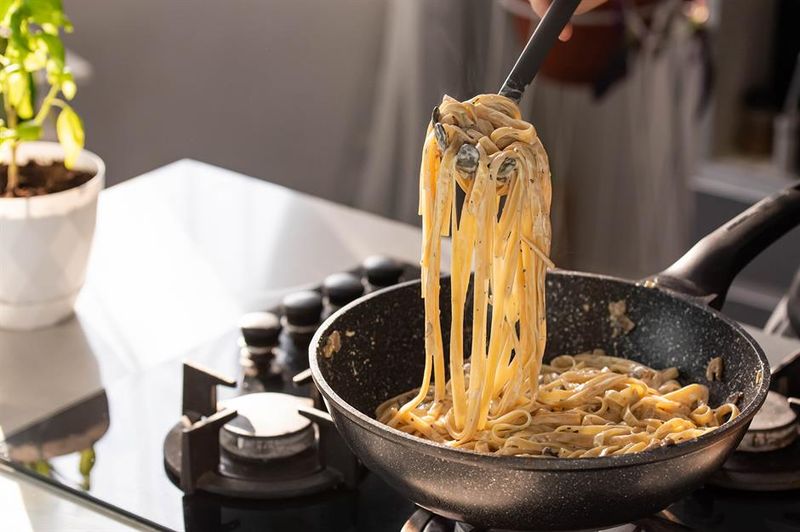
Pasta absorbs moisture in the freezer and turns mushy when reheated. Creamy pasta dishes fare even worse, with the sauce separating after thawing.
If you need to prepare ahead, slightly undercook the pasta and store it in the fridge for a couple of days.
6. Fried Foods
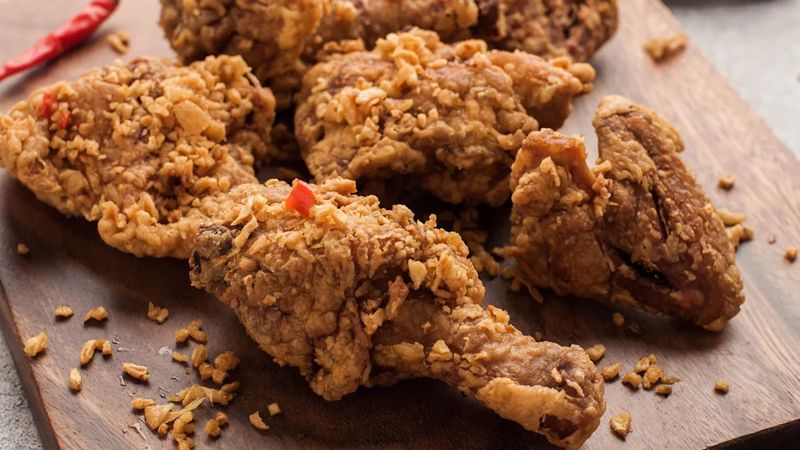
The crisp coating of fried foods quickly turns soggy when frozen. Classics like fried chicken or fish and chips lose the texture that makes them appealing.
For best results, enjoy fried foods fresh or reheat leftovers in the oven rather than freezing them.
7. Cucumber
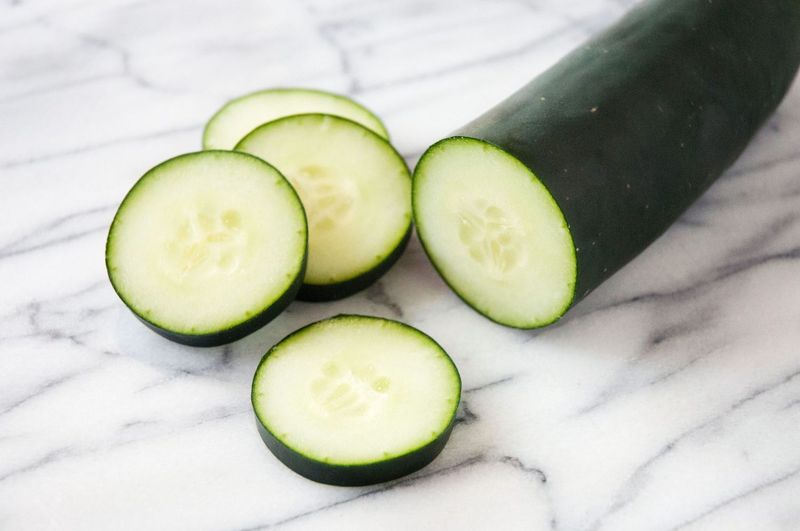
With 95% water content, cucumbers don’t freeze well. Thawed slices become watery and mushy, making them unsuitable for salads or sandwiches.
Store cucumbers in the fridge’s crisper drawer and use them within a week for the best crunch.
8. Milk
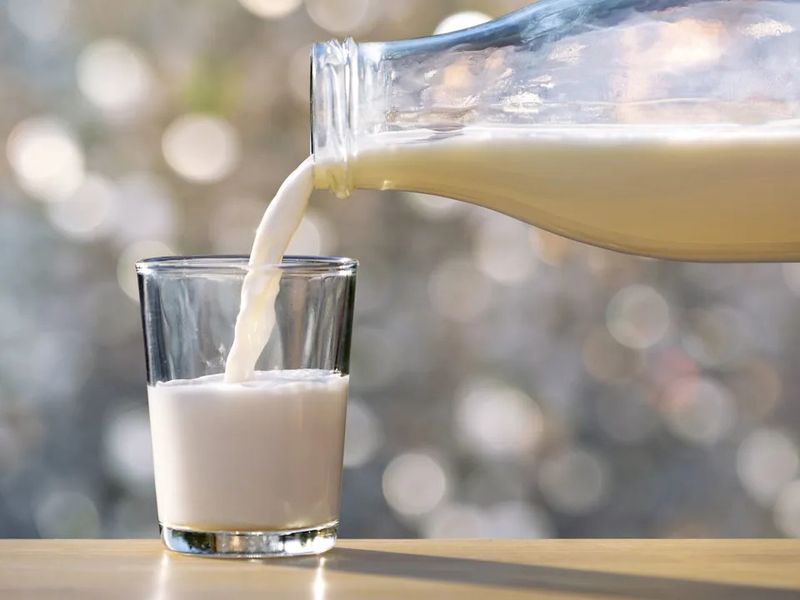
Milk separates when frozen, leaving an uneven, grainy texture and a slightly altered taste. Even shaking can’t fully restore it.
Instead, buy milk in amounts you’ll use within a week and store it in the coldest part of the fridge.
9. Potatoes
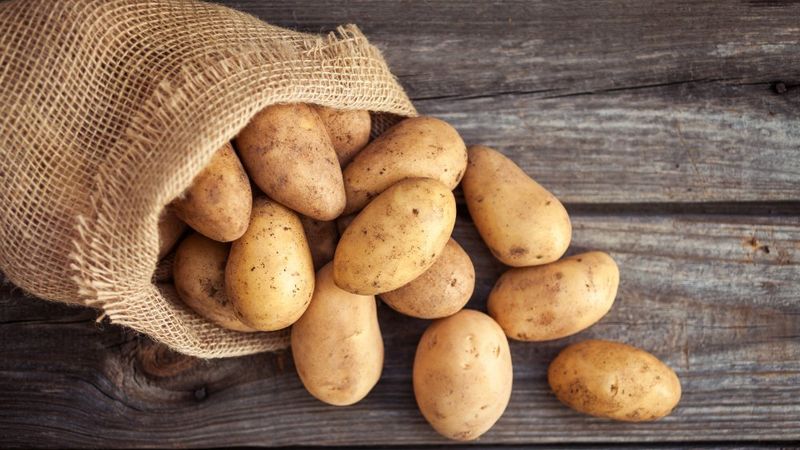
Freezing changes the starch in potatoes to sugar, altering their flavour and giving them a strange texture. Once thawed, they don’t cook properly and often fall apart.
Keep potatoes in a cool, dark cupboard away from onions for the longest shelf life.
10. Coffee Beans
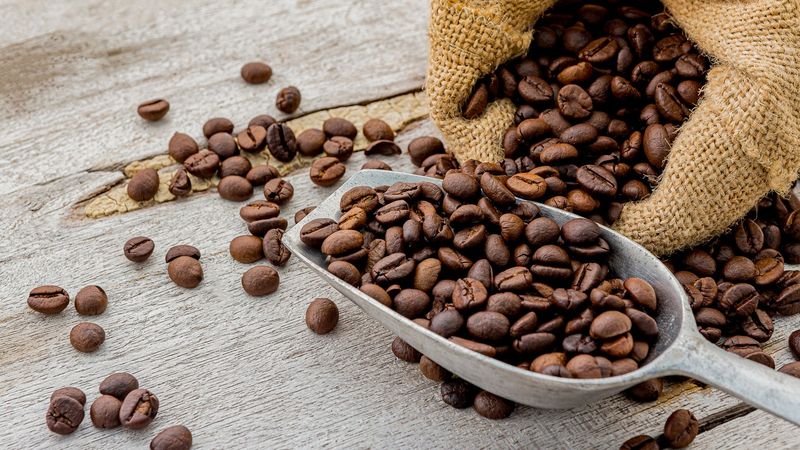
Coffee beans absorb odours and moisture in the freezer, which damages their oils and dulls flavour.
Frequent temperature changes only make the problem worse. Store beans in an airtight container in a cool, dark place and buy smaller batches for the freshest coffee.