













Many of us automatically place certain foods in the fridge without realising it may do more harm than good.
Some items lose their flavour, texture, or nutritional value when kept too cold, while others can spoil faster in the fridge than if left in a cool cupboard or on the counter. Here are nine common foods better kept out of the chiller.
This content is for general information only. Storage times and results may vary depending on food type, packaging, and household conditions.
1. Tomatoes
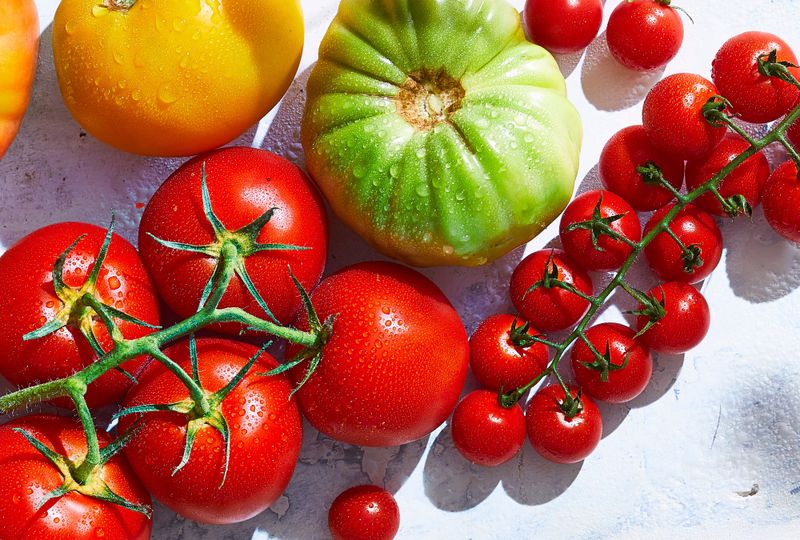
Cold temperatures dull a tomato’s natural sweetness and alter its texture, often leaving it mealy. Whole tomatoes keep their best flavour at room temperature, ideally on the counter.
Only refrigerate once cut, and use within a day or two.
2. Onions
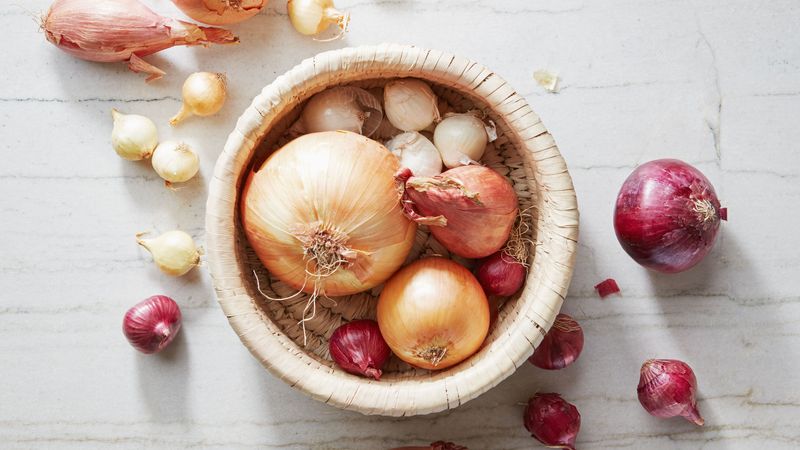
The fridge’s humidity makes whole onions turn soft and sprout quickly. A cool, dry, and ventilated spot, such as a pantry basket, keeps them fresh for weeks. Once cut, onions should be wrapped and refrigerated.
3. Garlic
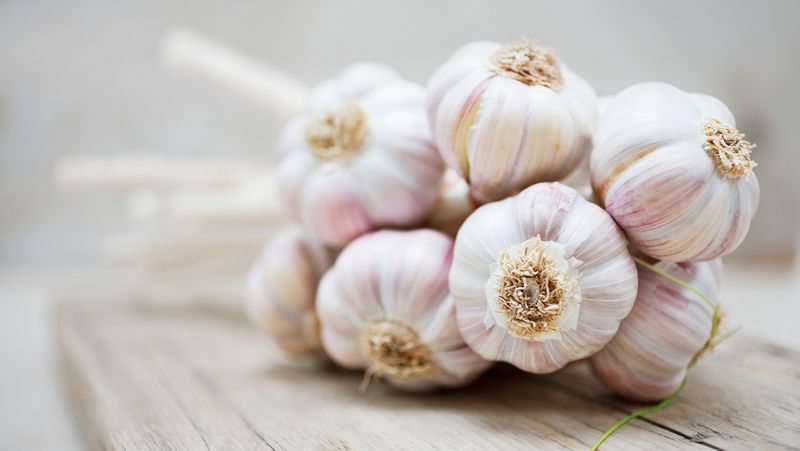
Garlic bulbs can sprout and turn rubbery in the fridge. They last longer in a basket or mesh bag at room temperature, away from direct sunlight.
Avoid sealed plastic containers, which trap moisture and encourage mould.
4. Potatoes
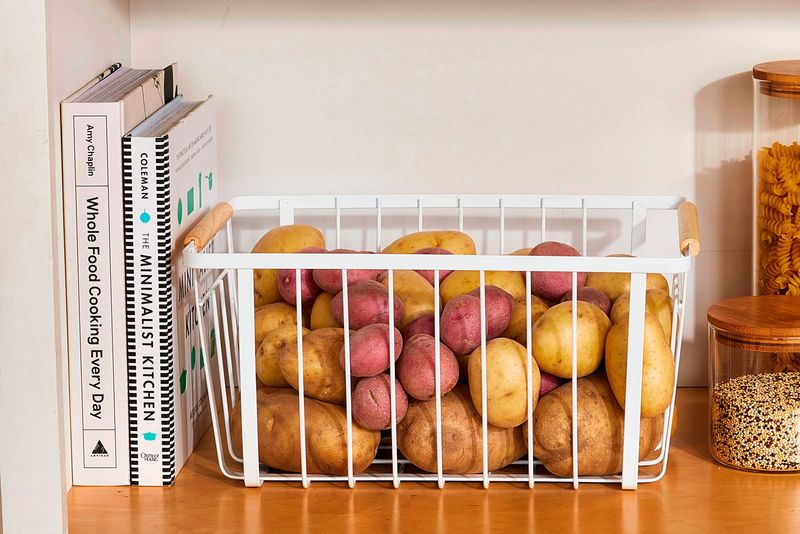
Cold converts potato starch into sugar, giving them an odd sweet taste and affecting how they cook. Store potatoes in a dark, cool cupboard in paper bags for good air circulation.
Keep them separate from onions to prevent faster spoilage.
5. Bread
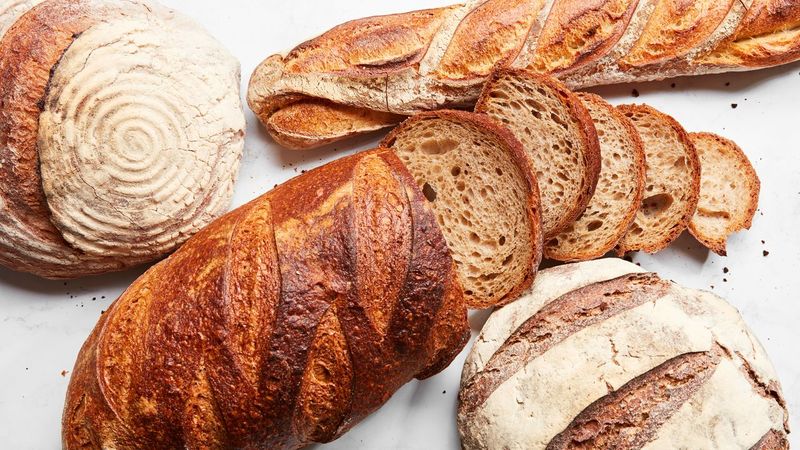
Refrigeration makes bread stale more quickly. A bread bin or paper bag at room temperature keeps loaves fresh for several days.
For longer storage, slice and freeze bread – then toast straight from frozen when needed.
6. Honey
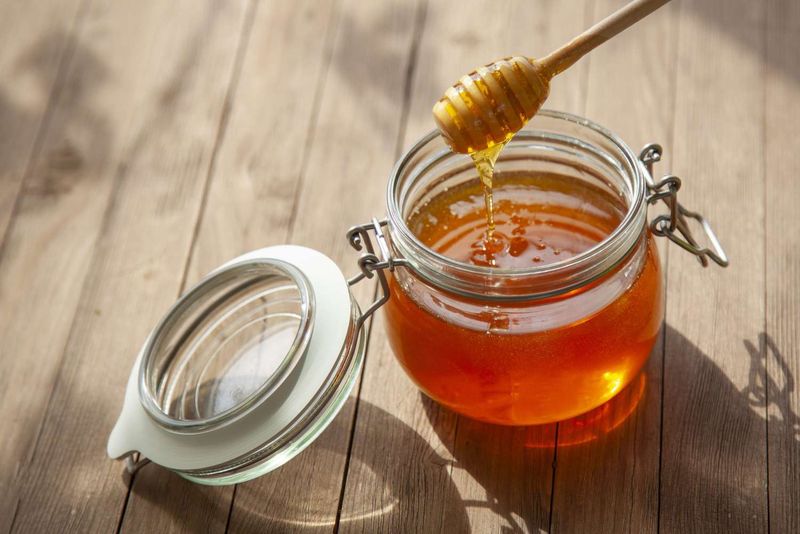
Honey crystallises and becomes grainy in the fridge. It stores best at room temperature, where it remains smooth and spreadable for years thanks to its natural antibacterial properties.
If it does crystallise, gently warm the jar in hot water.
7. Avocados
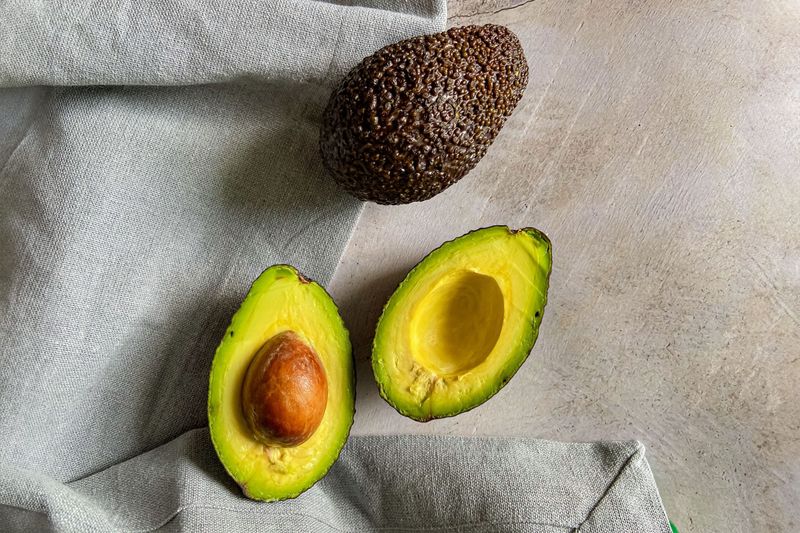
Unripe avocados stop ripening in the fridge, leaving them hard. Let them ripen on the counter, or place in a paper bag with a banana to speed things up. Once ripe, refrigerate for a day or two to slow further ripening.
8. Bananas
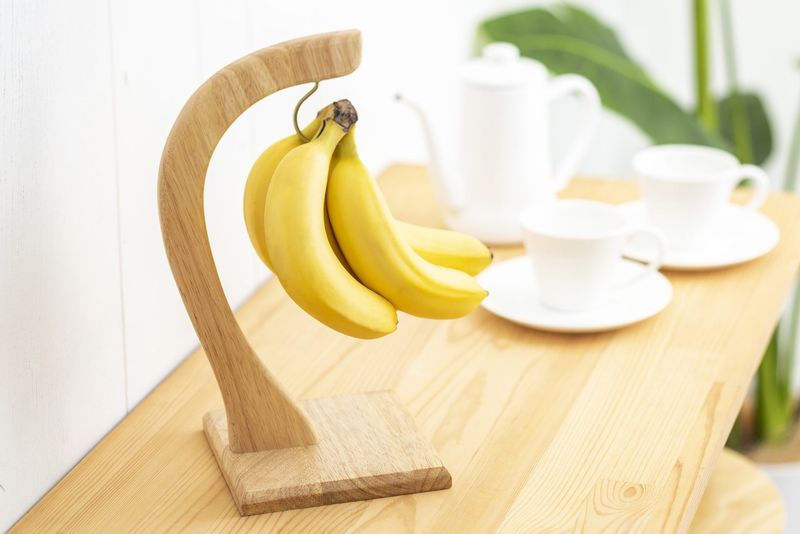
Cold temperatures damage bananas, blackening the skin and turning the fruit mushy. Store at room temperature, preferably hanging on a hook to avoid bruising.
Only refrigerate briefly once fully ripe, knowing the skin will darken.
9. Coffee
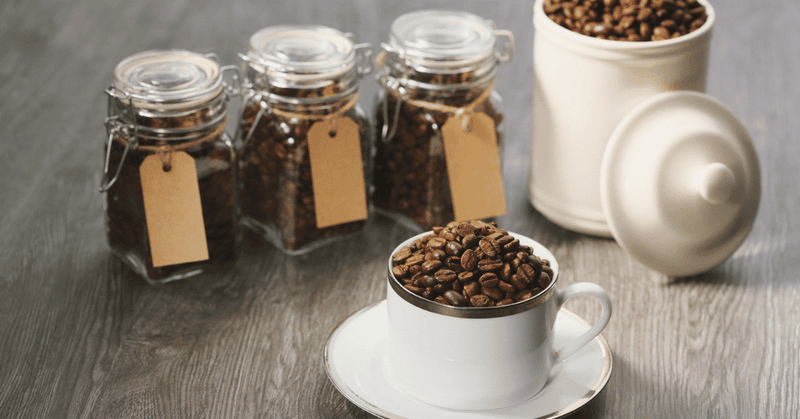
Coffee beans and grounds absorb fridge odours and moisture, which spoils their flavour. Store in an airtight container in a cool, dark cupboard.
For long-term storage, freezing works if the container is kept sealed and rarely opened.



