British puddings are the cosy hug of the dessert world. These classic sweet treats have graced dinner tables across the UK for centuries, bringing comfort after even the dreariest of days.
From steamed delights to creamy custards, let's explore these nine quintessential British puddings, starting with the merely good and ending with the absolutely magnificent.
1. Semolina Pudding

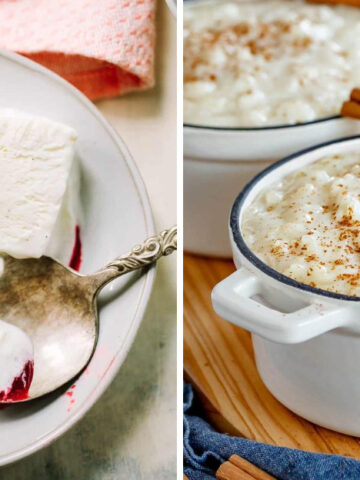
Remember school dinners? Semolina pudding might bring back memories of those canteen queues. This simple milk-based pudding uses ground durum wheat to create a porridge-like consistency.
Often served with a dollop of jam or sprinkled with cinnamon, it's basic but comforting. The grainy texture puts some people off, but with enough sugar, it becomes a humble, warming bowl of nostalgia.
2. Bread And Butter Pudding

Thrifty housewives created this pudding to use up stale bread, transforming yesterday's loaf into something magical. Buttered bread slices are layered with raisins, then soaked in vanilla custard before baking.
The top becomes golden and crispy while the bottom stays deliciously squidgy. Modern versions fancy it up with brioche or croissants, but the original charm lies in its waste-not-want-not roots.
3. Eve's Pudding

Named after the biblical Eve (apples, get it?), this charming pud layers stewed apples under a fluffy Victoria sponge-style topping. When baked, the cake soaks up some of the fruit juices, creating a lovely moist bottom layer.
It's less well-known than some puddings on this list but deserves more attention. Served warm with custard, it's the perfect marriage of cake and fruit crumble - without the crumble's crunch.
4. Jam Roly-Poly

Dickensian in both name and nature, jam roly-poly is pure Victorian comfort food. A suet pastry is spread with strawberry jam, rolled up like a Swiss roll, then traditionally steamed in an old shirt sleeve (nowadays we use foil).
The result? A stodgy, jammy cylinder of pure delight. School dinner versions might have been gluey, but a proper homemade roly-poly is surprisingly light, with the sweet jam cutting through the rich suet dough.
5. Queen Of Puddings

Fit for royalty, this pudding is a three-layer marvel. A base of breadcrumb custard is topped with tart raspberry jam, then crowned with a cloud of fluffy meringue.
The contrasts make it special – creamy base, sweet-sharp jam, and crisp meringue create a textural wonderland. Despite its regal name, it uses humble ingredients. Born in the 17th century, it remains a showstopper that's actually quite simple to make.
6. Treacle Sponge

Golden syrup (not actually treacle, despite the name) pools at the bottom of the pudding basin before being topped with sponge batter and steamed. When turned out, the syrup creates a gorgeous sticky top that dribbles down the sides.
The sponge itself is light as a feather, soaking up the buttery syrup perfectly. No fancy ingredients or techniques needed – just pure, sticky, sweet comfort. The contrast between fluffy sponge and gooey syrup is pudding perfection.
7. Sticky Toffee Pudding

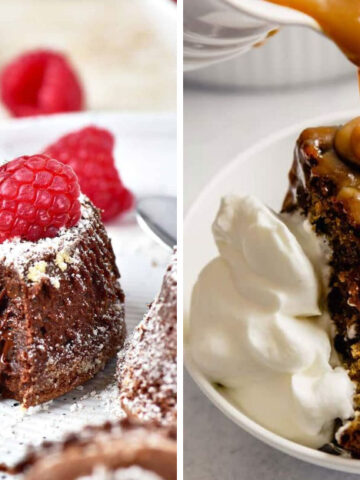
Not as ancient as some on this list (it was created in the 1970s), sticky toffee pudding has quickly become a national treasure. The dark, date-filled sponge is impossibly moist, while the toffee sauce is liquid gold.
Often served with vanilla ice cream to cut through the richness, the hot-cold combination is simply magical. The dates melt into the batter, giving depth without tasting 'datey'. It's the pudding most likely to appear on fancy restaurant menus.
8. Christmas Pudding

The king of British puddings, this dense, fruit-packed sphere is steeped in tradition. Made weeks (or months) before Christmas to let flavours develop, it's packed with dried fruits, nuts, spices, and plenty of booze.
Serving is pure theatre – doused in brandy and set alight with blue flames dancing across it. Hidden silver charms or coins used to be stirred in for luck. Despite its richness, a small slice with brandy butter is the perfect end to Christmas dinner.