










Nutmeg was once so valuable that the Dutch traded away their claim to Manhattan to keep a tiny nutmeg island called Run. That deal, sealed in the Treaty of Breda in 1667, sounds mad now.
Spices were luxury goods in medieval England, locked away like silver. Wealthy households showed off their status by piling exotic seasonings into feasts.
These days, the same treasures sit in little jars beside your kettle, costing less than a sandwich. I love that a cold Tuesday tea can taste like a king's banquet.
When the clocks go back and the rain turns sideways, your cupboard becomes the warmest room in the house. So which jars deserve a spot at the front of the shelf this winter?
1. Allspice
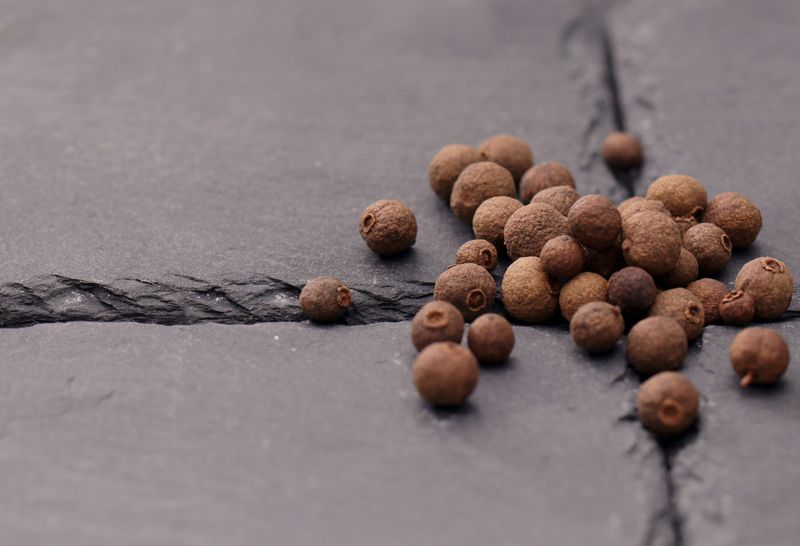
Despite the name, allspice is one berry, not a jumbled blend. It comes from the Pimenta dioica tree, native to Jamaica and Central America.
The name stuck because it tastes like cinnamon, nutmeg and cloves rolled together, with a peppery edge. That makes it a brilliant shortcut when your spice rack looks thin.
You'll recognise it in Jamaican jerk seasoning, where it's known locally as pimento. Closer to home, it brings depth to brown sauce, mincemeat and Christmas cake. Try a pinch in a beef casserole or a pork glaze made with orange juice and brown sugar.
Whole berries suit slow cooking and pickling, while ground allspice works best in baking. Six or so whole berries are plenty for a big pot of stew. Fish them out before serving, because biting one is a surprise nobody needs.
2. Smoked Paprika
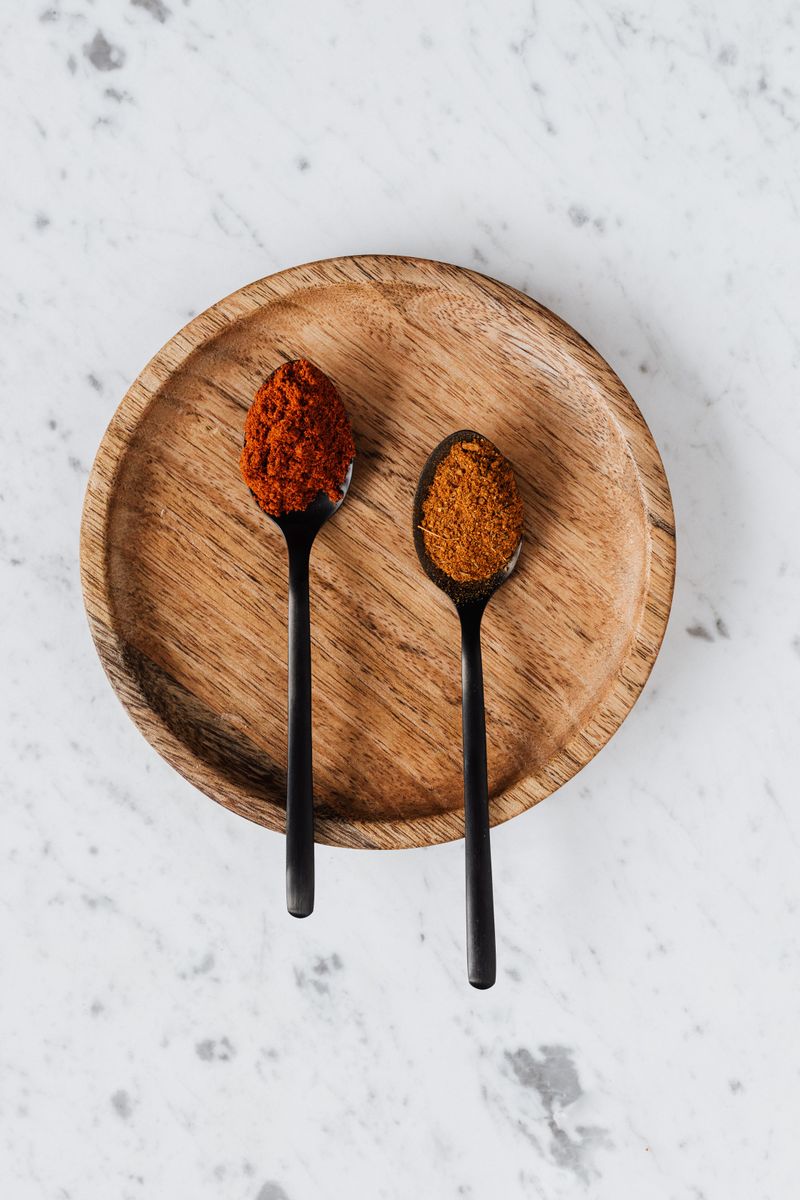
Spanish farmers in La Vera dry their peppers over slow oak fires for days. That patient smoking gives pimentón de la Vera its campfire scent.
Of the ten spices here, smoked paprika is the one that brings warmth through smoke rather than sweetness. It comes in sweet, bittersweet and hot versions, so check the label before you shake. Sweet is the safest starting point if you're feeding a mixed crowd.
Toss potato wedges in oil and a teaspoon of it before roasting at 200°C. Stir some into baked beans, lentil soup or a chickpea and chorizo stew. It also gives a roast chicken skin a deep russet colour.
Paprika burns quickly because of its natural sugars, and scorched paprika turns bitter. Add it to warm oil over a low heat for only a few seconds before the liquid goes in. Barbecue flavour in February, minus the soggy garden.
3. Juniper Berries
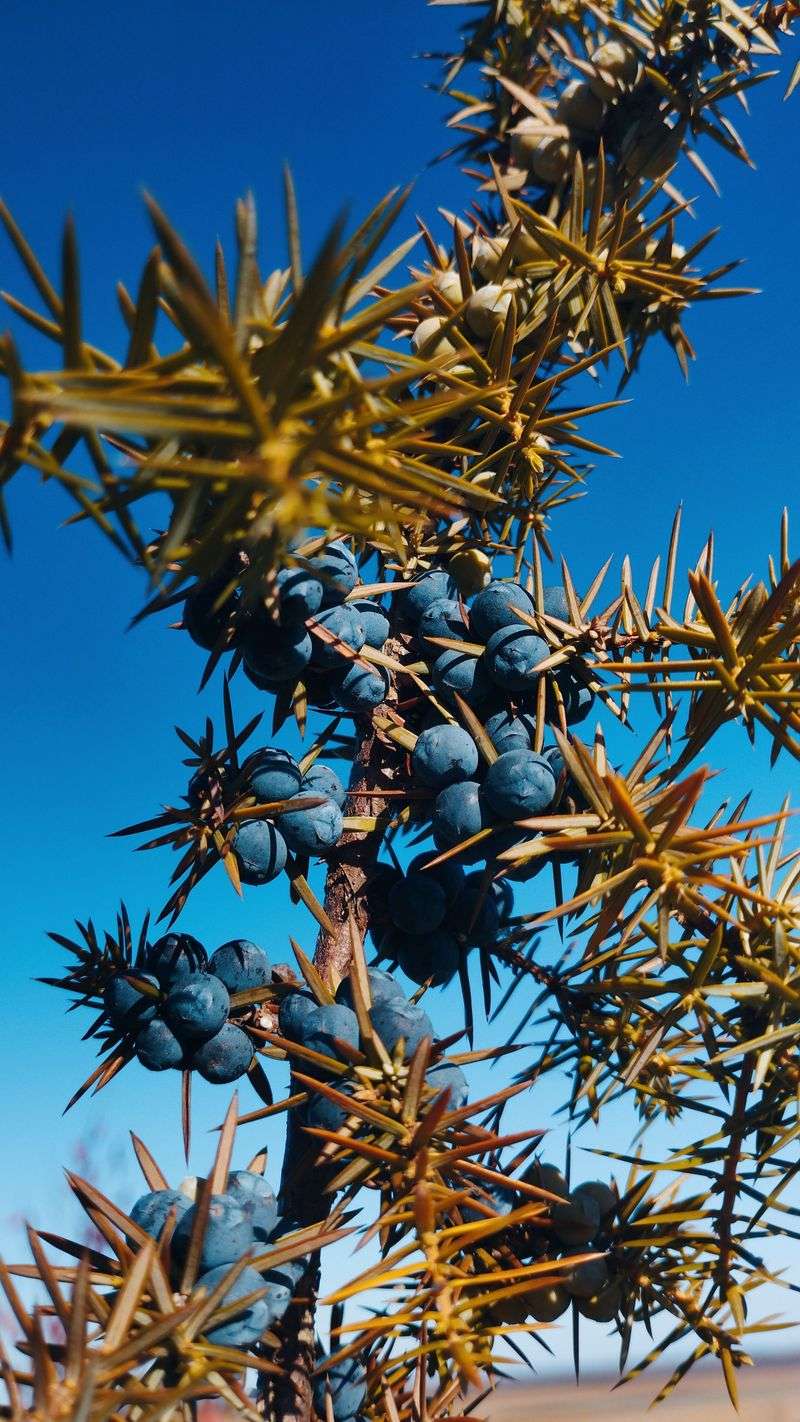
Technically, juniper berries aren't berries at all. They're tiny fleshy cones from a conifer shrub, which explains the piney, resinous aroma.
Crush one between your fingers and you'll get pine, citrus and a peppery finish. That sharpness slices neatly through rich, fatty meats. Venison, pheasant, duck and pork belly are classic partners across Northern Europe.
Braised red cabbage with apple is another fine home for a few crushed juniper berries. Add them to the pan with the vinegar and sugar, then simmer slowly. Sauerkraut and German-style pork dishes use them in the same way.
Lightly crush them with the flat of a knife first to release their oils. About six to eight berries flavour a large casserole without taking over. Juniper isn't recommended in large amounts during pregnancy, so keep portions culinary and modest.
Your Boxing Day leftovers will thank you.
4. Nutmeg
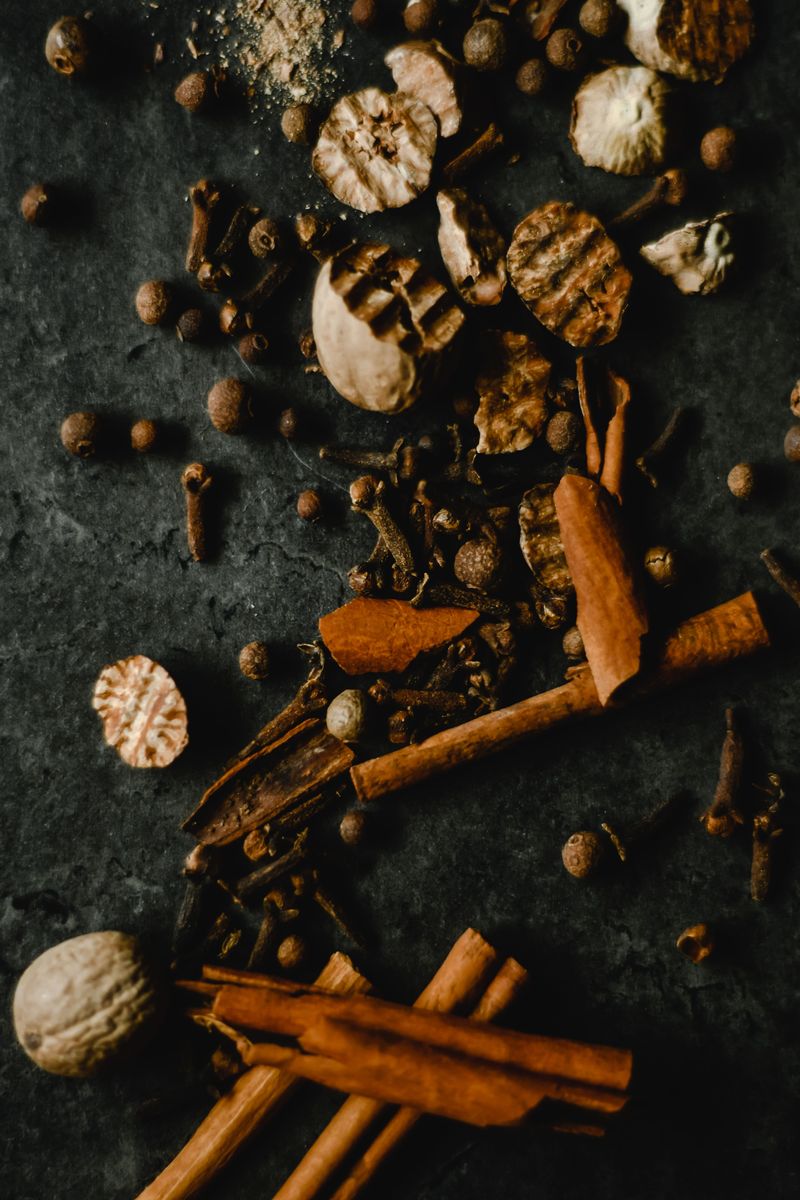
Inside the fruit of the Myristica fragrans tree sits a glossy seed wrapped in red lace. The seed is nutmeg, and the lacy coating becomes mace.
Those two spices came from the Banda Islands in Indonesia, once the only place they grew. Today you can grab a whole nutmeg in any supermarket. Buy them whole, because pre-ground nutmeg fades fast.
A fine grater turns one seed into months of flavour. Grate a little into white sauce for cauliflower cheese, macaroni cheese or a lasagne. It's also magic in buttery mashed potato and spinach.
On the sweet side, nutmeg belongs on top of baked rice pudding and egg custard tarts. Go easy, though, as large amounts can make you unwell. A few gratings per dish is all you need for that warm, nutty perfume.
5. Cloves
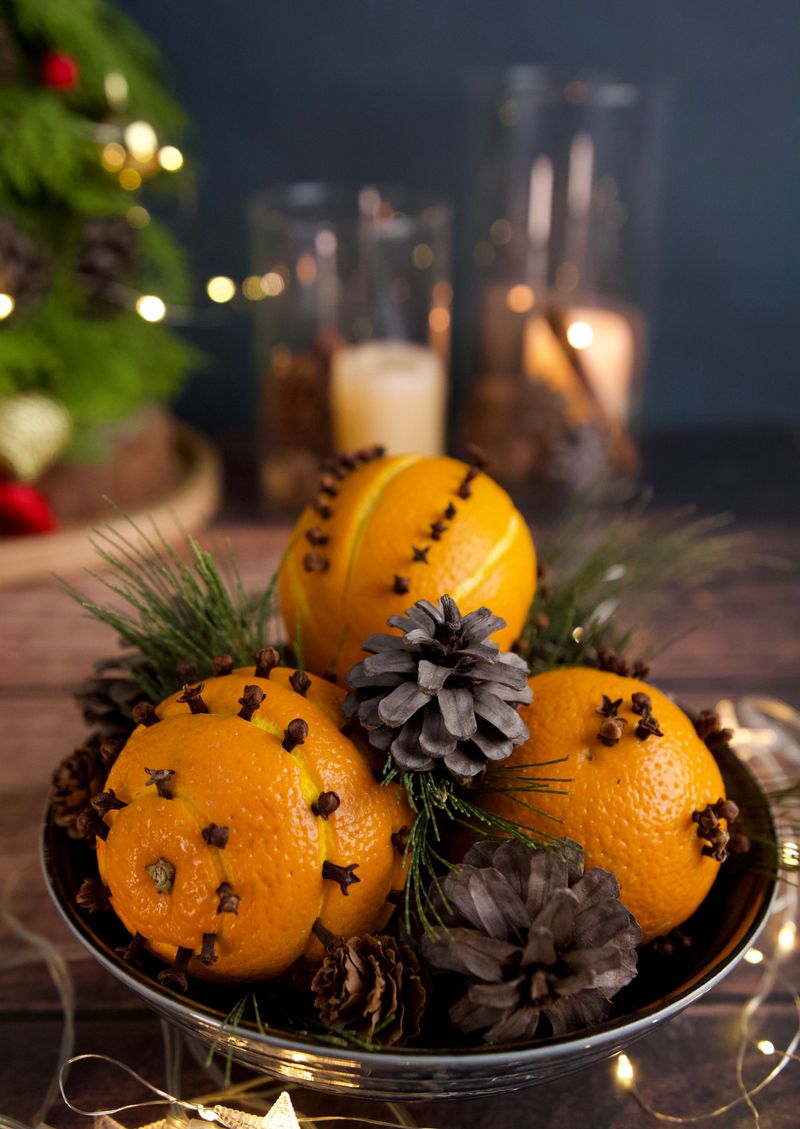
Hold a clove up close and it looks like a tiny wooden nail. The name even comes from clavus, the Latin word for nail.
Cloves are dried flower buds from a tree native to the Maluku Islands of Indonesia. They're fiercely aromatic, so a handful goes a remarkably long way. Too many can leave a numbing, medicinal taste.
The great British use is studding a glazed gammon in a diamond pattern before baking. Bread sauce relies on an onion pierced with cloves, steeped in hot milk. Christmas pudding and mincemeat lean on them too.
Spiking an onion is a clever trick for stocks and stews, because you can lift the cloves out easily. In sweet dishes, try two or three cloves in a pan of stewed apples. Count them in and count them out, and you'll avoid any crunchy accidents.
6. Cardamom
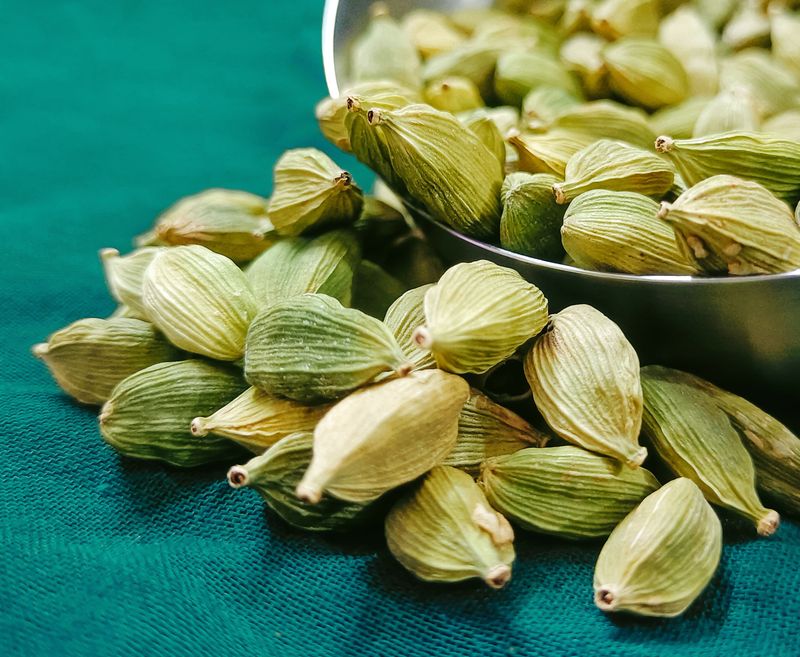
Few spices cost more by weight, with saffron and vanilla usually ahead of cardamom. Each seed has to be hand-picked from plants grown mainly in India and Guatemala.
Green cardamom tastes floral, citrusy and slightly minty all at once. Black cardamom is a different beast, smoky and earthy, used in many Indian savoury dishes. For general winter cooking, green pods are your best bet.
Bruise two pods with a rolling pin and drop them into a biryani or korma. Swedish cardamom buns and Indian masala chai show off its sweeter side. A pinch of ground seeds lifts a pear crumble too.
Ground cardamom loses its scent quickly, so whole pods are smarter value. Split them and crush the seeds just before using. One whiff of freshly ground cardamom could make shop-bought spice blends seem rather flat.
7. Ginger

Gingerbread, ginger biscuits and sticky ginger cake all owe their cosy warmth to one knobbly root. Black treacle and oats do the rest.
Ginger is a rhizome, a knobbly underground stem from tropical Asia. Fresh ginger is zingy and juicy, while dried ground ginger is warmer and more mellow. They're not easy swaps, so follow your recipe closely.
Grate fresh ginger into a chicken noodle broth, stir-fry or dhal. Ground ginger shines in gingerbread, ginger biscuits and steamed puddings with golden syrup. Stem ginger in syrup makes a sticky topping for ice cream.
Here's a tidy kitchen tip: peel fresh ginger with the edge of a teaspoon. The skin scrapes away easily around those awkward bumps, saving you from fiddly knife work. Freeze leftover root and grate it straight from frozen.
8. Star Anise
Nature rarely does geometry this neatly. Each star anise pod has around eight points, with a shiny seed tucked into every one.
It grows on an evergreen tree native to southern China and Vietnam. The flavour is sweet and liquorice-like, thanks to anethole, the same compound found in aniseed. It's a key part of Chinese five spice.
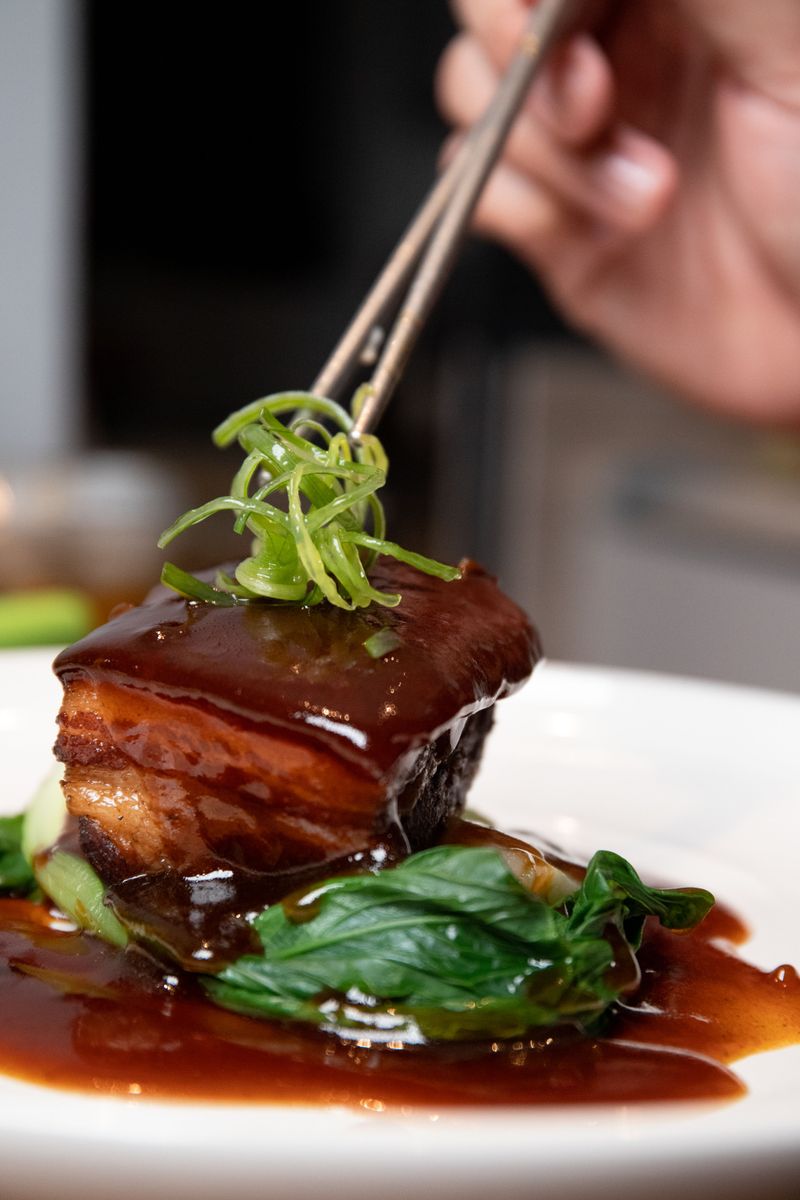
Drop one or two whole pods into slow-braised pork belly, beef shin or oxtail. Vietnamese pho broth uses it with cinnamon and charred onion. It's lovely with poached pears or plums in syrup.
Buy from a trusted supermarket or spice merchant, as the toxic Japanese star anise looks very similar. Remove the hard pods before serving, since they won't soften. One star is often enough, so let it twinkle quietly in the pot.
9. Coriander Seed
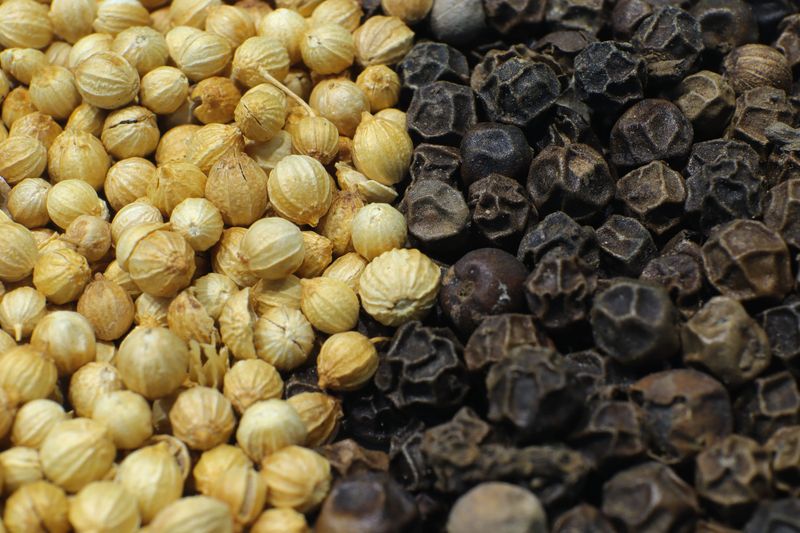
Same plant, completely different personality. Coriander leaves taste fresh and green, but the dried seeds are nutty, citrusy and softly warm.
Those little round seeds are a backbone of Indian curry powders and garam masala. They pair beautifully with cumin, which is why the two appear together so often. Their mildness makes them a friendly choice for spice-shy eaters.
Toast whole seeds in a dry frying pan over medium heat for two to three minutes. Once fragrant, tip them out and crush them roughly. Scatter over carrots and parsnips before roasting at 200°C.
They also bring brightness to spiced lentil soup and pickled onions. Some bakers add a little to shortbread for a gentle orange-like note. Keep a close eye while toasting, because seeds go from golden to burnt in seconds.
10. Cinnamon
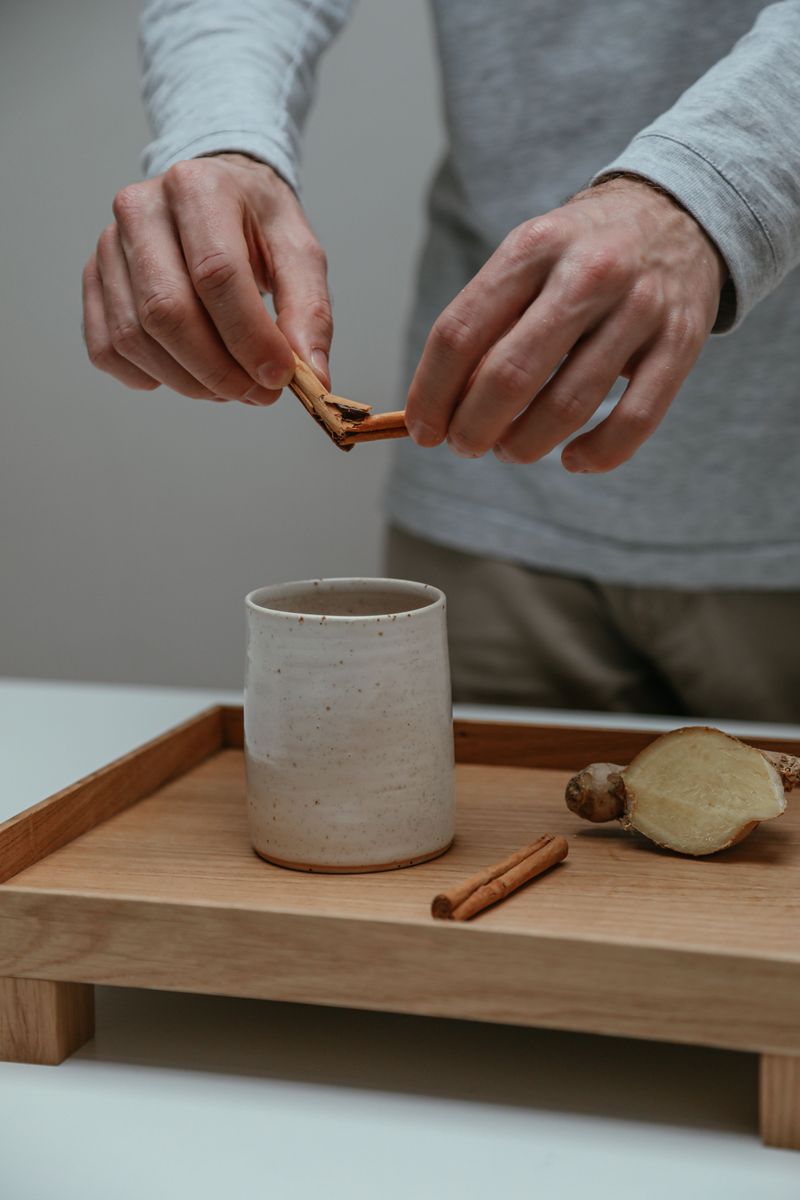
Most supermarket jars labelled cinnamon actually contain cassia, a close cousin. True Ceylon cinnamon, from Sri Lanka, is paler, flakier and more delicate.
Cassia is bolder and spicier, which suits robust bakes and stews. Ceylon has a softer, sweeter taste that works well in custards and drinks. Both come from the inner bark of trees, curled into quills as they dry.
Stir a pinch into porridge, apple crumble or hot cross bun dough. Moroccan lamb tagines and Greek moussaka use cinnamon in savoury cooking too. A stick in a pan of spiced hot apple juice makes winter evenings smell divine.
Ground cinnamon loses its scent after a few months, so sniff your jar. If it smells of dust, it's time for a fresh one. Little wonder it remains the spice that greets winter mornings with a cheerful hug.