








The word short in shortbread has nothing to do with size. In old baking language it means crumbly, the texture you get when fat coats flour and stops gluten from forming long, stretchy strands.
That single trick explains a huge amount of baking history. Butter gets in the way of gluten, sugar keeps things tender, and the oven browns the lot into something fragrant and golden.
I find it thrilling that a cupboard this bare can still produce a proper treat. No eggs, no raising agents, no trip to the supermarket for one forgotten ingredient.
The fun lies in how differently those three staples behave depending on the method. Pipe them, press them, toast them or rub them together, and you get a completely different result. So which version is going in your oven first?
1. Ghraybeh
Pale, fragile and gone in two bites, ghraybeh proves that colour isn't the only sign of a good bake. These Levantine biscuits are baked low so they stay almost white.
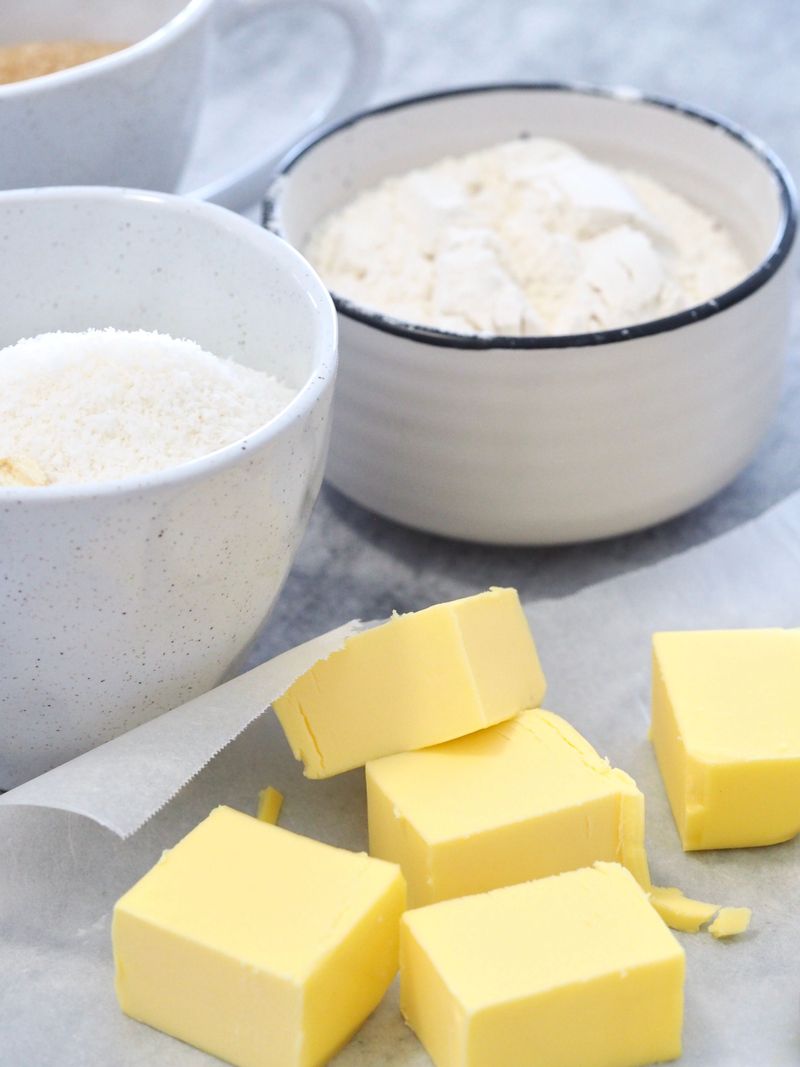
The classic mix is plain flour, butter or ghee, and icing sugar, nothing else. Ghee gives a rich, slightly nutty flavour, while ordinary unsalted butter makes a cleaner, milkier biscuit.
Beat the fat and icing sugar until pale and fluffy, then work in the flour until a soft dough forms. Roll small balls, flatten them slightly, and bake at around 150°C until set but barely coloured.
They'll feel soft straight out of the oven, so leave them alone on the tray until cool. Handle them too early and they crumble before you've had a chance to show them off. A single pistachio pressed on top is traditional, though you can skip it if anyone has a nut allergy.
2. Petticoat Tails
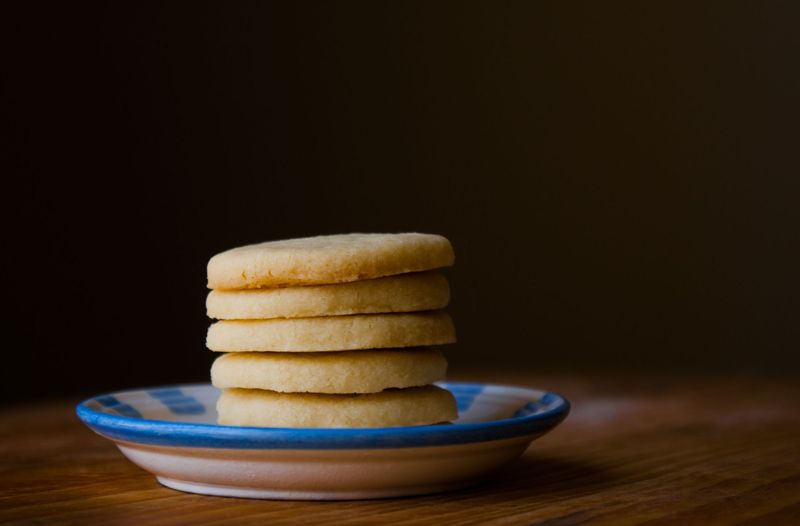
Royal gossip clings to these wedges like sugar crystals. Mary, Queen of Scots, is said to have enjoyed them, though the story is more legend than record.
The name might come from the shape of old hooped petticoats, or from the French petites gatelles. Food historians still disagree, which is half the fun of a biscuit with a backstory.
Whatever their origin, petticoat tails are simply a large round of shortbread scored into wedges. The traditional ratio is easy to remember: one part sugar, two parts butter, three parts flour by weight.
Press the dough into a round tin, crimp the edge with your fingers, and prick the top with a fork. Score the wedges before baking at about 160°C until pale gold, then cut through again while still warm. A sprinkle of caster sugar on top finishes them with a gentle crunch that's very hard to resist with a cup of tea.
3. Polvorones
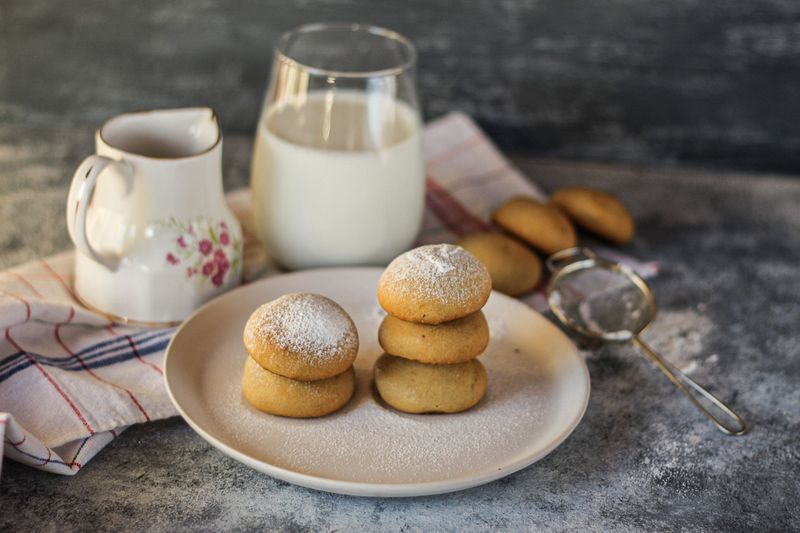
Polvo is Spanish for dust, and that's a fair warning about what happens when you bite one. These Christmas biscuits from Andalusia crumble into a sweet, powdery heap.
Their secret lies in toasted flour. You spread plain flour on a baking tray and toast it in the oven, stirring now and then, until it smells nutty and turns faintly beige.
Toasting cooks out the raw taste and dries the flour, so the finished biscuit stays extra fine and sandy. Traditional recipes often use lard and ground almonds, but a butter-only version works with just the three basics.
Once the flour has cooled completely, mix it with softened butter and icing sugar, then shape thick little rounds. Bake gently and leave them to firm up before moving them. In Spain they're often wrapped individually in twists of paper, which makes them a smart edible gift for neighbours in December.
4. Viennese Whirls
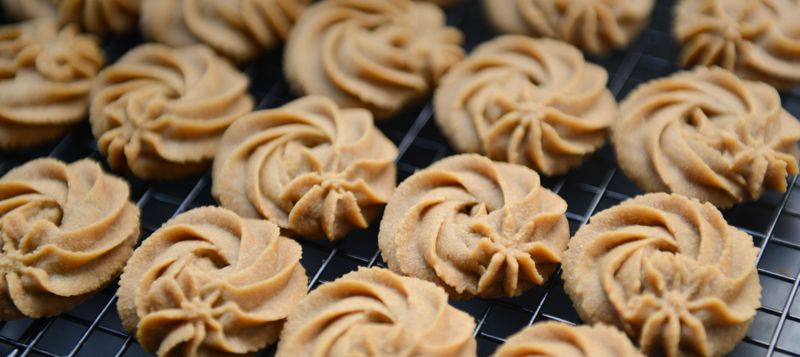
Piped swirls of buttery dough look like something from a smart tea room window. Yet the basic recipe needs nothing more than the three staples in this list.
Plenty of recipes add cornflour for extra softness, but plain flour, very soft butter and icing sugar will still give you a tender result. The trick is beating the butter and sugar for a good few minutes until pale and almost mousse-like.
Spoon the mixture into a piping bag with a large star nozzle and pipe neat rosettes onto lined trays. If your hand aches halfway through, the butter is too cold, so give the bowl a few minutes somewhere warm.
Chill the piped whirls for about 20 minutes before baking at 180°C. That short rest helps the ridges hold their shape instead of slumping into flat puddles. They look elegant on a plate for afternoon tea, yet the ingredients cost less than a sandwich.
5. Brown Butter Shortbread
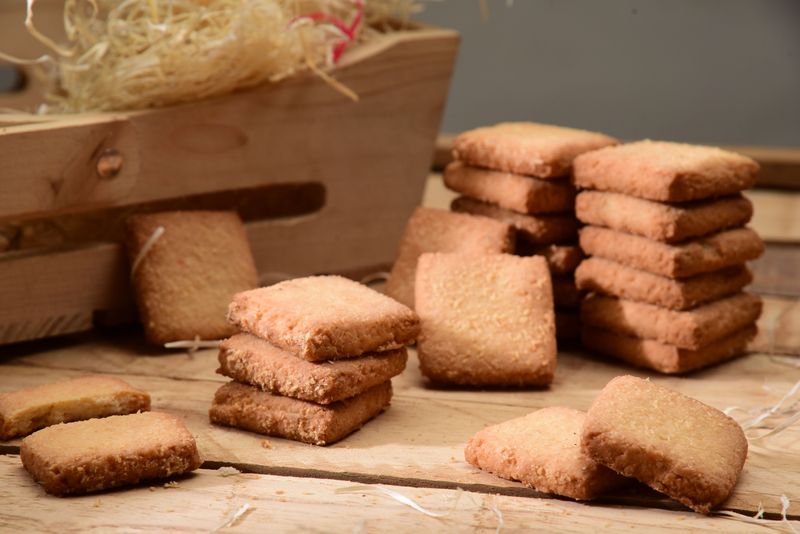
One small pan on the hob can change your shortbread completely. Browning butter toasts its milk solids, bringing out a deep, nutty, toffee-like flavour.
Melt the butter over a medium heat and keep swirling as it foams. Watch for brown flecks at the bottom and a smell like hazelnuts, then pour it straight into a bowl so it stops cooking.
Be careful, as the butter spits while its water boils away. That lost water is also why you need to chill it until it's firm again, roughly the texture of soft butter, before mixing.
Cream the cooled butter with caster sugar, work in plain flour, and press into a lined square tin. Bake at about 160°C until golden at the edges. The result tastes richer and more caramel-like than standard shortbread, which is impressive for something with no extra ingredients at all.
6. Nankhatai
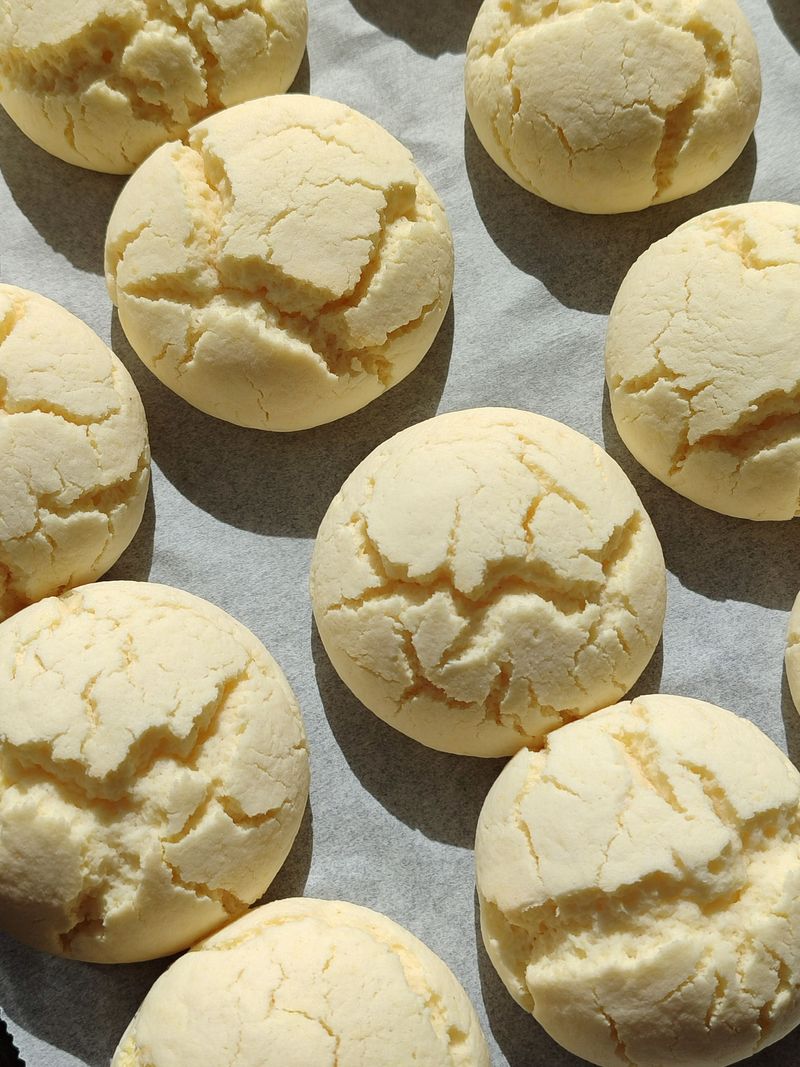
Crack-topped and domed like tiny hills, nankhatai are a teatime staple across India. Their origin story is often traced to Dutch bakers in Surat, though it's hard to pin down for certain.
Many home recipes use ghee, which gives a rich, rounded flavour and a melting crumb. Some add gram flour, semolina or cardamom too, but a simple version of flour, ghee and sugar is still very much nankhatai.
Whisk the ghee and caster sugar until light, then fold in plain flour until you have a soft, smooth dough. Roll into balls and leave space between them, as they spread a little in the oven.
Bake at around 170°C until the tops crack and the bases turn faintly golden. Those cracks are part of the charm, not a sign that anything's gone wrong. Dunk one in a mug of chai and you'll understand why they've lasted so long.
7. Slice-and-Bake Butter Biscuits
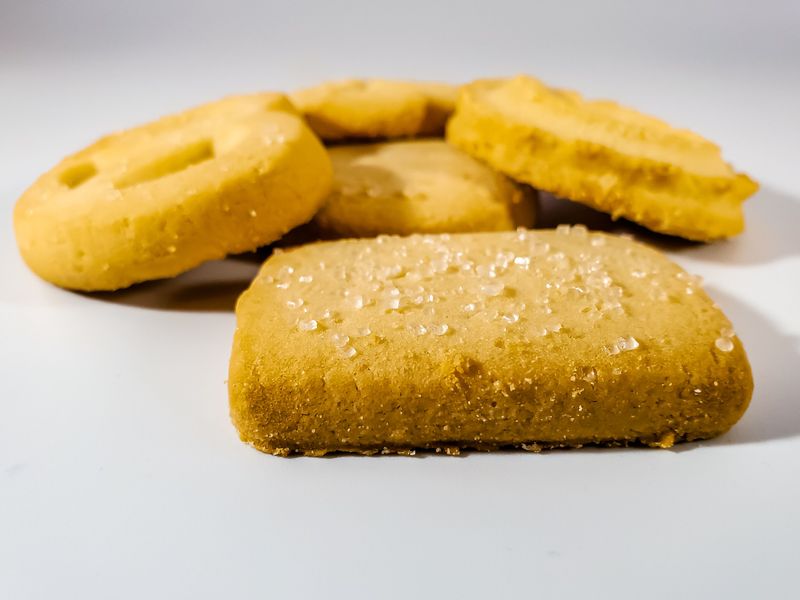
Picture-perfect biscuits rarely come with this little fuss. You make one log of dough, chill it, and slice off as many as you fancy.
Cream butter with caster sugar, mix in plain flour, then shape the dough into a sausage about 5cm wide. Wrap it tightly and chill for at least an hour, or freeze for later.
Before slicing, roll the log in demerara sugar for a sparkly, crunchy edge. Cut rounds about 5mm thick and bake at 180°C for 12 to 14 minutes until golden around the rim.
The frozen log is handy for unexpected visitors, since you can slice straight from the freezer and add a minute or two to the baking time. Just resist nibbling the raw dough, as uncooked flour can carry harmful bacteria. A batch of eight warm biscuits on a Tuesday night feels like a small, very achievable luxury.
8. Buttercream Sandwich Biscuits
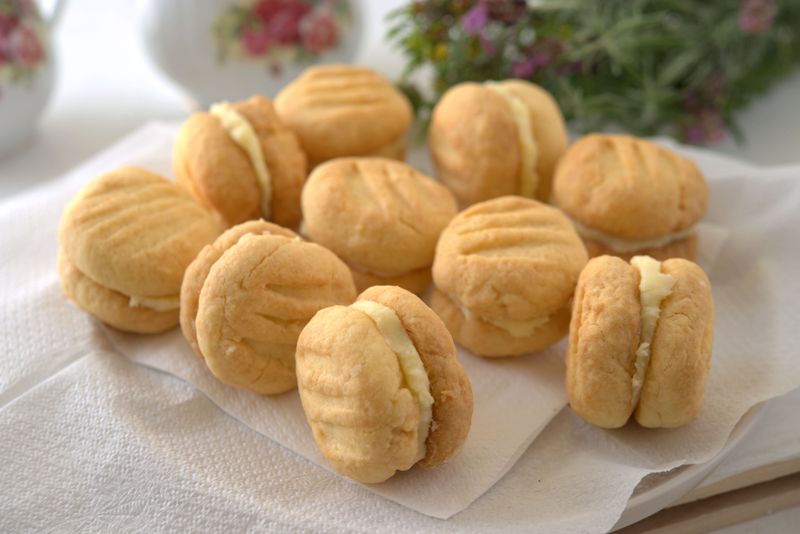
Here's a neat bit of maths: the same three ingredients make both the biscuit and the filling. Buttercream is simply butter beaten with icing sugar.
Bake thin rounds from a basic dough of flour, butter and caster sugar, rolled about 4mm thick. Cut them with a fluted cutter for a touch of nostalgia, then bake until pale gold and leave to cool fully.
For the filling, beat soft butter with roughly twice its weight in icing sugar. Keep going for several minutes, as longer beating makes it paler, lighter and easier to spread.
Pipe or spread a generous layer onto half the biscuits and press the rest on top. A short spell in the fridge firms everything up so they don't slide apart. Packed in a tin, they're a brilliant bake-sale option because they look shop-bought but cost pennies.
9. Press-In Shortbread Tart Case
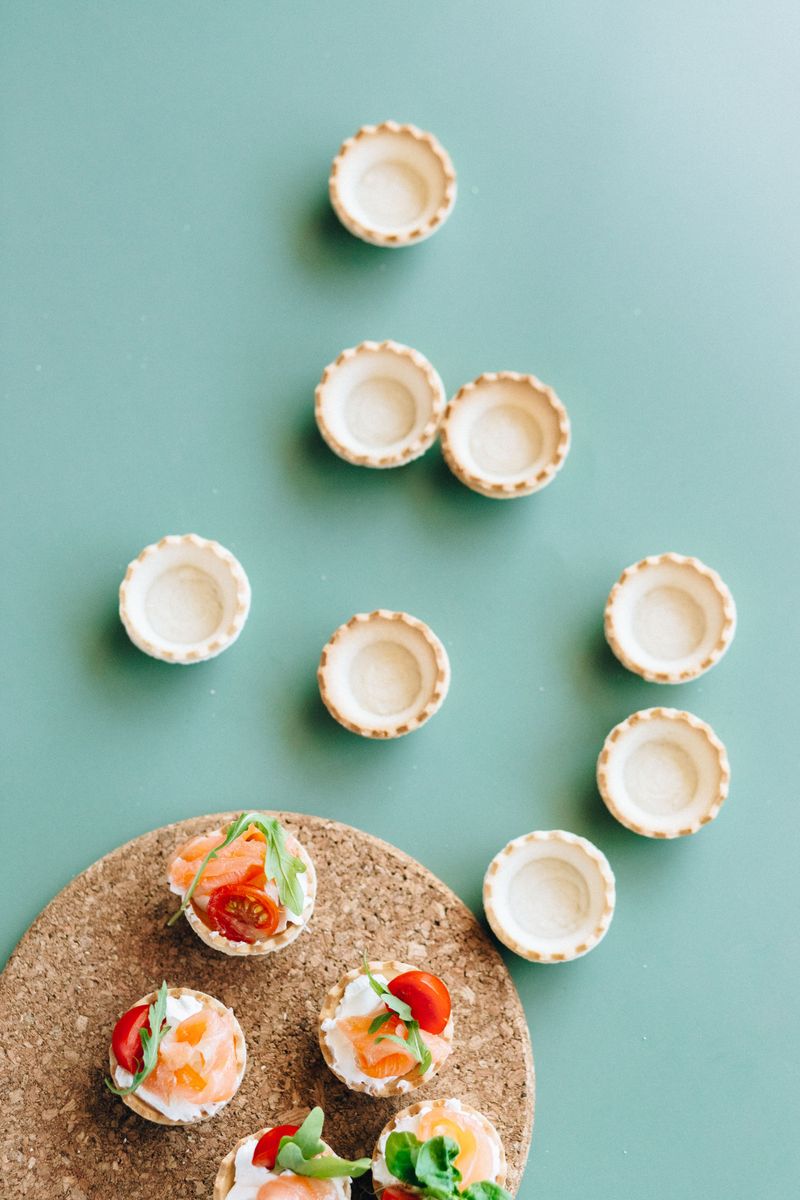
Rolling pins can stay in the drawer for this one. A press-in tart case uses shortbread dough pushed straight into the tin with your fingers.
Mix softened butter, caster sugar and plain flour until it just clumps together. Scatter it into a loose-bottomed tart tin and press it evenly up the sides and across the base.
Chill the case for 30 minutes, prick the base, and bake at about 180°C until golden. There's no need for baking beans, since this dough doesn't puff like egg-rich pastry.
Once cool, you can fill it with lemon curd, fresh strawberries and whipped cream, or a set chocolate ganache. The base stays crisp and crumbly, giving a rich, sandy contrast to soft fillings. It's ideal for anyone who finds pastry fiddly, and it turns a simple pudding into something worth showing off.
10. Classic Crumble Topping
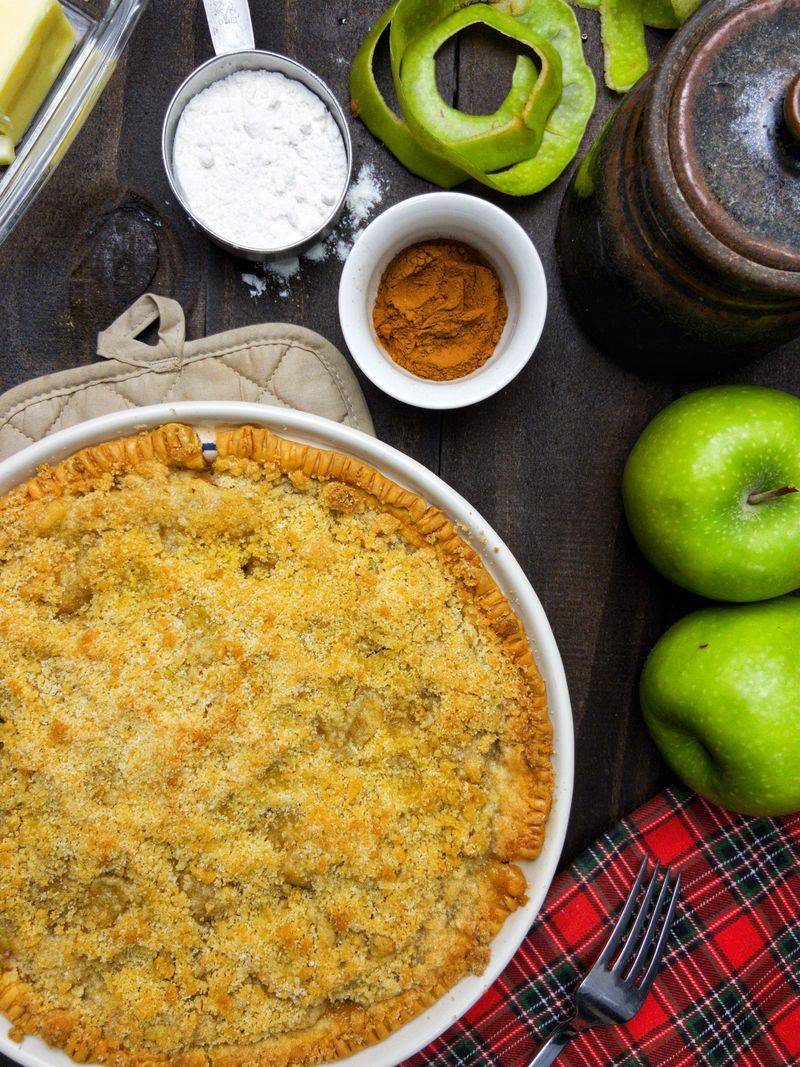
Wartime rationing is often credited with making crumble popular in Britain, because it needed far less fat than pastry. Whatever its exact story, it's become a Sunday pudding classic.
The topping is just the trio again. Rub about 100g cold butter into 200g plain flour until it looks like breadcrumbs, then stir in 100g sugar.
Bramley apples are the traditional choice, as they cook down soft and tangy. Toss the slices with a spoonful of sugar, tip them into a dish, then scatter the crumble loosely over the top without pressing it down.
Bake at 180°C for 35 to 40 minutes until golden and bubbling at the edges. Let it stand for a few minutes first, since the fruit underneath gets molten hot. Serve it with custard, cream or ice cream, and prove once more how much three humble ingredients can do.