













Growing up in Britain, a trip to the local sweet shop felt like visiting a treasure chest. Penny sweets, chewy bars, and fizzy novelties lined the shelves in colourful rows that made every visit feel magical.
Over the decades, many of those beloved treats quietly disappeared, replaced by modern confectionery. Here are 17 classic British sweet shop favourites that have faded from our shelves but never from our memories.
1. Spangles
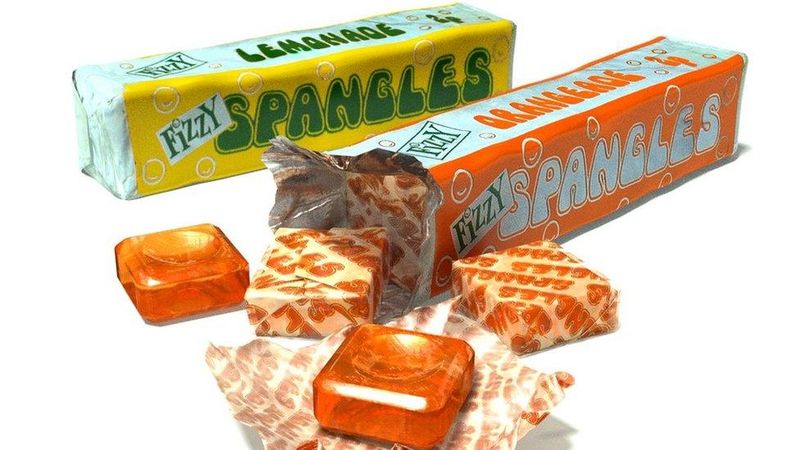
Back in the 1970s, Spangles were practically a British institution. These square, fruit-flavoured hard boiled sweets came in a slim foil packet and were a staple in every corner shop and sweet stall.
Flavours ranged from tangy orange and blackcurrant to old English favourites like barley sugar.
Mars discontinued them in the 1980s, and fans never quite forgave them. A brief comeback in the 1990s only reminded everyone how much they had been missed.
2. Cabana Bars
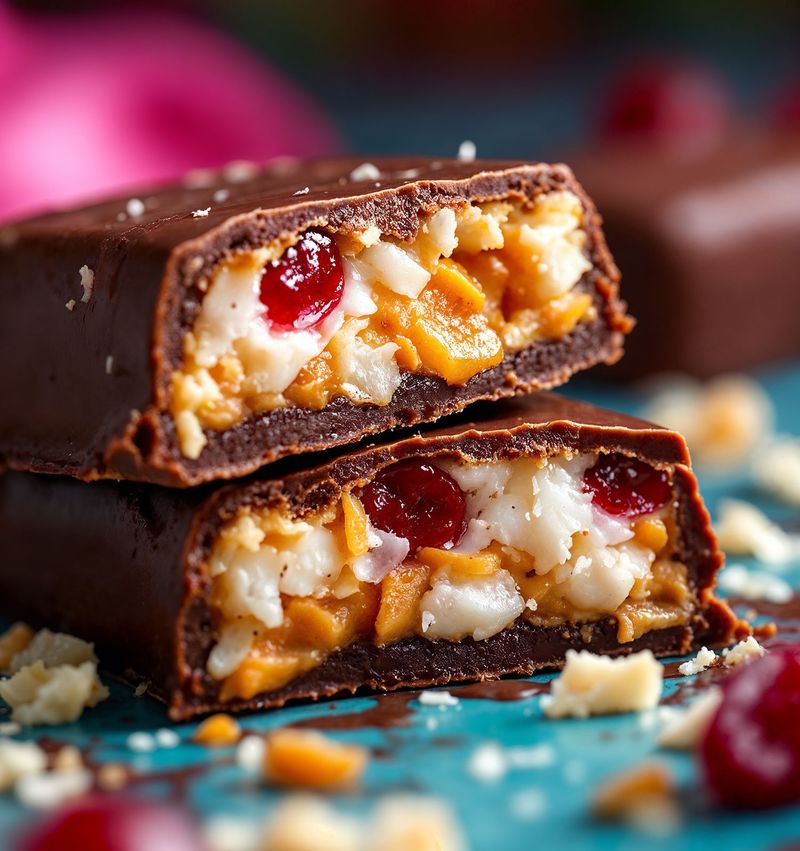
Imagine biting into a chewy coconut and cherry centre wrapped in smooth milk chocolate. That was the Cabana bar, a Rowntree creation that landed on British shelves in 1962 and built a devoted following almost immediately.
The tropical twist felt genuinely exotic compared to most sweets of the era.
Rowntree discontinued it in 1992, leaving fans heartbroken. Its unique flavour combination still gets talked about in nostalgic food communities online today.
3. Texan Bars
"Sure is a mighty chew" was the slogan, and it was absolutely accurate. Texan bars were thick, chewy caramel and nougat covered in chocolate, sold by Rowntree from 1971 onwards.
They took real effort to eat, which somehow made them even more satisfying for kids.
The bar was quietly discontinued in the late 1980s. Even now, older Brits will light up when the name is mentioned, recalling exactly how long one bar could last.
4. Pacers
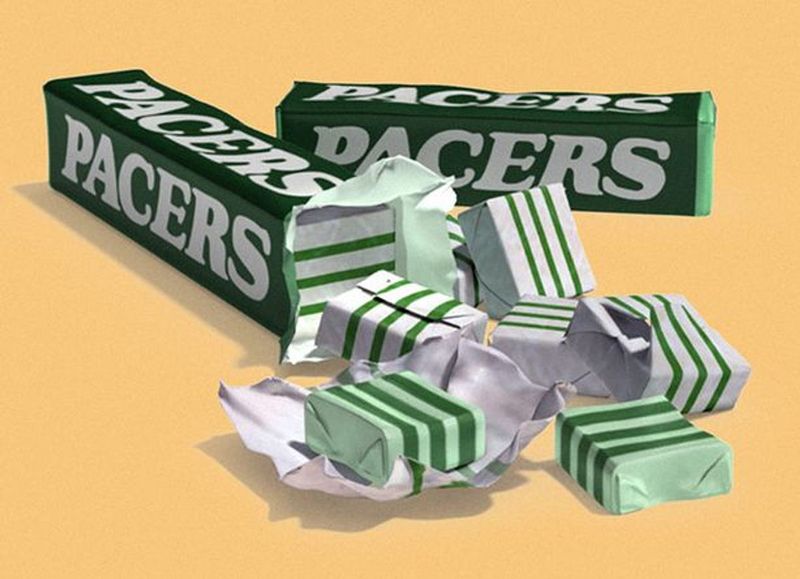
Mint and lime might sound like an unusual pairing, but Pacers made it work beautifully. These striped, chewy sweets were produced by Mars and sat proudly alongside Opal Fruits and Starburst on the sweet shop shelves throughout the 1980s.
Each piece had a satisfying chew that lasted longer than you expected.
Mars pulled them from shelves in 1989, and the mint-lime combo has rarely been replicated since. Many fans still petition for their return.
5. Opal Fruits (Original Formula)
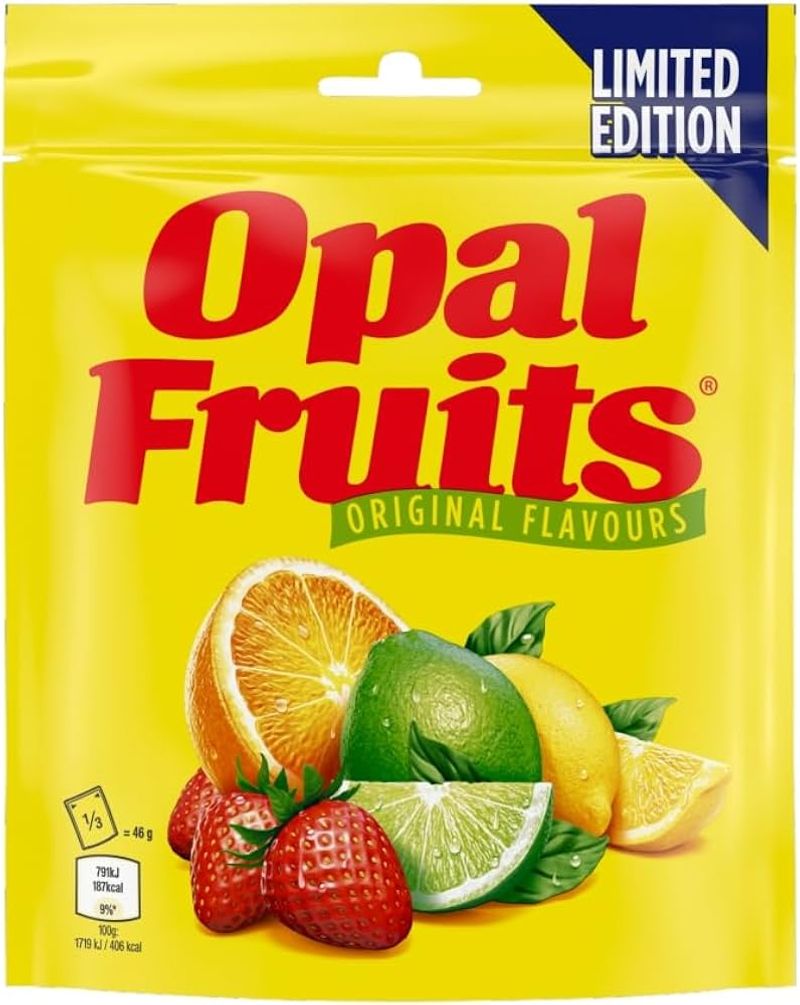
Made to make your mouth water, Opal Fruits were the original British fruit chew before they were rebranded as Starburst in 1998. The original formula had a softer, slightly different texture and flavour profile that long-time fans swear was superior.
Strawberry, lemon, orange, and lime were the classic four.
The rebrand upset a generation of British sweet lovers. Opal Fruits briefly returned to UK shelves in 2019, confirming that the nostalgia for the original name never faded.
6. Sherbet Fountains (Original Liquorice Straw)
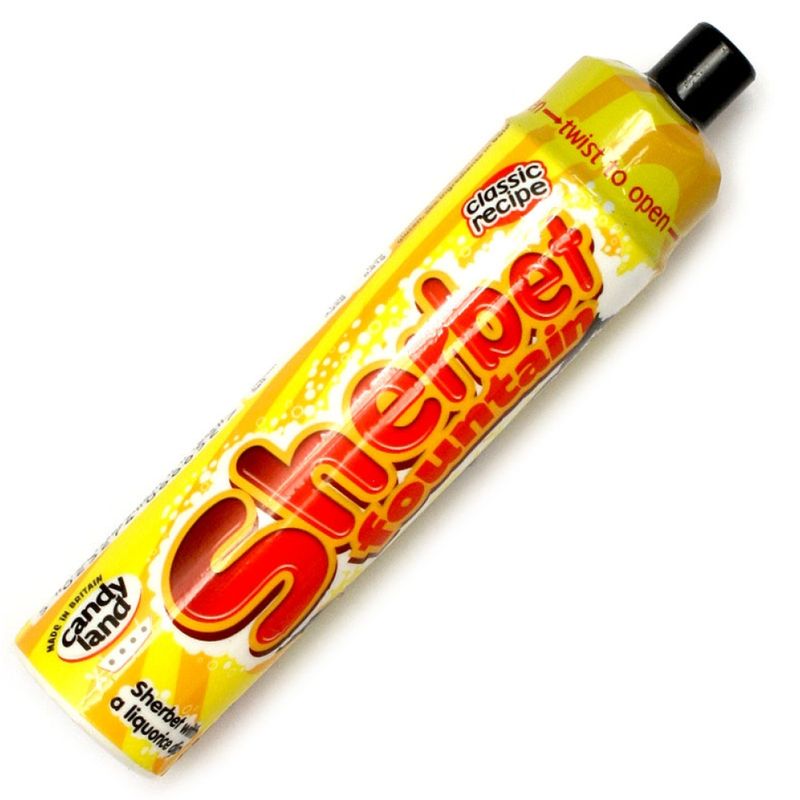
Few sweets were as interactive as the Sherbet Fountain. You dipped the liquorice straw into the fizzy yellow sherbet, and the whole experience felt almost scientific.
The original version came in a simple yellow cardboard tube that was part of its unmistakable identity for decades.
Modern versions replaced the liquorice straw with a plastic one, which completely changed the ritual for fans. That small change sparked genuine outrage among nostalgic sweet lovers across Britain.
7. Amazin Raisin Bar
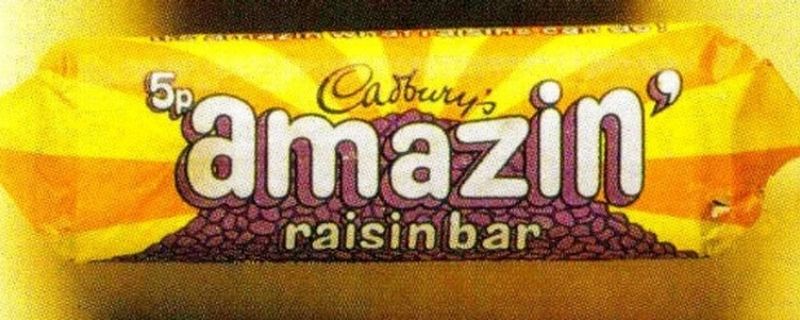
Cadbury launched the Amazin Raisin bar in 1971, and it brought something genuinely different to the chocolate counter. Plump raisins were embedded throughout a chunky milk chocolate bar, creating a chewy, fruity experience that felt almost wholesome compared to other options.
It had a devoted following among adults and children alike.
It disappeared from shelves in the 1980s without much fanfare. Cadbury Fruit and Nut carries a similar spirit, but loyalists say it never matched the original.
8. Toffo
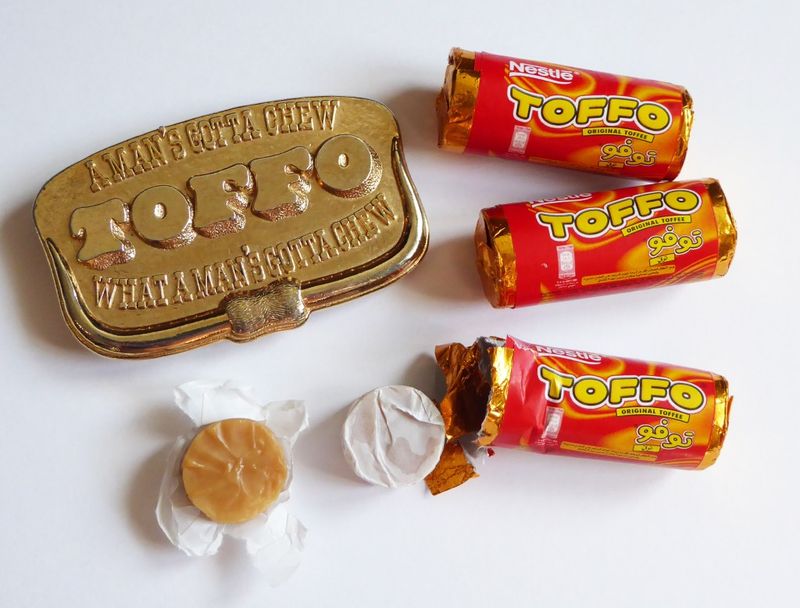
Toffo sweets were the kind of treat that made your jaw work overtime. Produced by Mackintosh and later Rowntree, these individually wrapped toffees came in a neat roll and offered plain, mint, and assorted flavour varieties.
They were a lunchbox staple and a cinema favourite throughout the 1970s and 1980s.
The brand faded out in the 1990s as chewier, fruitier sweets took over the market. Their solid toffee pull is genuinely hard to find today.
9. Butterkist Toffee Popcorn Bars
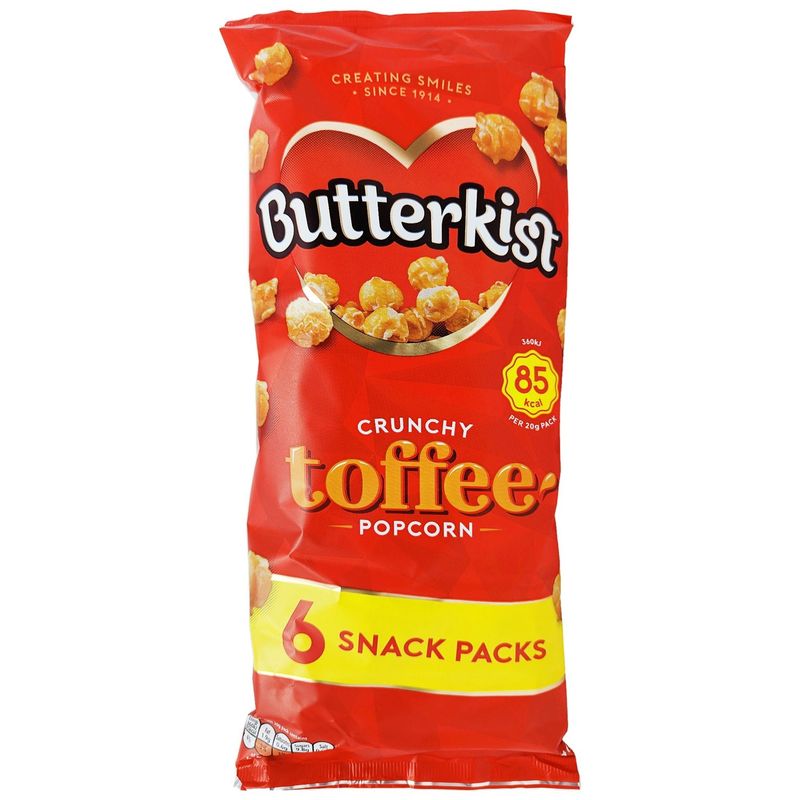
Long before popcorn became a gourmet snack, Butterkist was making toffee-coated popcorn bars that kids adored. Crunchy, sweet, and wonderfully sticky, these bars combined the fun of popcorn with the indulgence of toffee in a handheld format.
They were a proper sweet shop novelty that felt unlike anything else on the shelf.
As snack trends shifted, the bar format quietly vanished. Butterkist popcorn bags survived, but the bar version became a fond memory.
10. Cremola Foam
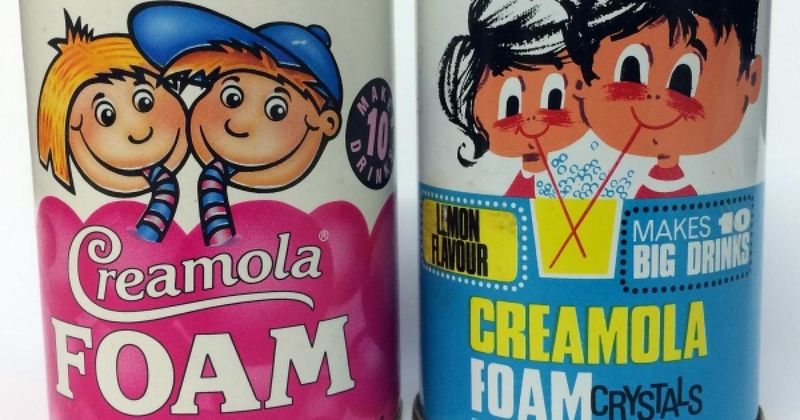
Cremola Foam was technically a drink powder, but sweet shops in Scotland and parts of England stocked it like a candy novelty. Kids would spoon the fizzy, sherbet-like powder directly into their mouths for an instant tingle.
The lemon flavour was legendary, and the tin it came in felt genuinely special.
Production stopped in 1998, and Scottish food nostalgia sites have mourned it ever since. Attempts to recreate the recipe at home have never quite nailed the original fizz.
11. Jamboree Bags
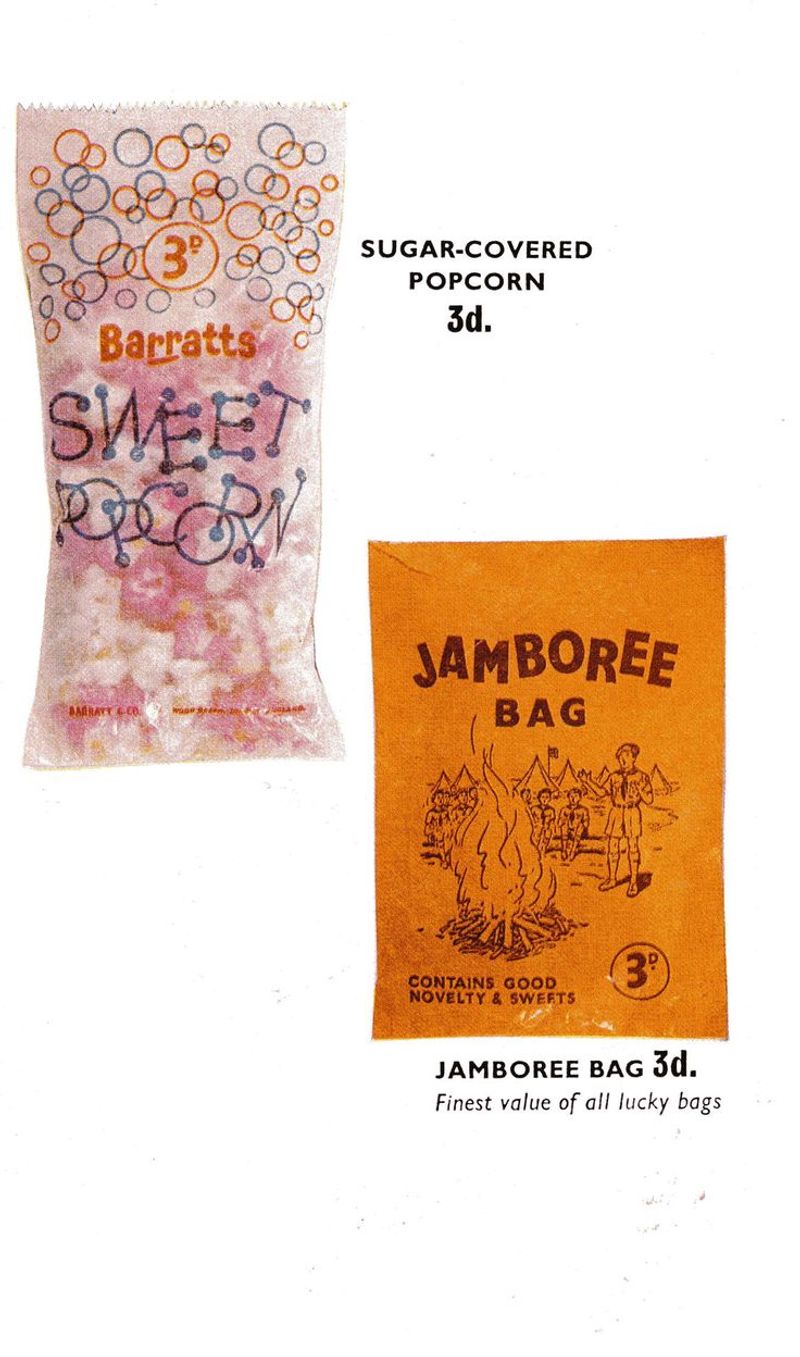
Opening a Jamboree Bag was a lottery, and that was exactly the point. These small paper bags packed with a random mix of cheap sweets, sherbet, and tiny plastic toys were a sweet shop staple for generations.
The surprise element made them irresistible to children with just a few pennies to spend.
Jamboree Bags faded as health regulations and changing tastes made the lucky-bag format less viable. The joy of that random reveal has never been fully replaced.
12. Anglo Bubbly
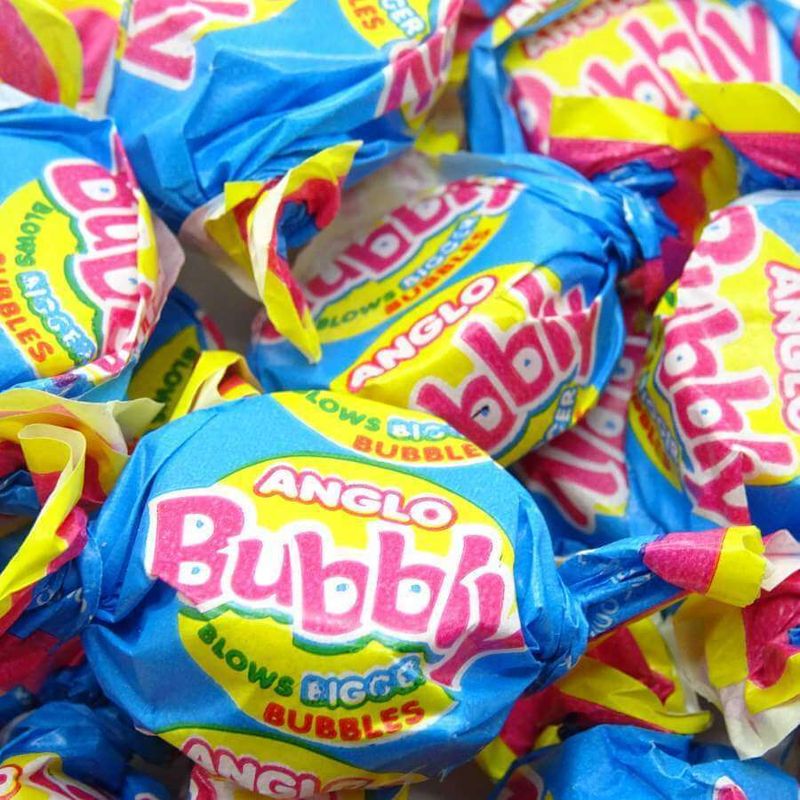
Anglo Bubbly was the budget bubble gum of choice for British kids throughout the 1970s and 1980s. For just a penny or two, you got a thick, pink rectangle of gum that produced impressive bubbles and delivered a short burst of intense sweetness.
It was straightforward, cheerful, and completely unpretentious.
The brand quietly disappeared as premium gum brands expanded their reach. Nothing about it was fancy, but that was the whole charm of Anglo Bubbly.
13. Needlers Fruit Drops
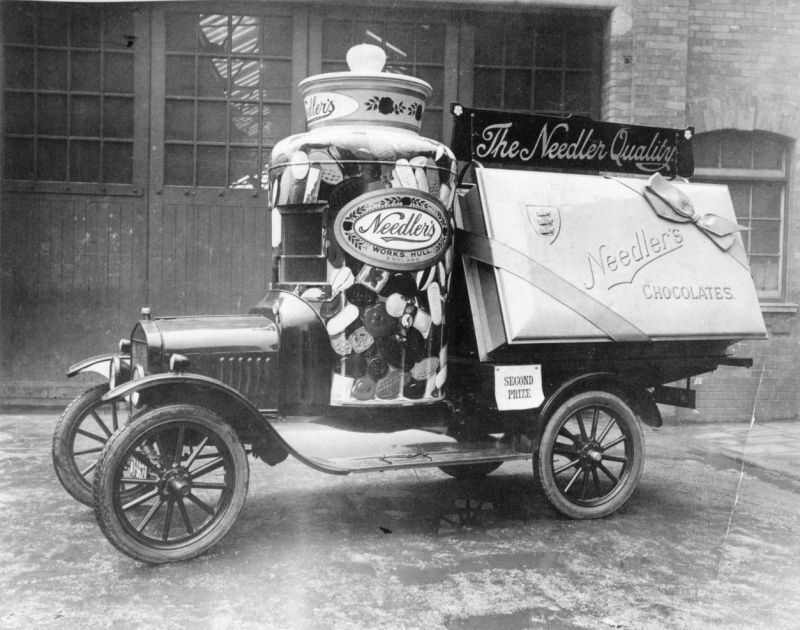
Needlers of Hull was one of Britain's most respected confectionery makers, and their fruit drops were a cornerstone of the traditional sweet shop. Sold loose from large jars, these hard boiled sweets came in vivid fruit flavours and had a satisfying crack when bitten.
They represented a slower, more deliberate kind of sweet eating.
The Needlers brand was absorbed and eventually discontinued. Their fruit drops symbolise an entire era of British confectionery craftsmanship that has largely disappeared.
14. Fry's Five Boys Chocolate
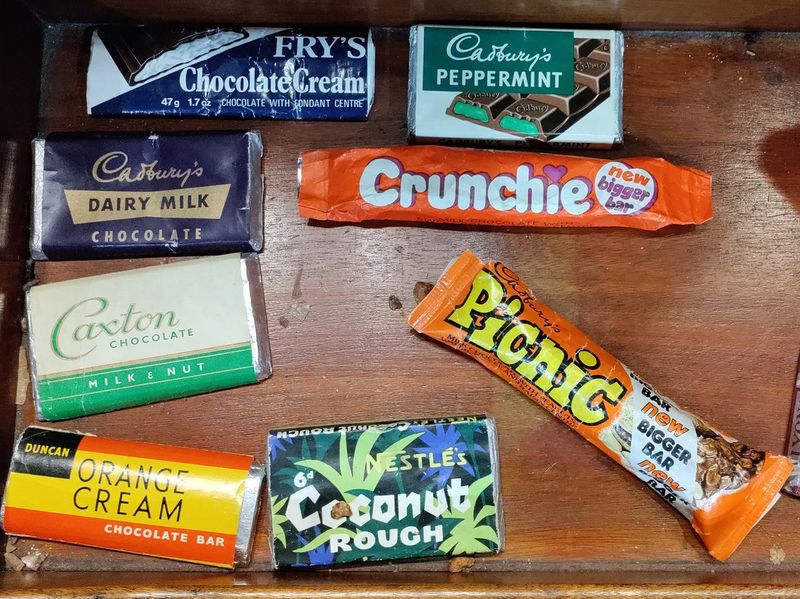
The wrapper alone made Fry's Five Boys one of the most recognisable chocolate bars in British history. Five cartoon boys depicted emotions from despair to joy as they anticipated eating the chocolate, and the image became genuinely iconic.
The milk chocolate inside was smooth and uncomplicated, letting the branding do the heavy lifting.
Production ended in 1976, but the wrapper is still reproduced on vintage food memorabilia. Few confectionery designs have ever matched its storytelling charm.
15. Barker and Dobson Humbugs
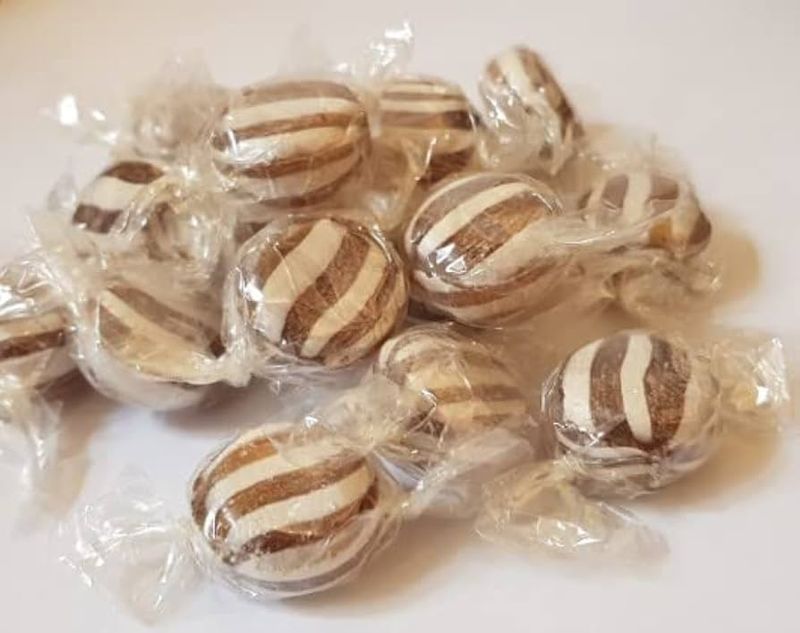
Barker and Dobson were a Liverpool confectionery institution, and their humbugs were sold in sweet shops across Britain for well over a century. Those classic black and white striped, peppermint-flavoured hard boiled sweets were the kind of thing grandparents always seemed to have in a tin on the sideboard.
They had a slow, cooling burn that was deeply satisfying.
The brand changed hands multiple times before fading significantly. Humbugs still exist, but the Barker and Dobson name carries a weight no modern version can replicate.
16. Chocolate Limes
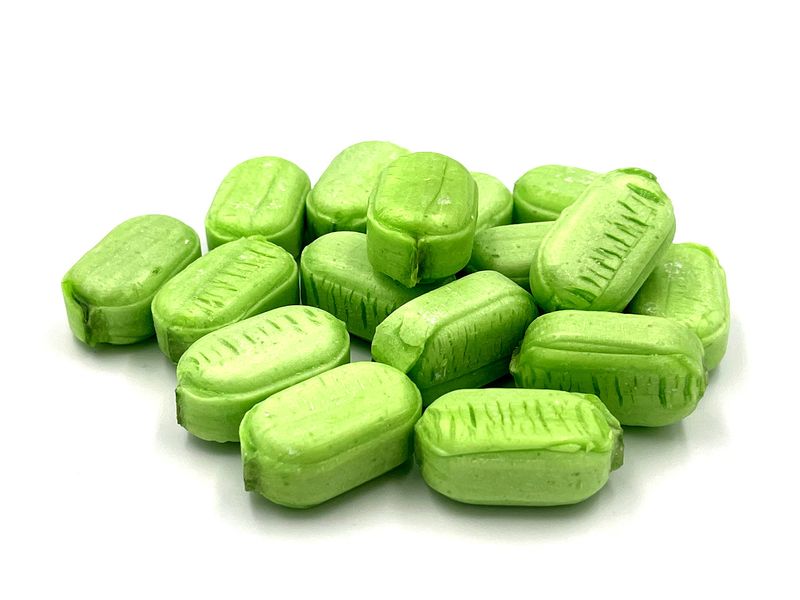
Chocolate limes were one of the great surprises of the traditional British sweet shop. On the outside, they looked like ordinary green boiled sweets with a sharp citrus flavour.
Bite through, though, and a soft chocolate centre was waiting inside. That contrast was genuinely clever and completely addictive.
While some versions still exist in small quantities, the original loose-sold chocolate lime from a glass jar has become increasingly rare. Finding a good one today feels like striking gold.
17. Trebor Refreshers (Original Fizzy Chew)
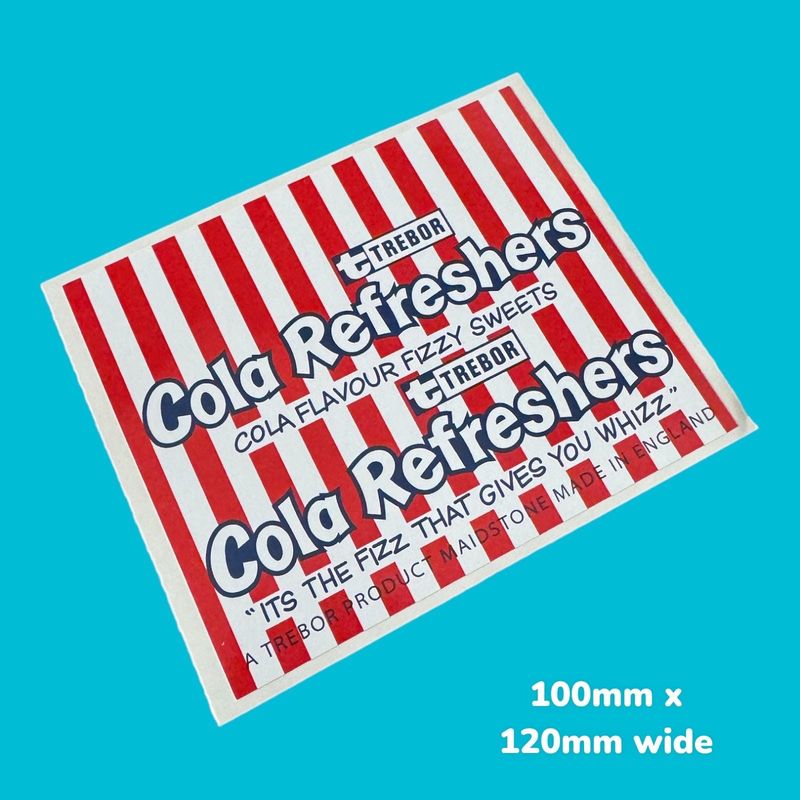
Trebor Refreshers had a fizzy, chalky chew that was unlike anything else in the penny sweet category. The sharp citrus flavour hit immediately, followed by that unmistakable powdery fizz that coated your tongue.
Lemon was always the fan favourite, though strawberry and orange versions had their loyal supporters too.
Modern Refreshers still exist but have a noticeably different texture and intensity. Old-school fans will tell you the original formula had a bite that current versions simply cannot match.

Comments
No Comments