













Asia is a massive continent packed with incredible flavors, and its desserts are no exception. From sticky rice wrapped in banana leaves to flaky pastries filled with sweet bean paste, every country has its own mouthwatering specialty.
These treats tell stories about culture, history, and the people who make them. Get ready to take a delicious tour across Asia, one sweet bite at a time.
1. Japan - Mochi
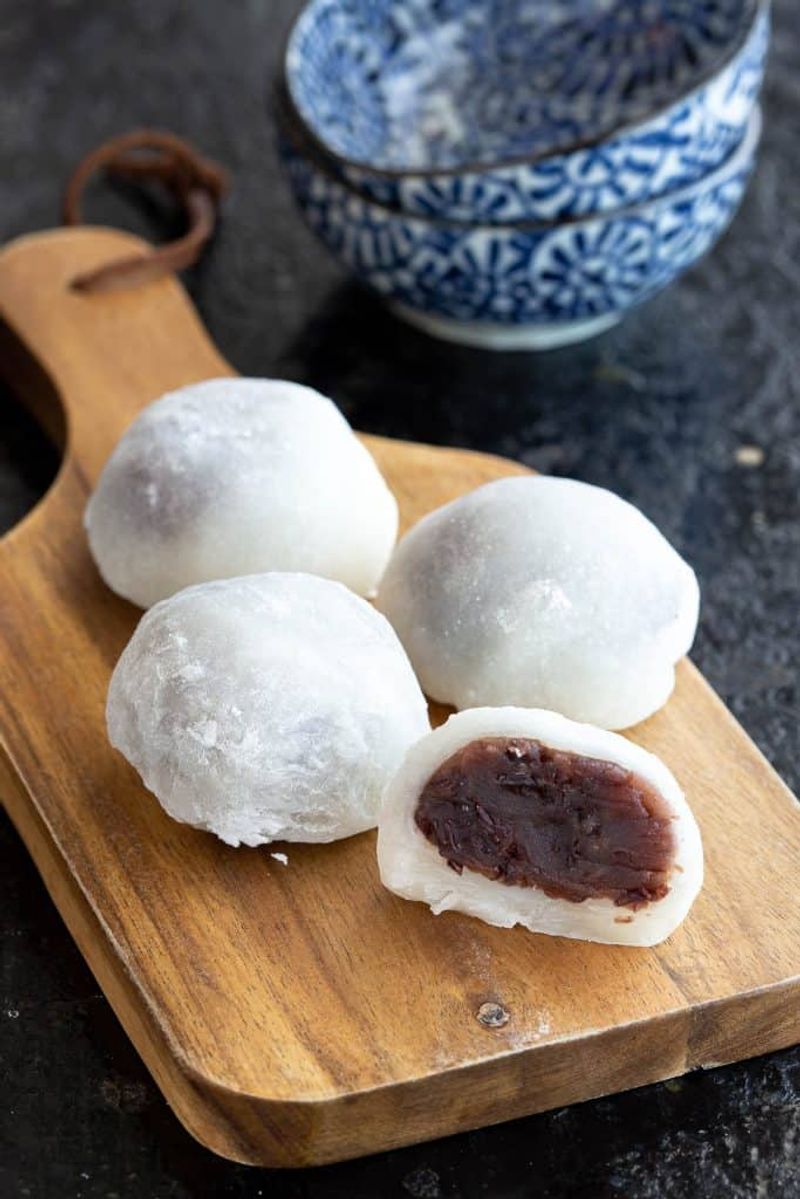
Soft, chewy, and almost too pretty to eat, mochi is one of Japan's most beloved sweets. Made from pounded glutinous rice, these little pillowy balls come in flavors like strawberry, matcha, and red bean.
Mochi has been part of Japanese culture for over a thousand years and is even eaten during New Year celebrations. You can find it at festivals, tea ceremonies, and convenience stores alike.
Each bite feels like a little cloud of happiness.
2. India - Gulab Jamun
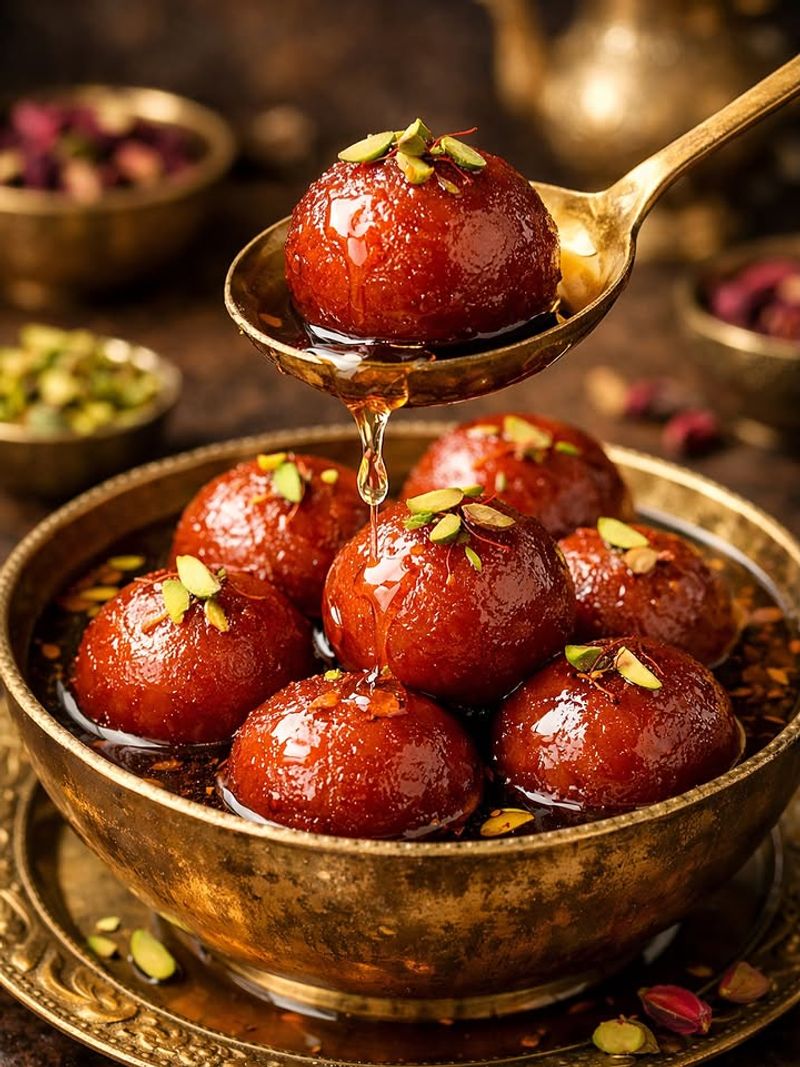
Imagine biting into a warm, syrup-soaked dumpling that practically melts on your tongue. That is gulab jamun in a nutshell, and it has been winning hearts across India for centuries.
Made from milk solids and flour, these soft balls are deep-fried and then soaked in a rose and cardamom sugar syrup. The name itself means "rose" and "plum" in Persian and Hindi.
No wedding, festival, or family celebration in India feels complete without a generous serving of these golden gems.
3. Thailand - Mango Sticky Rice
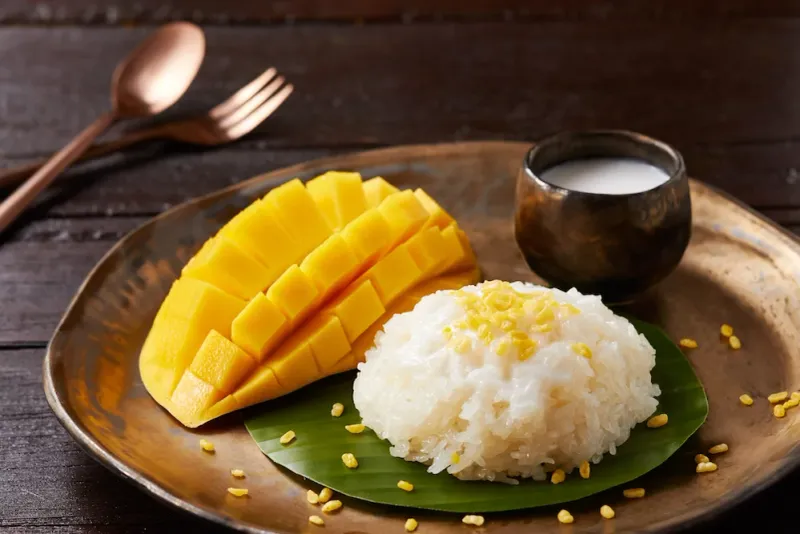
Few desserts in the world are as perfectly balanced as Thailand's mango sticky rice. Sweet, creamy, and just a little salty, it hits every note at once.
Glutinous rice is cooked in rich coconut milk, then served alongside slices of ripe, golden mango. A drizzle of salted coconut cream on top ties everything together beautifully.
Street vendors across Bangkok and Chiang Mai sell this treat, especially during mango season. Once you try it, you will understand why tourists travel back to Thailand just to eat it again.
4. China - Tang Yuan
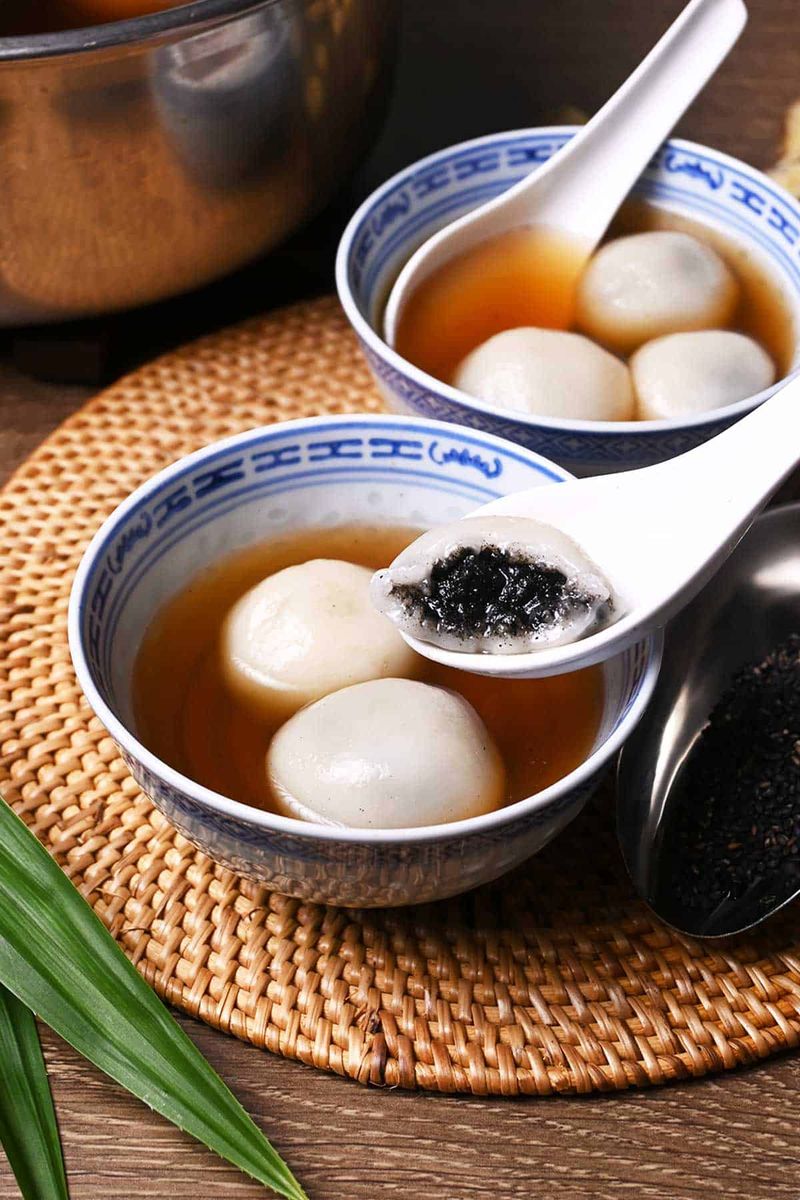
Tang yuan are small, round rice dumplings that carry a big meaning in Chinese culture. Eaten during the Lantern Festival and Winter Solstice, they symbolize family togetherness and good fortune.
The dumplings are made from glutinous rice flour and stuffed with fillings like black sesame paste, peanut butter, or red bean. They float in a warm, sweet ginger broth that warms you from the inside out.
Their round shape is no accident since it represents wholeness and unity in Chinese tradition.
5. South Korea - Tteok
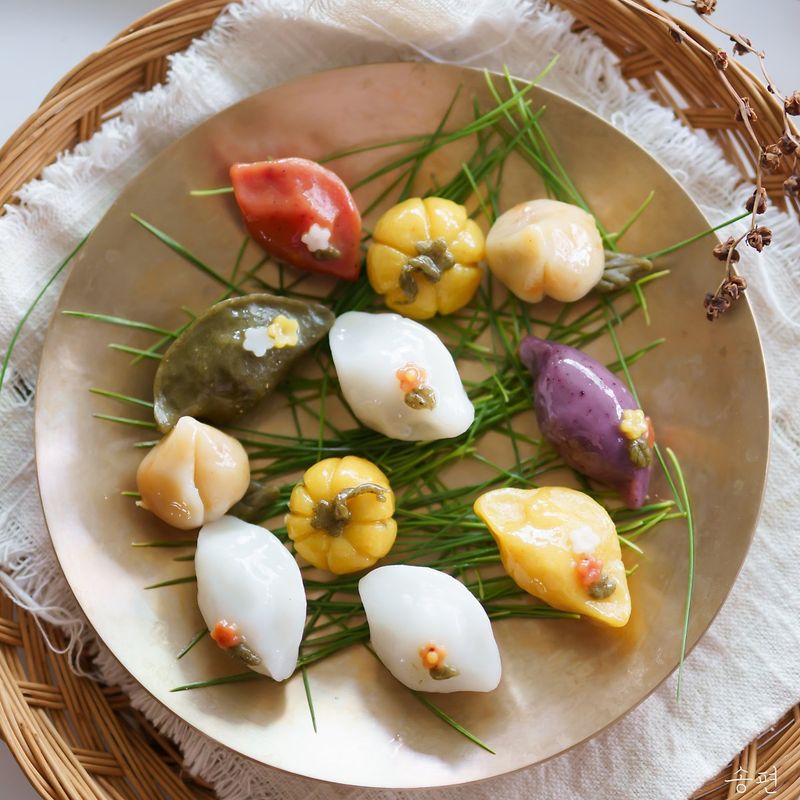
Korea takes rice cakes to a whole new artistic level with tteok. These treats come in hundreds of varieties, shapes, and colors, and they have been made in Korea for over two thousand years.
Some are filled with sweet red bean, others are coated in toasted sesame, and some are layered with colorful rice flour in stunning patterns. Tteok is served at birthdays, weddings, and holidays as a symbol of good luck.
Eating them feels less like having dessert and more like taking part in a living tradition.
6. Philippines - Halo-Halo
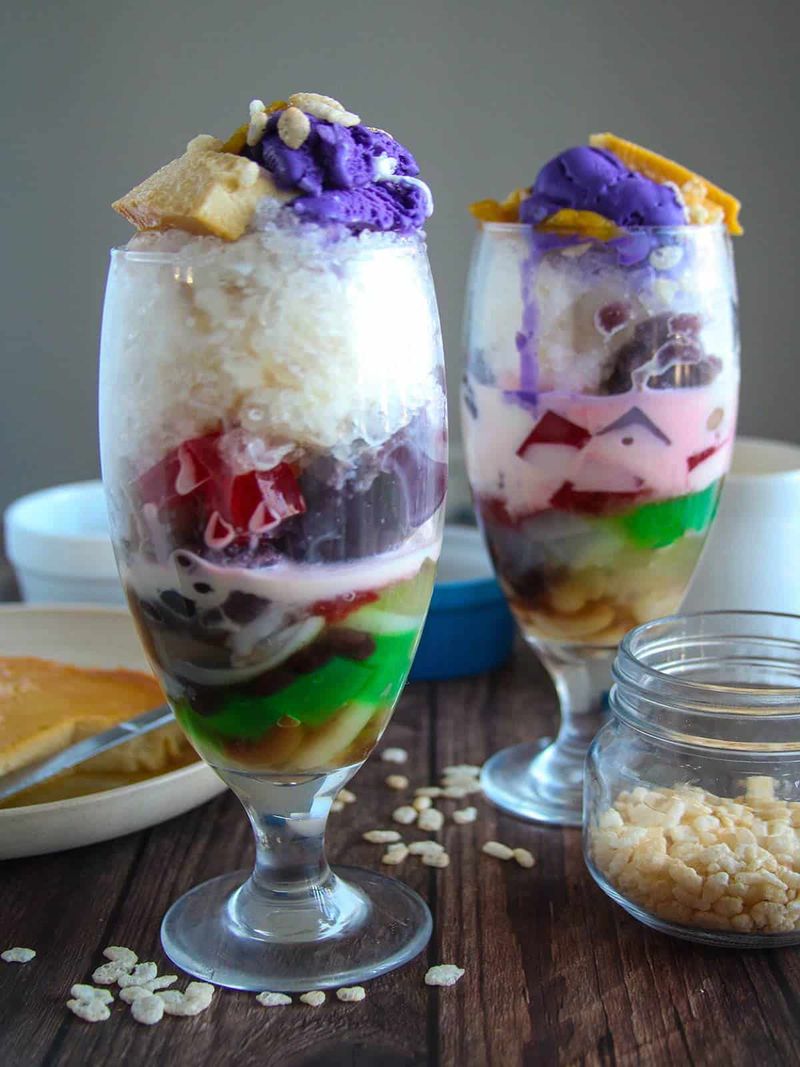
Halo-halo literally means "mix-mix" in Filipino, and that is exactly what you do before eating it. This wildly colorful dessert is a party in a glass.
Layers of shaved ice, evaporated milk, sweet beans, jellies, plantains, and a scoop of purple ube ice cream are stacked high in a tall glass. Leche flan often sits right on top like a crown.
Every spoonful delivers a different combination of textures and flavors. Halo-halo is the Philippines in dessert form: vibrant, generous, and absolutely unforgettable.
7. Vietnam - Che
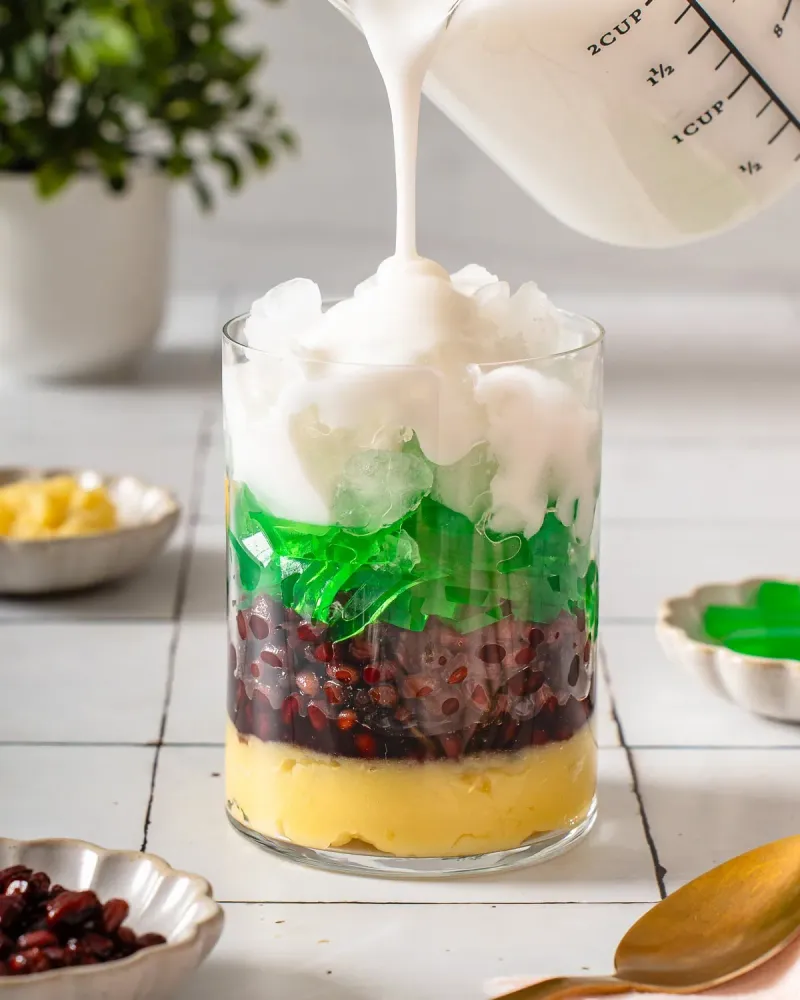
Che is Vietnam's answer to the question, "What if dessert could also be a snack, a drink, and a full experience all at once?" This sweet soup or pudding comes in dozens of regional varieties.
Common versions include mung beans, black-eyed peas, tapioca pearls, and coconut milk poured over crushed ice. Some types are served warm in winter, while chilled versions cool you down in the summer heat.
Vendors across Hanoi and Ho Chi Minh City sell che from carts, making it one of Vietnam's most accessible and beloved everyday treats.
8. Indonesia - Klepon
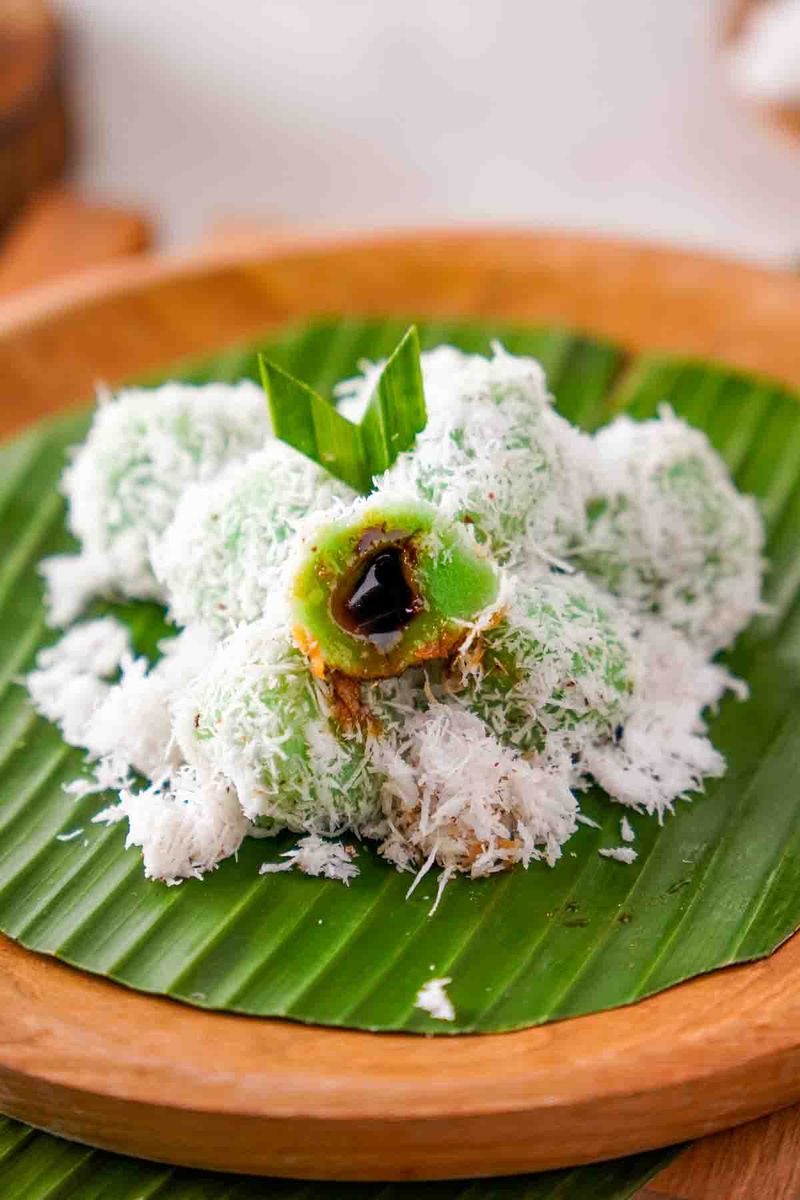
Klepon might look like simple green balls rolled in coconut, but bite into one and you get a burst of warm, melted palm sugar that is completely unexpected and totally wonderful.
Made from glutinous rice flour colored with pandan leaf juice, these chewy little treats are a staple at Indonesian markets and celebrations. The combination of earthy coconut, sweet molten sugar, and the fragrant pandan flavor makes klepon unlike anything else.
They are small enough to pop in your mouth whole, which is absolutely the right way to eat them.
9. Malaysia - Cendol
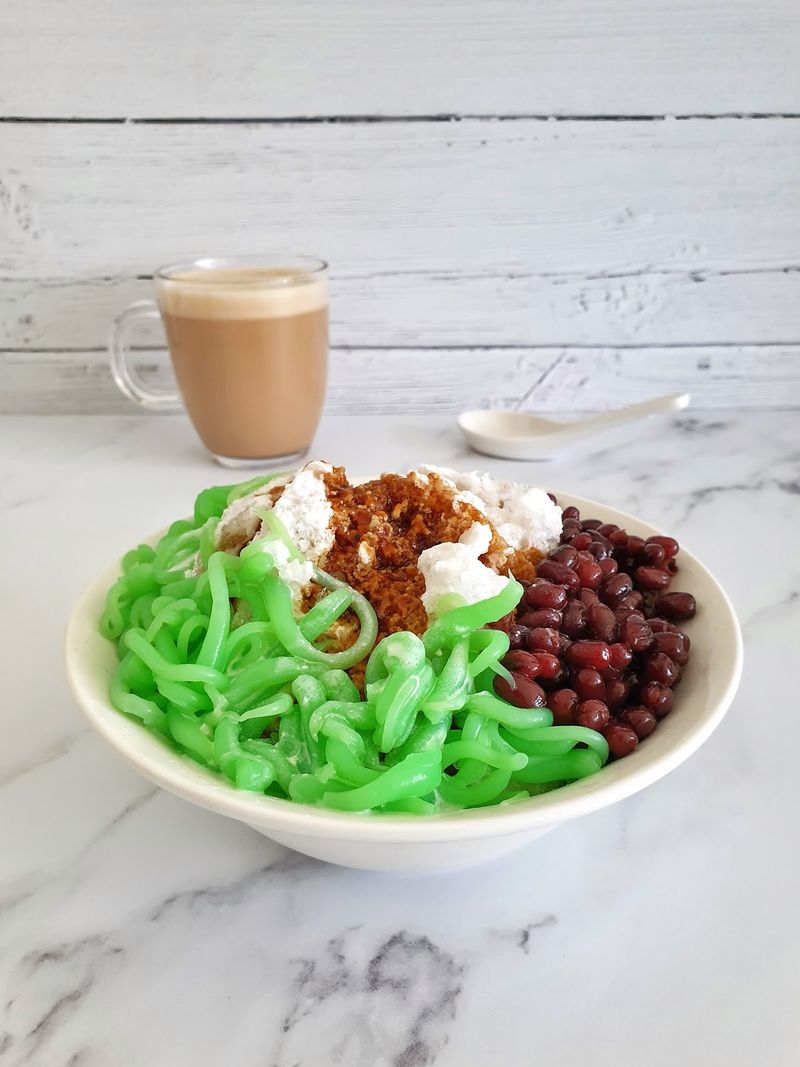
On a blazing hot Malaysian afternoon, nothing beats a bowl of cendol. The sight of those wobbly green jelly strands floating in coconut milk and dark palm sugar syrup is enough to make anyone stop in their tracks.
The green noodle-like pieces are made from rice flour mixed with pandan, giving them a subtle grassy sweetness. Shaved ice keeps everything wonderfully cold.
Cendol has been enjoyed in Southeast Asia for centuries and remains a top street food pick in Penang, where locals argue passionately about who makes it best.
10. Pakistan - Halwa
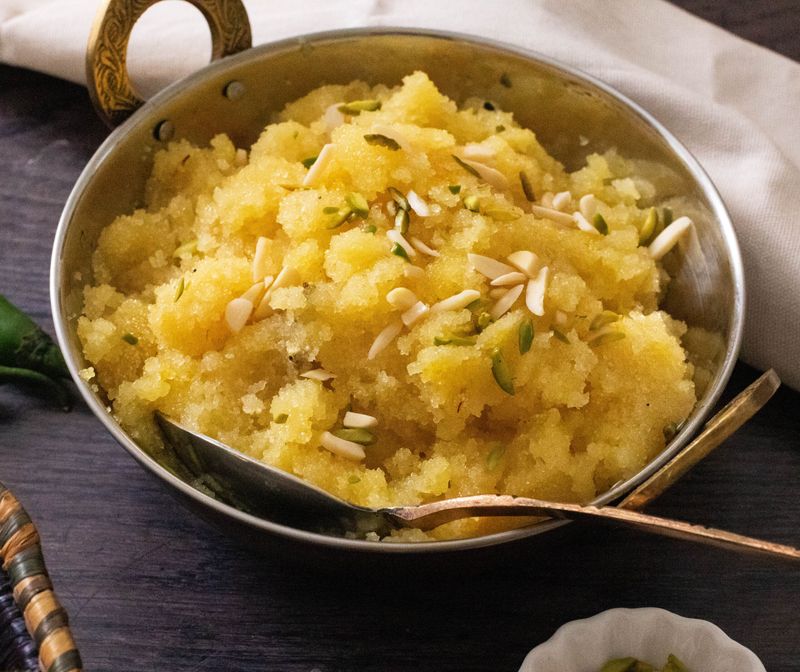
Halwa in Pakistan is not just one dessert. It is an entire family of sweets, each with its own personality and fan base.
Sooji halwa, made from semolina, ghee, and sugar, is probably the most beloved.
Cooked until golden and fragrant, it gets topped with nuts and raisins for extra richness. Served at religious gatherings, weddings, and everyday family meals, halwa carries deep cultural meaning.
The moment that buttery, nutty aroma fills a kitchen, everyone in the house knows something special is about to be served.
11. Sri Lanka - Watalappan
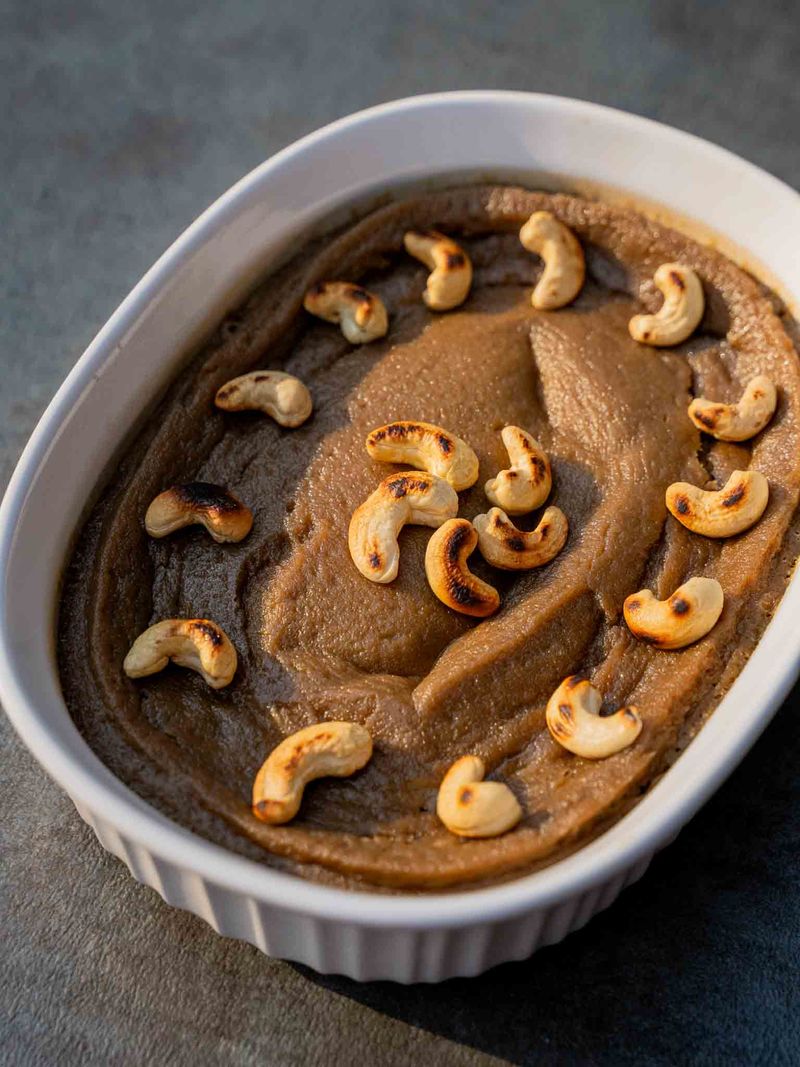
Watalappan is Sri Lanka's crown jewel of desserts, and one taste explains exactly why. This rich, steamed coconut custard is flavored with jaggery, cardamom, and a hint of nutmeg, creating something deeply aromatic and satisfying.
Brought to Sri Lanka by Malay settlers centuries ago, the dish has become a staple at Muslim festivals, especially Eid. The texture sits somewhere between a firm pudding and a silky flan.
Cashews pressed into the top add a gentle crunch that makes every bite even more rewarding.
12. Bangladesh - Roshogolla
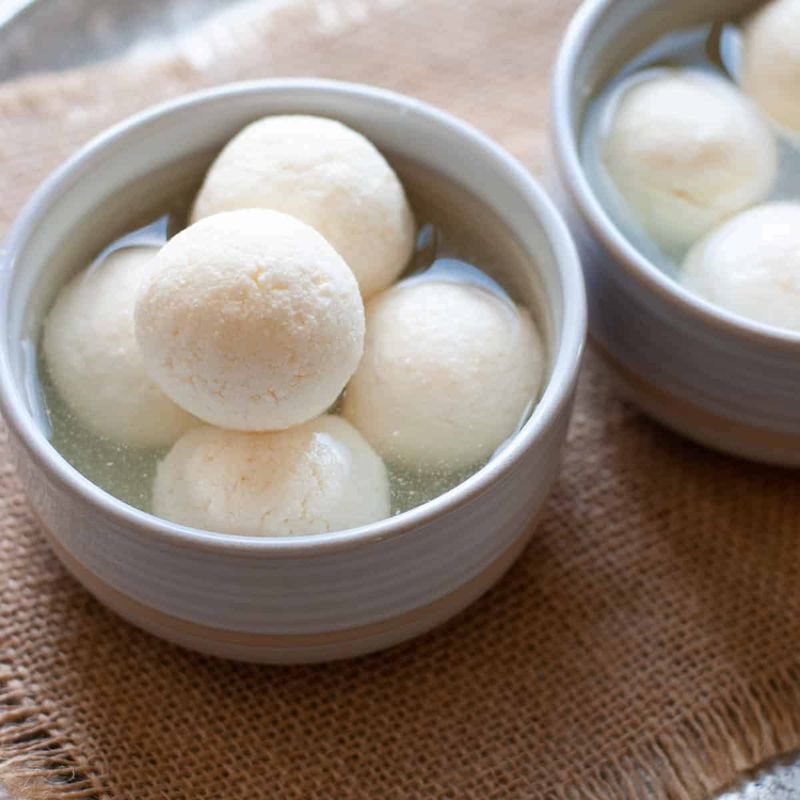
Roshogolla is the kind of dessert that sparks friendly arguments. Both Bangladesh and the Indian state of West Bengal claim it as their own, and honestly, both have very good reasons to be proud of it.
These soft, spongy balls of fresh chhena cheese are cooked in a light sugar syrup until they puff up like little clouds. They are not overly sweet, which makes them dangerously easy to eat by the handful.
In Bangladesh, roshogolla is a symbol of celebration, generosity, and the pure joy of sharing something delicious with people you love.
13. Taiwan - Bubble Tea
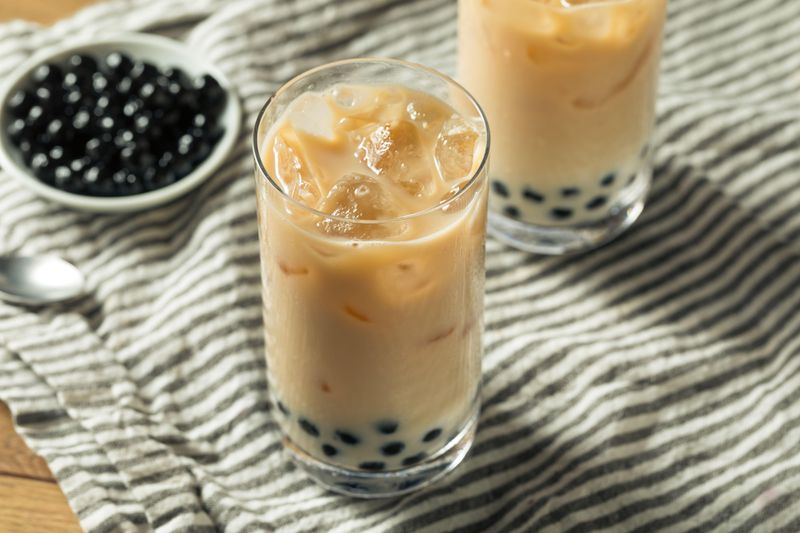
Bubble tea started in Taiwan in the 1980s and has since taken over the entire world, one chewy pearl at a time. The invention is credited to a tea shop owner who decided to toss tapioca balls into a cold milk tea on a whim.
Today, the options are endless: taro, matcha, brown sugar, passion fruit, and beyond. The thick tapioca pearls sitting at the bottom give every sip a fun, chewy surprise.
Taiwan did not just create a drink. It created a global obsession that shows absolutely no signs of slowing down.
14. Nepal - Sikarni
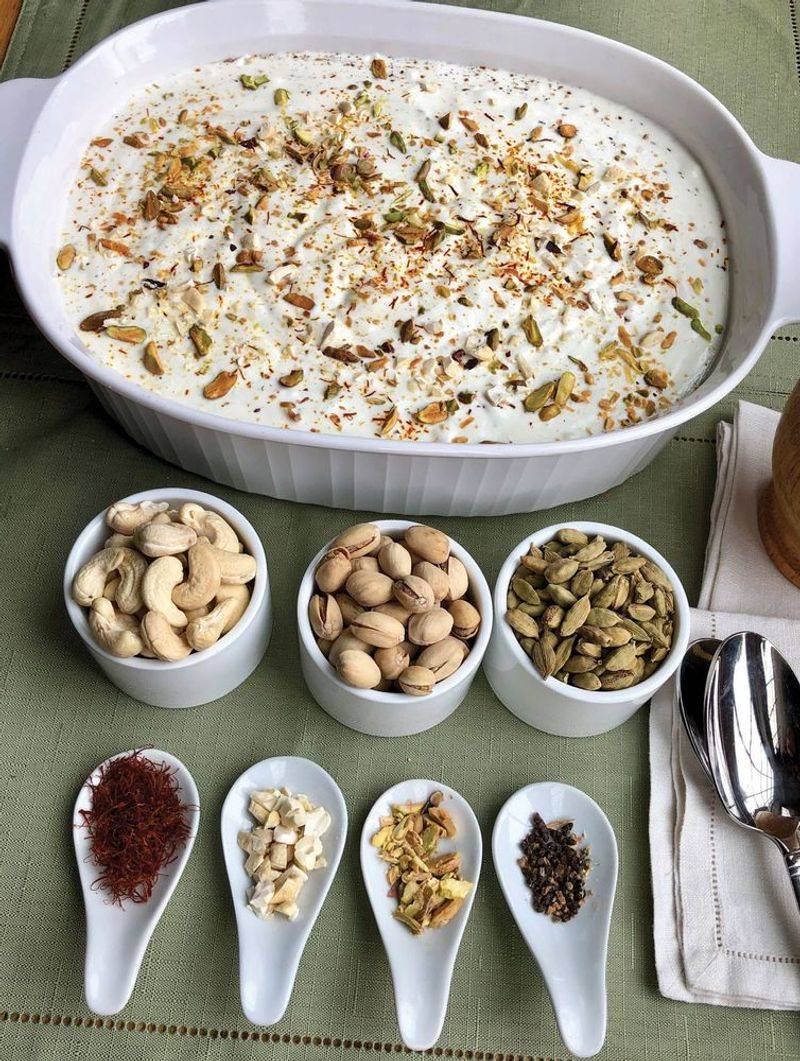
Sikarni is Nepal's answer to fancy dessert, and it has been served at feasts and festivals in the Kathmandu Valley for generations. Made from thick strained yogurt sweetened with sugar and spiced with cardamom and saffron, it is elegant in its simplicity.
The yogurt is hung in cloth to drain overnight, creating a dense, creamy base that soaks up all those warm spices beautifully. Crushed nuts scattered on top add texture and richness.
Sikarni proves that sometimes the most unforgettable flavors come from the fewest ingredients.
15. Cambodia - Num Ansom
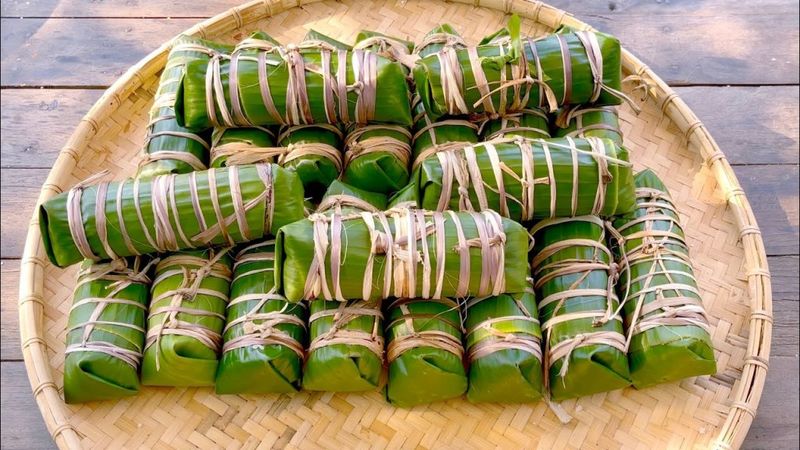
Num ansom is the kind of food that takes real patience and skill to make, which is exactly why Cambodians treasure it so deeply. These sticky rice cakes are wrapped tightly in banana leaves and steamed for hours until the rice becomes dense and flavorful.
Inside hides a filling of mung bean paste and sometimes pork or banana, depending on the region. Num ansom is especially popular during Khmer New Year and Pchum Ben festival.
Unwrapping one feels like opening a small, edible gift tied together with tradition and love.

Comments
No Comments