













Britain has a long and delicious history of baking, but most people only know about scones and Victoria sponge. Hidden in local bakeries across England, Scotland, Wales, and Northern Ireland are some truly amazing sweet treats that rarely get the spotlight they deserve.
From sticky regional pastries to crumbly old-fashioned biscuits, these baked goods carry centuries of tradition in every bite. Get ready to add some new favorites to your must-try list.
1. Lardy Cake
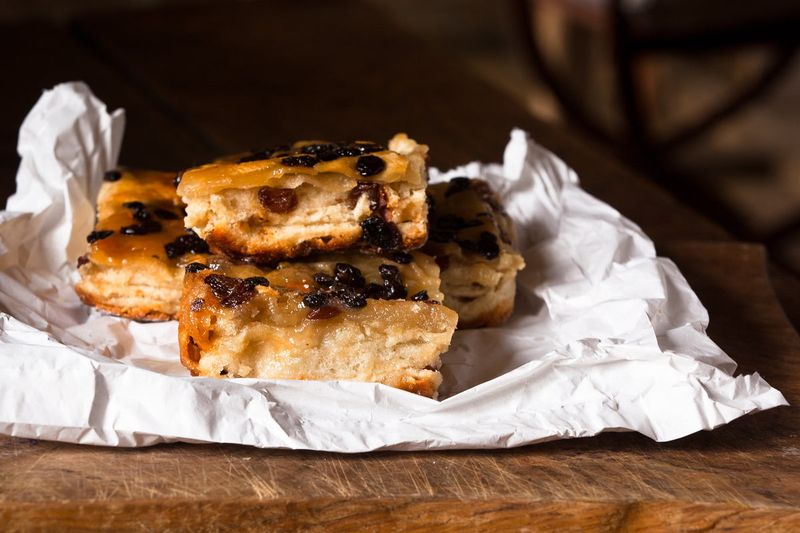
Sticky, rich, and unapologetically indulgent, lardy cake is one of England's best-kept secrets. Born in Wiltshire and the surrounding counties, this old-fashioned bake layers lard, sugar, and dried fruit between folds of yeasted dough before baking to a caramelized, glossy finish.
It sounds simple, but the result is extraordinary. Warm from the oven, the sugary layers melt together into something almost toffee-like.
Many local bakeries still make it the traditional way, so tracking one down is absolutely worth the effort.
2. Fat Rascals
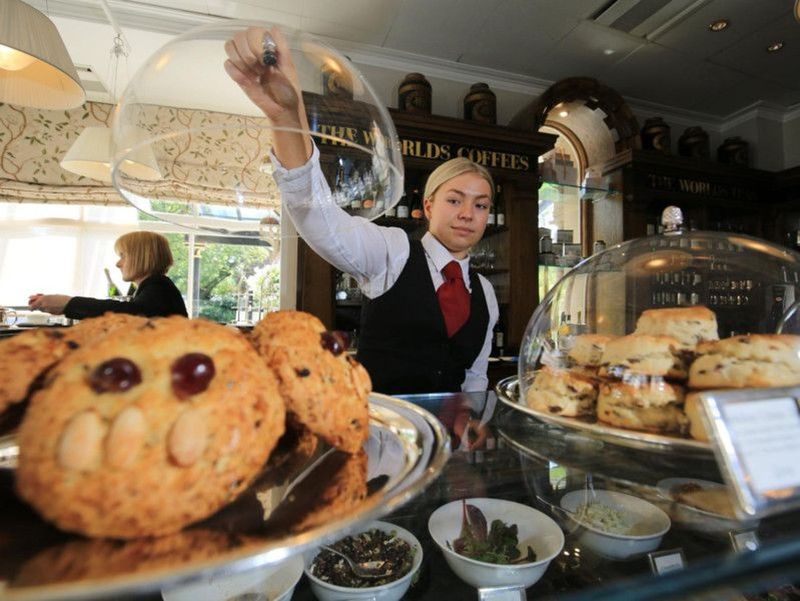
Half scone, half rock cake, and completely charming, fat rascals are a Yorkshire institution that somehow stays off most people's radar. These chunky, fruity rounds are decorated with glacé cherries and almonds to look like funny little faces, making them as fun to look at as they are to eat.
Betty's Tea Rooms in Harrogate made them famous, but the concept goes back centuries. Packed with citrus zest and spice, every bite feels like a warm hug on a cold afternoon.
3. Coventry Godcakes
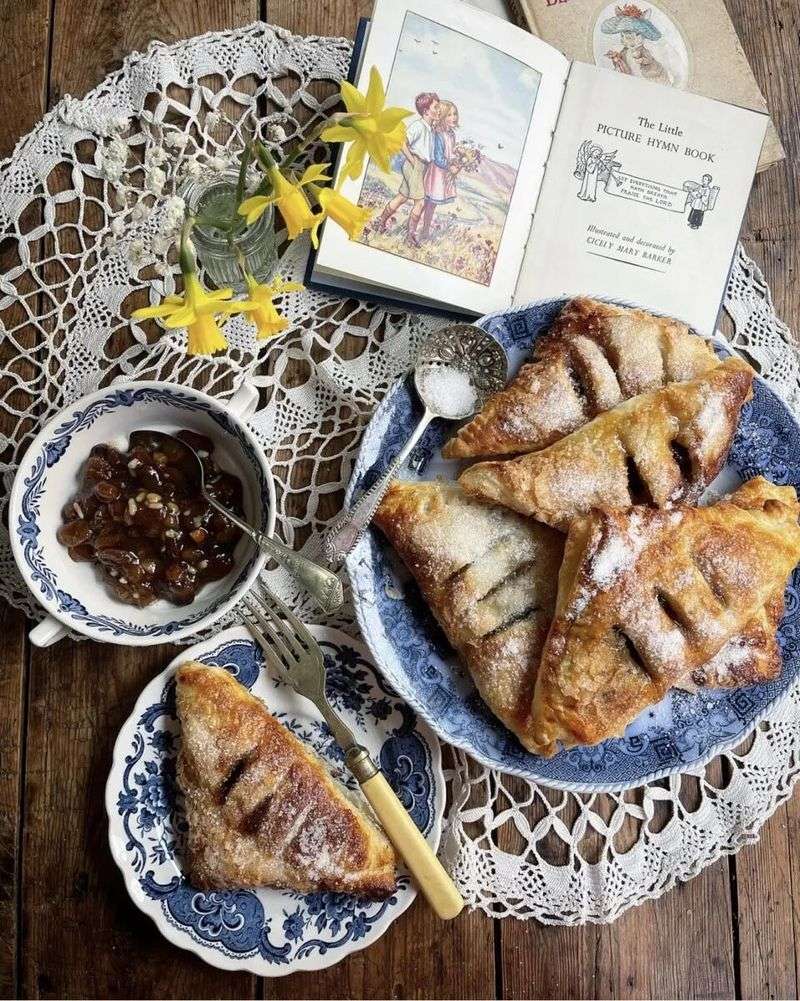
Shaped like triangles and filled with spiced mincemeat, Coventry godcakes have a history stretching back to medieval times. Godparents traditionally gifted these pastries to their godchildren on New Year's Day as a symbol of good luck and blessings for the year ahead.
The three slashes cut into the top represent the Holy Trinity, giving this little pastry a surprisingly deep meaning. Flaky, sweet, and warmly spiced, they are a brilliant example of how food and tradition can be beautifully intertwined.
4. Manchet Bread Rolls
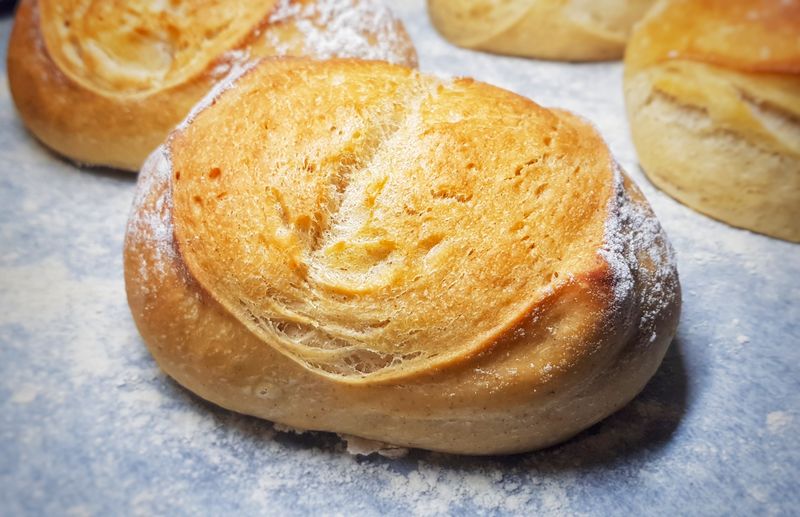
Dating back to Tudor England, manchet rolls were once considered the finest white bread money could buy. Made from finely milled flour and enriched with eggs and butter, they had a soft crumb and a crisp, flour-dusted crust that made them a luxury item at royal banquets.
A handful of heritage bakeries have brought manchet back to life, often serving them warm with clotted cream or honey. Eating one feels like a genuine taste of history, which is pretty cool for a bread roll.
5. Grasmere Gingerbread
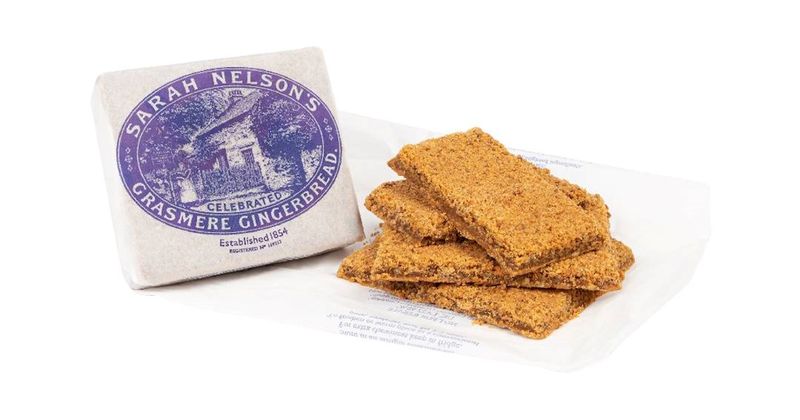
Grasmere gingerbread is not your average gingerbread cookie. Created by Sarah Nelson in 1854 in the tiny Lake District village of Grasmere, this crumbly, intensely spiced treat sits somewhere between a biscuit and a cake, with a texture unlike anything else.
The original recipe is still a closely guarded secret, sold only from a tiny shop inside a converted church. Wrapped in its distinctive paper packaging, it has been made the same way for over 170 years.
That kind of dedication to a recipe is genuinely impressive.
6. Welsh Cakes
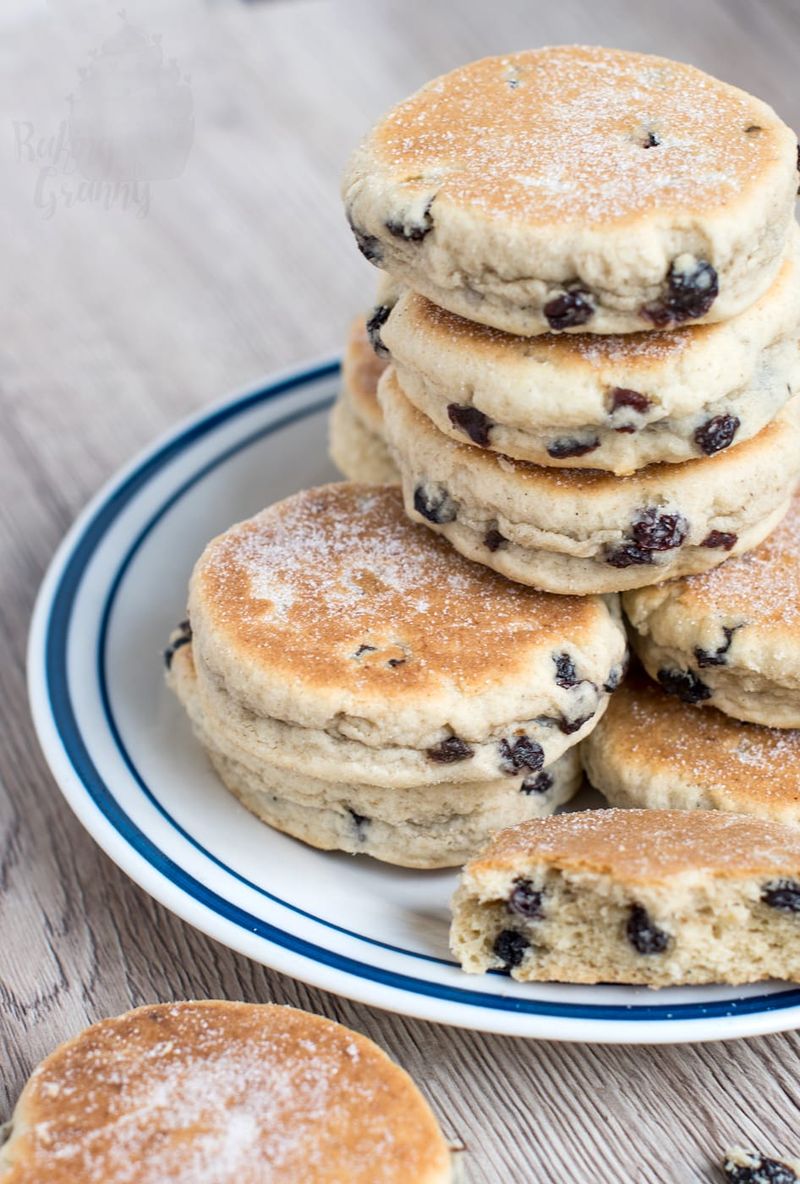
Cooked on a flat griddle rather than baked in an oven, Welsh cakes are one of Wales's most beloved treats. These small, round, slightly spiced cakes are studded with currants and dusted with sugar, and they cook up in just a few minutes on each side.
Street markets in Cardiff and Swansea often have vendors making them fresh, filling the air with an irresistible buttery scent. Best eaten warm, they are soft in the middle with slightly crispy edges.
Simple perfection, honestly.
7. Selkirk Bannock
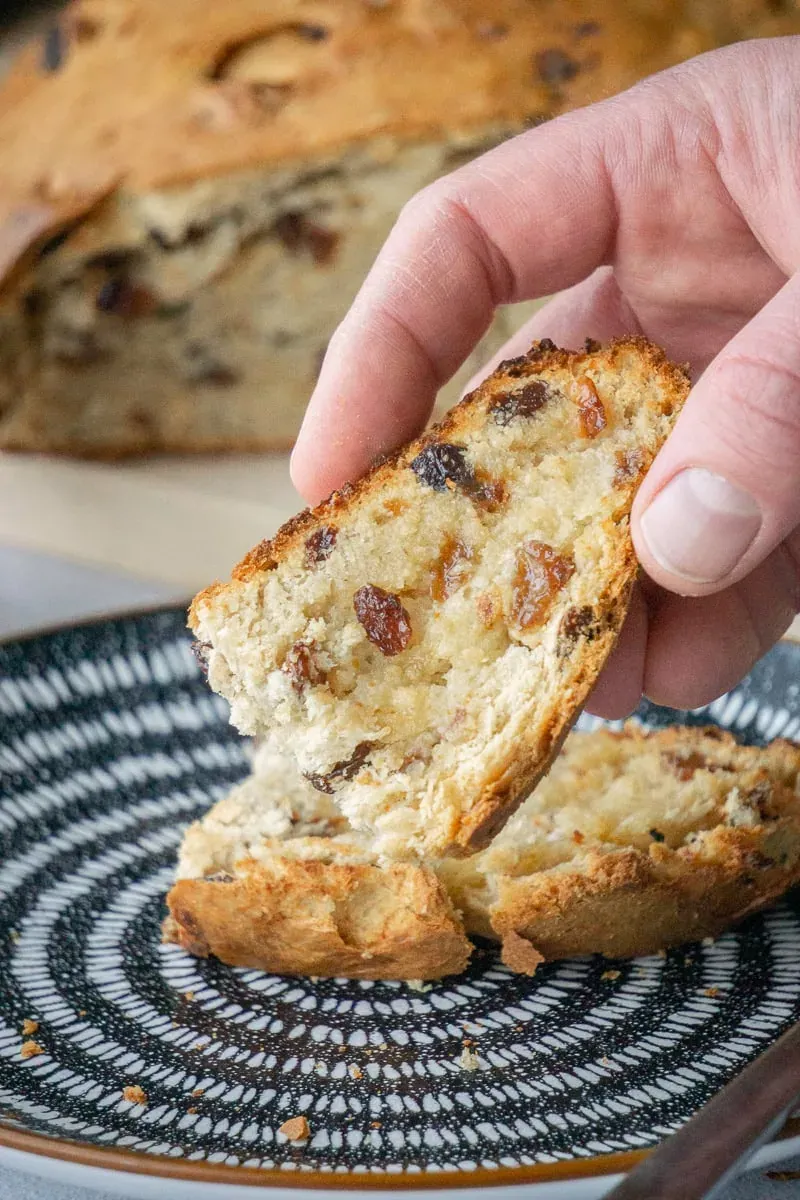
Queen Victoria reportedly loved Selkirk bannock so much that she refused any other bread during her visit to Abbotsford House in Scotland. That royal seal of approval speaks volumes about this buttery, sultana-packed bread from the Scottish Borders town of Selkirk.
Richer and denser than ordinary bread but lighter than a fruitcake, it occupies a wonderfully satisfying middle ground. Bakeries in Selkirk still follow recipes passed down through generations.
Sliced and buttered, it is the kind of thing you eat slowly to make it last longer.
8. Chorley Cakes
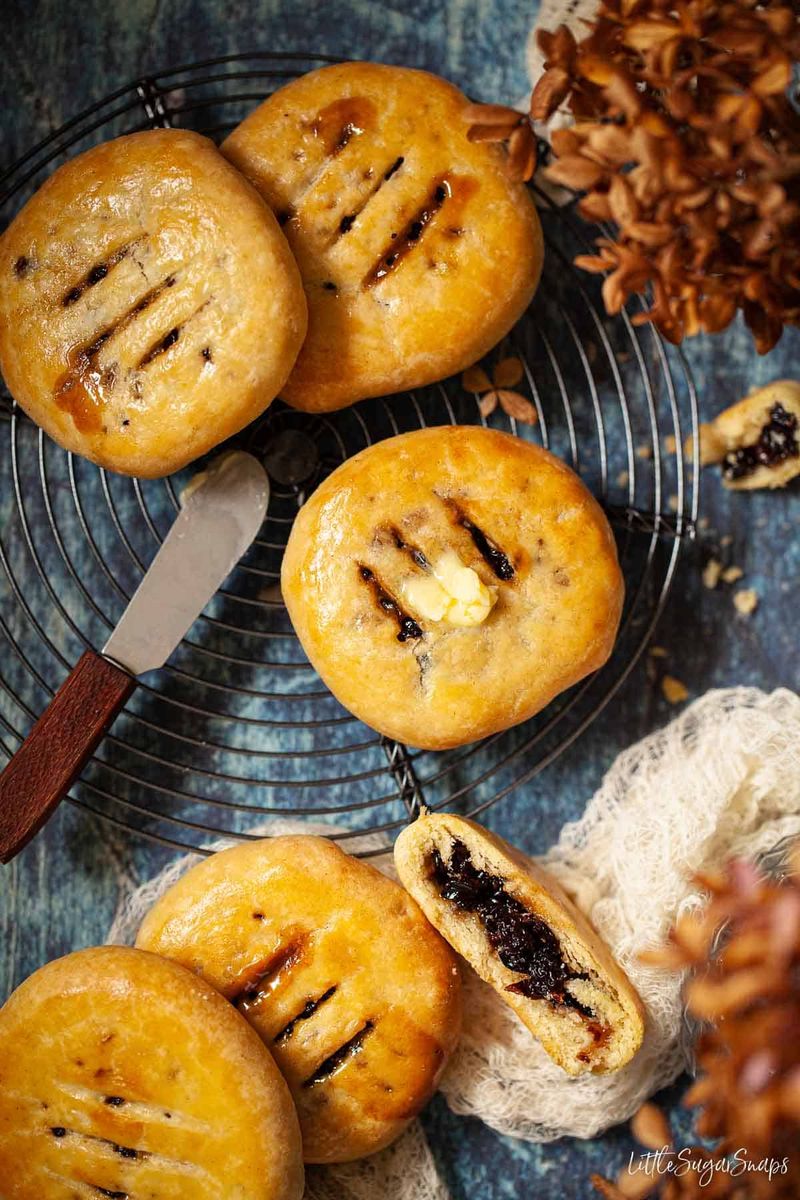
Often confused with Eccles cakes, Chorley cakes are actually quite different and arguably more understated. Made with shortcrust pastry instead of flaky puff pastry, they have a softer, more biscuit-like texture wrapped around a simple filling of currants.
Hailing from the Lancashire town of Chorley, these modest little cakes were working-class staples for centuries. They are not flashy, but that is exactly the point.
Paired with a strong cup of tea and a slice of Lancashire cheese, they deliver serious comfort in the most no-fuss way imaginable.
9. Banbury Cakes
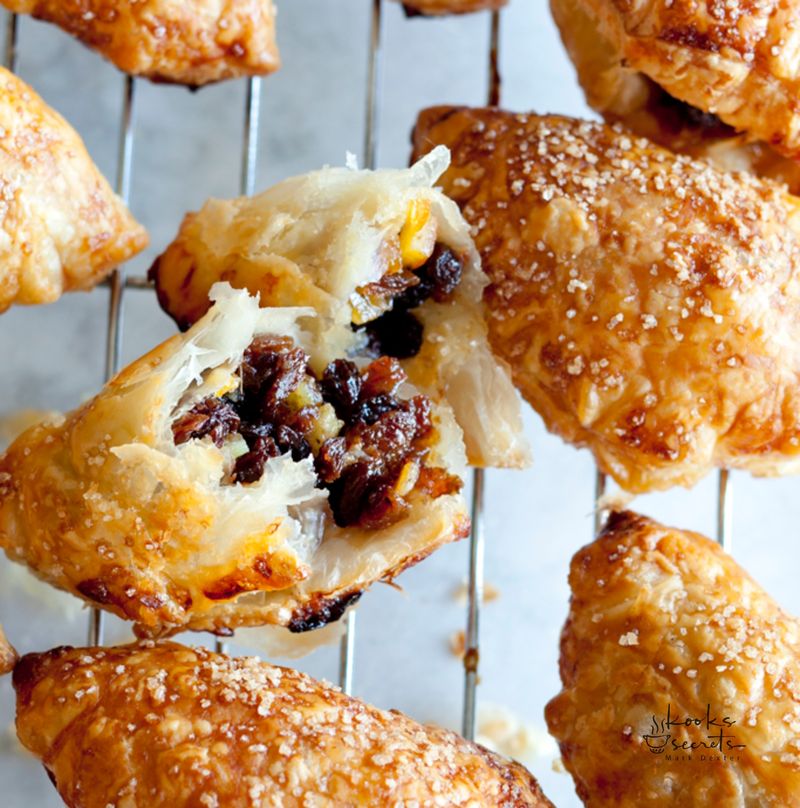
Banbury cakes have been baked in the Oxfordshire market town of Banbury since at least 1586, making them one of England's oldest documented sweet pastries. Oval-shaped and made with flaky pastry, they are filled with a spiced mixture of currants, mixed peel, and warming spices like nutmeg and cinnamon.
They look a little like Eccles cakes but carry a distinctly richer, more complex flavor. A small number of shops in Banbury still sell them, keeping this ancient recipe alive one delicious pastry at a time.
10. Maids of Honour
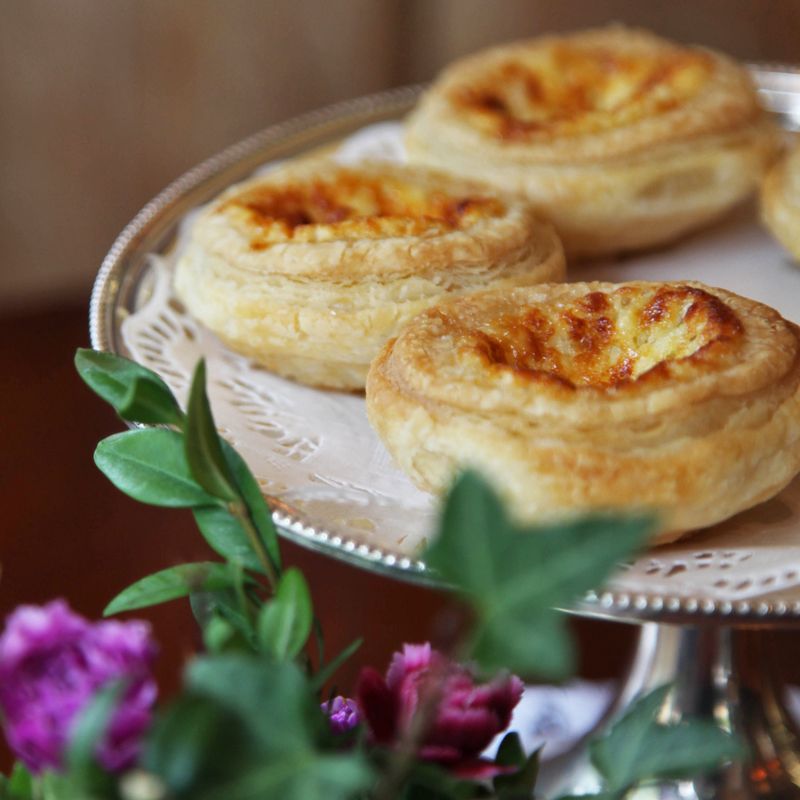
Legend has it that King Henry VIII named these little tarts after spotting Anne Boleyn and her maids eating them at Richmond Palace. Whether that story is true or not, Maids of Honour have been a Richmond specialty for hundreds of years.
These small, round tarts are filled with a tangy, slightly sweet mixture of curd cheese, almonds, and lemon. The Original Maids of Honour shop in Kew still bakes them using a recipe that has supposedly never changed.
Quirky history, brilliant flavor.
11. Cornish Heavy Cake
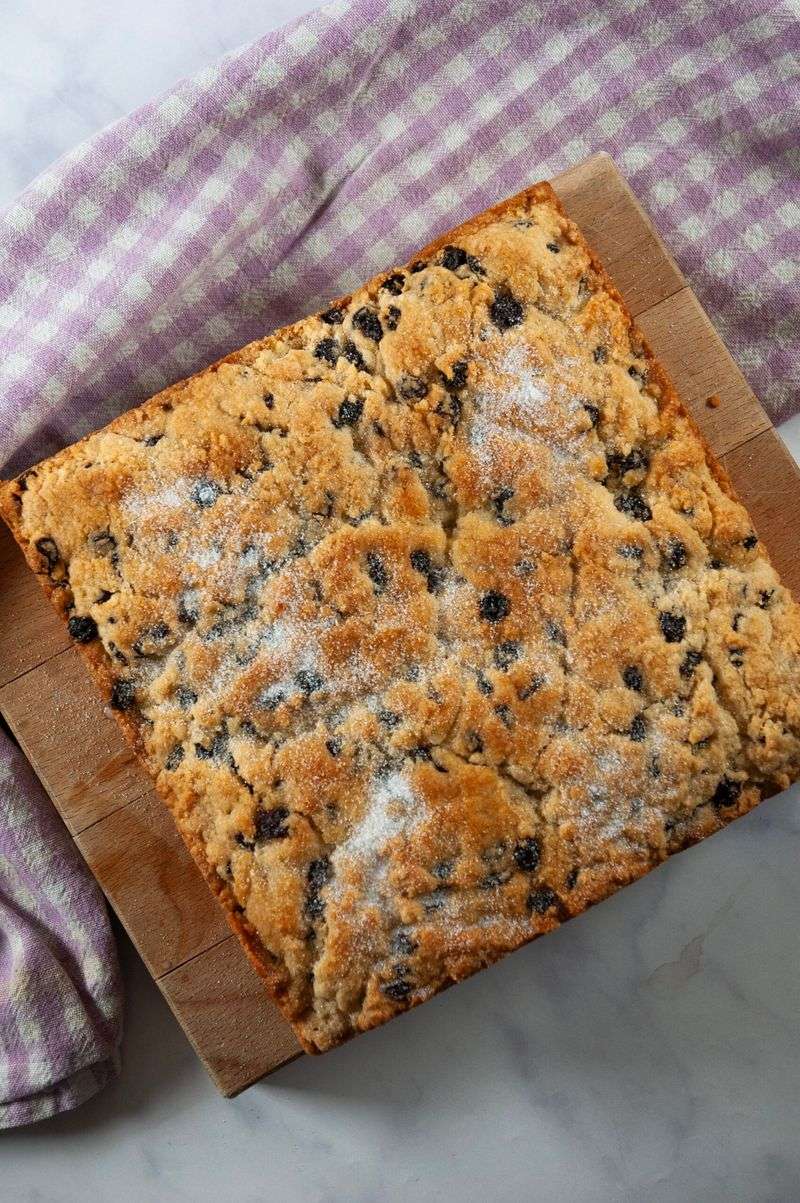
Despite the name, Cornish heavy cake is not about being dense or stodgy. The word heavy comes from the Cornish dialect, and this flat, fruited slab has been a staple of Cornish bakeries for generations.
Made with lard-enriched dough, currants, and mixed peel, it is hearty and deeply satisfying.
Fishermen and miners used to carry it as a portable snack during long working days. That practical origin gives it a rugged, no-nonsense character that modern artisan bakeries in Cornwall are now proudly celebrating again.
12. Sly Cake
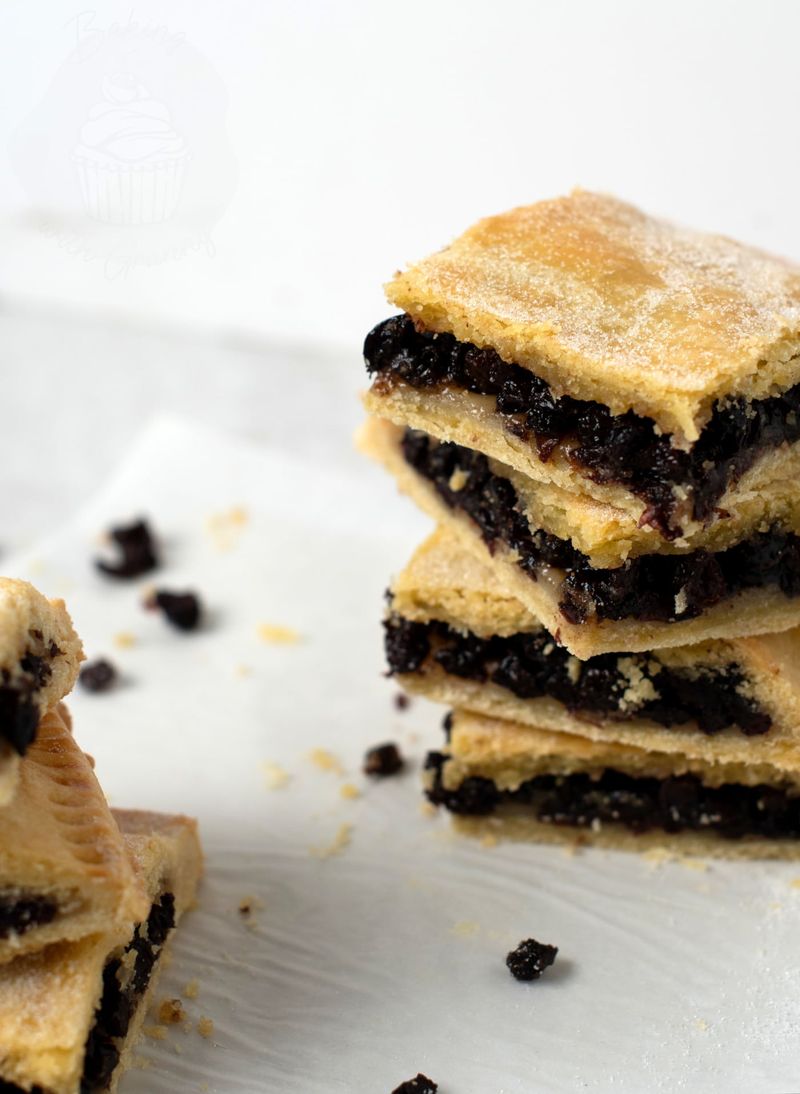
You might walk right past a sly cake without knowing what it is, which would be a real shame. This Cumbrian specialty hides a rich filling of dried fruit, brown sugar, and sometimes treacle between two layers of short pastry, giving it a deceptively simple appearance.
The name supposedly comes from the idea that the filling is hidden, or sly, inside the pastry shell. Cut into squares and served at room temperature, it has a deep, molasses-like sweetness that feels wonderfully old-fashioned and completely satisfying.
13. Singing Hinnies
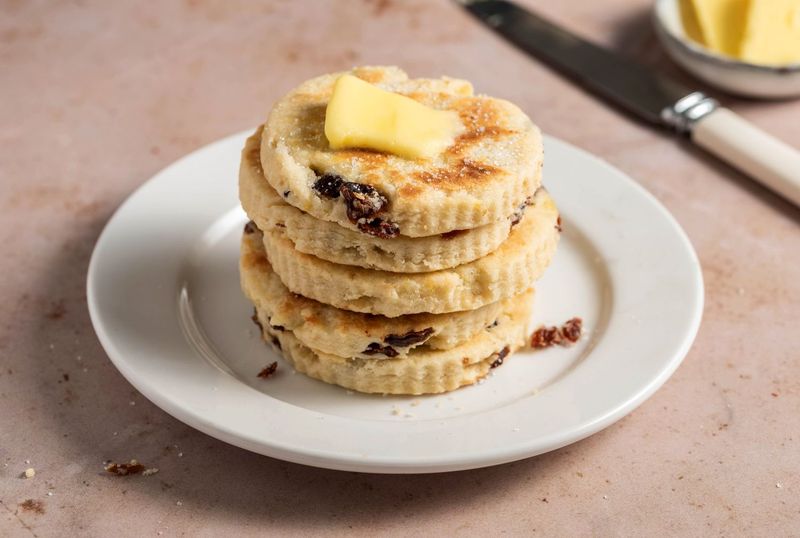
The name alone should spark curiosity. Singing hinnies get their quirky title from the sizzling sound they make as they cook on a hot griddle, combined with a term of endearment common in the North East of England.
These griddle cakes from Northumberland are made with flour, lard, butter, and currants.
They puff up slightly as they cook and develop a beautiful golden crust. Split open while warm and spread with butter, they are the kind of regional treat that locals grow up loving and outsiders rarely discover.
14. Black Bun
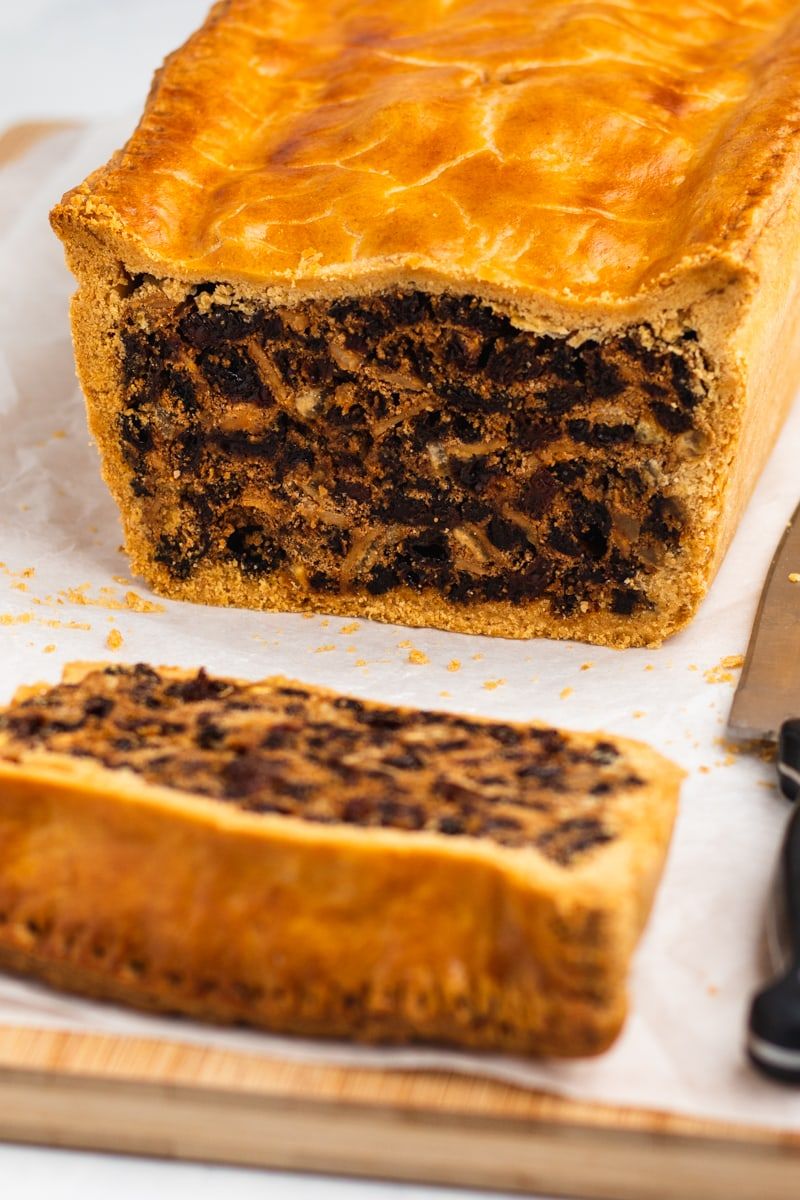
Black bun looks intimidating from the outside, but slice into it and you will find a treasure trove of spiced dried fruit. This Scottish specialty is essentially a very dense, dark fruitcake baked inside a thin shortcrust pastry shell, traditionally made for Hogmanay, Scotland's New Year celebration.
Packed with raisins, currants, almonds, and warming spices like ginger and allspice, it is intensely flavored and deeply aromatic. First-footers in Scotland used to bring it as a gift for good luck.
That tradition makes every bite feel meaningful.
15. Wet Nelly
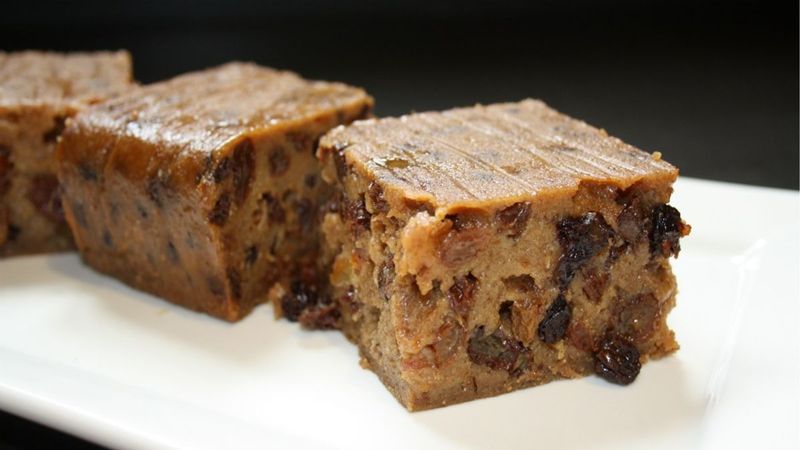
Wet Nelly is a Liverpool legend with a wonderfully eccentric name and an equally interesting backstory. Made from leftover stale bread soaked in water, mixed with sugar, spice, and dried fruit, then baked until golden, it was born out of pure resourcefulness during tough economic times.
Bakeries along the docks used to make it to use up unsold bread, and Liverpudlians grew to love it. Modern versions are richer and more refined, but the spirit of thrifty, creative baking remains at the heart of every slice.

Comments
No Comments