













Getting enough Vitamin C doesn't have to mean reaching for a bottle of supplements. Nature has packed some of the most delicious tropical fruits full of this powerful nutrient, and many of them contain far more Vitamin C than an orange.
From tangy to sweet, these fruits are as exciting to eat as they are good for your health. Read on to discover 16 tropical fruits that can seriously boost your daily Vitamin C intake.
1. Guava
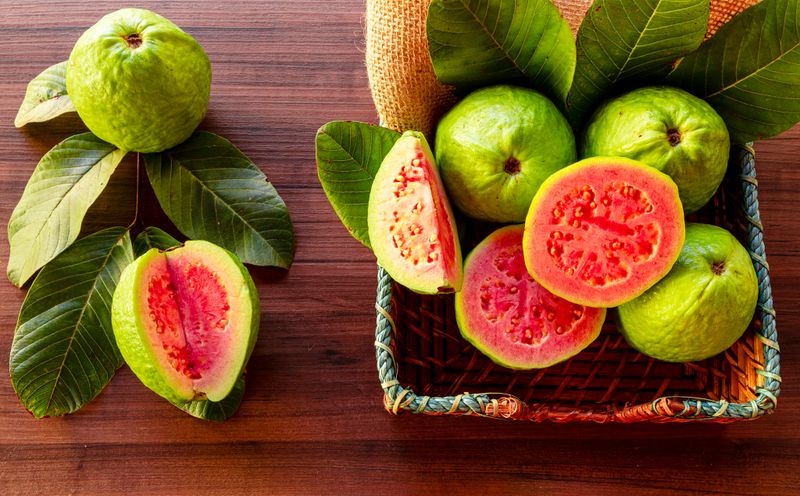
Guava quietly holds one of the most impressive Vitamin C records in the fruit world. A single guava can pack over 200 mg of Vitamin C, which is more than double what you'd get from an orange.
That's seriously impressive for a fruit that fits in the palm of your hand.
You can eat it raw, blend it into smoothies, or stir it into yogurt. The skin is edible too, and that's where a lot of the nutrients hide, so don't peel it away!
2. Kiwi
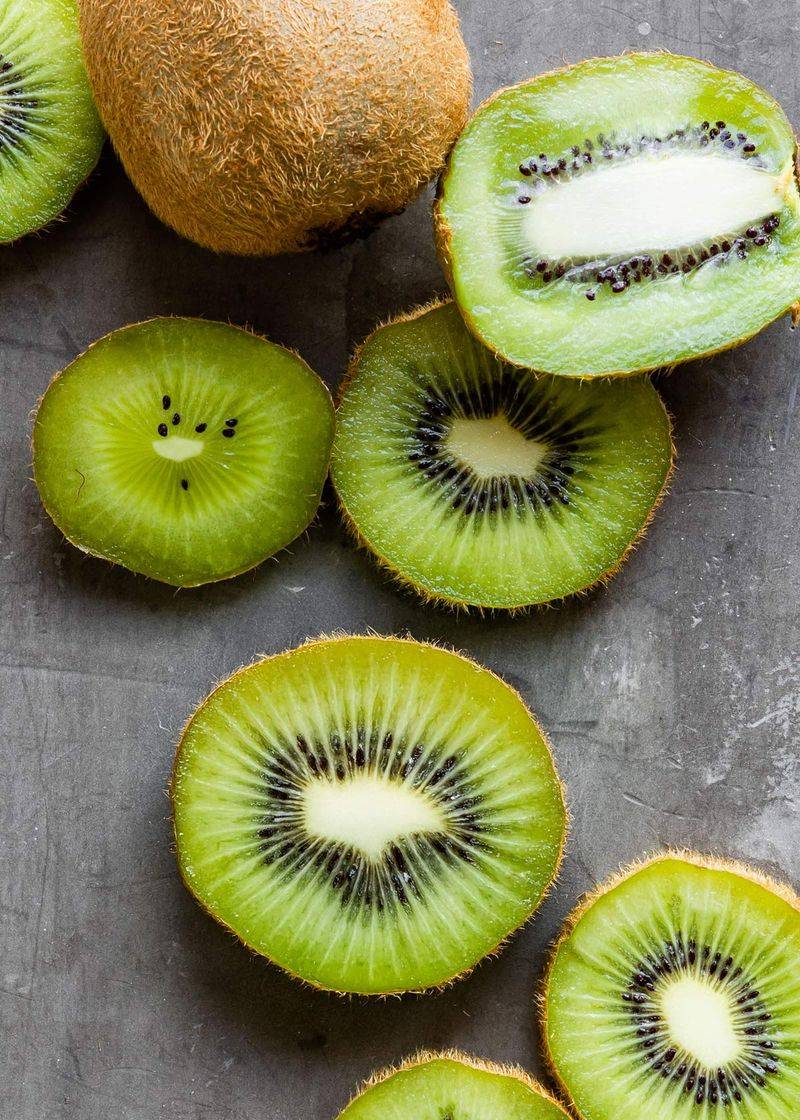
Don't let its small size fool you — kiwi is a nutritional powerhouse hiding under that fuzzy brown skin. One medium kiwi delivers around 70 mg of Vitamin C, making it one of the most efficient fruit sources available anywhere in the world.
Kiwi also contains Vitamin K and potassium, so you're getting a full package of goodness. Slice it into fruit salads or scoop it straight from the skin with a spoon for a quick, refreshing snack.
3. Papaya
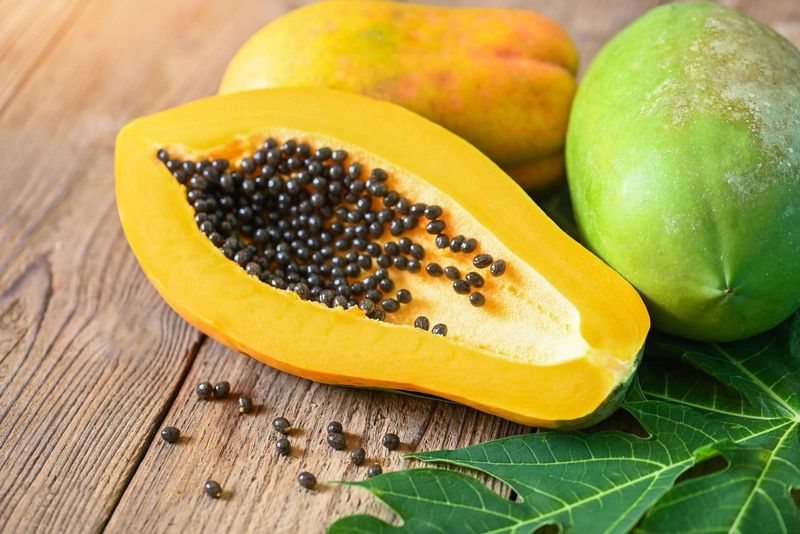
Papaya has a buttery, melt-in-your-mouth texture that feels almost indulgent, yet it's loaded with goodness. One cup of papaya provides roughly 88 mg of Vitamin C, along with digestive enzymes that help your gut work more smoothly after meals.
This tropical fruit is especially popular in Southeast Asia and Central America, where it grows abundantly year-round. Try it with a squeeze of lime juice and a pinch of chili powder for a flavor combination that's absolutely unforgettable.
4. Pineapple

Few fruits say "tropical" quite like pineapple, and it earns its place on this list with about 79 mg of Vitamin C per cup. Beyond the vitamin boost, pineapple contains bromelain, a unique enzyme known for reducing inflammation and supporting digestion.
Fresh pineapple beats canned every time when it comes to nutrient content. Grill thick slices for a caramelized dessert, blend them into a smoothie, or toss chunks into a spicy salsa for a sweet heat combination worth trying.
5. Mango
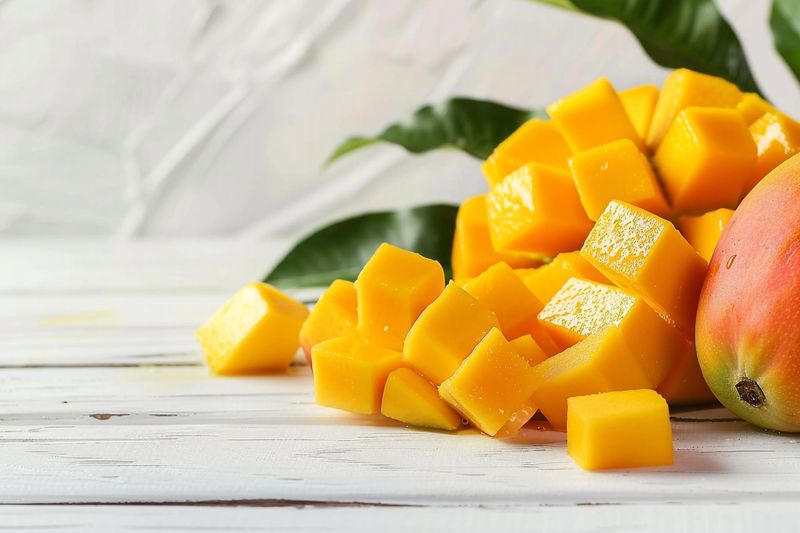
Known as the "King of Fruits" across much of Asia and the Caribbean, mango brings bold sweetness and serious nutrition to the table. One cup of mango delivers around 60 mg of Vitamin C, plus a healthy dose of Vitamin A for eye health.
Ripe mango is spectacular on its own, but it also works beautifully in chutneys, smoothies, and even savory dishes like mango salsa. Look for mangoes that yield slightly when pressed — that's how you know they're perfectly ripe.
6. Passion Fruit
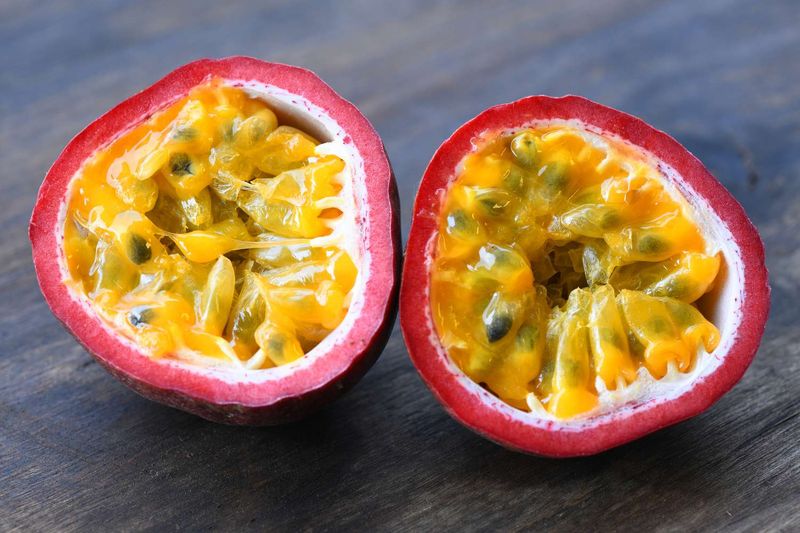
Crack open a passion fruit and you'll find a tangy, perfumed pulp that's absolutely bursting with flavor. Despite its small size, passion fruit offers around 30 mg of Vitamin C per fruit, along with dietary fiber that keeps your digestive system happy and balanced.
The seeds are fully edible and add a satisfying crunch to every bite. Scoop the pulp over ice cream, stir it into salad dressings, or mix it into sparkling water for a refreshing tropical drink that feels like a mini vacation.
7. Lychee
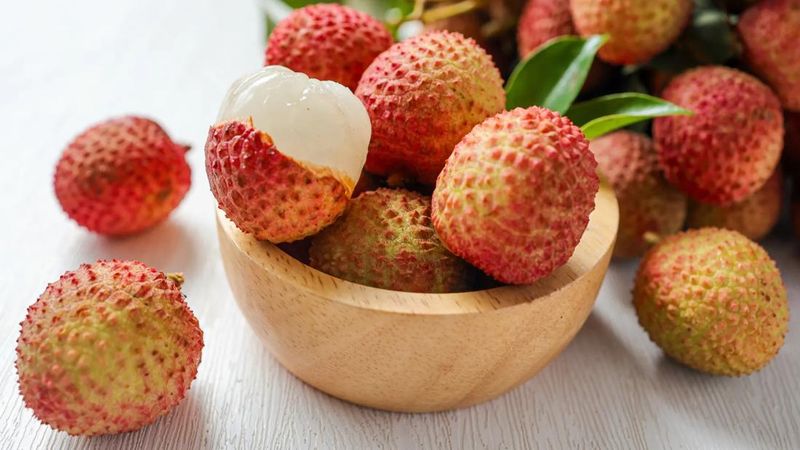
Lychee looks like a tiny jewel and tastes like floral sweetness wrapped in juicy flesh. A single cup of lychees provides an impressive 136 mg of Vitamin C, which puts it firmly among the top tropical Vitamin C sources available in most supermarkets.
Originally from southern China, lychee has spread across tropical regions worldwide. It's best eaten fresh, straight from the shell, but it also pairs beautifully with coconut milk in desserts or with ginger in a chilled summer drink.
8. Star Fruit (Carambola)
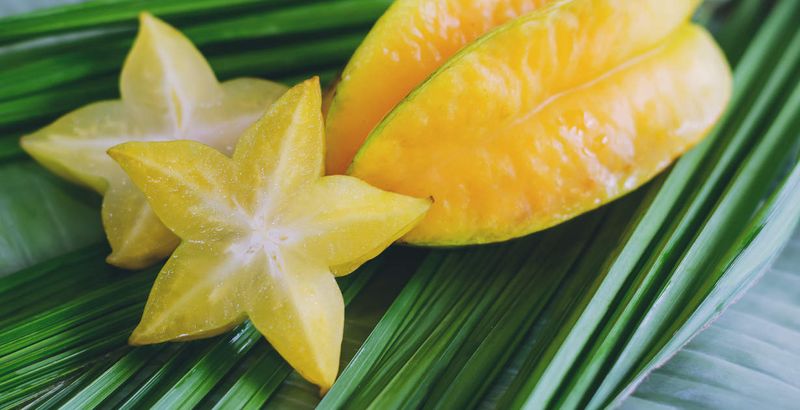
Slice a carambola and you get perfect little stars — which makes it one of the most visually striking fruits to serve at any table. Beyond its good looks, star fruit delivers around 35 mg of Vitamin C per cup, along with antioxidants that help protect cells from everyday damage.
The flavor is a mix of apple, pear, and citrus — mildly sweet with a slight tang. Eat it fresh, add it to fruit platters, or use it as a garnish that genuinely impresses guests every time.
9. Dragon Fruit
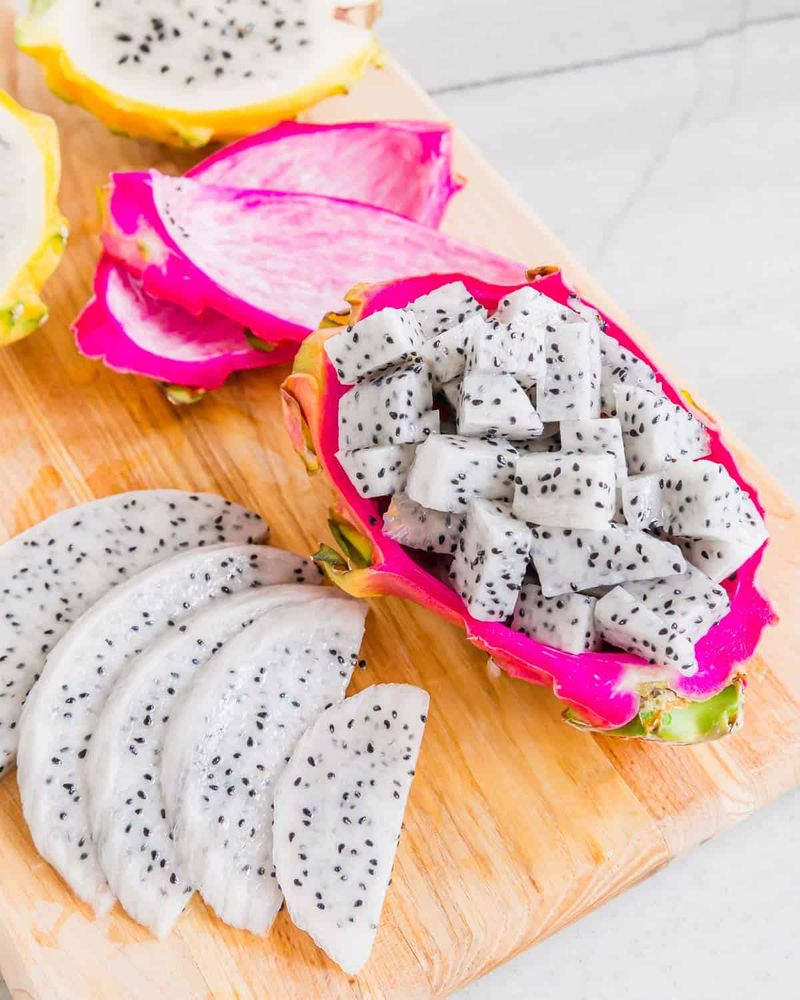
Dragon fruit looks like something out of a fantasy novel, with its hot-pink skin and speckled white interior. It contains around 20 mg of Vitamin C per 100 grams, and its mild, slightly sweet flavor makes it one of the easiest exotic fruits to enjoy for first-timers.
Rich in antioxidants and prebiotics, dragon fruit supports both immunity and gut health. Cube it into smoothie bowls, blend it into a vivid pink smoothie, or simply scoop it out and eat it chilled on a warm afternoon.
10. Jackfruit
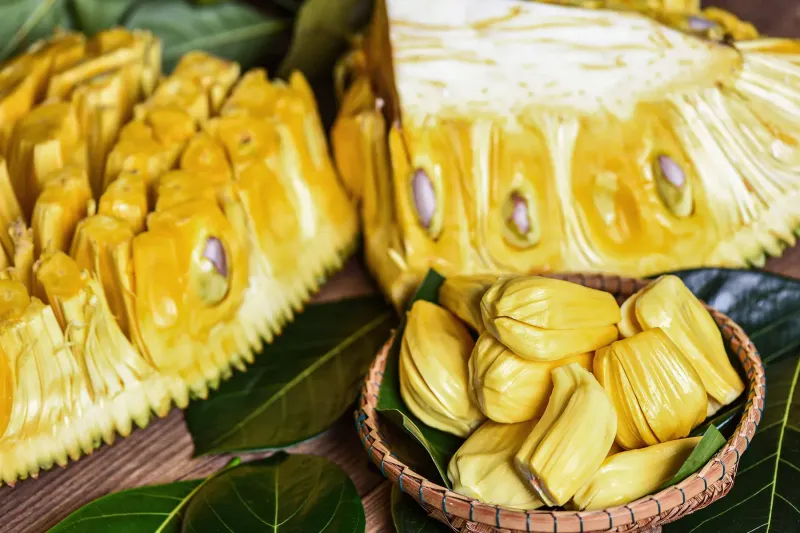
Jackfruit holds the record as the world's largest tree fruit, and it delivers a surprising amount of Vitamin C — roughly 23 mg per 100 grams. Its sweet, fibrous flesh has a flavor that some compare to a mix of banana, mango, and pineapple all rolled into one bite.
Young jackfruit is widely used as a meat substitute in savory cooking, while ripe jackfruit shines in desserts and tropical fruit bowls. It's versatile, filling, and genuinely fun to explore in the kitchen.
11. Soursop (Graviola)
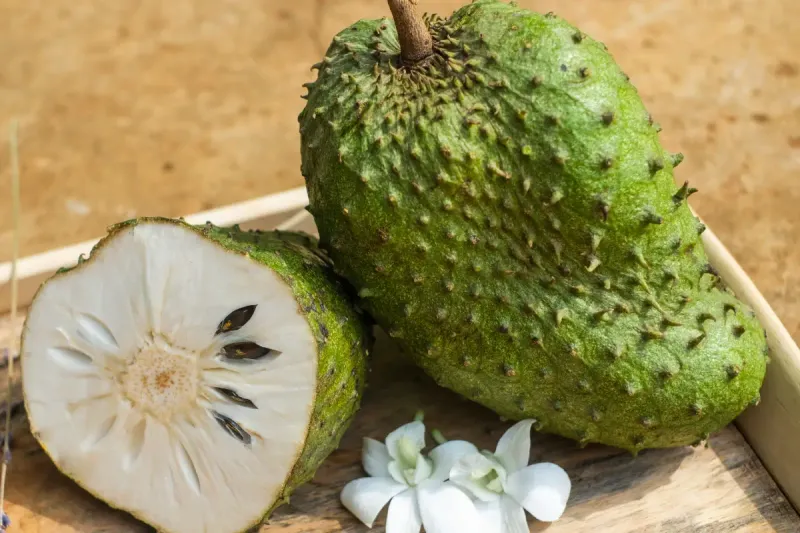
Soursop has a flavor that tastes like a dreamy mashup of strawberry, coconut, and pineapple, making it one of the most unique fruits on this list. It provides around 20 mg of Vitamin C per 100 grams, and its creamy white pulp is rich in B vitamins and magnesium too.
Popular in the Caribbean, Latin America, and West Africa, soursop is often blended into juice or ice cream. Its seeds are not edible, so remove them before eating, and enjoy the pulp fresh or frozen for a cool tropical treat.
12. Acerola Cherry
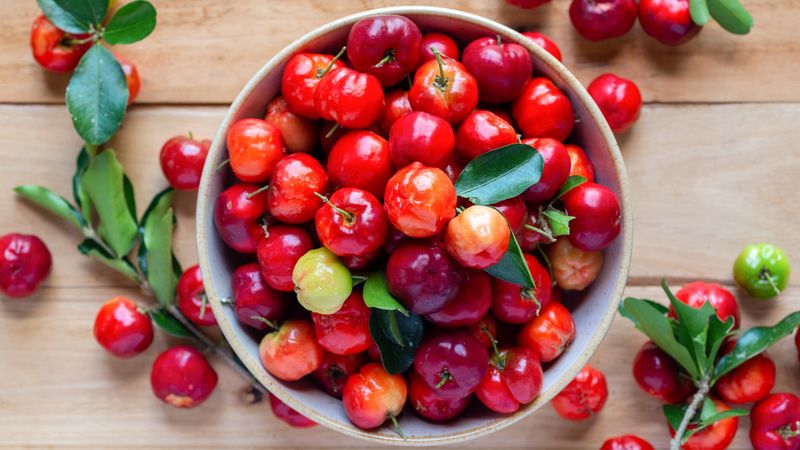
Acerola cherry might be tiny, but its Vitamin C content is absolutely staggering. Just 100 grams of acerola provides up to 1,677 mg of Vitamin C — making it one of the single richest natural sources of this vitamin found anywhere on Earth.
These bright red cherries are native to the Caribbean and tropical Americas. They're tart and juicy fresh, but are most commonly found as juice, powder, or supplements.
Even a small amount added to a smoothie can dramatically increase your daily Vitamin C intake.
13. Banana Passion Fruit (Curuba)
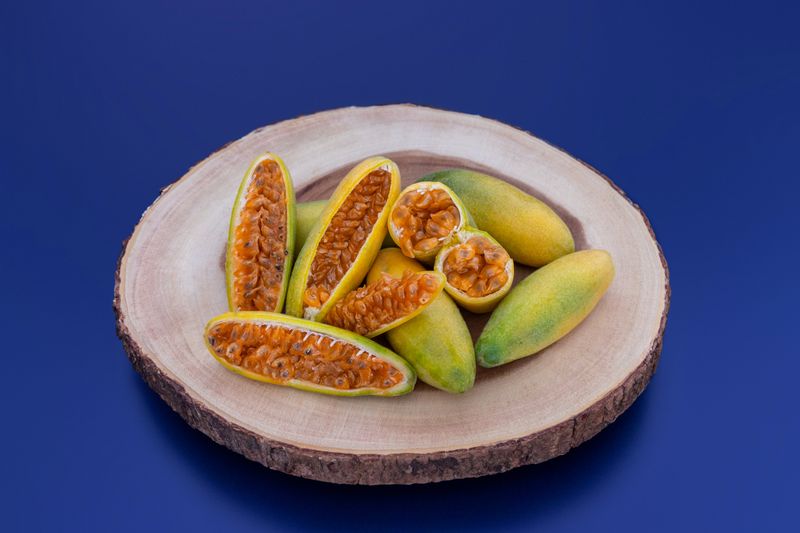
Curuba looks like a small, elongated passion fruit and carries a similarly bold, tangy flavor. Grown mainly in the Andean regions of South America, it offers a good dose of Vitamin C alongside antioxidants and calming compounds that some cultures traditionally use to ease stress and anxiety.
Its pulp works wonderfully blended into drinks called "jugo de curuba," which are popular in Colombia and Ecuador. If you spot this rare fruit at a specialty market, grab it — it's a tropical gem worth discovering.
14. Longan
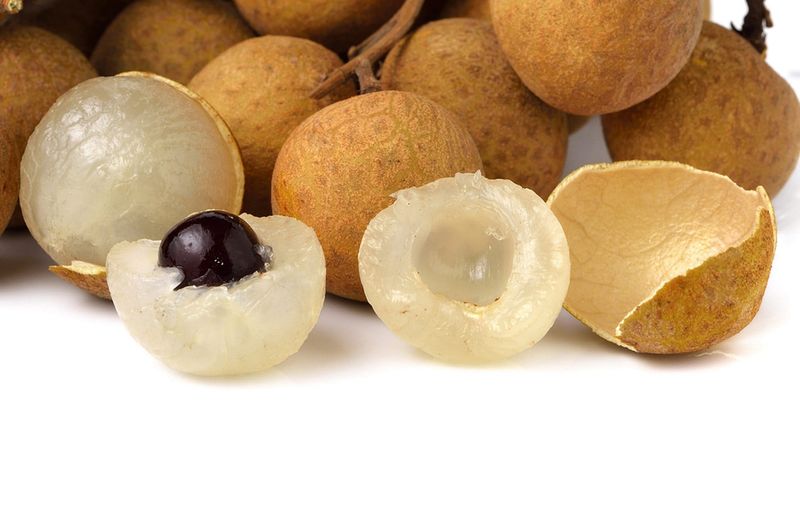
Longan, sometimes called the "Dragon Eye" fruit, is a close relative of lychee with a similarly sweet, floral taste. It provides around 84 mg of Vitamin C per 100 grams, making it a surprisingly powerful source for such a delicate-looking fruit.
Widely enjoyed across Southeast Asia, longan is eaten fresh, dried, or canned in syrup. The fresh version is far superior in both flavor and nutrition.
Pop one open, remove the seed, and enjoy the juicy white flesh as a light and energizing snack.
15. Rambutan
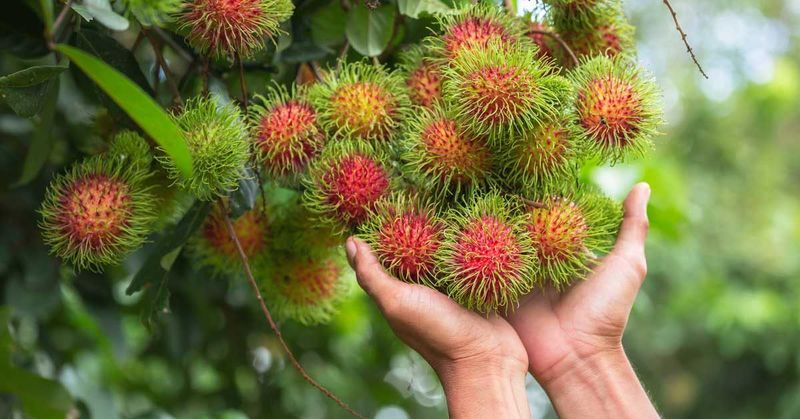
Rambutan's wild red spikes make it look like something from another planet, but inside hides a soft, sweet, lychee-like flesh that's genuinely addictive. Each fruit offers about 4.9 mg of Vitamin C, and eating a generous handful quickly adds up to a meaningful daily contribution.
Native to Southeast Asia, rambutan is now grown across tropical regions from Thailand to Colombia. Squeeze the skin gently to crack it open, peel it back, and eat the white flesh fresh.
It's refreshing, slightly sweet, and endlessly snackable on a hot day.
16. Camu Camu
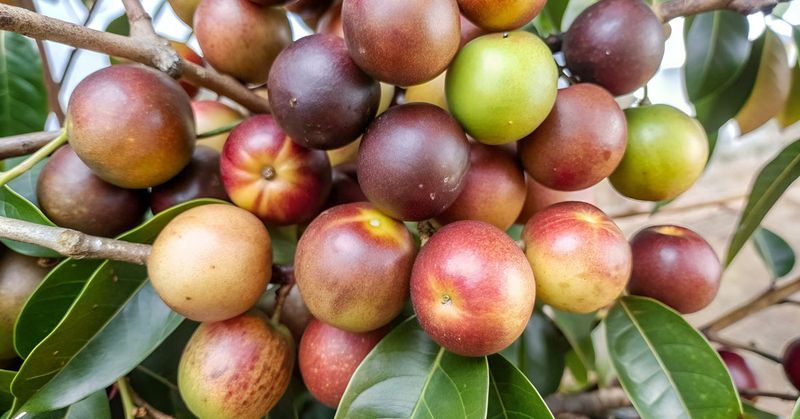
Camu camu grows wild along the riverbanks of the Amazon rainforest, and it packs an extraordinary Vitamin C punch — up to 2,800 mg per 100 grams in some measurements. That makes it arguably the most concentrated natural source of Vitamin C found anywhere in the world.
The berries are intensely sour and rarely eaten raw, but camu camu powder is easy to find in health food stores. Just half a teaspoon blended into a smoothie or stirred into juice can give your immune system a truly remarkable daily boost.




Comments
No Comments