













Britain has a long and delicious history of puddings, pies, and sweet treats that once graced every kitchen table. Over the years, many of these beloved desserts quietly faded away, replaced by trendy imports and fancy pastry shop creations.
But these old-school sweets are far too good to stay forgotten. From steamed sponges to wobbling jellies, here are 22 classic British desserts that absolutely deserve a place in today's menus.
1. Spotted Dick
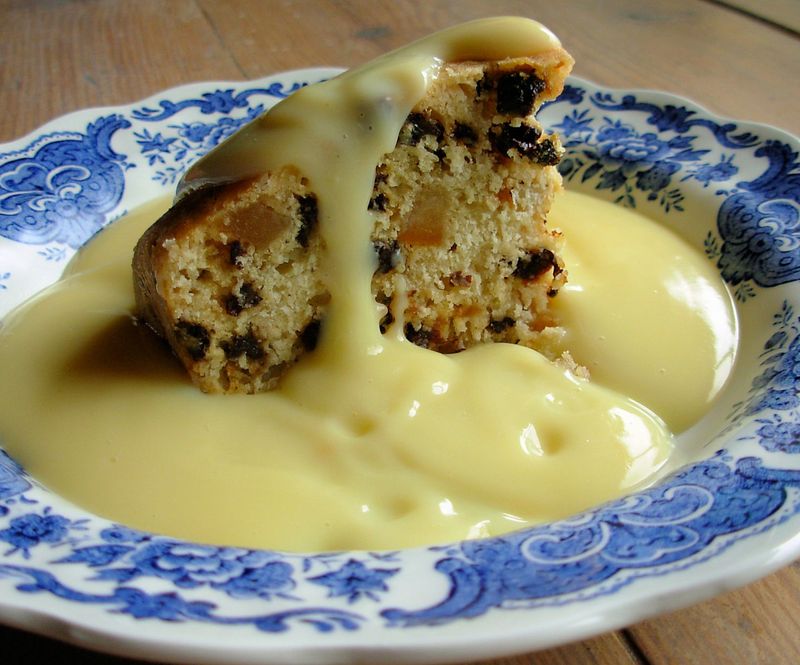
Few desserts have a name as memorable as this one. Spotted Dick is a classic British steamed suet pudding loaded with dried currants or raisins, giving it those famous dark "spots." It has a dense, satisfying texture that pairs perfectly with warm vanilla custard.
Dating back to the 1800s, this pudding was a staple in British households and school canteens. Bring it back with a twist by swapping currants for dark chocolate chips for a modern upgrade.
2. Treacle Tart
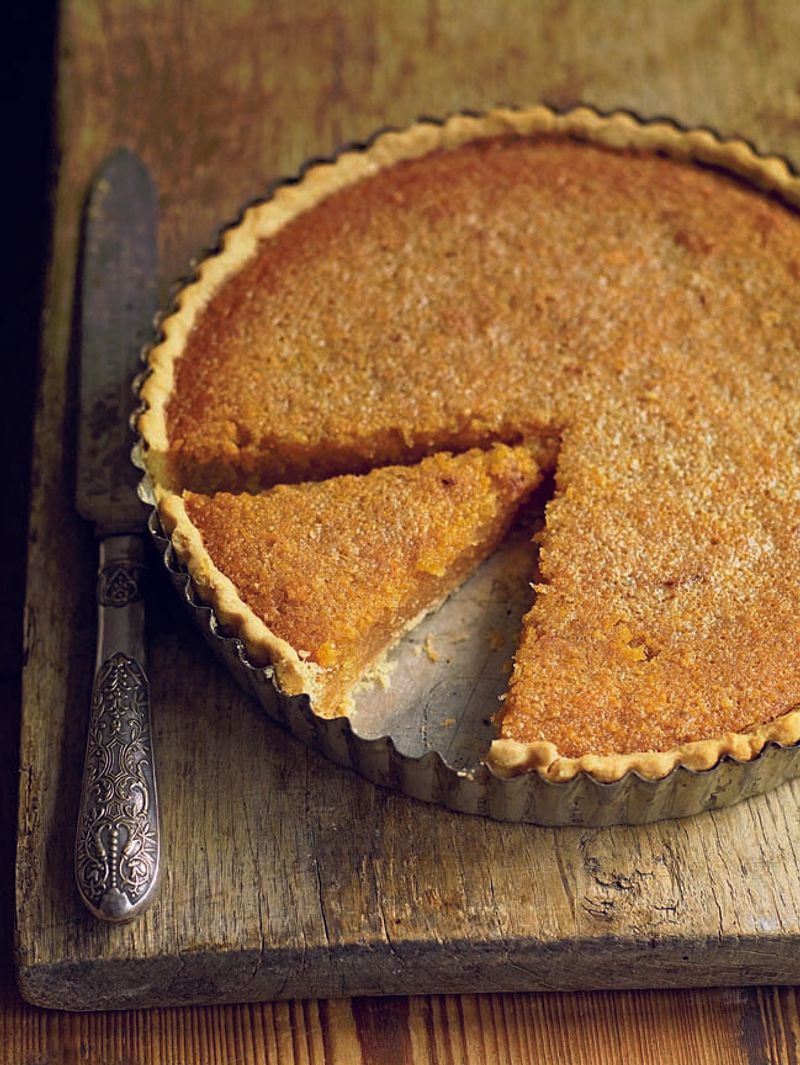
Harry Potter fans may recognize this one as the fictional wizard's favourite sweet. Treacle tart is made with golden syrup, breadcrumbs, and a squeeze of lemon juice baked into a buttery shortcrust pastry shell.
The result is wonderfully sticky, sweet, and deeply satisfying.
It is surprisingly simple to make at home, which makes it perfect for a weekend baking project. Serve it warm with a spoonful of clotted cream or a scoop of vanilla ice cream.
3. Jam Roly-Poly
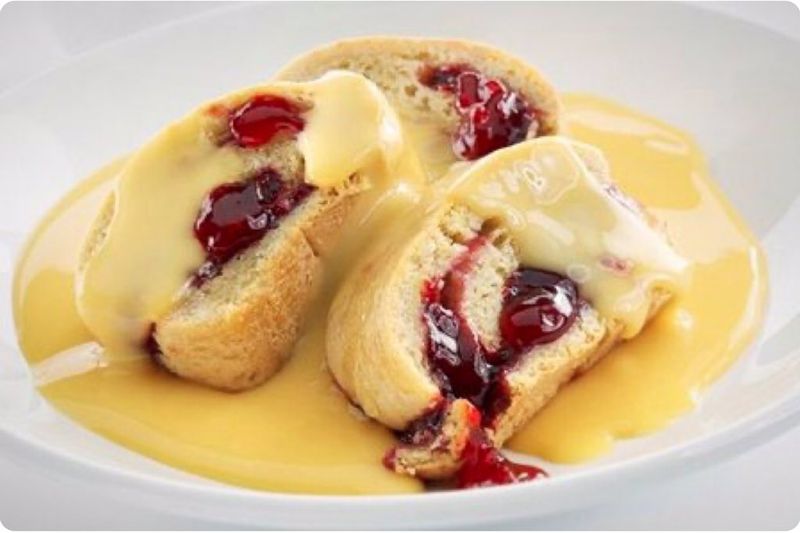
Sometimes called "Dead Man's Arm" by cheeky British schoolchildren, jam roly-poly is a rolled suet pudding spread with sweet jam and then steamed or baked until soft and pillowy. The jam swirls through every slice like a delicious spiral of fruity goodness.
It is the kind of dessert that feels like a warm hug on a cold day. Try it with raspberry or apricot jam instead of the classic strawberry for a slightly more grown-up flavour profile.
4. Cabinet Pudding
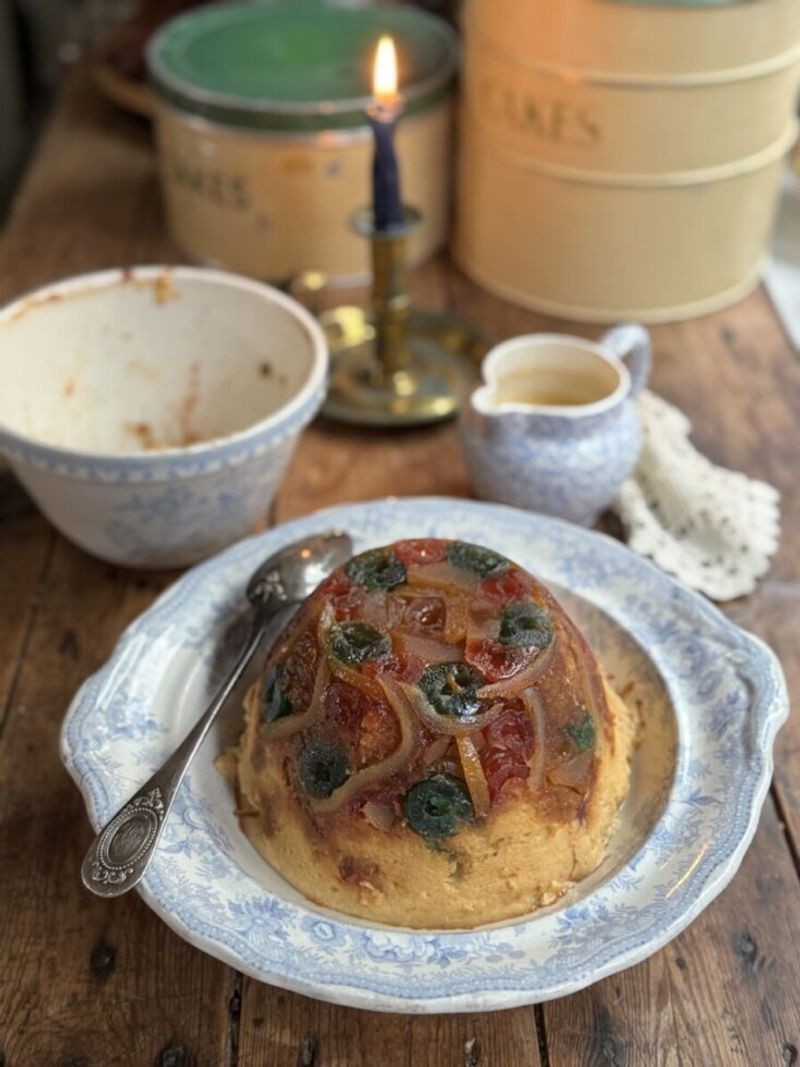
Cabinet pudding sounds like something from a Victorian banquet, and honestly, it kind of is. This elegant steamed dessert layers sponge fingers or stale bread with dried fruit and a silky egg custard, then steams it until set into a beautiful domed shape.
When turned out onto a plate, it looks genuinely impressive with very little effort. A light caramel sauce or a splash of brandy poured over the top brings it firmly into modern dinner party territory.
5. Blancmange
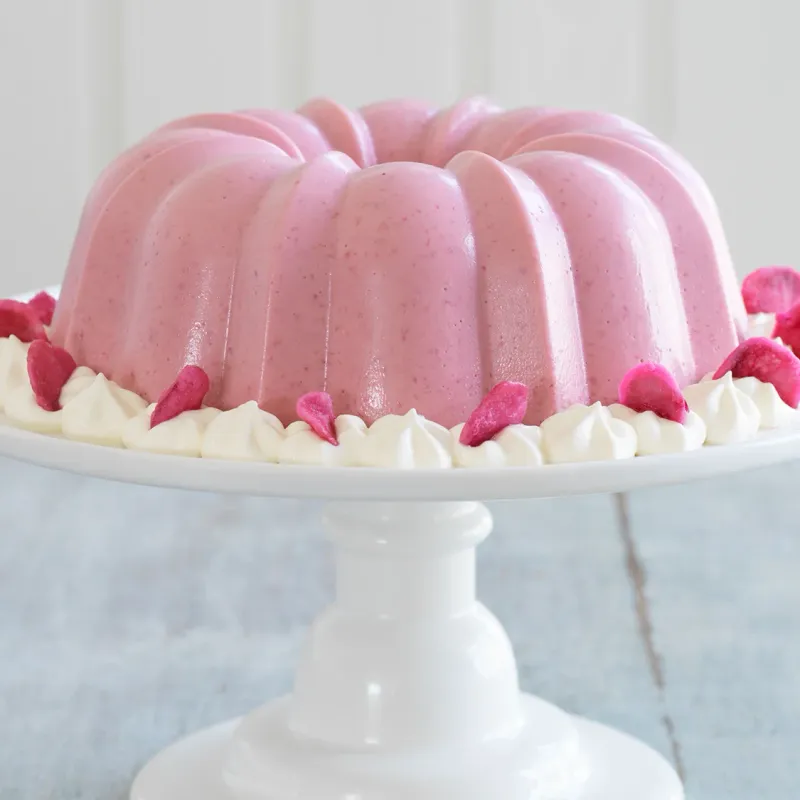
Blancmange had its heyday in the 1970s when brightly coloured wobbly desserts ruled British dining tables. Made from sweetened milk thickened with cornstarch or gelatin and flavoured with almonds, vanilla, or fruit, it has a smooth, creamy texture that melts on the tongue.
Modern pastry chefs are already reviving it with natural flavourings like rosewater, matcha, or lavender. It is visually stunning, easy to prepare in advance, and utterly charming when served in vintage-style moulds.
6. Brown Betty
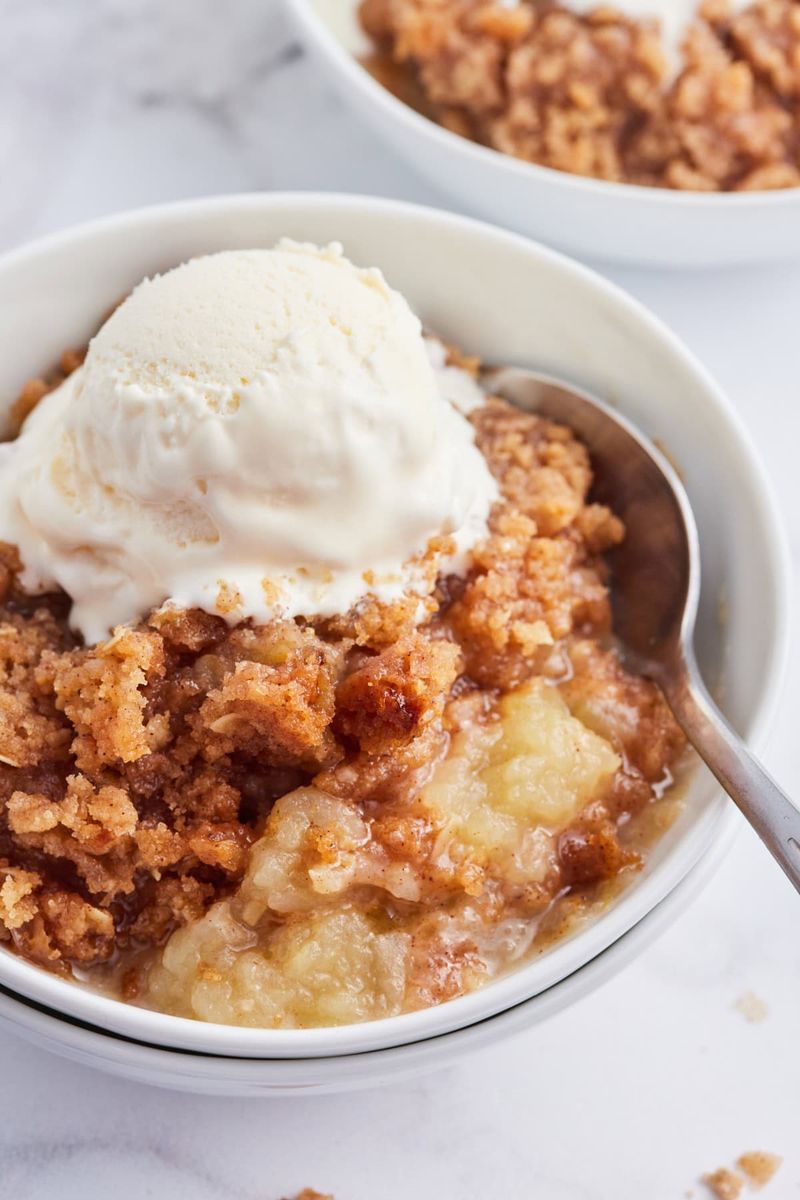
Not as well-known as apple crumble, but arguably just as comforting, Brown Betty is a layered baked pudding made with sweetened spiced fruit and buttered breadcrumbs. The crumbs soak up all the fruit juices while baking, creating a caramelised, crunchy topping and soft fruity base.
Rhubarb, pear, or a mix of autumn berries work beautifully in place of apple. It is budget-friendly, uses up stale bread, and tastes like something your grandmother would make on a Sunday afternoon.
7. Syllabub
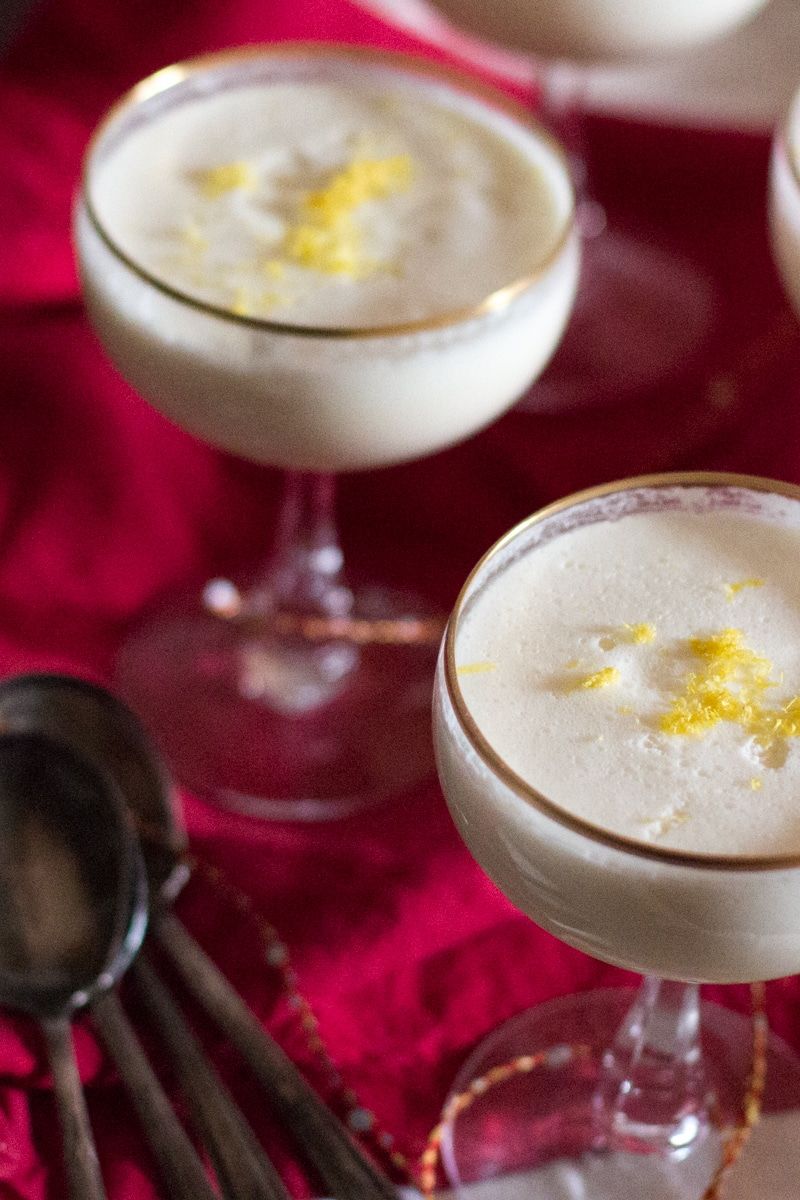
Syllabub is one of Britain's oldest desserts, dating back to the 16th century when it was made by squirting warm milk directly from a cow into a bowl of wine or cider. The frothy mixture that formed was sweetened and served as a festive treat at celebrations.
Today's version is far more refined: lightly whipped cream folded with wine, lemon juice, and sugar. It is light, airy, and takes under ten minutes to make, making it a brilliant no-fuss dinner party dessert.
8. Steamed Ginger Pudding
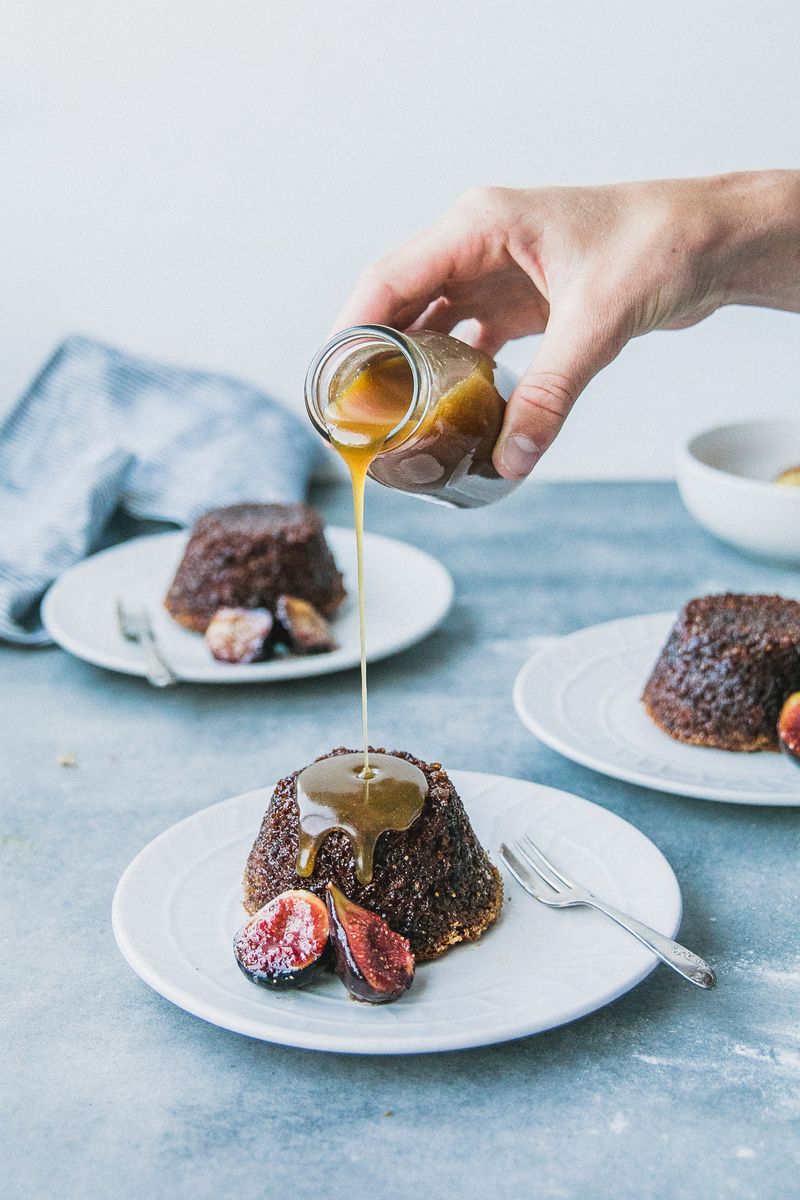
There is something almost magical about a steamed pudding. Steamed ginger pudding is warmly spiced with ground ginger and stem ginger pieces, producing a deeply fragrant, sticky sponge with a tender crumb that soaks up sauce like a dream.
Paired with a buttery toffee sauce or a cool scoop of ginger ice cream, it becomes one of the most satisfying cold-weather desserts imaginable. It can be made ahead and reheated, which makes it ideal for stress-free entertaining during the winter months.
9. Flummery
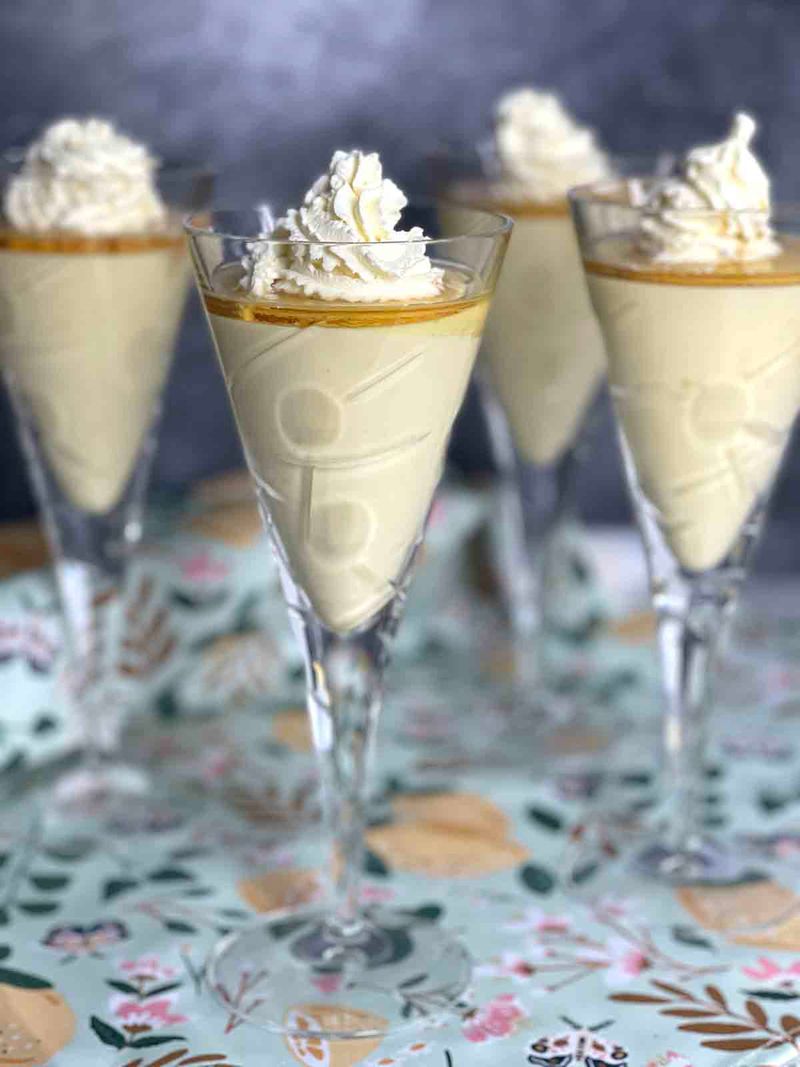
Flummery is one of those wonderfully odd British dessert names that sounds made up but has a very real and ancient history. Originally a Welsh and English dish made from soaked oats, it evolved over centuries into a sweet, creamy set dessert flavoured with almonds, cream, and honey.
Its silky texture sits somewhere between panna cotta and rice pudding. With the current trend for oat-based and wholesome foods, flummery is perfectly positioned for a stylish, health-conscious revival on modern menus.
10. Gooseberry Fool
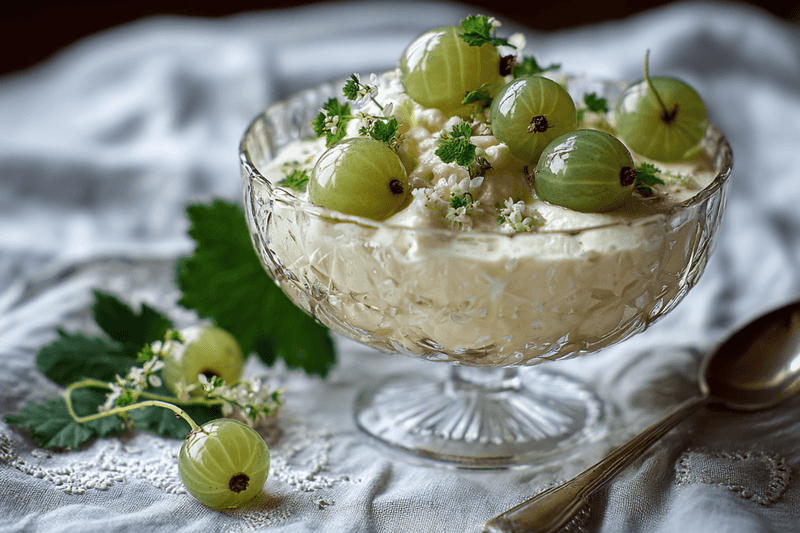
Sharp, tangy, and wonderfully refreshing, gooseberry fool is a quintessentially British summer dessert that has been made since at least the 16th century. Stewed gooseberries are folded through thick whipped cream to create a light, mousse-like pudding with a beautiful pale green hue.
The tartness of the gooseberry cuts through the richness of the cream in the most pleasing way. Adding a splash of elderflower cordial to the mix gives this old favourite a fragrant, contemporary twist that feels right at home in any modern kitchen.
11. Bread and Butter Pudding
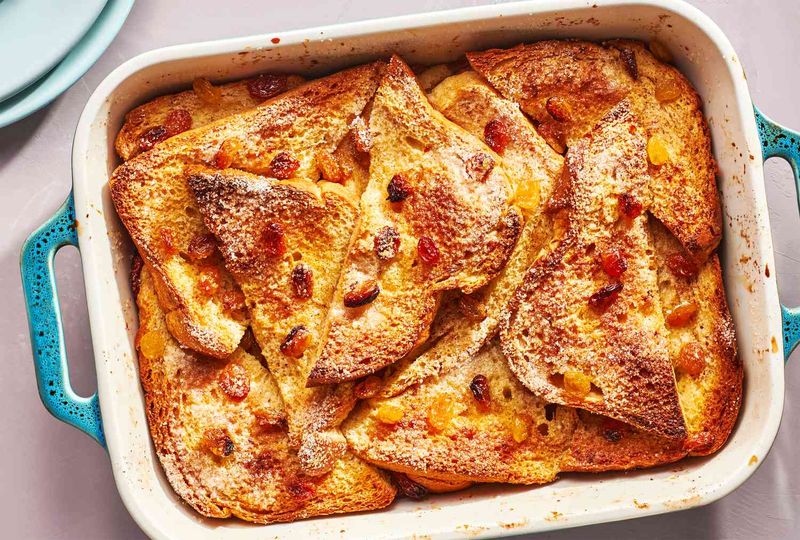
Bread and butter pudding is the ultimate British comfort food made from something as humble as leftover bread. Slices of buttered bread are layered in a dish, scattered with raisins or sultanas, soaked in a rich egg custard, and baked until puffed and golden on top.
Modern versions swap white bread for croissants, brioche, or even panettone at Christmas time. A marmalade glaze brushed over the top before baking adds a lovely bittersweet citrus note that elevates this classic beautifully.
12. Queen of Puddings
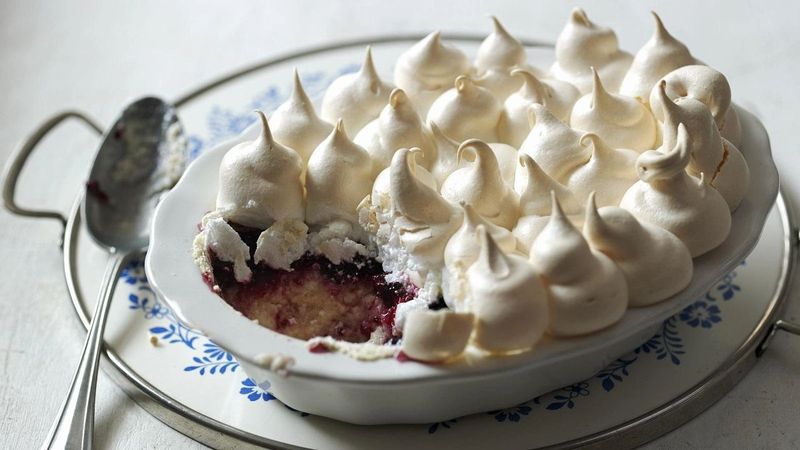
Queen of Puddings is as regal as its name suggests. A soft breadcrumb and custard base is spread with a layer of jam, then crowned with billowing meringue that is toasted to a golden peak.
The combination of textures, creamy, jammy, and crispy, is absolutely irresistible.
It was said to be a favourite of Queen Victoria herself, which explains the grand title. Swap the traditional raspberry jam for passion fruit curd or lemon marmalade to give this Victorian classic a vibrant, tropical update.
13. Burnt Cream (Cambridge Cream)
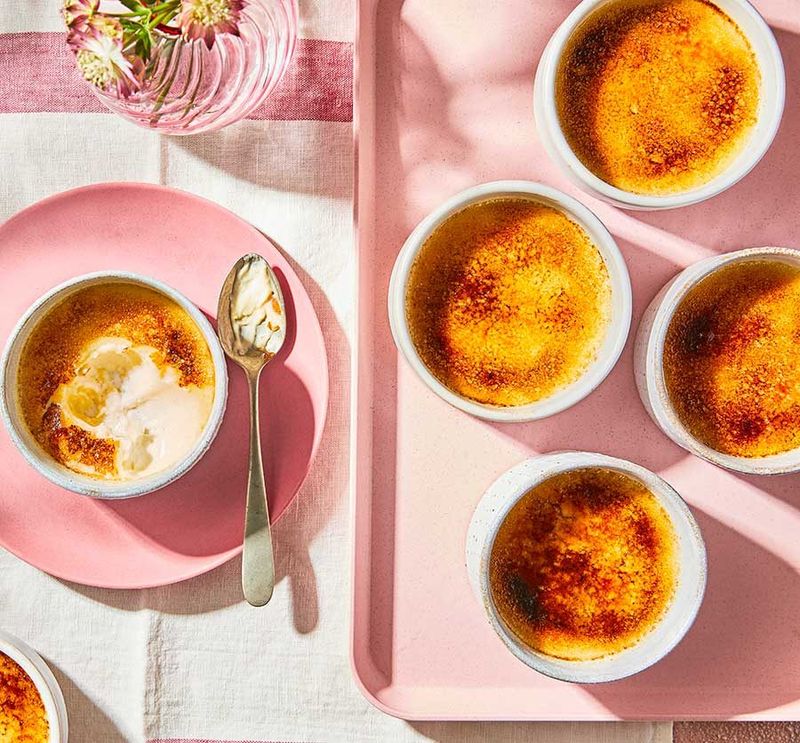
Long before the French claimed creme brulee as their own, the British were cracking sugar crusts on their own version at Trinity College, Cambridge. Known as Cambridge Burnt Cream or Trinity Cream, this rich baked custard topped with a caramelised sugar crust dates back to the 17th century.
The satisfying crack of a spoon breaking through the glassy sugar top is one of the great dessert moments. Flavour the custard with Earl Grey tea, lavender, or cardamom for a refined modern spin.
14. Clootie Dumpling
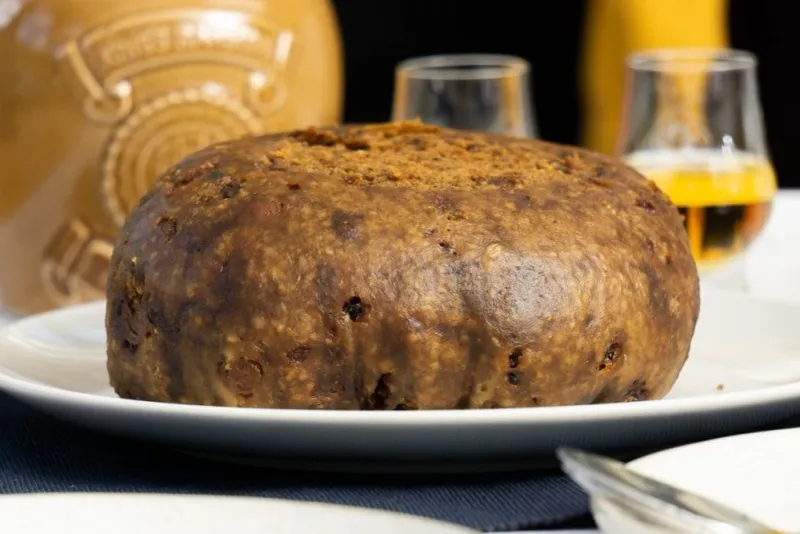
A clootie dumpling is Scotland's answer to Christmas pudding, and it is genuinely spectacular. The name comes from "cloot," the Scots word for cloth, because the pudding is wrapped in a floured cloth and simmered in water for several hours until it develops a distinctive dried skin on the outside.
Packed with dried fruit, warming spices, and treacle, it is hearty and deeply flavoured. Leftover slices are traditionally fried in butter the next morning for a breakfast that is outrageously indulgent and completely unforgettable.
15. Ratafia Pudding
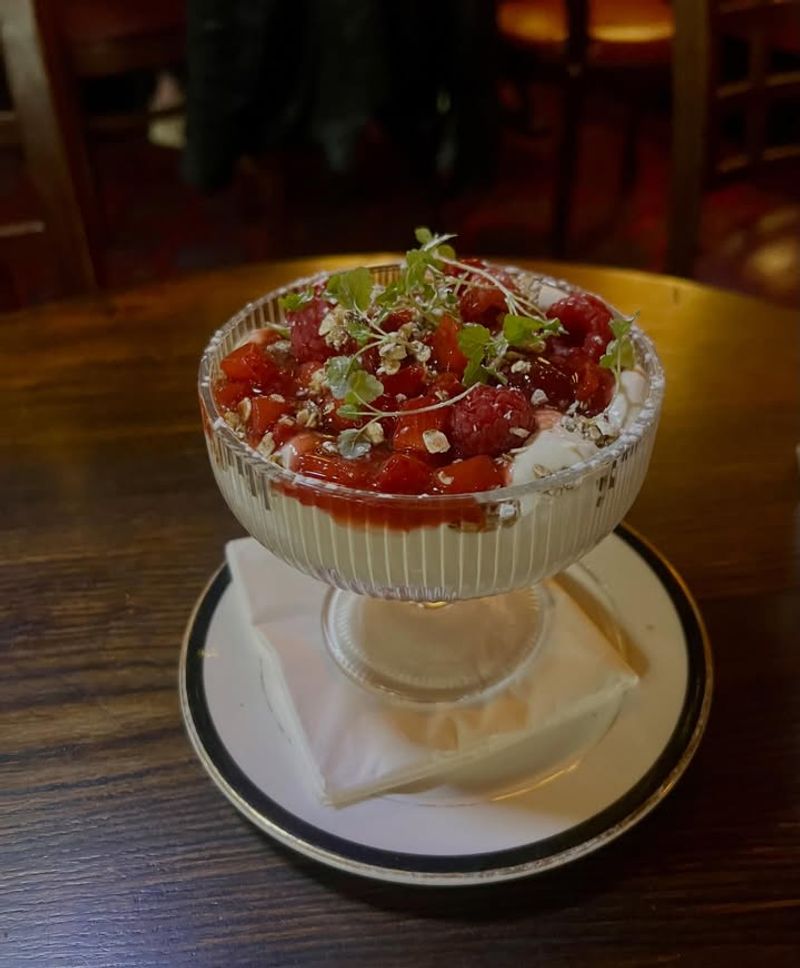
Ratafia pudding is one of those forgotten gems that deserves a serious second look. Made with ratafia biscuits, which are tiny almond-flavoured macaroon-style cookies, layered with cream and sometimes set with gelatin, it has a delicate nutty flavour that is surprisingly sophisticated.
The texture is somewhere between a trifle and a mousse, light yet rich enough to satisfy. Amaretto liqueur stirred into the cream layer adds a grown-up warmth that transforms this modest pudding into an elegant dinner party showstopper.
16. Hasty Pudding
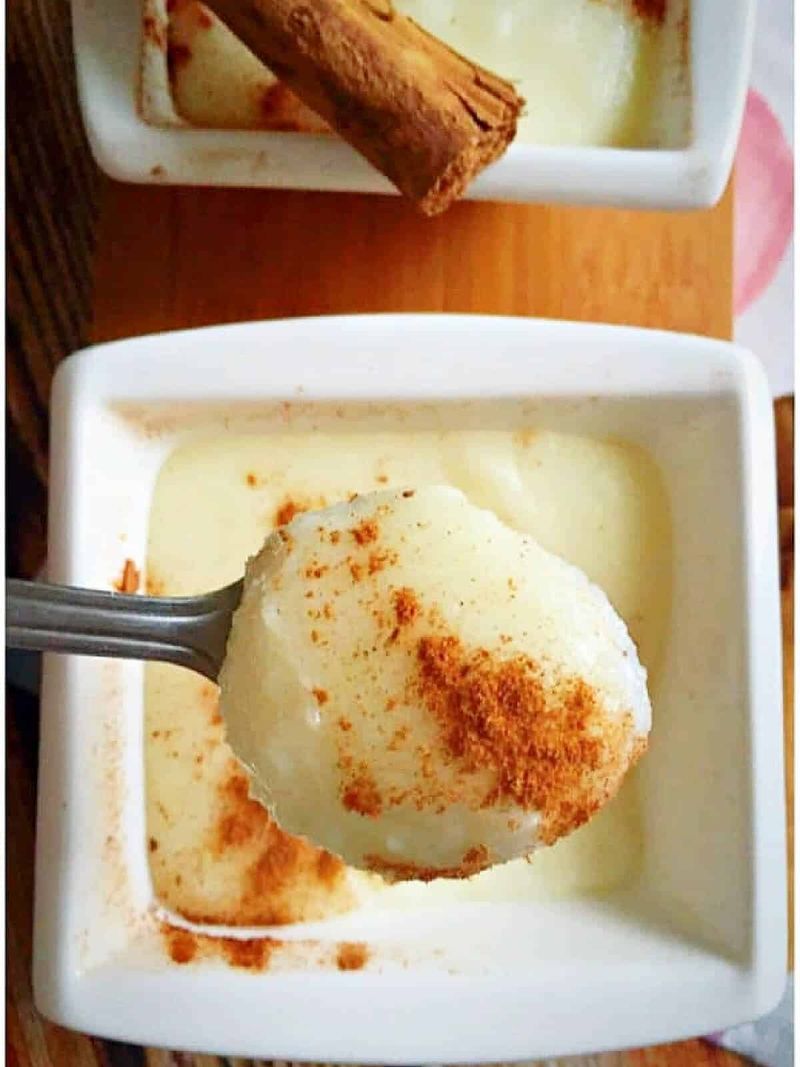
As the name suggests, hasty pudding was designed for speed. This simple, stovetop dessert is made by stirring wheat flour or semolina into boiling milk or water and sweetening it with sugar, golden syrup, or treacle.
The whole thing comes together in under fifteen minutes.
It was a staple for working-class British families who needed something warm, filling, and affordable. Topped with a generous knob of butter and a drizzle of honey, it is the original comfort food that modern minimalist cooking could absolutely champion again.
17. Gypsy Tart
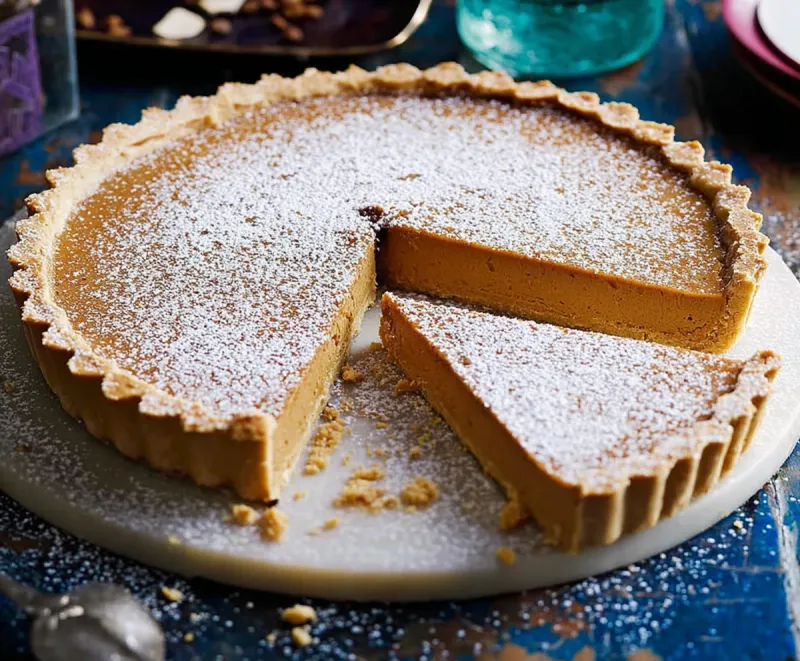
Gypsy tart is a Kentish treasure that barely exists outside of southeast England, which is a genuine shame. Made from just two filling ingredients, evaporated milk and dark muscovado sugar, whipped together until thick and mousse-like, it bakes into a wonderfully sweet, caramel-scented tart with a soft, almost fudgy texture.
It is dangerously easy to eat an entire slice in seconds. The intense caramel flavour pairs brilliantly with a scoop of lightly salted vanilla ice cream to balance the sweetness perfectly.
18. Maids of Honour
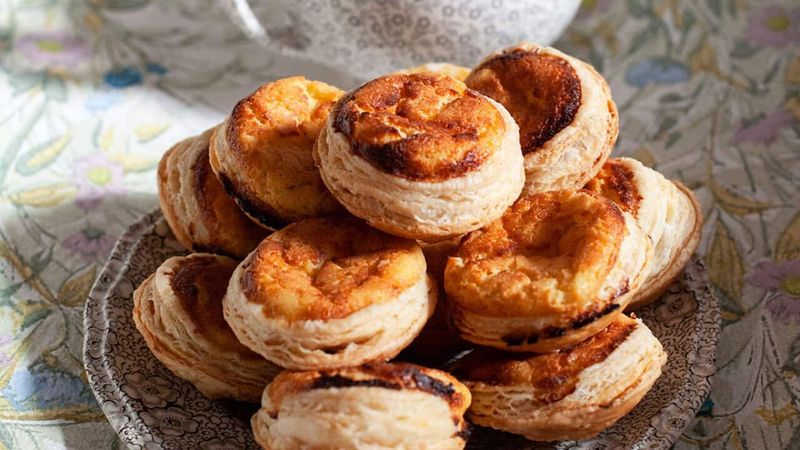
Legend has it that Henry VIII named these little almond and curd cheese tartlets after the ladies-in-waiting who were caught eating them at Richmond Palace. Whether the story is true or not, these small but mighty pastries from Surrey have a fascinating royal history.
The filling combines almond paste, curd cheese, and sometimes a hint of lemon zest inside a flaky pastry shell. They are still sold at a bakery in Kew to this day, but they deserve a much wider audience across modern British bakeries.
19. Frumenty
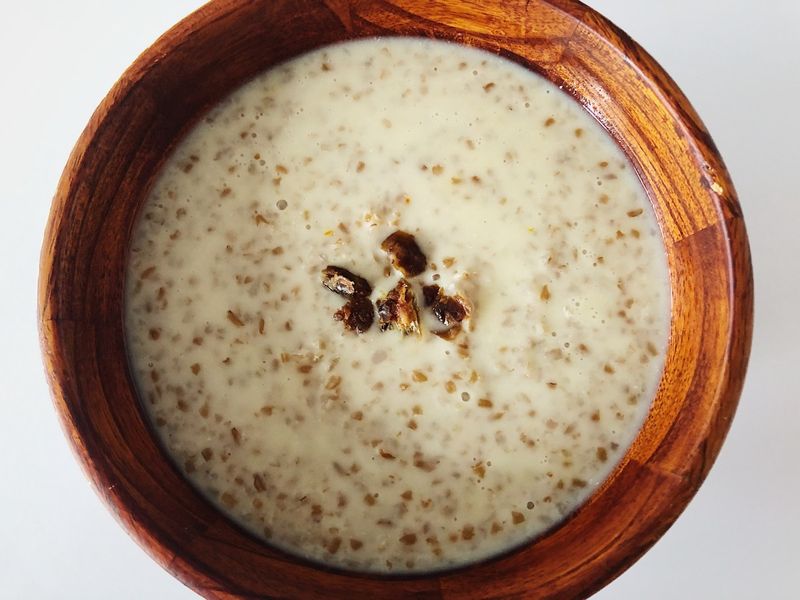
Frumenty is one of the oldest British desserts in existence, eaten at medieval feasts and royal banquets as far back as the 14th century. Made from cracked wheat simmered in milk and sweetened with honey, spices like cinnamon and saffron, and dried fruits, it is essentially a very ancient grain pudding.
Its warm, spiced flavour profile feels surprisingly relevant today given the modern enthusiasm for ancient grains and wholesome, nourishing foods. Served with a drizzle of local honey, it bridges centuries in a single spoonful.
20. Marlborough Pudding
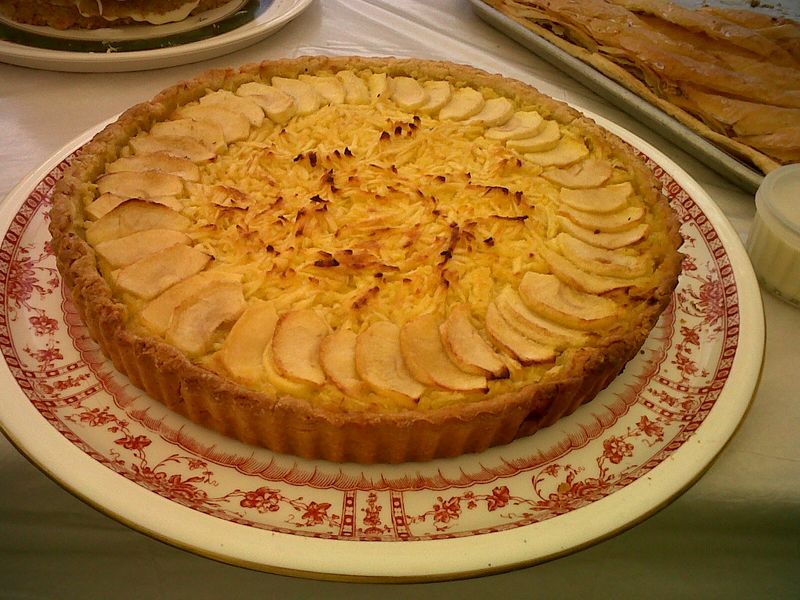
Marlborough pudding is a baked tart filled with a creamy, custardy mixture of apple pulp, eggs, butter, and lemon juice that sets into a smooth, silky filling inside a crisp pastry shell. It sits somewhere between an apple pie and a lemon tart, which is exactly as good as it sounds.
Originally popular in Wiltshire, this pudding quietly disappeared from British tables sometime in the 20th century. Revived with a touch of vanilla bean and served slightly warm, it would be a guaranteed hit on any contemporary dessert menu.
21. Wet Nellie
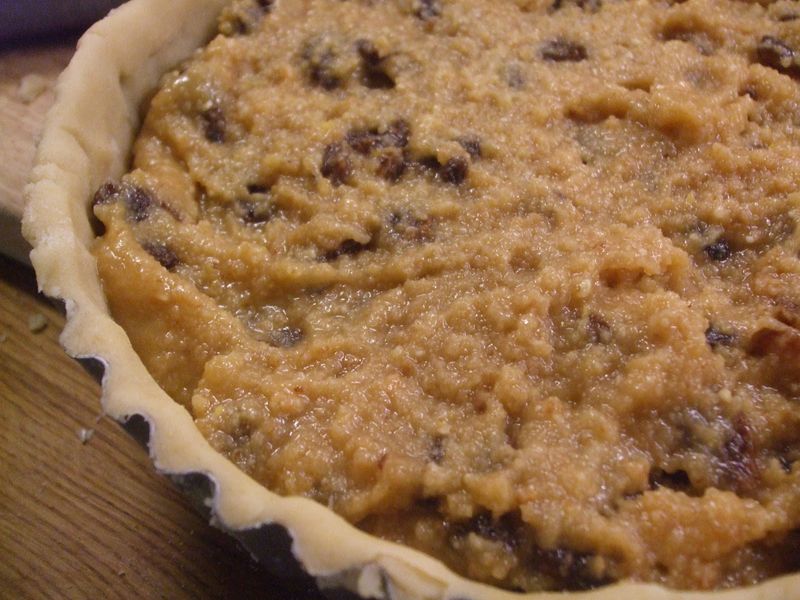
Wet Nellie is a proudly working-class Liverpool dessert that turns stale bread into something genuinely delicious. Soaked in water and golden syrup, the bread mixture is packed into a pastry case and baked until golden and sticky, creating a dense, treacly slice that is sweet and deeply satisfying.
It shares its heritage with Nelson cake, another thrifty British bake from the same era. In a time when food waste is a major concern, Wet Nellie's zero-waste philosophy feels more relevant and admirable than ever before.
22. Tipsy Cake
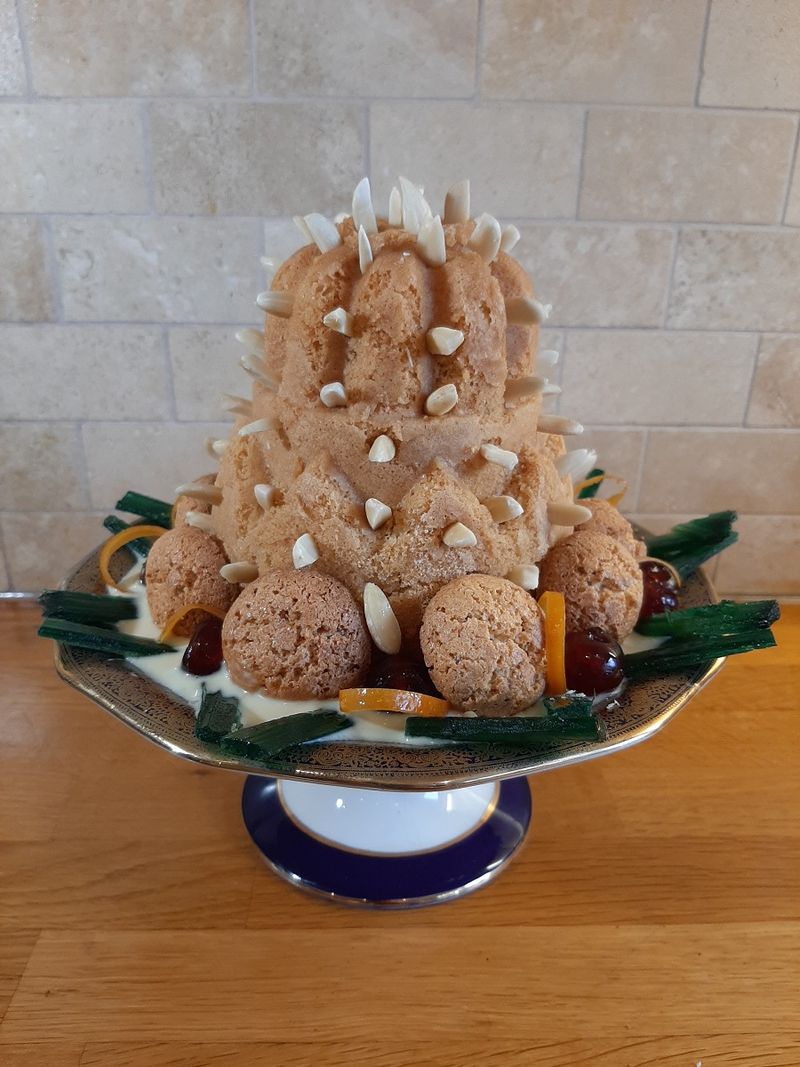
Tipsy cake is the Victorian ancestor of trifle, and it has more personality than its more famous descendant. A whole sponge cake is soaked in sherry or brandy until wonderfully boozy, studded with blanched almonds, and served sitting in a pool of thick, velvety custard.
It was a showpiece dessert at Victorian dinner parties, designed to impress guests with its dramatic presentation. Bring it back for a dinner party centrepiece, swap the sherry for a good Madeira wine, and watch every guest at the table ask for seconds.

Comments
No Comments