













Most of us know we should eat more vegetables, but leafy greens often get pushed to the side of the plate. Beyond the usual iceberg lettuce and frozen peas, there is a whole world of nutritious leaves packed with vitamins, minerals, and flavour waiting to be explored.
From ancient Roman favourites to Asian market staples, these greens are easier to cook than you might think. Adding more of them to your weekly meals could make a real difference to your health.
1. Cavolo Nero
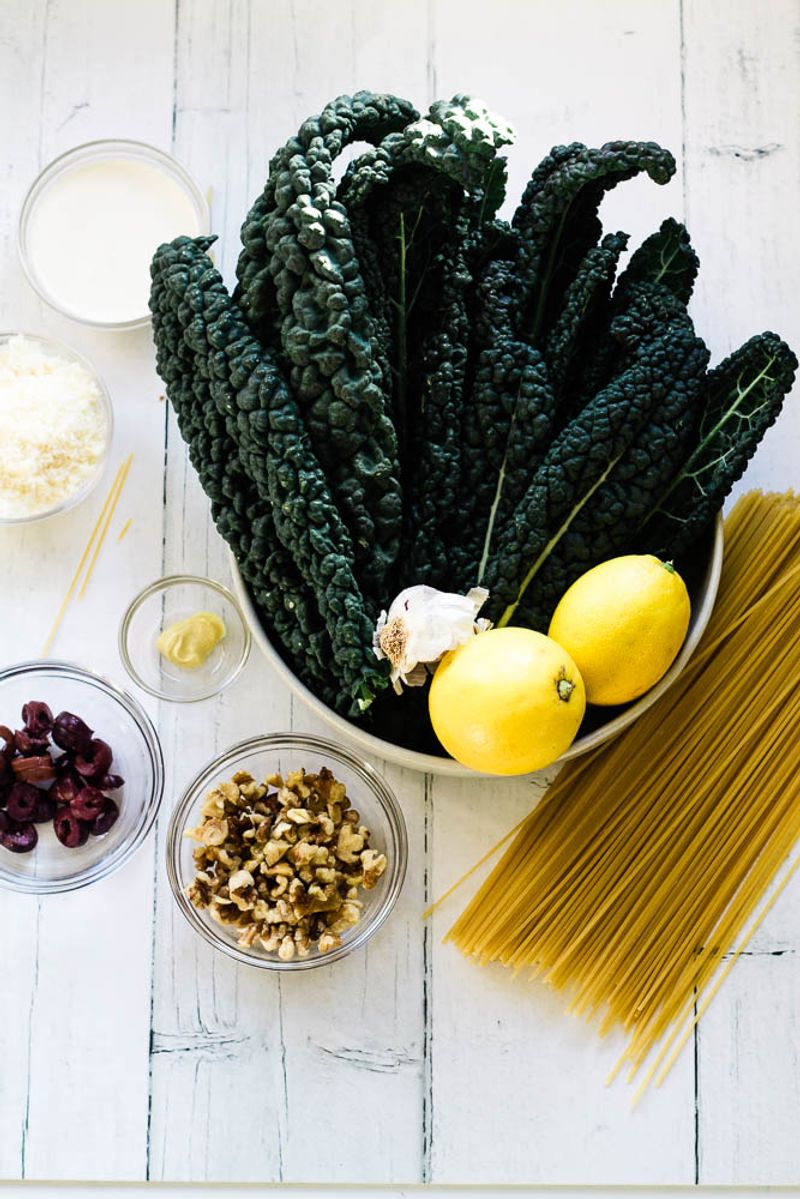
Sometimes called black kale or Tuscan kale, cavolo nero has been growing in Italian gardens for centuries. Its deep, almost midnight-green leaves have a slightly earthy, rich flavour that softens beautifully when cooked.
Stir it into soups, toss it with pasta, or roast the leaves until crispy for a satisfying snack. One cup provides a solid hit of vitamin C, calcium, and iron.
It holds up far better than regular kale when slow-cooked, making it a brilliant addition to winter stews and bean dishes.
2. Watercress
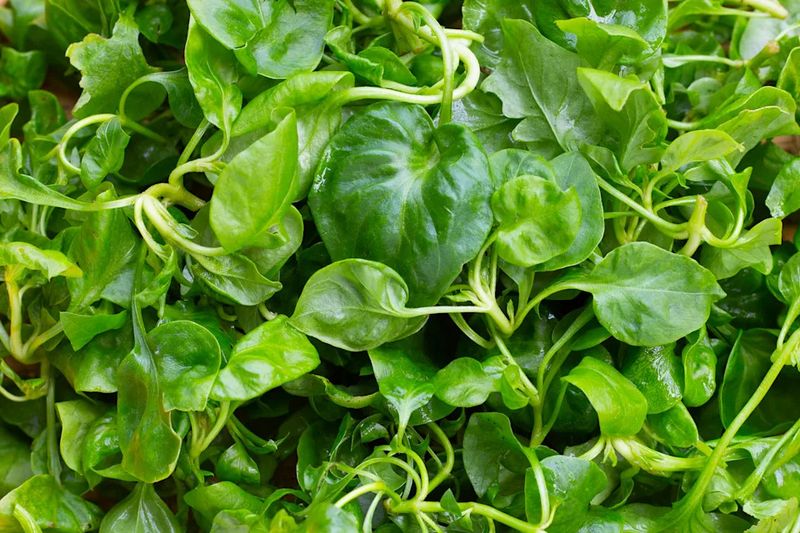
Watercress was once so common in Britain that Victorian street sellers hawked it by the bundle every morning. Today it has quietly slipped off most shopping lists, which is a real shame because it is one of the most nutrient-dense foods you can eat.
Peppery and bold, it works wonderfully in salads, blended into soups, or stirred into scrambled eggs. Watercress is loaded with vitamin K, beta-carotene, and glucosinolates, compounds linked to supporting overall health.
Many UK supermarkets sell it year-round at very reasonable prices.
3. Swiss Chard
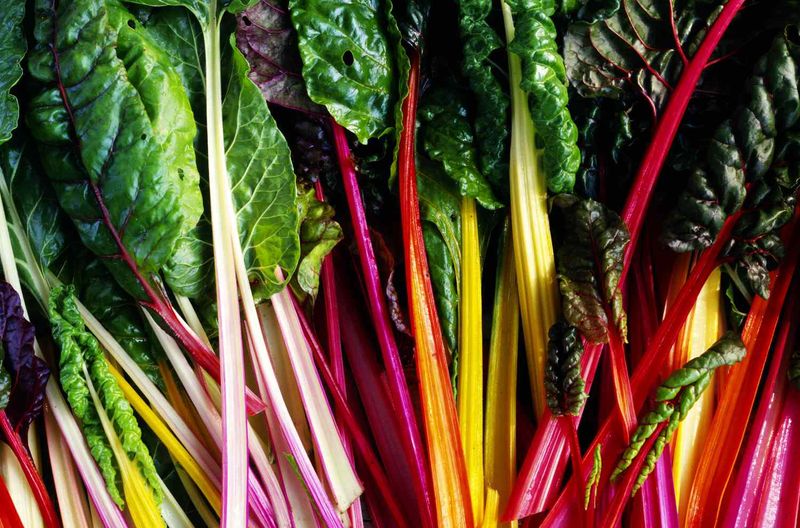
Few vegetables are as visually striking as Swiss chard, with its jewel-bright stems of red, orange, yellow, and white. Despite looking fancy, it is incredibly easy to grow in a British garden and even easier to cook.
Saute the stems with garlic and olive oil, and wilt the leaves just as you would spinach. Rich in magnesium, potassium, and vitamins A and K, Swiss chard supports bone health and energy levels.
Its mild, slightly sweet flavour makes it a crowd-pleaser even for picky eaters.
4. Pak Choi
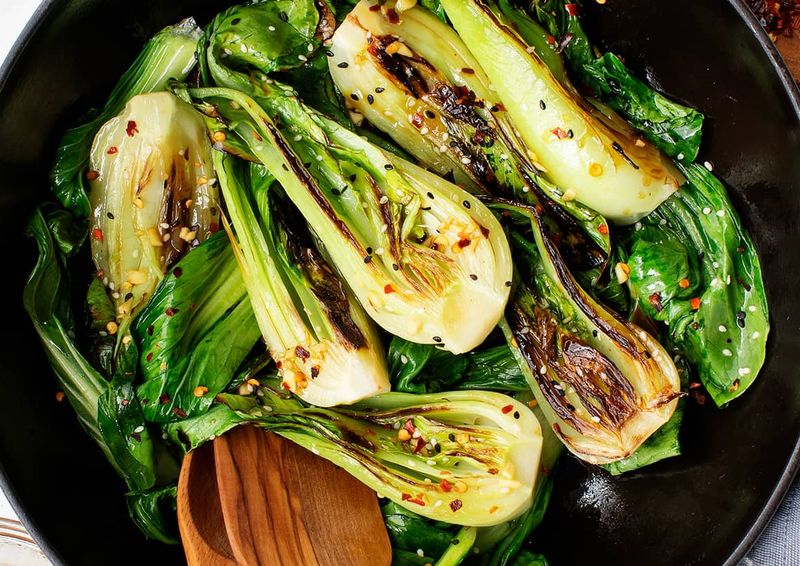
Walk through any Asian supermarket in Britain and you will spot pak choi stacked in neat bundles, glossy and fresh. Also spelled bok choy, this Chinese cabbage has a mild, slightly sweet flavour and a satisfying crunch that holds up well under heat.
Halve it and griddle it, throw it into stir-fries, or simmer it in a noodle broth for an easy weeknight meal. Pak choi delivers calcium, vitamin C, and folate without adding many calories, making it a genuinely smart choice for everyday cooking.
5. Mustard Greens
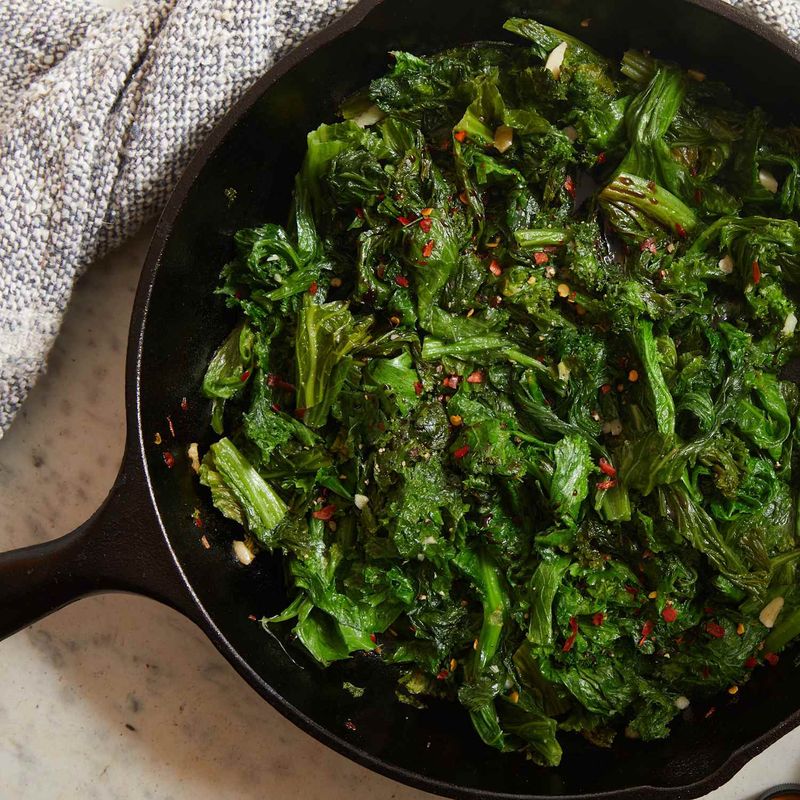
Mustard greens bring a fiery, almost horseradish-like kick that wakes up any dish they touch. Popular across South Asian, African, and American Southern cuisines, they deserve far more attention on British dinner tables.
Blanching the leaves tones down their sharpness, while pickling them creates a tangy condiment perfect alongside grilled meats. They are an excellent source of vitamins C, E, and K, plus antioxidants that support immune function.
Try swapping them in anywhere you would normally use spinach for an instant flavour upgrade.
6. Sorrel
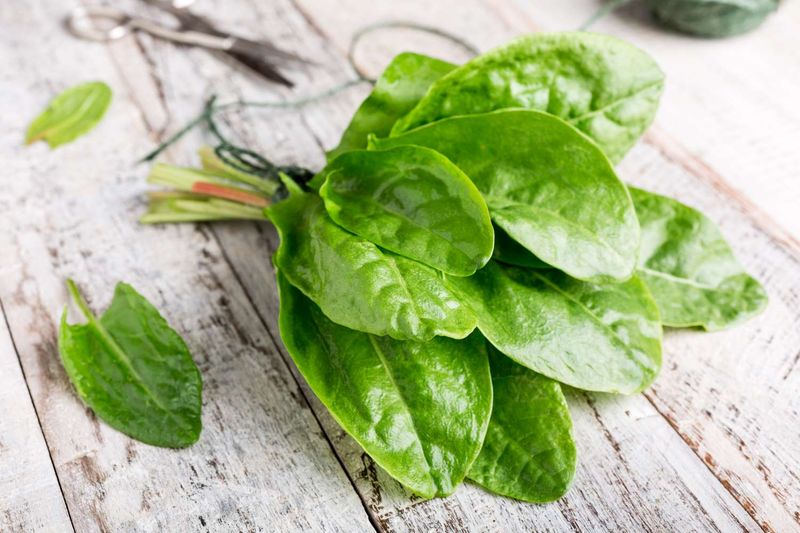
Sorrel tastes like someone squeezed a lemon directly onto a leaf, and that is exactly why French chefs have adored it for generations. It grows happily in British gardens and allotments, often popping up year after year with almost no effort required.
Stir a handful into cream sauces, blend it into a vibrant green soup, or scatter fresh leaves over grilled fish. Sorrel is rich in vitamin C and oxalic acid, which gives it that signature tang.
Its sharp brightness can cut through rich, buttery dishes in the most refreshing way.
7. Purslane
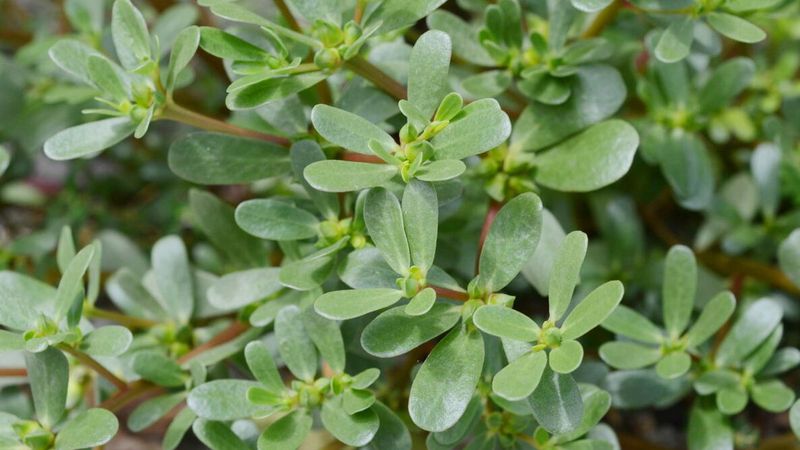
Here is a surprising fact: purslane contains more omega-3 fatty acids than almost any other plant on earth. Yet most British gardeners pull it out as a weed without a second thought, missing out on something genuinely remarkable.
Its thick, juicy leaves have a mild, slightly lemony crunch that works beautifully raw in salads or lightly sauteed with garlic. Mediterranean and Middle Eastern cooks have treasured purslane for centuries.
Adding it to your diet is a wonderfully simple way to boost your intake of heart-friendly plant-based fats.
8. Dandelion Greens
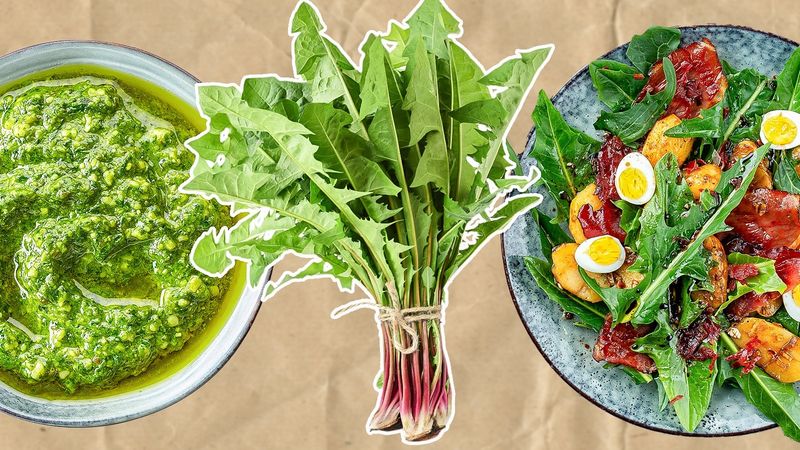
Before dandelions became the enemy of perfectly manicured British lawns, they were valued as food and medicine across Europe for hundreds of years. Young dandelion leaves picked in early spring are tender, slightly bitter, and packed with nutritional goodness.
Toss them raw into salads with a sharp mustardy dressing, or wilt them briefly in a pan with olive oil and chilli flakes. Dandelion greens are exceptionally high in vitamin A, calcium, and prebiotics that feed beneficial gut bacteria.
Free food from your garden has never tasted so worthwhile.
9. Turnip Greens
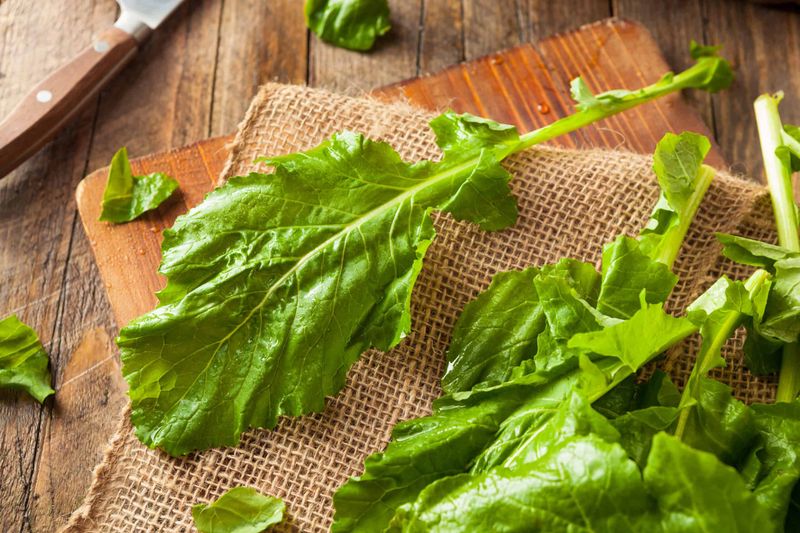
Most people buy turnips and toss the leafy tops straight into the compost bin, never realising they are throwing away some of the most nutritious food in their shopping bag. Turnip greens have a bold, slightly peppery taste similar to mustard greens but a little milder.
Braise them slowly with smoked paprika and onions for a deeply satisfying side dish, or chop them finely into lentil soups. They deliver impressive amounts of calcium, vitamin K, and folate.
Wasting them really does feel criminal once you know how good they are.
10. Mache (Lamb's Lettuce)
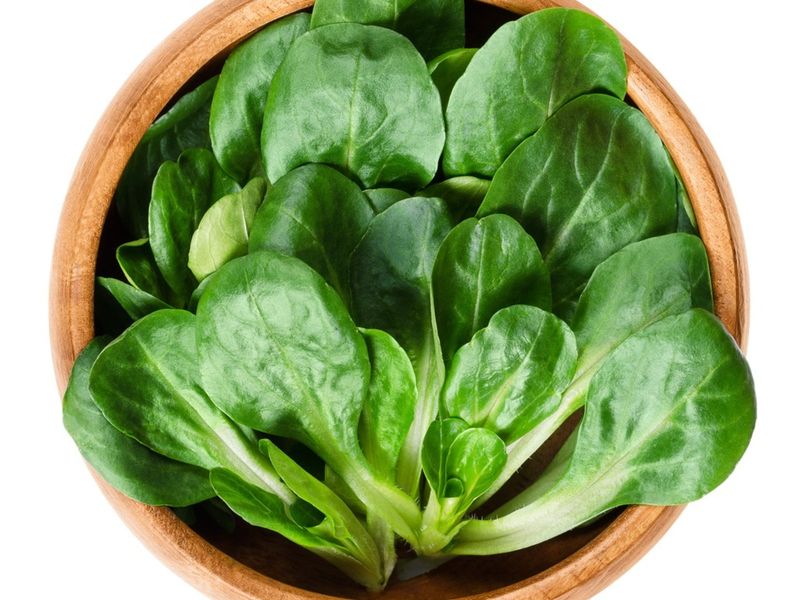
Mache, also known as lamb's lettuce or corn salad, has a velvety texture and a delicate, nutty flavour that feels almost luxurious compared to ordinary salad leaves. It grows wild across Britain and has been eaten here since at least the 17th century.
Its soft leaves bruise easily, so handle them gently and dress them lightly with a simple vinaigrette. Mache is surprisingly rich in vitamin C and iron for such a dainty little plant.
Pairing it with roasted beetroot and goats cheese creates one of the most elegant simple salads imaginable.
11. Amaranth Leaves
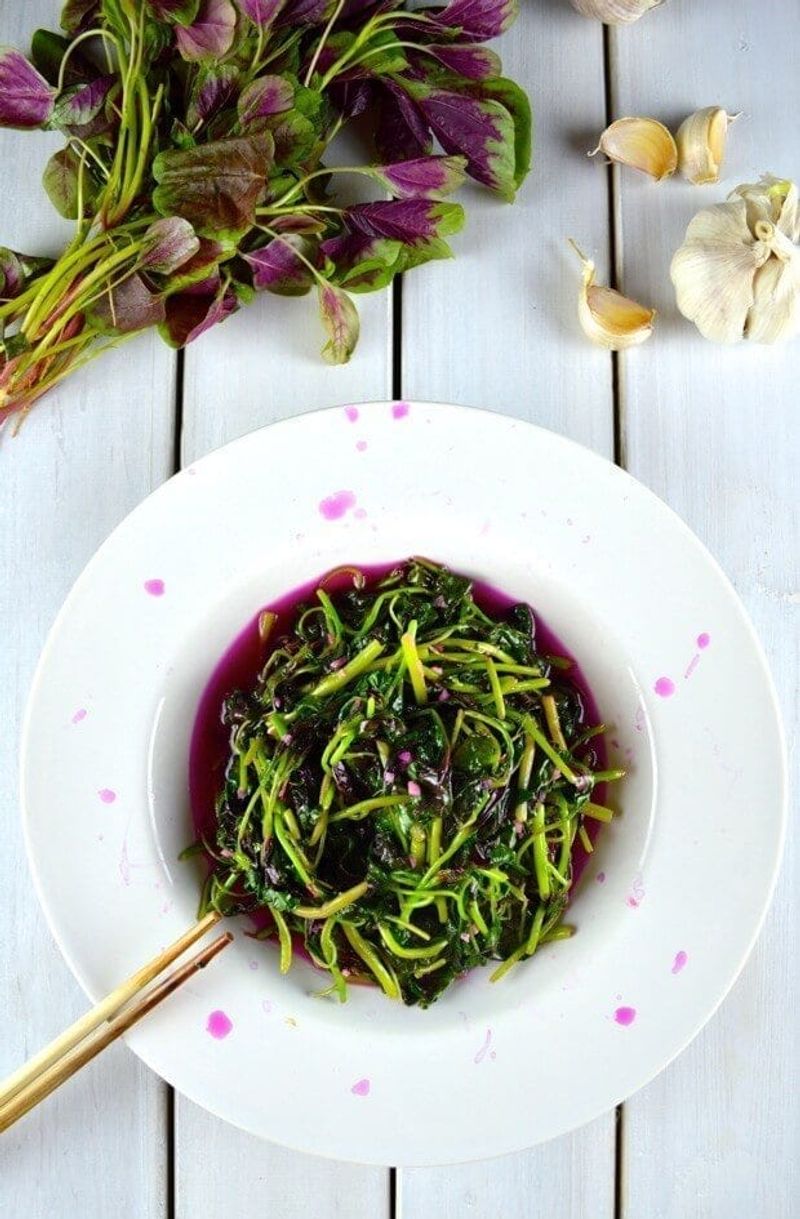
Amaranth seeds have had a moment in the spotlight as a trendy grain, but the leaves deserve equal fame. Widely eaten across Africa, Asia, and the Caribbean, amaranth greens have a mild, slightly earthy flavour similar to spinach but with a more satisfying chew.
Cook them quickly in a pan with coconut oil and garlic for a wonderfully fragrant side dish. They are loaded with protein, iron, and calcium, making them especially valuable for those following plant-based diets.
Some varieties produce stunning deep-red leaves that look as good as they taste.
12. Beetroot Greens
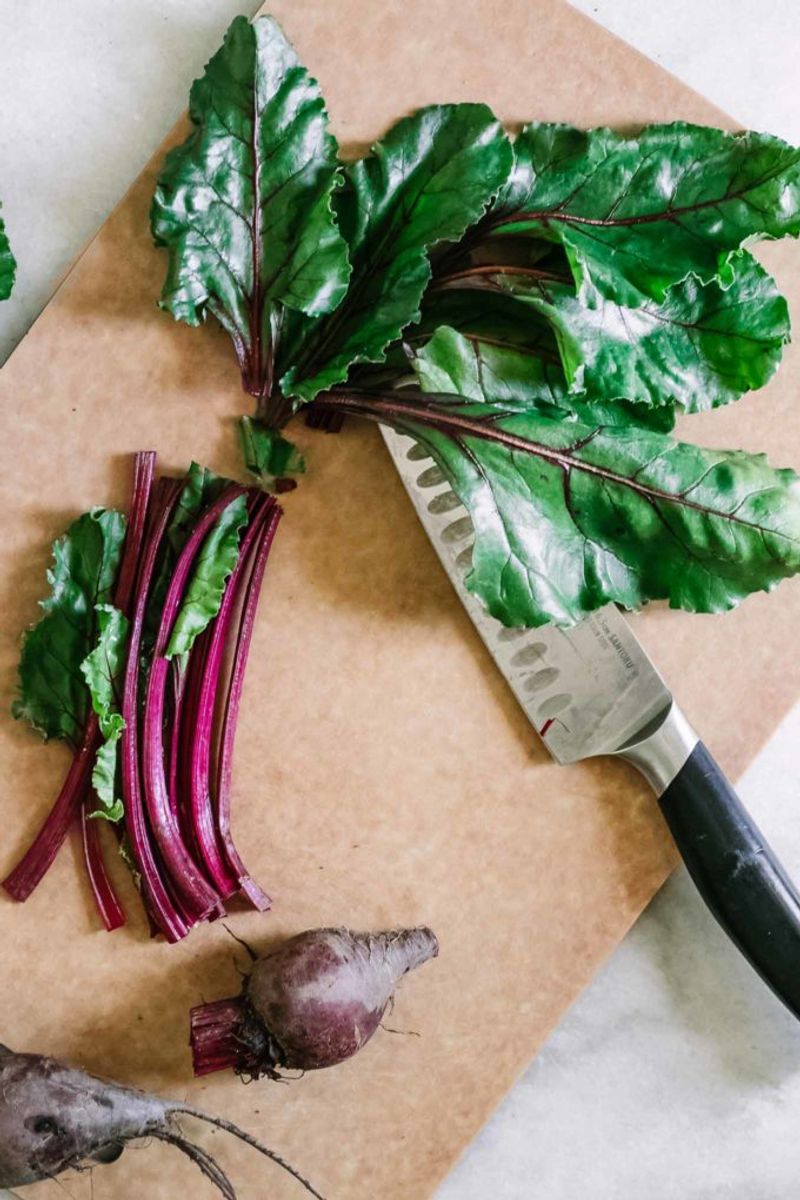
Every bunch of beetroot comes with a free bonus ingredient that most people slice off and discard without a thought. Beetroot greens are tender, mildly earthy, and rich in iron, magnesium, and vitamins A and C.
Younger leaves can be eaten raw in salads alongside the roasted beetroot itself, creating a wonderfully cohesive dish. Older, tougher leaves respond brilliantly to a quick saute with butter and a squeeze of lemon juice.
Next time you grab a bunch of beetroots, treat those leafy tops with the respect they genuinely deserve.
13. Tatsoi
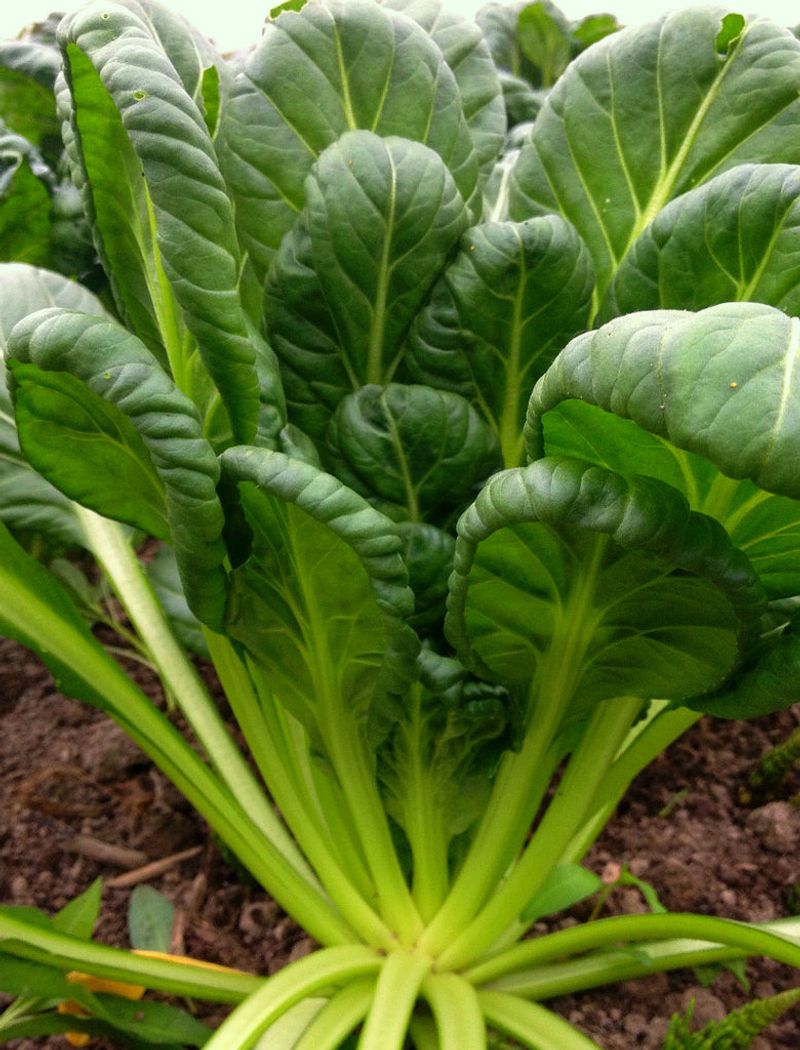
Tatsoi looks like a miniature bouquet, with its dark, glossy, spoon-shaped leaves arranged in perfect rosettes. Originally from China, it grows readily in British gardens and is often found in mixed salad bags at farmers markets, sometimes without even being labelled.
Its flavour sits somewhere between spinach and mild mustard, making it incredibly versatile. Eat it raw for maximum crunch or wilt it into broths and noodle dishes.
Tatsoi is a good source of calcium, vitamin C, and folate, and it grows quickly enough for repeated harvesting throughout the season.
14. Nettle Leaves
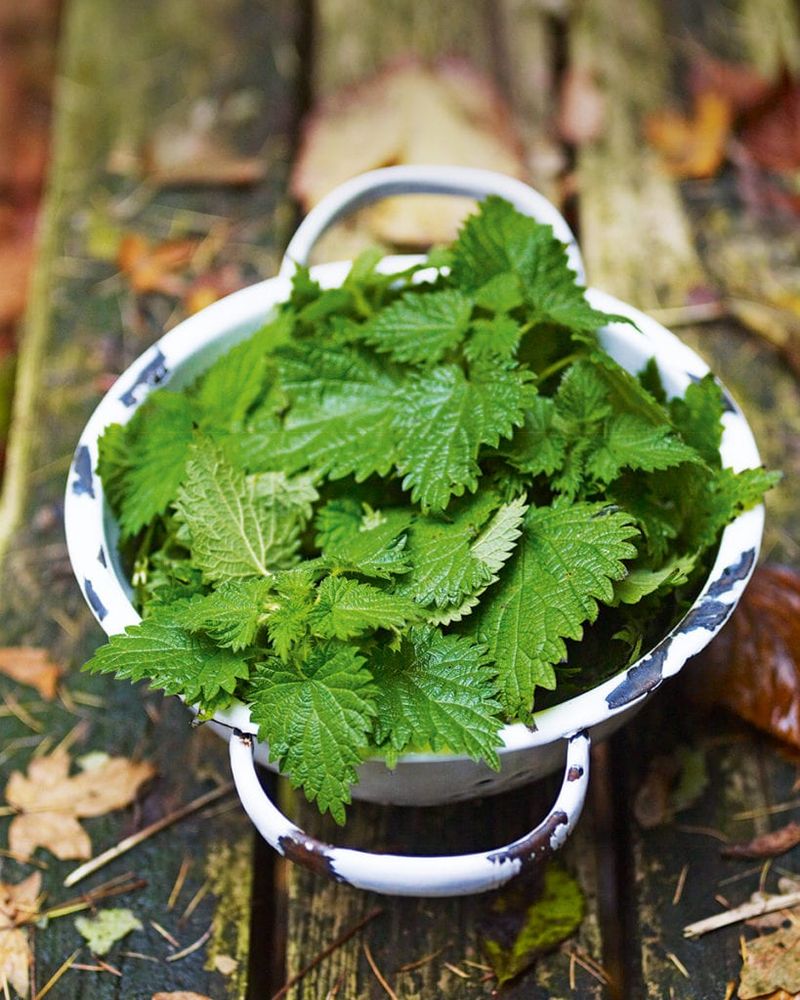
Stinging nettles might seem like an unlikely dinner guest, but cooking or blanching them completely neutralises the sting and reveals a rich, deep flavour reminiscent of spinach with a slightly mineral edge. Foragers across Britain have been harvesting them for centuries.
Nettle soup is a classic springtime dish, but the leaves also work well in risottos, pestos, and even nettle tea. They are remarkably high in iron, calcium, and vitamin C.
Pick young spring shoots wearing gloves, blanch briefly, and enjoy one of Britain's most underrated free wild foods.
15. Komatsuna (Japanese Mustard Spinach)
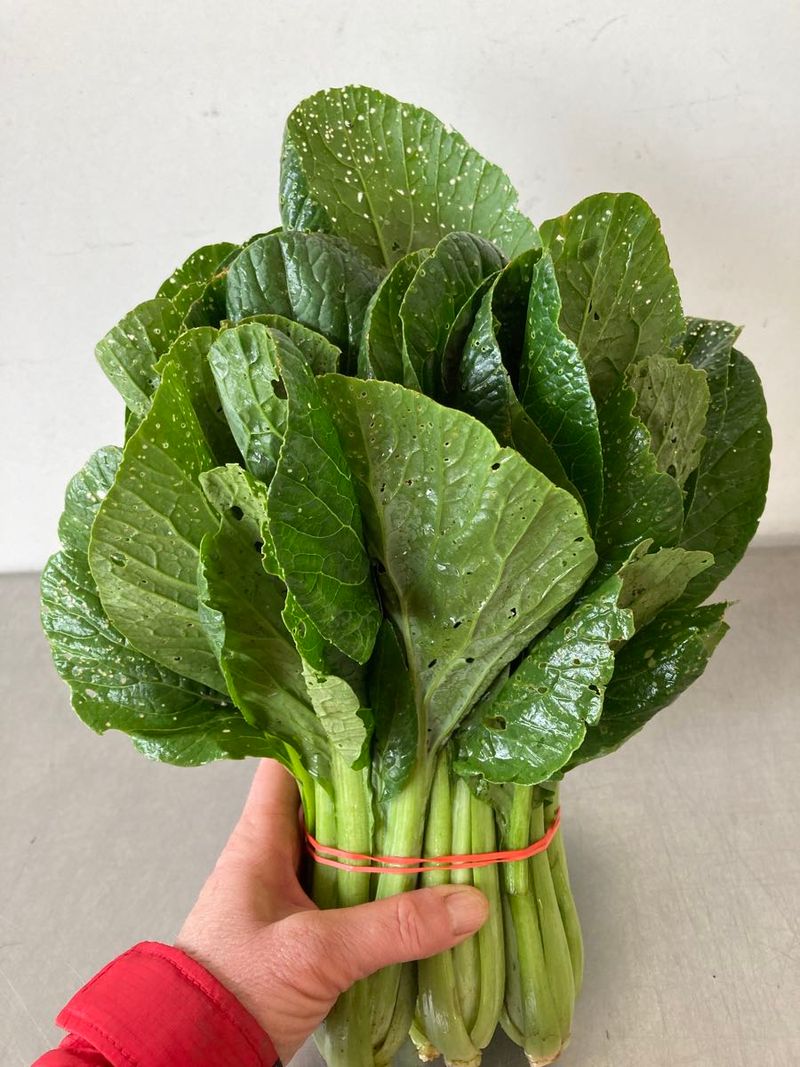
Komatsuna is a staple of Japanese home cooking that has quietly started appearing in British seed catalogues and Asian grocery stores. Its flavour is milder than mustard greens but more robust than regular spinach, with a pleasant tenderness that makes it easy to enjoy.
Stir-fry it with sesame oil and soy sauce for a quick and deeply satisfying side dish, or shred it raw into salads. Komatsuna is rich in calcium, iron, and beta-carotene.
It grows quickly in British climates and can even be harvested through mild winters, making it a genuinely practical choice.
Comments
No Comments