













High cholesterol affects millions of people around the world, and what you eat plays a huge role in keeping your heart healthy. The good news is that certain everyday foods can actually help bring those numbers down without needing a prescription.
Making smart choices at the grocery store is one of the easiest steps you can take toward a healthier life. Here are 15 powerful foods that can help lower cholesterol naturally.
1. Oats
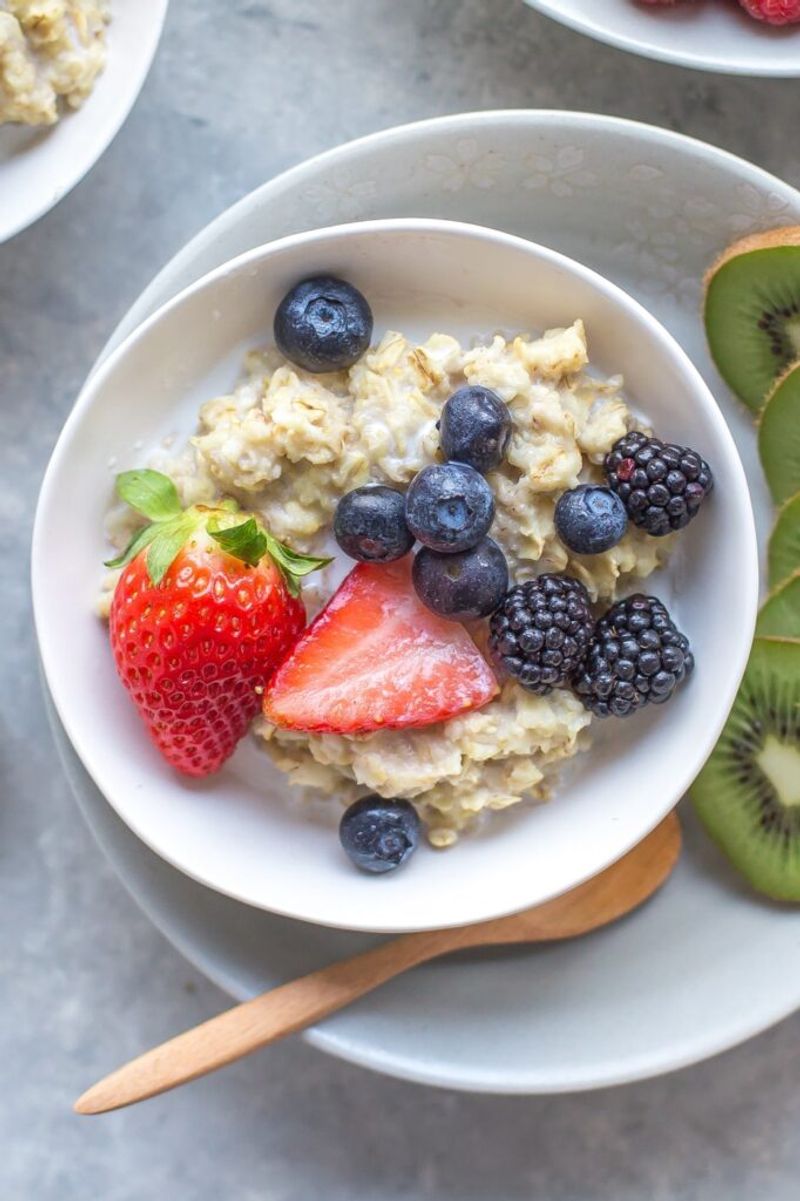
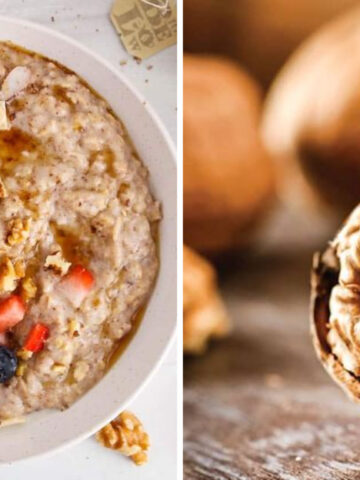
Starting your morning with a bowl of oats might be one of the smartest moves for your heart. Oats contain a special type of fiber called beta-glucan, which works like a sponge in your gut, soaking up cholesterol before it enters your bloodstream.
Just one and a half cups of cooked oatmeal gives you enough beta-glucan to make a real difference. Toss on some berries or a banana for extra flavor and nutrition.
2. Avocados
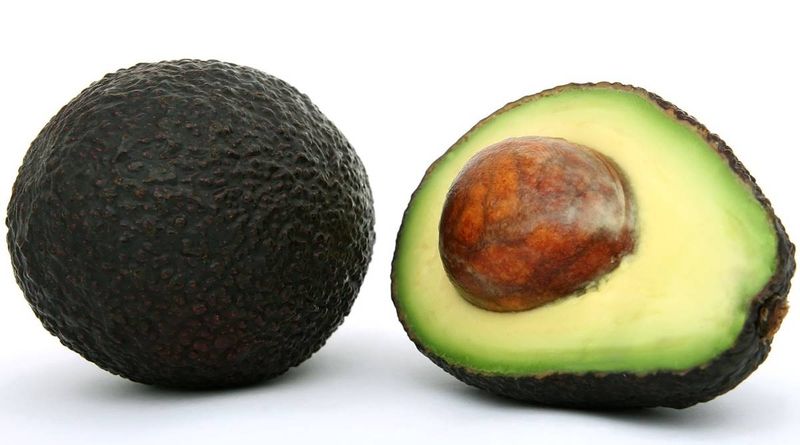
Avocados have gone from trendy toast topping to true heart-health superstar, and for good reason. They are loaded with monounsaturated fats, the kind that help lower LDL (bad) cholesterol while keeping HDL (good) cholesterol levels steady.
Research shows that eating one avocado a day as part of a balanced diet can noticeably improve cholesterol numbers. Spread it on whole grain bread or slice it into salads for a creamy, satisfying boost.
3. Fatty Fish
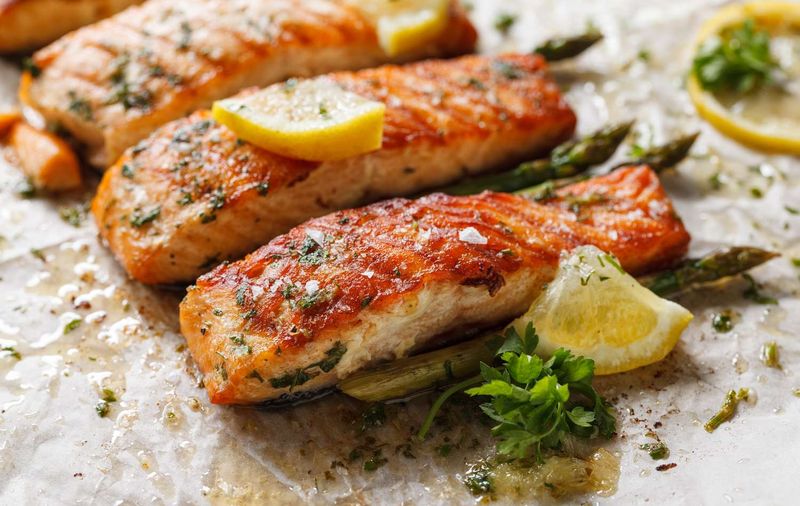
Salmon, mackerel, and sardines are packed with omega-3 fatty acids, which are famous for fighting inflammation and improving heart health. Omega-3s work by lowering triglycerides, a type of fat in the blood that often rises alongside bad cholesterol.
Eating fatty fish at least twice a week is a recommendation backed by major health organizations worldwide. Grilled, baked, or even canned versions all deliver impressive benefits without much effort in the kitchen.
4. Nuts
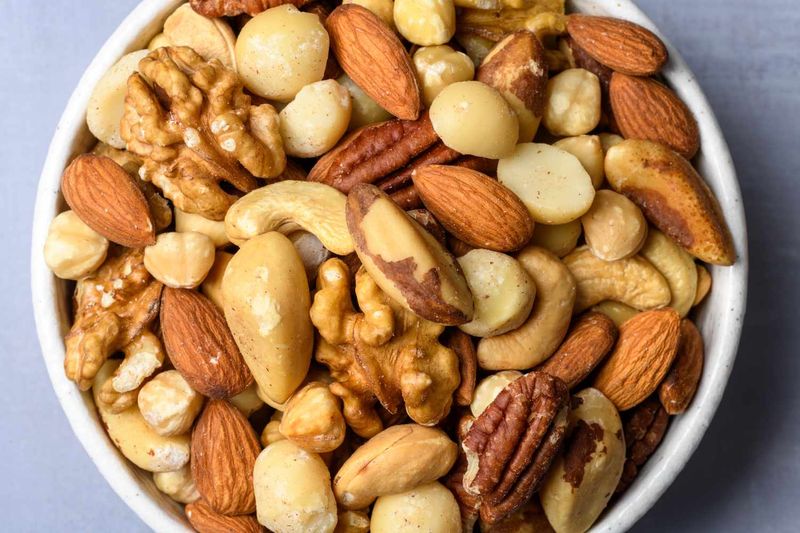
Handful for handful, nuts are one of the most cholesterol-friendly snacks you can grab. Walnuts, almonds, and pistachios are especially powerful because they contain healthy fats, fiber, and plant sterols that all work together to push LDL levels down.
Studies show that eating a small handful of nuts daily can reduce bad cholesterol by up to 5 percent. Just watch portion sizes since nuts are calorie-dense, and stick to unsalted varieties for the best results.
5. Olive Oil
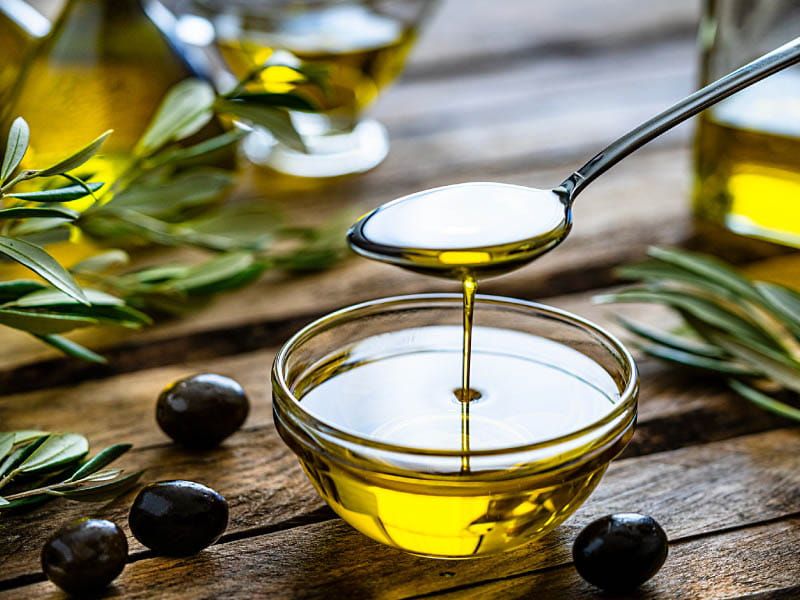
Swap out butter or vegetable oil for extra virgin olive oil and your heart will thank you almost immediately. The monounsaturated fats in olive oil help reduce LDL cholesterol without touching your good cholesterol levels, making it a true kitchen hero.
A Mediterranean diet rich in olive oil has been linked to lower rates of heart disease for decades. Use it for cooking, drizzle it over roasted vegetables, or mix it into homemade salad dressings for daily heart benefits.
6. Legumes
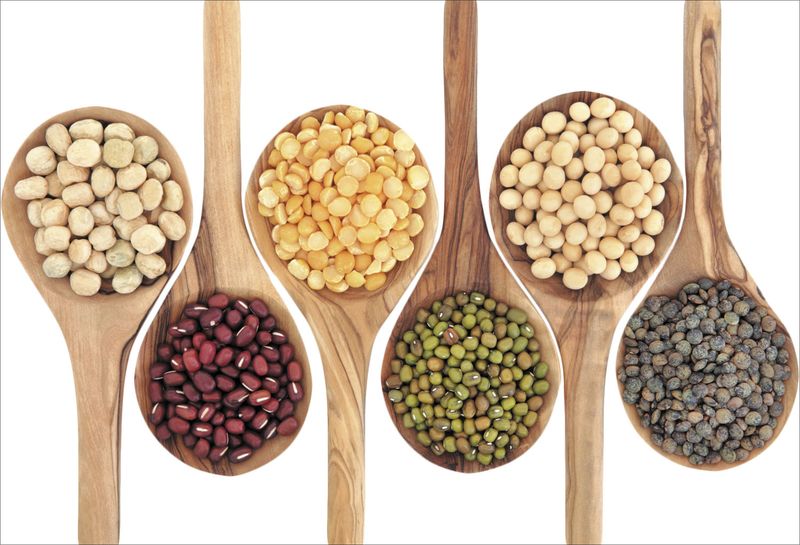
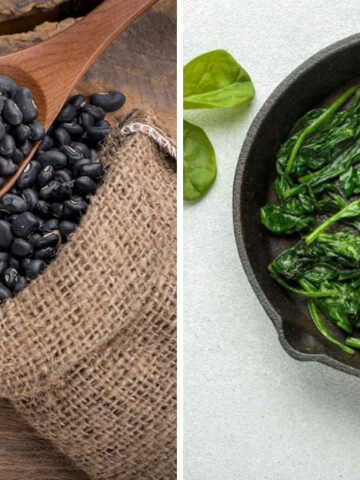
Beans, lentils, and chickpeas might be humble pantry staples, but they are quietly brilliant for cholesterol management. Rich in soluble fiber and plant-based protein, legumes slow digestion and help reduce how much cholesterol your body absorbs from food.
Swapping meat for legumes even a few times a week can lead to meaningful drops in LDL levels over time. Toss them into soups, stews, or salads for a filling meal that works hard for your heart.
7. Garlic
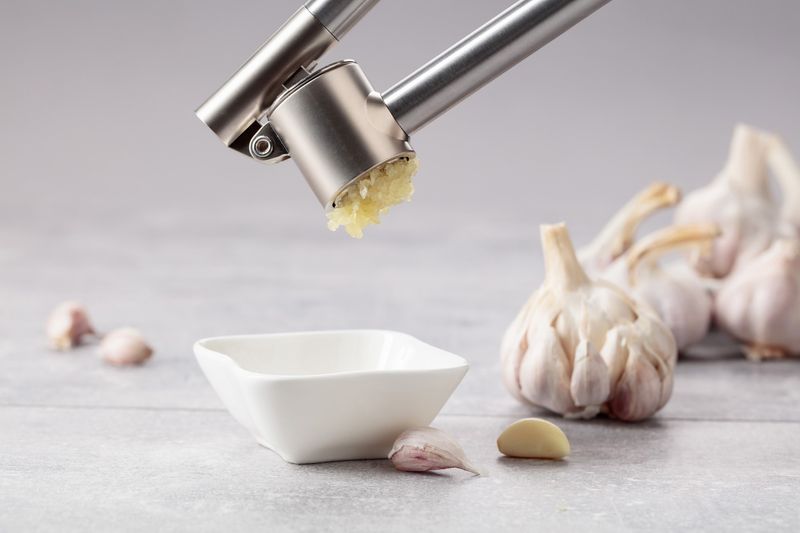
Garlic has been used as a natural remedy for thousands of years, and modern science is catching up with what ancient healers already knew. A compound called allicin, released when garlic is crushed or chopped, has been shown to mildly but consistently lower total cholesterol levels.
Adding garlic to everyday cooking is one of the easiest upgrades you can make to your diet. Stir it into sauces, roast it with vegetables, or blend it into dressings for a flavorful heart-health boost.
8. Berries
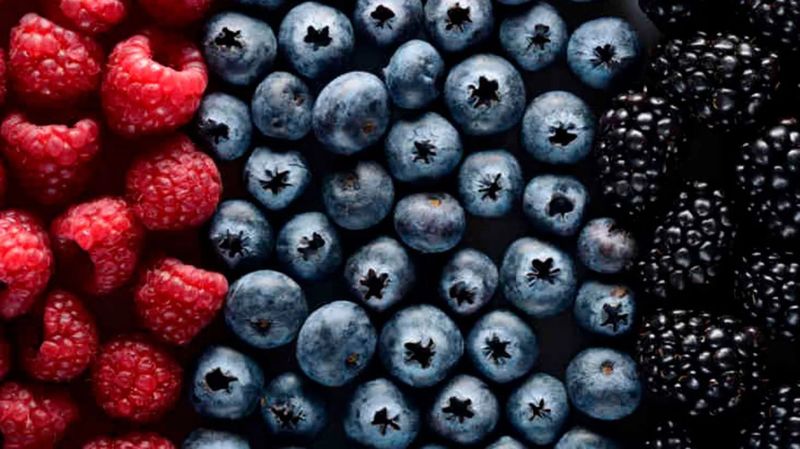
Bright, juicy, and bursting with antioxidants, berries are like tiny superheroes for your cardiovascular system. Blueberries, strawberries, and raspberries contain compounds called polyphenols and anthocyanins that help reduce LDL oxidation, which is what makes bad cholesterol truly dangerous.
Eating a cup of mixed berries daily has been linked to improved cholesterol profiles in multiple studies. They taste amazing on yogurt, blended into smoothies, or eaten straight from the bowl as a guilt-free snack.
9. Dark Chocolate
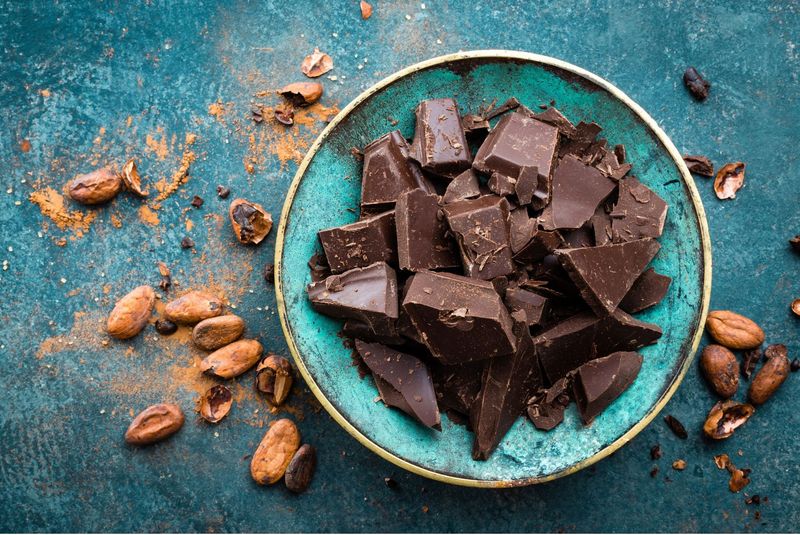
Good news for chocolate lovers: dark chocolate with at least 70 percent cocoa content can actually support healthier cholesterol levels. Flavanols in dark chocolate help prevent LDL cholesterol from oxidizing and sticking to artery walls, which reduces heart disease risk.
A small square or two each day is all you need to enjoy these benefits without overdoing the sugar. Choose varieties with minimal added ingredients and pair it with nuts or berries for an even more heart-friendly treat.
10. Green Tea
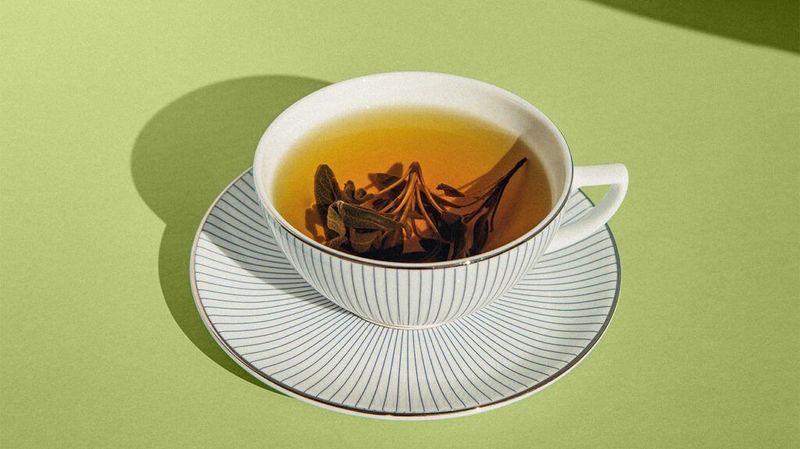
Sipping green tea is one of the most relaxing ways to support your heart health every single day. Catechins, the powerful antioxidants naturally found in green tea, have been shown to lower both total cholesterol and LDL cholesterol in regular drinkers.
Studies from Japan, where green tea consumption is very high, consistently show lower rates of heart disease among frequent tea drinkers. Aim for two to three cups a day and skip the sugar to keep it as heart-friendly as possible.
11. Apples
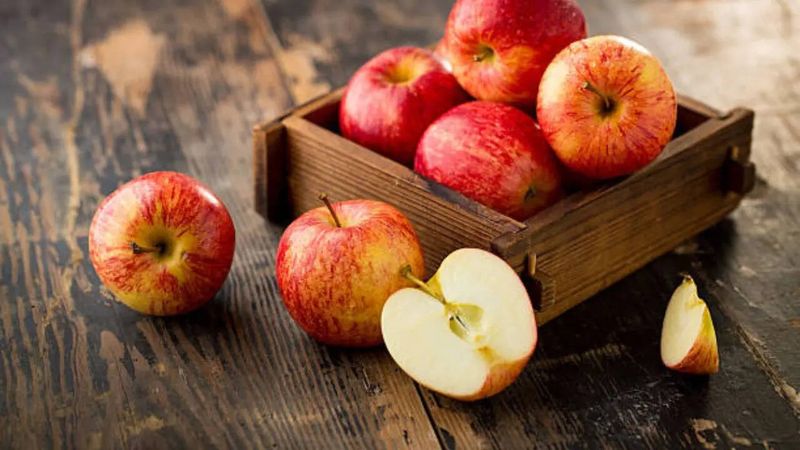
An apple a day keeping the doctor away might actually have some scientific truth behind it, especially when it comes to cholesterol. Apples are loaded with pectin, a type of soluble fiber that binds to cholesterol in the digestive tract and helps remove it from the body.
The skin is where most of the fiber and antioxidants live, so always eat your apples unpeeled. Pair one with a handful of almonds for a snack that tackles cholesterol from two different angles at once.
12. Flaxseeds
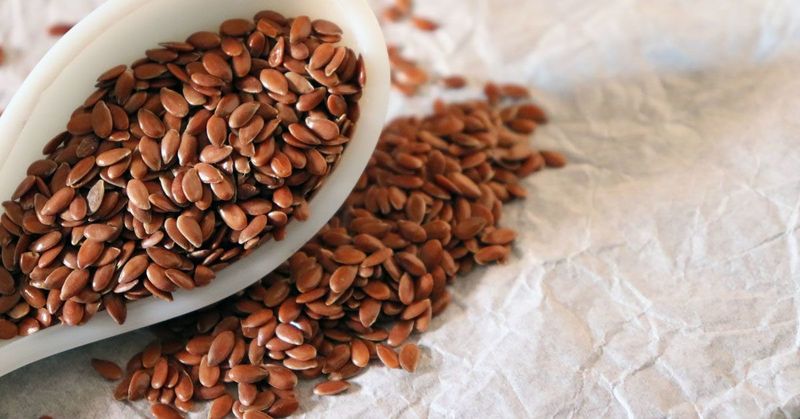
Tiny but tremendously powerful, flaxseeds are one of the richest plant sources of omega-3 fatty acids available. They also contain lignans and soluble fiber, both of which contribute to reducing LDL cholesterol levels when consumed regularly as part of a balanced diet.
Ground flaxseeds are easier for your body to absorb than whole ones, so always grind them before eating. Stir a tablespoon into smoothies, yogurt, or oatmeal each morning for a simple and effective cholesterol-fighting habit.
13. Soy Foods
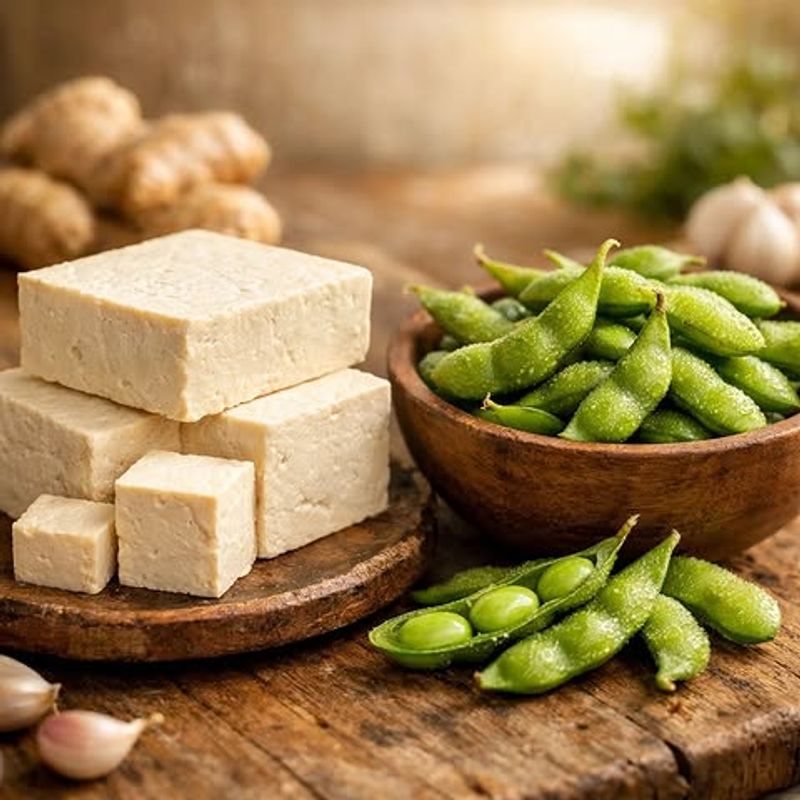
Tofu, edamame, soy milk, and tempeh are not just popular in plant-based diets; they are genuinely useful tools for managing cholesterol. Soy protein has been shown to modestly reduce LDL cholesterol, and soy foods also contain isoflavones that add extra cardiovascular protection.
The FDA even recognizes soy as a heart-healthy food when consumed as part of a low-saturated-fat diet. Replacing some of your daily animal protein with soy-based alternatives is a straightforward swap with real, measurable heart benefits over time.
14. Spinach
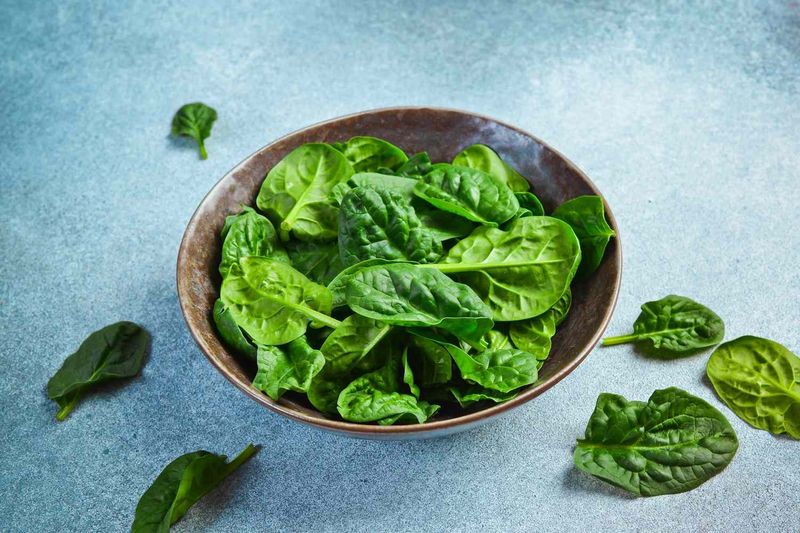
Spinach deserves way more credit than it gets as a cholesterol-fighting food. It contains lutein, a pigment also found in egg yolks, which research suggests may help prevent LDL cholesterol from building up inside artery walls and causing dangerous blockages.
Beyond lutein, spinach delivers fiber, potassium, and folate that all support a healthy cardiovascular system. Toss it into pasta dishes, blend it into green smoothies, or wilt it into scrambled eggs for an easy and nutritious daily addition.
15. Barley
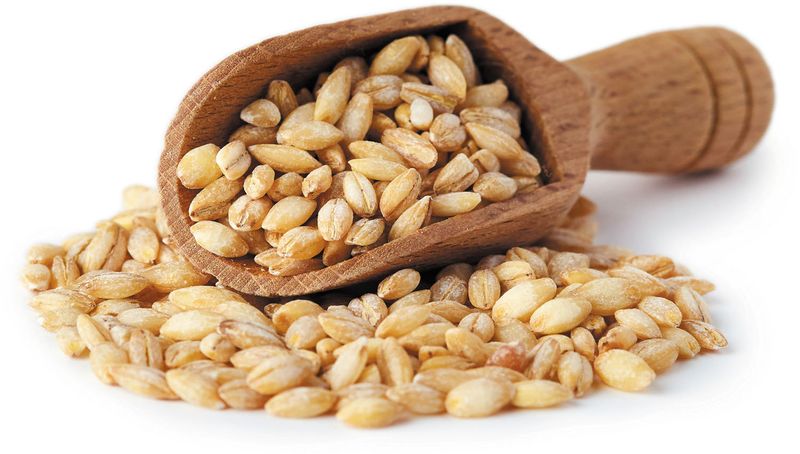
Barley is one of the most underrated grains in the grocery store, yet it packs a serious punch when it comes to lowering cholesterol. Like oats, barley is rich in beta-glucan fiber, which forms a thick gel in your digestive system that traps cholesterol and carries it out of your body.
Studies show barley can reduce LDL cholesterol by as much as 10 percent when eaten regularly. Use it in soups, grain bowls, or as a hearty side dish instead of white rice for maximum benefit.
Comments
No Comments