













Getting enough magnesium doesn't have to mean swallowing a pill every morning. This powerful mineral helps your muscles work properly, keeps your heart beating steadily, and even supports a good night's sleep.
Many delicious, everyday foods are naturally packed with magnesium, making it easy to meet your daily needs just by eating well. Swap the supplement bottle for your grocery cart and let real food do the heavy lifting.
1. Dark Chocolate
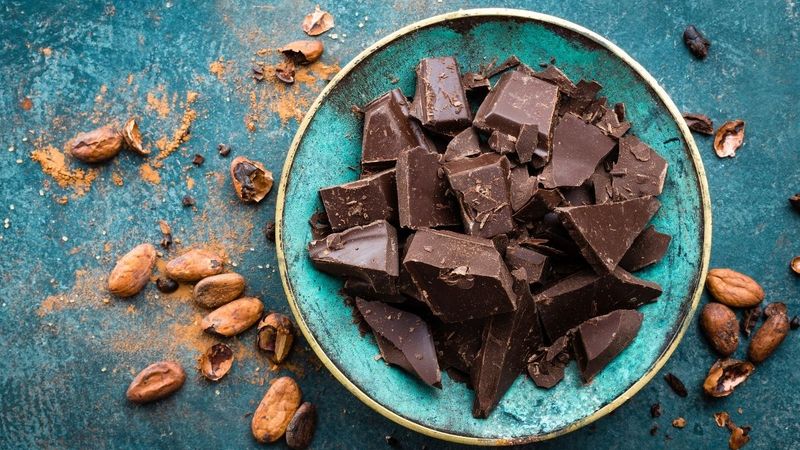
Good news for chocolate lovers: dark chocolate is one of the tastiest ways to get more magnesium into your day. A single one-ounce square can deliver around 64 mg of magnesium, which is nearly 15% of what most adults need daily.
Choose chocolate with at least 70% cacao for the best results. The higher the cacao percentage, the more magnesium you get per bite.
It also contains iron and antioxidants that support overall health.
2. Avocado
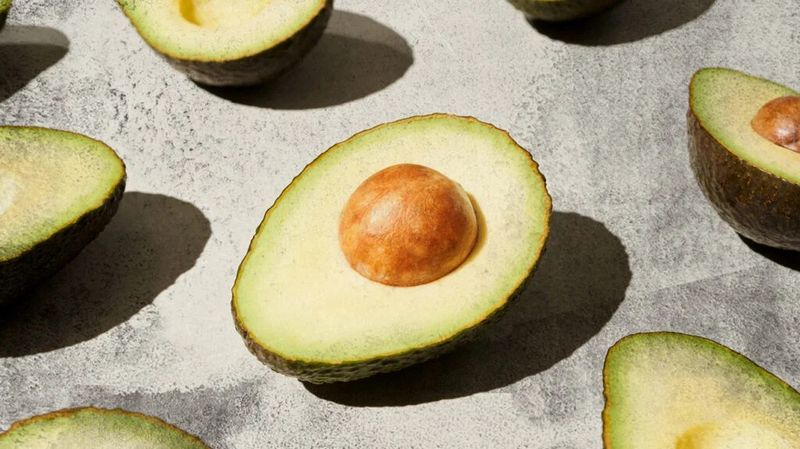
Avocados are creamy, satisfying, and surprisingly loaded with magnesium. One medium avocado provides about 58 mg of this essential mineral, making it a smart addition to salads, toast, or smoothies.
Beyond magnesium, avocados are rich in healthy fats that help your body absorb fat-soluble vitamins more efficiently. They also contain potassium and fiber, which support heart health and digestion.
Eating avocado regularly is a simple, delicious upgrade to any meal plan.
3. Almonds
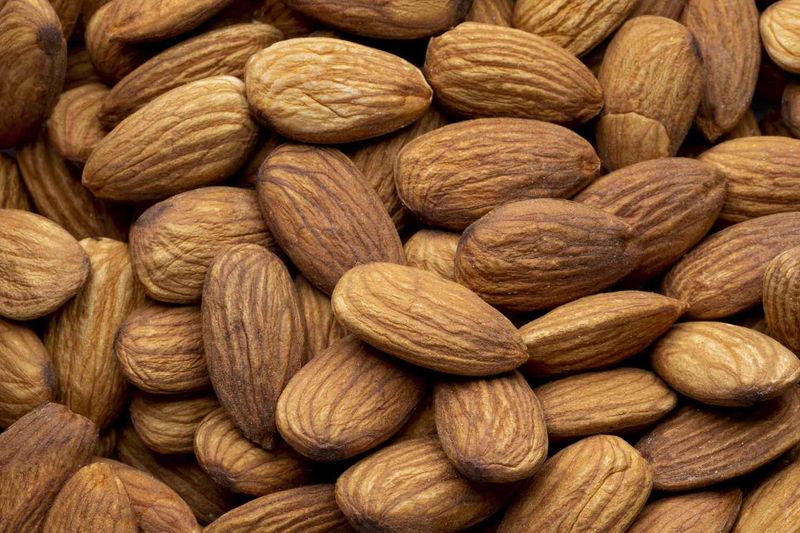
Almonds have earned their reputation as a powerhouse snack, and magnesium is a big reason why. Just one ounce of almonds contains about 80 mg of magnesium, making them one of the richest nut sources available.
Toss them in a trail mix, spread almond butter on whole grain toast, or snack on a small handful between meals. They also provide healthy fats, protein, and vitamin E, which helps protect your cells from damage.
4. Spinach
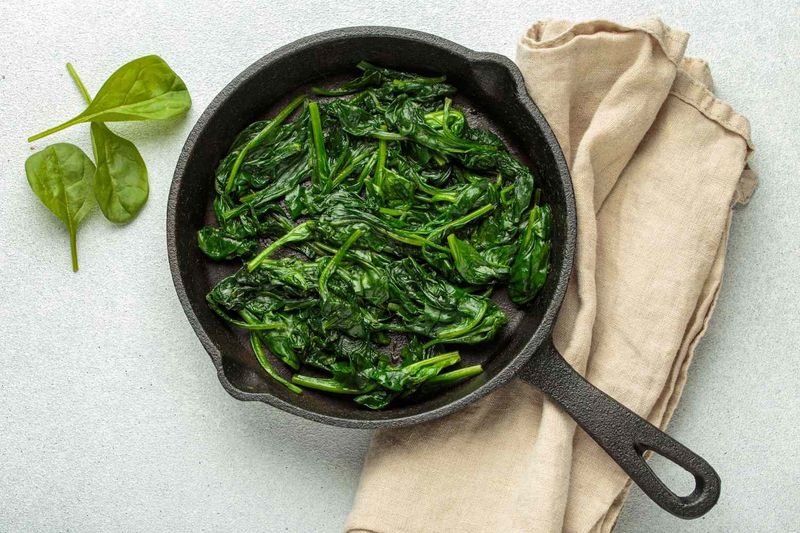
Popeye was onto something. Spinach is one of the most magnesium-dense vegetables you can eat, with one cup of cooked spinach delivering around 157 mg of the mineral.
Cooking spinach actually concentrates its nutrients, so a quick saute or adding it to soups makes it even more effective. It pairs well with garlic and olive oil for a simple side dish that feels gourmet.
Fresh or cooked, spinach belongs in your weekly routine.
5. Pumpkin Seeds
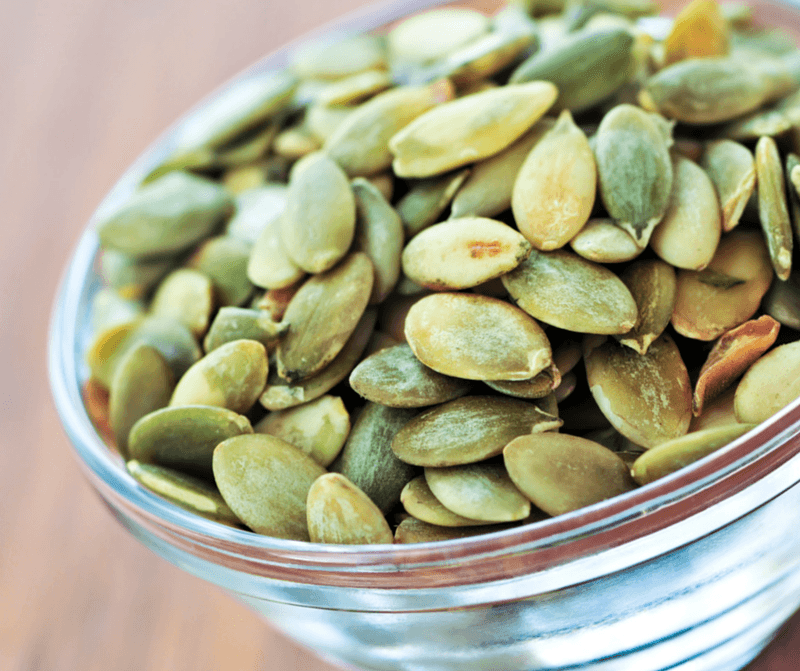
Tiny but mighty, pumpkin seeds pack one of the highest concentrations of magnesium found in any food. A single one-ounce serving delivers an impressive 168 mg, which covers about 40% of the daily recommended intake for adults.
Sprinkle them over yogurt, blend them into smoothies, or eat them straight as a crunchy snack. They also contain zinc and healthy fats that support immune function.
Few foods offer this much nutritional punch in such a small package.
6. Black Beans
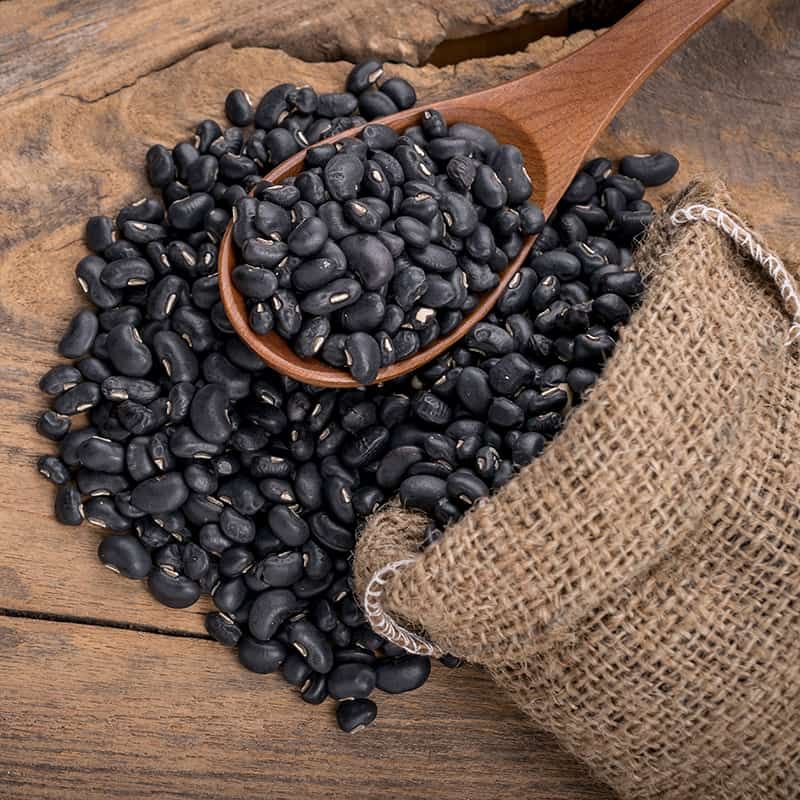
Black beans are a budget-friendly staple that quietly delivers serious nutrition. One cup of cooked black beans contains roughly 120 mg of magnesium, along with plenty of fiber and plant-based protein to keep you full for hours.
Add them to tacos, grain bowls, or soups for an easy nutrient boost. They also help stabilize blood sugar levels, which makes them a great choice for sustained energy throughout the day.
Canned or dried, black beans are always a win.
7. Edamame
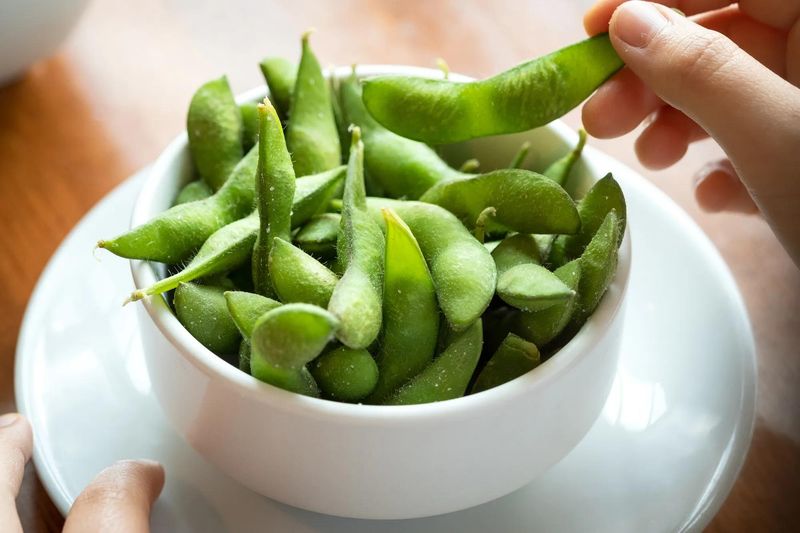
Edamame, or young soybeans, might be best known as a restaurant appetizer, but they deserve a permanent spot in your regular diet. One cup of cooked edamame offers around 99 mg of magnesium along with a generous dose of plant protein.
They make an effortless snack straight from the pod or can be tossed into stir-fries, grain bowls, and salads. Kids love them too, which makes edamame one of the easiest ways to sneak extra nutrition into family meals.
8. Tofu
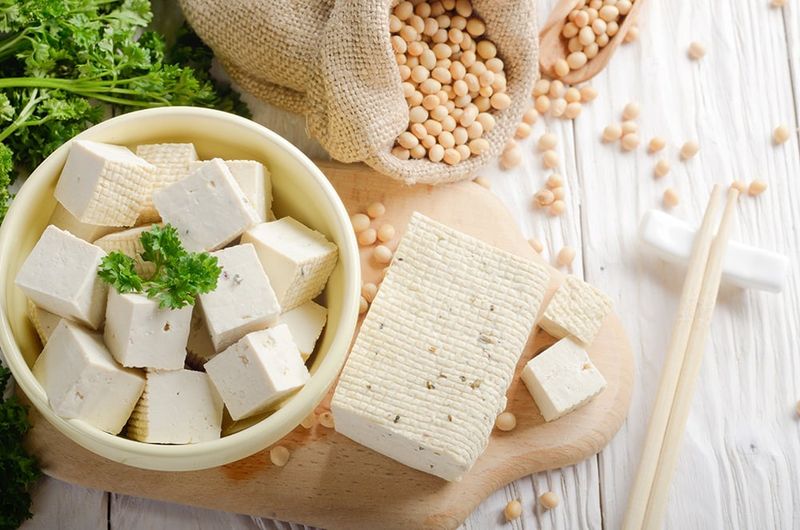
Tofu is incredibly versatile and a surprisingly solid source of magnesium. A half-cup serving of firm tofu provides approximately 37 mg of magnesium, and it absorbs the flavor of whatever you cook it with, making it easy to enjoy in many different dishes.
Scramble it for breakfast, cube it for stir-fries, or blend silken tofu into sauces and smoothies. It is also a complete protein, meaning it contains all the essential amino acids your body needs to function well.
9. Quinoa
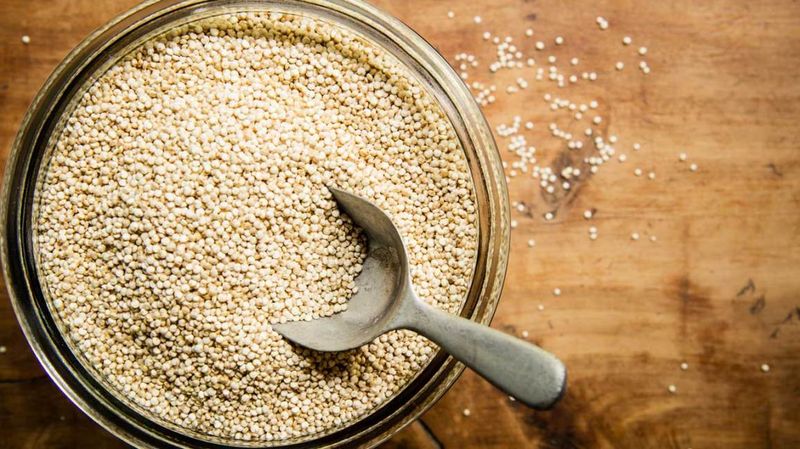
Quinoa is often called a super grain, and it earns that title with ease. One cup of cooked quinoa contains about 118 mg of magnesium, plus it is one of the few plant foods that qualifies as a complete protein.
Use it as a base for grain bowls, mix it into soups, or serve it as a side dish instead of rice. Its mild, nutty flavor works well with both savory and sweet toppings.
Quinoa is a true kitchen multitasker.
10. Cashews

Creamy and satisfying, cashews are a go-to snack that also happens to be rich in magnesium. One ounce of cashews delivers about 74 mg of the mineral, making them a convenient option for boosting your intake between meals.
They blend beautifully into dairy-free sauces and dressings, making cashews a favorite in plant-based cooking. Pair them with dried fruit for a quick energy-boosting snack, or toss them into a stir-fry for added crunch and nutrition.
11. Salmon

Salmon is widely celebrated for its omega-3 fatty acids, but its magnesium content deserves equal attention. A three-ounce serving of cooked salmon contains around 26 mg of magnesium along with high-quality protein that supports muscle repair and growth.
Bake it, grill it, or pan-sear it with herbs and lemon for a simple weeknight dinner. Eating salmon twice a week is one of the most well-rounded dietary habits you can build for long-term heart and brain health.
12. Bananas
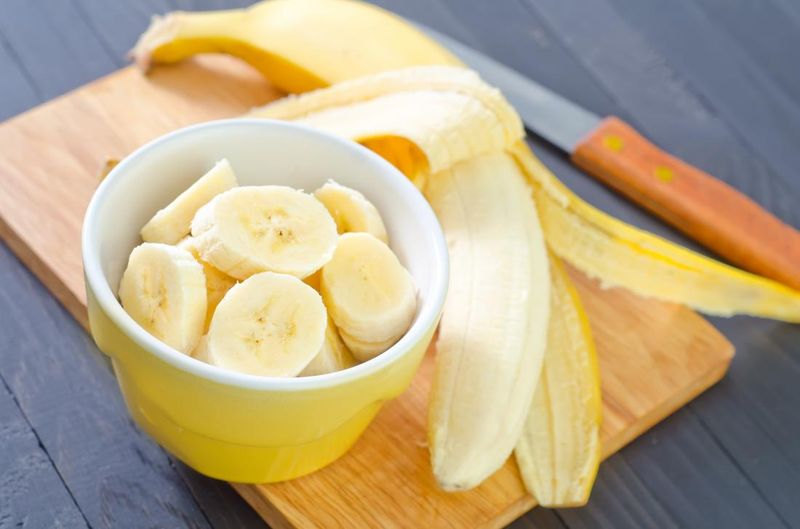
Bananas are best known for potassium, but they also bring a respectable amount of magnesium to the table. One medium banana provides about 32 mg of magnesium, making it a convenient on-the-go option for maintaining mineral levels throughout the day.
Slice one over oatmeal, blend it into a smoothie, or eat it plain as a pre-workout snack. The natural sugars in bananas provide quick energy, while the magnesium helps muscles contract and relax properly during physical activity.
13. Brown Rice
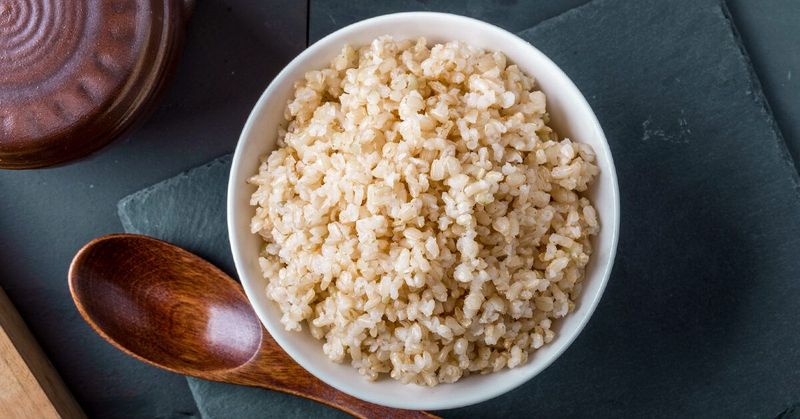
Switching from white rice to brown rice is one of the simplest upgrades you can make for your magnesium intake. One cup of cooked brown rice delivers about 84 mg of magnesium because the nutrient-rich outer bran layer remains intact during processing.
White rice loses much of its magnesium during refining, so the whole grain version is always the better choice. Brown rice works well as a side dish, in grain bowls, or stuffed into peppers for a hearty, nutritious meal.
14. Chia Seeds
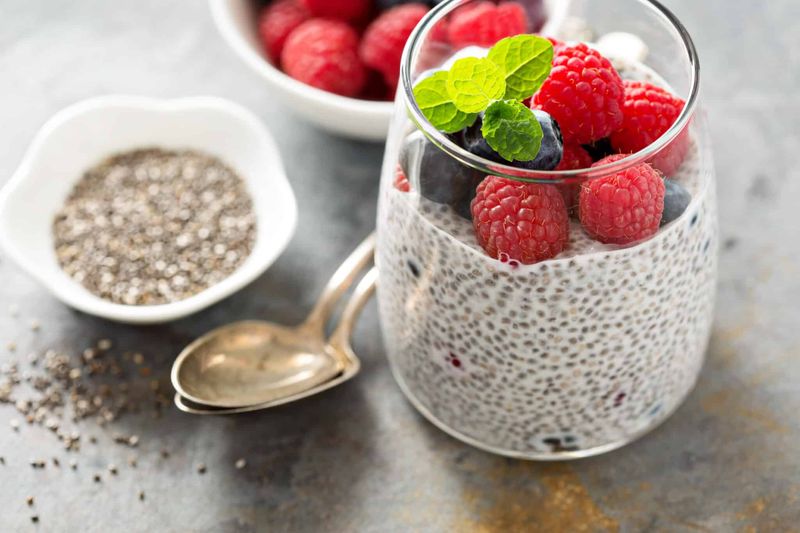
Chia seeds may be tiny, but they are nutritional giants. Two tablespoons contain about 95 mg of magnesium, which is roughly 23% of the daily recommended amount for adults.
They are also loaded with fiber and omega-3 fatty acids.
Stir them into yogurt, mix them into overnight oats, or make a simple chia pudding by combining them with your favorite milk and letting the mixture sit overnight. Their gel-like texture when soaked makes them incredibly filling and satisfying.
15. Kale
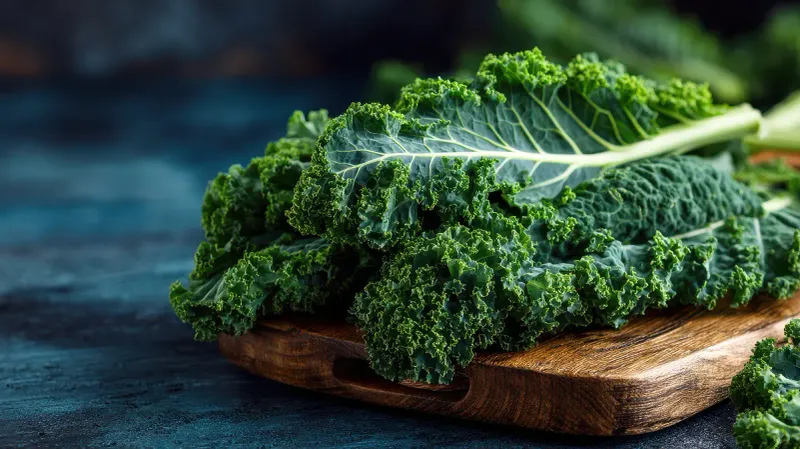
Kale has become a staple of healthy eating for good reason, and its magnesium content is part of the story. One cup of cooked kale provides around 31 mg of magnesium, along with impressive amounts of vitamins K, A, and C.
Massage raw kale with olive oil and lemon juice to soften it for salads, or roast it in the oven for crispy kale chips. Adding it to soups and smoothies is another easy way to enjoy its benefits without much effort.


Comments
No Comments