













Getting enough omega-3 fatty acids is one of the best things you can do for your child's health. These powerful nutrients support brain development, boost concentration, and keep little hearts strong.
Yet many British families aren't serving omega-3 rich foods as often as they could. The good news is that many of these foods are tasty, affordable, and easy to prepare.
1. Salmon
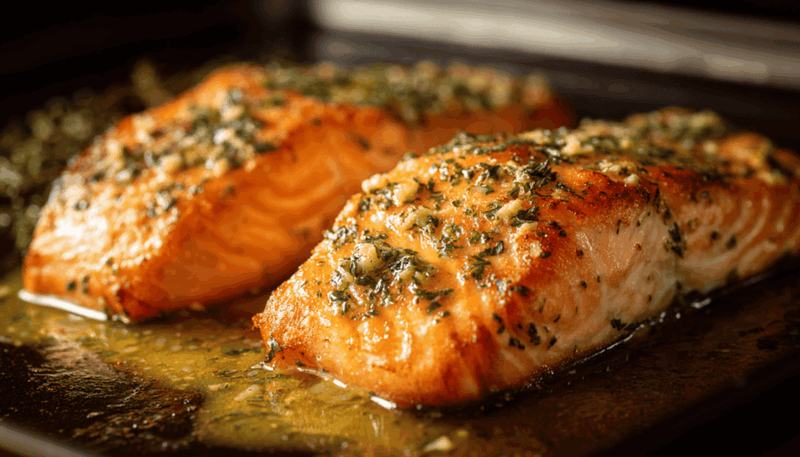
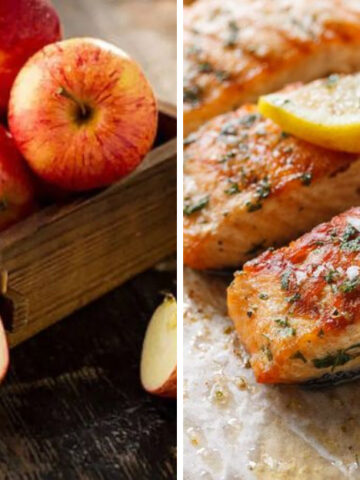
Few foods pack an omega-3 punch quite like salmon. Just one small fillet can give children a hefty dose of DHA and EPA, the two types of omega-3 that directly fuel brain growth and focus.
Many kids actually enjoy salmon when it's cooked simply with a squeeze of lemon or a light glaze.
Try serving it with mashed potatoes or pasta to make it feel like a familiar, comforting meal. Fresh, frozen, or tinned — all three versions work brilliantly.
2. Mackerel
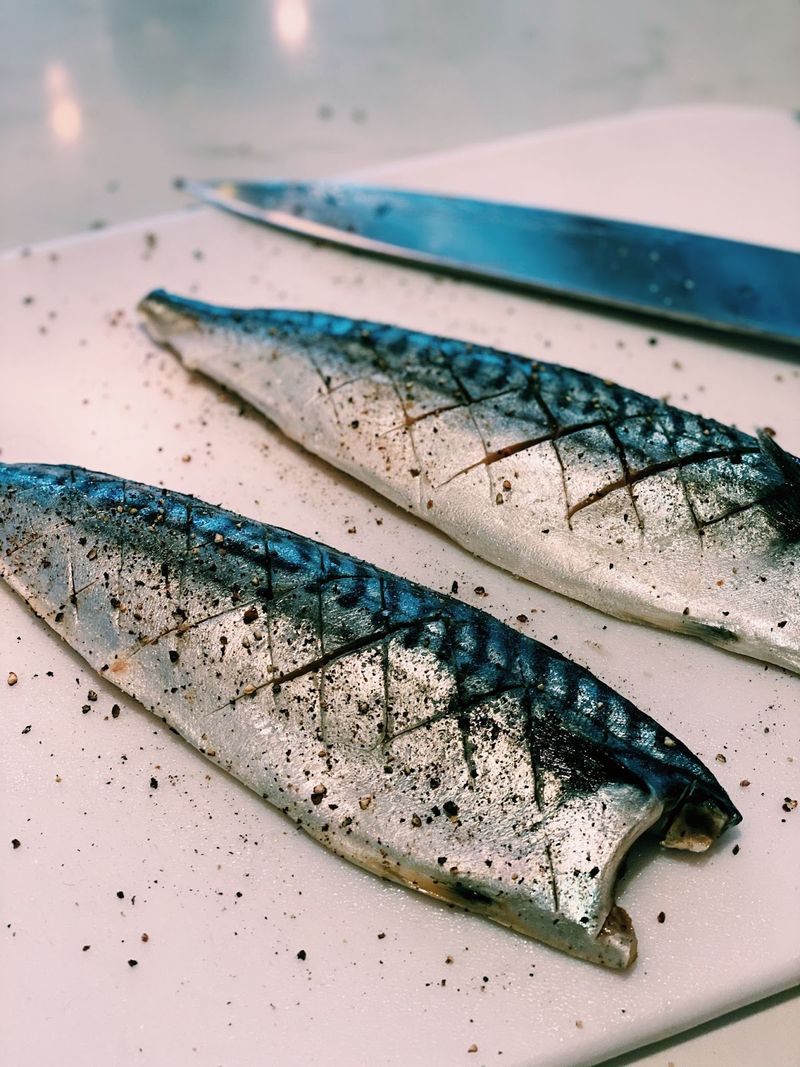
Mackerel might be one of the most underrated fish on British supermarket shelves. It's loaded with omega-3, costs very little, and has a bold, satisfying flavour that pairs wonderfully with wholegrain bread or rice.
Smoked mackerel pâté is a sneaky way to get children eating it without any fuss.
Did you know mackerel has been a staple of British coastal diets for centuries? Bringing it back to the dinner table is a simple win for the whole family.
3. Sardines
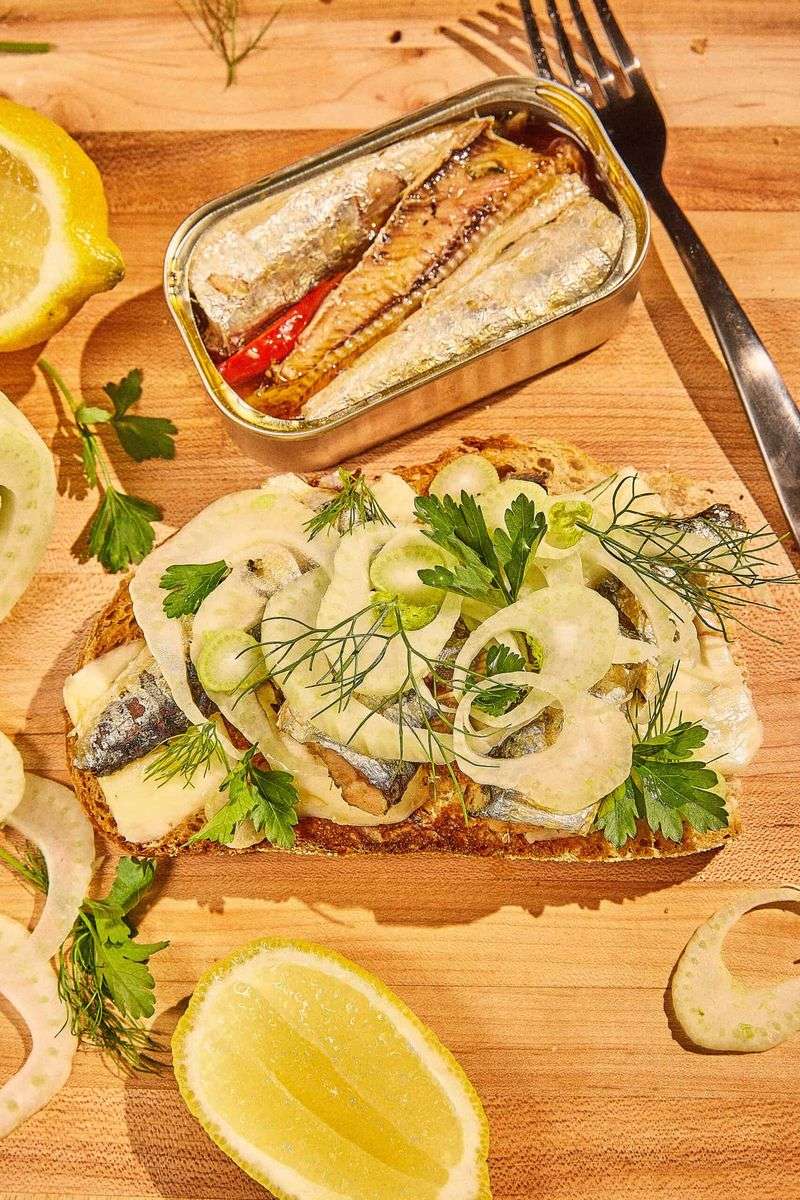
Sardines on toast is a classic British snack that deserves a proper comeback. Tinned sardines are incredibly rich in omega-3 and also contain calcium, making them a double win for growing children.
They're ready in minutes, cost next to nothing, and taste brilliant with a little butter and black pepper.
Younger kids might prefer sardines mashed into a sauce or mixed into pasta, which hides the texture while keeping all the nutritional goodness intact.
4. Tinned Tuna
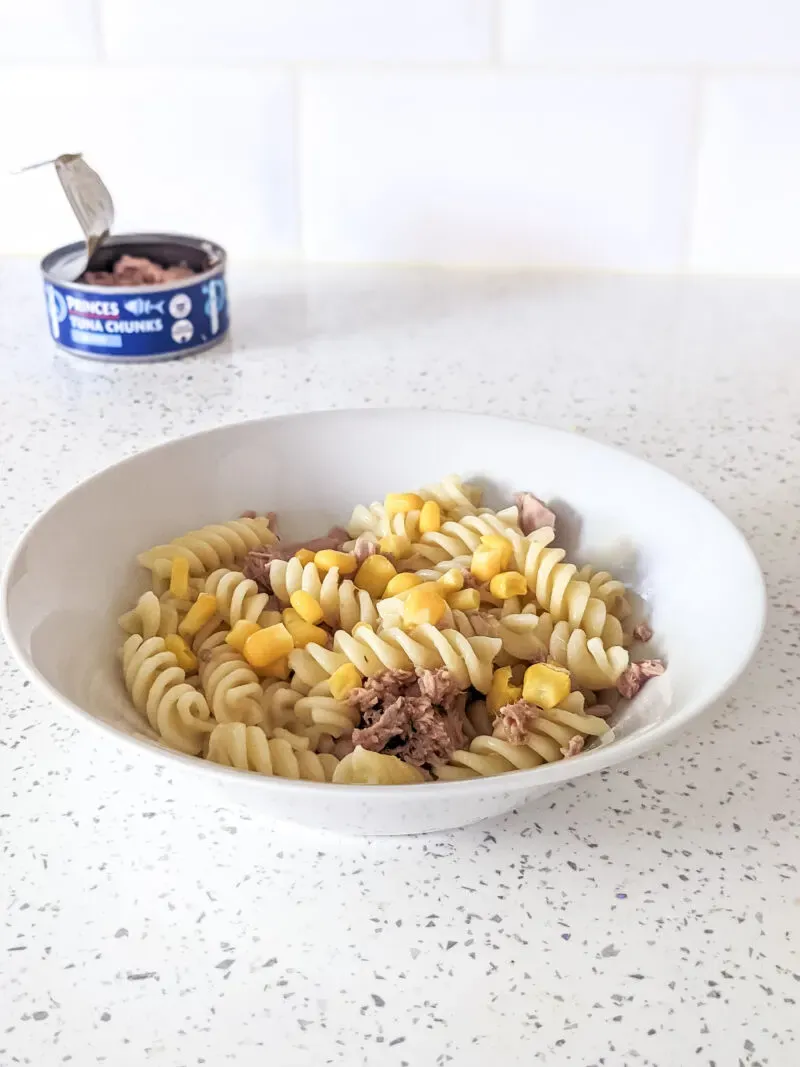
Tuna sandwiches are already a lunchbox favourite across Britain, so it might surprise you to learn that tinned tuna is a solid omega-3 source too. It's convenient, affordable, and most children will eat it happily mixed with a little mayo or sweetcorn.
The mild flavour makes it one of the easiest fish to introduce to picky eaters.
Opt for tuna in spring water rather than brine to keep sodium levels lower for younger children. Simple swaps like these add up over time.
5. Herring
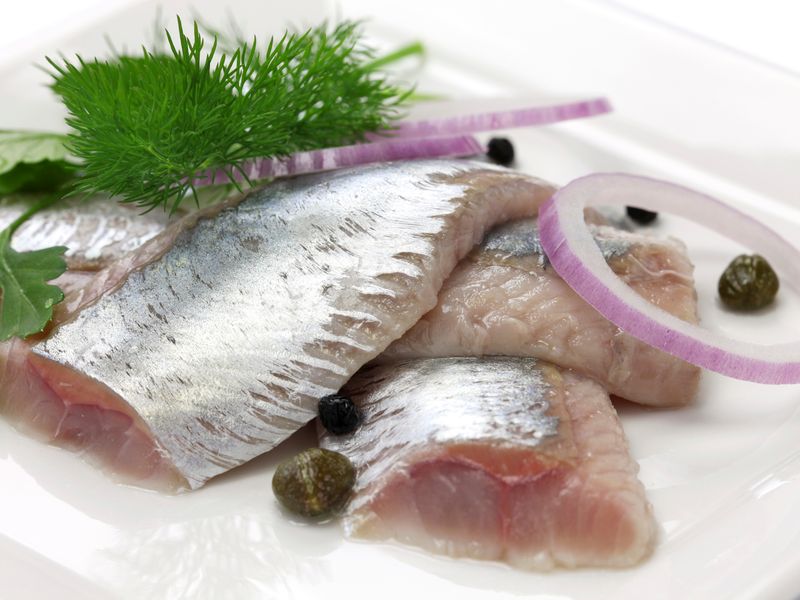
Herring has a long and proud history in British cuisine, even if modern families have largely forgotten about it. This oily fish is absolutely packed with omega-3 and has a rich, distinctive flavour that works well in many recipes.
Rollmops — pickled herring rolls — are a fun, finger-food style option older children might enjoy trying.
For younger kids, herring can be lightly pan-fried with herbs and served alongside chips for a familiar-feeling twist on the classic British fish supper.
6. Walnuts

Not every omega-3 source comes from the sea. Walnuts are one of the richest plant-based sources of ALA omega-3, making them a brilliant option for vegetarian children or those who simply won't eat fish.
A small handful added to a school lunchbox or sprinkled over porridge can make a real difference.
Their slightly earthy, buttery taste pairs nicely with honey, dried fruit, or yoghurt. Crushing them and mixing into baked goods like banana bread is another brilliant way to sneak them in.
7. Flaxseeds
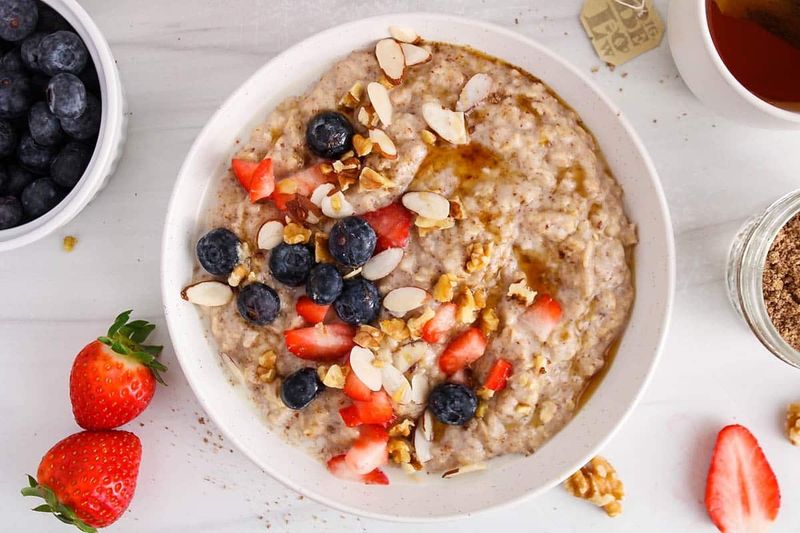
Tiny but mighty, flaxseeds are a powerhouse of plant-based omega-3. Ground flaxseeds are the best form to give children because whole seeds pass through the digestive system without being fully absorbed.
Stirring a teaspoon into smoothies, yoghurt, or porridge is practically undetectable but nutritionally brilliant.
Flaxseed oil is another option and can be drizzled over salads or vegetables. Just remember that flaxseeds should always be stored in the fridge once opened to keep them fresh and nutritious.
8. Chia Seeds
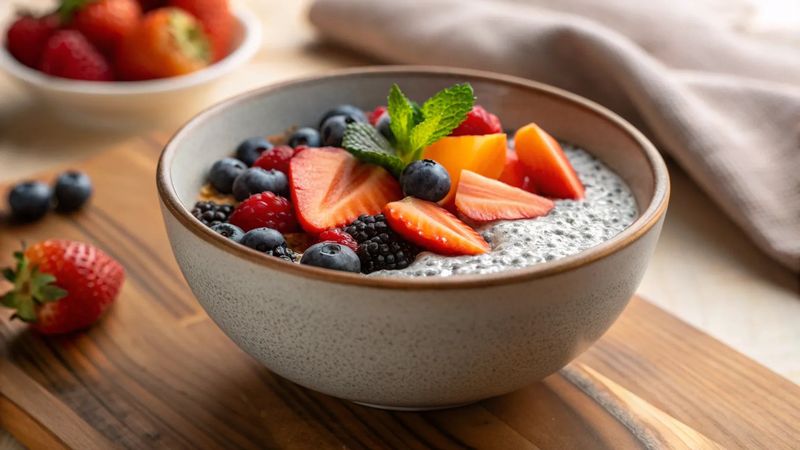
Chia seeds have become a trendy health food for good reason — just two tablespoons contain a seriously impressive amount of ALA omega-3. When soaked in milk or a dairy-free alternative overnight, they form a creamy, pudding-like texture that many children find fun and enjoyable to eat.
Add a drizzle of honey and some chopped strawberries on top and you have a breakfast that feels like a treat. Chia seeds are also tasteless, so blending them into fruit smoothies works perfectly for fussier eaters.
9. Hemp Seeds
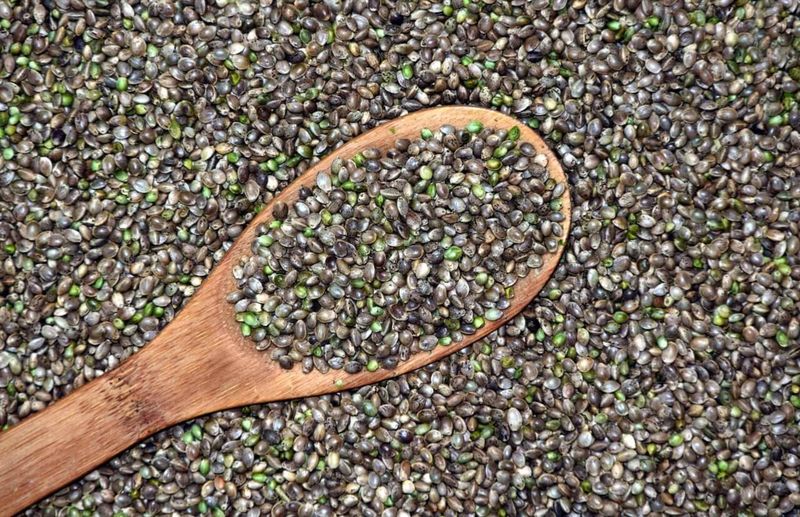
Hemp seeds have a mild, nutty flavour that blends seamlessly into everyday meals. They contain a well-balanced ratio of omega-3 to omega-6 fatty acids, which nutritionists say is particularly beneficial for children's health.
Sprinkle them over cereal, blend them into smoothies, or stir them through yoghurt without anyone even noticing.
Unlike some health foods that require convincing children to try, hemp seeds genuinely disappear into food. They're also rich in protein, making them a double bonus for growing bodies.
10. Edamame Beans
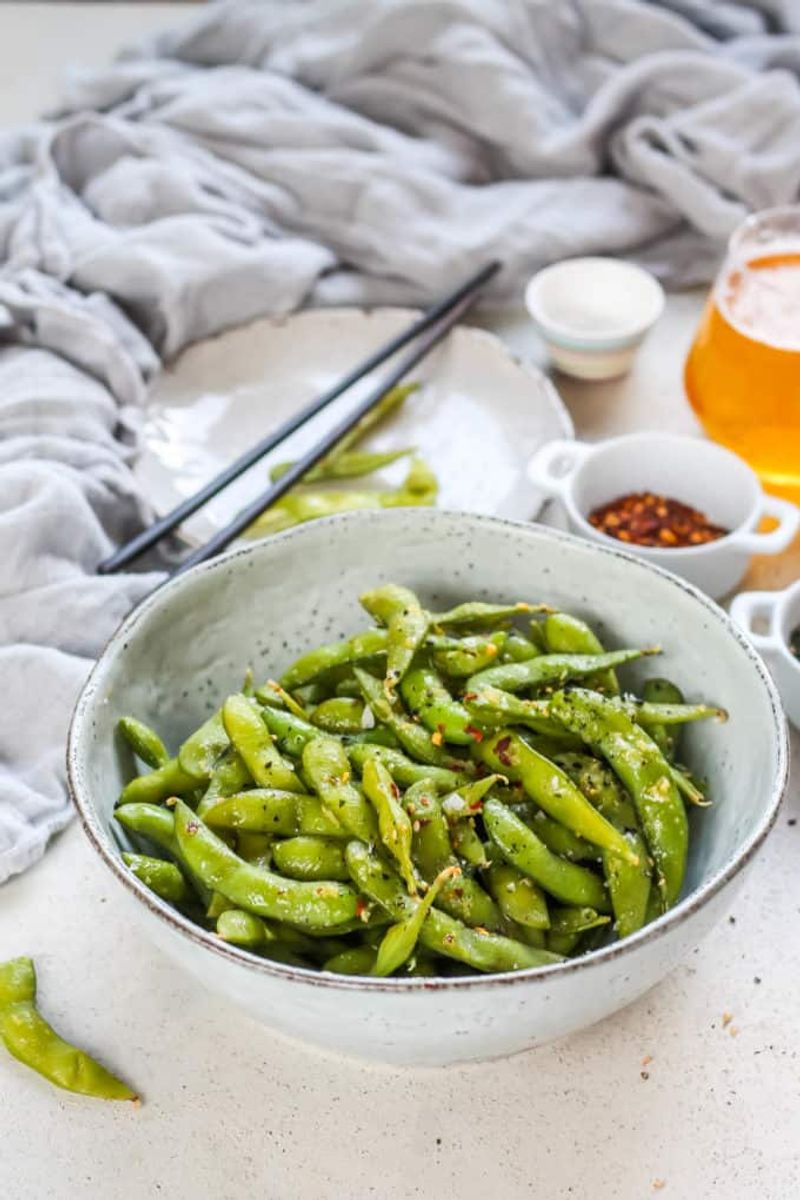
Edamame beans — young green soybeans — are a surprisingly good plant-based source of omega-3 and a firm favourite with many children who enjoy the fun of popping them from their pods. They're widely available in British supermarkets, either fresh or frozen, and take only minutes to prepare.
Lightly salted and served warm, they make a brilliant after-school snack. Alternatively, blend them into a vibrant green hummus and serve with pitta bread for a nutritious, crowd-pleasing dip that works brilliantly for lunchboxes too.
11. Seaweed and Algae Snacks
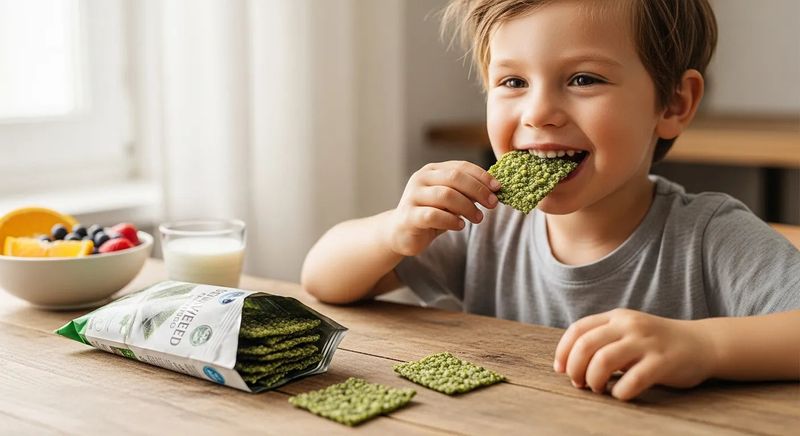
Here's a surprising one — seaweed is actually the original source of DHA omega-3 in the food chain. Fish get their omega-3 by eating algae, so going straight to the source makes good nutritional sense.
Roasted seaweed snack sheets are now sold in most British supermarkets and many children genuinely love their crispy, salty taste.
Algae-based omega-3 supplements are also a fantastic option for children who don't eat fish at all. It's a smart, sustainable choice that parents and kids can feel good about.
12. Eggs (Omega-3 Enriched)

Regular eggs are nutritious, but omega-3 enriched eggs — laid by hens fed a diet rich in flaxseeds or fish meal — contain significantly higher levels of DHA and EPA. They look and taste exactly like ordinary eggs, which makes swapping them in effortless.
Scrambled, boiled, or as part of a veggie omelette, children rarely turn eggs down.
Look for the "omega-3" label on egg boxes in supermarkets like Tesco, Sainsbury's, and Waitrose. It's one of the easiest upgrades any British family can make.
13. Spinach
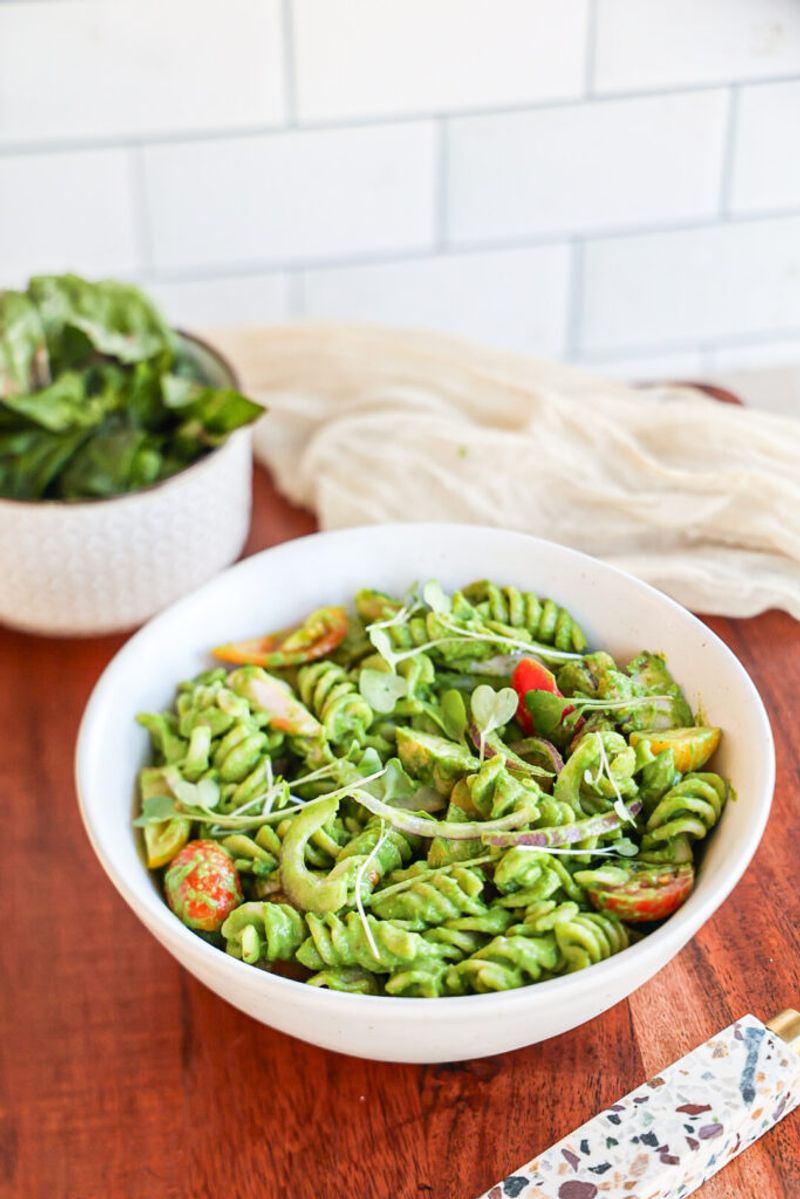
Spinach might not be the first food that springs to mind when you think of omega-3, but this leafy green does contain a modest amount of ALA alongside a remarkable range of other nutrients. The key is serving it regularly so small amounts add up over time.
Wilted spinach stirred into pasta sauce or blended into a green smoothie barely changes the taste.
Getting children used to eating dark leafy greens early in life sets them up with healthy habits that genuinely last. Popeye was onto something.
14. Kidney Beans
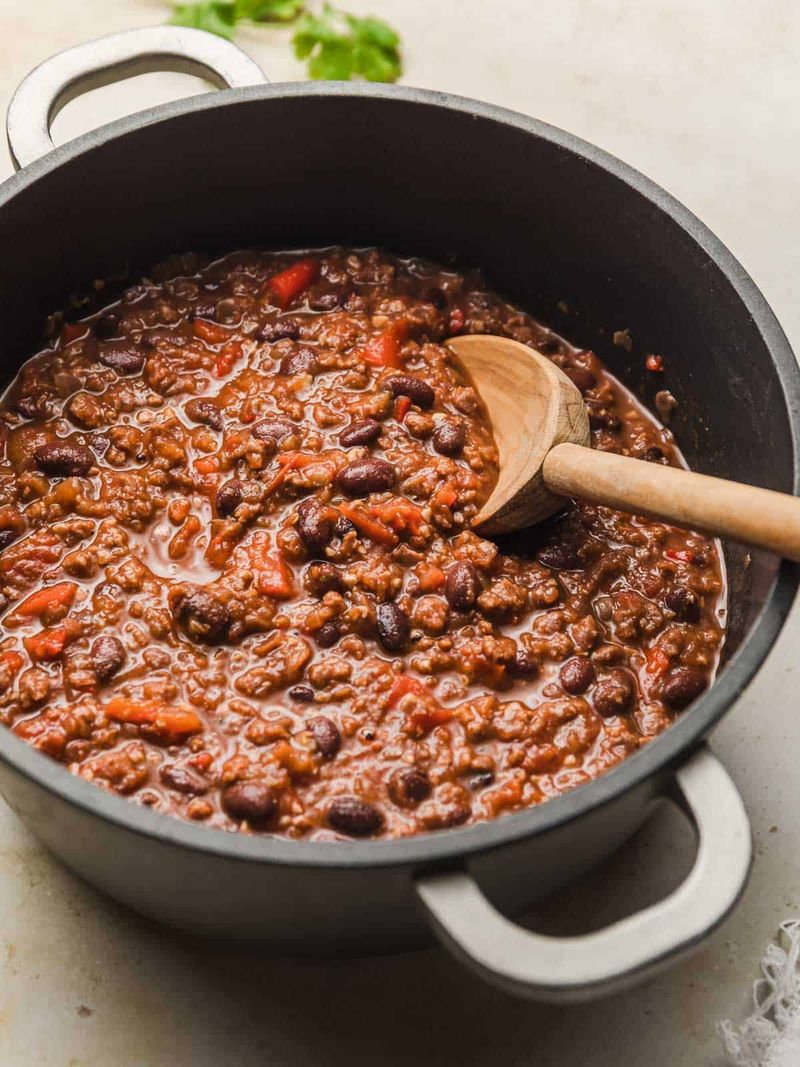
Kidney beans are a humble, budget-friendly food that British families already use in dishes like chilli con carne — and they happen to contain a useful amount of plant-based omega-3 too. A big pot of bean chilli is filling, warming, and easy to batch-cook for the whole week.
Children tend to enjoy the rich, tomatoey flavour.
Swapping minced beef for kidney beans occasionally is a great way to increase omega-3 intake while also cutting saturated fat. Win-win for the whole family.
15. Fortified Milk and Yoghurt
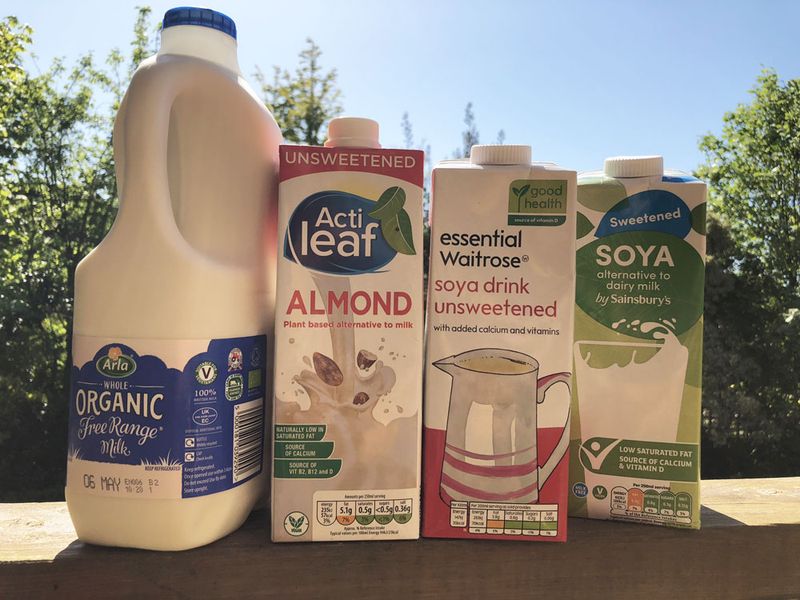
For children who won't touch fish or seeds, fortified dairy products offer a clever workaround. Several UK brands now sell milk and yoghurts with added omega-3 DHA, making it easy to boost intake without any battles at the dinner table.
A glass of fortified milk with breakfast or a pot of enriched yoghurt as an after-school snack can genuinely contribute to daily omega-3 targets.
Check the label for "DHA" or "omega-3" before buying. Brands like Arla and Yeo Valley offer solid options in most major supermarkets.
Comments
No Comments