Turkish desserts have become increasingly familiar to many people in the UK through restaurants, specialist food shops, and travel experiences. These sweets often combine layered pastry, nuts, milk-based puddings, and fragrant syrups, offering textures and flavours that differ from traditional British desserts.
Understanding what defines these desserts helps explain their growing presence on menus and in home kitchens.
This content is for general information only. Taste preferences, appearance, and product availability may vary. Images are for illustrative purposes only.
1. Baklava

Layers upon layers of paper-thin filo pastry, crunchy nuts, and golden syrup make this the king of Turkish sweets. Each bite delivers a satisfying crunch followed by a buttery, honeyed sweetness that lingers on your tongue.
Pistachios or walnuts nestle between the delicate pastry sheets, adding earthy richness. The syrup seeps into every layer, creating a texture that is both crisp and melt-in-your-mouth tender.
Served at room temperature, baklava pairs brilliantly with strong Turkish tea or coffee, cutting through the sweetness with a bitter edge that balances everything perfectly.
2. Künefe
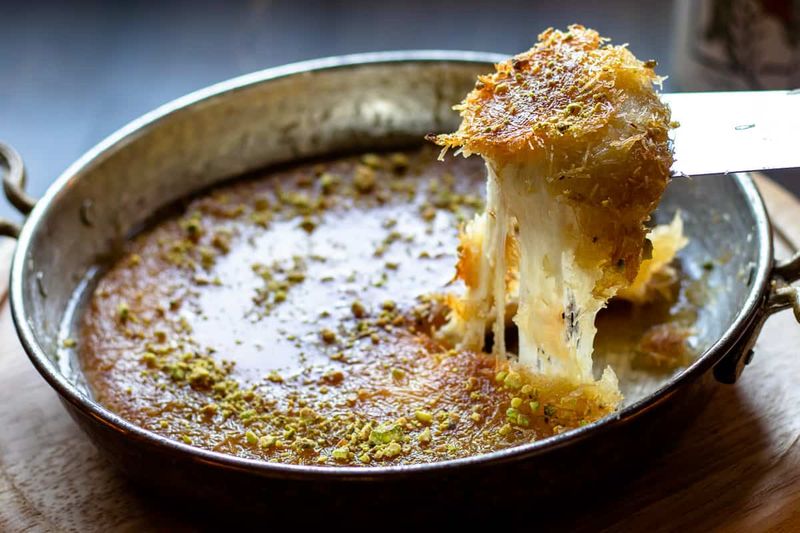
Picture shredded pastry strands crisped to perfection, hiding a molten cheese centre that stretches as you pull your fork away. This hot dessert arrives at your table sizzling, often topped with crushed pistachios and a generous drizzle of sugar syrup.
The contrast between the crunchy kadayıf exterior and the gooey, slightly salty cheese filling creates an addictive flavour combination. Some versions come with a dollop of clotted cream or ice cream on top, adding creamy coolness to the warm, sweet base.
It is comfort food and indulgence rolled into one unforgettable plate.
3. Turkish Delight (Lokum)
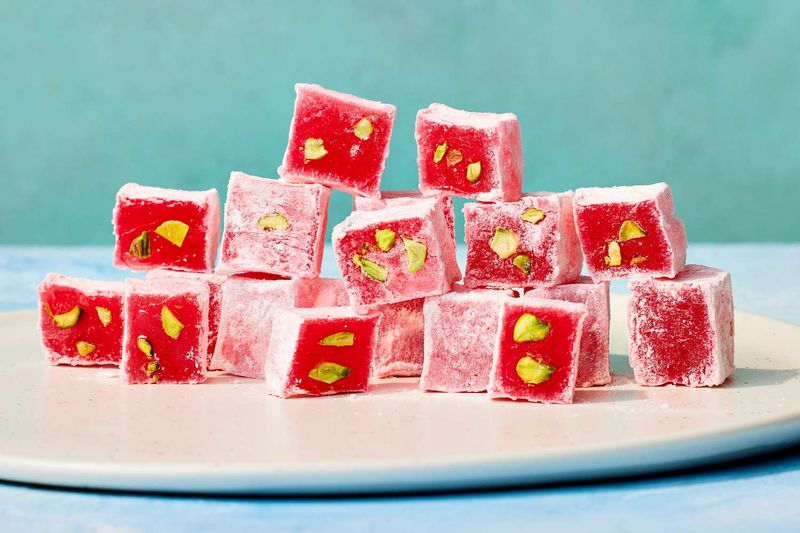
Soft, chewy cubes dusted with icing sugar, lokum comes in a rainbow of flavours from rose to lemon to pomegranate. The texture is bouncy and gel-like, thanks to cornstarch and sugar syrup cooked to just the right consistency.
Premium versions contain whole pistachios or hazelnuts, adding a satisfying crunch to the tender sweet. Rose-flavoured lokum tastes floral and delicate, transporting you straight to an Istanbul spice market.
Traditionally served alongside Turkish coffee, the sweetness of lokum balances the strong, bitter brew beautifully, making it a classic pairing you will crave again.
4. Sütlaç (Rice Pudding)
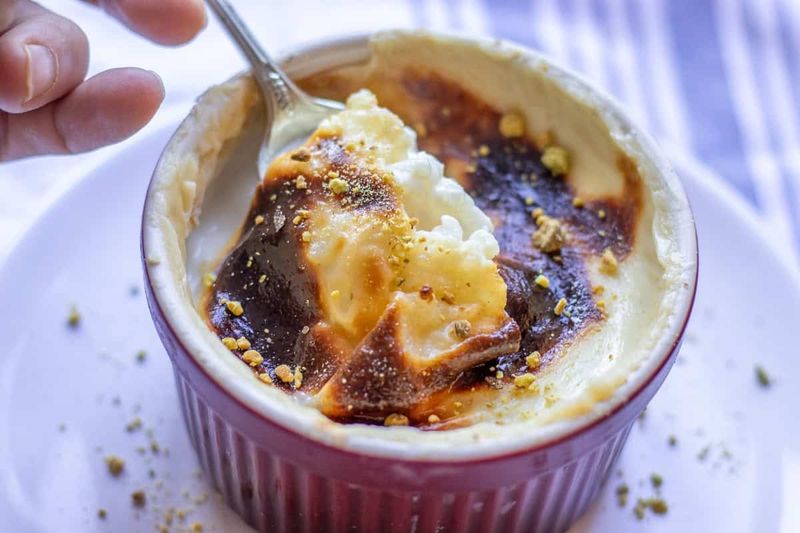
Creamy, comforting, and topped with a caramelised golden crust, sütlaç is Turkish rice pudding elevated to an art form. Short-grain rice simmers slowly in milk and sugar until each grain becomes tender and the mixture thickens to a velvety consistency.
Some recipes add a hint of rosewater or vanilla, giving subtle floral or sweet notes. The pudding is then baked in individual earthenware dishes until the top turns beautifully golden and slightly crisp.
Served chilled, the contrast between the cool, creamy interior and the caramelised top creates a textural experience that keeps Britons coming back for seconds.
5. Revani (Semolina Cake In Syrup)
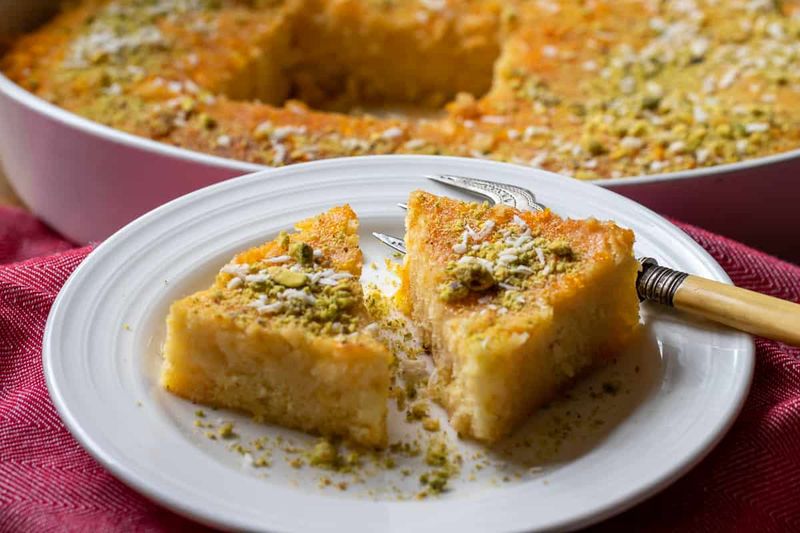
Moist, tender, and absolutely drenched in lemon-scented syrup, revani is a semolina-based cake that feels light despite its sweetness. The semolina gives the cake a unique, slightly grainy texture that absorbs syrup like a sponge.
Yoghurt in the batter keeps everything moist and adds a subtle tang that balances the sugar. Once baked, the cake is cut into squares or diamonds and soaked in a syrup infused with lemon juice, making each bite refreshingly sweet.
Often garnished with a single almond or pistachio on top, revani is perfect with afternoon tea and never feels too heavy or cloying.
6. Şekerpare
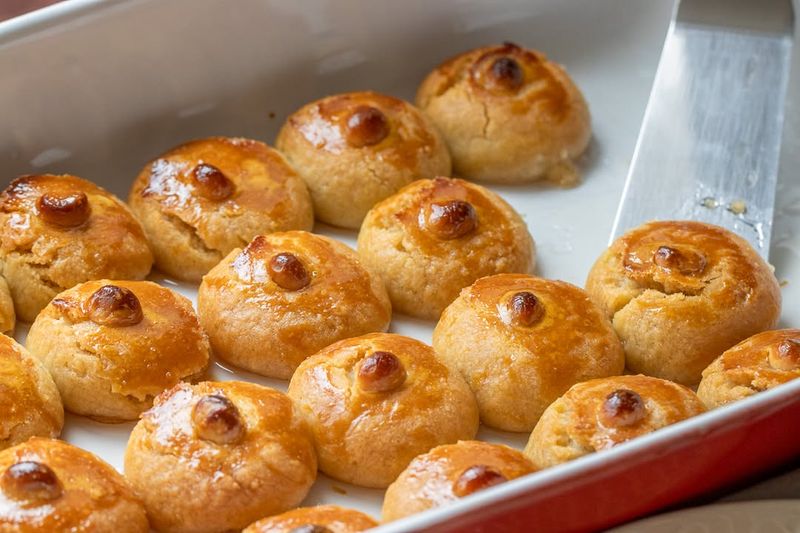
Small, round, and utterly charming, şekerpare are buttery semolina cookies soaked in sweet syrup and crowned with a hazelnut or almond. The name translates to sugar piece, which tells you everything you need to know about their delightful sweetness.
The cookies have a crumbly, melt-in-your-mouth texture before the syrup is added, then they transform into soft, syrup-laden bites. Each cookie is scored on top before baking, creating a distinctive pattern that helps the syrup soak in evenly.
Served at room temperature, they pair wonderfully with strong coffee and make perfect little treats when you fancy something sweet but not too filling.
7. Kazandibi
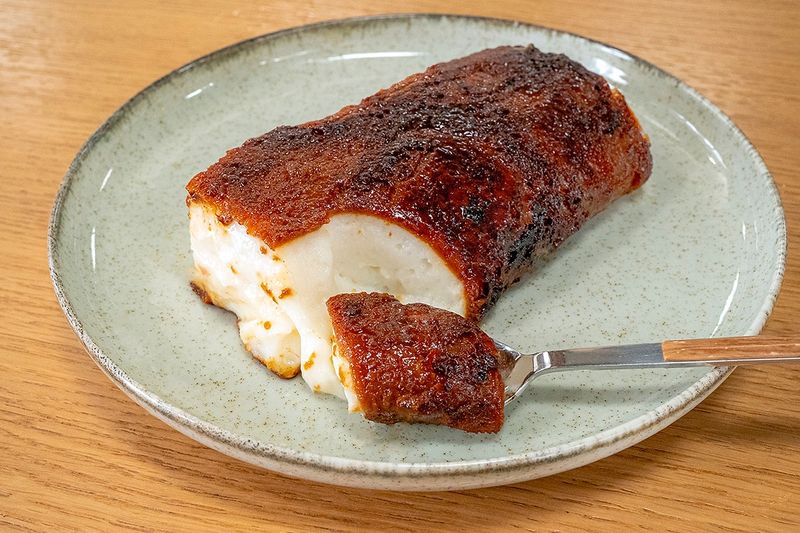
Translating to bottom of the pot, kazandibi is a caramelised milk pudding with a burnt, toffee-like layer on top that adds incredible depth of flavour. The pudding itself is smooth and creamy, made from milk, sugar, rice flour, and chicken breast that has been pounded so finely you cannot detect it.
The caramelised top is created by cooking the pudding in a special pan until the bottom burns slightly, then flipping it over to reveal a dark, sweet crust. The contrast between the creamy pudding and the slightly bitter caramel makes every spoonful interesting.
Chilled and served in slices, kazandibi is a sophisticated dessert that surprises and delights.
8. Tavukgöğsü (Milk Pudding)
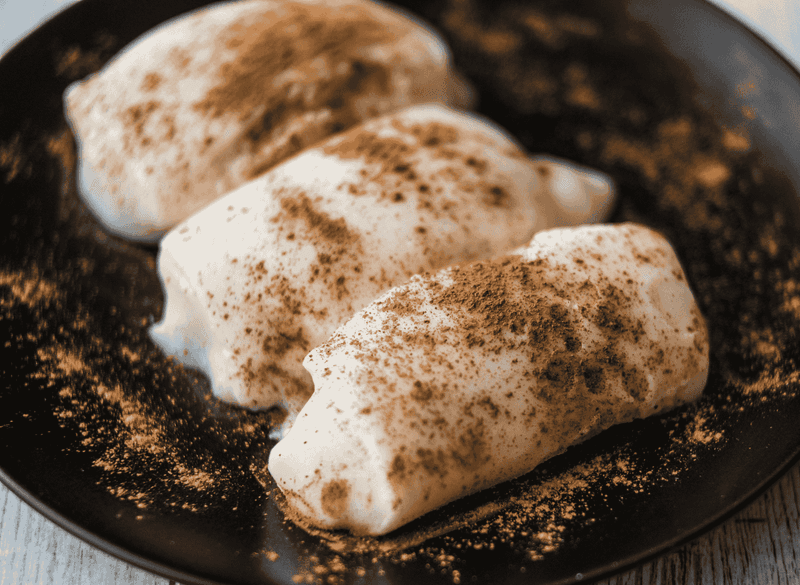
Yes, you read that right, this silky milk pudding contains finely shredded chicken breast, though you would never guess it. The chicken is pounded and pulled into such fine strands that it simply adds body and a unique texture without any meaty flavour.
Milk, sugar, rice flour, and chicken simmer together until thick and creamy, then the pudding is chilled and often dusted with cinnamon. The result is a dessert that is incredibly smooth, subtly sweet, and surprisingly light.
Britons who try it are usually sceptical at first, but the delicate flavour and velvety texture quickly win them over, making it a memorable and unusual treat worth seeking out.
9. Aşure (Noah's Pudding)
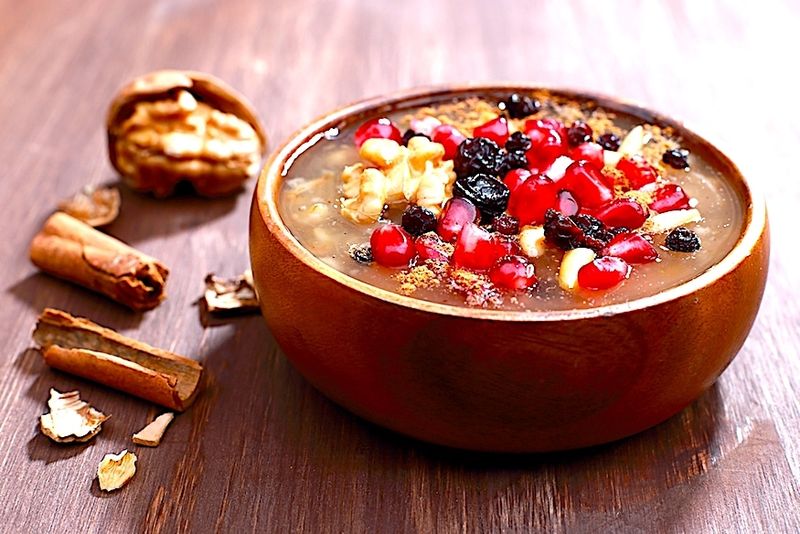
Legend has it that Noah made this pudding on the Ark using whatever ingredients were left, and the result is a hearty, wholesome dessert packed with grains, beans, dried fruits, and nuts. Wheat berries, chickpeas, white beans, raisins, apricots, figs, and pomegranate seeds all mingle together in a lightly sweetened, fragrant pudding.
Rosewater and cinnamon add warmth and floral notes, while the toppings, usually pomegranate seeds, walnuts, and cinnamon, provide crunch and colour. Served cold, aşure is more nutritious than your average dessert, making it feel almost virtuous.
It is traditionally shared with neighbours and friends, embodying generosity and community spirit.
10. Tulumba Tatlısı
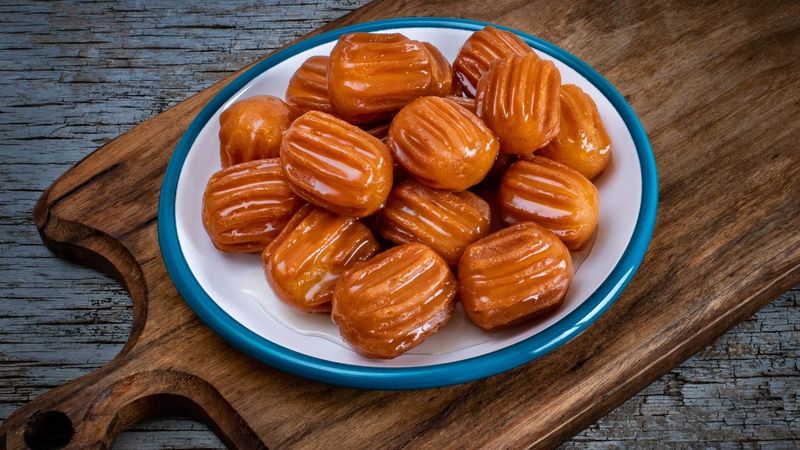
Golden, ridged, and soaked in syrup, tulumba are fried dough fritters with a crispy exterior and a soft, airy interior. The dough is piped through a special nozzle to create the distinctive ridged shape, then deep-fried until perfectly golden.
Once fried, the fritters are immediately dunked into cold sugar syrup, which seeps into every crevice and makes them incredibly sweet and sticky. The texture is similar to churros but lighter and more delicate, with a satisfying crunch that gives way to a tender centre.
Served at room temperature, tulumba are addictive little bites that pair wonderfully with tea and are impossible to eat just one of.
11. Güllaç
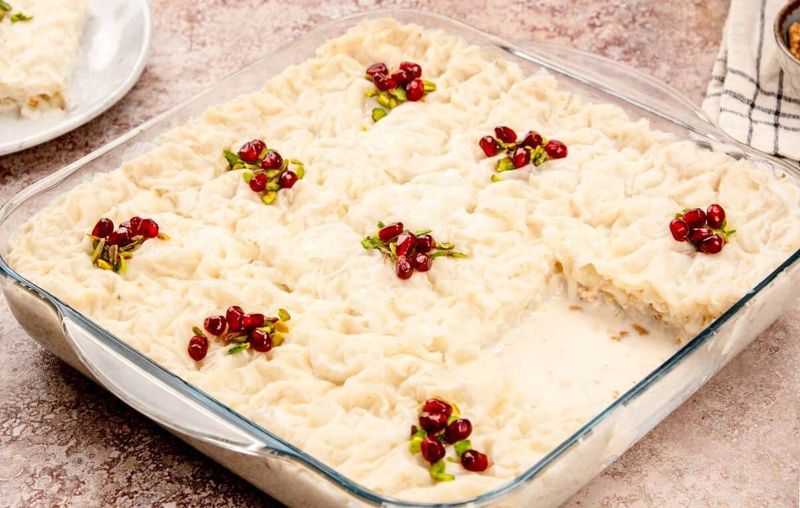
Delicate, fragrant, and traditionally served during Ramadan, güllaç is a light dessert made from thin wafer sheets soaked in sweetened milk infused with rosewater. The wafers soften into translucent, silky layers that melt on your tongue.
Crushed walnuts or pistachios are sprinkled between the layers, adding texture and nutty flavour. Pomegranate seeds often garnish the top, providing a pop of colour and a tart contrast to the creamy sweetness.
The rosewater gives güllaç a distinctive floral aroma that feels elegant and refreshing. Served chilled, it is one of the lightest Turkish desserts, perfect for those who want something sweet without feeling overly full afterwards.