










Some of the most famous food brands in the world started in the most unexpected ways. From a simple kitchen experiment to a lucky accident, these companies grew from small ideas into global giants.
Their stories are filled with creativity, hard work, and a little bit of luck. Get ready to discover the fascinating origins behind the brands you probably have in your kitchen right now.
1. Kellogg's: The Accidental Cereal Empire
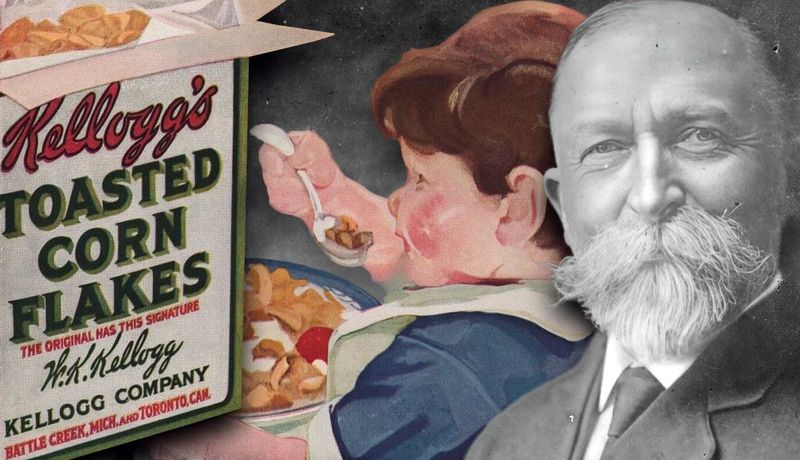
Back in 1894, a Michigan sanitarium worker named Will Keith Kellogg accidentally left some boiled wheat out overnight. Instead of throwing it away, he rolled it flat and baked it, creating the world's first flaked cereal.
His brother John Harvey Kellogg helped refine the recipe.
That happy accident launched one of the most recognized breakfast brands on earth. Today, Kellogg's sells products in over 180 countries, proving that sometimes the best ideas come from mistakes.
2. Coca-Cola: A Pharmacist's Sweet Experiment
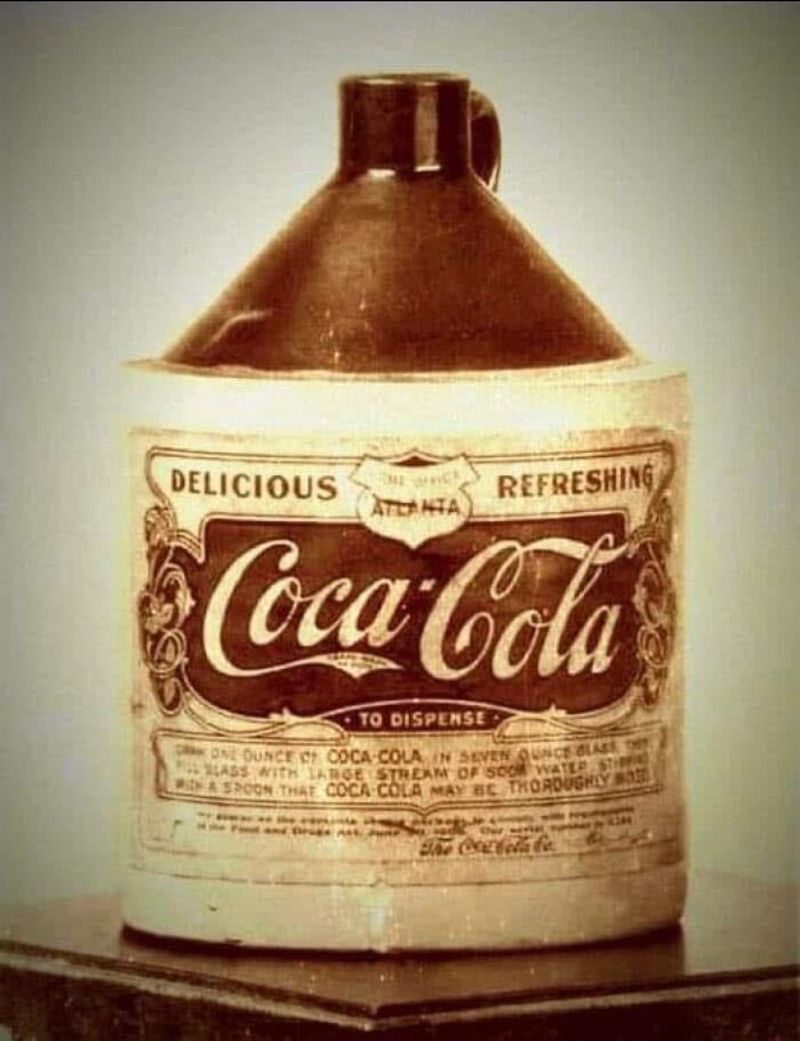
Coca-Cola was invented in 1886 by pharmacist John Stith Pemberton in Atlanta, Georgia. He originally mixed the syrup as a medicinal tonic meant to cure headaches and fatigue.
A soda fountain worker accidentally mixed it with carbonated water, and the iconic drink was born.
Pemberton sold the formula for just $2,300, never imagining it would become the world's best-selling soft drink. Coca-Cola now operates in over 200 countries worldwide.
3. Heinz: From a Garden to Global Shelves
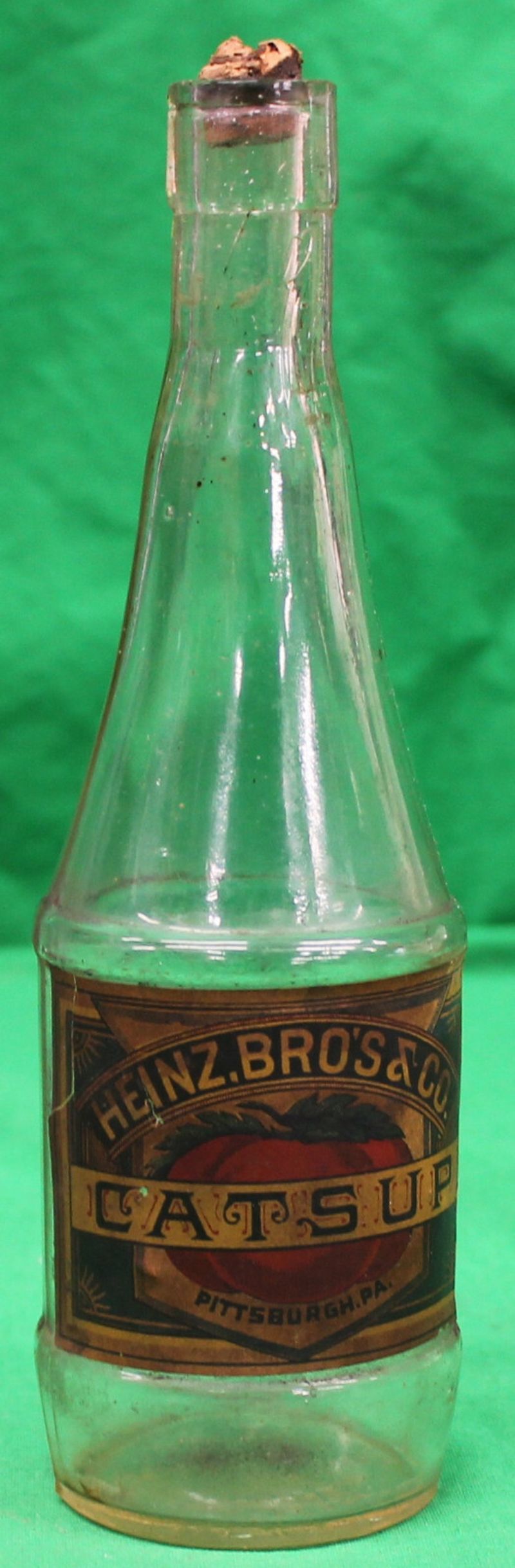
Henry John Heinz started selling bottled horseradish from his mother's garden in Sharpsburg, Pennsylvania, in 1869. He believed in something rare for that era: honest, clearly labeled food products.
His transparent glass bottles were a bold move at a time when many sellers hid their product quality.
Heinz grew his line to include pickles, ketchup, and dozens of other condiments. The famous "57 Varieties" slogan he created is still used today, even though the company makes far more products.
4. McDonald's: Two Brothers and a Burger Stand
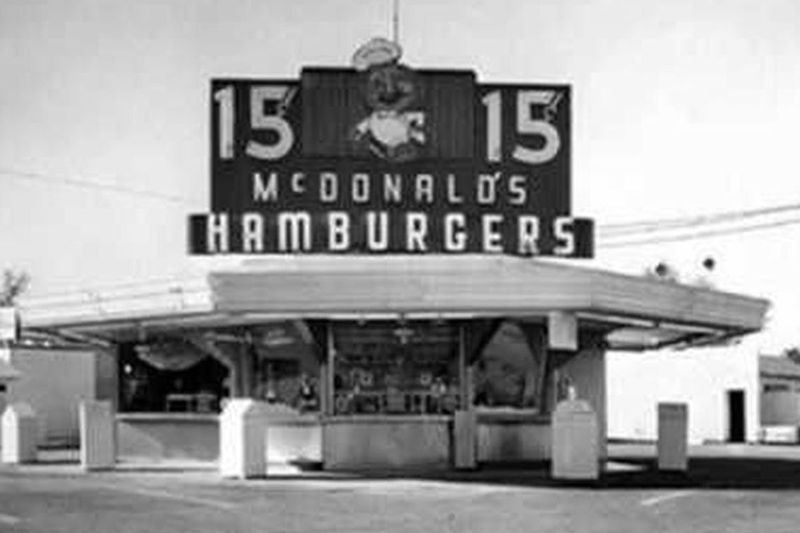
Richard and Maurice McDonald opened a small barbecue drive-in in San Bernardino, California, in 1940. After struggling with a large menu, they simplified it to burgers, fries, and shakes, using an assembly-line kitchen system they called the "Speedee Service System."
Ray Kroc, a milkshake machine salesman, visited in 1954 and saw huge potential. He partnered with the brothers and began franchising.
Today, McDonald's is the largest fast-food chain on the planet, serving millions daily.
5. Nestlé: Saving Babies, Building a Brand
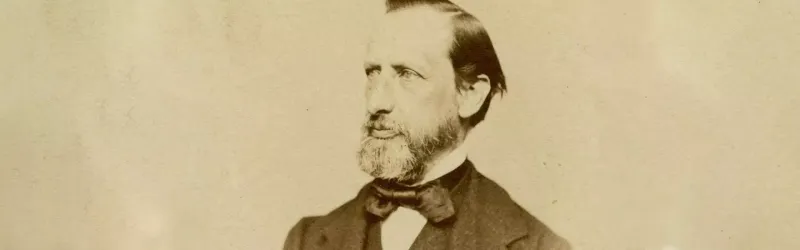
Henri Nestlé was a Swiss chemist who, in 1867, developed a special milk-based formula to help mothers who could not breastfeed their newborns. His product, called "Farine Lactée," is credited with saving the life of a premature infant who could not digest regular food.
Word spread quickly, and demand skyrocketed across Europe. That life-saving formula became the foundation of one of the world's largest food and beverage companies, now operating in nearly every country on earth.
6. Hershey's: A Candy Man's Third Try
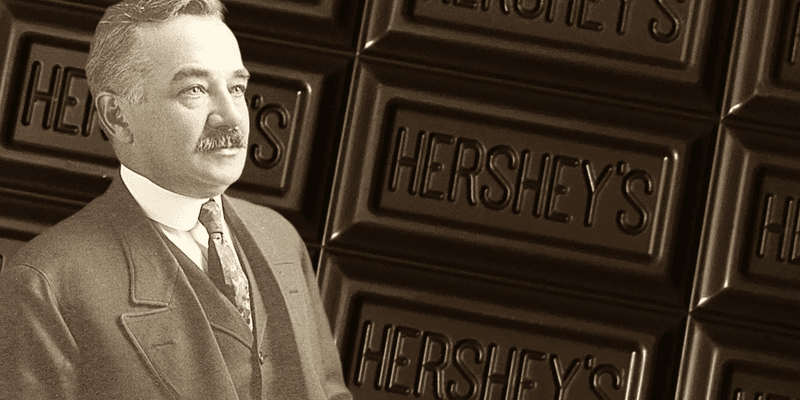
Milton Hershey failed twice at candy businesses before finally striking gold. After visiting a chocolate-making exhibit in 1893, he became obsessed with milk chocolate, which was then a luxury only the wealthy could afford.
He sold his caramel company for $1 million and went all-in on chocolate.
His goal was to make chocolate affordable for everyone. By 1900, Hershey's milk chocolate bars were being mass-produced and sold nationwide, forever changing how Americans enjoyed sweet treats.
7. Lay's Potato Chips: A Southern Salesman's Snack
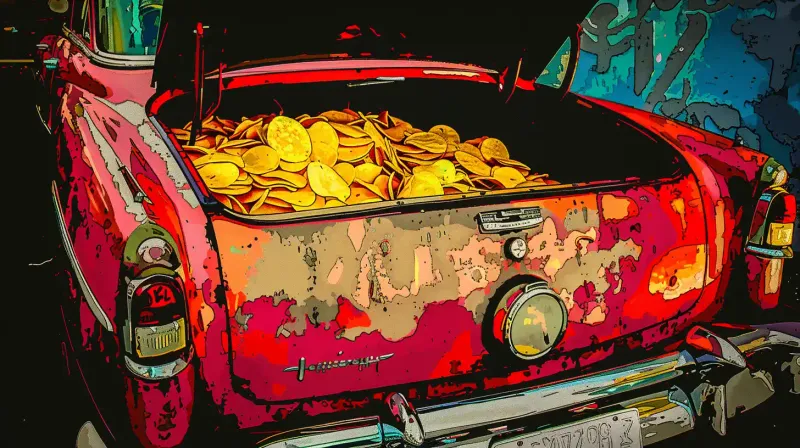
Herman W. Lay started selling potato chips out of the trunk of his car across the American South in 1932.
He was working as a salesman for a Nashville snack company when he saw a chance to build something bigger. He eventually bought the company and renamed it after himself.
In 1961, Lay's merged with Frito Company to form Frito-Lay. That merger helped turn a trunk-load of chips into a snack brand now recognized in over 200 countries around the world.
8. Starbucks: Three Friends and a Coffee Dream
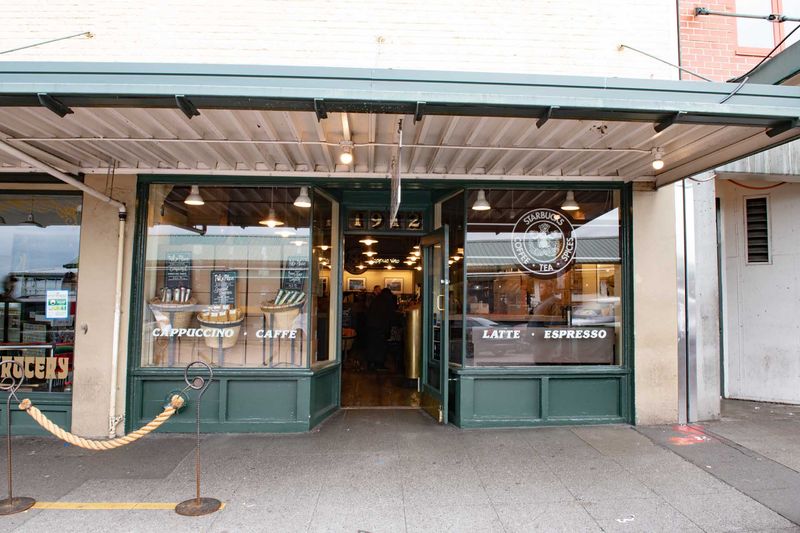
Three friends, English teacher Jerry Baldwin, history teacher Zev Siegl, and writer Gordon Bowker, opened the first Starbucks in Seattle's Pike Place Market in 1971. They sold roasted coffee beans, not drinks.
The name came from Starbuck, a character in the novel "Moby-Dick."
Howard Schultz joined the company in 1982 and pushed for an Italian-style espresso bar experience. The founders resisted, so Schultz left and built his own chain.
He later bought Starbucks in 1987 and transformed it into a global coffee empire.
9. Tabasco: A Louisiana Legend Born After the Civil War
Edmund McIlhenny, a banker from Louisiana, discovered a variety of fiery red peppers on Avery Island after the Civil War. With time on his hands and a love of bold flavors, he experimented with making a peppery sauce using aged barrels and salt from the island's mines.
He bottled the sauce in used cologne bottles and sent samples to food dealers in 1869. Orders flooded in, and the McIlhenny family has been making Tabasco on Avery Island ever since, now exporting to over 195 countries.
10. Oreo: The Cookie That Outlasted Its Rival
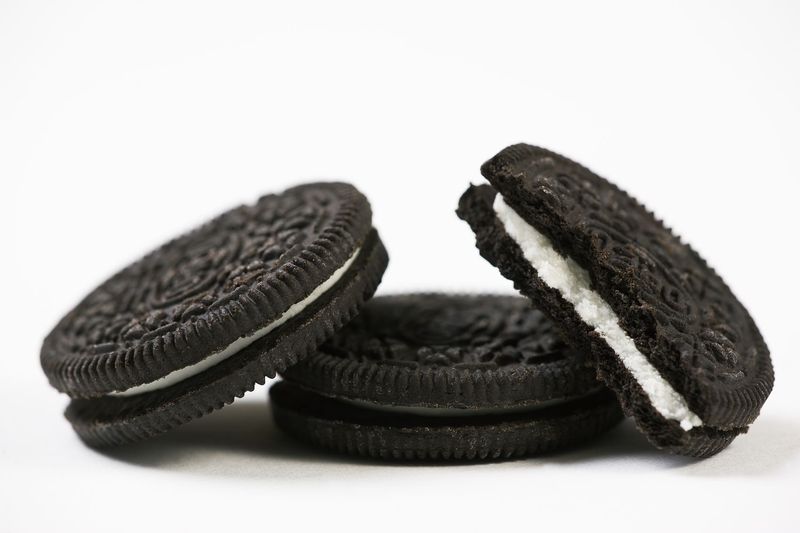
Nabisco introduced the Oreo cookie on March 6, 1912, in New York City. Interestingly, Oreo was actually a copy of a cookie called Hydrox, which came out four years earlier in 1908.
But Nabisco's marketing muscle pushed Oreo far ahead, and most people today have never heard of Hydrox.
No one knows for certain where the name "Oreo" came from. Some say it came from the French word for gold, referencing the original packaging.
Either way, Oreo is now the best-selling cookie in the world.
11. Ben and Jerry's: An Ice Cream Shop in a Gas Station
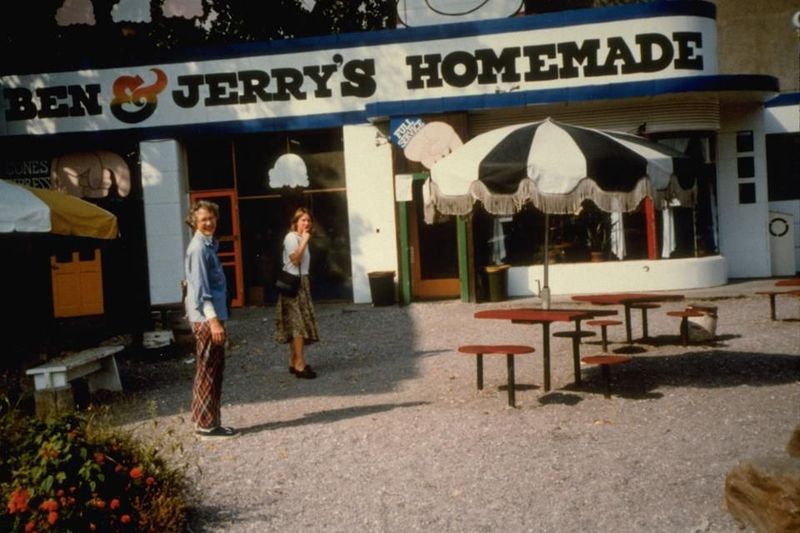
Childhood friends Ben Cohen and Jerry Greenfield took a $5 correspondence course on ice cream making and opened their first scoop shop in a renovated gas station in Burlington, Vermont, in 1978. They started with just $12,000, about $4,000 of which was borrowed.
Their quirky flavors and fun names quickly built a loyal following. Ben and Jerry's became known not just for creative ice cream but also for its strong social values, donating a portion of profits to causes it believed in.
12. KFC: A 65-Year-Old's Recipe That Changed Fast Food
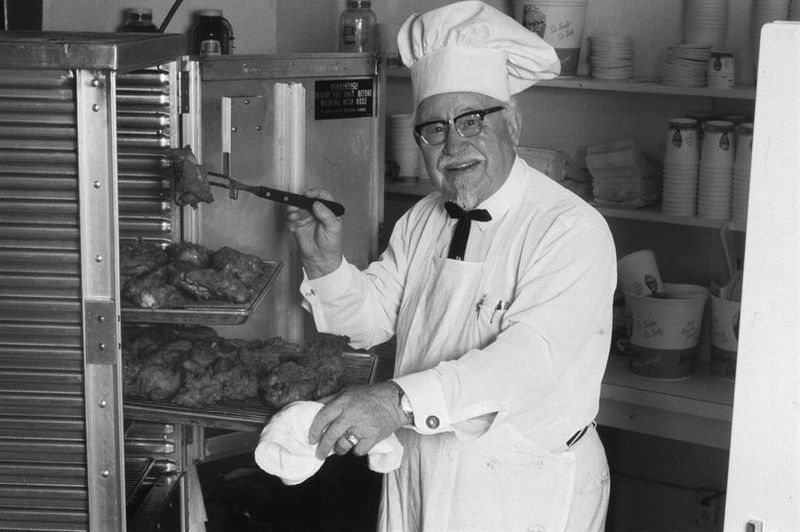
Harland Sanders was 65 years old and living on Social Security checks when he began franchising his fried chicken recipe in 1952. He had perfected his "11 herbs and spices" blend at a roadside motel in Corbin, Kentucky, where hungry travelers kept coming back for more.
Sanders drove across the country, cooking chicken for restaurant owners and asking for a small royalty per piece sold. His persistence paid off in a massive way.
KFC now has over 27,000 locations across the globe.
13. Pepsi: Born in a Drugstore Backroom
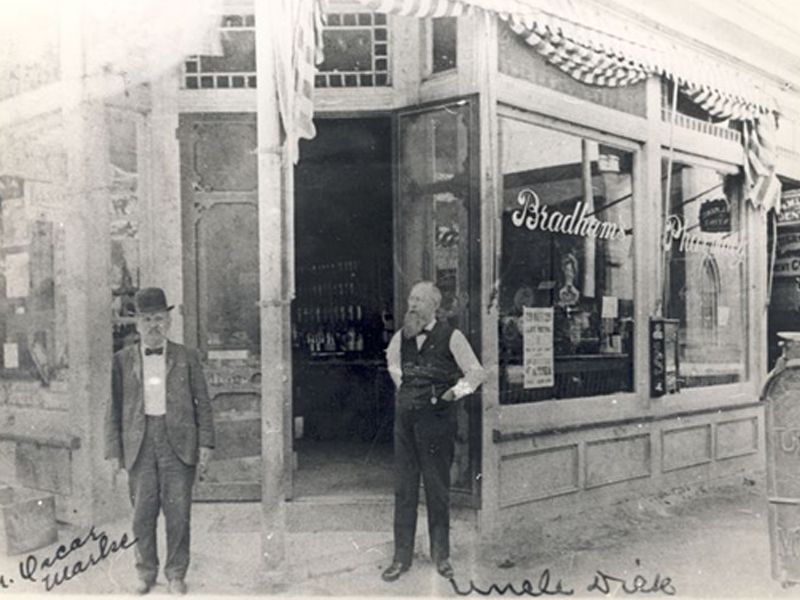
Caleb Bradham, a pharmacist in New Bern, North Carolina, created a fizzy drink in 1893 that he called "Brad's Drink." He mixed sugar, water, caramel, lemon oil, and pepsin, hoping it would aid digestion. It became so popular with his customers that he renamed it Pepsi-Cola in 1898.
Bradham officially registered the Pepsi-Cola trademark in 1902 and began selling it beyond his drugstore. Though the company went bankrupt twice, it survived and eventually grew into the global beverage giant it is today.
14. Subway: A Father's Loan and a Teen's Big Idea
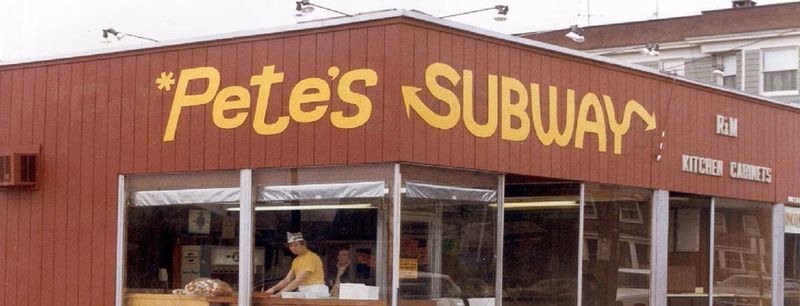
Fred DeLuca was just 17 years old when family friend Peter Buck lent him $1,000 to open a sandwich shop in Bridgeport, Connecticut, in 1965. DeLuca needed money for college tuition, and Buck saw potential in the idea of affordable, fresh sandwiches made to order.
The first shop barely broke even, but they pushed forward and opened a second location. By focusing on freshness and customization, Subway eventually grew to become the largest fast-food chain in the world by number of locations.
15. Doritos: Leftover Tortillas at Disneyland
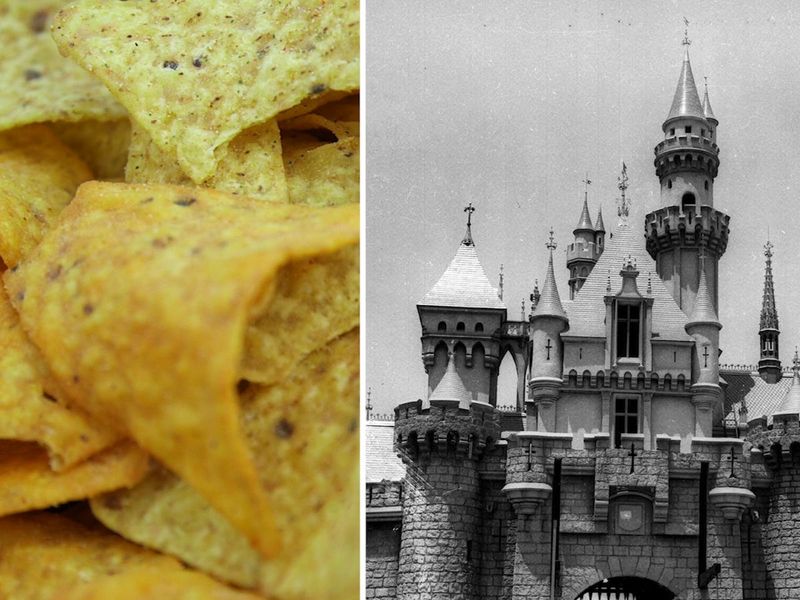
Doritos actually started as a way to use up leftover tortillas at a Mexican restaurant called Casa de Fritos inside Disneyland. The restaurant was frying up day-old tortillas and selling them as chips in the early 1960s.
A Frito-Lay executive spotted the idea and saw its commercial potential.
Frito-Lay began mass-producing them in 1964, and Doritos became the first nationally distributed tortilla chip in the United States. Today, Doritos is one of the top-selling snack brands on the planet.
16. Kraft: A Wagon, a Horse, and 31 Dollars
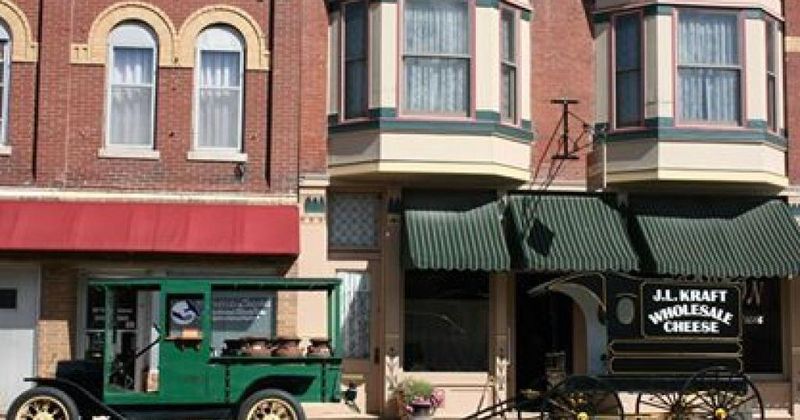
James Lewis Kraft arrived in Chicago in 1903 with just $65 and a dream of selling cheese wholesale. He bought a horse named Paddy and a wagon, and began delivering cheese to local merchants each morning.
His first year was rough, and he lost $3,100, a devastating blow.
But Kraft kept going. He eventually developed a pasteurized processed cheese that could be shipped without spoiling, which was a huge breakthrough for the food industry.
Kraft's innovation earned him a U.S. patent in 1916.
17. Pringles: Engineered in a Lab, Not a Kitchen
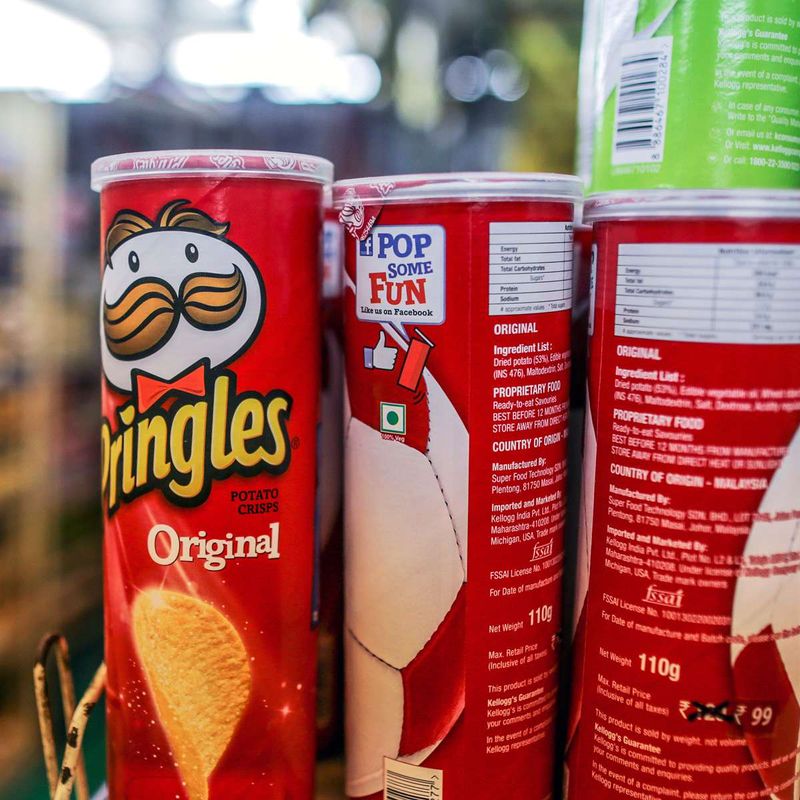
Pringles were not invented by a chef but by a chemist. Fredric Baur, a food scientist, designed the saddle-shaped chip and the iconic tube canister in the late 1960s to solve a common problem: chips breaking and going stale in bags.
Procter and Gamble launched Pringles in 1968.
Baur was so proud of his invention that when he died in 2008, his family honored his wish to have some of his ashes buried inside a Pringles can. Now that is true dedication to a snack.
18. Nutella: Post-War Chocolate Rationing Inspired It
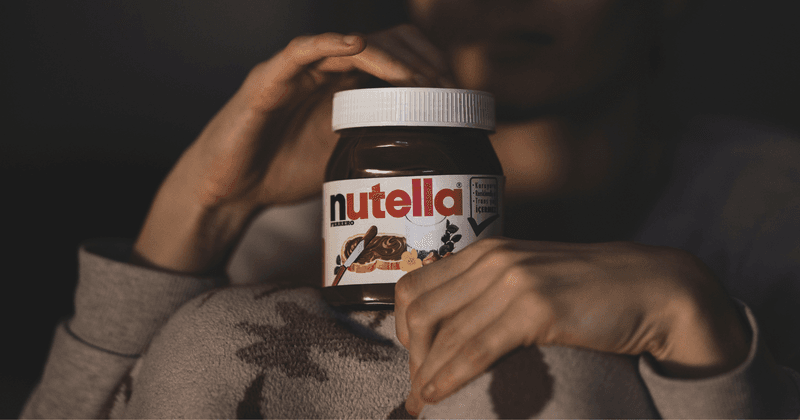
Pietro Ferrero was an Italian pastry maker dealing with a chocolate shortage after World War II. To stretch his limited cocoa supply, he mixed in roasted hazelnuts, which were plentiful in the Piedmont region of Italy.
The result was a creamy paste called "Pasta Gianduja" in 1946.
His son Michele later refined the recipe and renamed it Nutella in 1964. Today, the world consumes so much Nutella each year that it would cover the Great Wall of China eight times over.
19. Quaker Oats: A Mill, a Meeting, and a Friendly Face
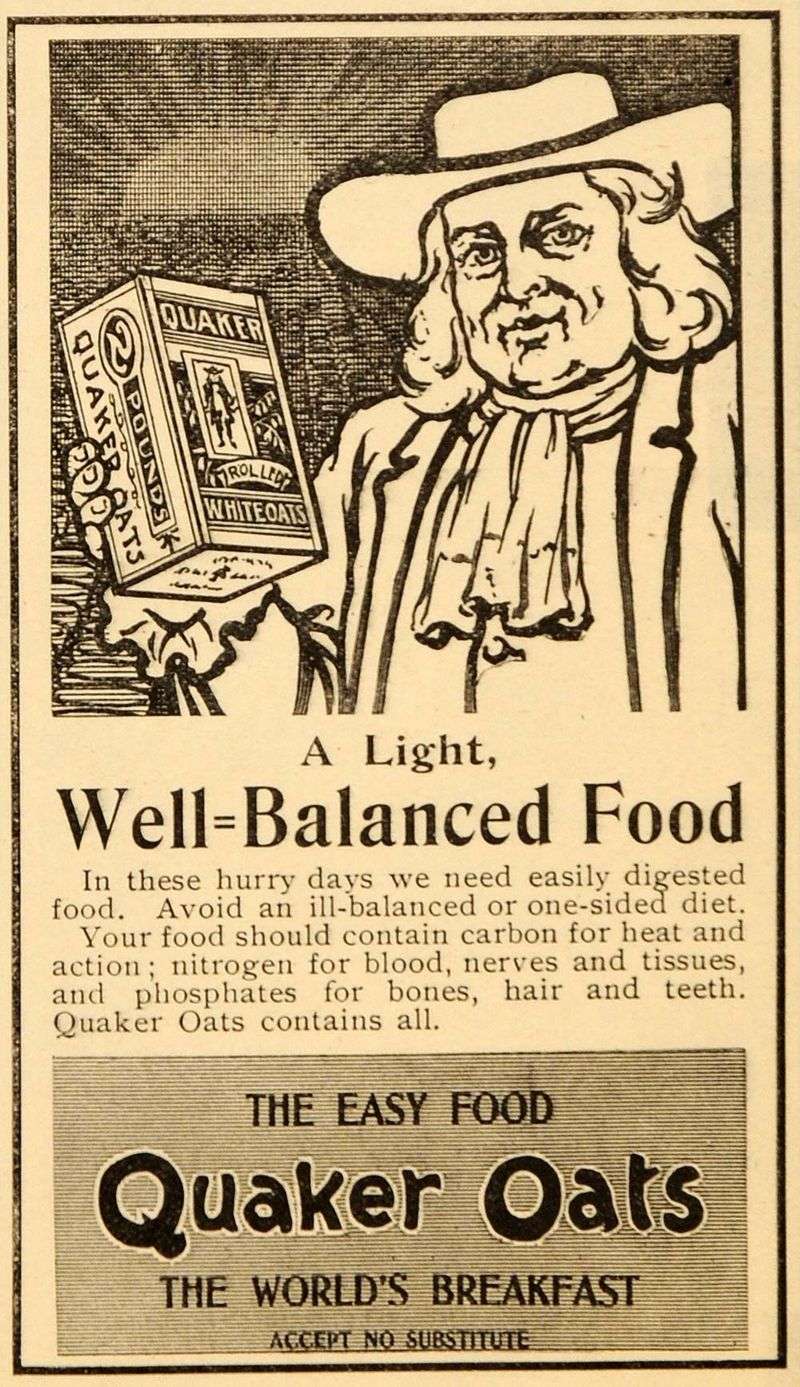
The Quaker Oats Company was formed in 1901 through the merger of several oat milling companies, but the brand's roots go back to 1877. Henry Seymour registered the Quaker name, making it the first trademarked breakfast cereal in the United States.
The Quaker man logo was chosen to suggest honesty and quality.
Early marketing campaigns promoted oats as a healthy, affordable food for working families. That message resonated deeply during an era when nutrition was poorly understood, helping Quaker Oats become a staple in American homes for generations.
20. Dunkin': Donuts for the Working Man
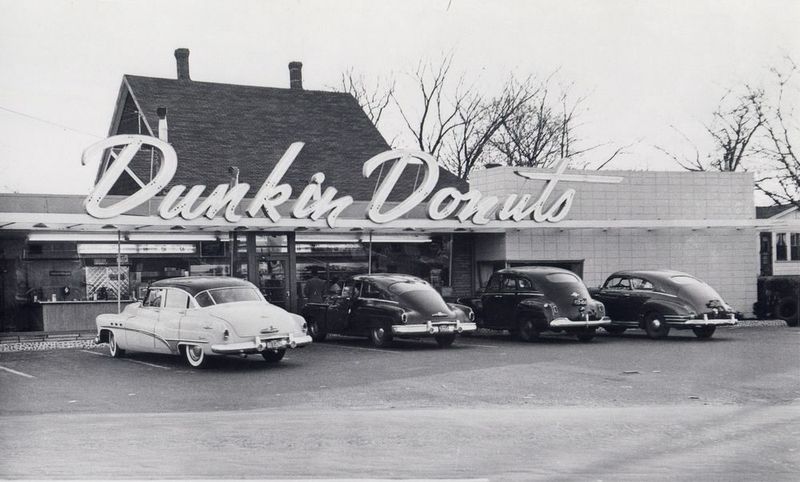
William Rosenberg opened the first Dunkin' Donuts in Quincy, Massachusetts, in 1950 after noticing that coffee and donuts made up a huge portion of his industrial catering business profits. He wanted to create a no-frills, affordable spot for everyday working people to grab a quick bite.
Rosenberg started franchising in 1955, making Dunkin' one of the earliest fast-food franchise systems in America. His straightforward approach caught on fast.
The chain grew to thousands of locations and rebranded simply as "Dunkin'" in 2019 to reflect its broader menu.
21. Tropicana: Fresh Juice for Soldiers Sparked an Industry
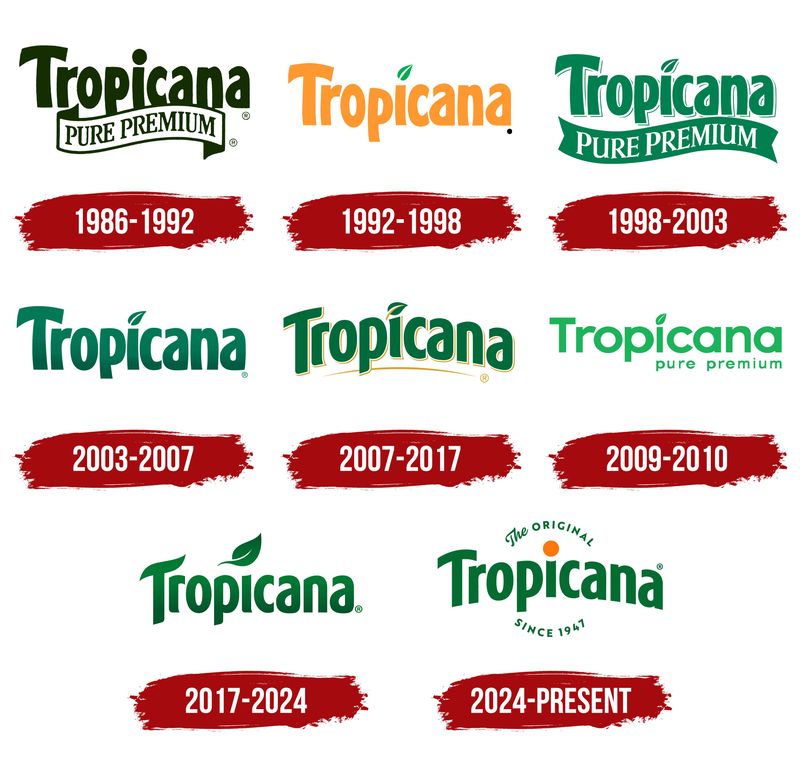
Anthony Rossi immigrated from Sicily to the United States and eventually settled in Florida, where he began selling fresh fruit gift boxes in 1947. He later developed a way to pasteurize orange juice without destroying its fresh taste, a breakthrough that changed the juice industry forever.
In 1954, Rossi invented a method to ship chilled orange juice by train in refrigerated cars, making fresh-tasting juice available across the country. Tropicana quickly became America's favorite orange juice brand, a title it still holds today.
22. Jell-O: A Failed Invention That Became a Pantry Staple
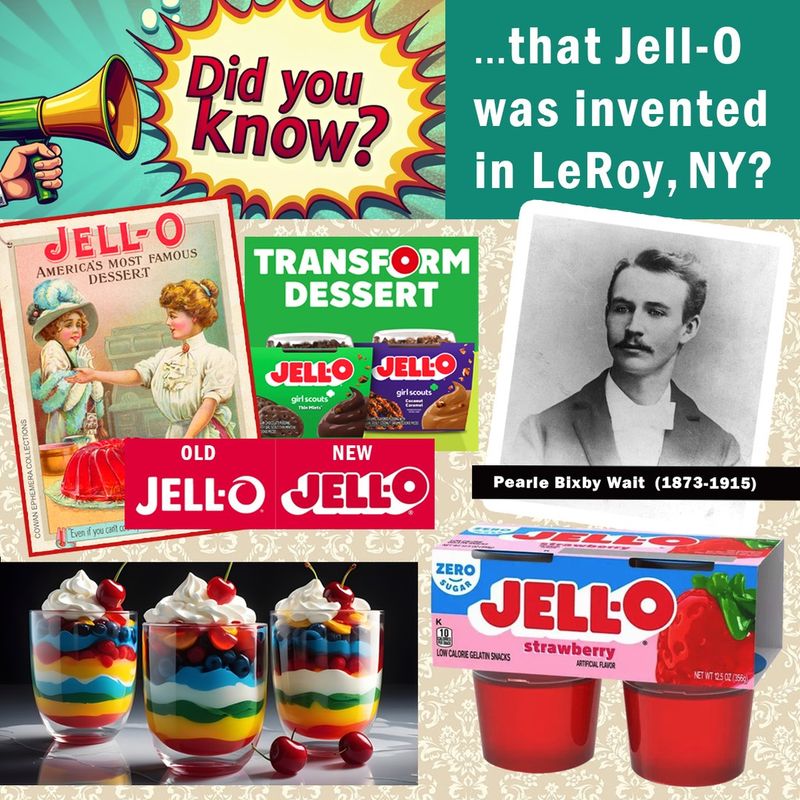
Pearle Wait, a carpenter from LeRoy, New York, added fruit flavoring to a gelatin formula in 1897 and called it Jell-O. He tried to sell it but had no success and gave up, selling the rights for just $450.
The buyer, Orator Woodward, was also nearly ready to quit.
A smart door-to-door advertising campaign turned everything around. By 1906, Jell-O sales had reached $1 million.
The brand became so tied to American culture that immigrants arriving at Ellis Island were reportedly served Jell-O as a welcome to their new country.
23. Worcestershire Sauce: An Accident in a Basement Barrel
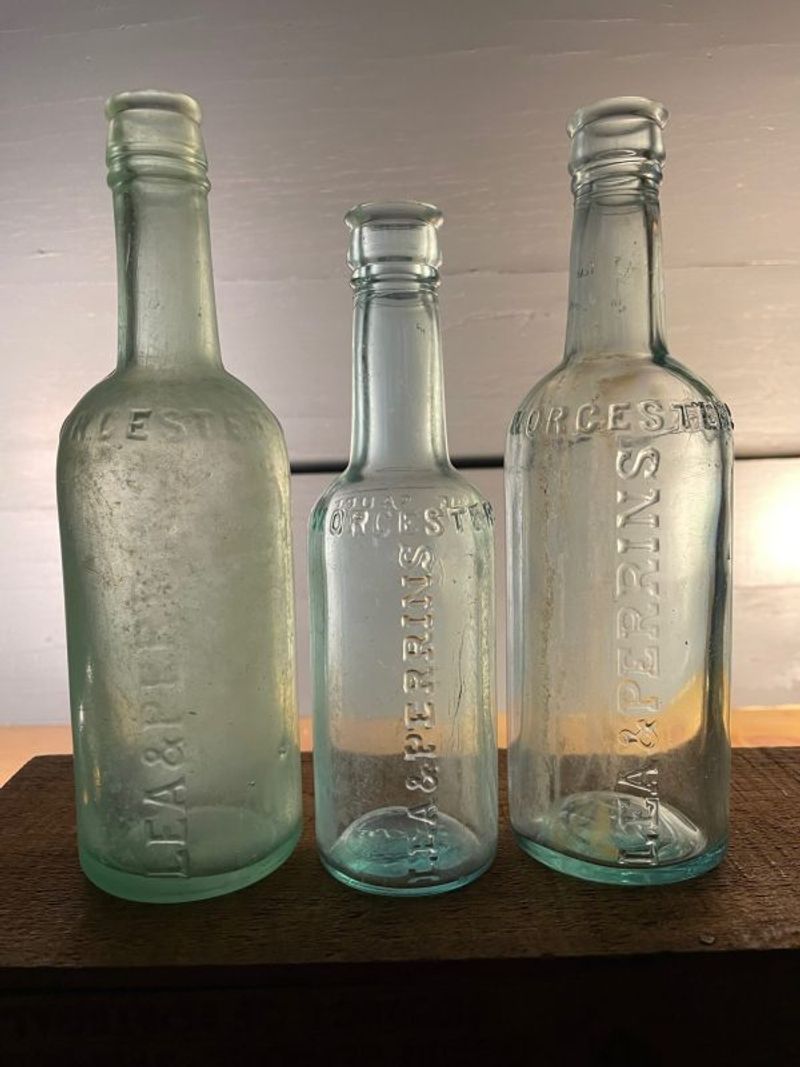
In 1835, two chemists named John Wheeley Lea and William Perrins were asked by Lord Marcus Sandys to recreate a sauce he had tasted in India. Their first batch smelled and tasted so terrible that they shoved it in the cellar and forgot about it for two years.
When they rediscovered the barrels, the sauce had fermented into something absolutely delicious. They began selling it as Lea and Perrins Worcestershire Sauce in 1837.
Today, it is a beloved condiment used in kitchens and cocktails around the world.
24. Snapple: Made From the Best Stuff on Earth, Including Luck
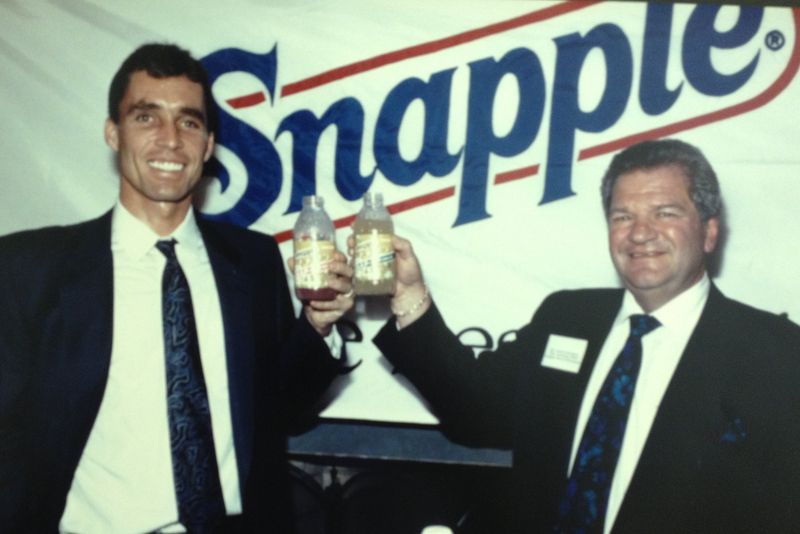
Three friends, Leonard Marsh, Hyman Golden, and Arnold Greenberg, started Snapple in 1972 as a small juice business in New York. The name came from a failed product, a carbonated apple juice that kept exploding, and the "snap" sound it made.
They kept the catchy name anyway.
Snapple's quirky personality and fun bottle caps with trivia facts made it a cult favorite. The brand exploded in popularity during the 1980s health food boom, proving that a good story and a memorable personality can take a small idea very far.
25. Spam: A Depression-Era Meat That Conquered the World
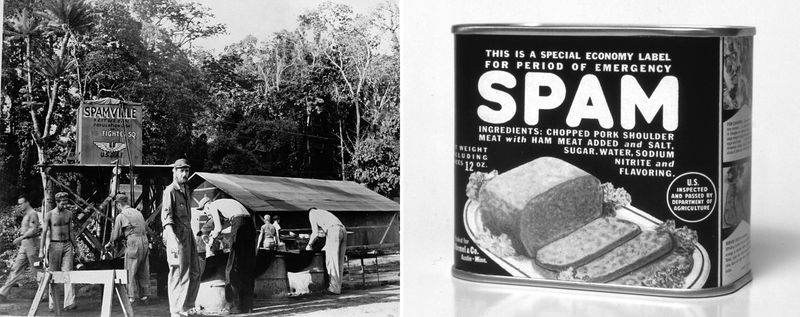
Spam was introduced by Hormel Foods in 1937 as an affordable canned pork product during the Great Depression. The name was reportedly suggested at a New Year's Eve party, combining "spiced" and "ham." Nobody expected it to become a global phenomenon.
During World War II, Spam was shipped to Allied troops worldwide because it required no refrigeration. It became deeply embedded in the food cultures of countries like Hawaii, South Korea, and the Philippines.
Today, over 8 billion cans have been sold since its creation.
Comments
No Comments