













Cake has been a beloved treat across cultures for thousands of years, and every country has its own special version that tells a story. From rich chocolate layers to delicate rice-based sweets, traditional cakes reflect local ingredients, history, and celebrations.
Trying cakes from different parts of the world is like taking a delicious trip without leaving your kitchen. Get ready to discover 24 incredible cakes that deserve a spot on your must-try list.
1. Sachertorte (Austria)
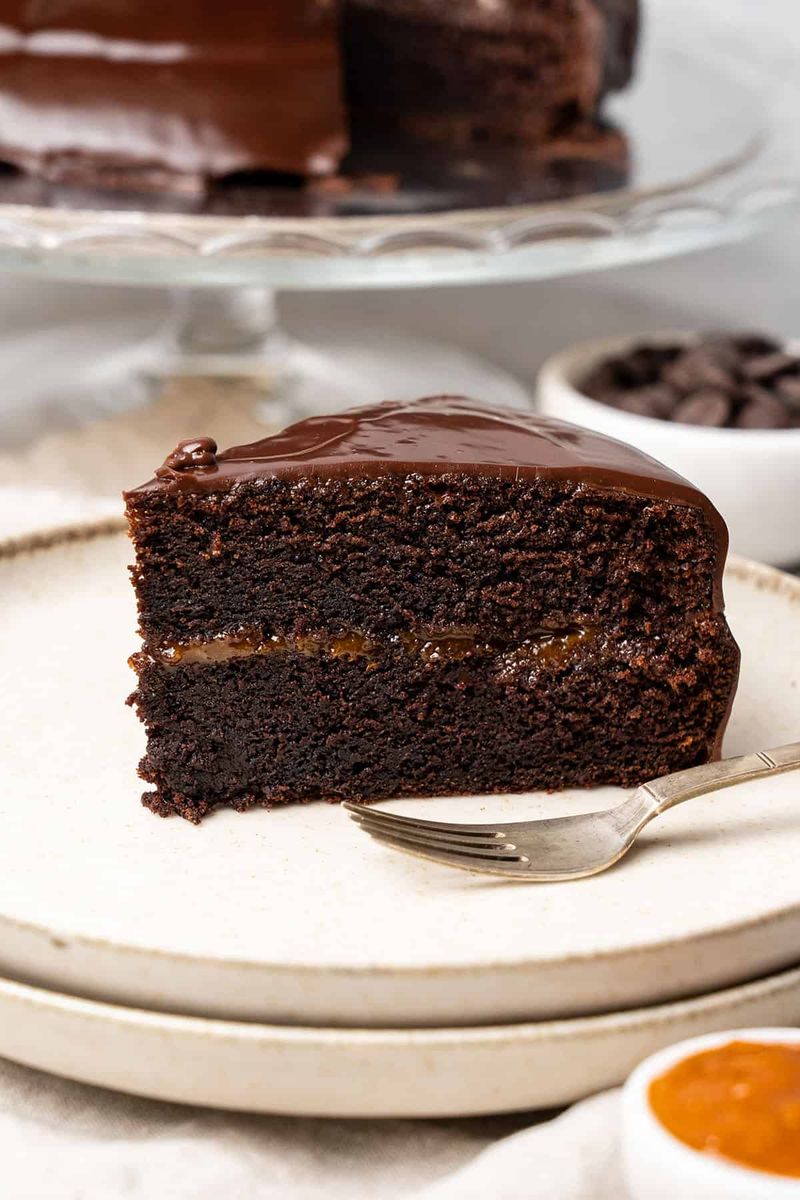
Born in a Vienna kitchen in 1832, the Sachertorte is one of the most famous cakes in the world. A teenage chef named Franz Sacher created it for a royal guest, and it has been winning hearts ever since.
This dense chocolate cake hides a thin layer of apricot jam beneath its glossy dark chocolate glaze. Every bite balances sweetness and slight tartness in a way that feels truly luxurious.
Pair it with unsweetened whipped cream for the full Austrian experience.
2. Black Forest Cake (Germany)
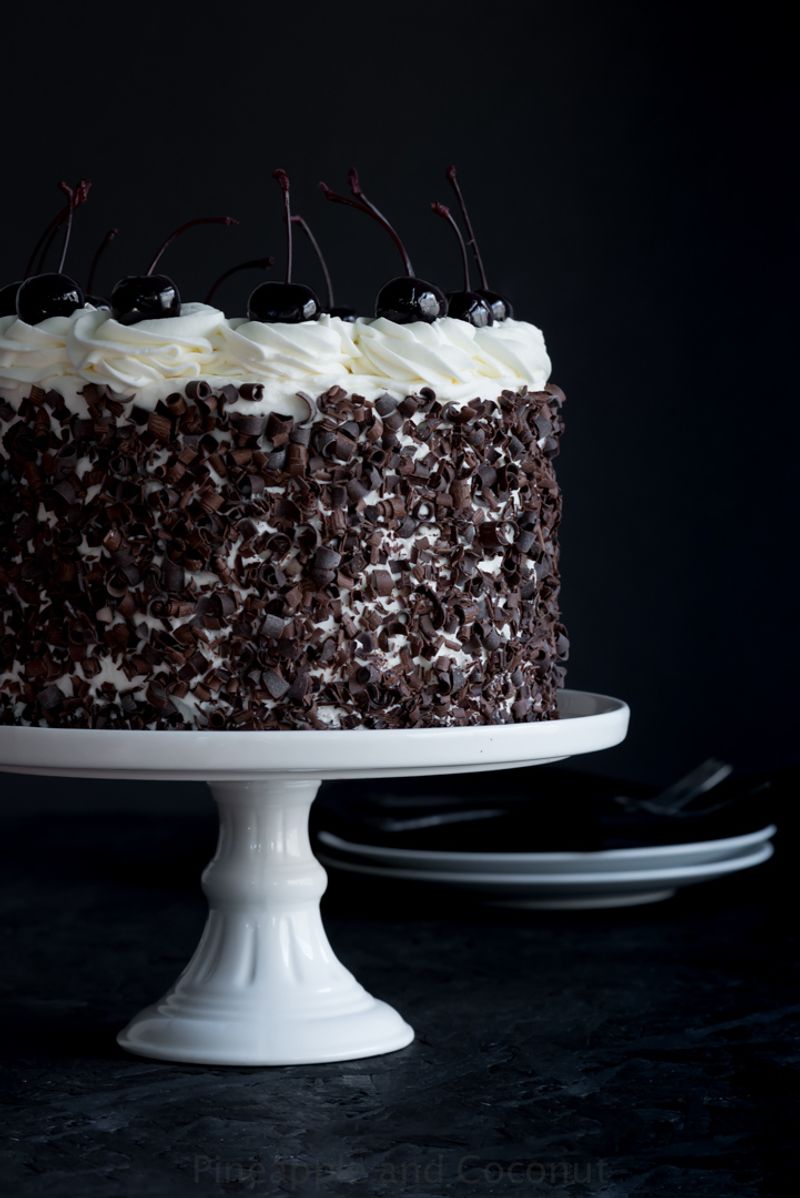
Towering layers of chocolate sponge, fluffy whipped cream, and tart cherries make Germany's Schwarzwalder Kirschtorte impossible to resist. The name comes from the Black Forest region, famous for its sour cherries and cherry schnapps.
Traditionally, the cake is soaked in Kirschwasser, a cherry brandy that gives it a distinctive grown-up flavor. Even without the alcohol, this cake is a showstopper at any celebration.
Chocolate shavings on top make it look as amazing as it tastes.
3. Tres Leches Cake (Mexico)
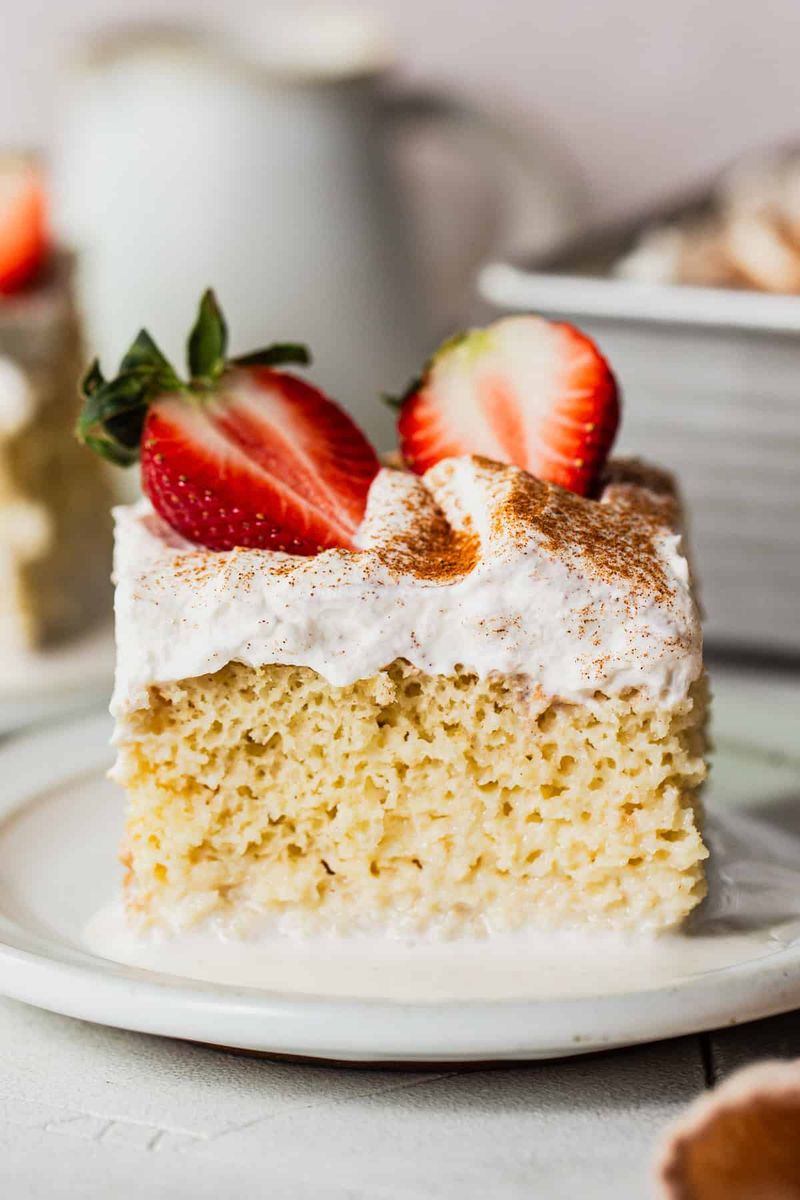
Imagine cutting into a sponge cake so moist it practically melts the moment it touches your tongue. That is exactly what tres leches delivers.
This Mexican classic is soaked in a mixture of three milks: evaporated milk, condensed milk, and heavy cream.
The result is a cake that is rich, sweet, and incredibly soft. A cloud-like layer of whipped cream on top makes every bite feel like a celebration.
It is a staple at birthday parties and family gatherings all across Latin America.
4. Basque Burnt Cheesecake (Spain)
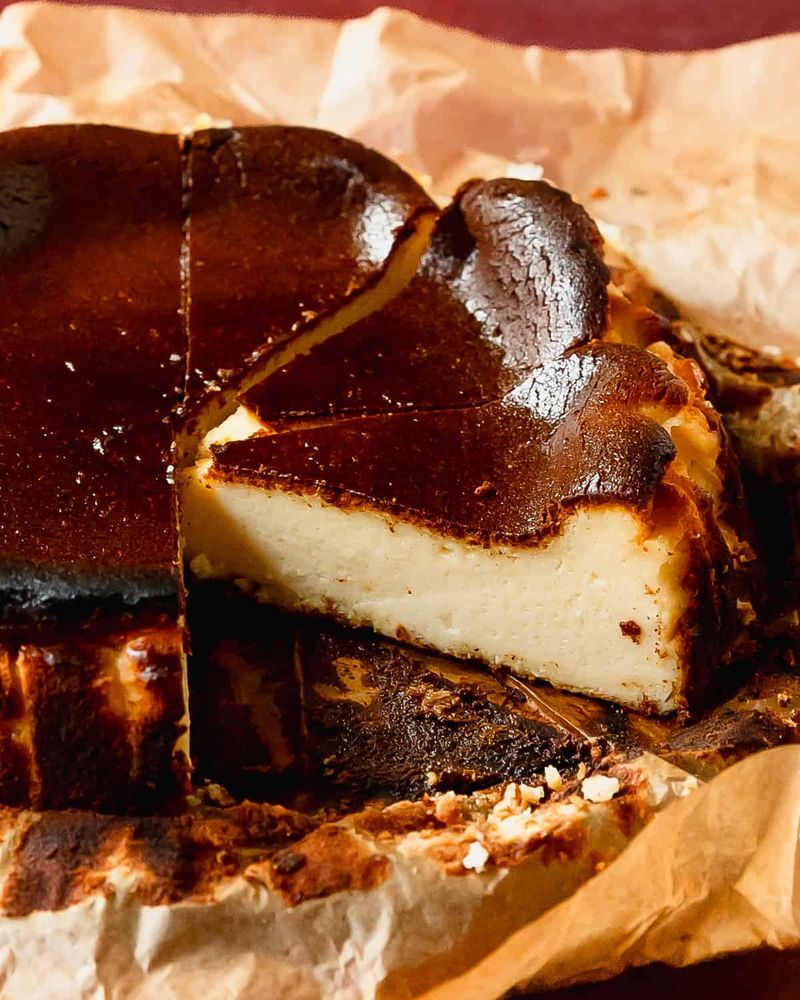
Most bakers try hard not to burn their cakes, but this Spanish creation breaks all the rules on purpose. The Basque burnt cheesecake from San Sebastian gets its signature look from a blazing hot oven that chars the top beautifully.
Underneath that dark crust hides a creamy, custardy center that is almost pudding-like in texture. There are no crusts or complicated layers here, just pure, caramelized cheesy goodness.
It has gone from a regional specialty to a worldwide sensation in just a few decades.
5. Dobos Torte (Hungary)
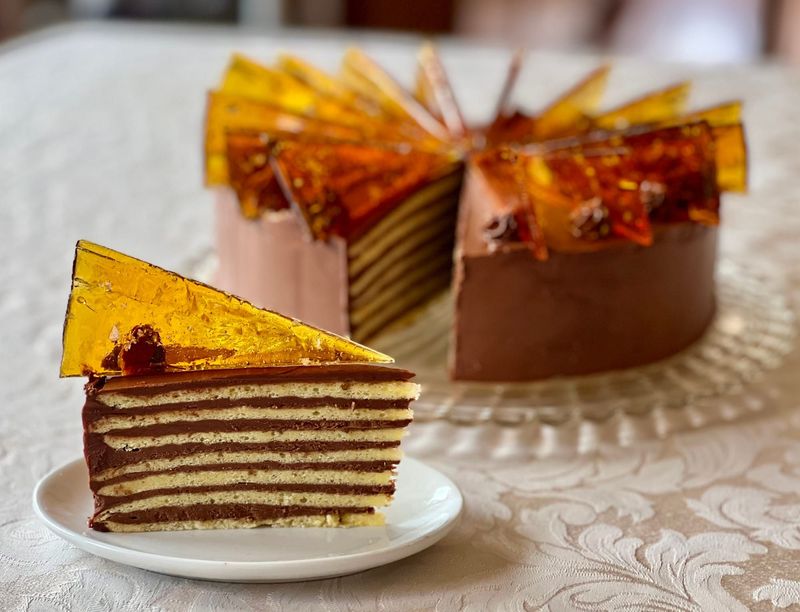
Hungary's Dobos Torte is a masterpiece of patience and precision. Created by pastry chef Jozsef Dobos in 1884, this cake features up to seven paper-thin sponge layers sandwiched with silky chocolate buttercream.
The real showstopper is the top layer, coated in a crackly caramel glaze that shatters like glass when you tap it with a fork. Dobos originally designed it to last longer than other cakes of his era, making it as practical as it is impressive.
A true Hungarian treasure worth every careful bite.
6. Lamington (Australia)
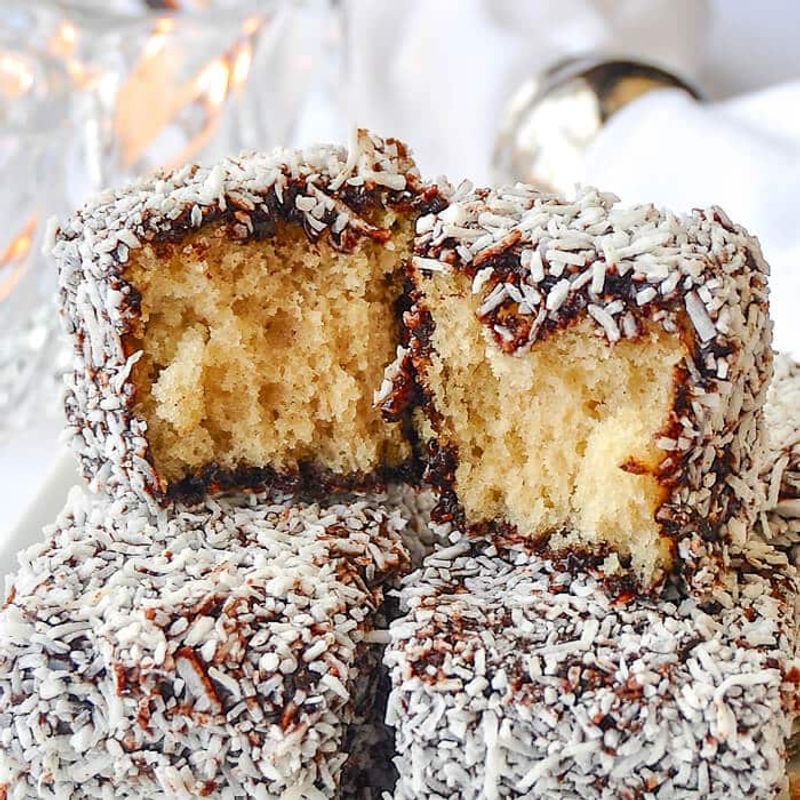
Ask any Australian about Lamingtons and watch their face light up with nostalgia. These small squares of sponge cake are dipped in chocolate icing and rolled in shredded coconut, creating a treat that is both simple and completely addictive.
Some versions include a layer of strawberry jam or cream inside, adding a fruity surprise. Lamingtons are a fixture at school fundraisers, Australia Day celebrations, and afternoon tea tables.
They prove that sometimes the most humble ingredients create the most beloved treats.
7. Mooncake (China)
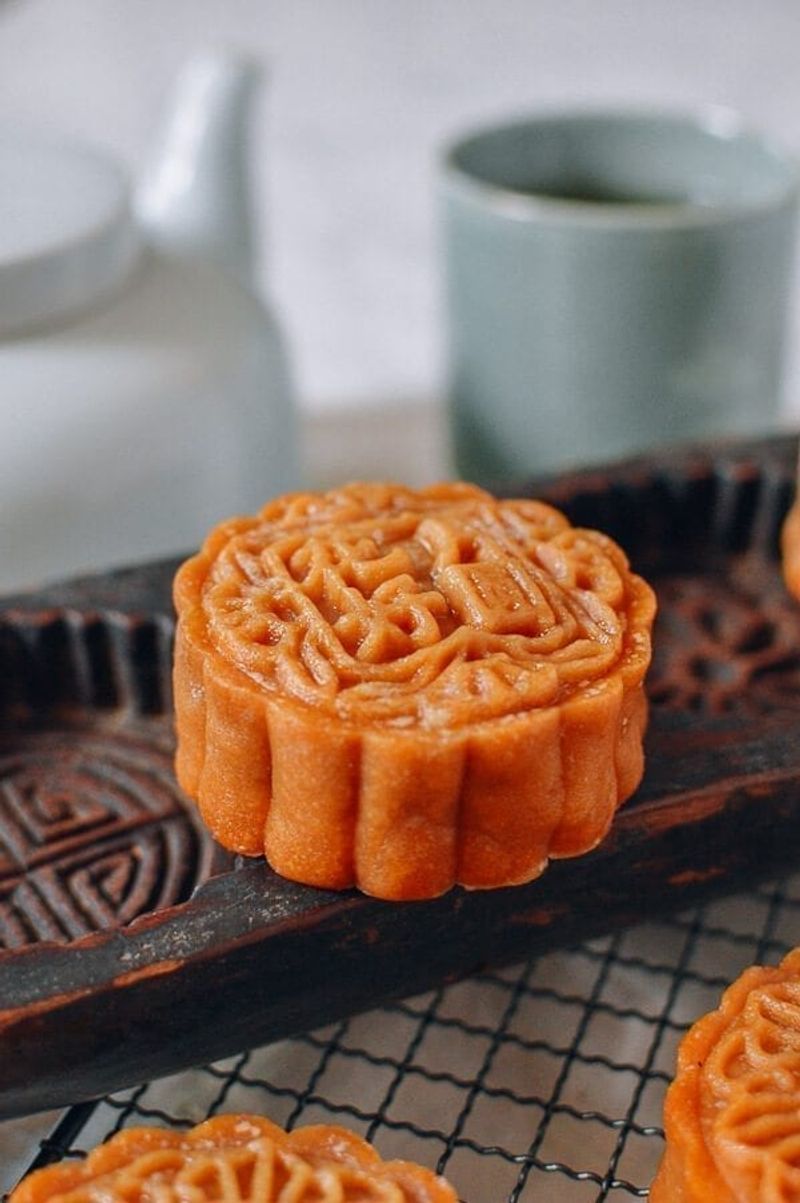
Shared under the glow of a full moon, mooncakes are the heart of China's Mid-Autumn Festival. These round pastries are packed with dense, sweet fillings like lotus seed paste, red bean, or salted egg yolk, and are meant to be shared in slices.
The ornate patterns pressed into each cake often symbolize good luck, longevity, or the moon itself. Mooncakes are as much about symbolism as they are about taste.
Giving a box of mooncakes to family or friends is one of the most meaningful gestures in Chinese culture.
8. Bolo de Mel (Portugal)
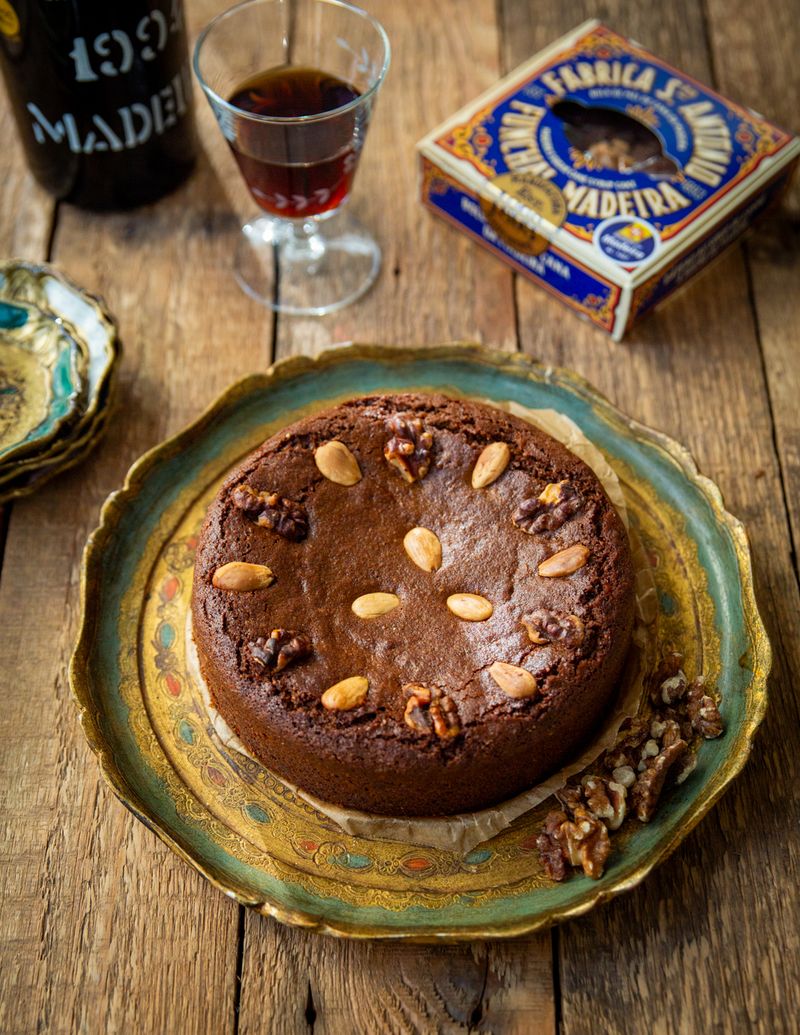
Dating back to the 15th century, Bolo de Mel is one of Portugal's oldest and most cherished cakes. Originally made with sugarcane molasses from the island of Madeira, this dark, spiced loaf is packed with dried fruits, nuts, and warming spices like cinnamon and cloves.
It is traditionally made in large batches during Christmas and kept for months since it actually improves with age. Cutting into a Bolo de Mel is like opening a time capsule of Portuguese history and flavor.
A small slice goes a very long way.
9. Cassata Siciliana (Italy)
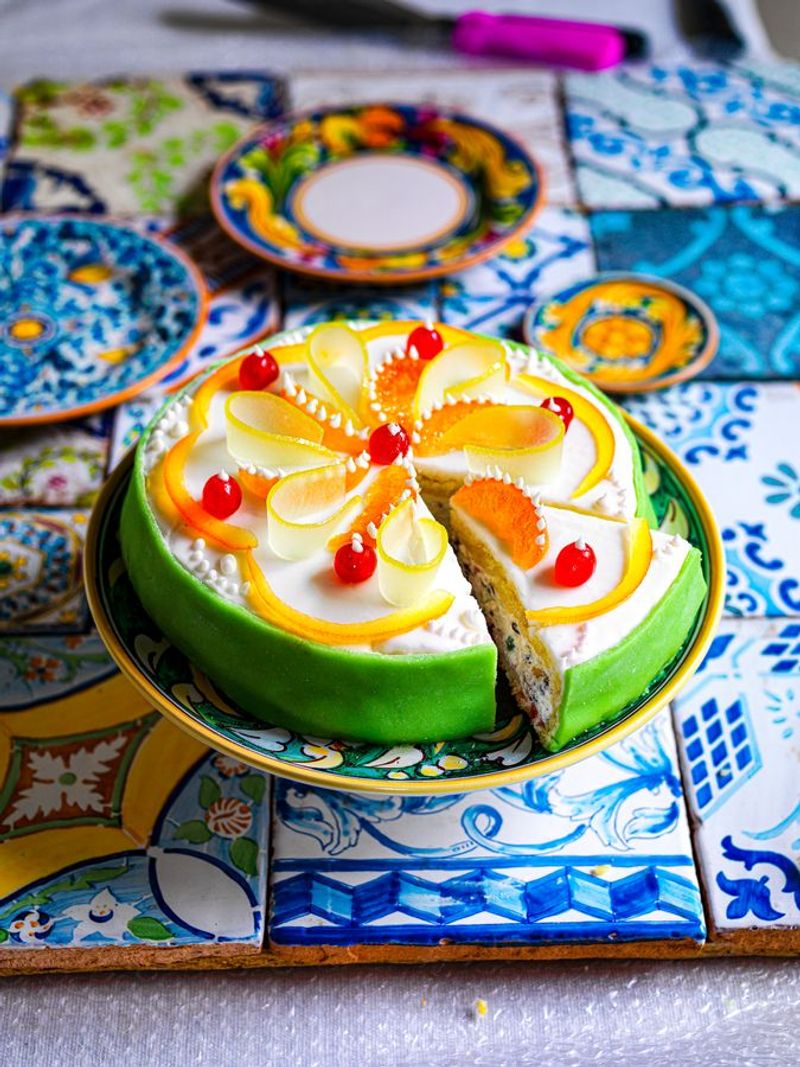
Sicily's Cassata is practically edible art. This festive Italian cake layers fluffy sponge with sweet ricotta cream, then wraps the whole thing in bright green marzipan and tops it with colorful candied fruit.
It looks like something straight out of a royal banquet.
The origins of Cassata go back to Arab rule in Sicily, when sugar, almonds, and citrus were first introduced to the island. Every element tells a chapter of Sicily's rich multicultural history.
Seeing one in a Palermo bakery window is enough to stop anyone in their tracks.
10. Prinsesstarta (Sweden)
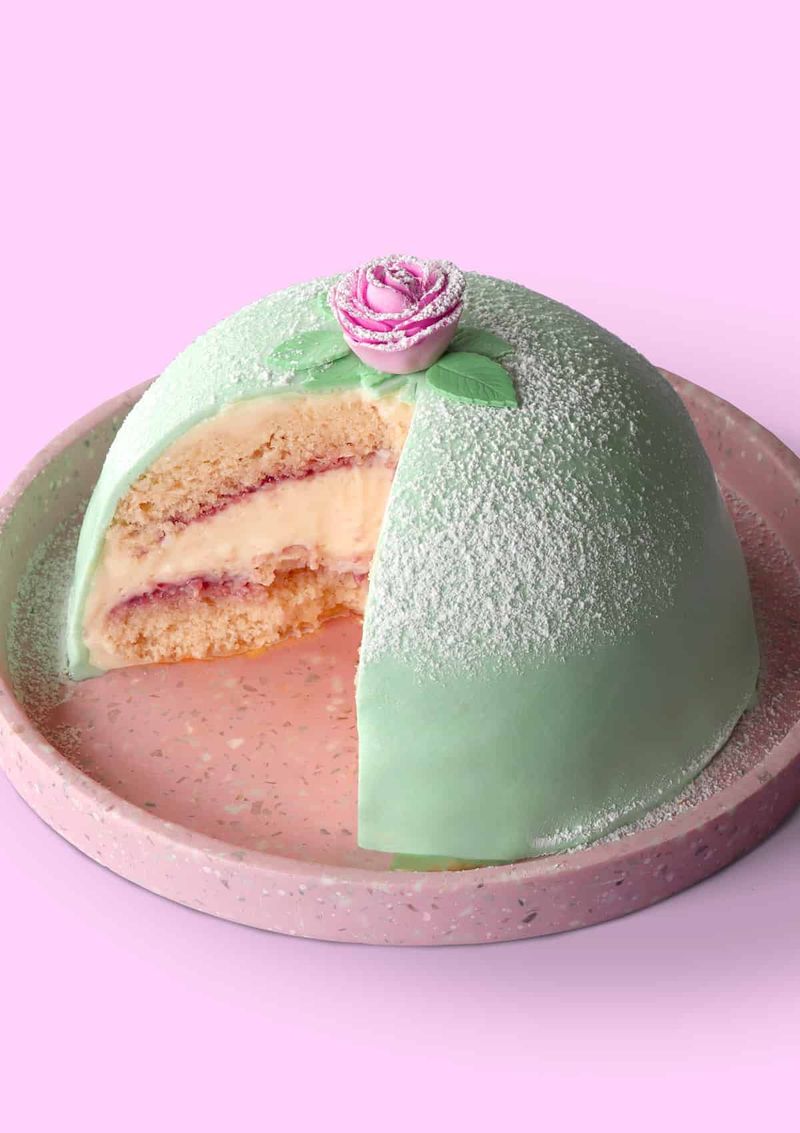
Sweden's princess cake is as dreamy as its name suggests. Prinsesstarta features layers of light sponge, vanilla custard, and raspberry jam, all tucked under a dome of billowy whipped cream and then wrapped in a smooth layer of pale green marzipan.
A delicate pink marzipan rose sits on top, completing the fairy-tale look. The recipe was created in the 1920s and named after three Swedish princesses who absolutely loved it.
Every September, Sweden celebrates Princess Cake Week, which is proof enough that this dessert has earned legendary status.
11. Baumkuchen (Japan/Germany)
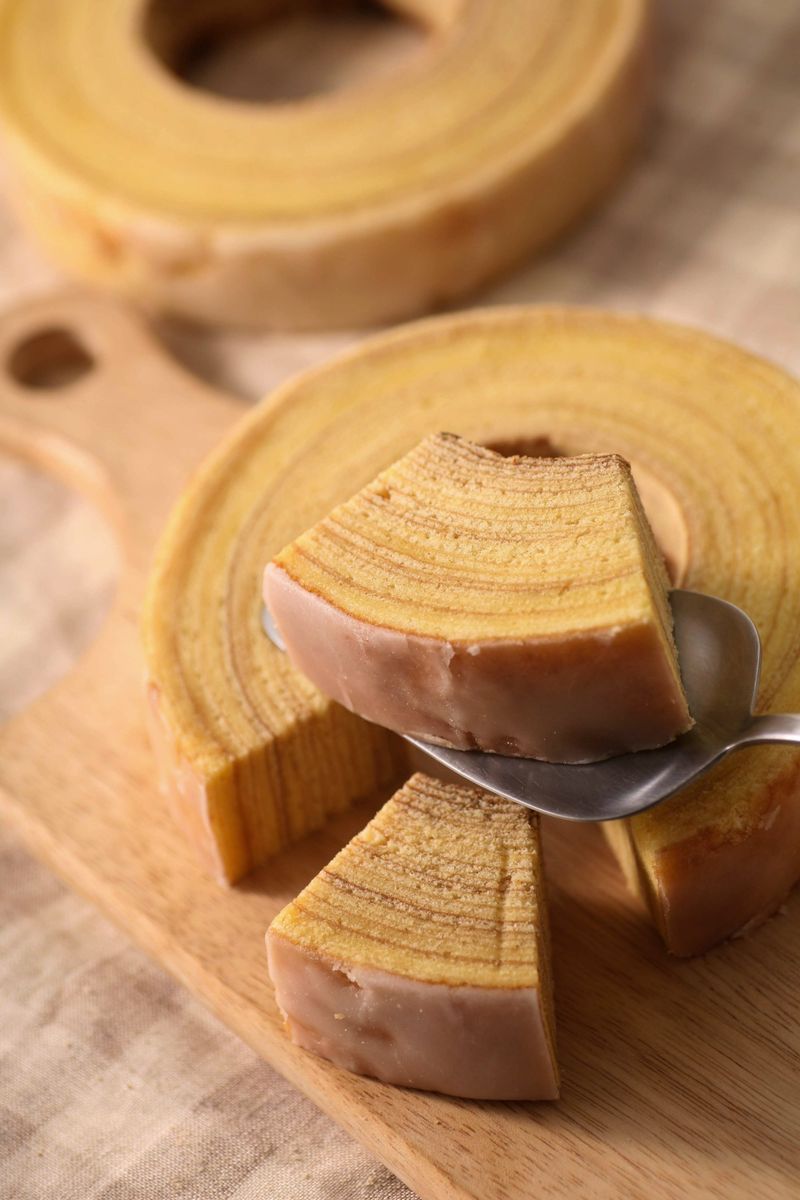
Originally from Germany, Baumkuchen found a second home in Japan where it became wildly popular and was refined into a softer, more delicate version. The name literally means tree cake because its cross-section reveals beautiful rings, just like a sliced tree trunk.
Each ring represents one thin layer of batter cooked individually on a rotating spit, requiring tremendous skill and patience. Japanese bakers often infuse it with flavors like matcha or sakura.
Both versions share a buttery richness and a satisfying, almost hypnotic appearance that makes it hard to look away.
12. Bibingka (Philippines)
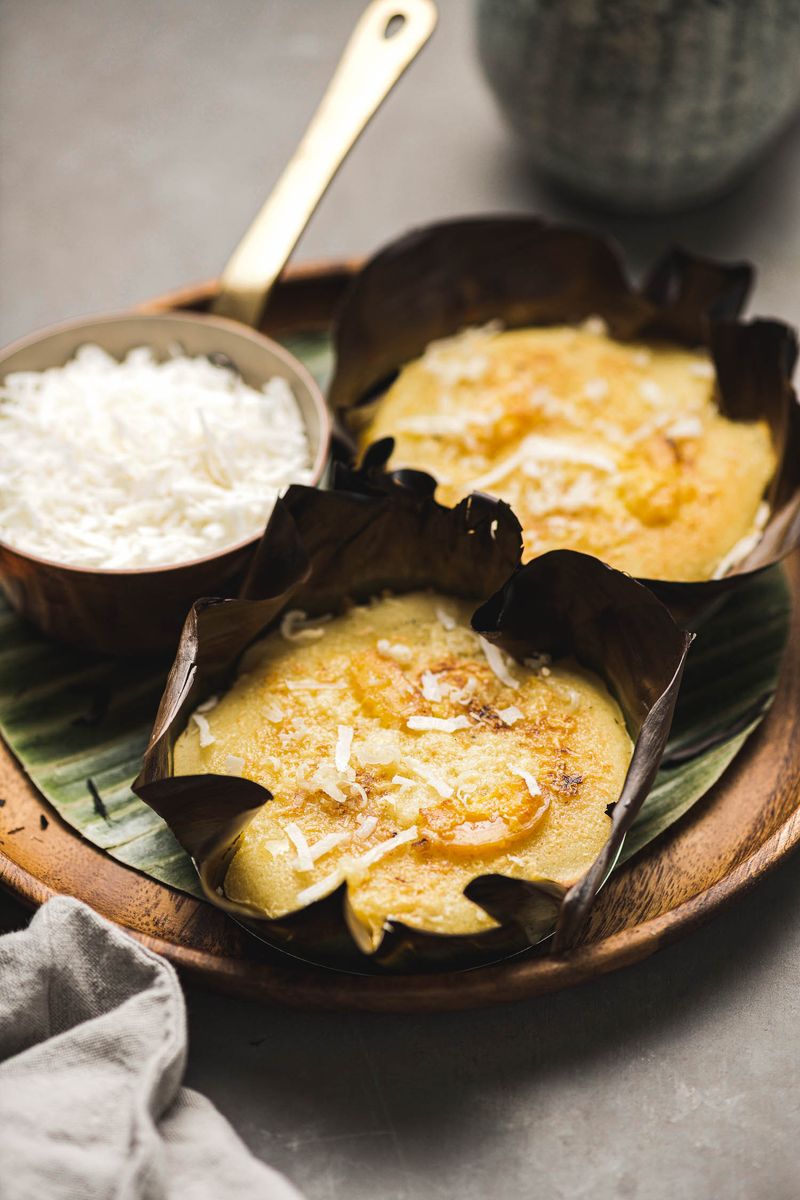
Wake up on a cold December morning in the Philippines and the smell of Bibingka will lead you straight to the nearest church entrance. This traditional rice cake is baked in clay pots lined with banana leaves, giving it an earthy, slightly smoky aroma that is completely unique.
Topped with salted egg, grated coconut, and a pat of butter, it balances sweet and salty in the most satisfying way. Bibingka is deeply tied to the Filipino Christmas season and eating one feels like participating in a centuries-old tradition.
13. Honey Cake - Medovik (Russia)
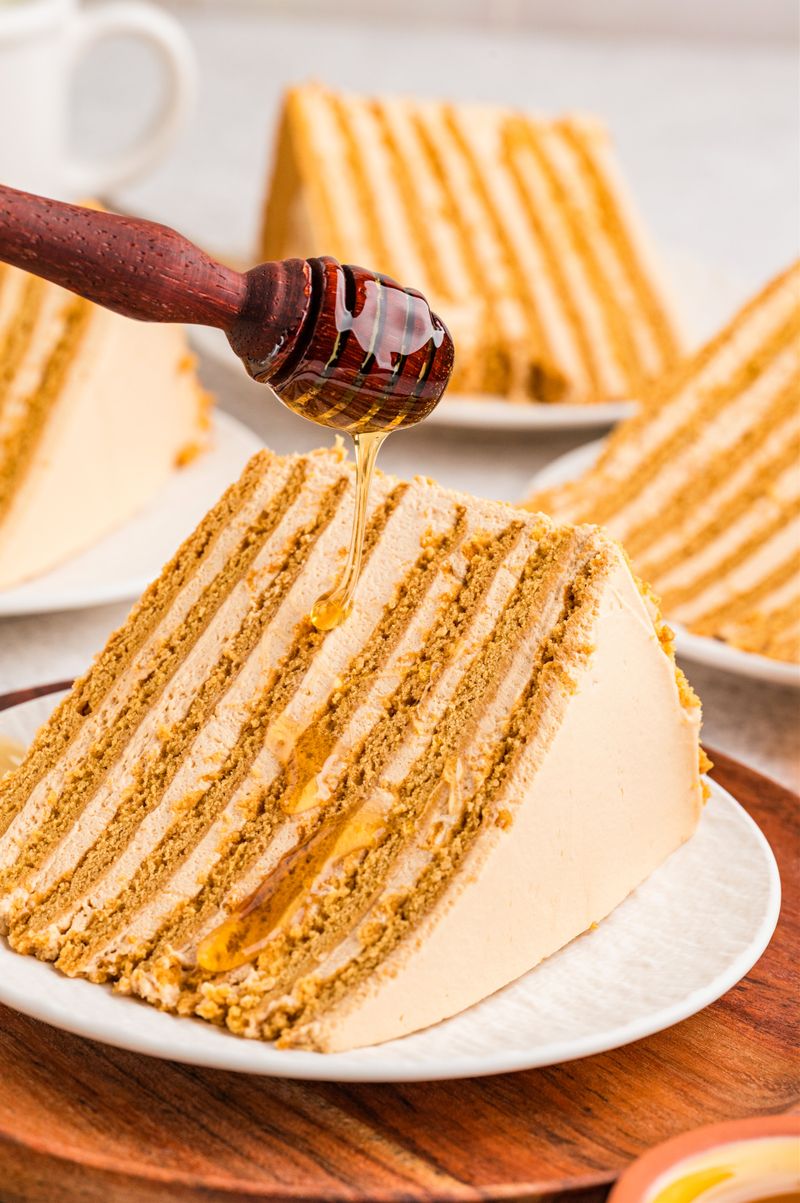
Legend has it that Medovik was created by a nervous young chef cooking for Tsar Alexander I, whose wife hated honey. The chef hid the flavor so well in the thin caramel sponge layers that she loved it without ever knowing what was inside.
Today, Russia's honey cake is made of up to ten paper-thin layers soaked in a tangy sour cream frosting that softens overnight into something magical. The longer it sits, the better it gets.
Patience truly is the secret ingredient in every slice of Medovik.
14. Chiffon Cake (Philippines/USA)
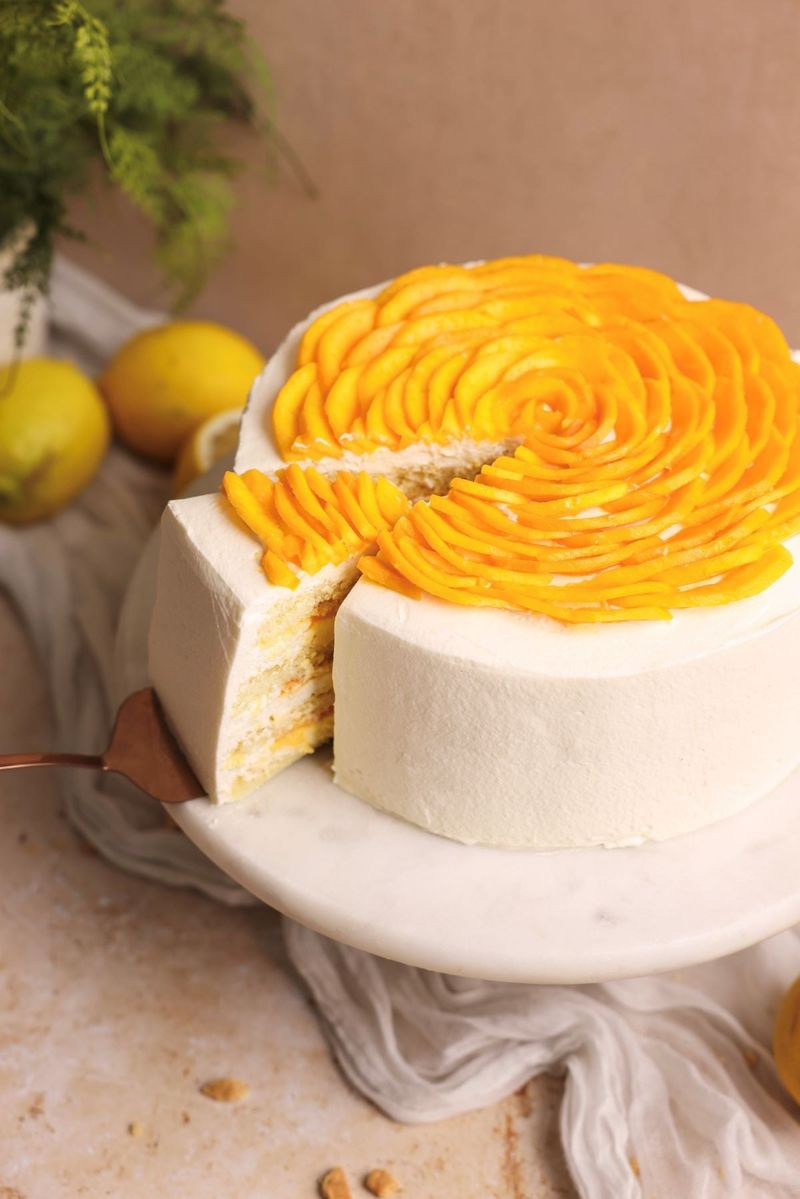
Fluffy, tall, and impossibly light, chiffon cake holds a special place in Filipino celebrations even though it was invented in California in the 1920s. Filipinos embraced it so enthusiastically that it became a birthday party staple across the country.
The secret to its cloud-like texture is vegetable oil instead of butter and folded-in whipped egg whites, which create an airy structure that practically bounces. Filipino bakeries often frost it with ube, pandan, or cream cheese icing.
Each bite feels like eating a sweet, celebratory cloud.
15. Korovai (Ukraine)
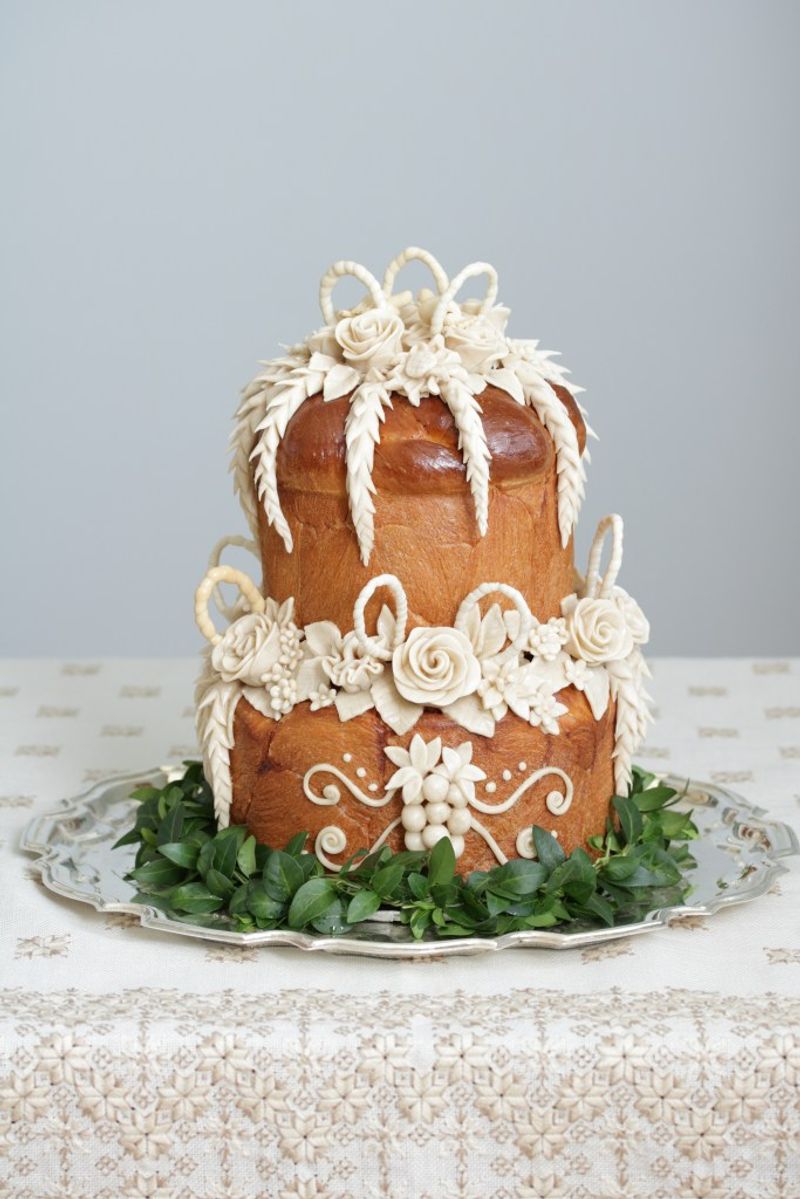
More than just a cake, the Ukrainian Korovai is a sacred wedding tradition that carries the hopes and blessings of an entire community. This elaborately decorated bread-cake is baked by married women who sing folk songs while preparing it, believing their joy transfers into the dough.
Covered in handcrafted dough sculptures of birds, flowers, and braided wheat, each Korovai is a unique work of edible folk art. The couple at the wedding must eat a piece without using their hands.
Breaking this ritual bread together symbolizes a lifetime of shared happiness.
16. Opera Cake (France)
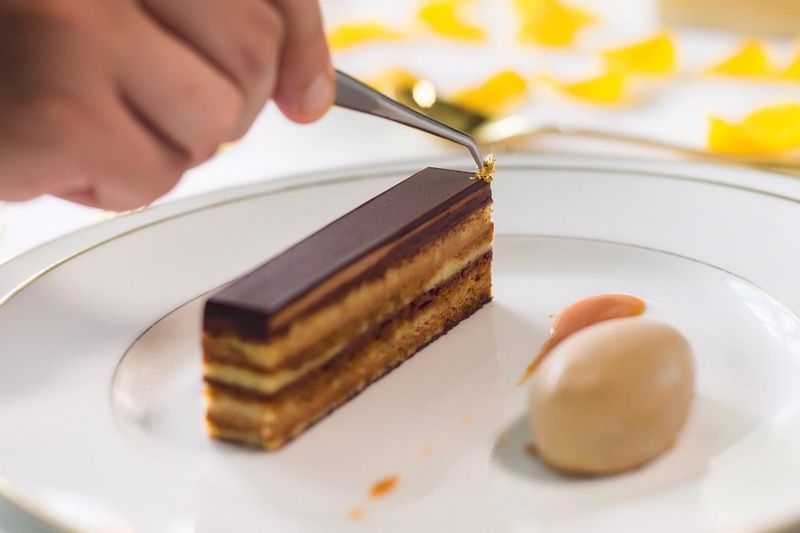
Precision is everything in the French Opera cake. Named after the Paris Opera, this iconic patisserie creation features razor-thin alternating layers of coffee-soaked almond sponge, coffee buttercream, and dark chocolate ganache, all finished with a mirror-like chocolate glaze.
Every layer must be exactly even, making it a true test of a pastry chef's skill. Created in the 1950s by Parisian baker Cyriaque Gavillon, the Opera cake is said to represent the grandeur of the stage.
One bite delivers coffee, chocolate, and almond all at once in perfect harmony.
17. Tarta de Santiago (Spain)
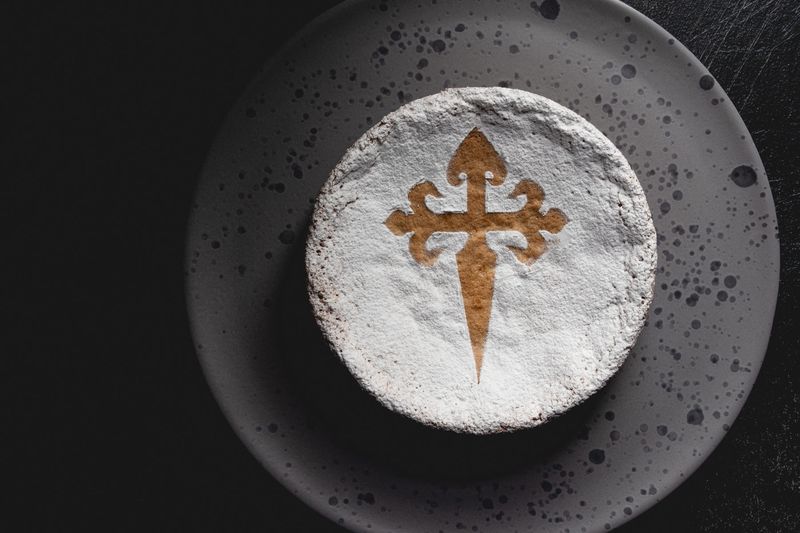
Simple ingredients, deep meaning. The Tarta de Santiago from Galicia, Spain, is a dense, moist almond cake that has been baked for pilgrims completing the Camino de Santiago for centuries.
Its most recognizable feature is the powdered sugar stencil of the Cross of Saint James on top.
Made with just ground almonds, eggs, and sugar, it is naturally gluten-free and incredibly flavorful. The almond flavor is bold and nutty without being overwhelming.
Eating a slice feels like a small reward after a long journey, which is exactly what it has always been.
18. Jaffa Cake (United Kingdom)
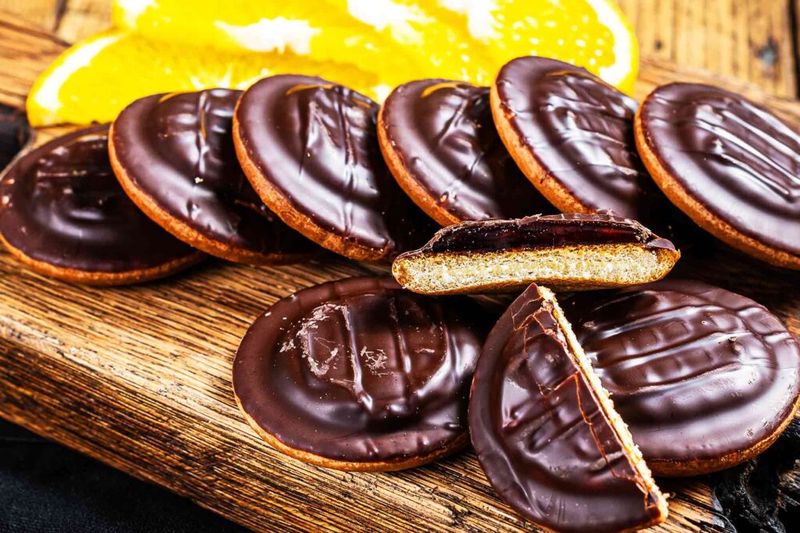
There has been a decades-long debate in Britain about whether the Jaffa Cake is a cake or a biscuit, and the argument gets surprisingly heated. Officially, it is a cake, and it even won a court case to prove it back in 1991.
This beloved British snack features a soft sponge base, a disc of tangy orange jelly, and a coating of dark chocolate. The combination sounds simple but is completely addictive.
Generations of British children have grown up trying to eat them in as few bites as possible, a skill taken very seriously indeed.
19. Nian Gao (China)
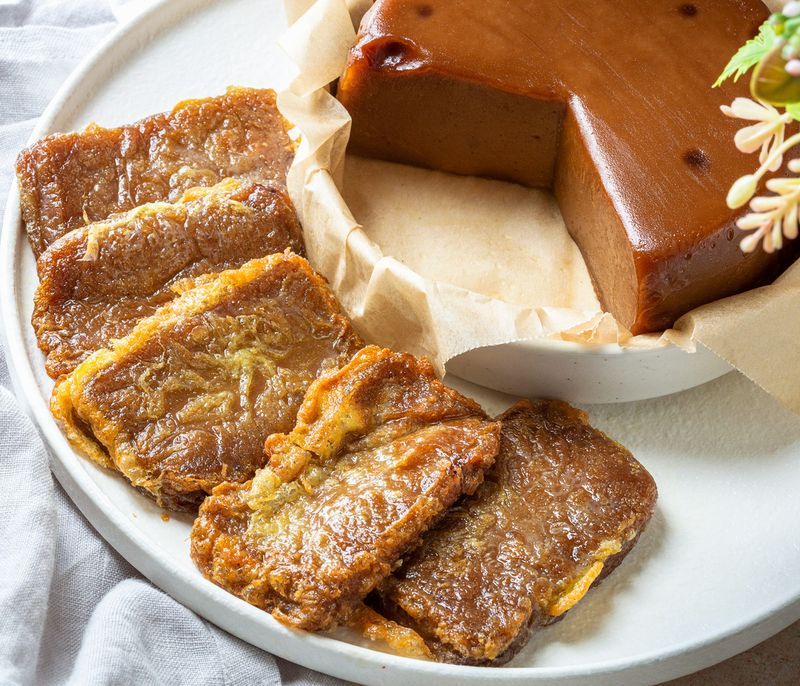
Eating Nian Gao during Chinese New Year is not just delicious, it is considered good luck. The name literally means year cake, and in Mandarin, it sounds like the phrase for growing taller or achieving more each year.
Made from glutinous rice flour and brown sugar, this chewy, sticky cake can be steamed, pan-fried, or eaten as is. Pan-frying it in egg batter creates crispy edges around a soft, sweet center that is completely irresistible.
This sticky little cake carries centuries of hope and good wishes in every bite.
20. Revani (Turkey/Greece)
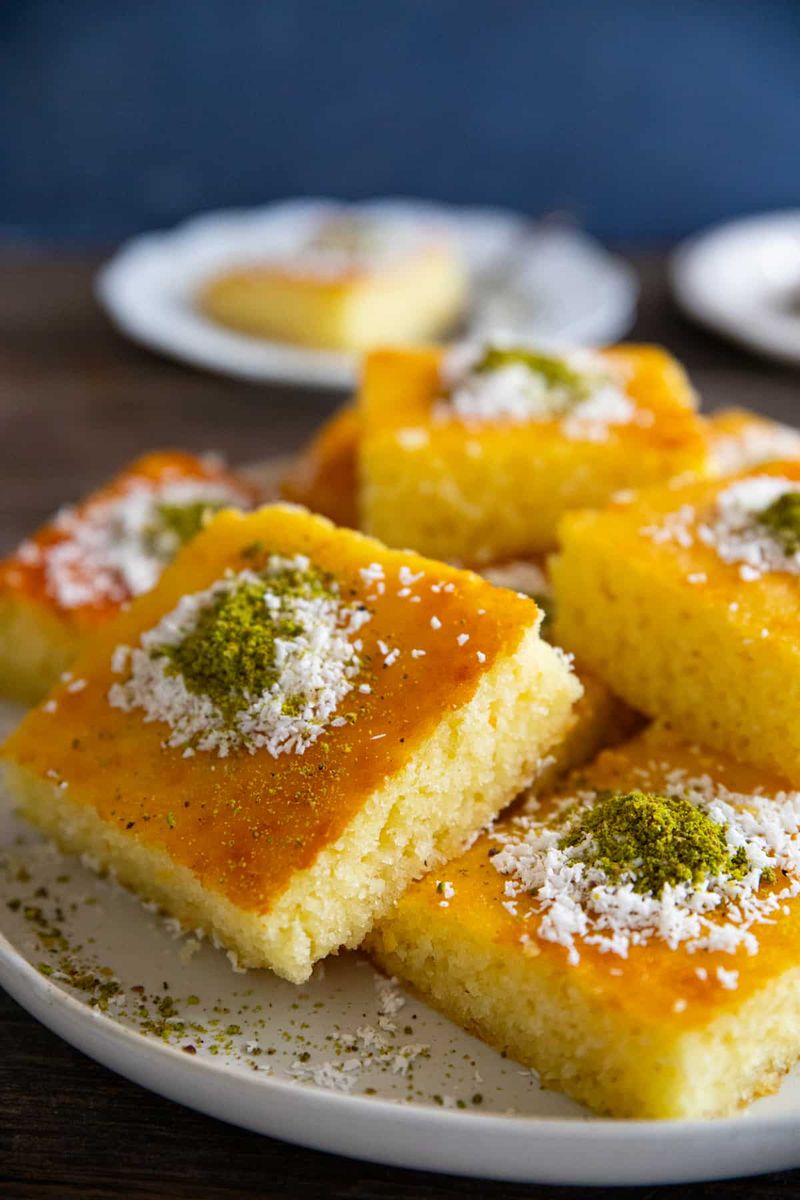
Revani has been satisfying sweet tooths across Turkey and Greece for centuries, and the debate over who invented it is still going strong. This golden semolina cake gets baked until firm, then immediately drenched in a fragrant lemon or orange syrup that soaks in completely.
The result is a cake that is moist to its very core with a slightly grainy texture that sets it apart from flour-based cakes. It is simple to make but stunning in flavor.
A garnish of coconut or crushed pistachios adds the perfect finishing touch to this timeless Mediterranean classic.
21. Malva Pudding (South Africa)
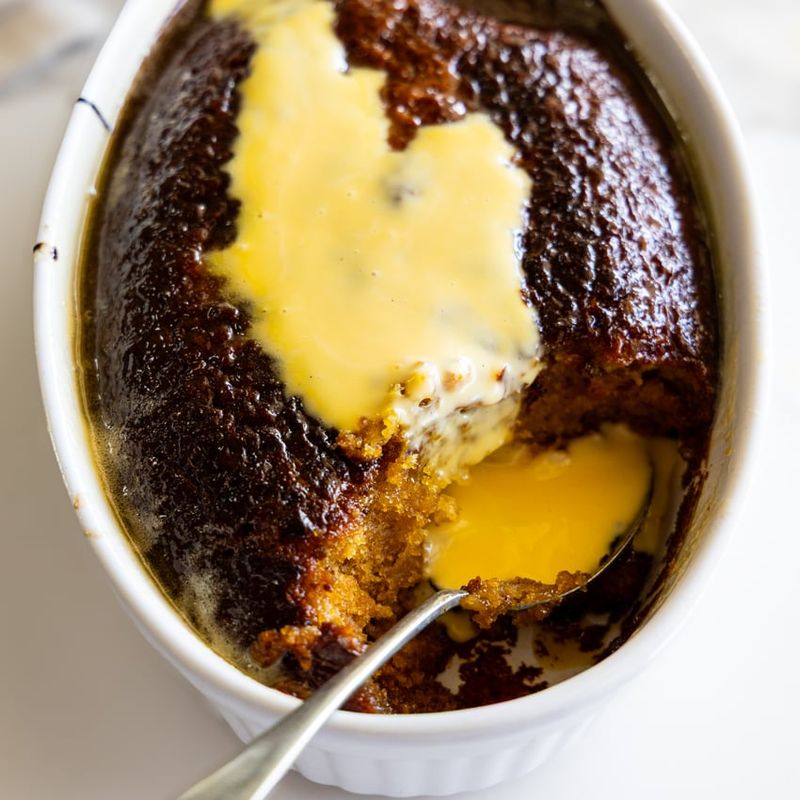
South Africa's Malva pudding is the kind of dessert that makes a cold evening feel instantly warmer. This sticky, spongy baked cake gets its unique caramel flavor from apricot jam mixed into the batter, which caramelizes beautifully during baking.
Right out of the oven, a rich sauce made of cream, butter, and sugar is poured directly over it and absorbed completely, making every bite outrageously moist. Served hot with a scoop of vanilla ice cream, it is pure comfort food.
South Africans consider it a national treasure, and one taste explains exactly why.
22. Pandan Layer Cake (Malaysia/Singapore)
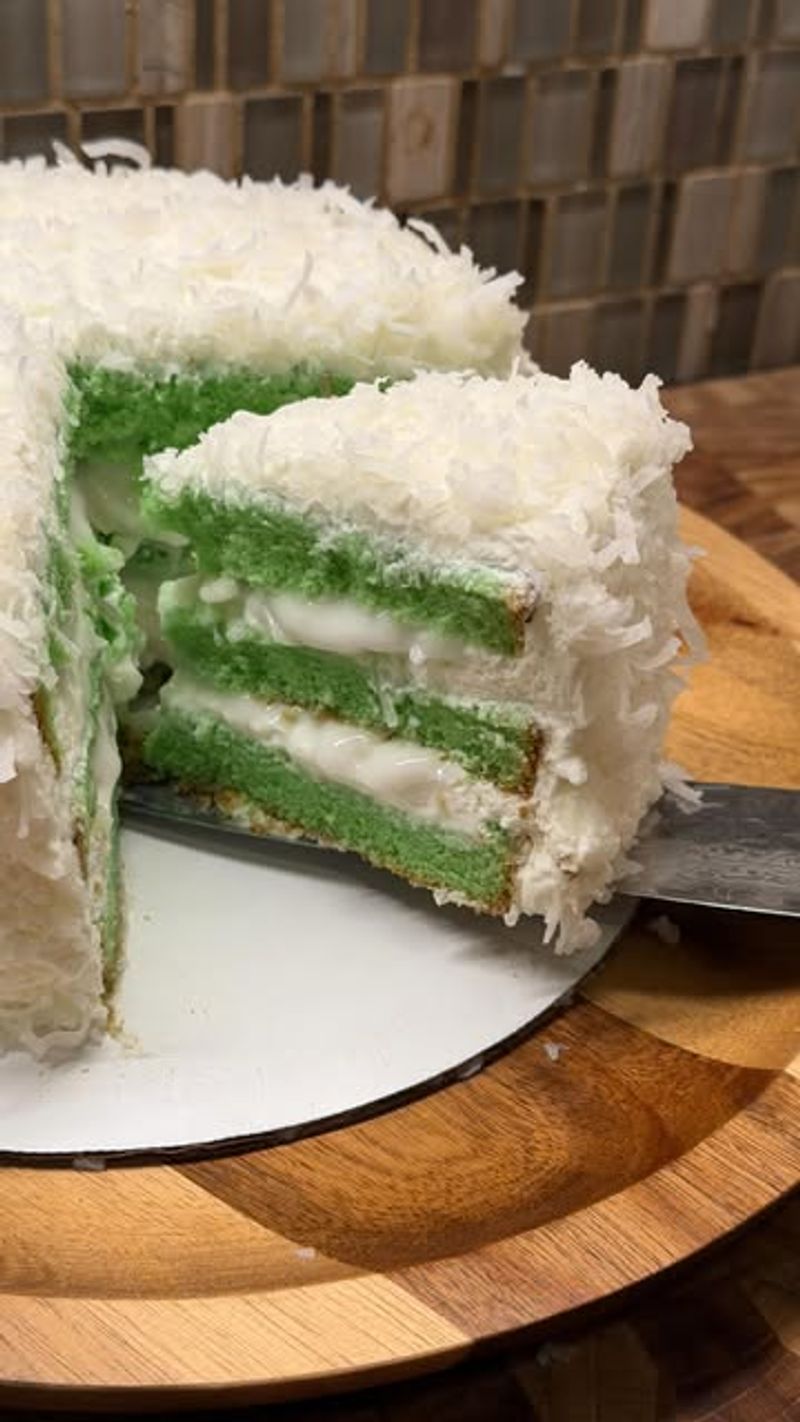
Bright green and impossibly fragrant, the Pandan Layer Cake is one of Southeast Asia's most visually striking desserts. Made with juice extracted from pandan leaves, it has a naturally sweet, vanilla-like aroma that is completely unlike anything else.
Layers of pandan-flavored sponge alternate with coconut cream, creating a beautiful striped pattern inside every slice. It is a common sight at Malaysian and Singaporean celebrations, from weddings to school parties.
The vivid color alone makes it the most photographed cake on any dessert table, and the flavor more than lives up to the appearance.
23. Buche de Noel (France)
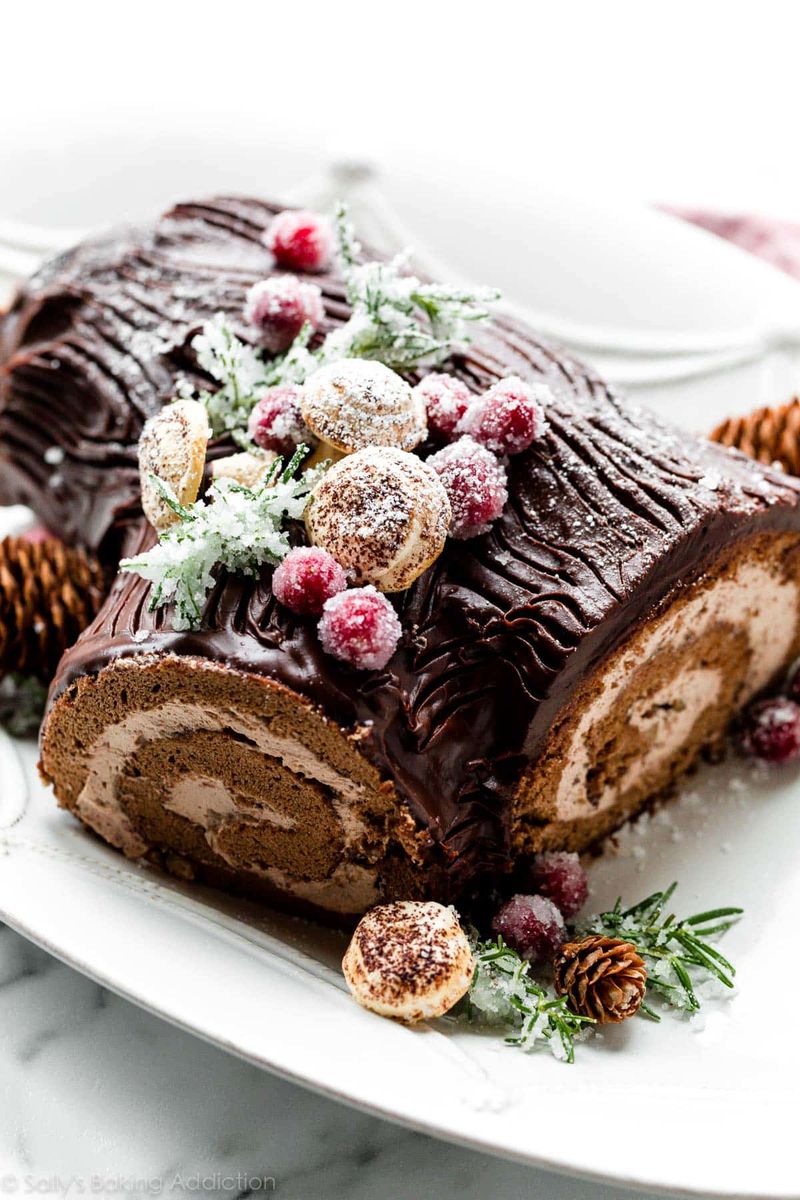
Every December, French bakery windows fill up with these spectacular edible Yule logs. The Buche de Noel is a rolled sponge cake filled with buttercream or chocolate ganache, then decorated to look exactly like a mossy log freshly cut from a winter forest.
Meringue mushrooms, powdered sugar snow, and marzipan holly leaves complete the woodland scene. The tradition dates back to a time when families burned a real Yule log through Christmas Eve.
Today, the edible version is far more popular, and French pastry chefs compete each year to create the most creative and spectacular designs.
24. Kue Lapis (Indonesia)
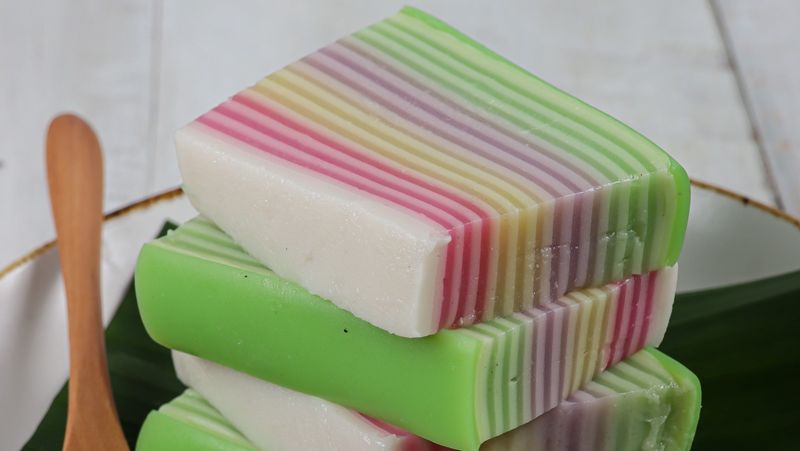
Kue Lapis is a feast for the eyes before it ever reaches your mouth. This Indonesian steamed layer cake is built one thin, colorful layer at a time, each cooked separately before the next is added, a process that requires both skill and serious patience.
Made from rice flour and coconut milk, each layer has a soft, slightly chewy texture with a gentle sweetness. The bold pink and white stripes make it one of the most visually distinctive cakes in the world.
Pulling apart the layers one by one is half the fun of eating it.

Comments
No Comments