













Some recipes have been around for hundreds of years, and no matter how many new food trends come along, they just keep showing up on tables everywhere. Traditional biscuits and bakes carry stories of grandmothers, local bakeries, and family kitchens that have passed down the same methods for generations.
There is something comforting about biting into a treat that people have loved for centuries. These 24 classics have stood the test of time, and it is easy to see why they refuse to go anywhere.
1. Shortbread
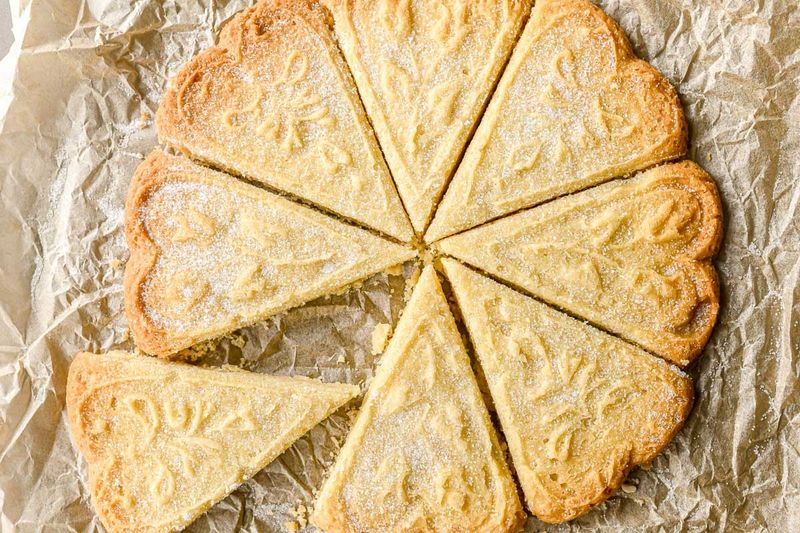
Scotland has been making shortbread since at least the 16th century, and bakers have barely changed the recipe. Just three ingredients — butter, sugar, and flour — come together to create something remarkably rich and crumbly.
The secret is using good quality butter, which gives shortbread that melt-in-your-mouth feel no other biscuit can match. Many Scottish families still bake it at Christmas and New Year as a gift or celebration treat.
2. Gingerbread
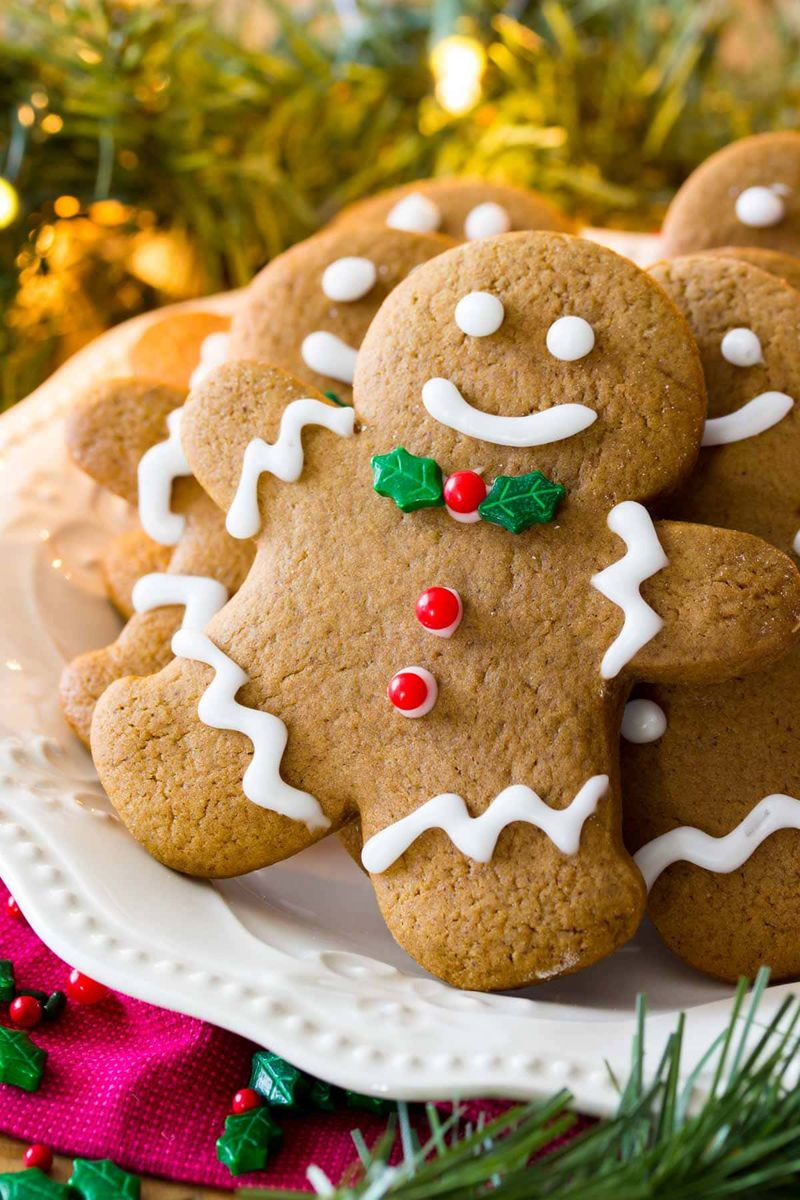
Long before gingerbread houses became a holiday craft project, gingerbread was serious business at medieval European fairs. Bakers shaped it into elaborate figures and sold them as prized treats at market stalls.
The warm spice blend of ginger, cinnamon, and cloves gives every bite a cozy, familiar flavor that feels like autumn in food form. Whether you cut it into men, stars, or squares, gingerbread has never once gone out of style in any era.
3. Digestive Biscuits
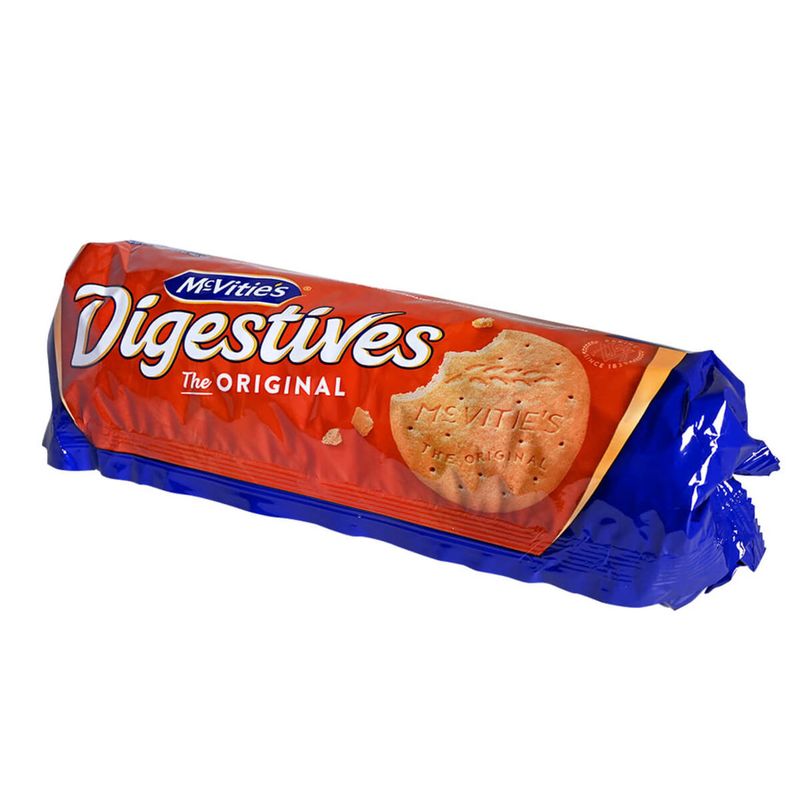
Digestive biscuits were invented in the 1800s, originally believed to help with digestion because of their wholemeal wheat content. Whether or not that claim holds up, millions of people still reach for them daily.
Dunking one into a hot cup of tea is practically a national ritual in the UK. The slightly sweet, nutty flavor pairs beautifully with cheese, chocolate, or simply nothing at all.
No biscuit tin feels complete without a pack of digestives tucked inside.
4. Anzac Biscuits
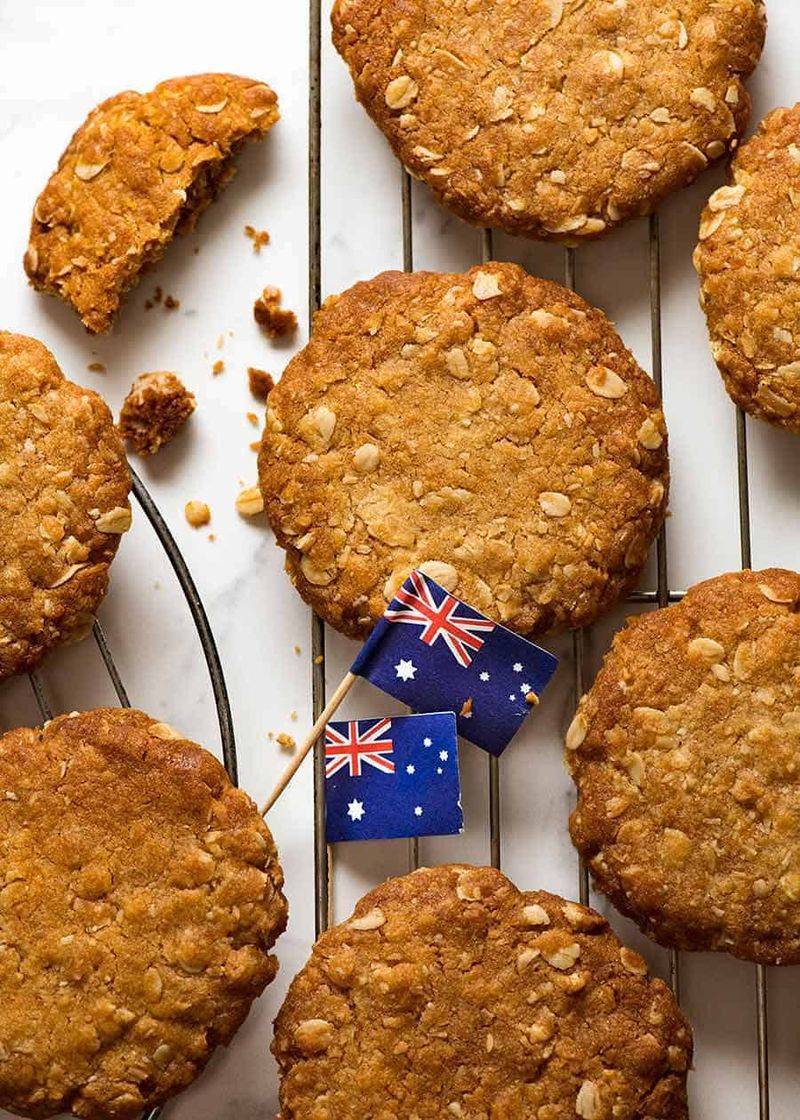
Anzac biscuits carry a powerful history — they were baked by Australian and New Zealand wives and sent to soldiers overseas during World War One. The recipe used no eggs because eggs were scarce, and the biscuits could survive the long sea voyage.
Rolled oats, coconut, golden syrup, and butter create a chewy, sweet biscuit that has outlasted the war by over a century. Every April 25th, Anzac Day, these biscuits are baked across both nations as a tribute.
5. Oatcakes
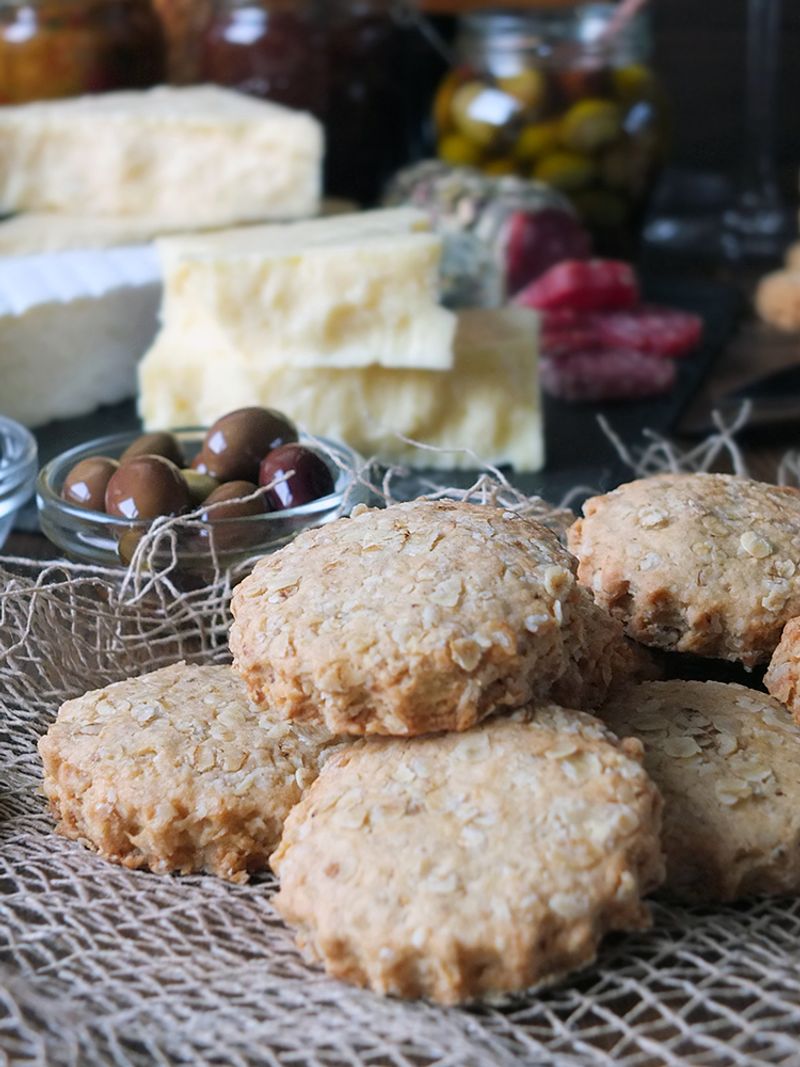
Oatcakes have been a staple in Scotland and northern England for centuries, originally cooked on a griddle over an open fire. They are savory, sturdy, and pair brilliantly with cheese, smoked salmon, or a spread of butter.
Unlike most biscuits, oatcakes contain almost no sugar, which makes them a satisfying snack that does not feel heavy or sweet. Many artisan bakeries still make them by hand using stone-ground oats, keeping the old-fashioned method alive with every batch.
6. Bourbon Biscuits
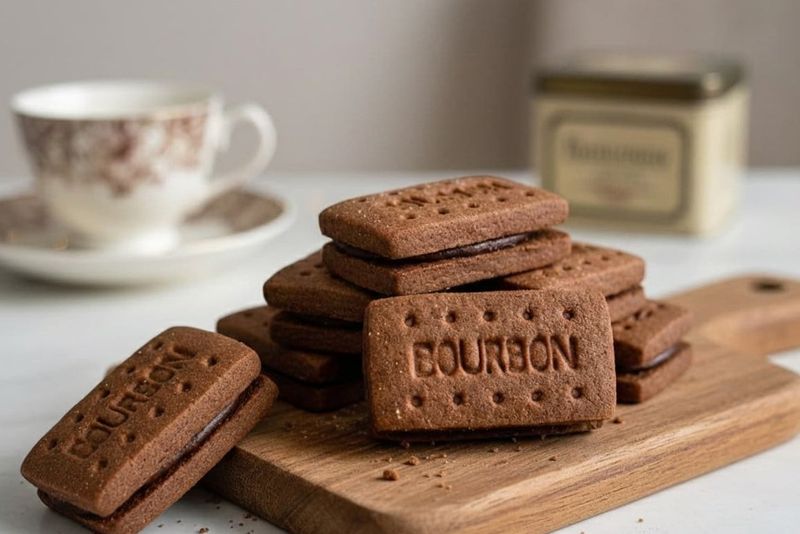
Despite the fancy-sounding name, bourbon biscuits are one of the most affordable and beloved treats in British biscuit culture. Two crisp chocolate biscuits sandwiched around a thick chocolate cream filling — it sounds simple, but the combination is irresistible.
They were first introduced in 1910 and named after the Royal House of Bourbon, which gives them a surprisingly grand backstory for such an everyday snack. Many people have a specific way of eating them, pulling them apart to lick the filling first.
7. Flapjacks
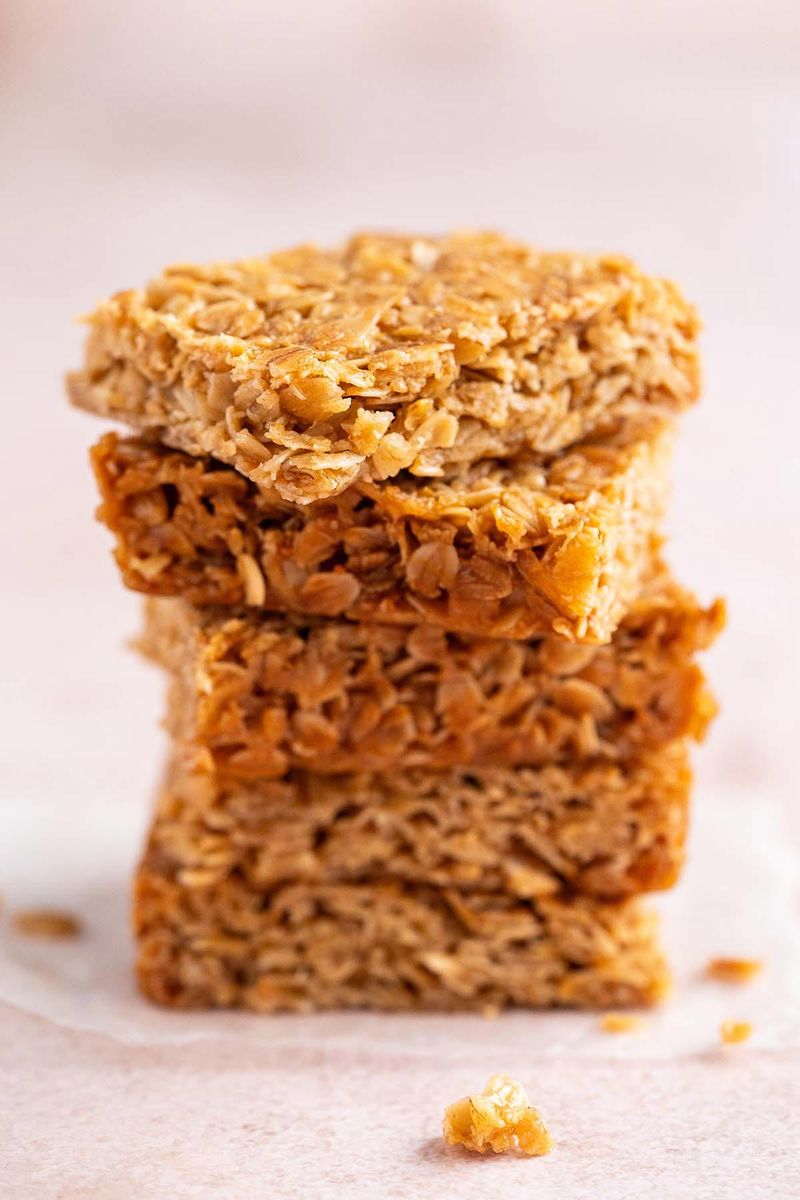
Flapjacks are one of those bakes that look deceptively simple but can go very wrong if you rush them. The key is getting the golden syrup and butter ratio just right so the oats bind into chewy, sticky bars.
British flapjacks have been a lunchbox staple for decades, and bakeries across the country still sell them fresh every morning. Some bakers add chocolate chips, dried fruit, or seeds, but the classic plain version remains the one most people grew up loving.
8. Eccles Cakes
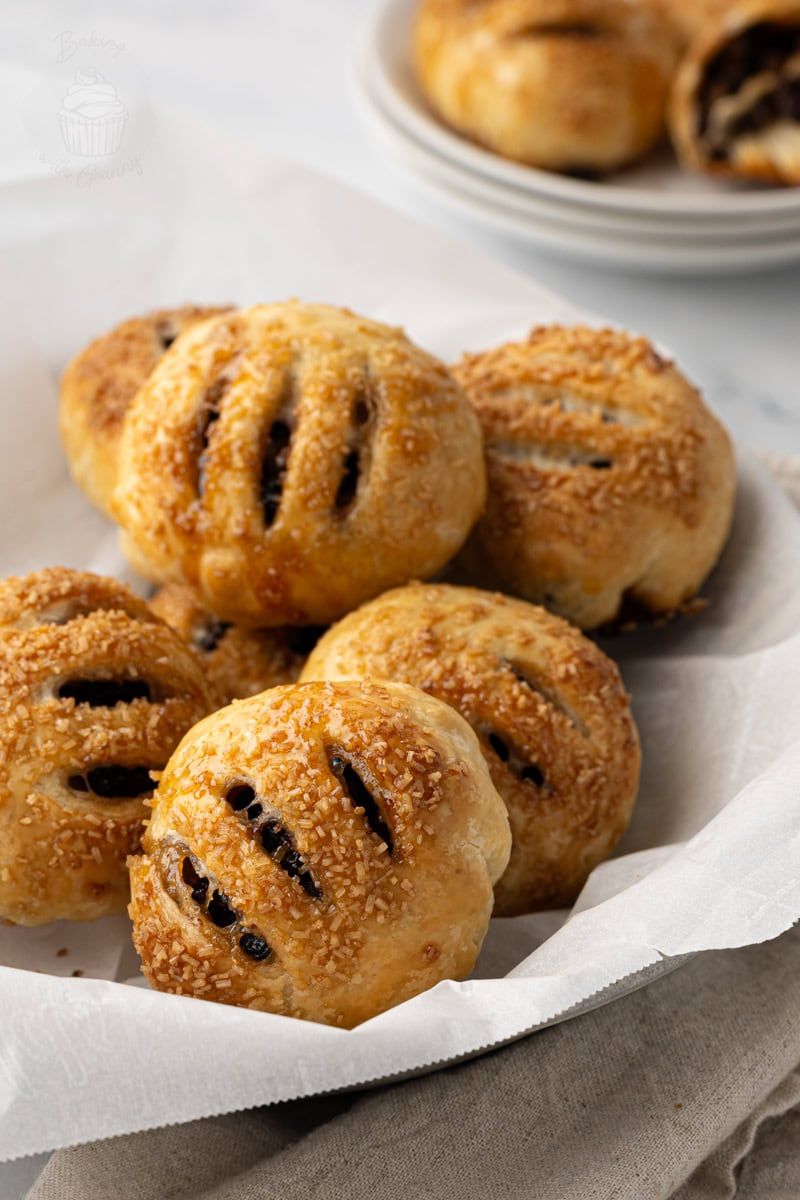
Named after the town of Eccles in Greater Manchester, these small round pastries have been baked there since the late 1700s. Flaky puff pastry wraps around a filling of currants, butter, and warm spices like nutmeg and mixed spice.
The top is slashed and sprinkled with sugar before baking, creating a caramelized, crackly crust that shatters when you bite in. Eccles cakes pair wonderfully with Lancashire cheese — a combination that sounds odd but tastes absolutely brilliant.
9. Welsh Cakes
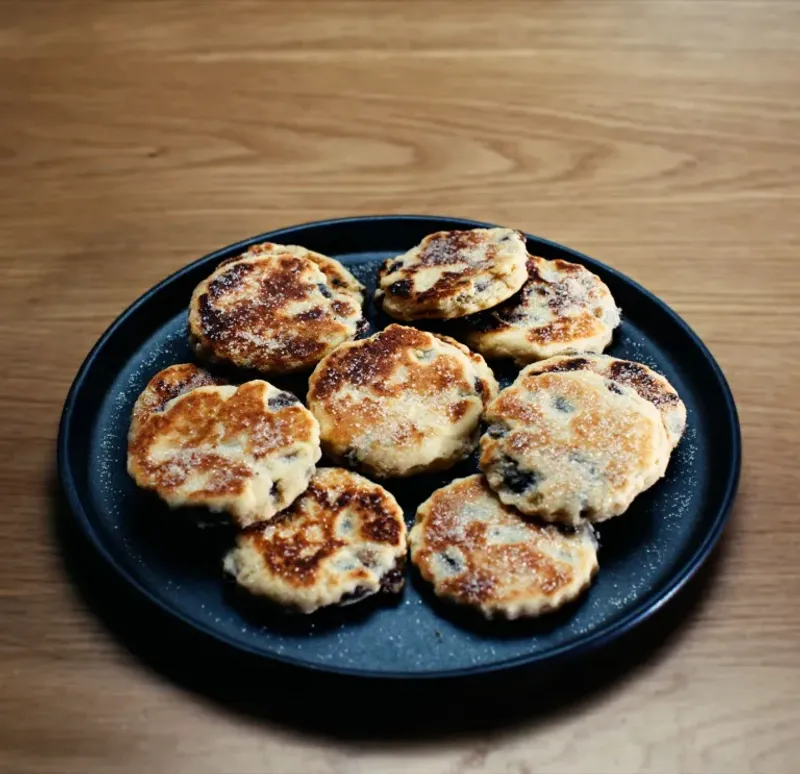
Welsh cakes are cooked on a griddle rather than baked in an oven, which gives them a unique texture — crispy on the outside and soft and scone-like inside. They have been a tea-time favorite in Wales for well over a century.
Packed with currants and lightly spiced with mixed spice, each cake is dusted with caster sugar straight off the griddle while still warm. Market stalls in Cardiff still sell them freshly made, filling the whole street with an incredible buttery aroma.
10. Rock Cakes
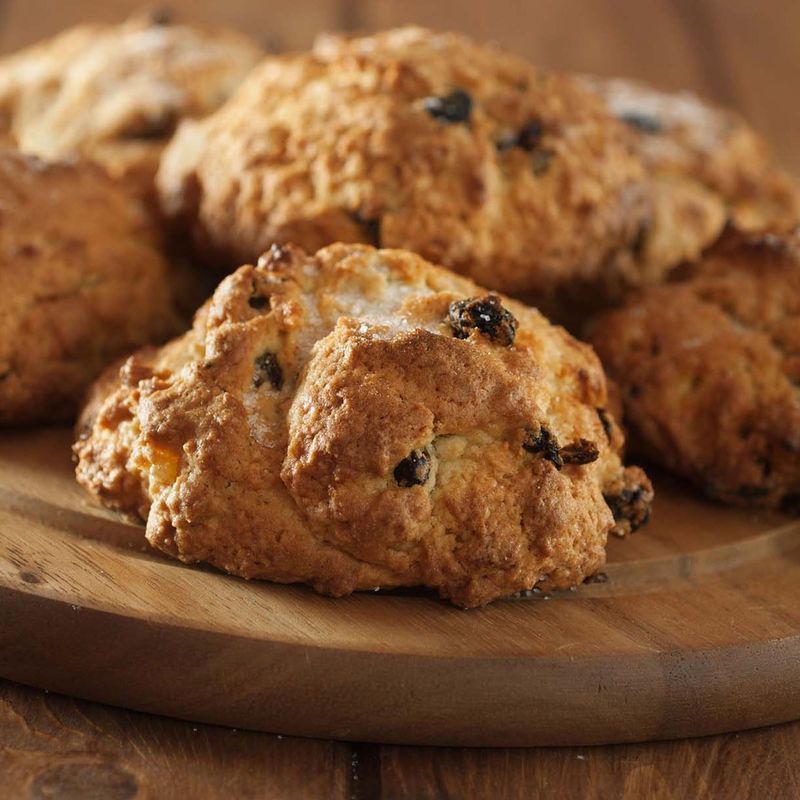
Rock cakes get their name from their rough, rocky appearance rather than their texture — they are actually quite soft inside when freshly baked. They became extremely popular during World War Two rationing because they require very little butter and sugar.
The Ministry of Food actively promoted them as a wartime recipe, which helped cement their place in British baking history. Currants, a hint of mixed spice, and a crunchy sugar-sprinkled top make them a humble but deeply satisfying teatime treat.
11. Custard Creams
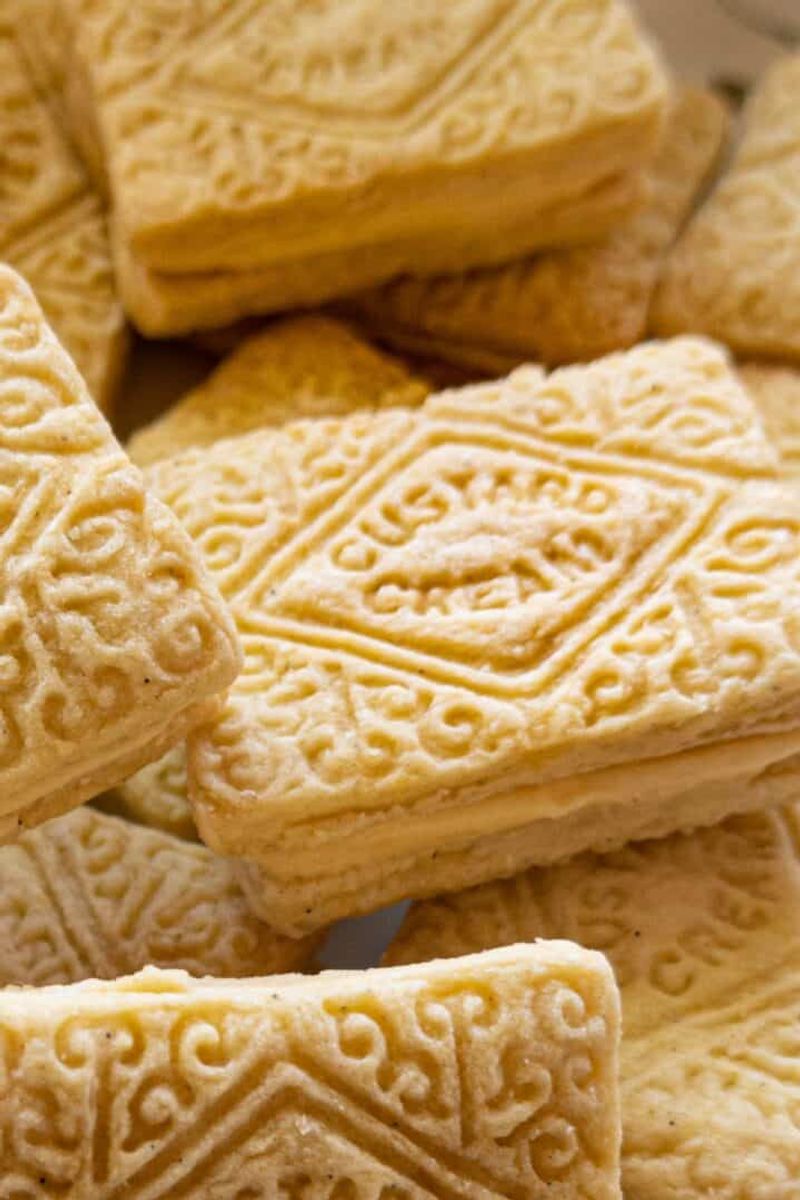
Few biscuits have a fan base as devoted as the custard cream. That ornate Victorian-style pattern pressed into each biscuit has barely changed since they were first produced in the early 1900s.
The filling is a sweet, vanilla-flavored cream sandwiched between two buttery biscuits, and somehow the whole thing tastes even better dunked in tea. Custard creams regularly top polls as Britain's favorite biscuit — a title they have held comfortably for many years without much competition.
12. Parkin
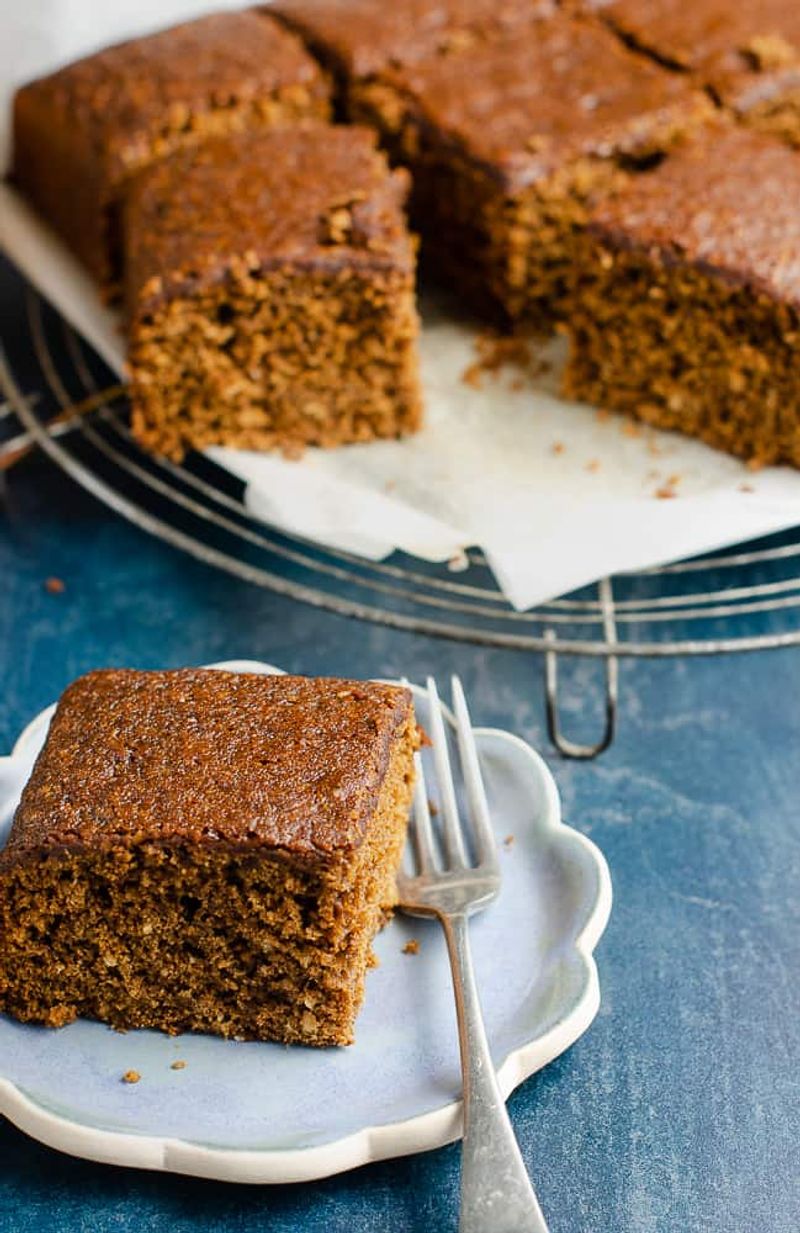
Parkin is a sticky, dark gingerbread cake made with oatmeal and black treacle, and it belongs almost entirely to the north of England — particularly Yorkshire. It is traditionally baked for Bonfire Night on November 5th.
Here is the thing about parkin: it actually gets better with age. Bakers often wrap it up and leave it for a week before eating, allowing the treacle to work through the oats and make it deliciously moist.
Few bakes reward patience quite so well.
13. Shrewsbury Biscuits
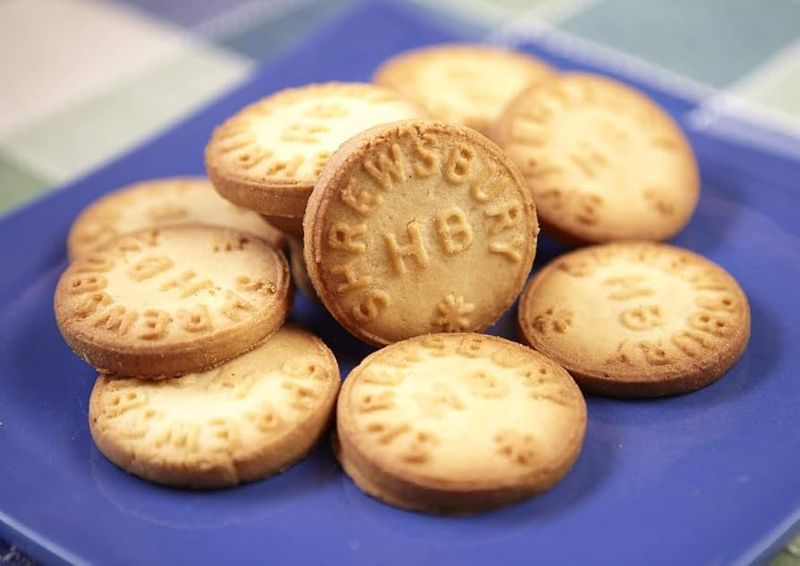
Shrewsbury biscuits have been recorded in English cookbooks since the early 1600s, making them one of the oldest named biscuits in British culinary history. They are buttery, crisp, and flavored with lemon zest and a touch of rosewater in the original recipe.
The town of Shrewsbury in Shropshire still celebrates them proudly, and local bakeries have kept the tradition alive for centuries. Slightly sweet and wonderfully fragrant, they are a reminder that sometimes the oldest recipes are also the best ones.
14. Garibaldi Biscuits
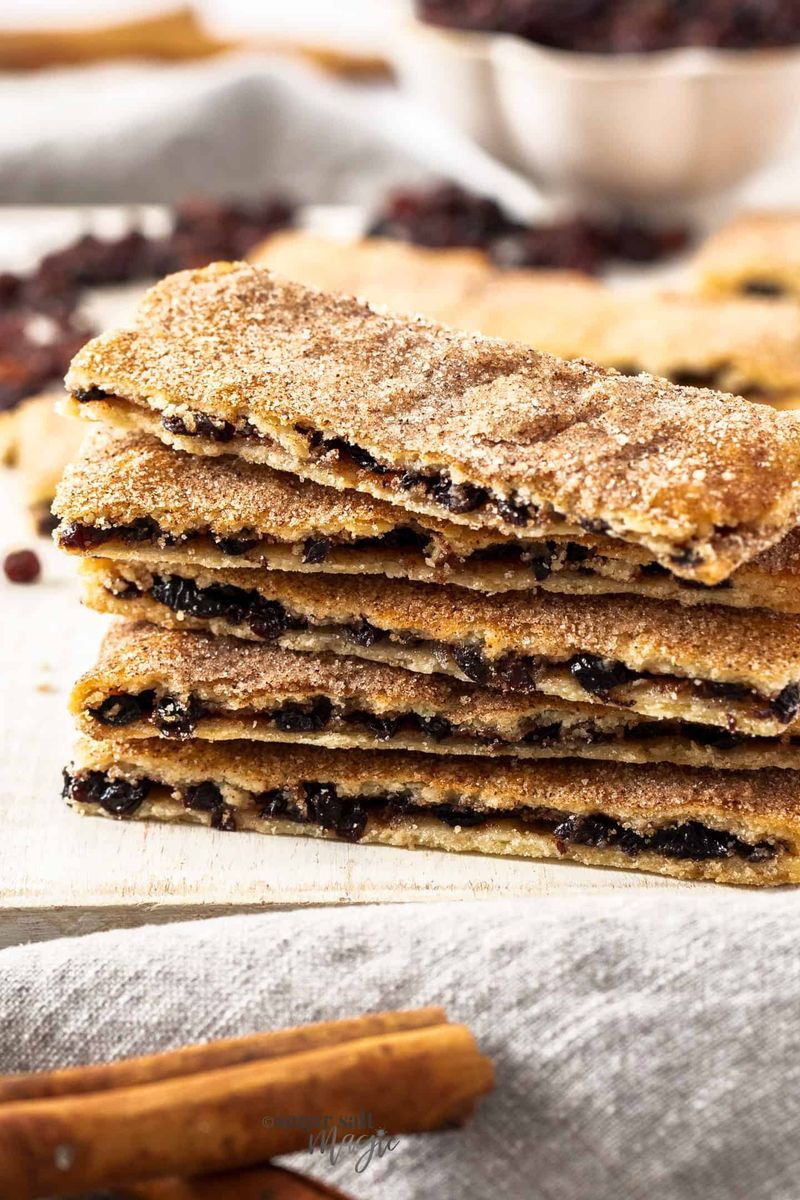
Named after the Italian general Giuseppe Garibaldi who visited England in 1854, these biscuits were created shortly after his wildly popular tour. Layers of currants are pressed between two thin sheets of biscuit dough before baking, creating a flat, crunchy result.
They are sometimes affectionately called squashed fly biscuits because of how the currants look embedded in the dough — a nickname that has stuck for generations. Playful name aside, they remain a genuinely tasty and underappreciated classic in every biscuit tin.
15. Bara Brith
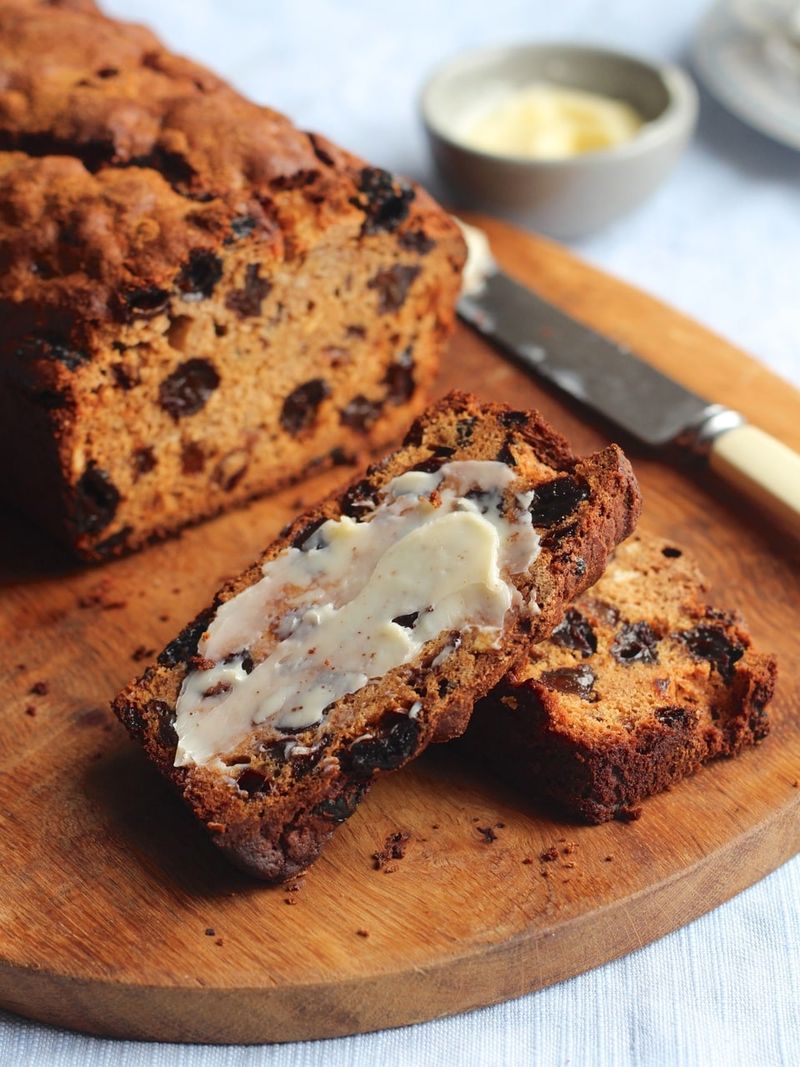
Bara Brith translates from Welsh as speckled bread, and that name perfectly describes this beautiful, dark fruit loaf packed with dried fruit soaked in strong tea overnight. The tea plumps the fruit and gives the bread a rich, moist depth that is hard to replicate.
Every Welsh family seems to have their own version, passed down through generations with slight variations in spices or fruit combinations. A thick slice spread with salted butter alongside a strong cup of tea is one of Wales' most comforting food experiences.
16. Soda Bread
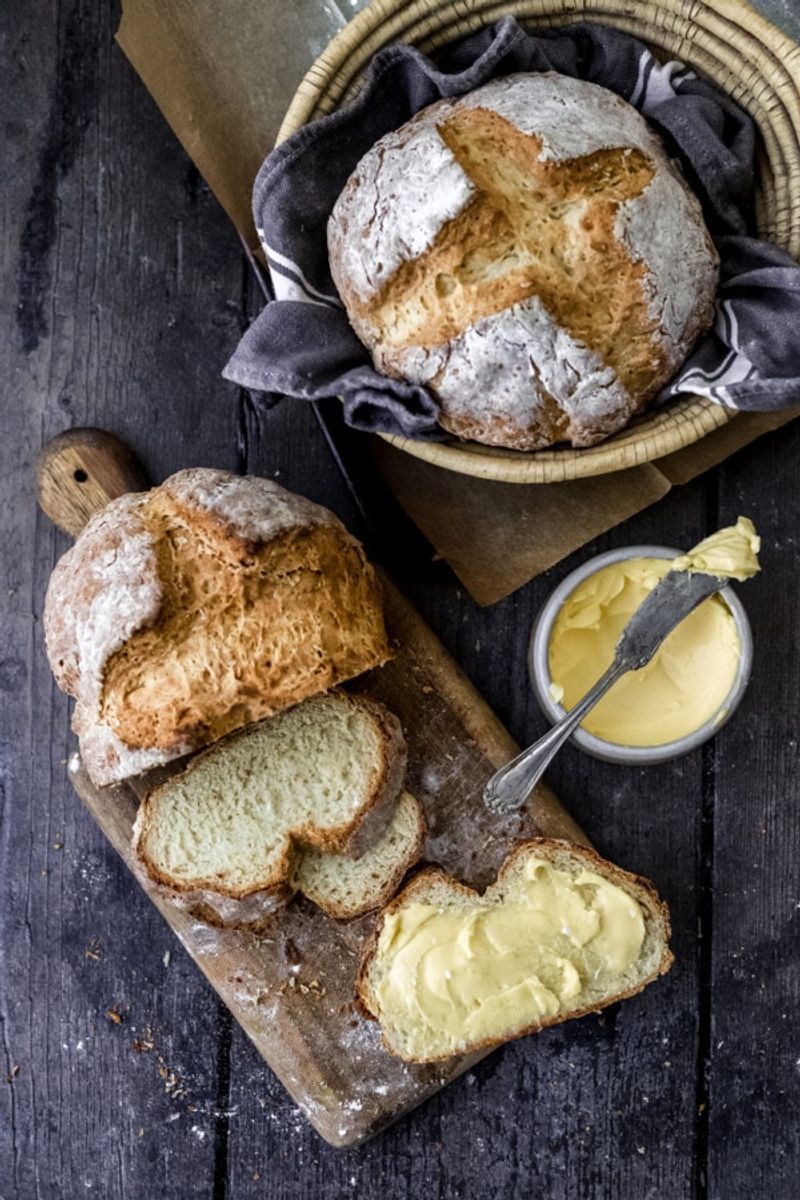
Irish soda bread is leavened with baking soda rather than yeast, which means there is no kneading, no proving, and no waiting around — just mix and bake. It was developed in Ireland in the 1800s when baking soda became widely available and ovens were not always reliable.
The cross cut into the top before baking has practical roots — it helps the bread cook evenly — though folklore says it was also meant to ward off evil. Either way, the result is a beautifully crusty, tender loaf that has never needed improving.
17. Lardy Cake
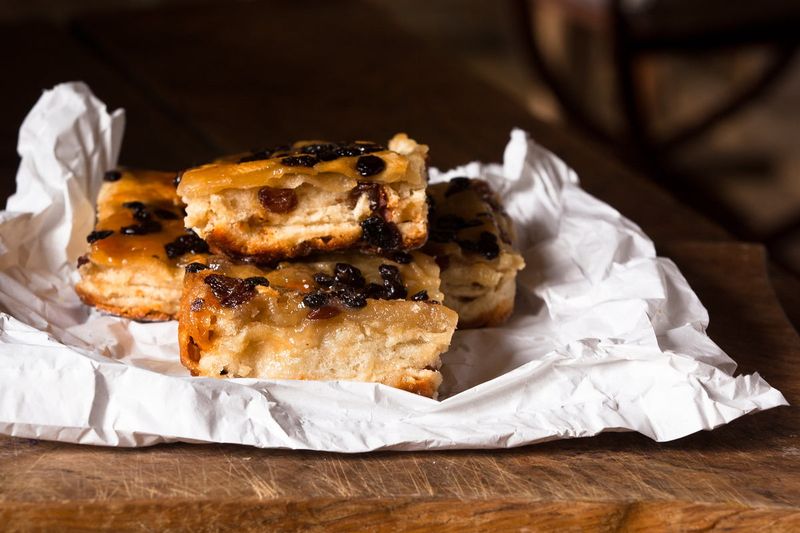
Lardy cake is not for the faint-hearted — it is a gloriously indulgent, layered dough enriched with lard, sugar, and spices, folded repeatedly to create flaky, sticky layers packed with dried fruit. It originated in Wiltshire, England, in the 19th century.
Farmworkers and laborers relied on it as a high-energy food during long days in the fields. Modern bakers still make it using the traditional recipe, and its rich, almost caramel-like sweetness makes it unforgettable.
Some things are worth every single calorie.
18. Abernethy Biscuits
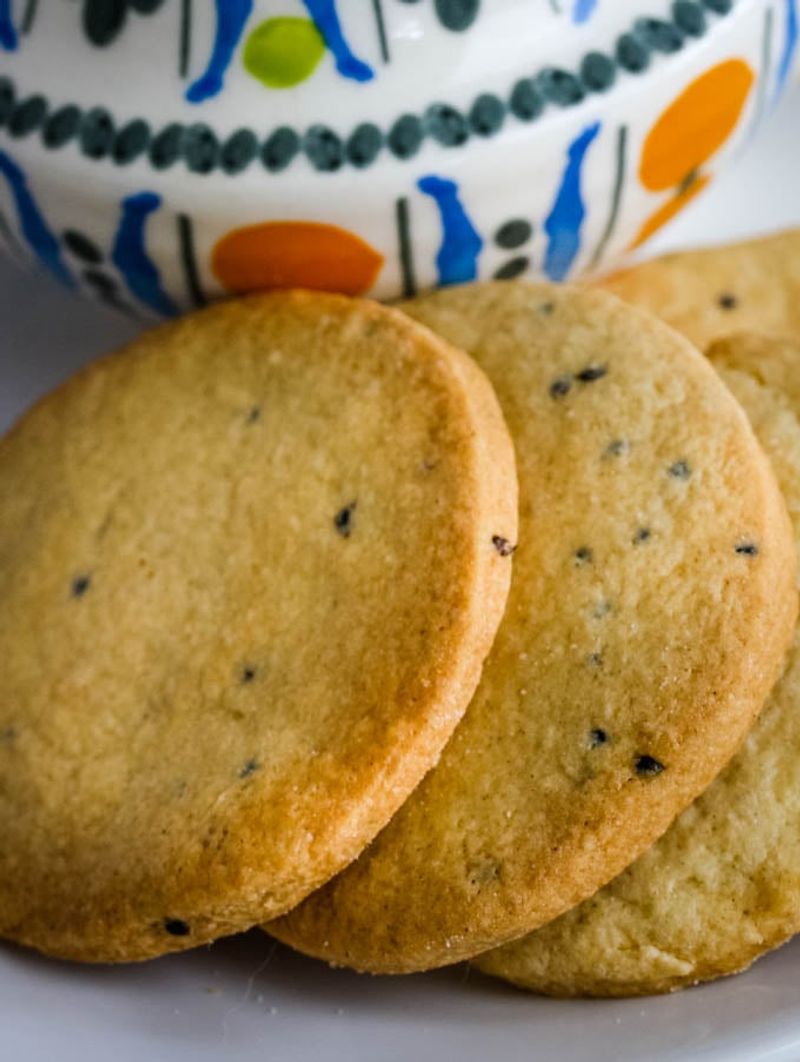
Abernethy biscuits are a Scottish classic with a subtle flavor that comes from a small but important addition — caraway seeds. Named after Dr. John Abernethy, a Scottish surgeon who reportedly created them in the early 19th century as a digestive aid.
They are dry, slightly sweet, and pair perfectly with cheese or a cup of strong tea. Compared to flashier modern biscuits loaded with chocolate and cream, the Abernethy biscuit is refreshingly understated — and that quiet confidence is exactly why bakers keep making them.
19. Selkirk Bannock
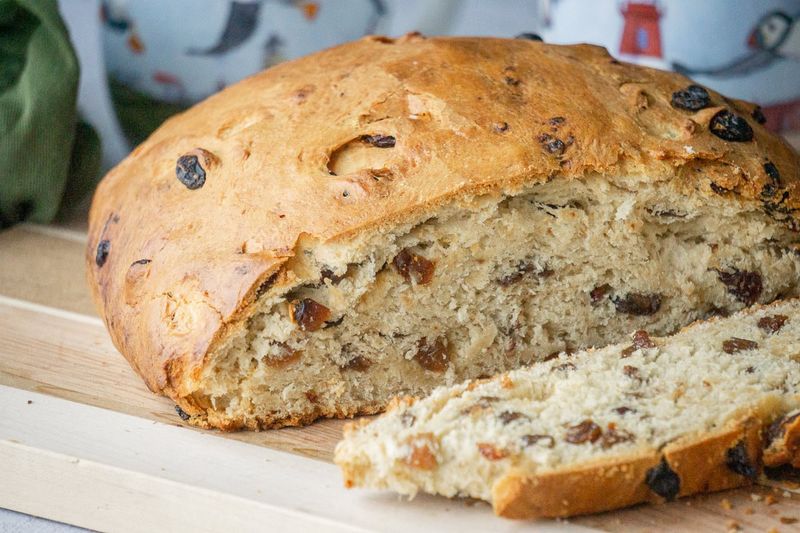
The Selkirk Bannock is a rich, buttery fruit bread from the Scottish Borders, made with sultanas and a generous amount of butter kneaded into the dough. It was first created by a baker named Robbie Douglas in Selkirk around 1859.
Queen Victoria herself reportedly tried one during a visit to Abbotsford House and loved it — which did wonders for its reputation. Today it is still baked using traditional methods in Scottish bakeries, and sliced thickly with butter it remains an absolute treat.
20. Fat Rascals
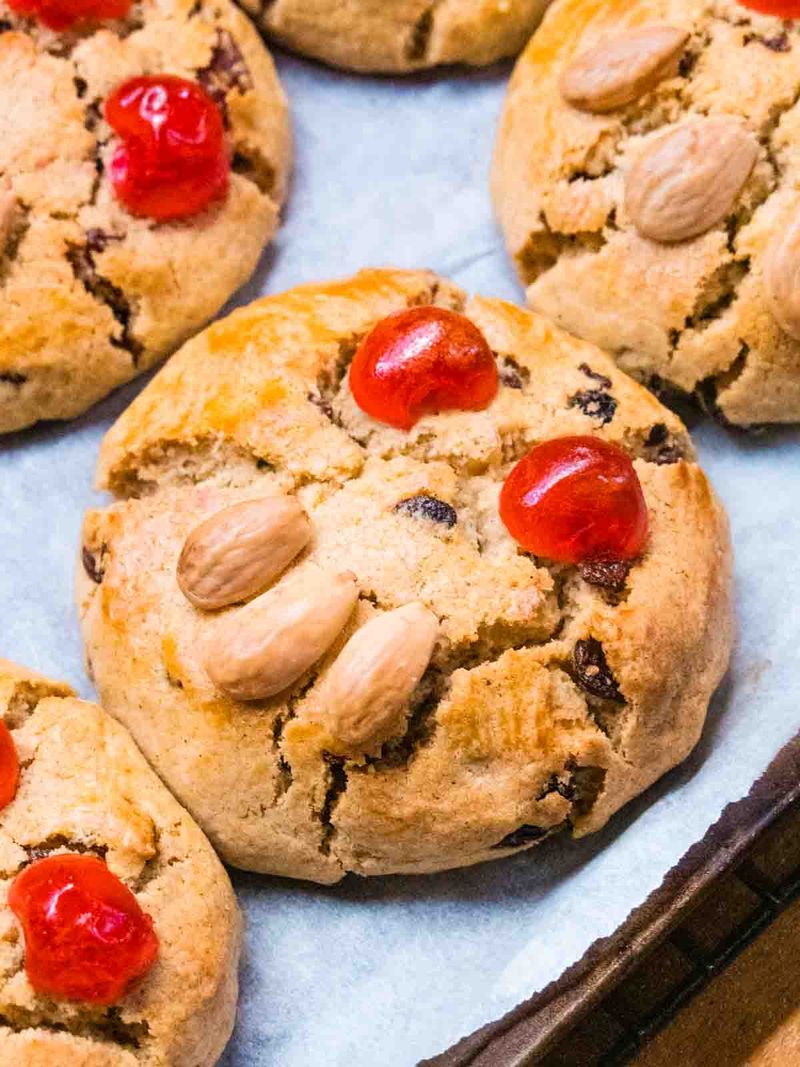
Fat Rascals are a Yorkshire specialty — oversized, round scone-like cakes decorated with glacé cherries and blanched almonds pressed into the top to form a cheerful face. They have been associated with the famous Bettys Café Tea Rooms in Harrogate since the 1980s.
The origin of the name goes back centuries, with early references found in northern English recipes from the 1800s. Packed with citrus zest and mixed spice, they are richer and more flavorful than a regular scone — a bold, unapologetic Yorkshire bake.
21. Cornish Fairings
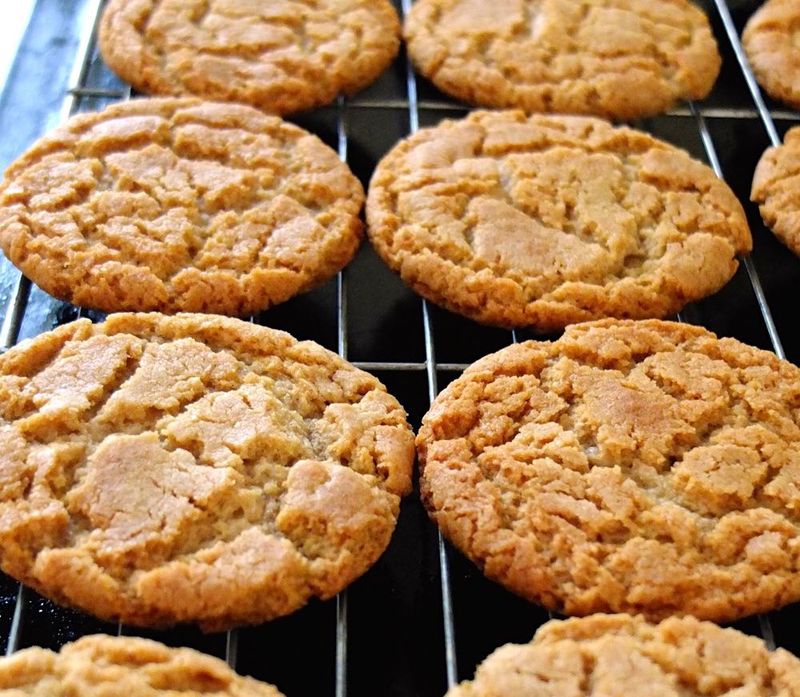
Cornish fairings were originally sold at fairs across Cornwall as a sweet treat and gift for loved ones — the name literally comes from fairground trading. These thin, crisp ginger biscuits crack beautifully across the top as they bake, giving them a distinctive appearance.
Strong ginger, cinnamon, and mixed spice make every bite warming and bold. They were traditionally given as tokens of affection, which makes them one of the most romantically charged biscuits in British baking history.
A tin of them still makes a wonderful gift today.
22. Viennese Whirls
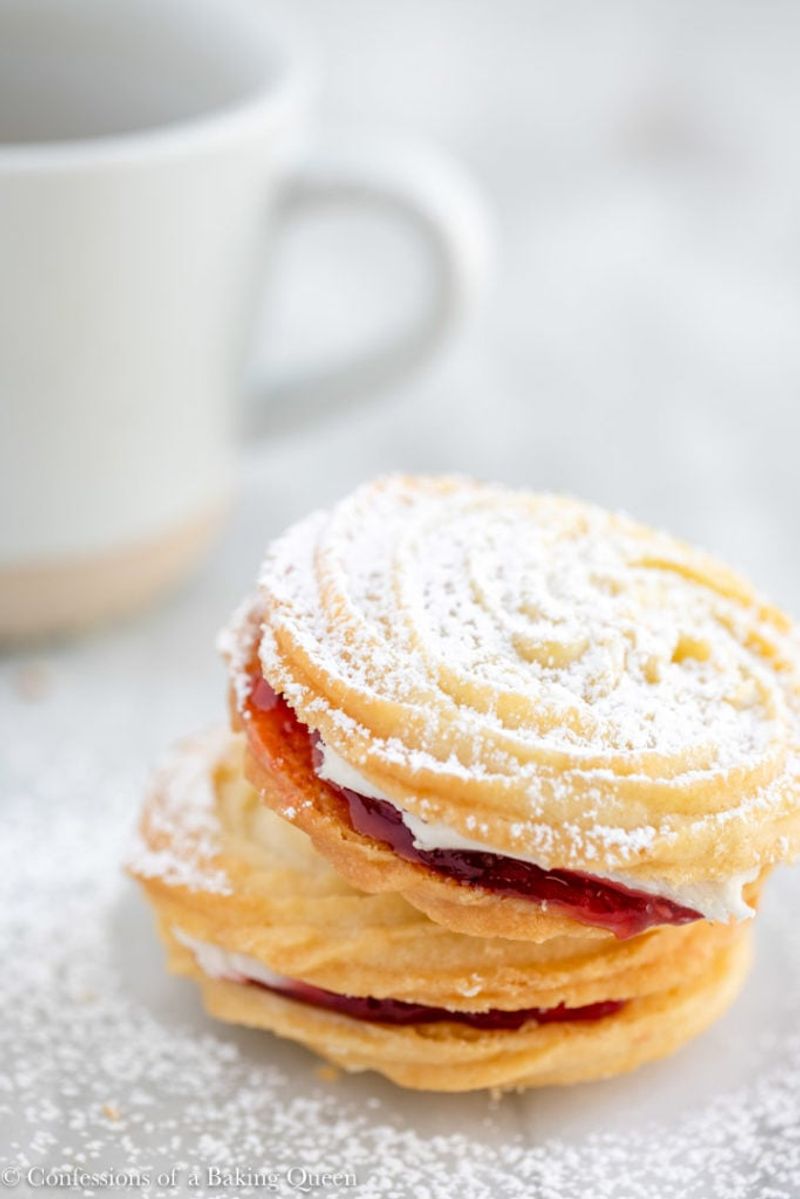
Viennese whirls look almost too pretty to eat — those neat, piped swirls of buttery biscuit dough sandwiched with raspberry jam and buttercream are a genuine work of edible art. Despite the name suggesting Austrian origins, the Viennese whirl as most people know it is a thoroughly British creation.
The dough needs to be soft enough to pipe but firm enough to hold its shape, which makes them a satisfying baking challenge. Getting those perfect ridges right is a small victory worth celebrating every single time.
23. Singing Hinnies
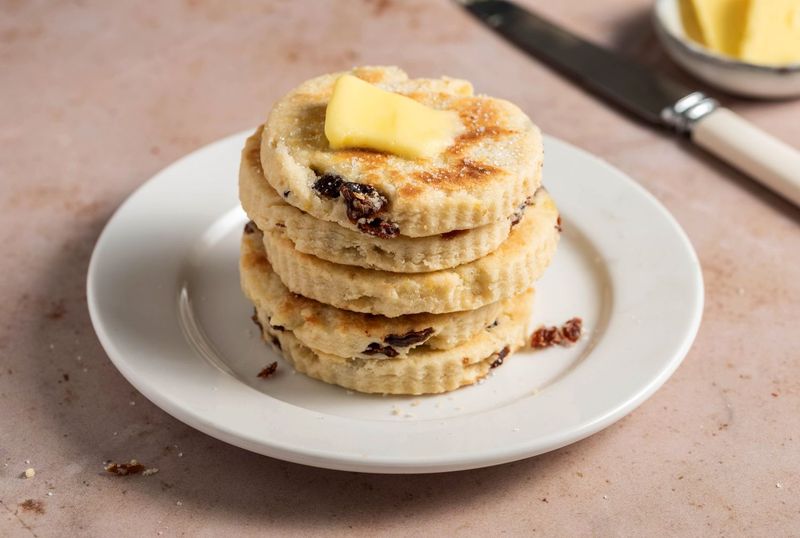
Singing Hinnies are a Northumberland griddle cake with one of the most charming names in British baking. They get their musical name from the sizzling sound the fat makes as the cakes cook on the hot griddle — a sound locals found cheerful enough to celebrate.
Made with flour, lard, butter, and currants, they are similar to Welsh cakes but with a slightly richer, more crumbly texture. Served warm and split open with butter melting inside, they are a straightforward northern pleasure that has survived quietly for generations.
24. Brandy Snaps
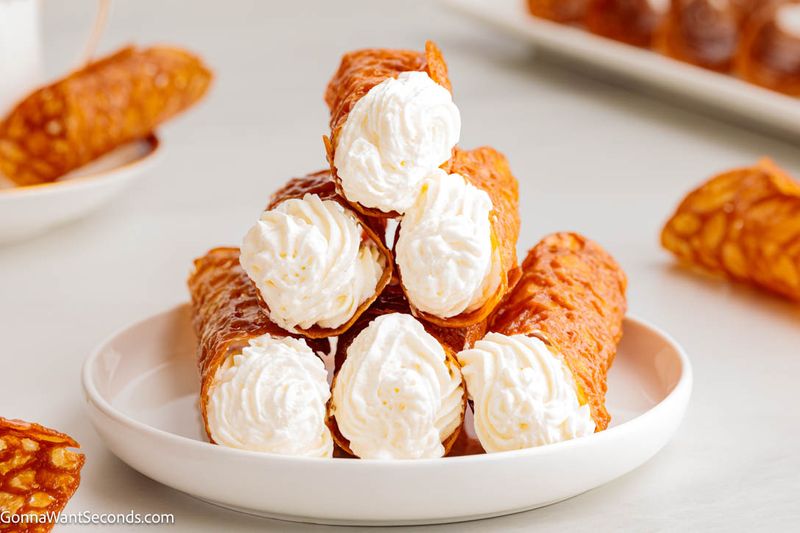
Brandy snaps are one of those bakes that look incredibly impressive but rely on a fairly simple method — golden syrup, butter, sugar, flour, and ginger cooked until lacy and then rolled into tubes while still warm. Timing is everything with brandy snaps.
They harden within seconds of leaving the oven, so bakers have to work fast and confidently. Filled with whipped cream, they have graced dessert tables at British fairs and celebrations for well over two centuries.
Elegant, crispy, and just a little theatrical — they earn their place on any table.
Comments
No Comments