












Some ingredients are so versatile that they barely seem like the same thing from one cuisine to the next. A spice that brings heat to one dish might add sweetness to another, while a simple pantry staple can transform from a thickener to a fermented superfood.
Food is endlessly creative, and the ingredients we cook with are proof of that. Get ready to see some familiar foods in a whole new light.
1. Coconut Milk
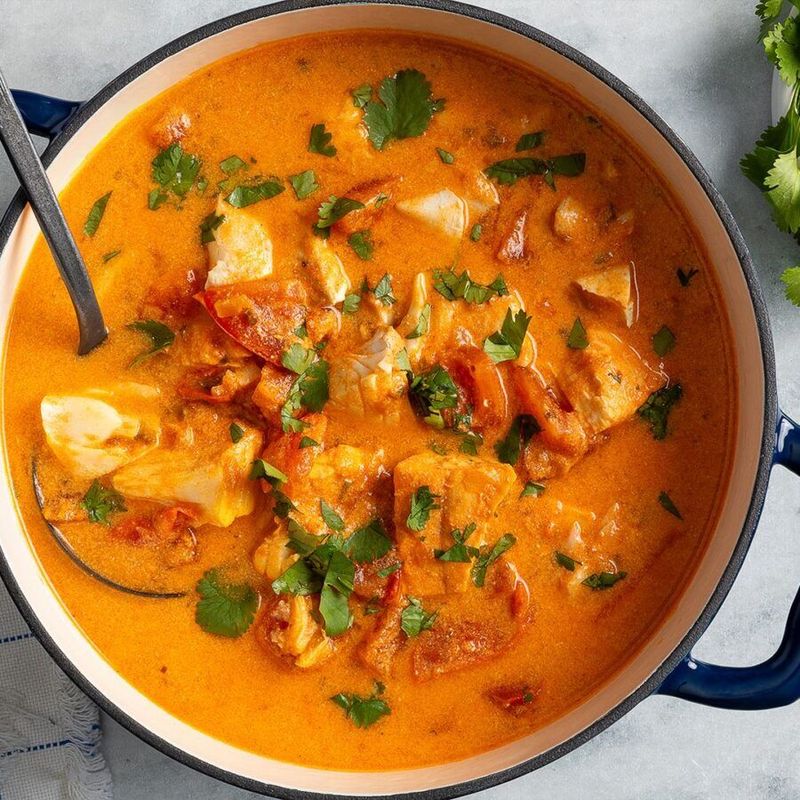
Coconut milk is one of the most shape-shifting liquids in the culinary world. In Thai cooking, it forms the rich, savory base of curries like green and red curry, balancing fiery chilies with its creamy body.
Flip to Brazilian desserts, and coconut milk becomes the star of sweet treats like cocada and quindim. Same ingredient, completely opposite personalities.
It even shows up in Caribbean rice dishes as a subtle, aromatic flavor booster rather than the main event.
2. Sesame Seeds
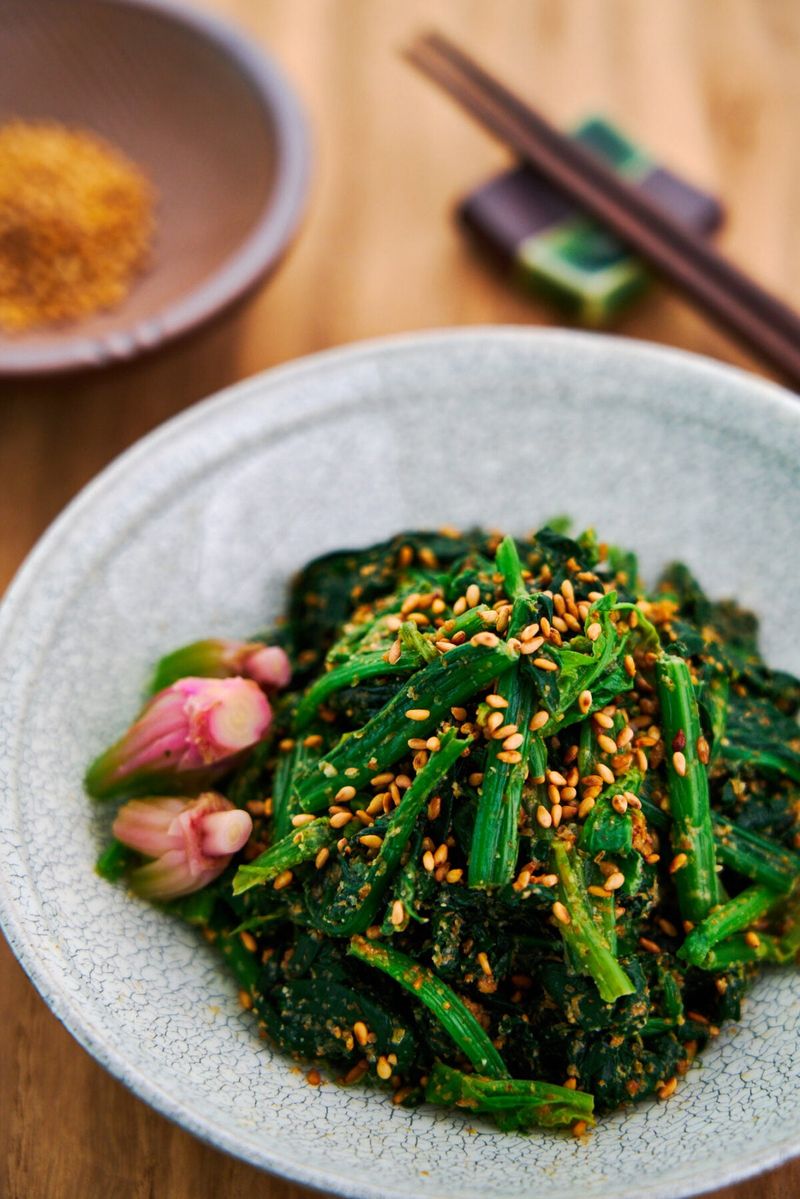
Sesame seeds might look like tiny, unassuming specks, but they carry enormous flavor power across multiple food traditions. In Japanese cuisine, toasted sesame seeds are sprinkled over rice, noodles, and salads to add a nutty crunch that ties a dish together.
In Middle Eastern cooking, sesame is ground into tahini, a smooth paste that becomes the backbone of hummus and baba ganoush. Meanwhile, in Mexican cuisine, sesame seeds finish mole sauces with a rich, toasty depth.
3. Tamarind
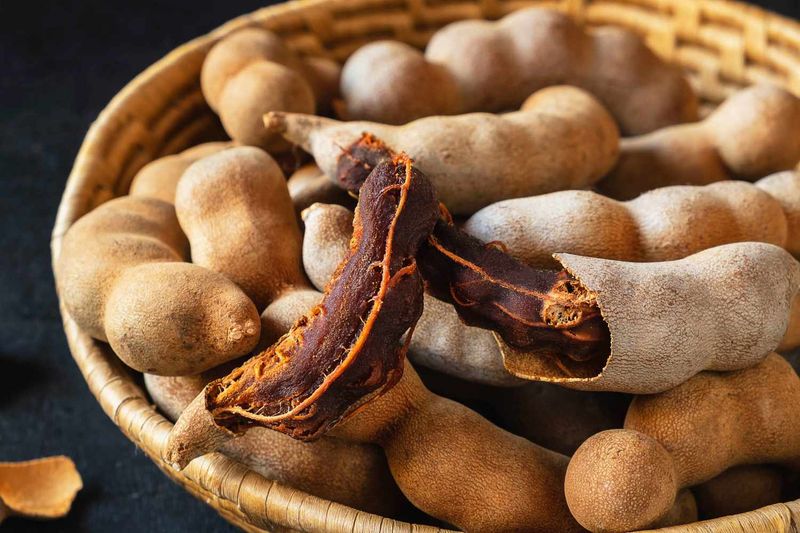
Tamarind is proof that one ingredient can taste completely different depending on what surrounds it. In Indian cooking, it delivers a sharp, sour punch to chutneys, sambar, and pad Thai-style dishes, cutting through richness with its tangy personality.
Travel to Mexico, and tamarind becomes a refreshing sweet-sour drink called agua de tamarindo, often rimmed with chili and salt. In Worcestershire sauce, a staple of British cooking, tamarind quietly hides as one of the key flavor agents behind that complex, savory taste.
4. Cornstarch
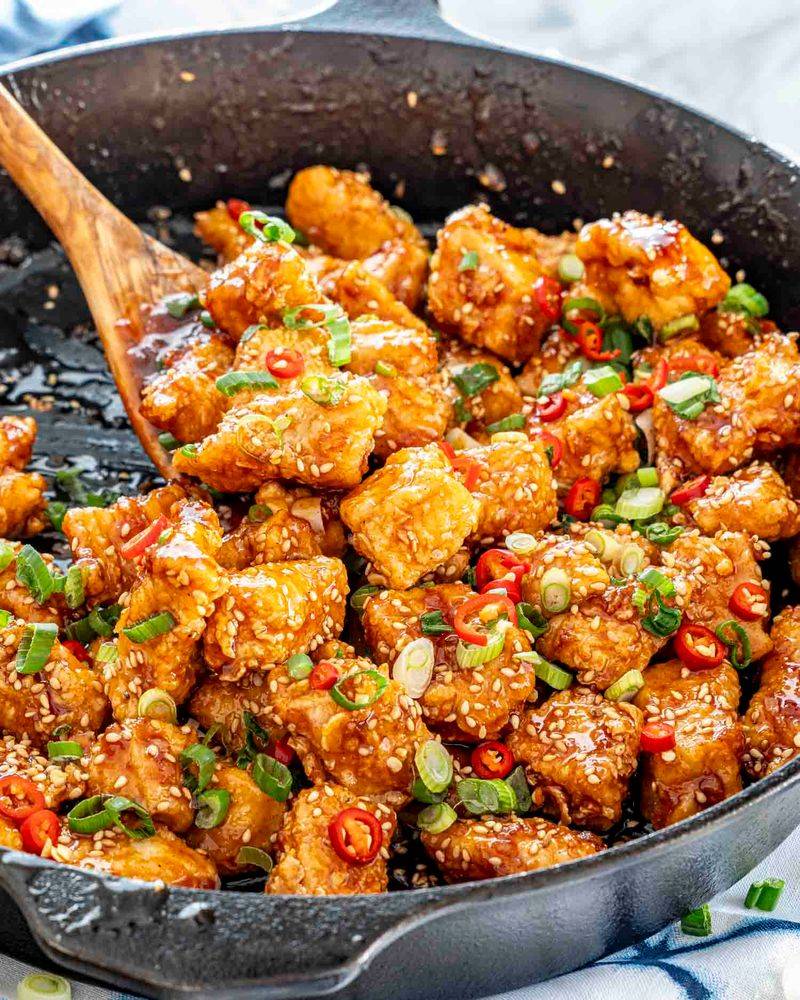
Cornstarch is the quiet workhorse of the kitchen that most people never think twice about. In Chinese cooking, it gets whisked into sauces to create that glossy, silky coating that makes stir-fry dishes look restaurant-worthy.
Korean fried chicken relies on cornstarch for its famously shatteringly crisp crust that stays crunchy even after saucing. But in American baking, cornstarch softens cookie and cake textures by cutting the protein in flour, making everything more tender.
Three jobs, one white powder.
5. Ginger
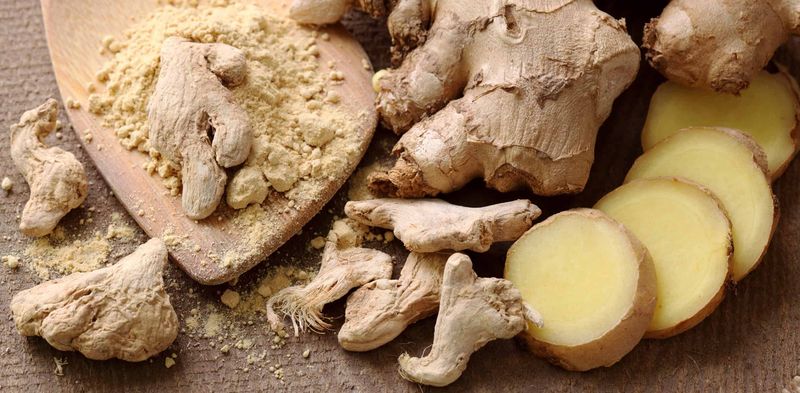
Ginger has a bold, spicy warmth that cuisines around the world have learned to use in wildly different ways. In Japanese cooking, pickled ginger, called gari, acts as a palate cleanser between pieces of sushi, resetting your taste buds with its mild, sweet-tangy flavor.
Indian cooks blend fresh ginger into masalas and curries where it adds heat and depth. Over in British baking, dried ground ginger sweetens gingerbread and biscuits.
From palate cleanser to curry base to cookie spice, ginger never runs out of roles.
6. Rice
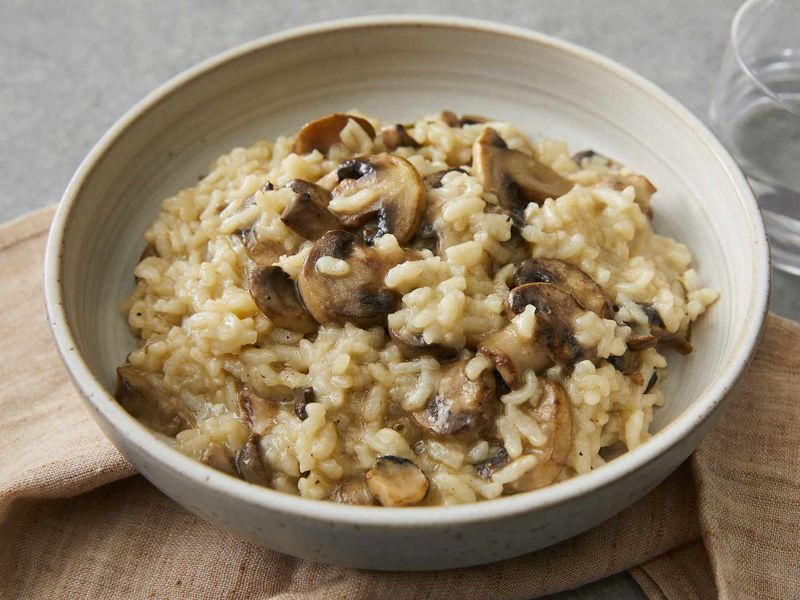
Rice might be the single most versatile grain on the planet, yet it behaves differently depending on the cuisine shaping it. Japanese sushi rice is seasoned with vinegar and packed tightly so it holds its shape, making every roll structurally sound.
Spanish paella spreads rice thin across a wide pan, letting it absorb saffron-laced broth and develop a crispy bottom layer called socarrat. Italian risotto, on the other hand, gets stirred constantly to release starch, creating a creamy, porridge-like texture.
Same grain, three totally different outcomes.
7. Yogurt
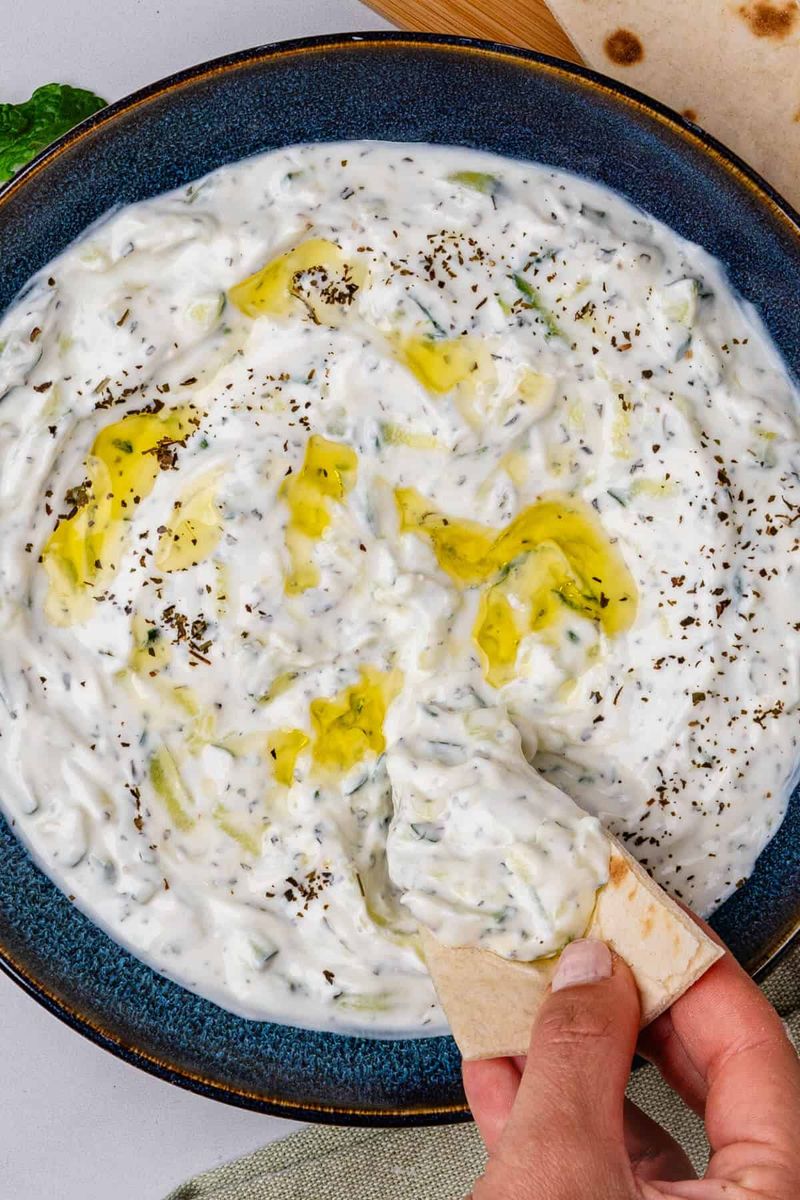
Yogurt is one of those ingredients that feels completely at home in savory and sweet dishes alike. In Indian cooking, it cools down fiery curries as raita, a refreshing side dish mixed with cucumber and cumin that tames the heat on your plate.
Turkish cuisine turns yogurt into a cold, salted drink called ayran, which pairs perfectly with grilled meats. Meanwhile, in Middle Eastern cooking, yogurt marinates chicken and lamb before grilling, tenderizing the meat while adding a subtle tang.
Few ingredients pull off that many tricks.
8. Lemon
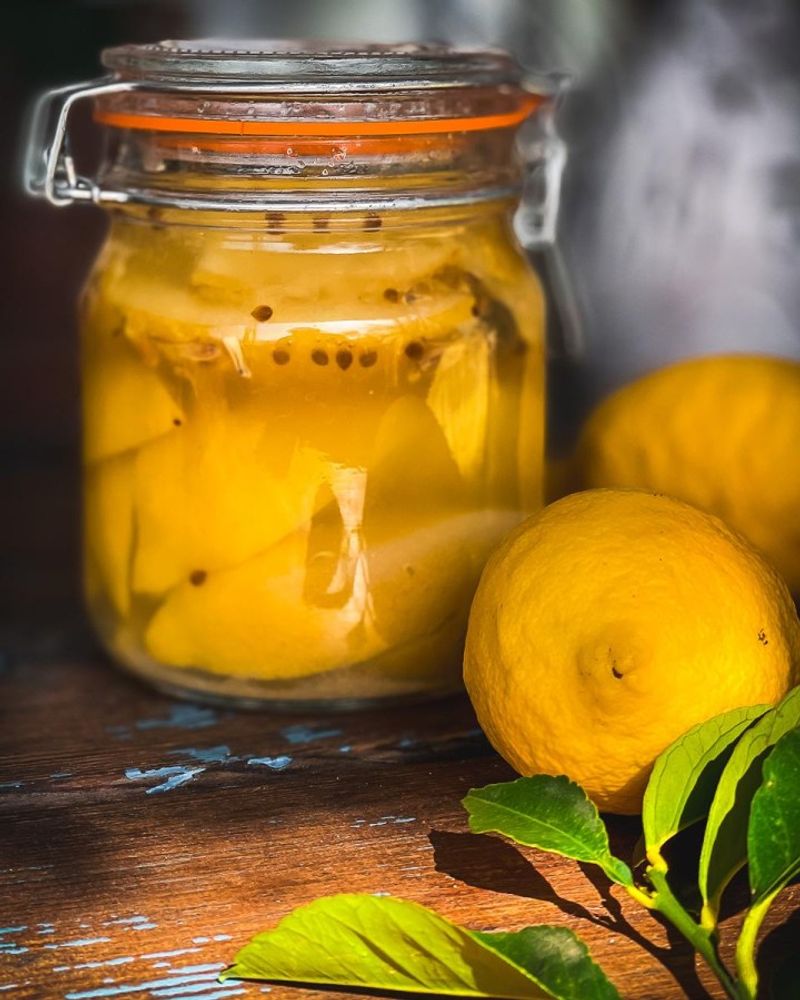
Lemons might seem straightforward, but different cuisines have figured out very different ways to unlock their potential. Greek cooking uses fresh lemon juice to finish soups like avgolemono, where it combines with eggs to create a silky, tangy broth that feels almost magical.
Moroccan cuisine preserves whole lemons in salt for weeks, transforming them into a funky, complex ingredient that flavors tagines and salads. British bakers whip lemon into curd for tarts and scones.
From broth brightener to preserved powerhouse to dessert star, the lemon does it all.
9. Peanuts
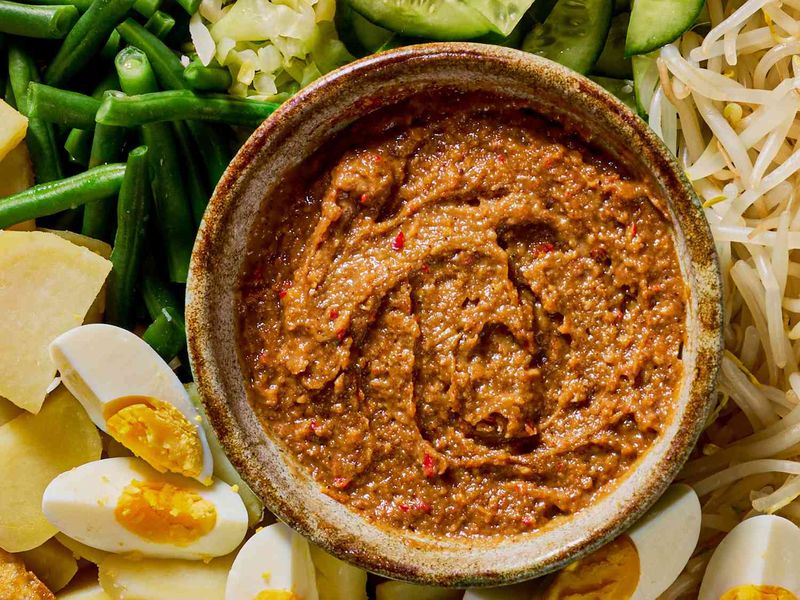
Peanuts are beloved across the globe, but the jobs they perform in different kitchens could not be more varied. West African cooking simmers peanuts into thick, hearty groundnut stew, where they melt into a rich, savory sauce that coats chicken or goat with serious depth.
Indonesian cuisine blends roasted peanuts into gado-gado sauce, a sweet-spicy dressing poured over vegetables and tofu. In American cooking, peanuts get churned into butter for sandwiches or candied for ballpark snacking.
One nut, totally different personalities.
10. Cinnamon

Most people think of cinnamon as a baking spice meant for cookies and oatmeal, but that is only one side of its story. Moroccan cooking uses cinnamon in savory dishes like lamb tagine and bastilla, where it creates a warm, exotic depth that makes the meat taste almost perfumed.
Mexican mole sauce layers cinnamon alongside chilies and chocolate to build a sauce so complex it takes hours to make. Meanwhile, American kitchens sprinkle it over sweet rolls and apple pie.
Savory, complex, or sweet, cinnamon adapts effortlessly.
11. Tofu
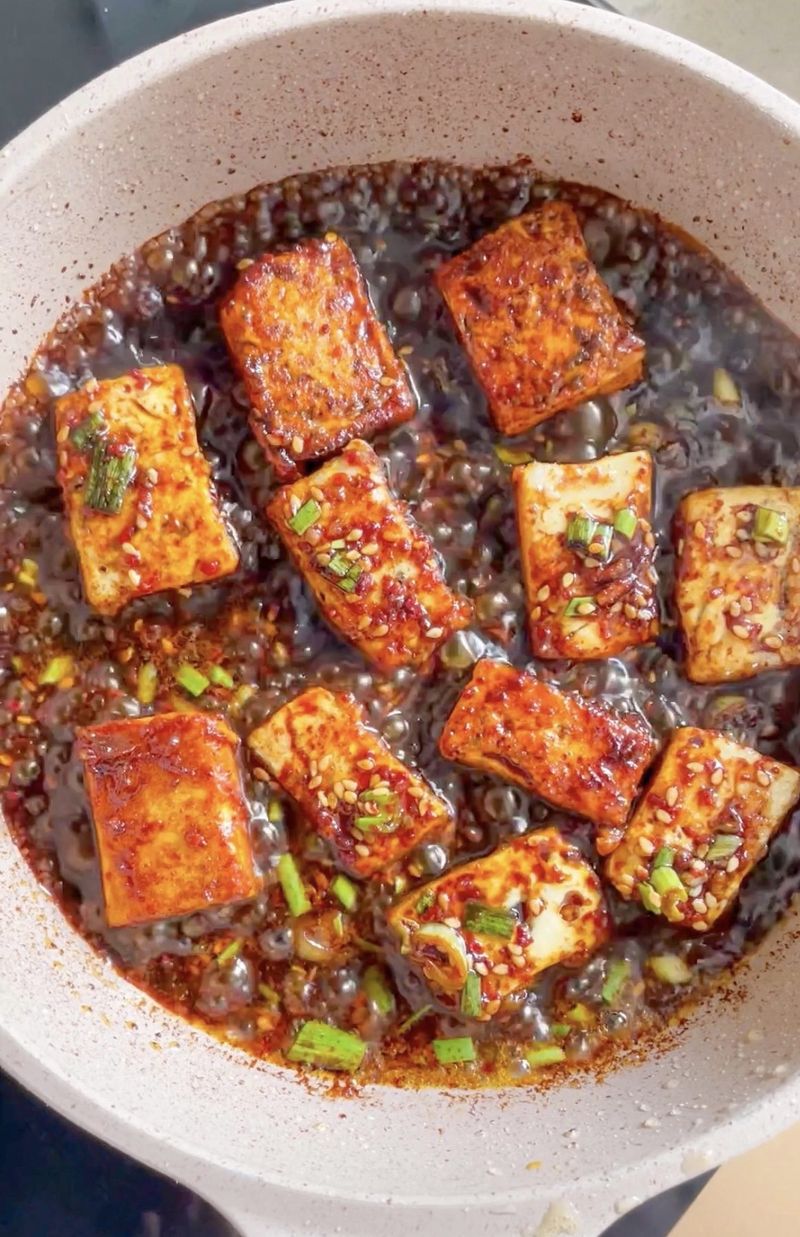
Tofu has a reputation for being bland, but that is actually its greatest strength. It absorbs whatever flavors surround it, making it one of the most adaptable proteins in the world.
Japanese cooking floats silken tofu gently in miso soup, where its soft, custard-like texture melts delicately on the tongue.
Chinese mapo tofu transforms it with numbing Sichuan peppercorns and chili bean paste into a dish that is bold and fiery. Korean cooks pan-fry it until golden and braise it in a sweet-spicy glaze called dubu jorim.
12. Vinegar
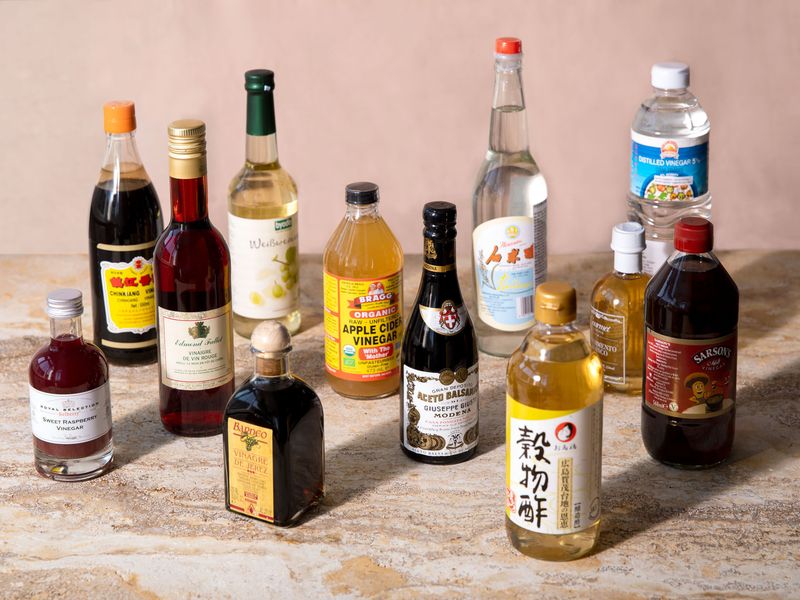
Vinegar is one of those background ingredients that quietly shapes the identity of entire national cuisines. In Filipino cooking, vinegar is not just a condiment but a primary cooking liquid, braising chicken and pork in adobo until tangy, savory, and deeply satisfying.
British fish and chip shops splash malt vinegar over crispy battered fish as a sharp, punchy finishing touch. Japanese sushi rice gets seasoned with rice vinegar to give it that subtly sweet, sticky character that makes every bite taste right.
Same acid, completely different applications.
13. Chickpeas
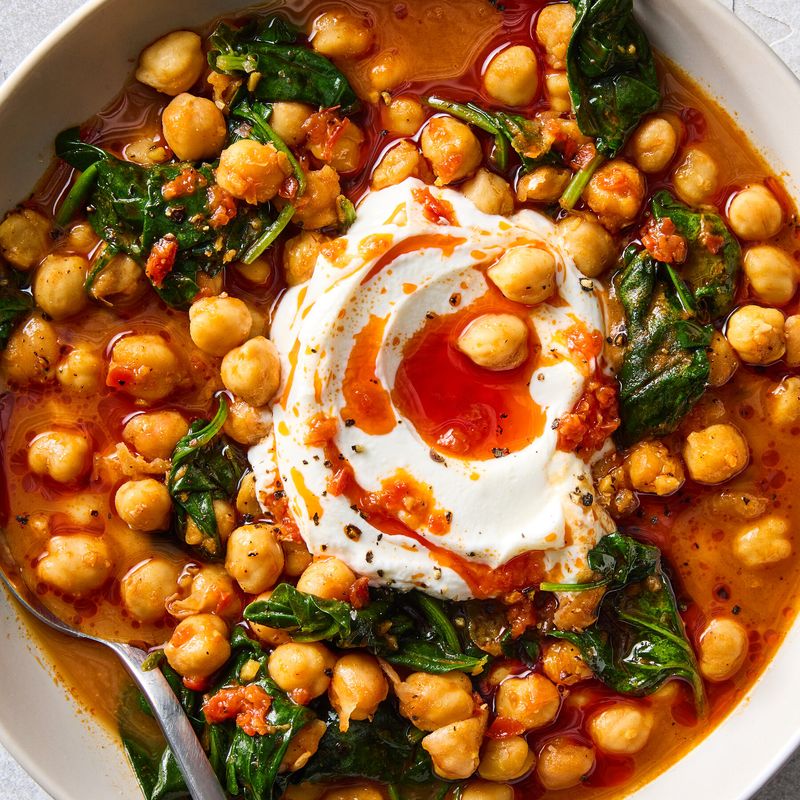
Chickpeas are one of the most globally traveled legumes, and every cuisine that adopts them puts them to work differently. Indian chana masala simmers them in a spiced tomato gravy where they soak up cumin, coriander, and garam masala into something hearty and satisfying.
Middle Eastern cooks blend them smooth with tahini and lemon into hummus, one of the world's most beloved dips. Spanish cocido tosses them into a slow-cooked meat and vegetable stew that feels like a warm hug on a cold day.
14. Chili Peppers
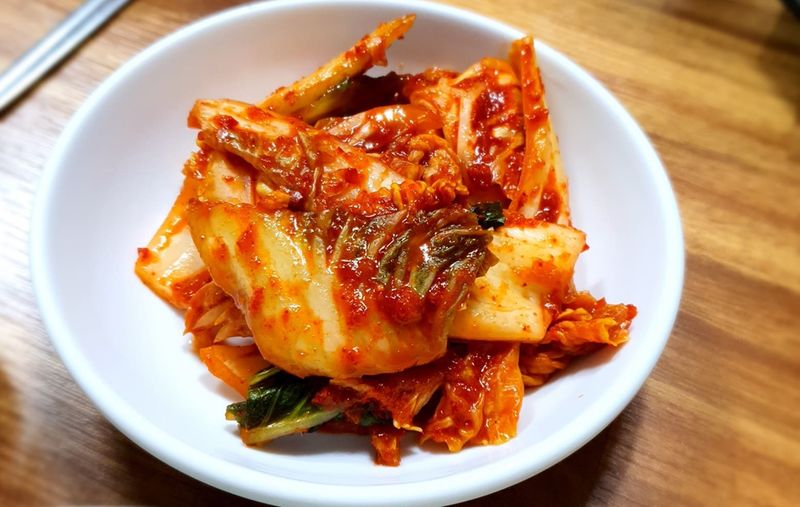
Chili peppers are the world's most dramatic flavor ingredient, capable of bringing heat, color, sweetness, and smokiness all at once. Korean cuisine ferments dried red chilies into gochugaru, the spicy, slightly sweet flake that gives kimchi its signature fiery kick and deep red color.
Mexican cooking roasts and blends different chili varieties to create layered salsas where heat is just one note among many. Hungarian paprika, made from dried mild chilies, adds vibrant color and earthy warmth to goulash without overwhelming heat.
15. Eggs
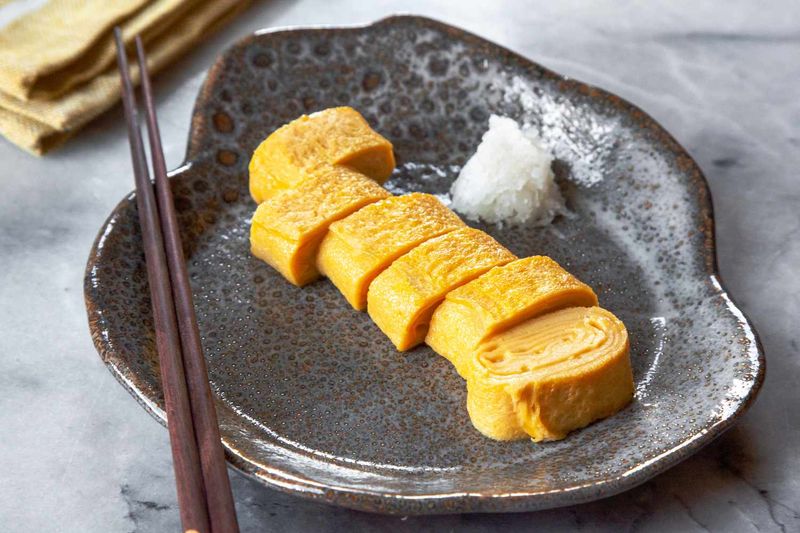
Eggs might be the most universally cooked ingredient on earth, yet no two cuisines use them quite the same way. Japanese tamagoyaki rolls beaten eggs with dashi and soy sauce into a layered, sweet-savory omelette that takes real skill to perfect and is eaten at breakfast, in bento boxes, and as sushi.
French cuisine emulsifies egg yolks with butter into hollandaise, a velvety sauce that demands precision. Chinese egg drop soup swirls beaten eggs into hot broth to create delicate, feathery ribbons.
Versatility at its finest.
16. Garlic
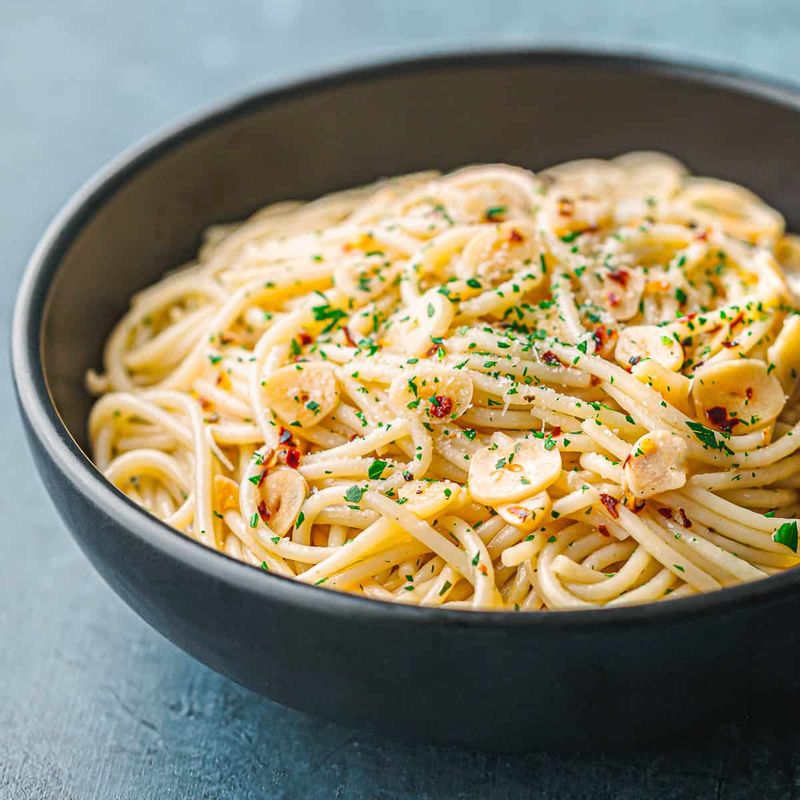
Garlic is one of those ingredients that most cooks cannot imagine living without, yet it behaves very differently depending on how it is treated. Raw garlic blended with lemon juice and oil in Lebanese toum becomes a whipped, cloud-like condiment so intense it can overpower an entire dish if used carelessly.
Italian aglio e olio gently toasts sliced garlic in olive oil until golden and nutty, letting it perfume a simple pasta. Korean black garlic, slowly fermented over weeks, turns sweet, molasses-like, and almost chocolatey.
17. Banana
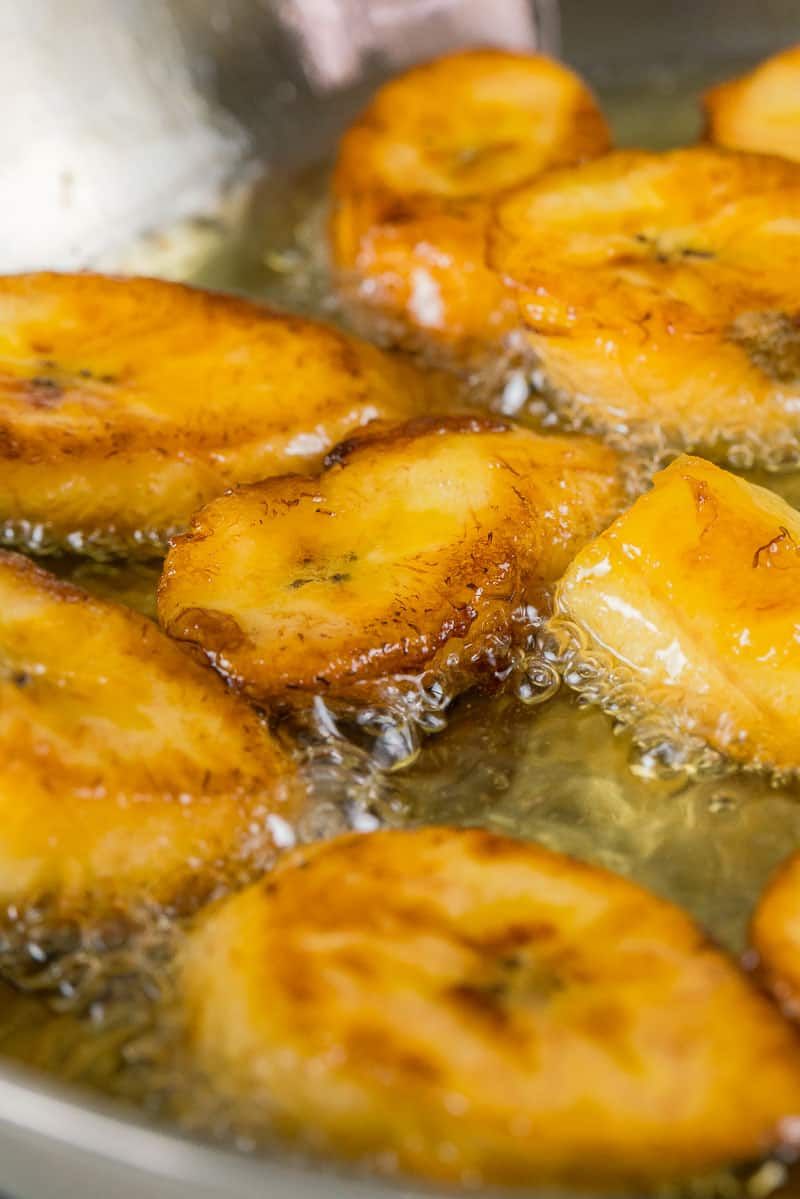
Bananas are far more than just a lunchbox fruit when you look at them through a global lens. In Filipino and South Asian cooking, unripe green bananas and banana blossoms get cooked as vegetables in savory stews, their firm texture holding up beautifully in thick, peanut-based sauces.
West African and Caribbean cuisines fry ripe plantains, a banana cousin, into sweet-caramelized tostones or maduros that pair with rice and beans. American home bakers mash overripe bananas into moist, tender banana bread that is the ultimate use-what-you-have bake.
18. Turmeric
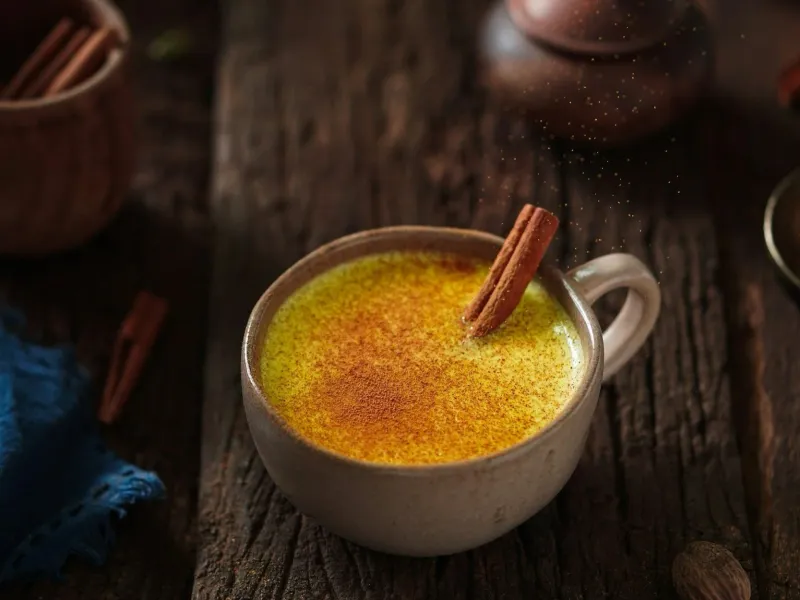
Turmeric's vivid golden color makes it one of the most visually striking spices in any kitchen, but its culinary roles go far beyond decoration. Indian cooking relies on turmeric as a foundational spice in dal, curries, and rice dishes, where its earthy, slightly bitter flavor blends seamlessly into complex spice mixes.
Persian cuisine uses it to season rice and meat with a warm, subtle undertone. Globally, turmeric has recently become famous in golden milk lattes, where it plays a starring wellness role in a mildly spiced, comforting drink.
19. Miso
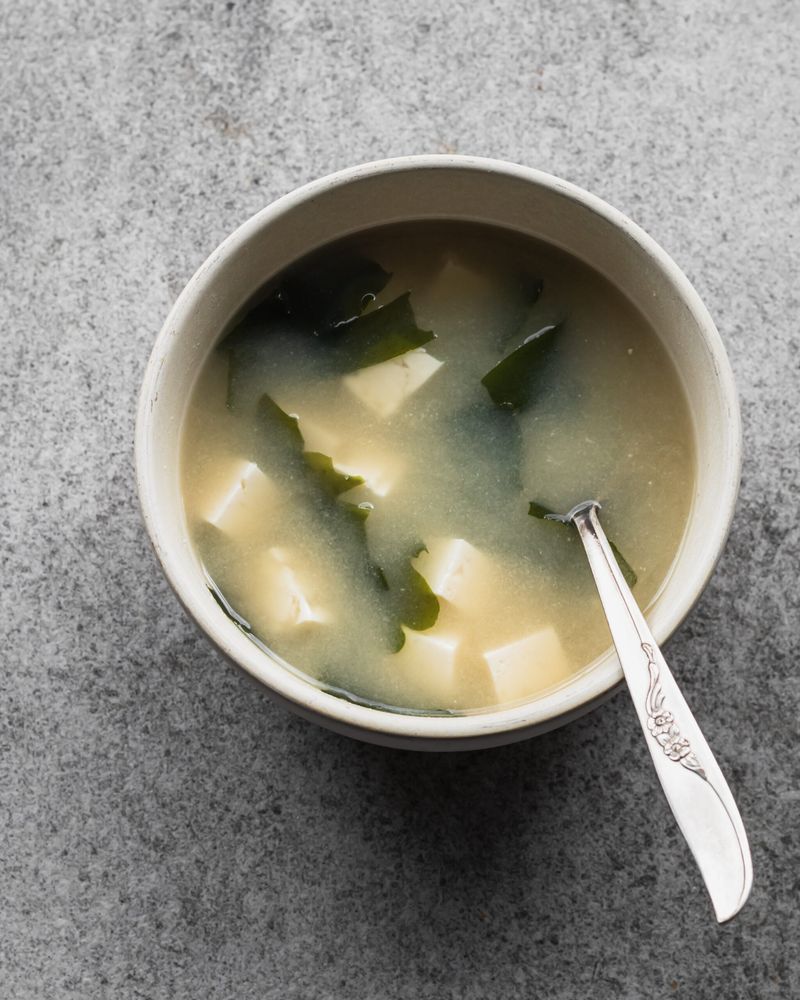
Miso is fermented soybean paste, and while it is most famous as the base of Japanese miso soup, its culinary range is genuinely impressive. Japanese cooks also use white miso as a glaze for fish like black cod, where it caramelizes under heat into a lacquered, umami-rich crust that is hard to forget.
Korean doenjang is a similar fermented paste that makes a pungent, deeply savory stew with tofu and zucchini. In modern Western cooking, chefs stir miso into butter, salad dressings, and even caramel to add savory complexity.
20. Milk
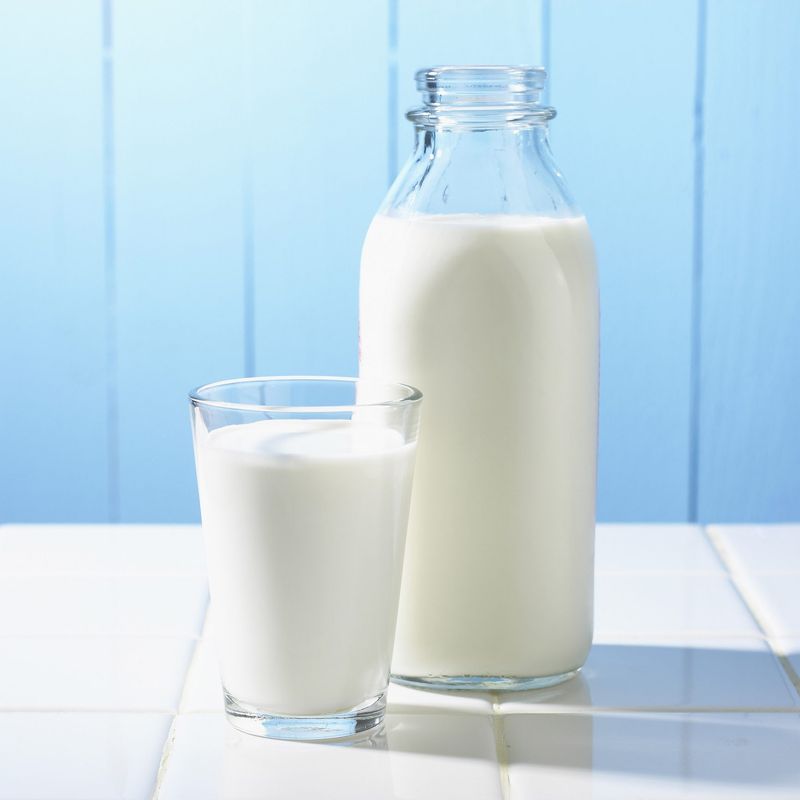
Milk is so common that it is easy to overlook just how differently it gets used around the world. Indian cuisine simmers milk low and slow with rice and cardamom to make kheer, a fragrant dessert pudding served at festivals and celebrations across the subcontinent.
French cooking whisks milk into bechamel, a rich white sauce that layers into lasagna, coats gratins, and forms the base of souffles. Scandinavian countries ferment milk into filmjolk, a thin, tangy drinkable yogurt that pairs with granola for a simple, nourishing breakfast.
21. Soy Sauce
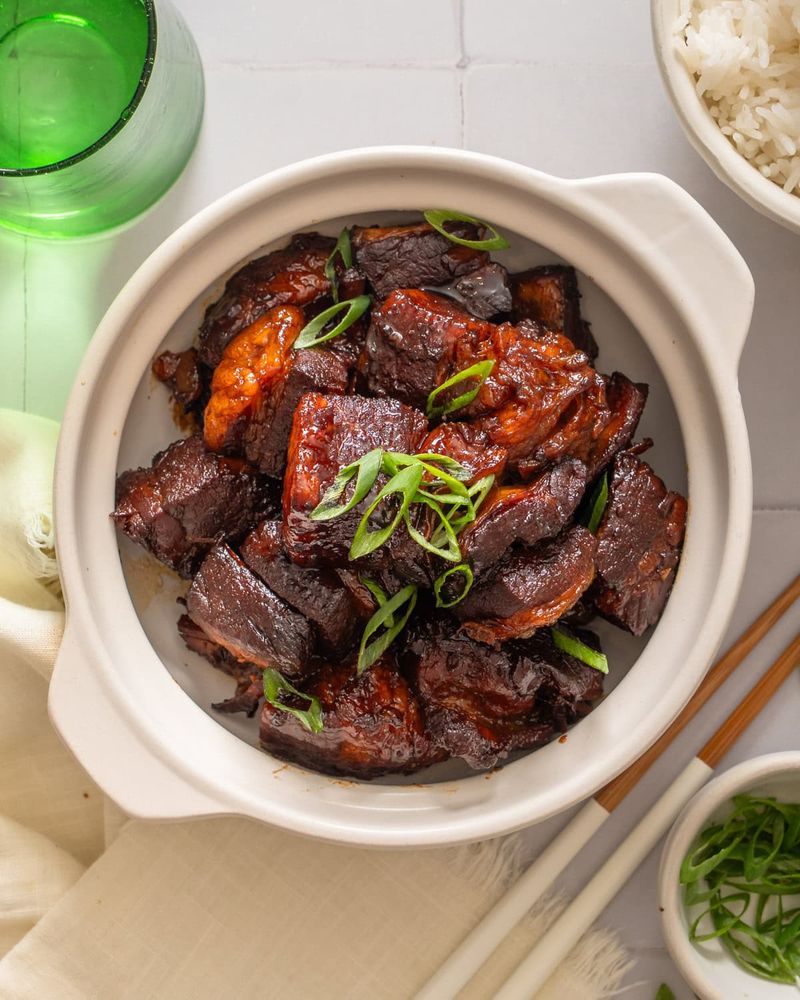
Soy sauce is the backbone of East Asian cooking, but even within that world it plays remarkably different roles. Japanese shoyu is lighter and more delicate, used to season ramen broth and dipping sauces without overpowering other flavors.
Chinese dark soy sauce is thicker, sweeter, and used primarily to color dishes like red-braised pork belly to a deep mahogany that looks as rich as it tastes. Hawaiian poke bowls use soy sauce as the base of a bright marinade mixed with sesame oil and green onions, giving the raw fish a clean, savory coat.
22. Bread

Bread is so fundamental to human eating that it is easy to forget how wildly different its role can be across cultures. Egyptian cuisine tears flatbread to scoop up ful medames, a hearty fava bean stew, making the bread an edible utensil as much as a food.
Italian panzanella salad soaks stale bread in tomato juices and olive oil until it becomes a soft, flavor-soaked centerpiece rather than a side. French onion soup floats a thick crouton on top, baked under a blanket of melted cheese until the bread transforms into something entirely new.
23. Honey
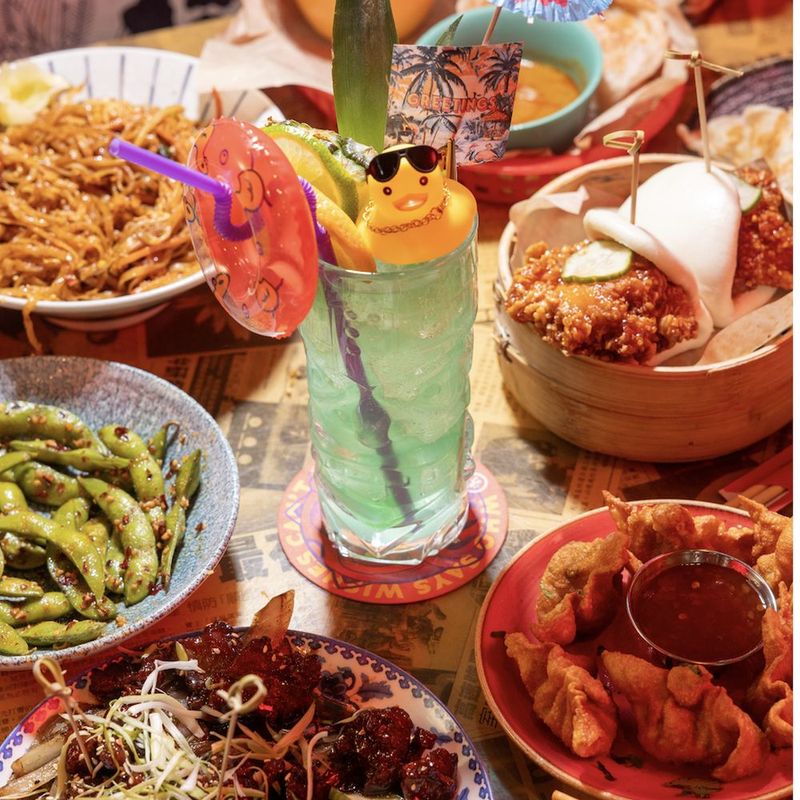
Honey has been sweetening food and drink for thousands of years, but not every cuisine uses it the same way. Greek and Middle Eastern cuisines soak layered pastries like baklava in honey syrup, letting it seep into every flaky, nut-filled layer for a dessert that is intensely rich and aromatic.
Chinese cooking brushes honey over char siu pork during roasting, creating a caramelized, glossy lacquer that makes the meat irresistible. Yemeni bint al-sahn is a soft, buttery bread served warm and drenched in honey as a celebratory dish.
24. Mustard Seeds
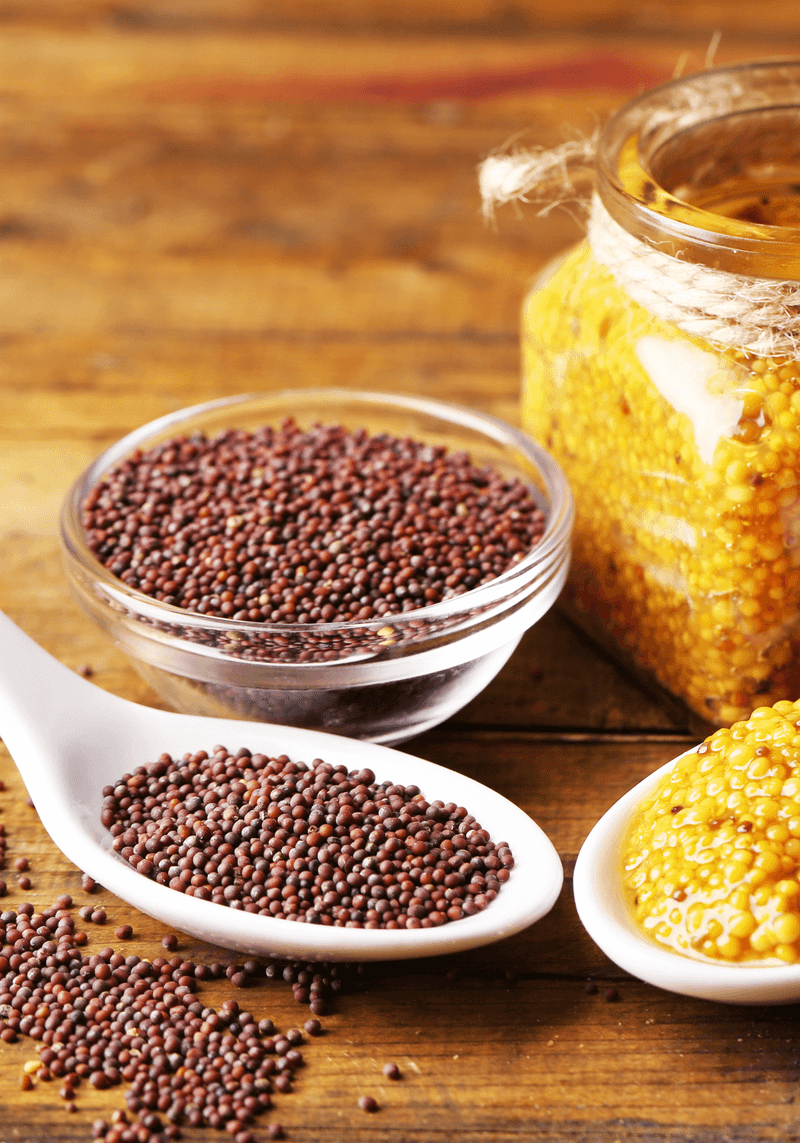
Mustard seeds are tiny but fierce, and different cuisines have learned to unlock completely different sides of their personality. Indian cooking blooms whole mustard seeds in hot oil in a technique called tadka, where they pop and crackle, releasing a nutty, slightly pungent aroma that perfumes the entire dish.
French Dijon mustard grinds them with vinegar into a smooth, sharp condiment used in dressings, sauces, and marinades. German cuisine pairs coarse mustard with sausages as a bold, tangy counterpoint to rich, fatty bratwurst.
Same seed, three entirely different expressions.




Comments
No Comments