










Some foods go through the most amazing transformations when heat gets involved. A wrinkly brown pod can turn into silky chocolate, and a tough green stalk can become a tender, buttery side dish.
The cooking process is basically magic hiding in plain sight. Get ready to see some of your favorite foods in a whole new way before they ever reach your plate.
1. Lobster
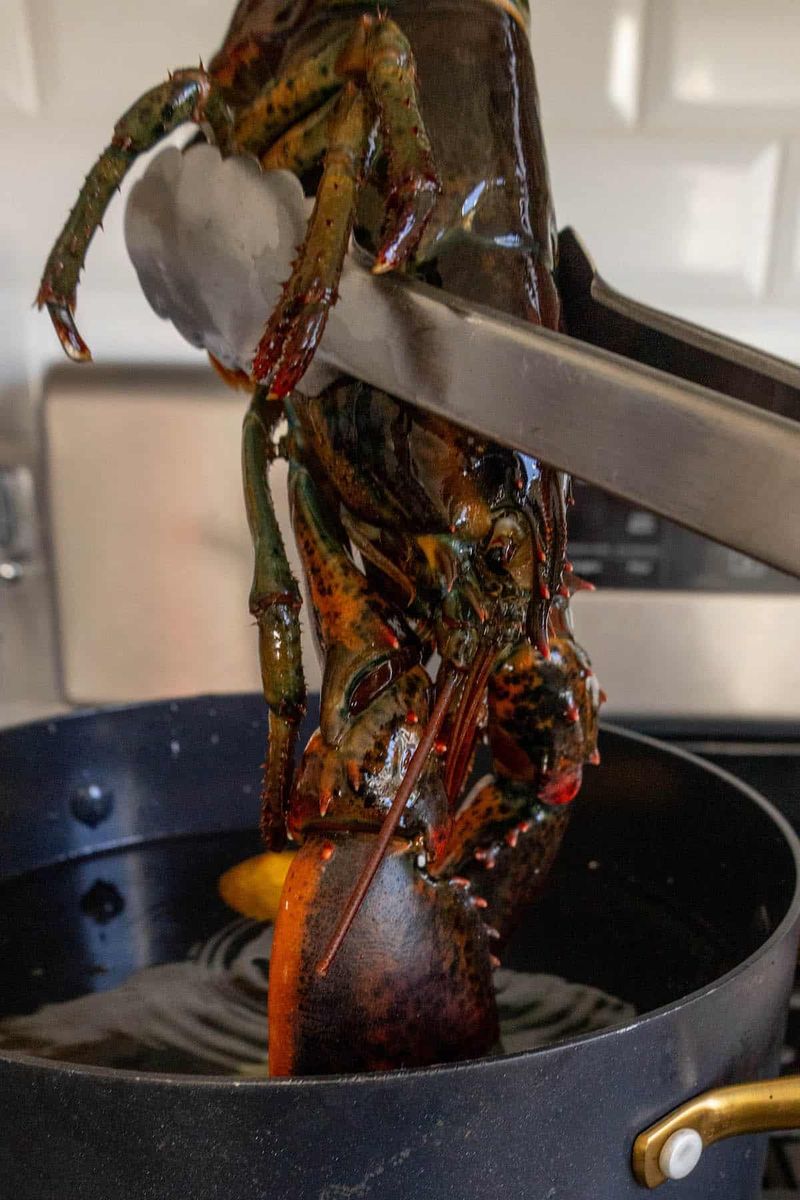
Most people picture lobster as a bold, bright red creature, but before it hits boiling water, it is actually a dark greenish-brown color. The shell contains pigments that break down with heat, releasing that famous red color.
A protein called crustacyanin holds the red pigment in place when the lobster is alive. Once cooked, that protein unravels and the red shows through.
So that gorgeous restaurant-red color is purely the result of heat doing its job.
2. Artichoke
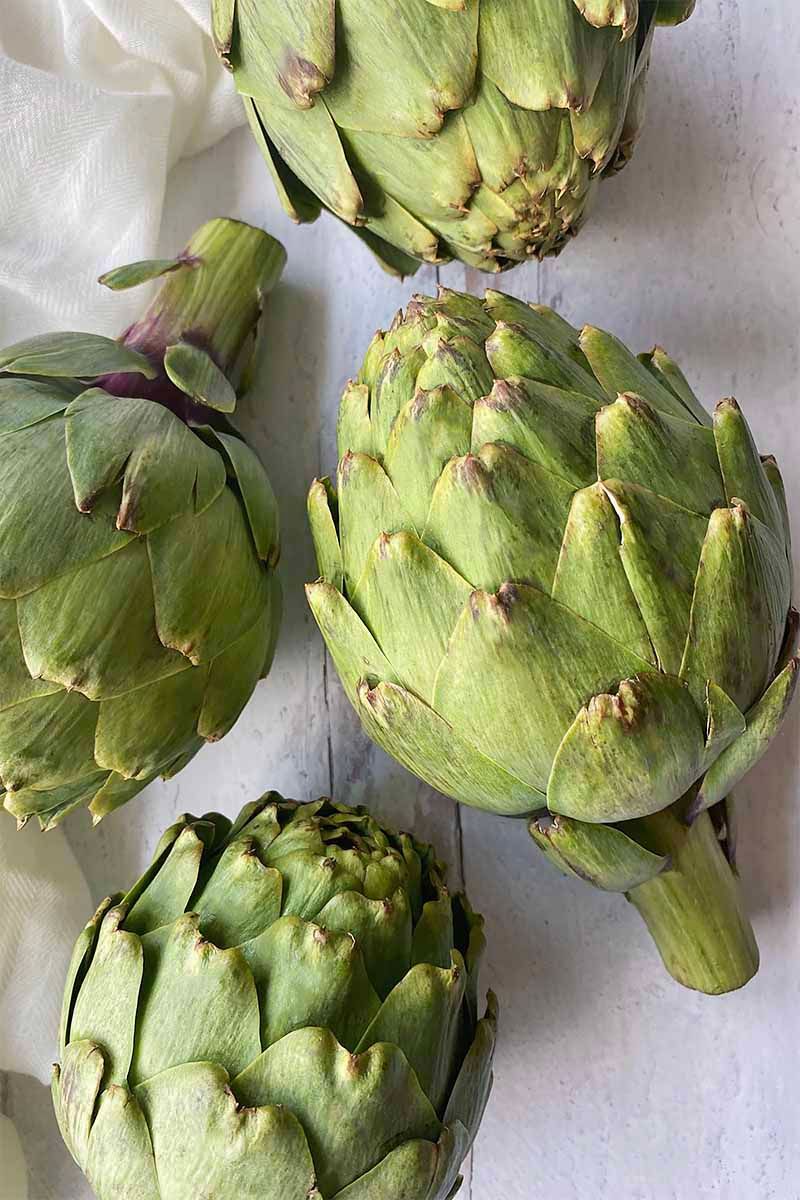
Before cooking, an artichoke looks like something out of a fantasy novel, a tight, armored globe covered in sharp, overlapping leaves with pointy tips. It is honestly a little intimidating for first-timers.
After steaming or boiling, those stiff leaves soften and the whole vegetable becomes tender and easy to pull apart. The inner heart turns buttery and rich.
It is hard to believe this spiky, prehistoric-looking vegetable transforms into one of the most elegant dishes in Mediterranean cooking.
3. Cacao Pod
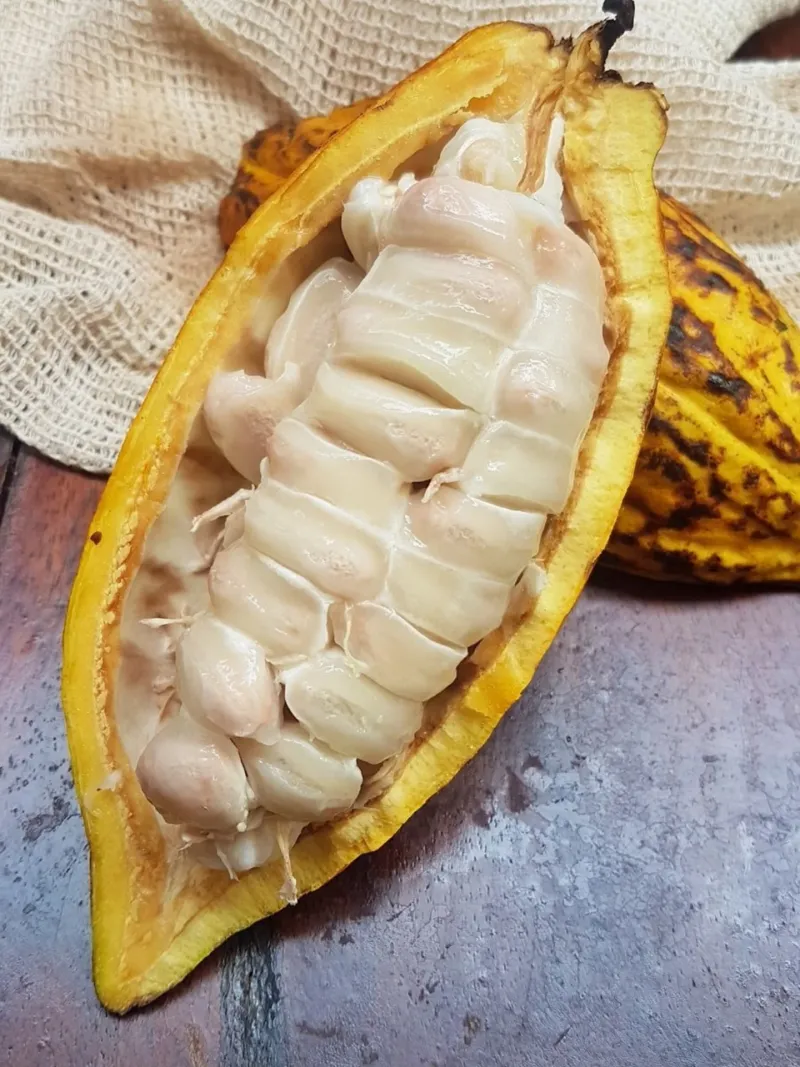
Chocolate starts its life looking nothing like the sweet treat you know. The cacao pod is a large, bumpy, football-shaped fruit that grows directly from the trunk of a cacao tree.
Inside, white pulpy seeds are nestled together.
Those seeds are fermented, dried, roasted, and then ground down before they ever become chocolate. The raw seeds taste bitter and nothing like candy.
It takes an incredible amount of processing to get from that strange tropical fruit to a smooth chocolate bar.
4. Whole Chicken
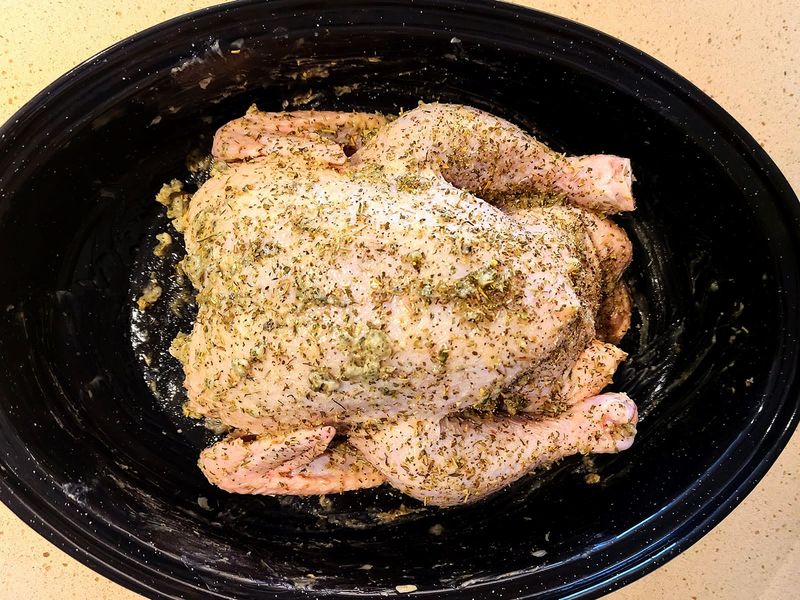
Raw chicken has a pale, almost translucent pink skin and a soft, floppy texture that looks nothing like the golden-brown bird you pull out of the oven. The color transformation during roasting is seriously dramatic.
Heat causes the skin to tighten, crisp up, and turn that irresistible golden color. The Maillard reaction, a chemical process between proteins and sugars, is responsible for the browning and that mouthwatering smell.
A roasted chicken really is one of cooking's most satisfying visual transformations.
5. Eggplant
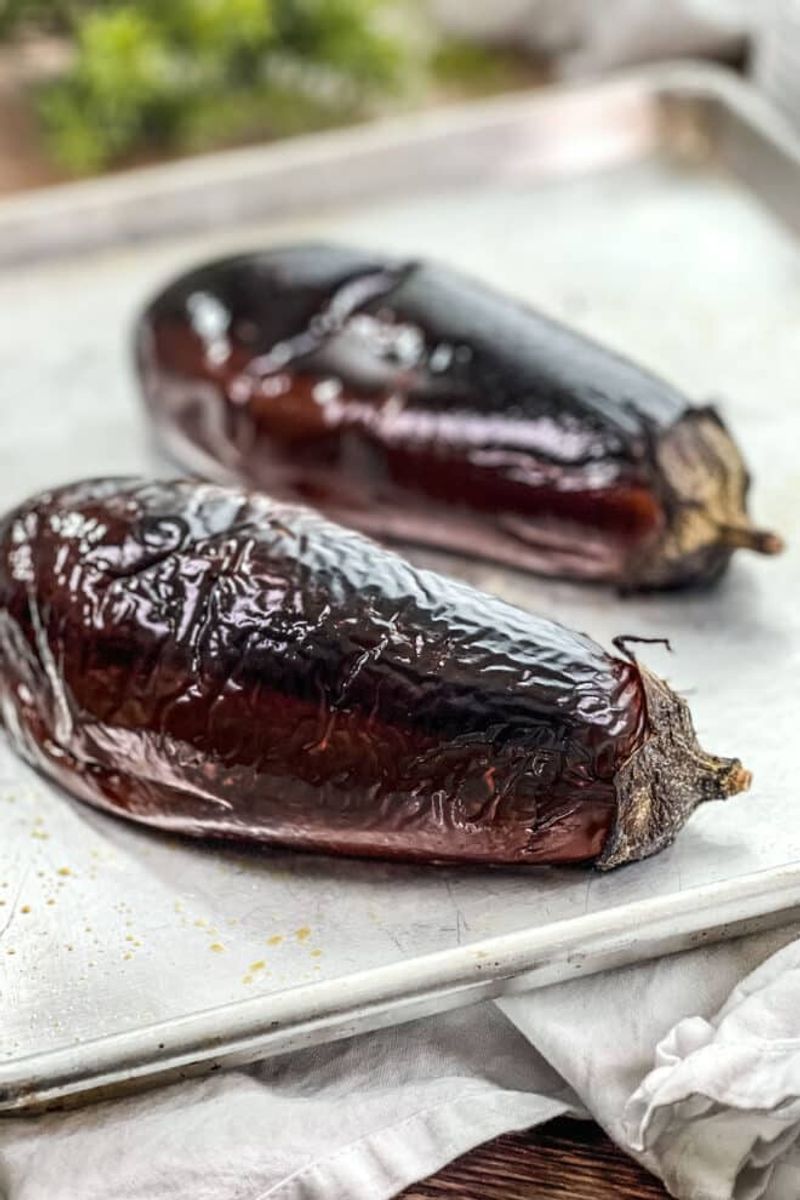
Shiny, firm, and a deep glossy purple, raw eggplant looks almost too pretty to cook. Slice into it and you find a pale, spongy interior that soaks up oil like a sponge.
It can feel a bit bland and spongy when raw.
But roast or grill an eggplant and it completely collapses into a silky, smoky, almost creamy texture. The transformation is wild.
Baba ganoush fans know that the uglier and more collapsed the eggplant looks after roasting, the better it will taste.
6. Corn on the Cob
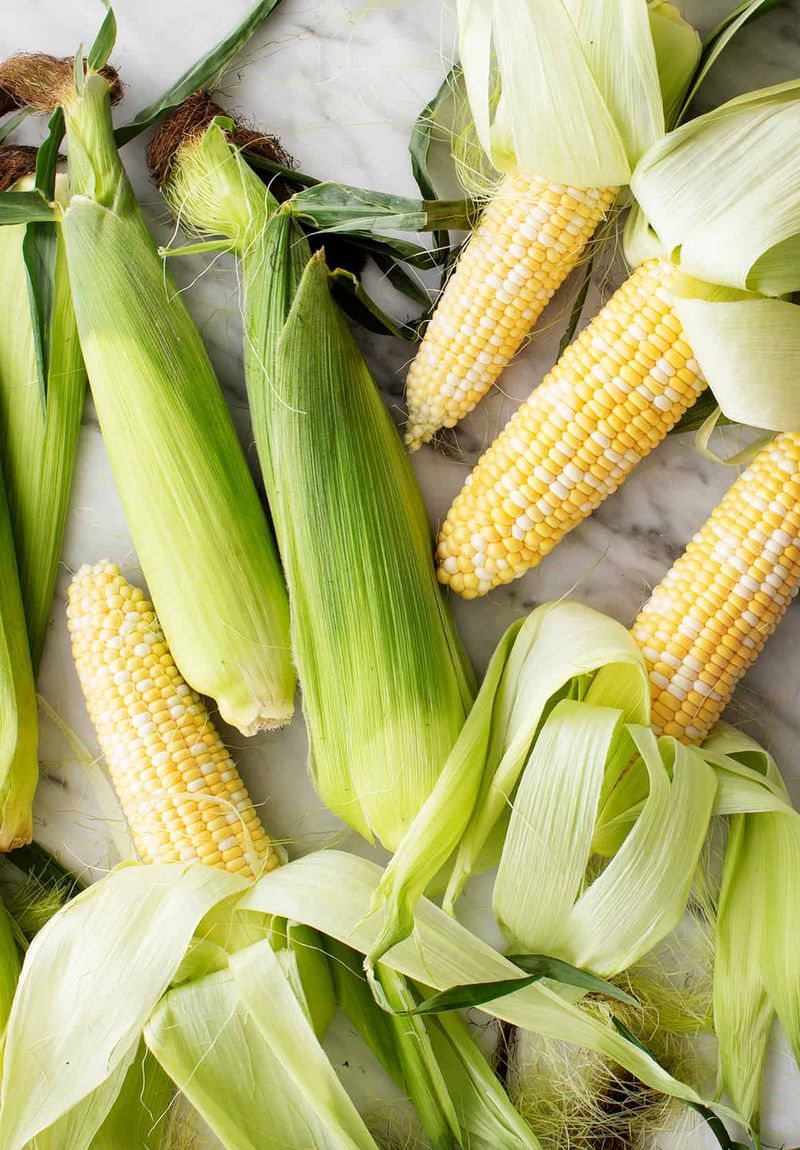
Before cooking, corn on the cob comes wrapped in layers of green husks and silky threads called corn silk. Peel those back and you find rows of pale yellow or white kernels packed tightly together.
After boiling or grilling, the kernels plump up, turn a deeper golden yellow, and develop a sweet, juicy bite. Grilled corn takes things further, adding char marks and a smoky flavor.
It is a simple vegetable that transforms beautifully with just a little heat and butter.
7. Cauliflower
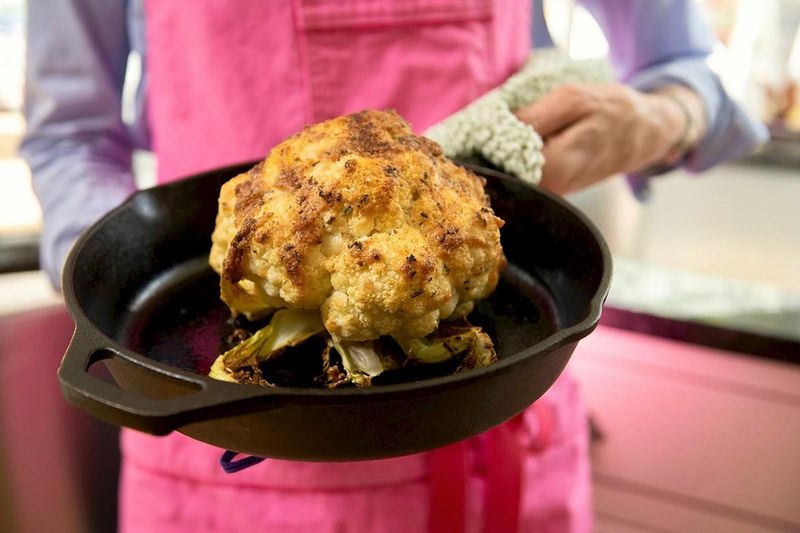
Raw cauliflower is pale white, firm, and kind of bland-looking with its bumpy, cloud-like surface. It smells faintly sulfurous and has a crunchy, slightly watery texture that many kids are not fans of.
Roast it in a hot oven and something remarkable happens. The edges caramelize to a deep golden brown, the flavor turns nutty and rich, and the texture softens without becoming mushy.
Roasted cauliflower barely resembles its raw self and has converted more than a few vegetable skeptics into true believers.
8. Shrimp
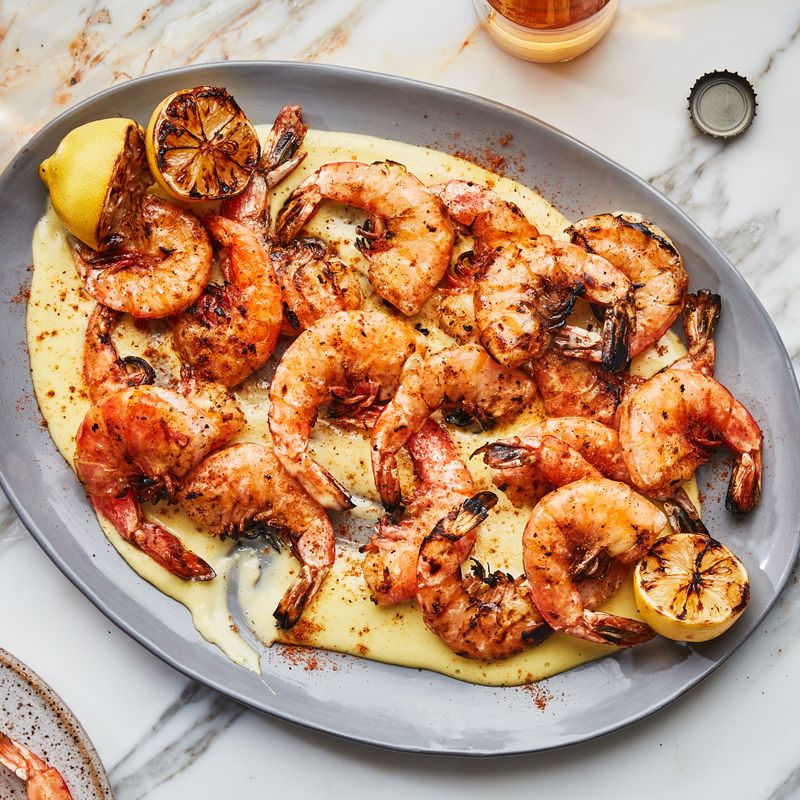
Raw shrimp have a grayish, almost translucent appearance that does not exactly scream delicious. They are soft, slippery, and look very different from the plump, pink curled shrimp you see in cocktail rings or pasta dishes.
Cooking changes everything. Heat denatures the proteins, causing shrimp to curl up and turn that classic pink-orange color.
The texture firms up and the flavor deepens. It is one of the fastest food transformations in cooking, often taking under three minutes to go from raw gray to perfectly pink.
9. Beets
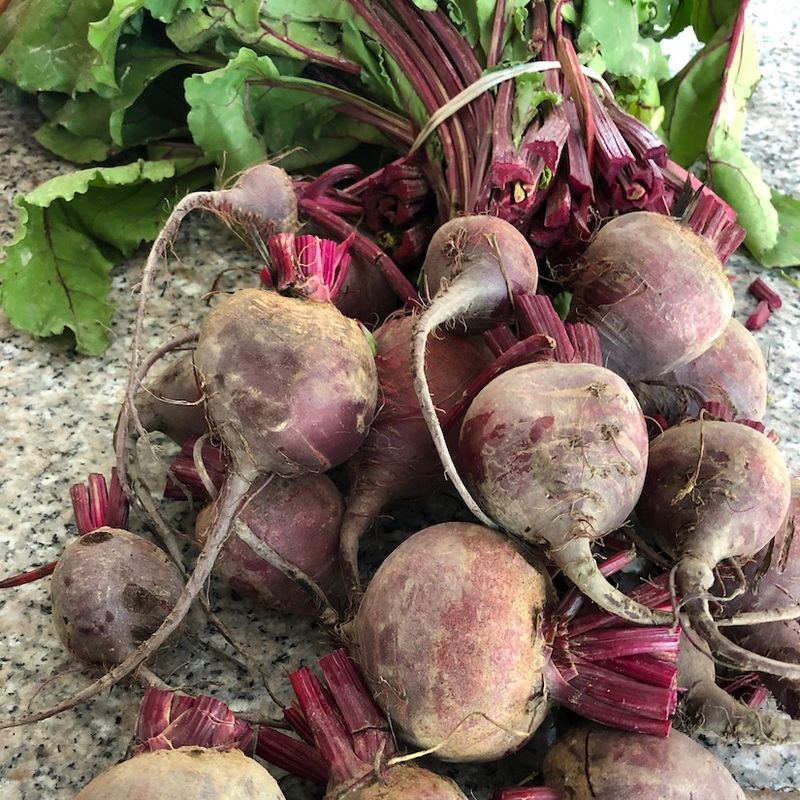
Fresh from the ground, beets look like rough, dirty, dark-reddish lumps with wild green tops growing out of them. They are hard as a rock and take serious effort to peel and cut when raw.
Roast them and they turn into something magical. The exterior softens, the skin slides right off, and the inside reveals a deep, jewel-toned red or golden color.
Their flavor shifts from earthy and sharp to sweet and almost candy-like. Roasted beets look beautiful and taste completely different from their rough raw form.
10. Pork Belly
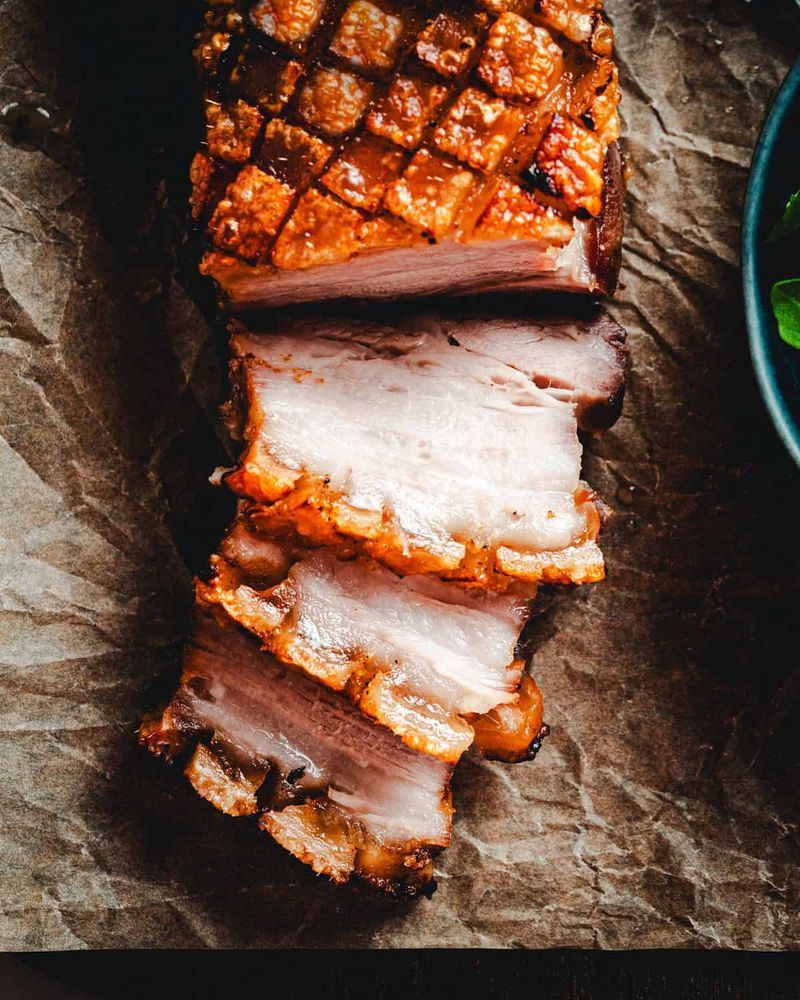
Pork belly in its raw form is a thick, jiggly slab of layered fat and meat that looks more like a building material than a future meal. The layers of white fat and pale pink meat sit stacked together in a soft, wobbly block.
After slow roasting or braising, the fat renders down and the meat becomes incredibly tender. Crispy pork belly develops a crackly, golden skin on top that shatters when you bite into it.
The transformation from pale slab to golden masterpiece is one of cooking's greatest rewards.
11. Asparagus
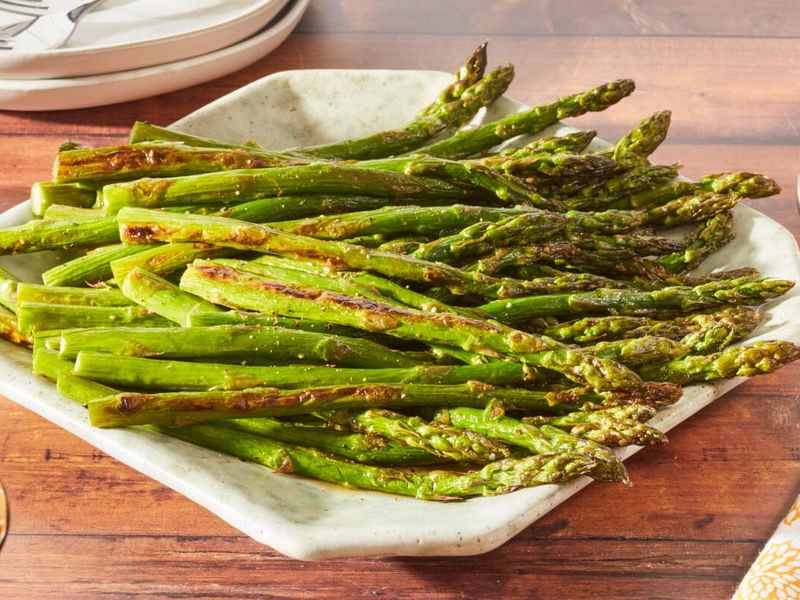
Raw asparagus spears are firm, grassy-green stalks with tight, scaly tips. They have a slightly bitter, grassy flavor and a snappy, fibrous texture that is pretty tough to enjoy unless you really love raw vegetables.
A quick blanch, roast, or grill transforms them into tender, slightly sweet spears with a beautiful bright green color. Roasted asparagus tips get a little crispy and almost nutty.
The stalks go from stiff and chewy to soft and elegant in just a few minutes of cooking time.
12. Dried Pasta
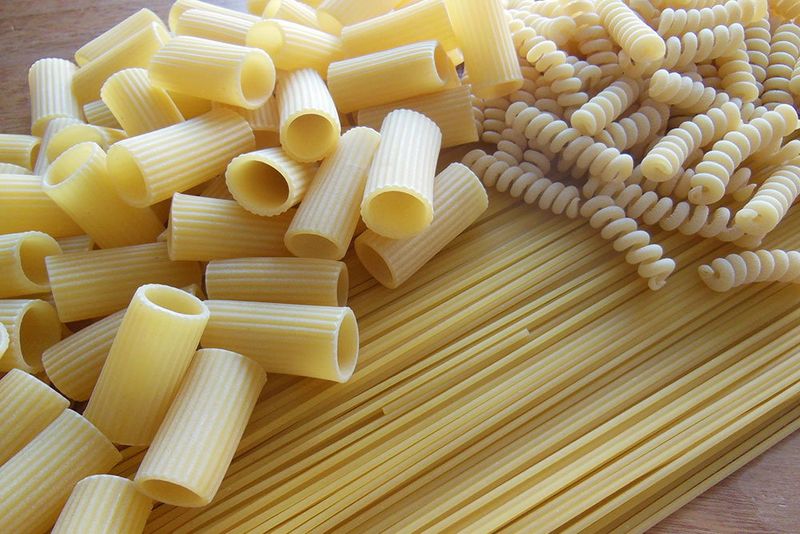
Dried pasta looks nothing like the silky, tender noodles you twirl around a fork at dinner. Before cooking, it is rock hard, brittle, and snaps cleanly in half.
The color is pale and dull, and it has zero flexibility.
Boiling transforms it completely. The pasta absorbs water, becomes flexible and soft, and turns a warmer, more golden tone.
The texture changes from crunchy and rigid to smooth and satisfying. It is one of those everyday food transformations so common that most people forget to notice how dramatic it really is.
13. Brussels Sprouts
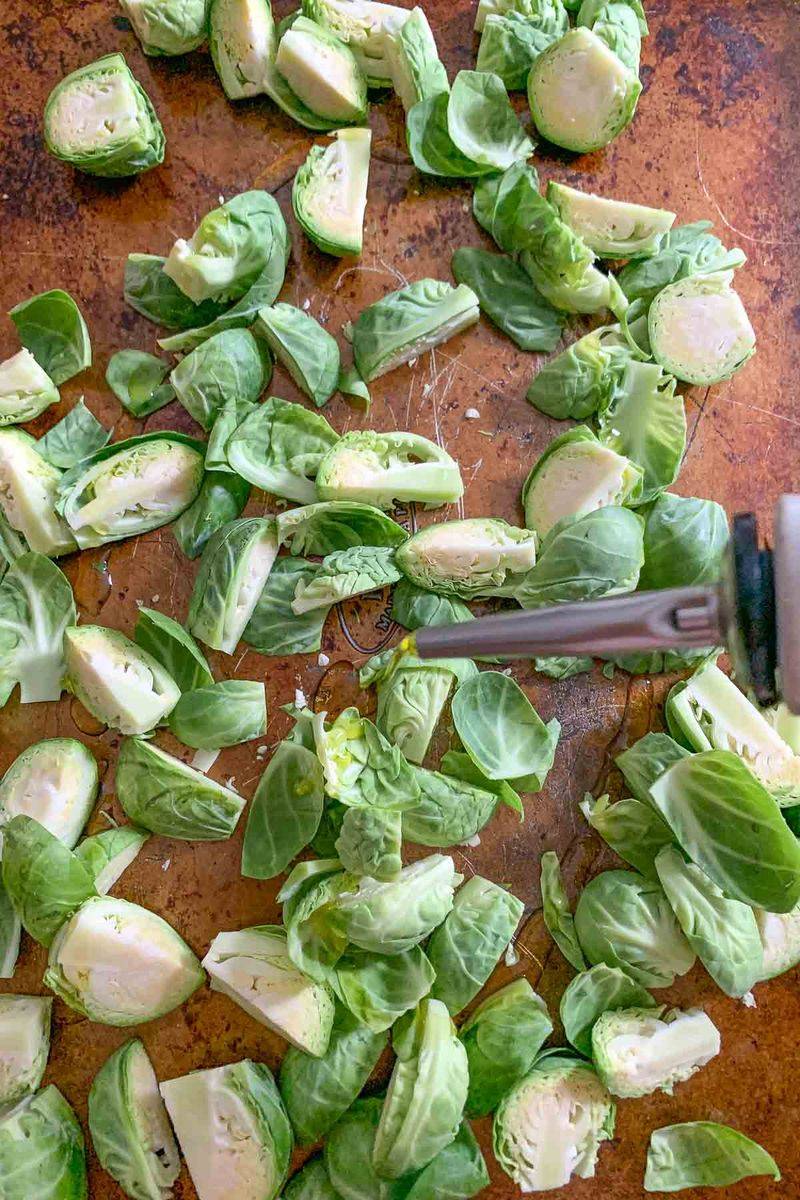
Brussels sprouts have a bit of a reputation problem, and a lot of it comes from people eating them boiled into mush. Raw, they are dense little green spheres with tightly packed leaves and a sharp, bitter smell.
Roasting changes their personality entirely. The outer leaves crisp up like little chips, the centers become tender, and the bitter flavor mellows into something sweet and almost nutty.
Toss them with olive oil and a little salt before roasting and they come out looking like a completely different vegetable.
14. Salmon
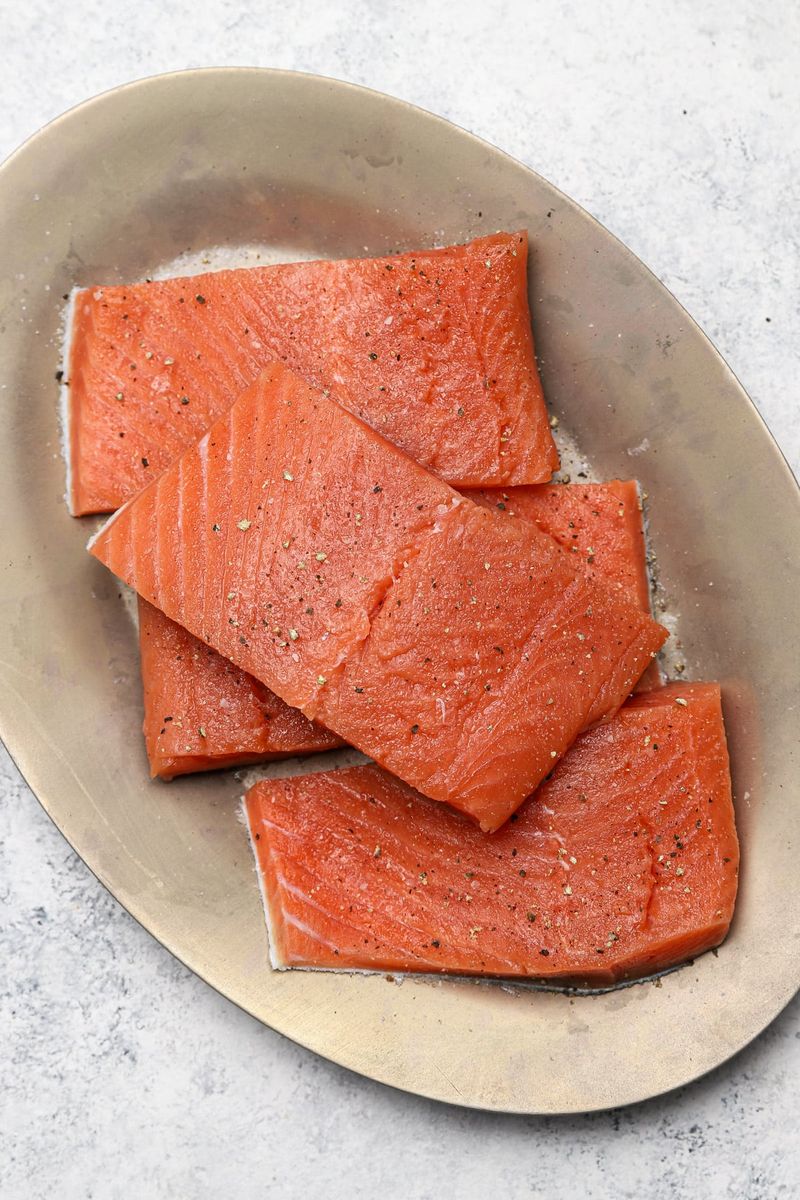
Raw salmon is a vivid orange-pink color with a glossy, almost translucent surface. It is soft and delicate to the touch, and the flesh separates easily into layers called flakes even before cooking begins.
After pan-searing or baking, the outside turns opaque and develops a golden crust while the inside lightens to a paler pink. The texture firms up and the rich, buttery flavor becomes more pronounced.
It is a fish that looks almost jewel-like when raw and turns into a warm, satisfying meal with heat.
15. Chickpeas (Dried)
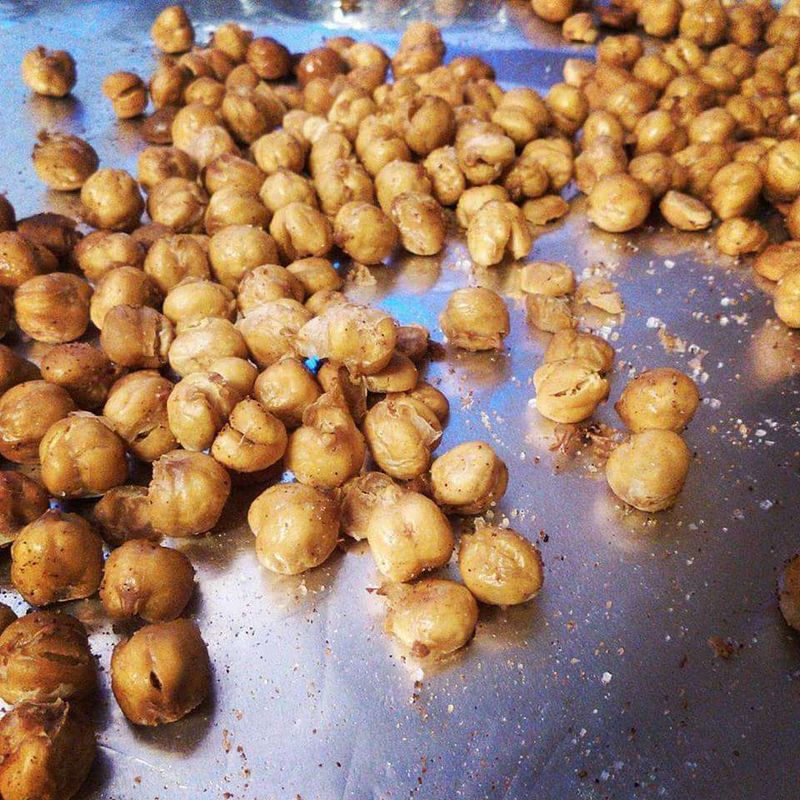
Dried chickpeas look like small, hard, wrinkled pebbles. They are pale beige, rock solid, and have none of the plump, creamy texture that makes hummus or chana masala so satisfying.
Trying to eat one raw is basically impossible.
After soaking overnight and simmering for an hour or more, they swell up to nearly double their size and turn soft all the way through. Their skin smooths out and they develop that familiar creamy, nutty bite.
It is a slow transformation, but the result is one of the most versatile ingredients in cooking.
16. Onion
Sharp, pungent, and eye-wateringly strong, raw onions are the kind of ingredient that clears a room when you start slicing them. They are crisp, white or yellow inside, and have a bite that can overpower almost anything they touch.
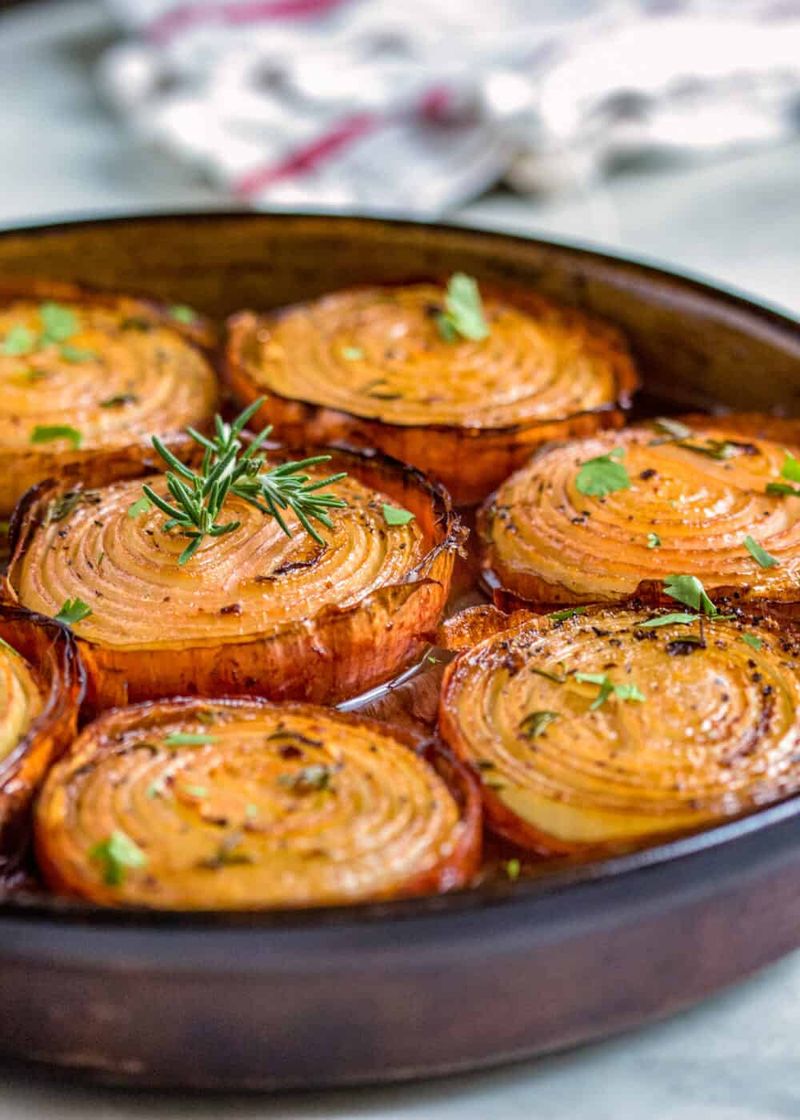
Slowly caramelize them in a pan with a little butter and something extraordinary happens. They shrink down, turn a deep golden brown, and become sweet, jammy, and almost melt-in-your-mouth soft.
Caramelized onions taste nothing like their raw form, which is exactly why they are one of cooking's most powerful secret weapons.
17. Crab
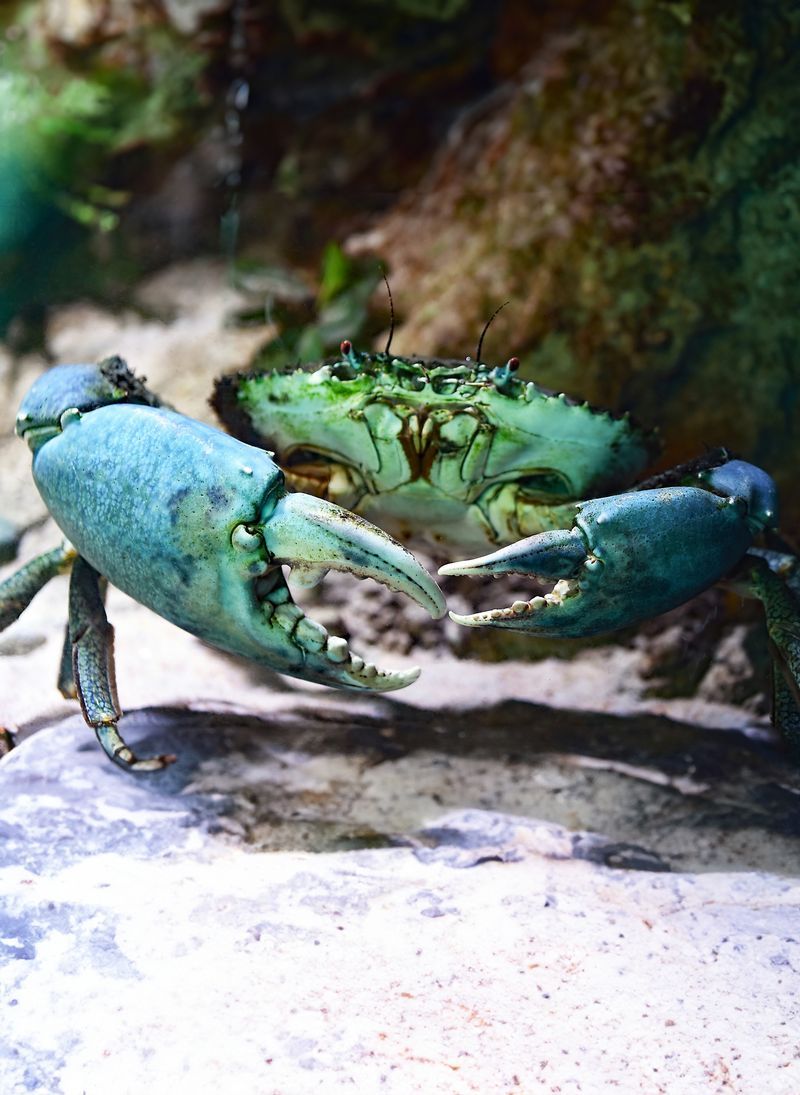
Live crabs are a dark greenish-blue or brownish color that blends in perfectly with their ocean environment. They are tough, armored, and look nothing like the bright orange-red shells you see at seafood boils and crab shacks.
Steam or boil them and the shell turns a vivid orange-red almost immediately, for the same reason lobsters change color. The meat inside transforms from translucent and soft to firm, white, and sweet.
The color flip is so dramatic that it is easy to forget you are looking at the same animal.
18. Pumpkin
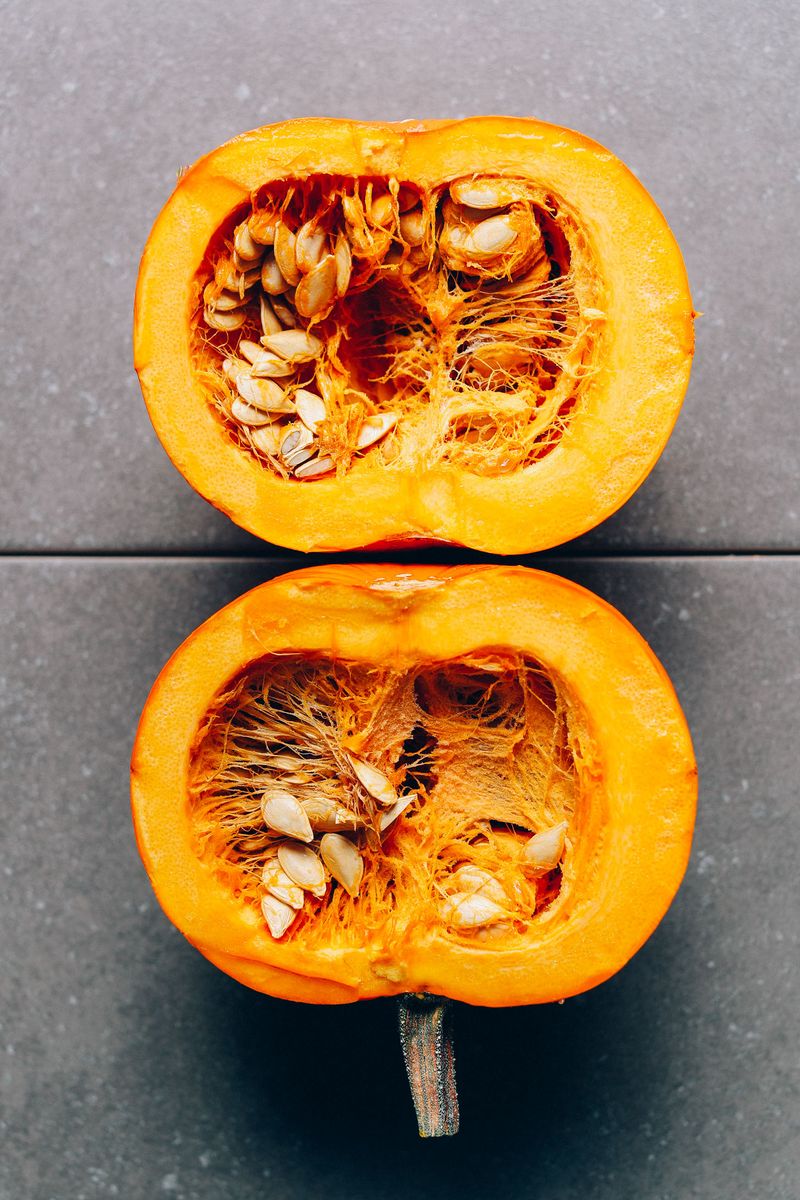
Before it becomes pie filling or soup, a pumpkin is a whole, firm, round gourd with a thick orange shell and a stringy, seed-filled interior. Raw pumpkin flesh is pale orange, starchy, and bland with a slightly watery texture.
Roasting concentrates the natural sugars and deepens the color to a rich, warm orange. The flesh softens into a smooth, spoonable consistency that blends easily into soups, pies, and breads.
That canned pumpkin puree you scoop out at Thanksgiving has come a very long way from the whole gourd sitting on a porch in October.
19. Polenta (Dry Cornmeal)
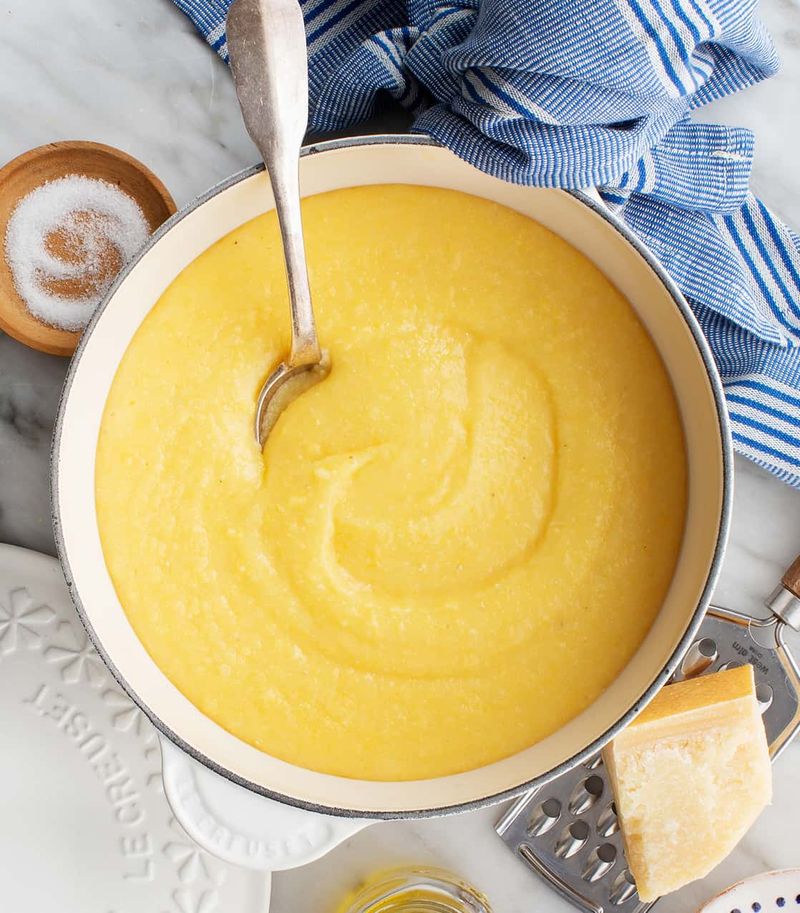
Dry cornmeal looks like rough yellow sand. It is gritty, powdery, and completely unappetizing on its own.
There is nothing about a bowl of dry yellow granules that hints at the creamy, comforting dish it can become.
Cooked slowly in water or broth, cornmeal absorbs liquid and swells into thick, smooth, golden polenta. The texture becomes creamy and almost porridge-like, and the flavor turns sweet and earthy.
Add butter and cheese and it becomes one of the most comforting side dishes in Italian cooking, unrecognizable from those dry yellow grains.
20. Octopus
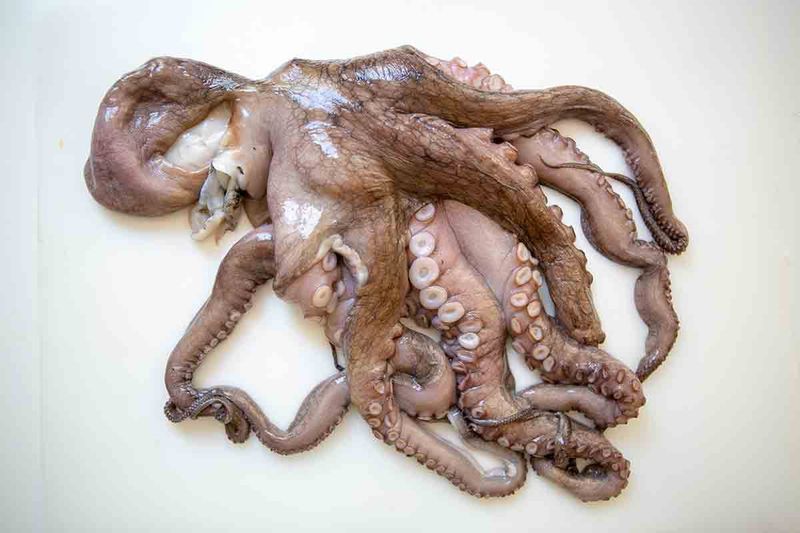
Raw octopus is one of the most visually striking transformations in all of cooking. Before heat, it is a pale, grayish-purple tangle of rubbery arms with visible suckers, looking more like something from a science fiction movie than a meal.
After braising or grilling, the skin deepens to a rich reddish-purple and the texture firms up just enough to be tender and chewy without being rubbery. Grilled octopus gets beautiful char marks and a smoky flavor.
It goes from alien-looking sea creature to stunning restaurant dish in a matter of hours.
21. Lentils (Dried)
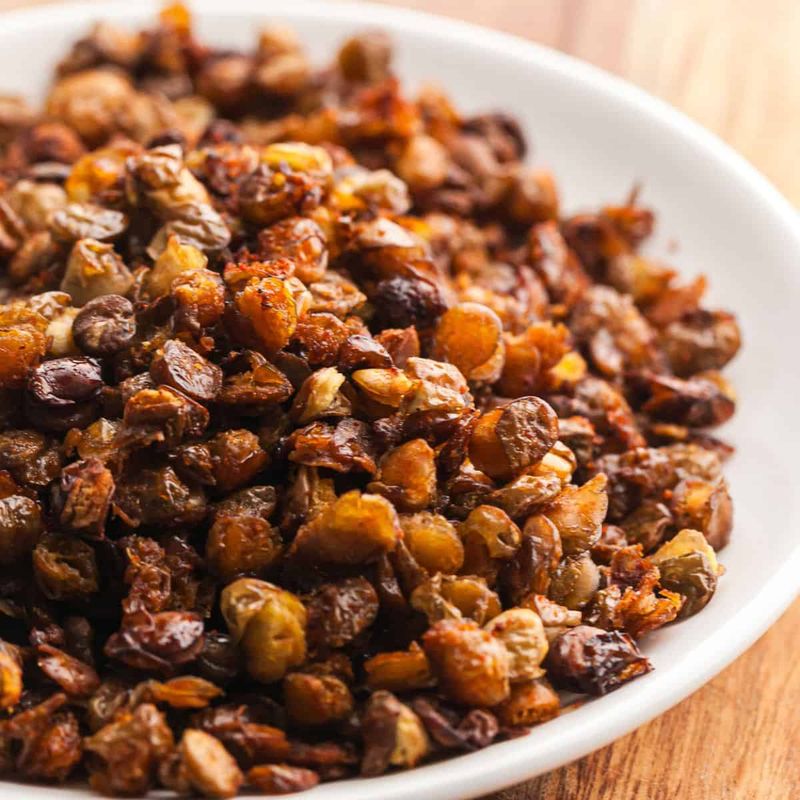
Tiny, flat, and hard as little pebbles, dried lentils come in shades of green, brown, red, and black. They look more like seeds you would plant in a garden than something you would eat for dinner.
Simmer them in water or broth and they absorb liquid and soften completely within 20 to 30 minutes. Red lentils practically dissolve into a thick, golden-orange soup.
Green and brown lentils hold their shape better and become tender, earthy, and filling. No soaking required, which makes them one of the most beginner-friendly legumes to cook with.
22. Plantain
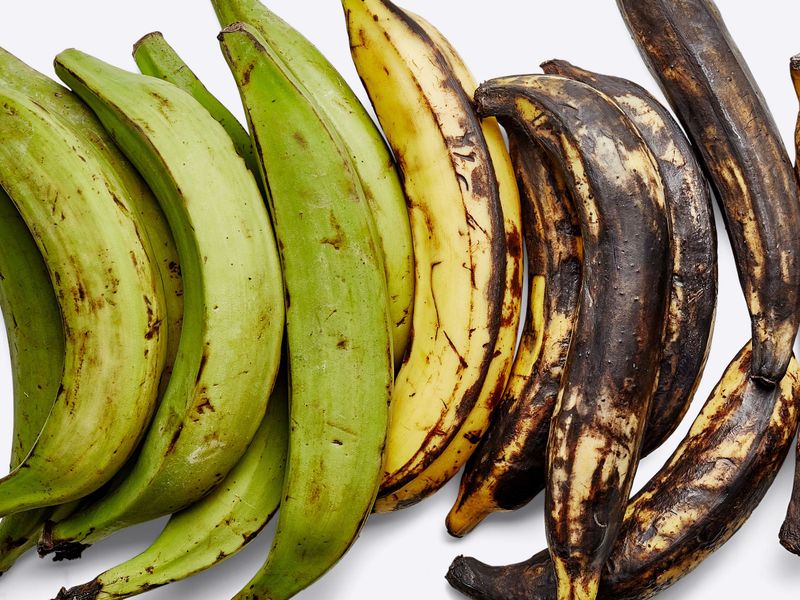
Green plantains look almost identical to unripe bananas, but do not try eating one raw. They are starchy, firm, and have none of the sweetness you might expect.
Biting into a raw green plantain is a pretty unpleasant experience.
Fry green plantains and they become tostones, crispy golden discs with a starchy, savory bite. Let them ripen to black and then fry them, and sweet caramelized maduros appear, soft and sticky with natural sugars.
One fruit, two wildly different cooked results depending on when you cook it.
23. Egg
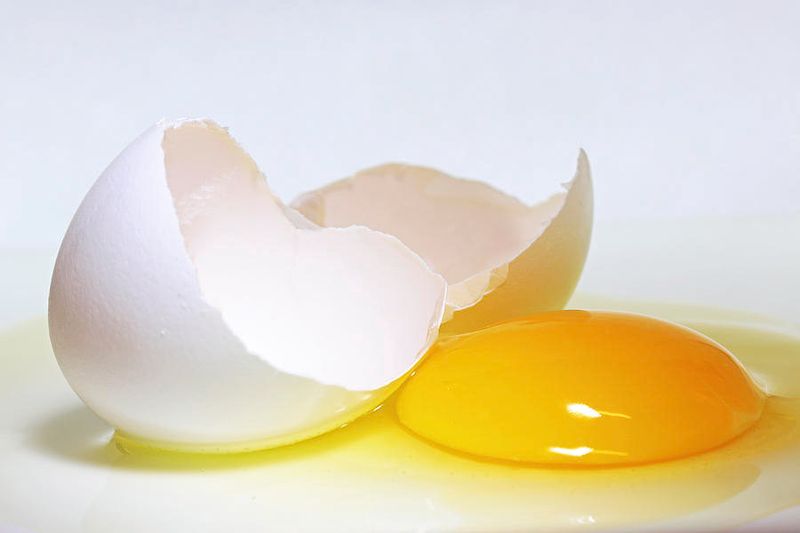
Crack open a raw egg and you get a wobbly, translucent egg white surrounding a bright yellow yolk. The white is almost completely see-through and slippery, with a consistency that slides around freely in the bowl.
Apply heat and the proteins in the white coagulate and turn completely solid and bright white in seconds. The yolk firms up or stays runny depending on how long you cook it.
That simple change from transparent and jiggly to opaque and firm is one of the most dramatic and well-known food transformations in everyday cooking.
24. Tomato
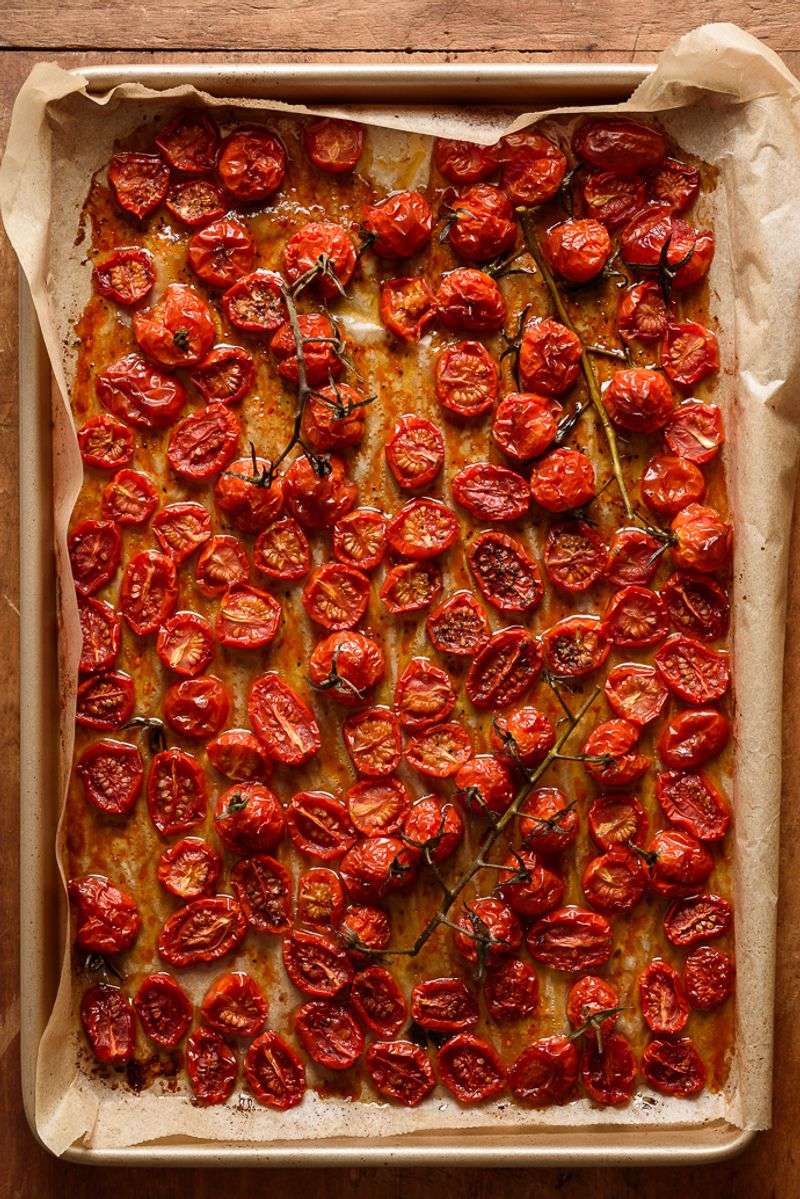
Fresh tomatoes are bright red, firm, and full of juice and seeds. They taste tangy and slightly acidic, with a fresh, grassy quality that works well in salads but can be overpowering in large amounts when raw.
Roast or slow-cook them and the water evaporates, concentrating the sugars and turning the flavor deep, sweet, and rich. The skin blisters and the flesh collapses into a jammy, saucy texture.
A slow-roasted tomato tastes almost like a completely different ingredient from its raw, fresh version sitting on the kitchen counter.
Comments
No Comments