













Dinner parties are supposed to be fun, relaxed, and full of good food and great conversation. But let's be honest, everyone at the table is quietly noticing things, even if they never say a word.
From the silverware placement to how loud someone chews, guests pick up on more than you might think. Here are 23 things people are silently scoring you on when they come over for dinner.
1. The Cleanliness of Your Home
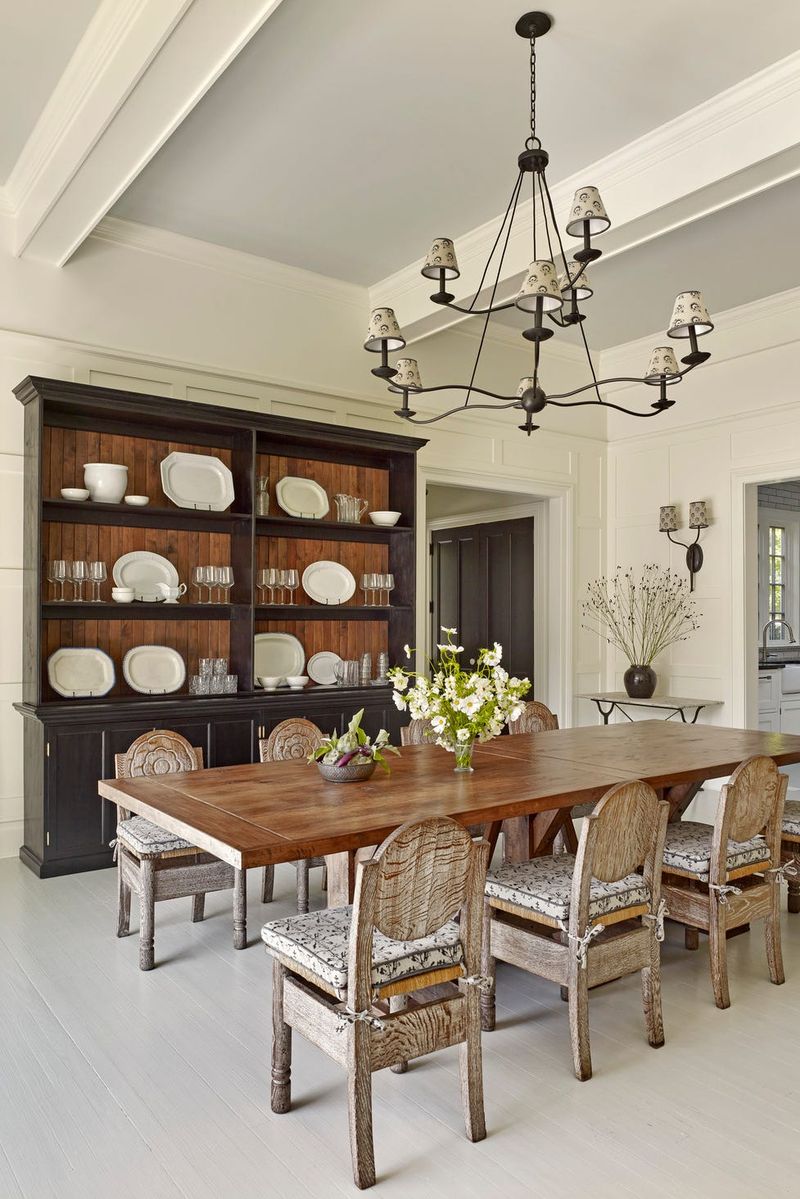
Before anyone even sits down, eyes are scanning the room. Guests notice dusty shelves, sticky floors, and smudged windows the moment they walk in.
A clean home signals that you care about your guests and put in real effort.
You do not need a spotless showroom, but a quick tidy-up goes a long way. Focus on the entryway, bathroom, and dining area since those get the most attention at any dinner gathering.
2. How the Table Is Set
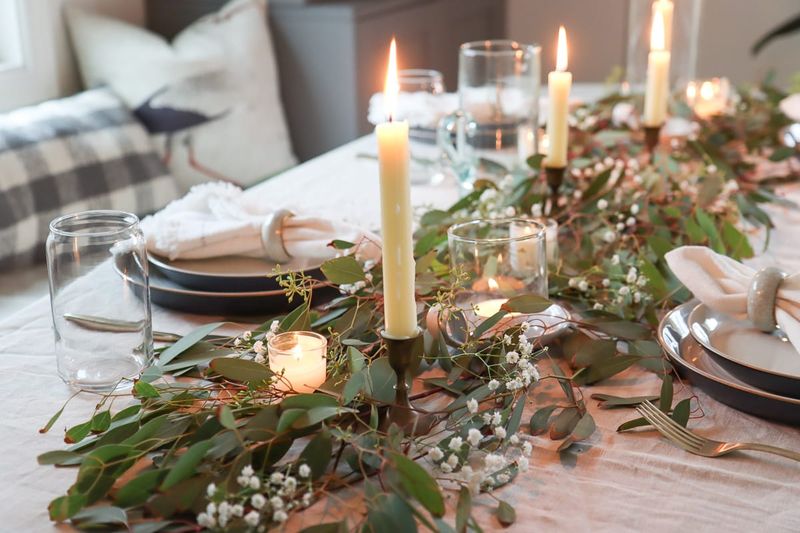
A lopsided fork or a missing knife does not go unnoticed. People quietly check whether the table looks intentional or thrown together at the last second.
Matching dishes and a simple centerpiece can make a big difference in how the evening feels.
You do not need fancy china to impress anyone. A thoughtfully arranged table shows respect for your guests and sets a welcoming tone before the first bite is even taken.
3. The Smell of Your Kitchen
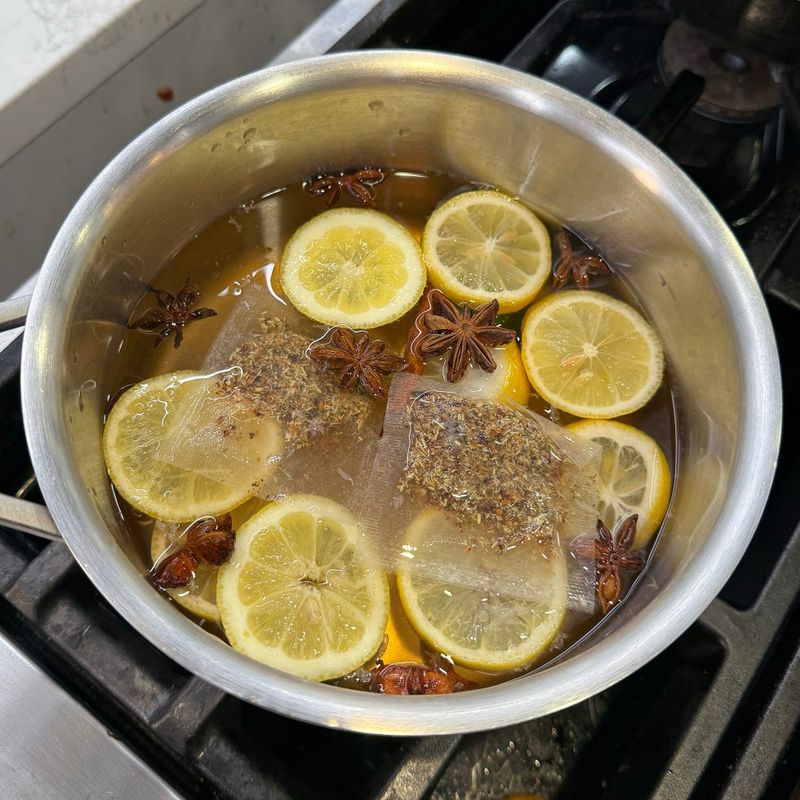
Smell is one of the first things people notice, and they rarely mention it out loud. A home that smells like roasted garlic and fresh bread gets instant approval.
Old food smells or strong cleaning chemicals, though, can make guests feel uneasy.
Lighting a candle or simmering something fragrant on the stove before guests arrive is a simple trick that works every time. Good smells create a sense of comfort and warmth that people remember long after the meal.
4. Whether You Offer Drinks Right Away

Offering a drink the moment someone walks in is one of the most welcoming things a host can do. Guests who have to wait and wonder whether they will get something to drink often feel like an afterthought.
It is a small gesture with a big social payoff.
Keep it simple: water, juice, wine, or sparkling water all work perfectly. The goal is to make people feel seen and cared for right from the start of the evening.
5. The Quality of the Food

No one expects a Michelin-star meal at a home dinner party, but guests do notice when food is underseasoned, overcooked, or just a little sad. Flavor matters, and so does presentation, even if it is just a simple pasta dish.
Tasting your food before serving it is the single most important cooking habit you can develop. A well-seasoned, hearty dish made with care will always earn more quiet admiration than a complicated recipe gone wrong.
6. How You Handle Dietary Restrictions
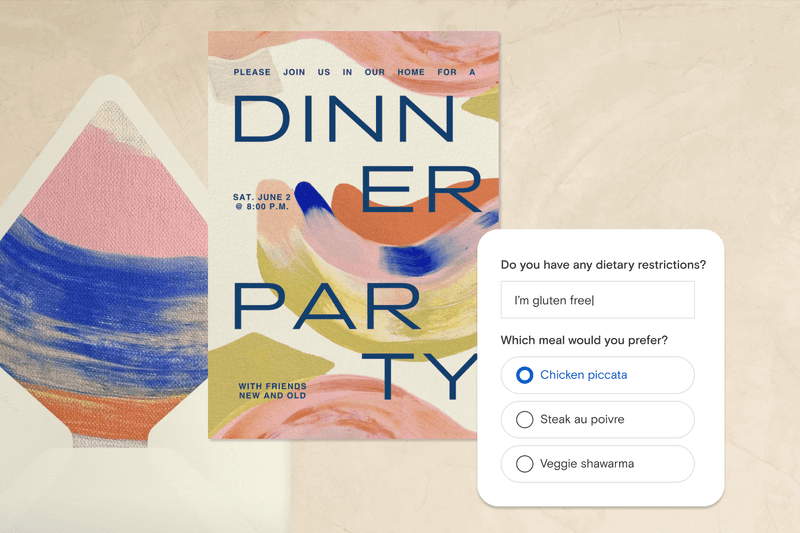
Forgetting that a guest is vegetarian or allergic to nuts can turn an enjoyable evening into an awkward one fast. People notice whether you asked about their needs ahead of time or left them picking through a plate that does not work for them.
A quick message before the party asking about any food restrictions takes less than two minutes. That small effort tells your guests that their comfort genuinely matters to you, and that earns real appreciation.
7. The Bathroom Situation
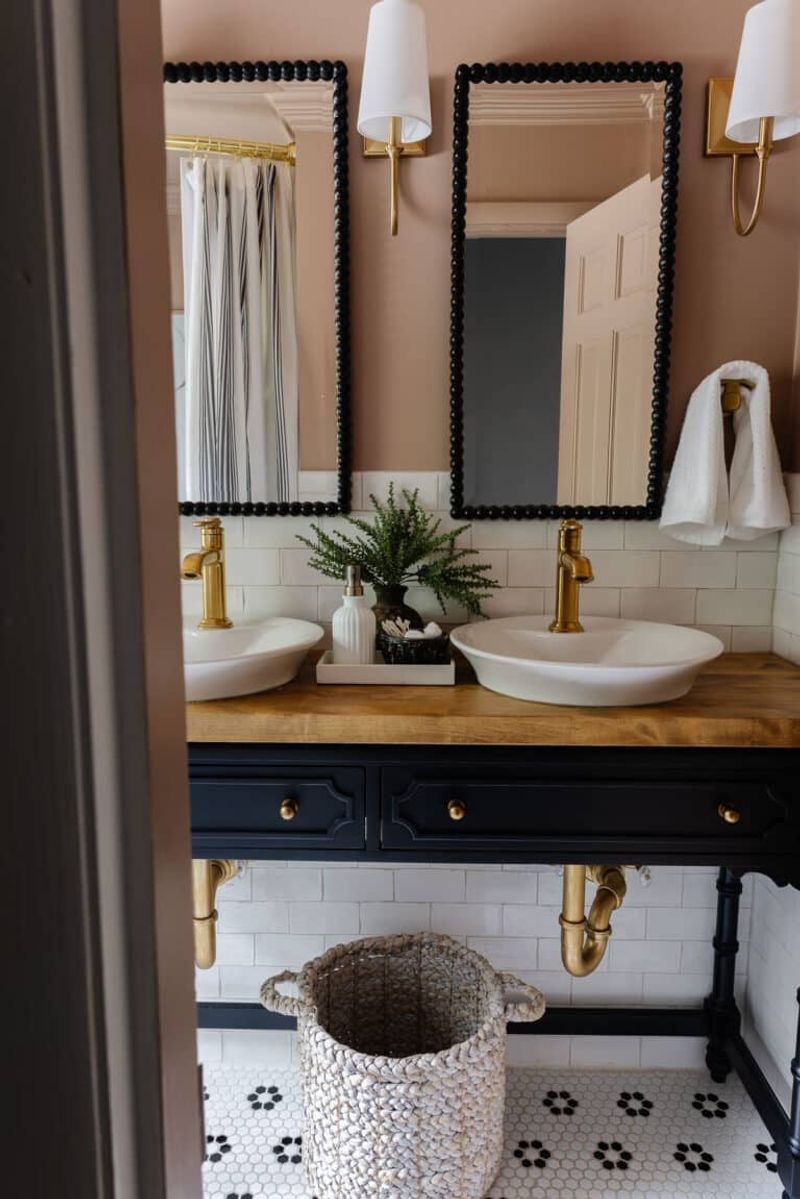
Guests always check the bathroom, and they always remember what they find there. A clean toilet, fresh hand soap, and a real towel to dry hands on are the bare minimum requirements for a good impression.
An empty soap dispenser is a red flag.
Stock the bathroom like you are staying at a hotel you actually like. Extra toilet paper within reach, a small trash bin, and a pleasant scent make the space feel thoughtful and prepared rather than forgotten.
8. How Loud the Background Music Is
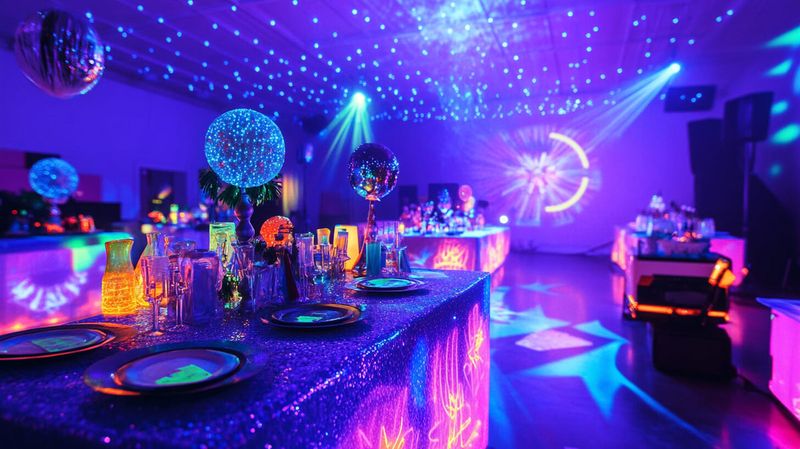
Music at a dinner party should feel like a gentle backdrop, not a concert. When the volume creeps too high, guests have to shout to hold a conversation, and that gets exhausting quickly.
People notice when they can actually hear each other without straining.
A good rule of thumb is that if you have to raise your voice to talk across the table, the music is too loud. Keep it mellow, keep it low, and let the conversation be the real entertainment.
9. Whether the Host Eats With the Guests
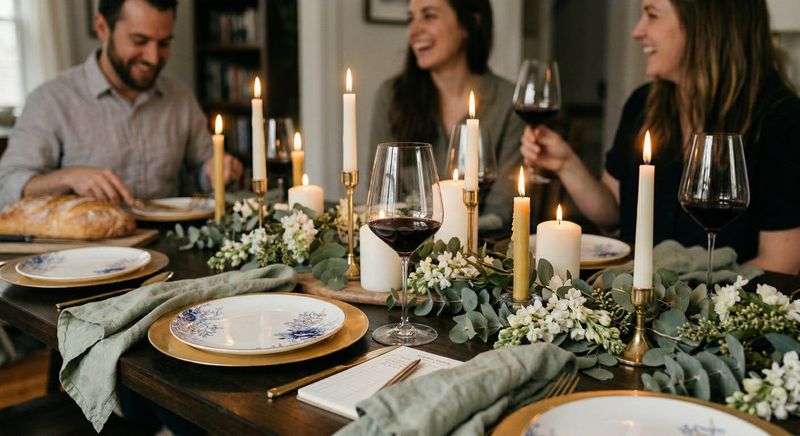
A host who spends the entire evening in the kitchen rarely gets to actually enjoy their own party. Guests notice when the person who invited them never sits down, and it can make everyone feel a little guilty about eating.
Connection is the whole point of a dinner party.
Prepare as much as possible in advance so you can actually be present at the table. Guests came to spend time with you, not just to eat your food in your absence.
10. Portion Sizes on the Plate
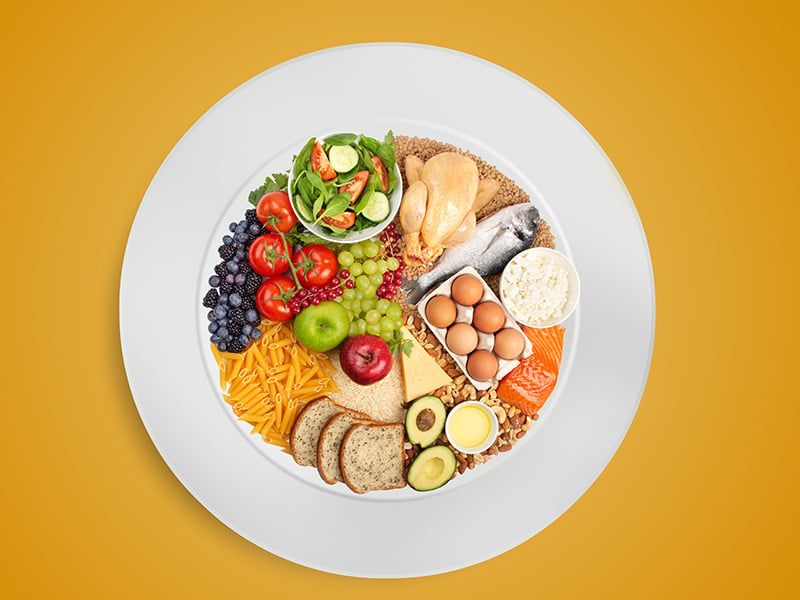
Portion sizes send a quiet message. Tiny servings can leave guests hungry and hesitant to ask for more, while generous portions feel warm and hospitable.
Nobody wants to leave a dinner party still hungry and pretending they are satisfied.
Serving dishes family-style, where everyone helps themselves, is a great way to avoid the awkward portion guessing game. It puts guests in control of their own plates and naturally creates a more relaxed, communal atmosphere around the table.
11. Table Manners of Other Guests
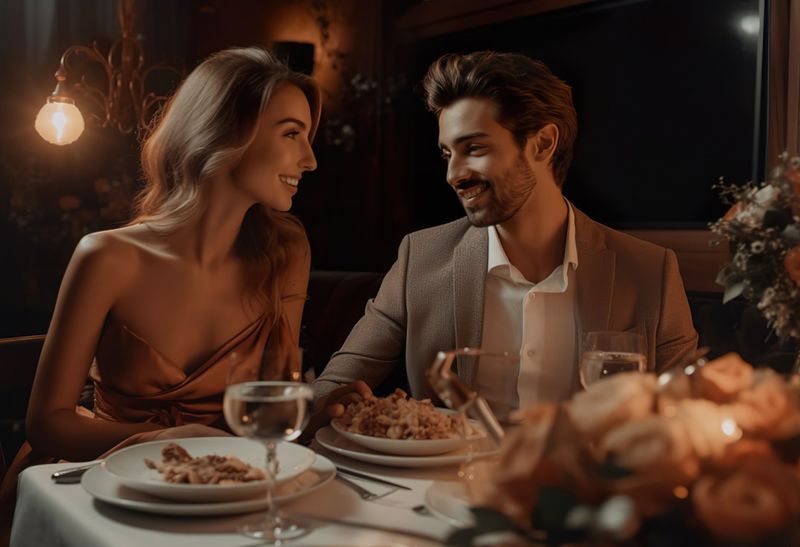
You might not be able to control how your guests behave, but other people at the table definitely notice. Chewing loudly, talking with a full mouth, or reaching across someone without asking are all things that get mentally logged during the meal.
As a host, you set the tone by modeling good manners yourself. When the vibe at the table is relaxed but respectful, guests tend to naturally rise to that standard without anyone having to say a word.
12. Whether Phones Are Out at the Table

Few things kill a dinner party atmosphere faster than everyone staring at their screens. When a guest is mid-conversation and the other person reaches for their phone, it sends a clear message that the phone is more interesting.
People notice this, and it stings a little.
Some hosts make it a fun rule to stack phones face-down in the center of the table. It sounds simple, but it works.
Real conversation tends to flourish when everyone is actually present.
13. How You Introduce People

Introducing guests well is an underrated hosting skill. Simply saying a name and walking away leaves people standing there awkwardly with nothing to say to each other.
A good introduction includes a fun fact or shared interest to spark a natural conversation.
Try something like, "This is Jordan, he just got back from hiking in Patagonia," and watch the conversation take off on its own. Thoughtful introductions make guests feel included and valued from the very start of the evening.
14. The Seating Arrangement
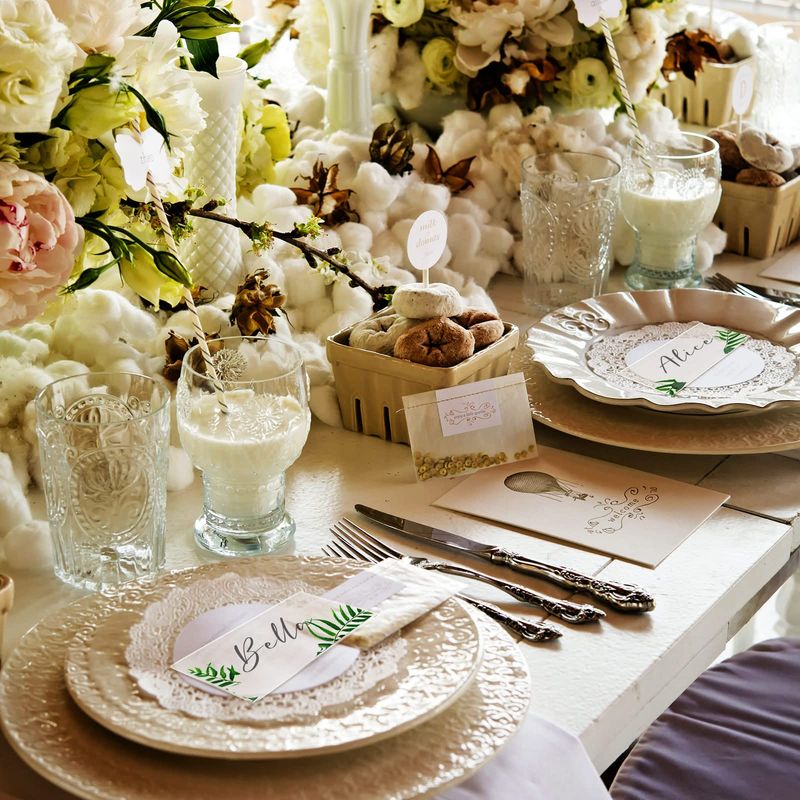
Where people sit matters more than most hosts realize. Putting two people who barely know each other next to each other with no conversational bridge can make for a very long and uncomfortable evening.
Seating arrangements are a subtle art that guests quietly appreciate when done well.
Think about personality and shared interests when deciding who sits where. Placing a chatty, outgoing person near a quieter guest can help draw them out and keep the energy around the table feeling balanced and lively.
15. How You Handle a Cooking Mistake
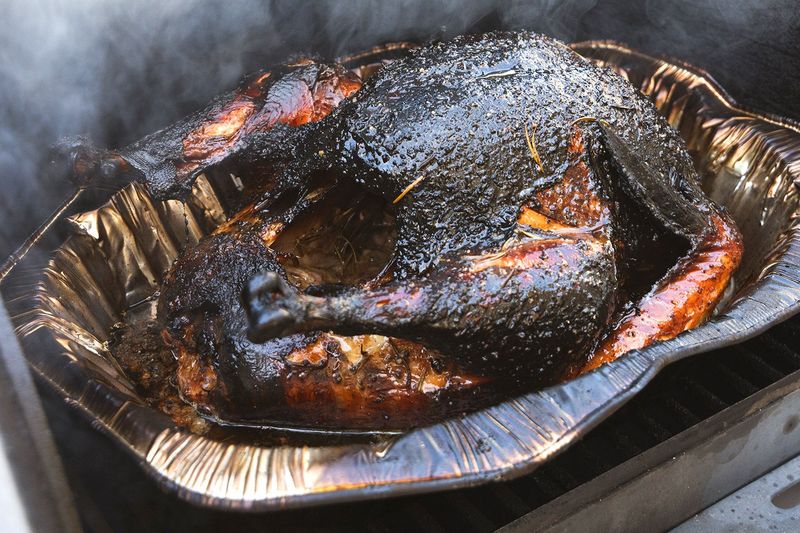
Something going wrong in the kitchen is practically a rite of passage for any dinner party host. What people remember is not the mistake itself but how you handled it.
Panicking or over-apologizing makes guests feel awkward, while laughing it off puts everyone at ease.
Burned the rolls? Call it "rustic." Soup too salty?
Order pizza and turn it into a story. Guests actually love seeing a host who is confident and easygoing even when things do not go exactly as planned.
16. Whether You Refill Glasses Without Being Asked
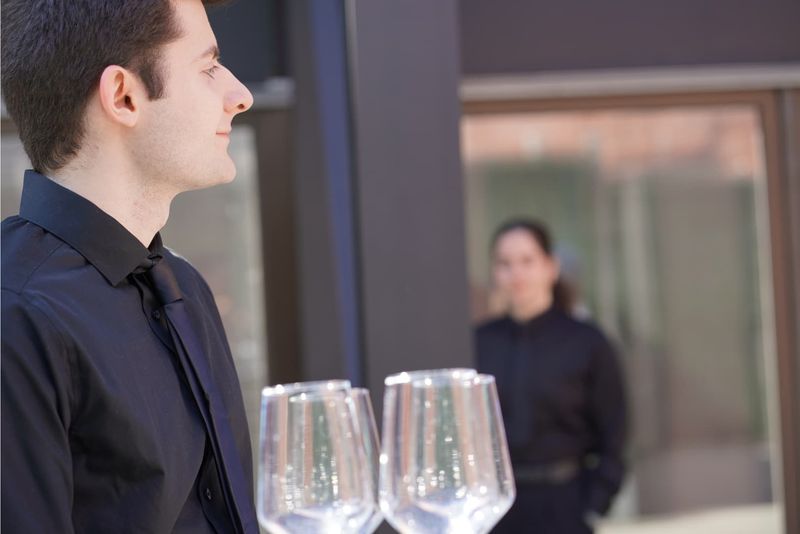
Attentive hosts notice when a glass is getting low and quietly take care of it. This is one of those small details that separates a good host from a great one.
Guests who have to flag someone down for a refill feel like they are at a restaurant, not someone's home.
You do not have to hover or be obsessive about it. Just keep an eye on the table as you move around and top off glasses naturally.
That level of care gets noticed and genuinely appreciated.
17. The Lighting in the Dining Room
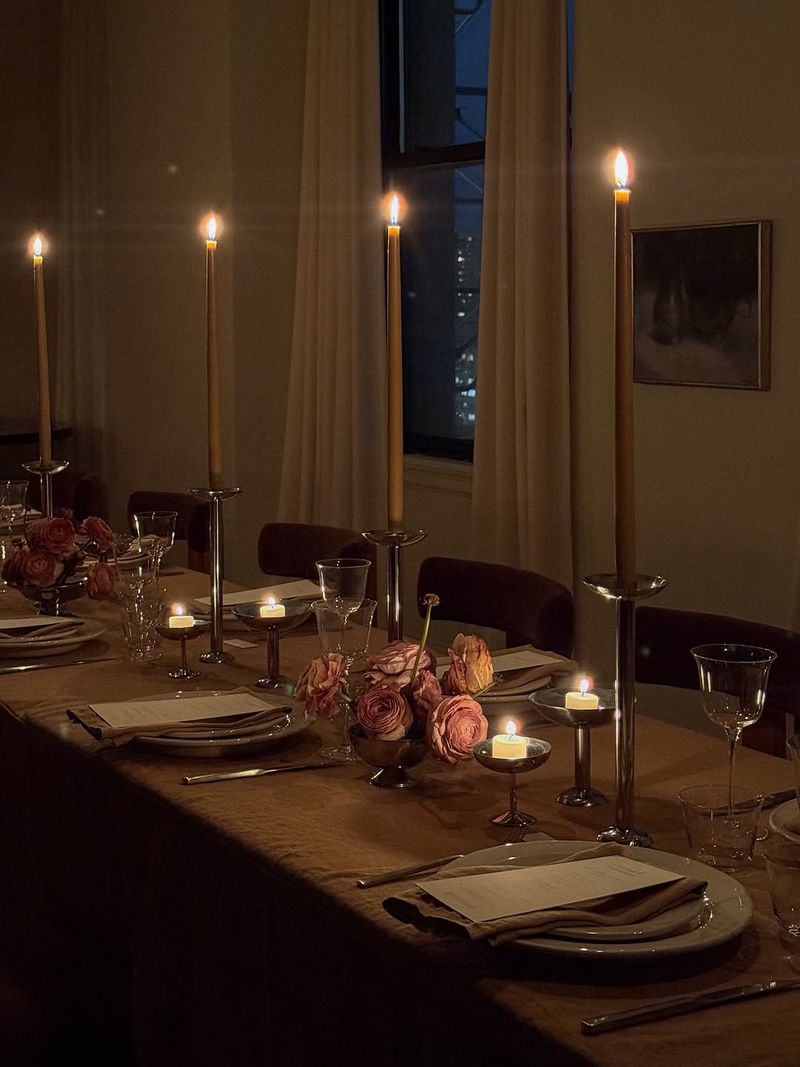
Harsh overhead lighting can make even the most beautiful dinner spread feel like a cafeteria. Warm, dimmed lighting instantly changes the mood of a room and makes everyone look and feel a little more relaxed.
Lighting is one of the most overlooked details in home entertaining.
Candles are an easy, affordable fix if you cannot dim your lights. Even a few tea lights scattered around the table create that soft, golden glow that makes a dinner party feel genuinely special and thoughtfully put together.
18. How You Talk About the Food You Made

There is a fine line between sharing your passion for cooking and fishing for compliments all night. Guests notice when a host constantly points out how hard a dish was to make or how long it took.
It puts pressure on people to praise everything effusively.
A better approach is to share something fun or interesting about the dish, like where the recipe came from or a fun ingredient swap you tried. Let the food speak for itself, and the compliments will come naturally.
19. Whether You Include Everyone in the Conversation

Great hosts keep track of who is talking and who has gone quiet. It is easy for louder personalities to dominate the conversation while shyer guests fade into the background.
Noticing this and gently steering the discussion is a hosting superpower that not many people have.
A simple question directed at a quiet guest, like asking about their recent trip or new job, can completely shift the dynamic. Making everyone feel heard is what turns a dinner party into a truly memorable evening.
20. The Dessert Situation
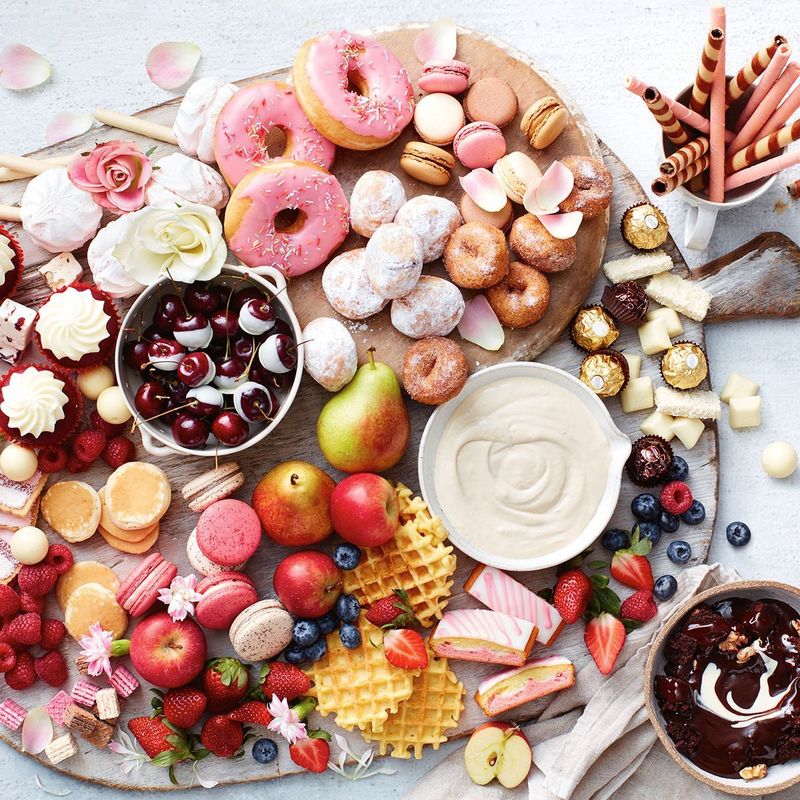
Skipping dessert at a dinner party is a bold and somewhat controversial move. Most guests are secretly hoping for something sweet at the end, even if they claim they are too full.
A simple dessert shows that the host thought the evening through from start to finish.
It does not need to be homemade or complicated. A good quality store-bought cake, a cheese board, or even a tray of nice chocolates works perfectly.
The gesture of offering something sweet at the end feels complete and generous.
21. How Quickly You Clear the Plates
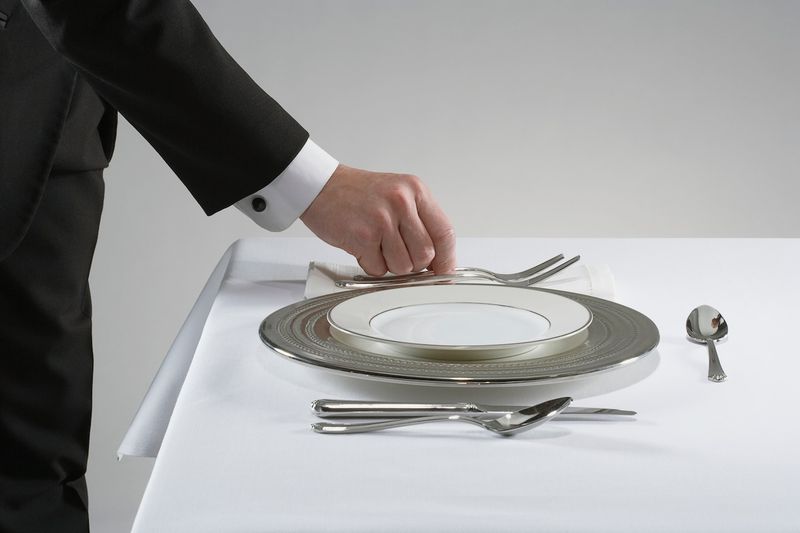
Clearing plates too quickly can make guests feel rushed, like you are eager for them to leave. On the flip side, leaving dirty dishes sitting for too long while everyone awkwardly stares at them is not great either.
Timing the cleanup is a subtle but real skill.
A good approach is to wait until everyone at the table has finished eating before clearing anything. Removing one person's plate while another is still eating mid-bite is one of the most common and easily avoidable hosting slip-ups.
22. Whether You Send Guests Home With Leftovers

Sending guests home with a little container of leftovers is one of those old-school hospitality moves that never gets old. It is unexpected, generous, and genuinely delightful.
People talk about it for days afterward, and it leaves a lasting impression that goes beyond the evening itself.
Not everyone will want to take food home, so always make it an offer rather than a requirement. Even just asking shows a level of warmth and generosity that guests quietly notice and deeply appreciate about a host.
23. How You Say Goodbye

The goodbye is the last impression you leave, and it matters more than most people realize. A distracted or rushed farewell can undo a lot of the warmth built up over the course of the evening.
Guests remember how they felt walking out the door just as much as walking in.
Walk guests to the door, thank them for coming, and mean it. A genuine, unhurried farewell tells your guests that their presence actually mattered to you, and that feeling is what makes people genuinely excited to come back.



Comments
No Comments