







Britain is famous for its hearty full English breakfast, but there is so much more hiding on morning tables across the country. From the rocky coastlines of Cornwall to the rolling hills of Yorkshire, local traditions have shaped some truly surprising breakfast dishes.
Many of these meals have been enjoyed for generations, yet most people outside the region have never heard of them. Get ready to discover the weird, wonderful, and downright delicious world of unusual British breakfasts.
1. Stargazy Pie for Breakfast
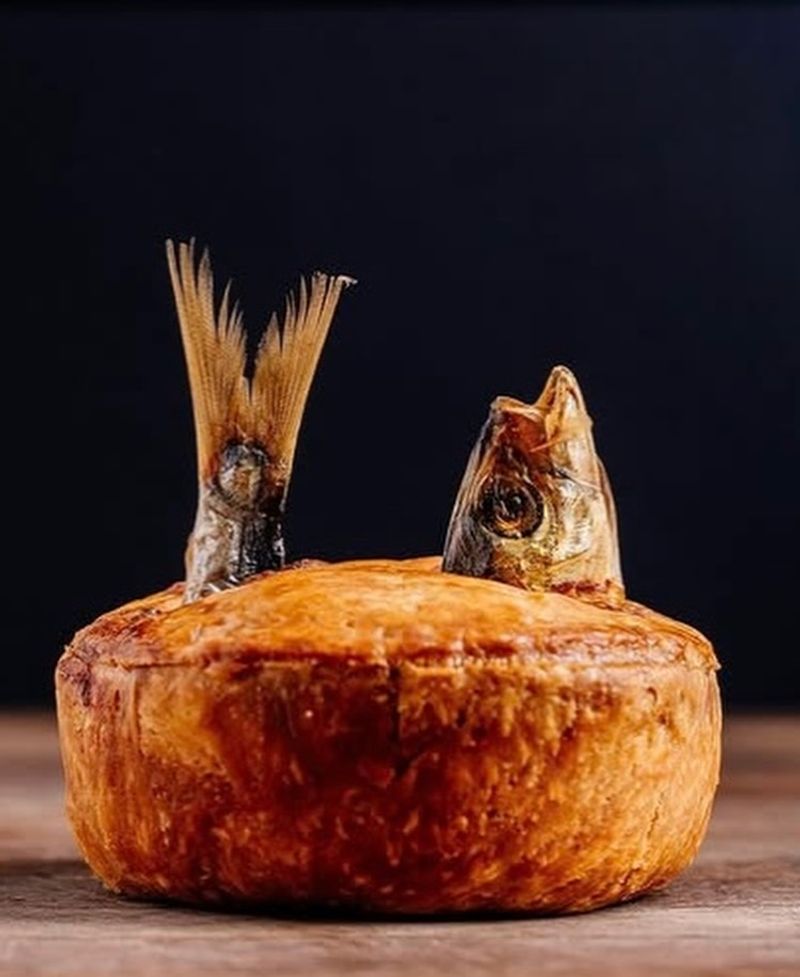
Picture fish heads poking straight up through a golden pastry crust — that is stargazy pie, a dish born in the Cornish fishing village of Mousehole. Traditionally eaten on Tom Bawcock's Eve in December, some coastal families serve small portions at breakfast.
The sardines or pilchards baked inside are rich in protein and omega-3s.
It sounds wild, but locals swear by it as a warming, filling start to a cold winter morning near the sea.
2. Kippers with Mustard Butter
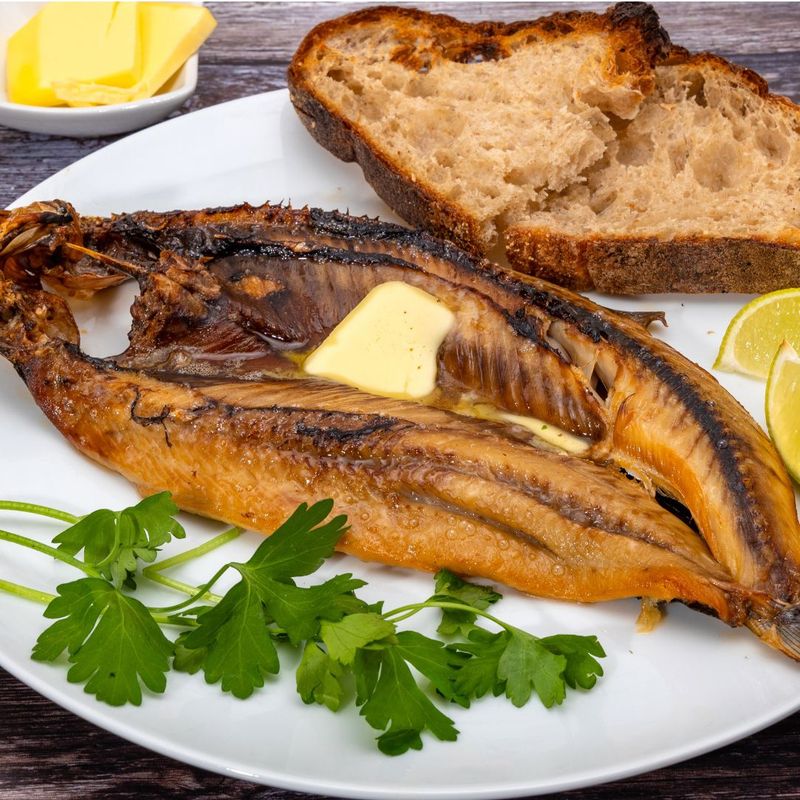
Smoked herring fillets — better known as kippers — have graced British breakfast tables since the 1840s, when a fisherman in Northumberland accidentally discovered cold-smoking fish overnight. Paired with tangy mustard butter, they pack a serious flavour punch that wakes up your taste buds immediately.
The smokiness balances beautifully with the sharp mustard, making this a coastal classic that food lovers still seek out in seaside B&Bs across Scotland and northern England.
3. Laverbread on Toast
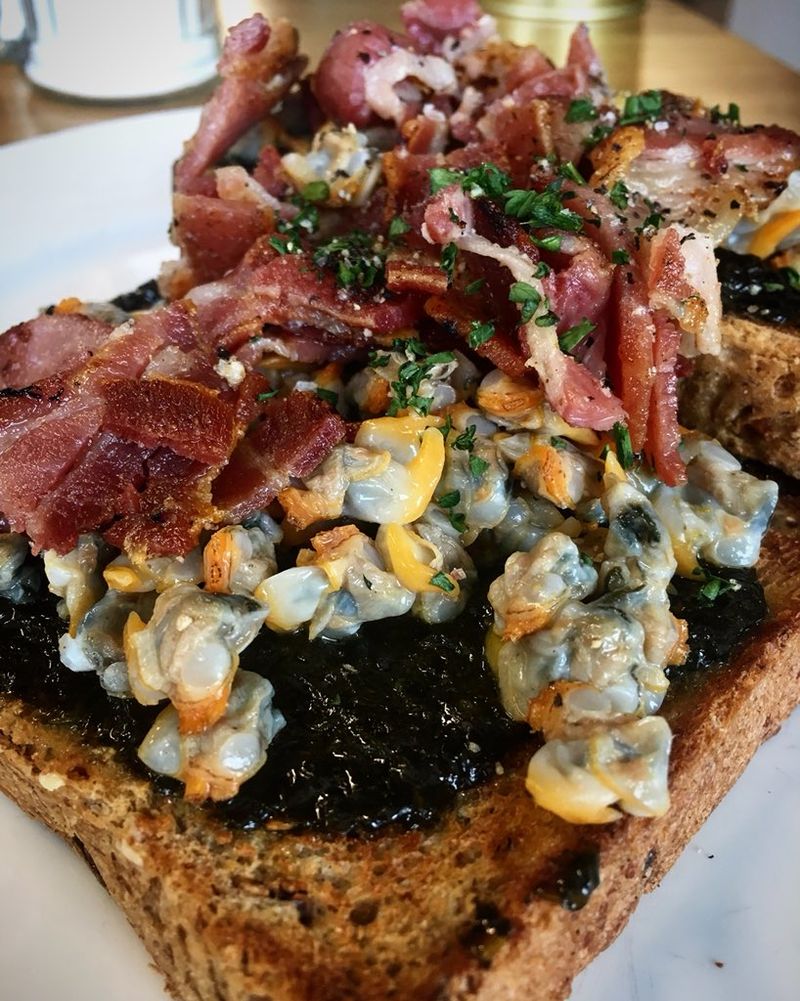
Wales has a breakfast secret that looks like green paste but tastes like the ocean. Laverbread is made from boiled and pureed seaweed harvested along the Welsh coastline, and it has been eaten for centuries.
Spread thick on buttered toast and topped with crispy bacon, it creates a salty, umami-packed combo.
Rich in iron and iodine, laverbread is genuinely nutritious. Dylan Thomas once called it the "Welshman's caviar," and honestly, that feels about right.
4. Tattie Scones with Fried Egg
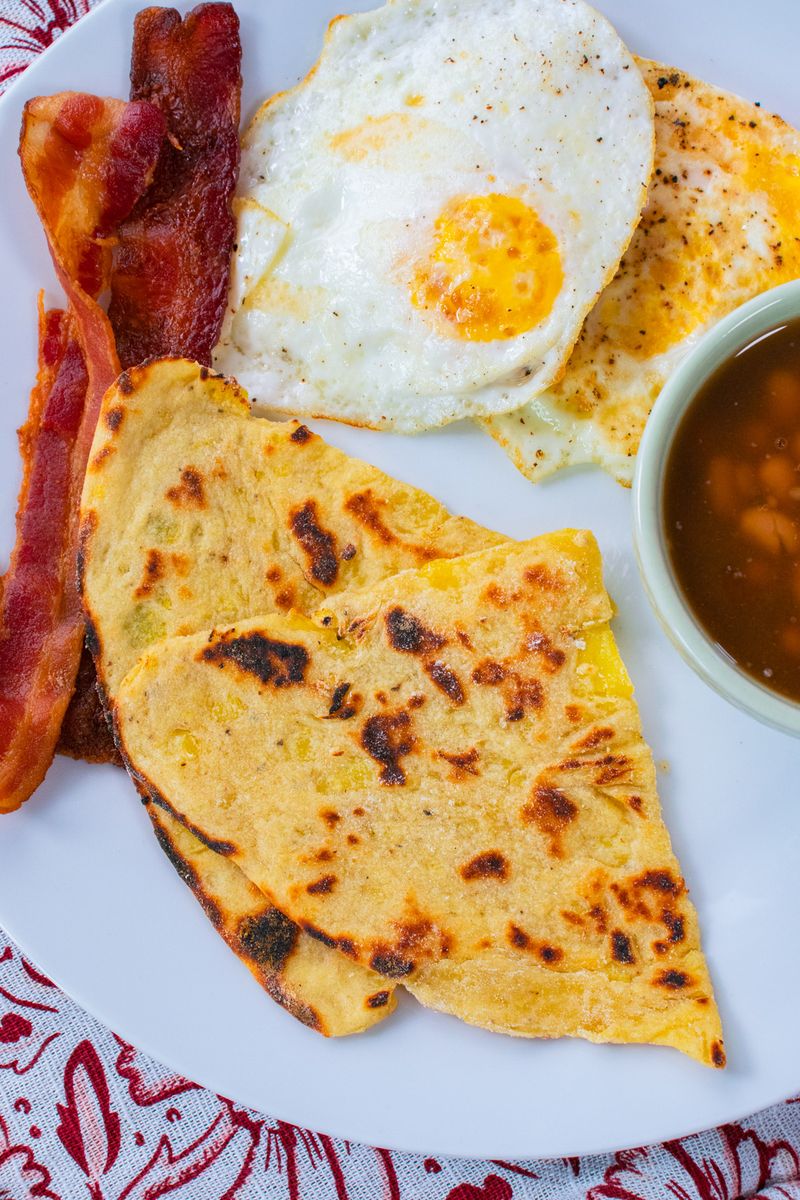
Soft, flat, and slightly crispy at the edges, tattie scones are a Scottish breakfast staple made from leftover mashed potato mixed with flour and cooked on a griddle. They are humble food done brilliantly.
Topped with a fried egg, the yolk soaks into the scone like a flavour sponge.
Scottish farmers have eaten these for generations as a practical way to use up yesterday's potatoes. Every bite feels like a warm hug on a grey morning.
5. Devilled Kidneys on Toast
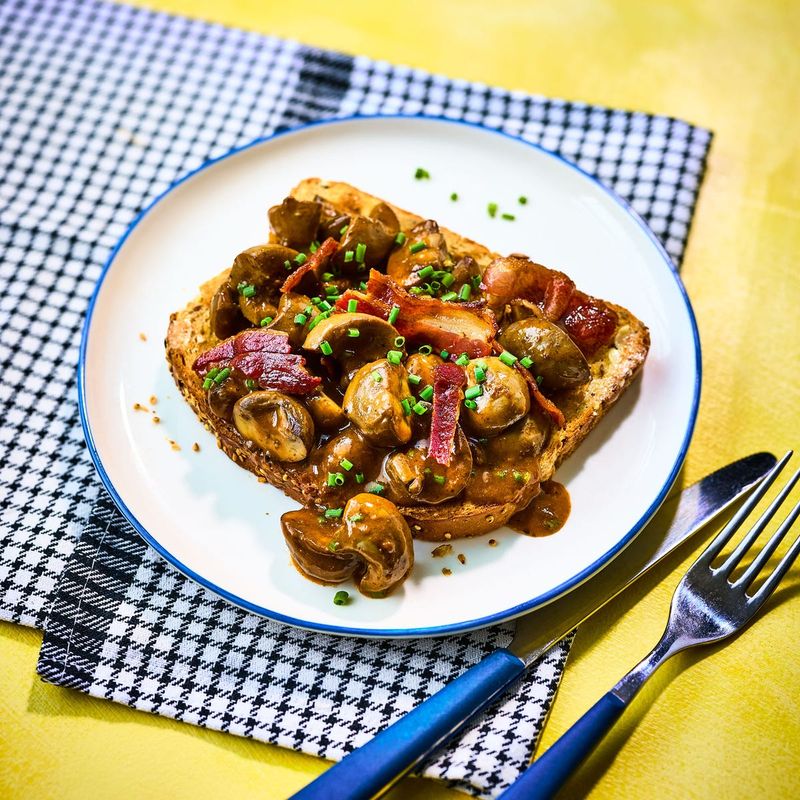
Once a staple of Victorian breakfast tables, devilled kidneys have made a quiet comeback in recent years. Lamb kidneys are cooked quickly in a fiery sauce of mustard, Worcestershire sauce, and cayenne pepper, then spooned over thick toast.
The heat hits you right away, but it mellows into something deeply savoury.
This dish was a favourite of British aristocracy in the 1800s. Today, adventurous food lovers are rediscovering it as one of Britain's boldest breakfast choices.
6. Eggy Bread with Black Pudding
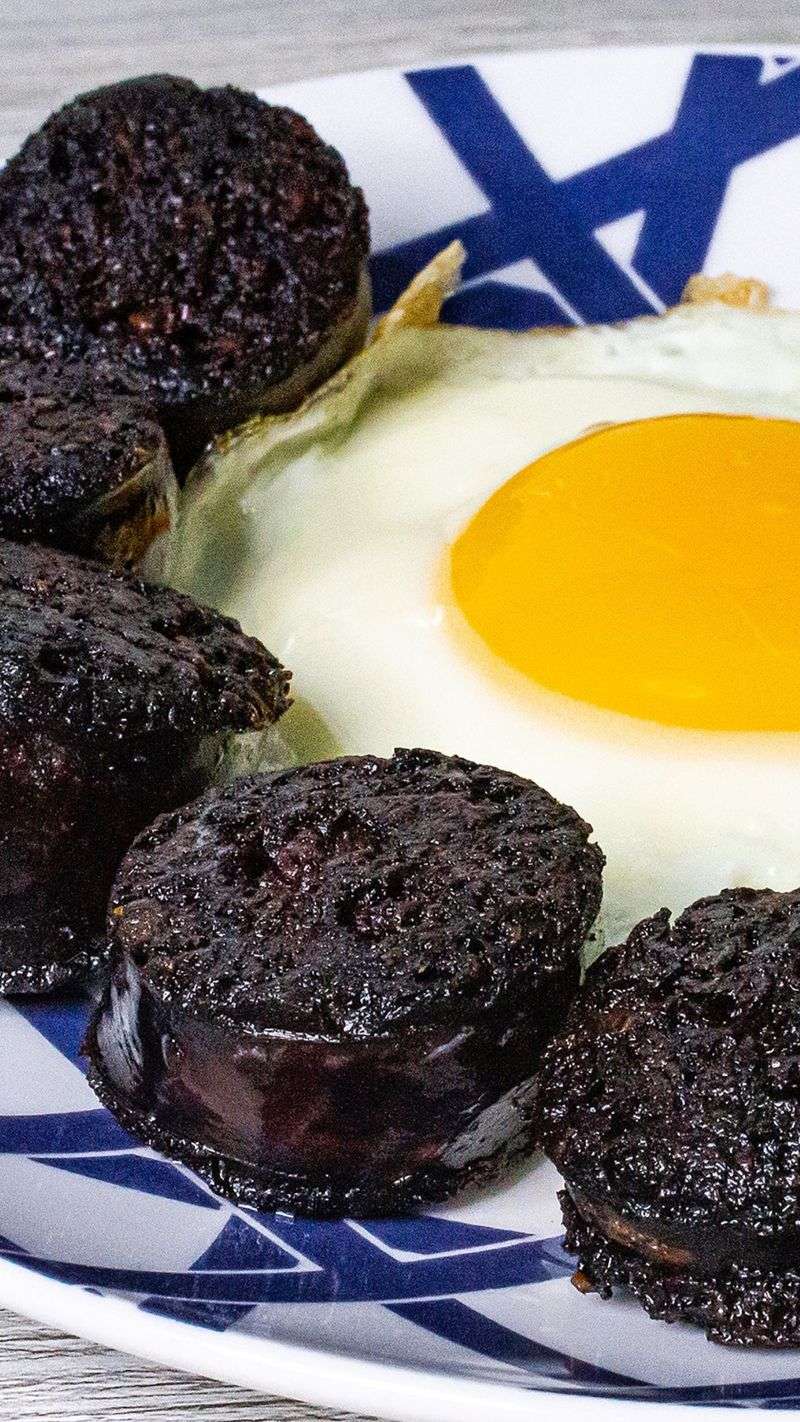
Eggy bread — what Americans call French toast — gets a very British upgrade when served alongside slices of black pudding. The soft, custardy bread contrasts wonderfully with the dense, spiced blood sausage.
It is comfort food with a dark, earthy edge that feels perfectly suited to cold northern mornings.
Black pudding is made from pork blood, oats, and spices — a tradition stretching back centuries. Bury in Lancashire is especially famous for producing some of the finest versions in the country.
7. Potted Shrimps on Crumpets
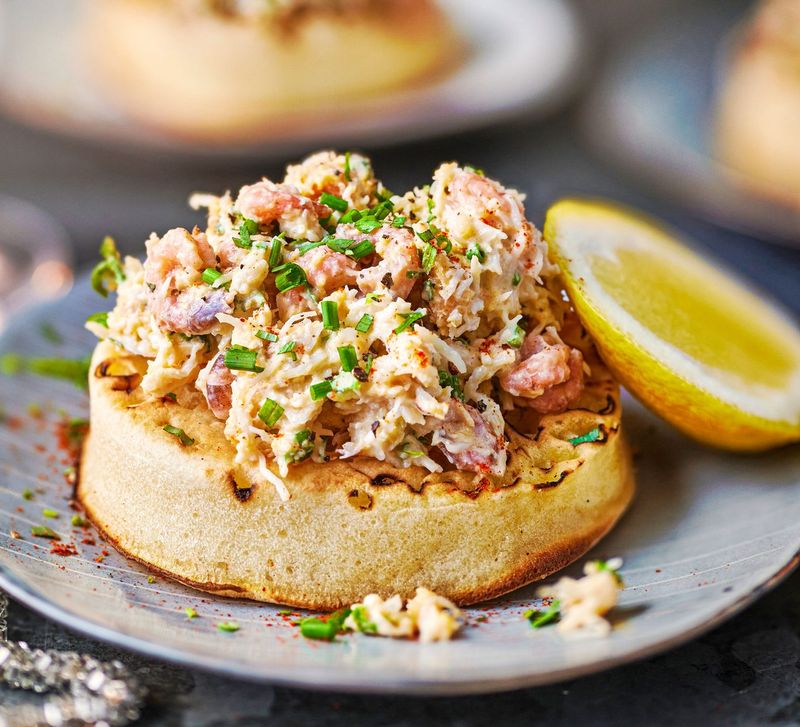
Morecambe Bay in Lancashire is the spiritual home of potted shrimps — tiny brown shrimps preserved in spiced, clarified butter seasoned with mace and cayenne. Spread warm over a toasted crumpet, the butter melts into every little hole, creating something almost impossibly delicious.
This dish dates back to the 18th century when local fishermen needed to preserve their catch quickly. Eating it for breakfast feels like a small act of edible history right at your kitchen table.
8. Oatcakes with Melted Cheese and Tomato
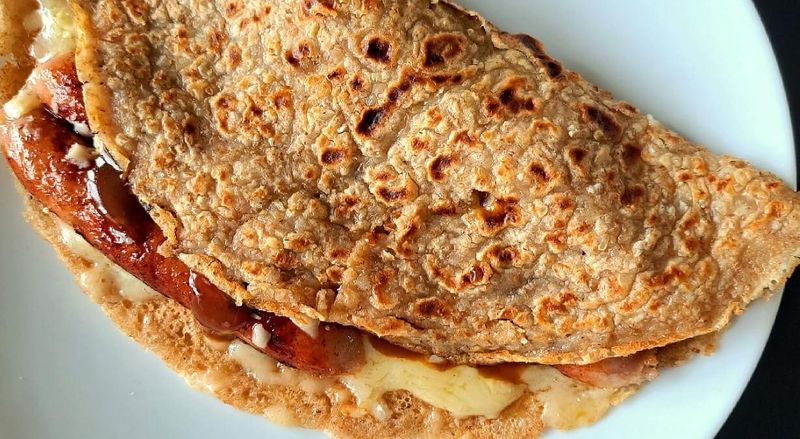
Staffordshire oatcakes are nothing like the dry crackers sold in supermarkets. These are soft, thick, pancake-like rounds made from oatmeal, flour, and yeast, cooked on a griddle and folded around melted cheese and sliced tomatoes.
The result is gooey, warming, and totally addictive.
They are so beloved locally that dedicated oatcake shops once lined the streets of Stoke-on-Trent. Visitors to the Potteries region often say trying one for the first time feels like discovering a secret the rest of Britain has been keeping.
9. Kedgeree
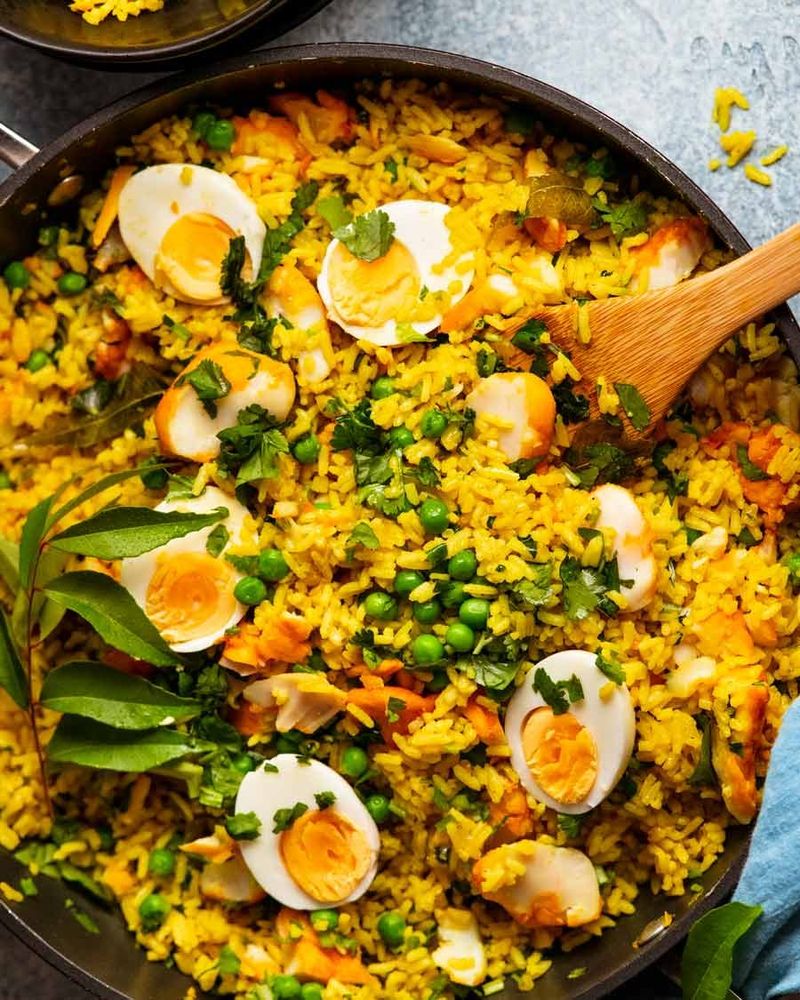
Kedgeree is one of Britain's most fascinating breakfast dishes, born from the days of the British Raj in India. Smoked haddock, rice, boiled eggs, butter, and curry spices come together in a dish that is warming, slightly smoky, and gently spiced.
It became fashionable at Victorian country house breakfasts and never quite left.
Making it at home is surprisingly straightforward. The key is using good quality smoked haddock and not overcooking the eggs — soft, jammy yolks are essential.
10. Herring Roe on Toast
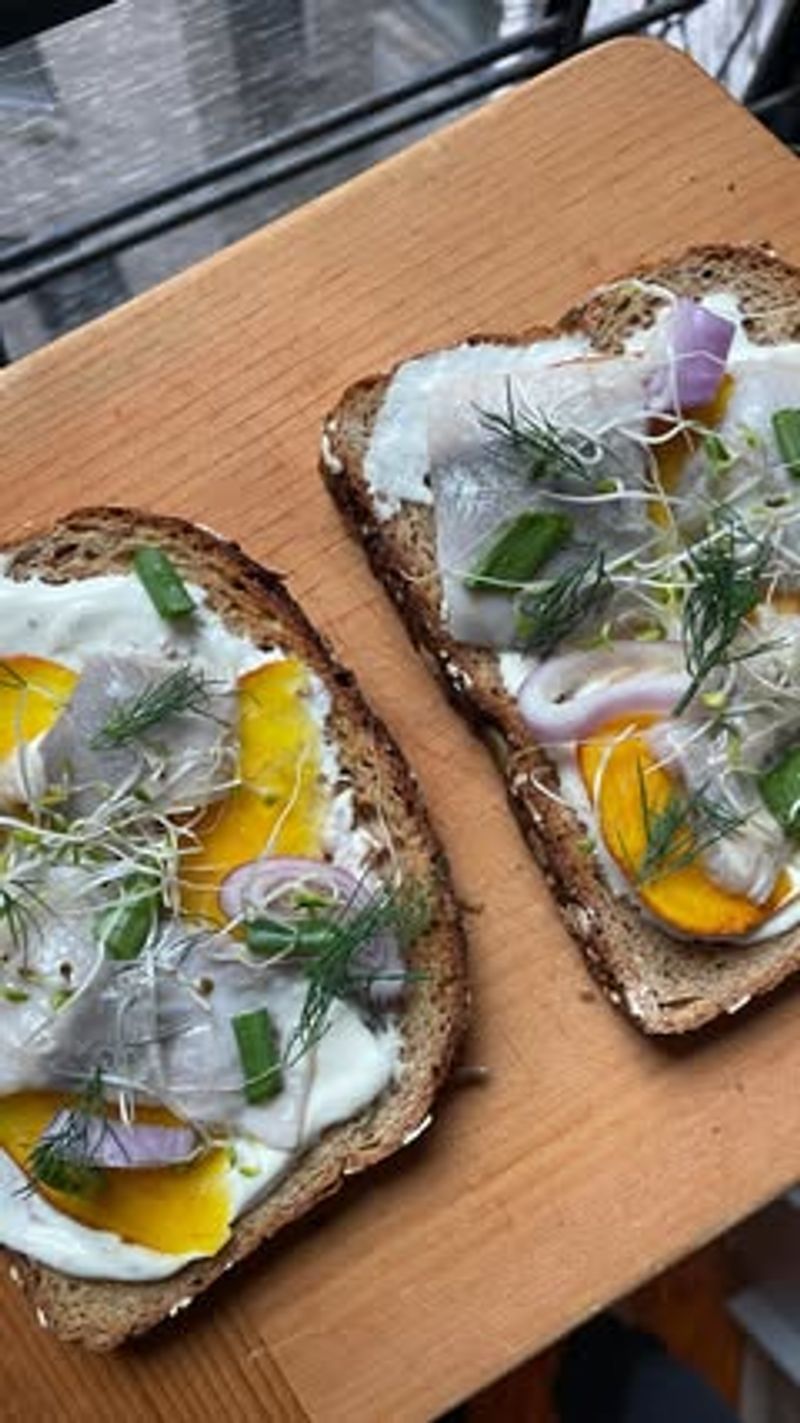
Soft herring roe has a creamy, delicate texture that practically melts on your tongue. Pan-fried quickly in brown butter with a squeeze of lemon and a pinch of pepper, it is a breakfast that feels quietly luxurious for very little cost.
Norfolk and Suffolk fishermen have eaten it for generations.
Most people walk straight past it at the fishmonger, which is genuinely their loss. It cooks in under five minutes and delivers a flavour that punches well above its humble price tag.
11. Fried Bread with Dripping
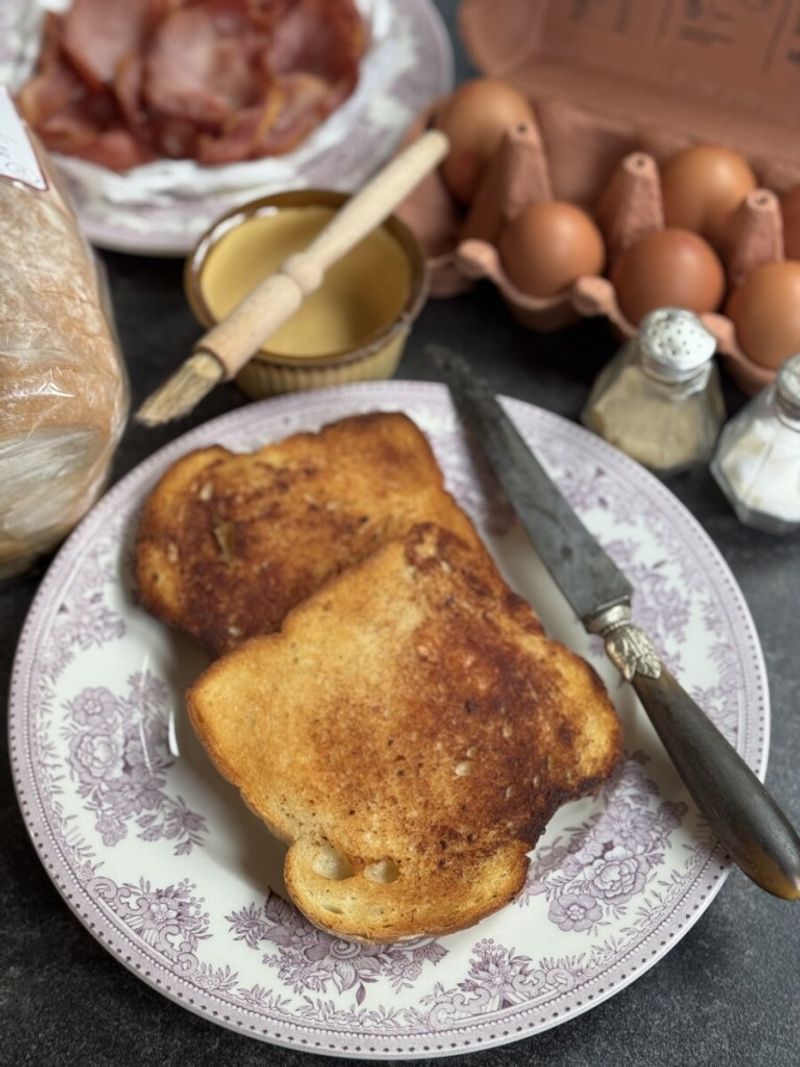
Before butter became affordable for everyone, working-class British families fried their bread in beef dripping — the fat saved from roasting joints. The result is shatteringly crispy on the outside and soft within, with a deep, beefy richness that no vegetable oil can replicate.
Frowned upon by nutritionists and adored by everyone who has actually tried it, fried bread with dripping is a taste of pre-war Britain. Sprinkle it with a little salt and eat it while it is still sizzling hot.
12. Singing Hinnies
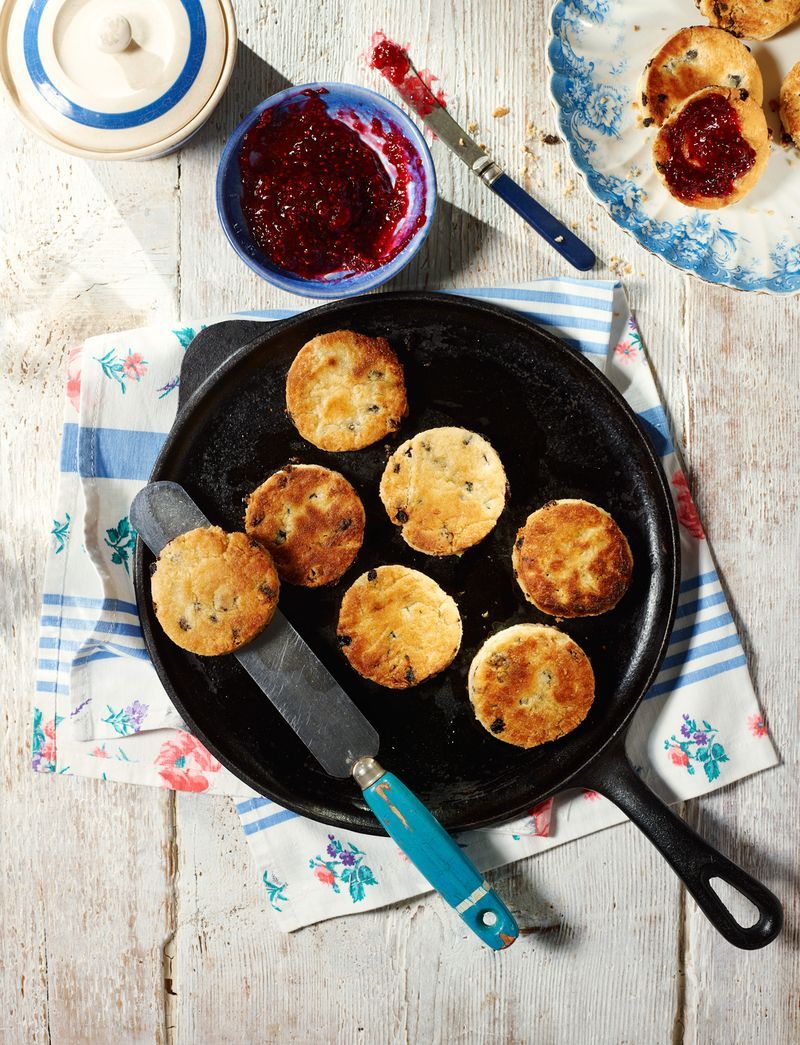
Named for the sizzling sound they make on the griddle, singing hinnies are a Northumbrian griddle cake made from flour, lard, currants, and cream. They are cooked on a dry pan until golden, then split open and buttered while still warm.
The currants go jammy inside and the outside crisps up beautifully.
"Hinny" is a Geordie term of affection, and these little cakes absolutely deserve it. They are old-fashioned in the best possible way, tasting like something a grandmother would make on a cold morning.
13. Crowdie and Oatcakes
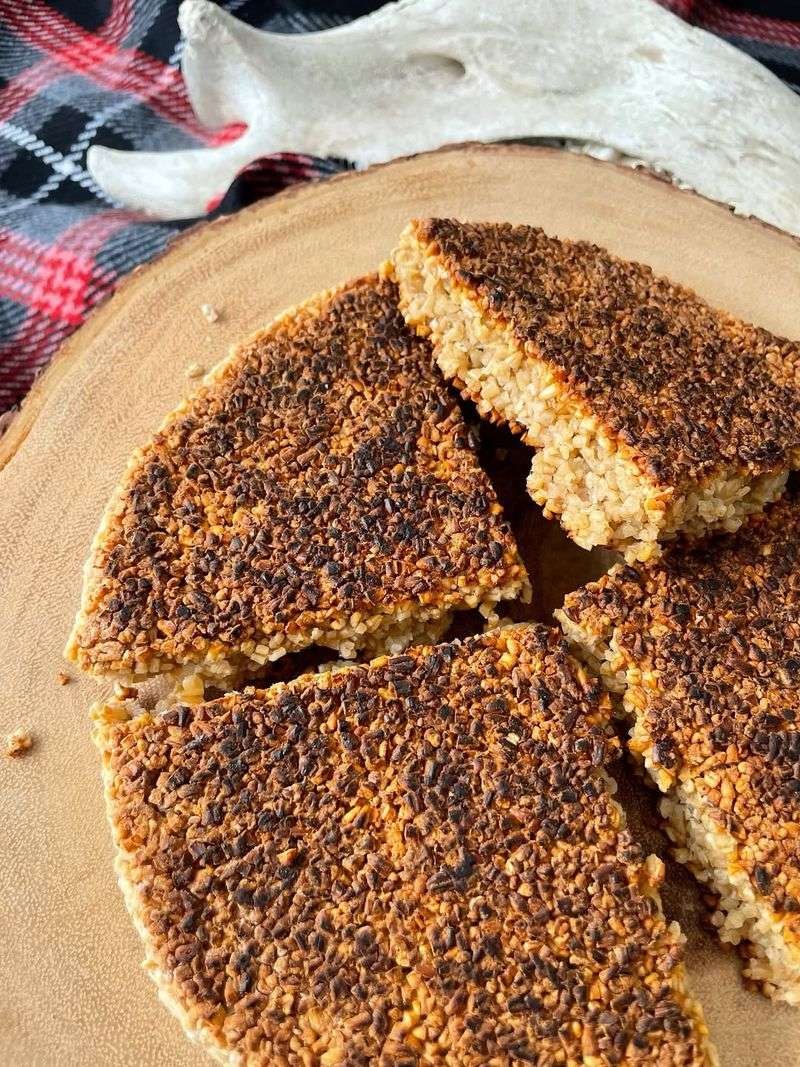
Crowdie is a fresh, crumbly Scottish cheese with a slightly sour, tangy flavour that has been made in the Highlands for over a thousand years. Vikings are said to have brought the method to Scotland.
Spread on crisp oatcakes with a drizzle of heather honey, it makes a breakfast that feels ancient and alive at the same time.
Protein-rich and genuinely satisfying, crowdie gives you slow-release energy perfect for a morning of walking the glens or herding sheep in the cold.
14. Samphire Omelette
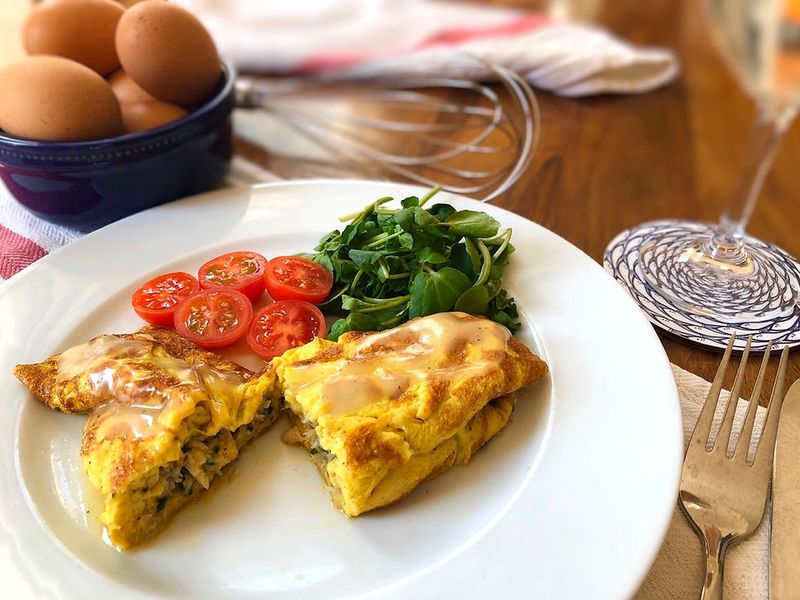
Marsh samphire — sometimes called sea asparagus — grows along the muddy creeks and salt marshes of Norfolk, Suffolk, and Kent. Its salty, crunchy stems fold beautifully into a soft omelette, adding a burst of coastal flavour that no supermarket seasoning can fake.
It is seasonal, foraged, and completely brilliant.
Samphire season runs through summer, so coastal families make the most of it while it lasts. A squeeze of lemon over the finished omelette brings the whole thing together with a bright, fresh finish.
15. Elvers on Toast
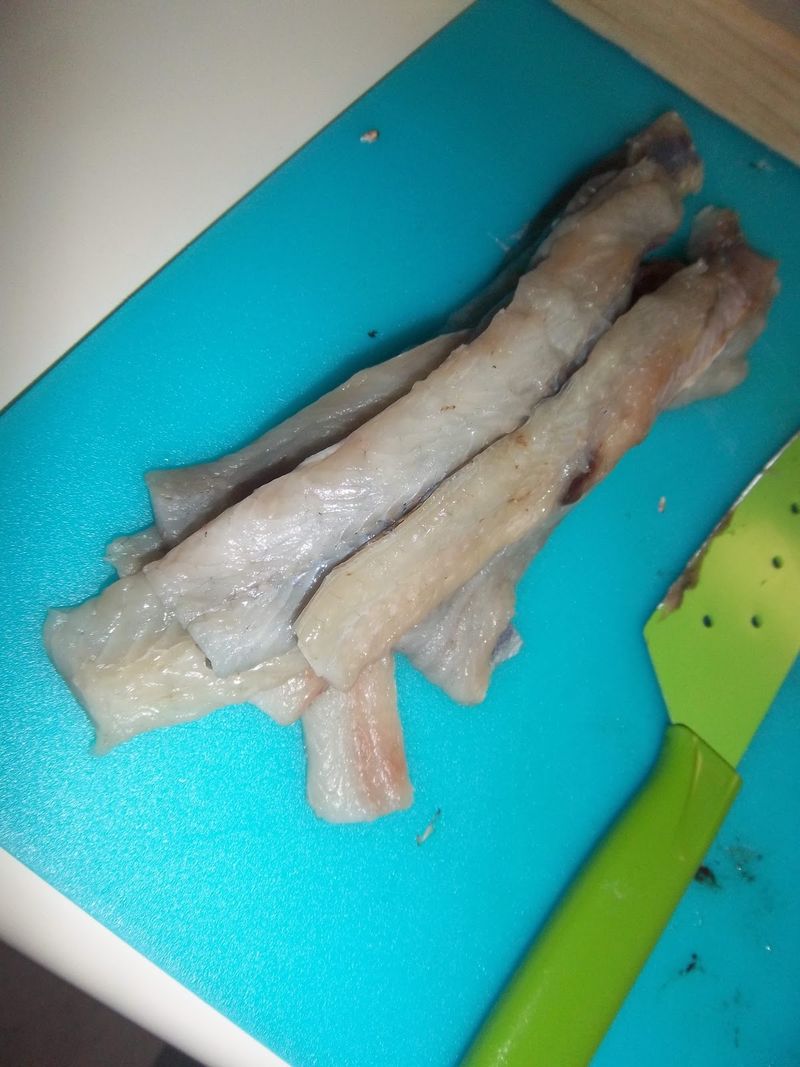
Elvers are baby eels, no longer than a finger, caught in the River Severn during spring runs. For centuries, West Country families fried them in butter and served them on toast as a seasonal breakfast treat.
They taste mild and slightly fishy, with a slippery, soft texture that is unlike anything else.
Elver fishing is now strictly regulated due to declining eel populations, making this breakfast a rare and increasingly precious piece of Somerset food heritage worth knowing about.
16. Yorkshire Fat Rascals
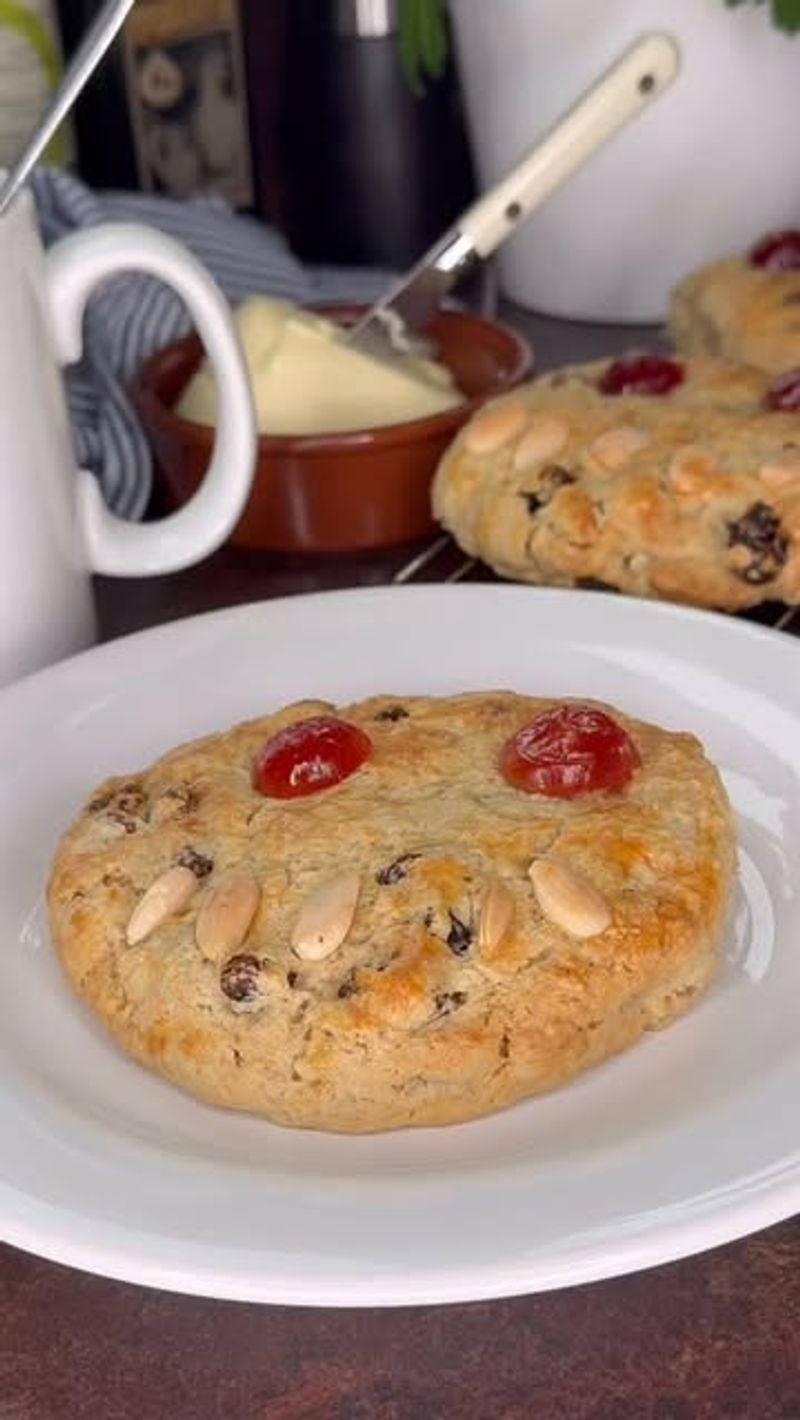
Fat rascals are oversized, fruit-stuffed scone-like cakes from Yorkshire, traditionally decorated with glace cherries and blanched almonds pressed into the top before baking. They are richer and crumblier than a standard scone, with a buttery sweetness that makes them feel like a treat even at breakfast time.
Betty's Tea Rooms in Harrogate made them famous, but home bakers across Yorkshire have their own closely guarded recipes. Eat one warm with cold butter for the full experience — no jam required.
17. Cockles with Vinegar and Brown Bread
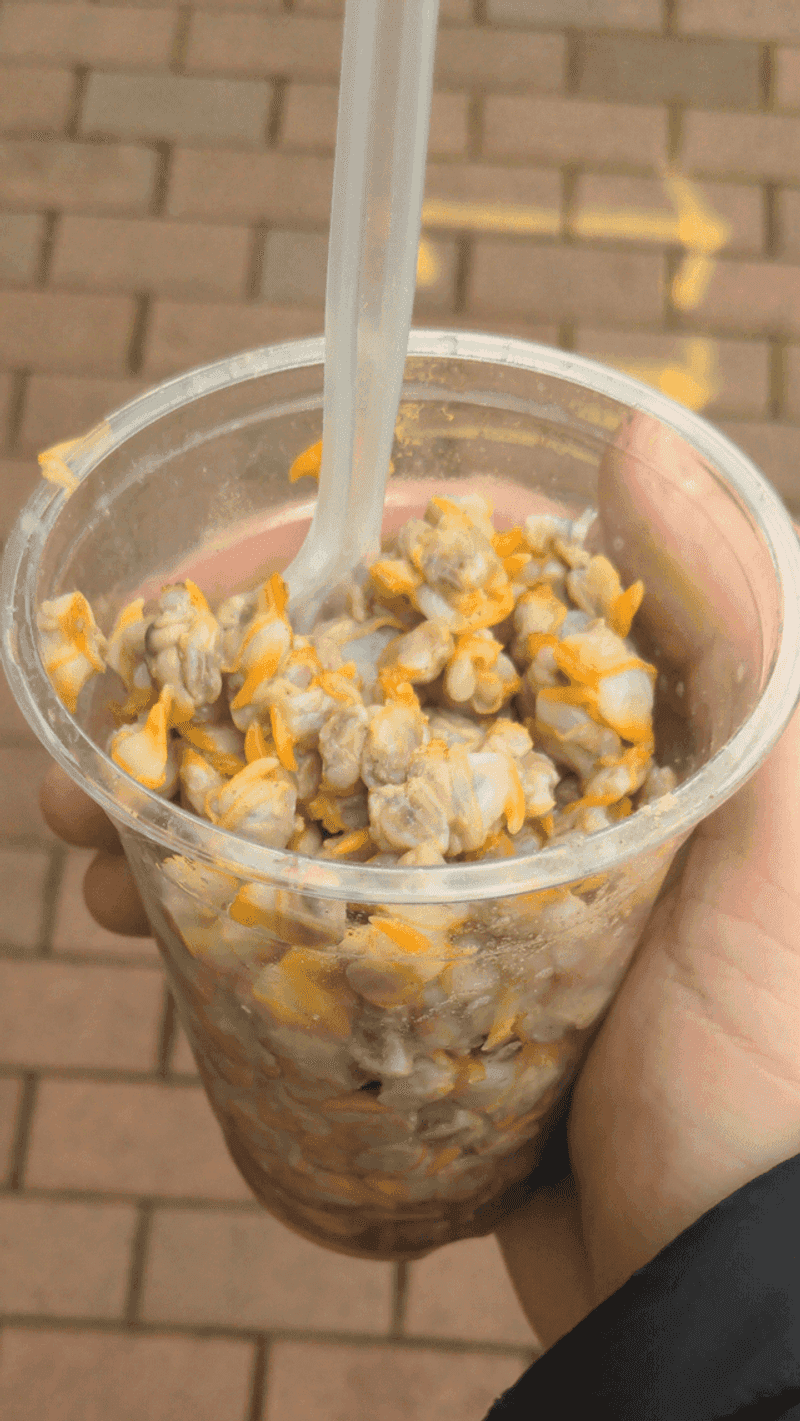
Southend-on-Sea, Whitstable, and Leigh-on-Sea have sold cockles from seafront stalls for over a hundred years. Eaten cold with a splash of malt vinegar and thick slices of buttered brown bread, they make a briny, tangy breakfast that tastes exactly like the British seaside smells on a Sunday morning.
Cockles are low in fat and high in protein, making them nutritionally impressive despite their modest reputation. There is something wonderfully unpretentious about eating them straight from a paper cup while watching the tide come in.
18. Fried Oatmeal Slices
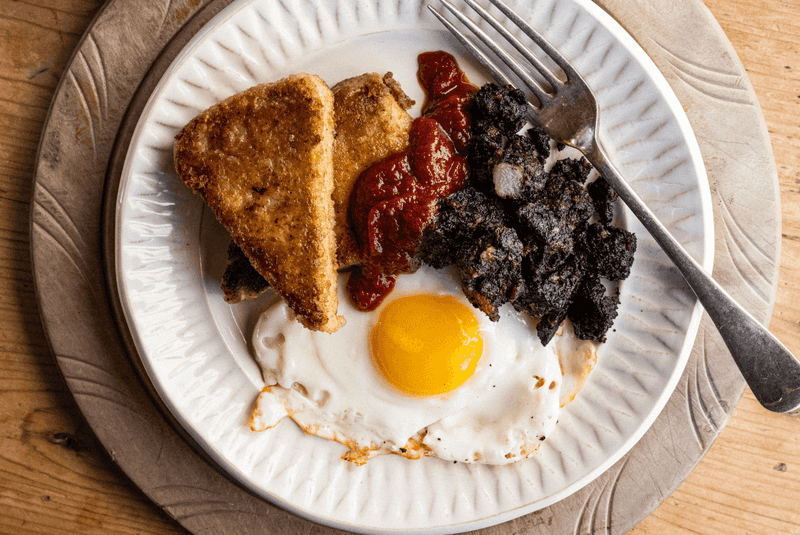
In parts of Scotland and northern England, leftover porridge was poured into a loaf tin, left to set overnight, then sliced and fried in butter the next morning. The outside goes crispy and golden while the inside stays creamy and soft.
Drizzled with golden syrup or treacle, it is deeply satisfying.
This zero-waste breakfast trick stretches a single pot of porridge into two meals. It is thrifty, clever cooking that turns something ordinary into something genuinely worth looking forward to the night before.
19. Skirlie with Bacon
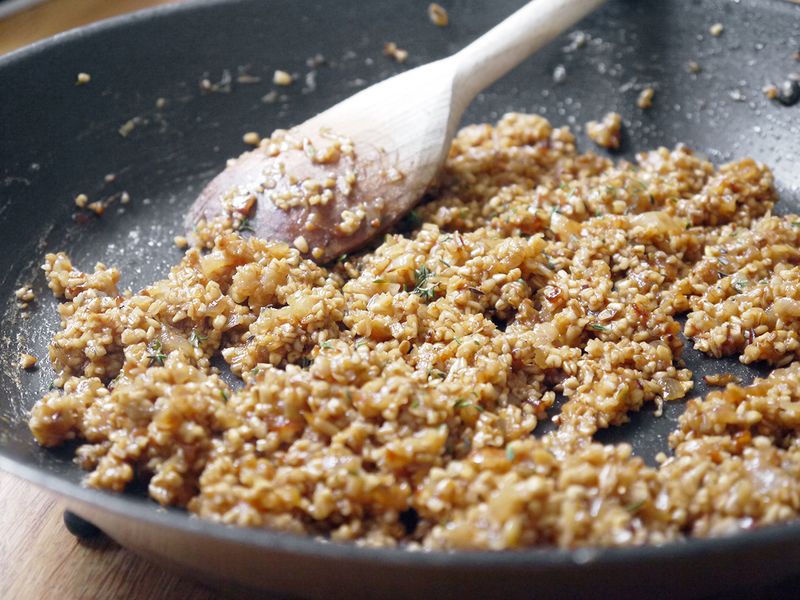
Skirlie is a simple, ancient Scottish dish made by frying oatmeal with onions and butter until golden and nutty-smelling. The name comes from the skirling noise it makes in the pan.
Served alongside crispy bacon rashers, it adds a toasty, savoury crunch to the plate that feels completely unique.
Traditionally used as a stuffing for chicken or game, skirlie works brilliantly as a breakfast side. Aberdeenshire farmers have relied on it for generations because it is filling, cheap, and takes only ten minutes to make.
20. Dock Pudding with Eggs
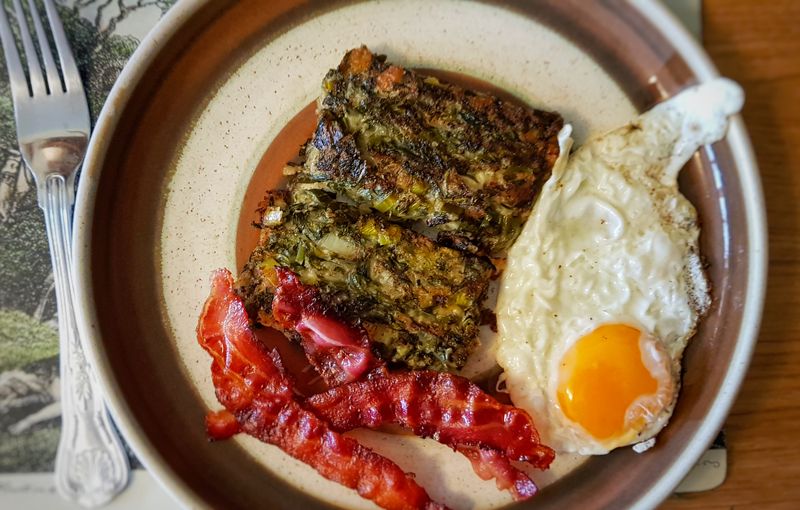
Dock pudding sounds alarming, but it is actually a traditional Lake District dish made from bistort leaves, oatmeal, nettles, and barley — all cooked down into a dense, dark green cake that is then sliced and fried. It has a deep, earthy flavour somewhere between spinach and wild herbs.
Westmorland farmers have eaten it at breakfast for centuries, and there is even an annual dock pudding championship held in Cumbria. Served with fried eggs, it is one of Britain's most genuinely unusual countryside breakfasts.
21. Bloater Paste on Toast
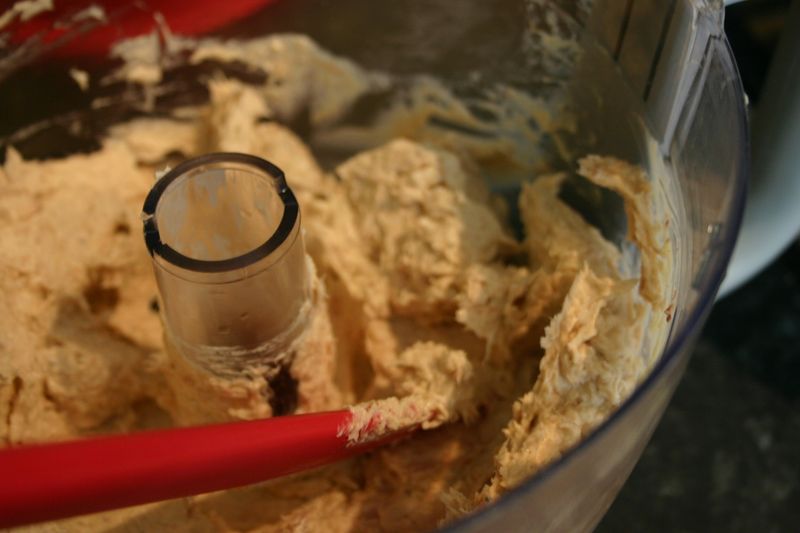
A bloater is a whole smoked herring, cured with its guts intact, giving it a stronger, more intense flavour than a standard kipper. Ground into a smooth paste with butter and spices, it becomes a spread that is bold, fishy, and completely addictive on hot buttered toast.
Great Yarmouth in Norfolk was once the bloater capital of Britain, producing millions annually for Victorian breakfast tables. The paste is making a quiet return among food enthusiasts who appreciate deeply savoury, old-fashioned British flavours worth rediscovering.
22. Pease Pudding with Sausage
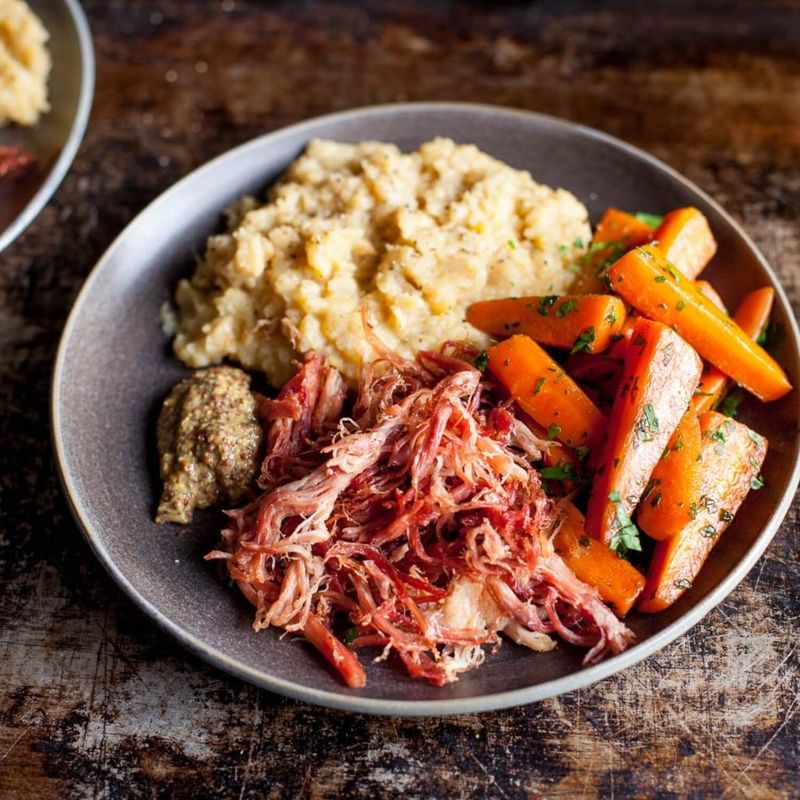
Pease pudding — a thick, golden puree made from split yellow peas boiled with ham — has been eaten in northeast England since medieval times. The old rhyme "pease pudding hot, pease pudding cold" was not a nursery fantasy; it described how families ate it over several days.
Warm with grilled sausages, it makes a protein-packed, earthy breakfast.
Tyneside and Northumberland still have genuine pease pudding culture, with local butchers selling it fresh by the scoop. It is filling, cheap, and quietly wonderful.

Comments
No Comments