











Long before food bloggers and trendy restaurants started claiming credit, our grandparents were already living their best culinary lives. Many of today's hottest food trends are really just old favorites making a comeback.
From fermented foods to farm-to-table cooking, grandma and grandpa had it figured out decades ago. Get ready to feel a little humbled by just how ahead of their time the older generation truly was.
1. Bone Broth
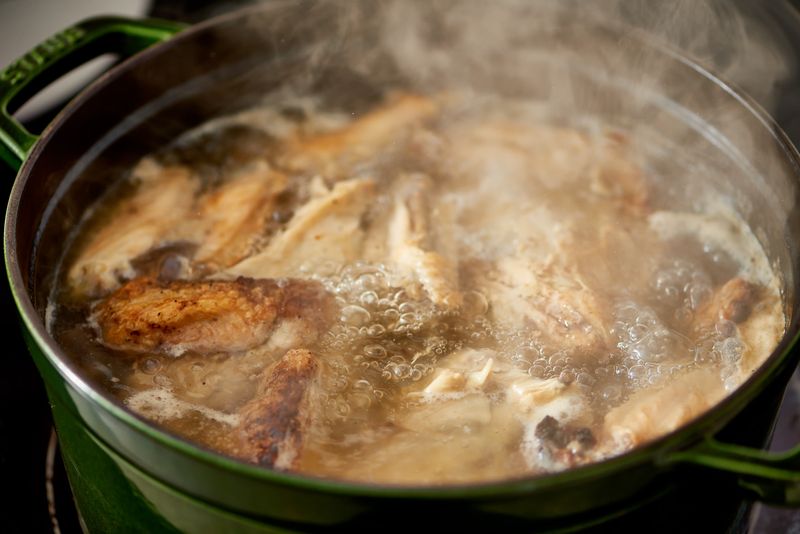
Long before wellness influencers started selling it in paper cups for ten dollars a pop, grandmothers everywhere were simmering bones for hours to make rich, nourishing broth. Nothing from the animal went to waste in their kitchens.
That slow-cooked liquid was the base for soups, gravies, and sauces all week long.
Today, bone broth is sold as a superfood packed with collagen and gut-healing properties. Grandma just called it good cooking.
2. Fermented Foods
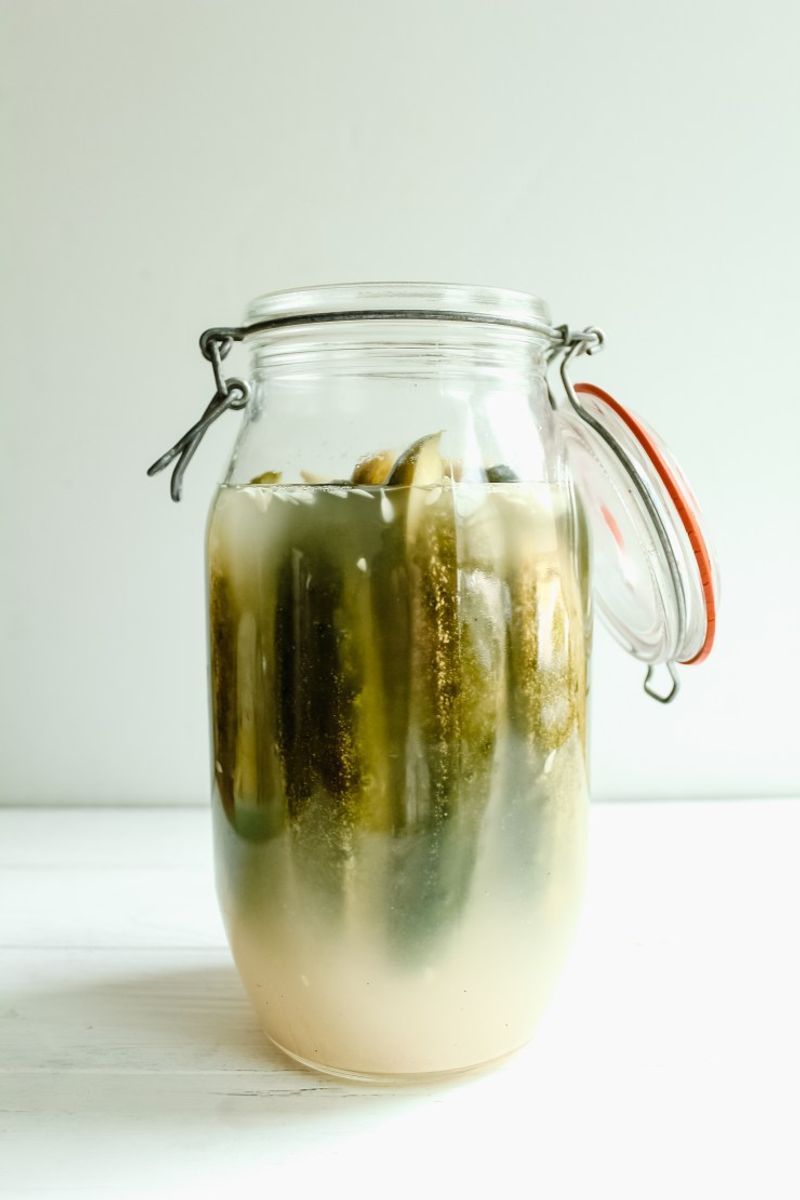
Sauerkraut, pickles, and yogurt were staples in most grandparents' homes long before anyone used the word "probiotic" at the dinner table. Fermentation was simply how food was preserved through the winter months.
Every family seemed to have their own special recipe passed down through generations.
Now fermented foods fill entire grocery store aisles, praised for supporting gut health and immunity. Grandpa was way ahead of the wellness curve without even trying.
3. Sourdough Bread
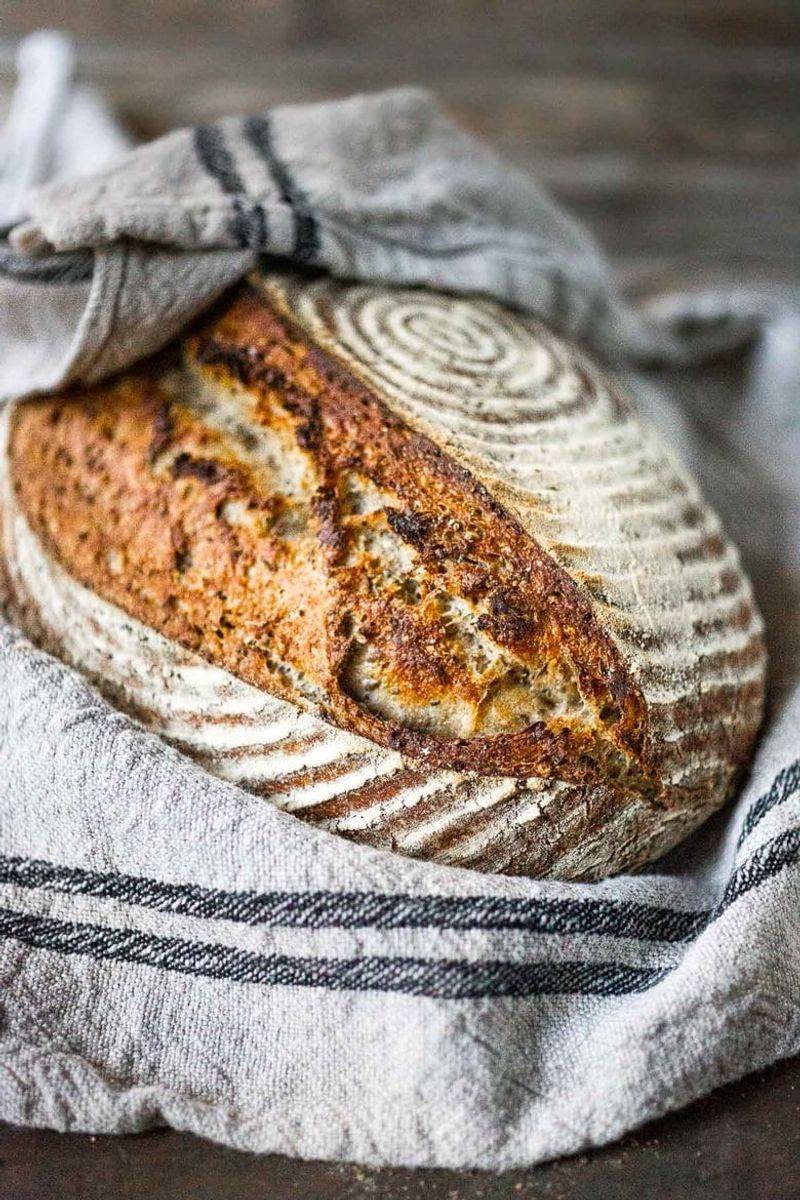
During the 2020 pandemic, sourdough bread became the hobby everyone suddenly discovered. But generations before that, grandmothers kept sourdough starters alive on their countertops for years, sometimes decades.
The tangy, chewy loaves they produced were simply called homemade bread.
Wild yeast fermentation creates complex flavors that store-bought bread simply cannot replicate. Some families still use starters that are over a hundred years old, passed down like a treasured family heirloom.
4. Farm-to-Table Eating
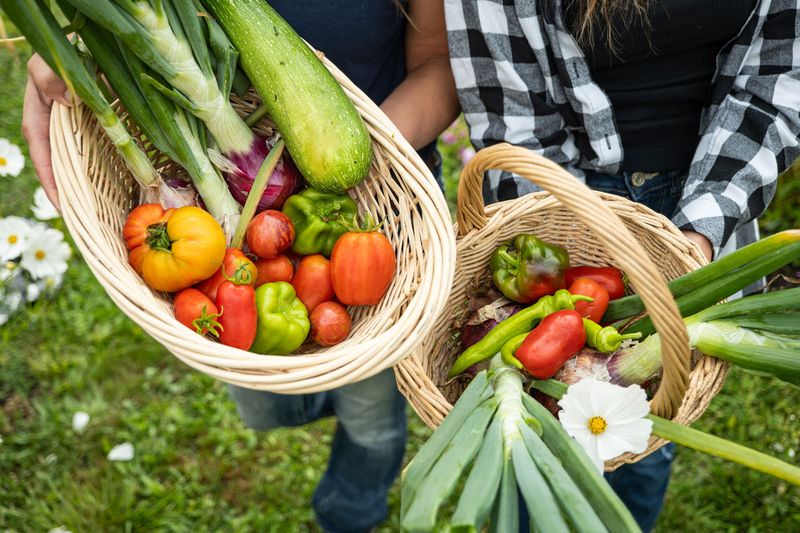
Fancy restaurants now charge premium prices for meals made with locally sourced ingredients. For most grandparents, eating farm-to-table was not a philosophy or a marketing strategy.
It was just Tuesday. Many families kept backyard gardens and bought produce directly from nearby farms.
Seasonal eating was not a trendy choice but a practical reality. Whatever was ripe in the garden ended up on the dinner plate that same evening, fresh and full of flavor.
5. Organ Meats and Offal
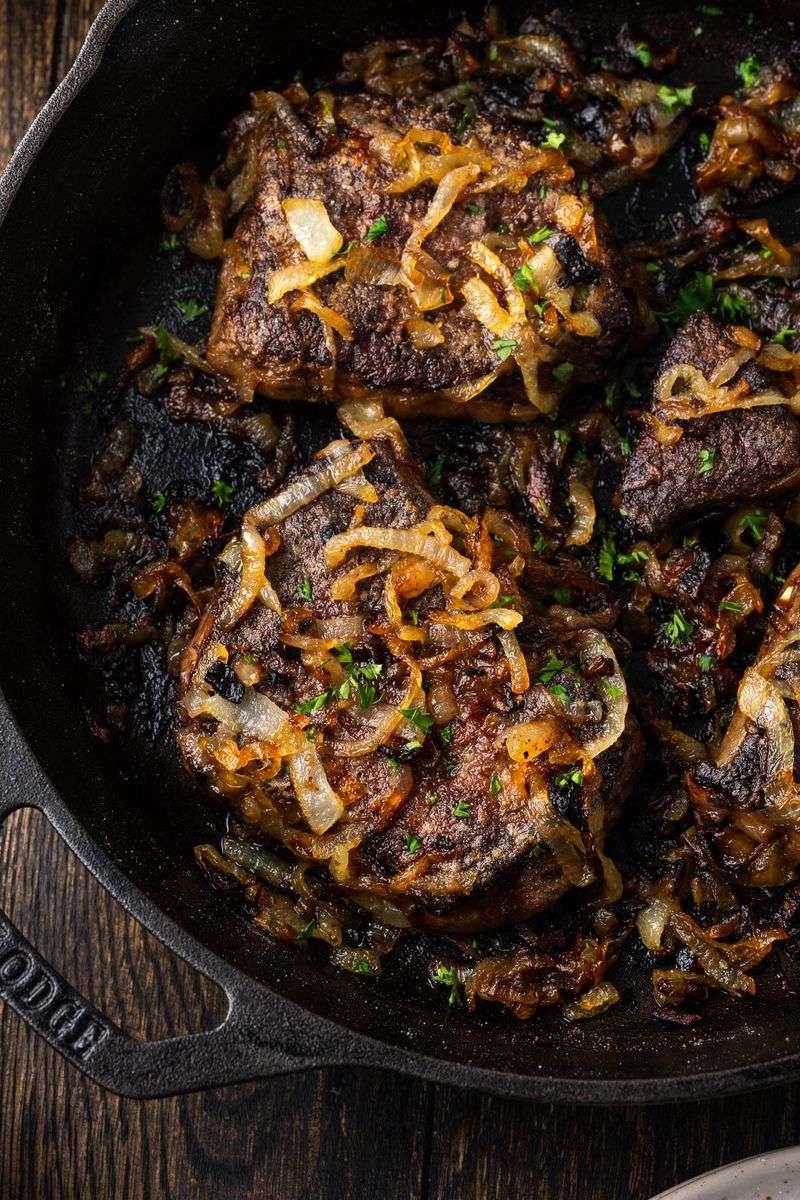
Liver and onions, kidney pie, and heart stew were completely normal weeknight dinners a few generations ago. Wasting any part of the animal was considered disrespectful and financially irresponsible.
Grandparents cooked organ meats because they were affordable, filling, and genuinely delicious when prepared well.
Today, nose-to-tail cooking is celebrated in upscale restaurants as bold and adventurous. Grandma would probably just shake her head and remind you she was doing it all along.
6. Lard and Rendered Animal Fat
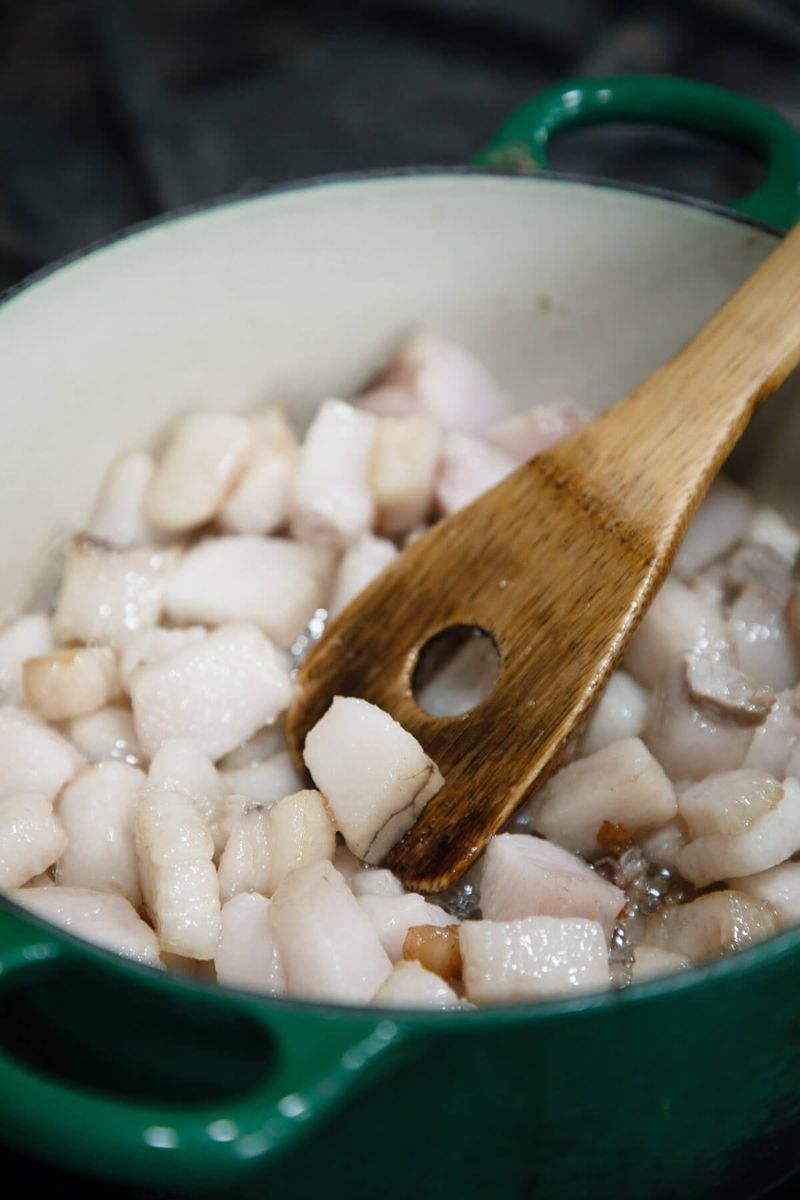
Before vegetable oils dominated the grocery store shelves, lard was the fat of choice in most kitchens. Pie crusts made with lard are famously flakier than those made with butter or shortening.
Grandparents rendered their own fat from pork, using every bit of the animal they could.
Health-conscious cooks are rediscovering lard as a natural, minimally processed fat. Some bakers swear nothing else comes close when making a truly perfect, melt-in-your-mouth pastry crust.
7. Pickling and Preserving
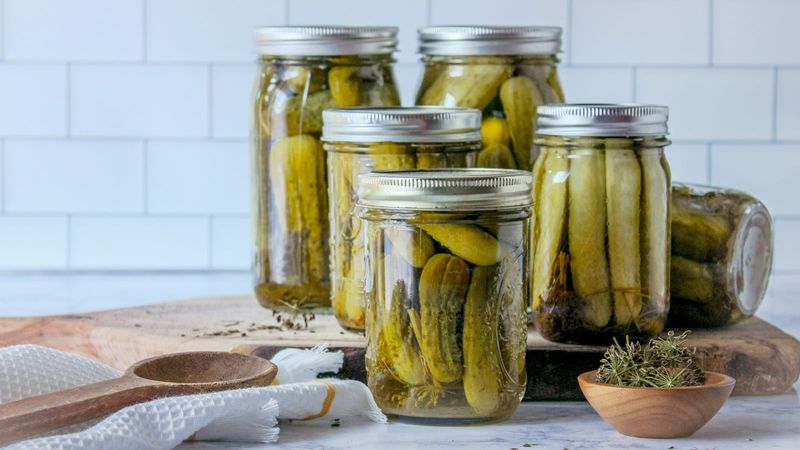
Walk into any old farmhouse pantry and you would find shelves lined with jars of pickled beets, preserved peaches, and canned green beans. Preserving the harvest was a late-summer ritual that meant the family would eat well all winter.
It required skill, patience, and a lot of teamwork.
Now artisan pickling is a full-blown food trend with dedicated cookbooks and YouTube tutorials. But grandma was already an expert long before any of that existed.
8. Herbal Teas and Tonics
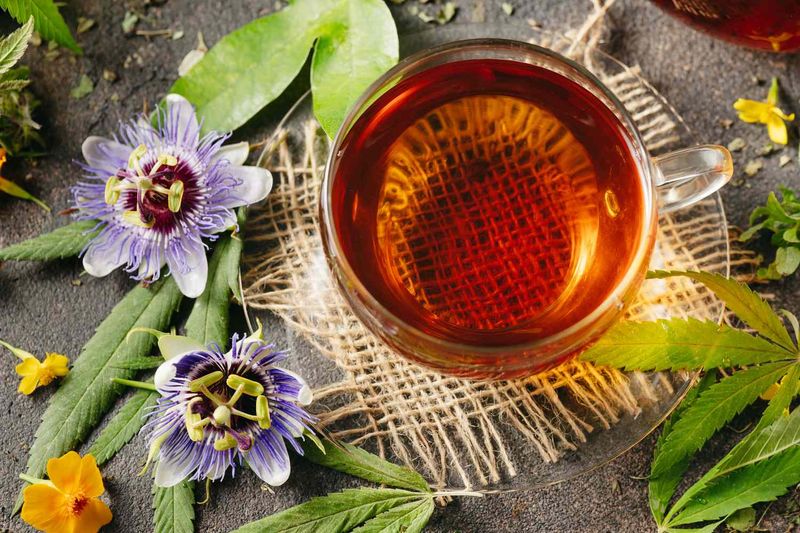
Chamomile for sleep, ginger for an upset stomach, peppermint for digestion. Long before herbal wellness brands turned these remedies into expensive products, grandparents brewed simple teas from plants they grew themselves.
These remedies were passed down through families and trusted for generations.
Today, herbal tonics and adaptogenic drinks fill health food stores everywhere. The ingredients are often the same ones grandma used, just repackaged with a modern logo and a much higher price tag.
9. Whole Grain Cooking
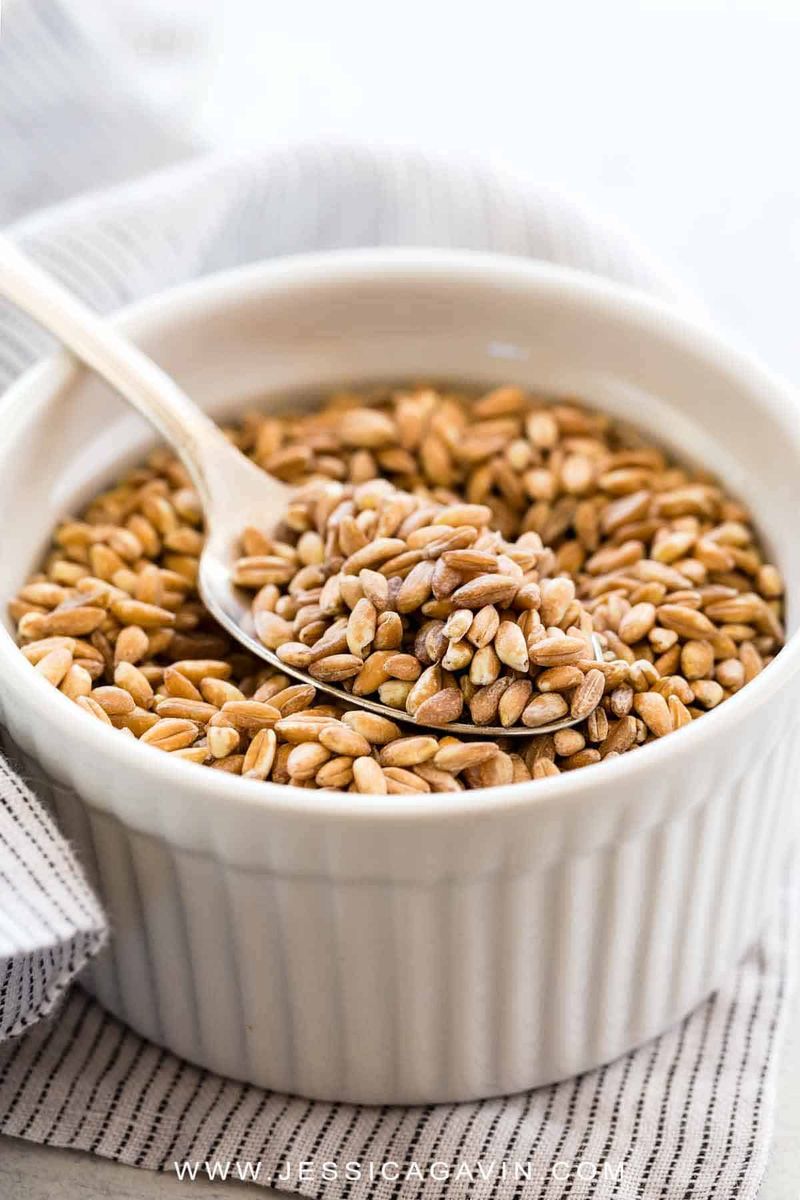
Barley soup, oatmeal porridge, and whole wheat bread were everyday foods in most grandparents' households. Whole grains were not considered a health trend but simply what was available and affordable.
They were filling, versatile, and could stretch a modest budget across an entire week.
Nutritionists now recommend whole grains for their fiber and nutrients. Ancient grains like farro and spelt are being rediscovered by chefs who may not realize grandma was already using them in her kitchen.
10. Nose-to-Tail Cooking

Nothing was thrown away in a grandparent's kitchen. Chicken feet made stock, pork trotters became gelatinous stews, and beef tongue was sliced thin and served cold.
Using the whole animal was a matter of respect and necessity, not a culinary philosophy to brag about.
High-end restaurants now celebrate nose-to-tail menus as innovative and sustainable. It is a beautiful idea, but anyone who grew up eating grandma's cooking already knows this story very well.
11. Kombucha and Fermented Drinks
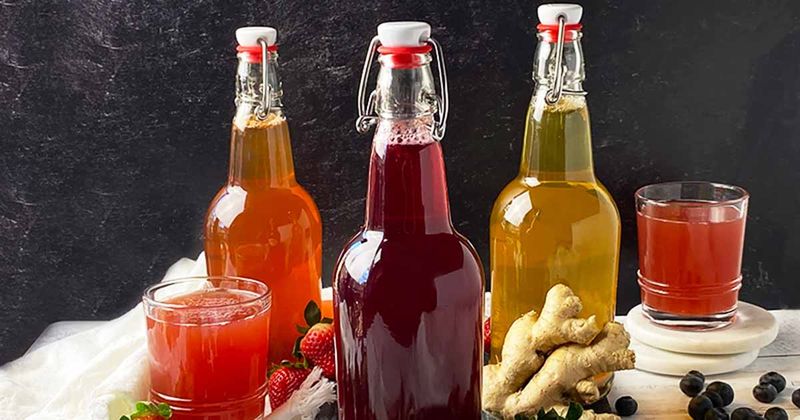
Fermented drinks like kvass, kefir, and water kefir have been consumed in Eastern Europe and Asia for centuries. Many grandparents made their own fizzy probiotic beverages at home, using simple ingredients and a little patience.
These drinks were trusted to support digestion and overall good health.
Kombucha now fills entire refrigerator sections in grocery stores, marketed as a modern health drink. The concept is ancient, and plenty of grandparents were sipping something very similar decades before the trend hit mainstream shelves.
12. Seed Saving and Heirloom Vegetables
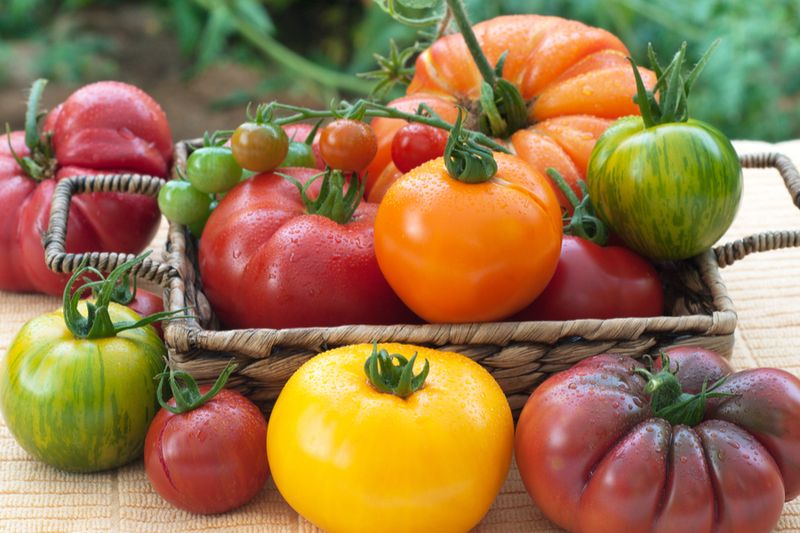
Before hybrid seeds took over agriculture, gardeners saved seeds from their best plants each year to grow again the following season. Heirloom tomatoes, purple carrots, and striped beets were not specialty items.
They were just what grew in the backyard garden every summer.
Today, heirloom vegetables are prized at farmers markets and sold at premium prices. Grandparents were growing these same colorful, flavorful varieties for years simply because they were the seeds their parents had handed down to them.
13. Foraging Wild Foods
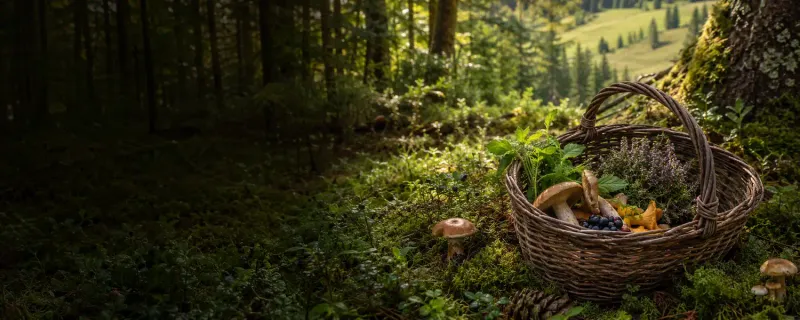
Picking wild mushrooms, gathering berries, and harvesting dandelion greens from open fields was completely normal for many grandparents, especially those who grew up in rural areas. Foraging was a practical skill taught early in childhood, not a weekend adventure for foodies.
Chefs and outdoor enthusiasts now celebrate foraging as a connection to nature and traditional food culture. But for grandma, heading into the woods with a basket was just another Tuesday afternoon errand before dinner.
14. Plant-Based Eating
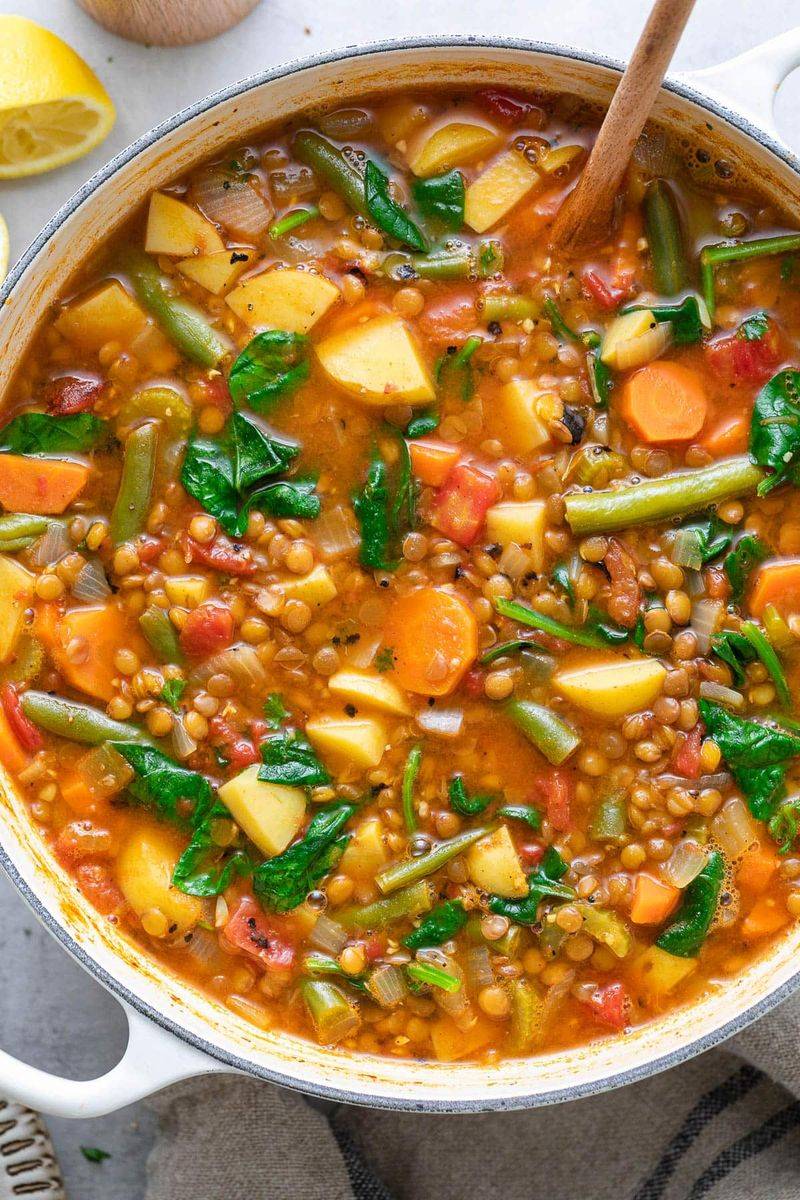
Meatless meals were a regular occurrence in many households decades ago, not because of environmental awareness but because meat was expensive. Bean soups, lentil stews, and vegetable-heavy casseroles kept families full on a tight budget.
Plants were the main event on plenty of weeknights.
Plant-based eating is now one of the biggest food movements globally. Grandparents were already cooking this way out of necessity, and many of their recipes are surprisingly well-suited to today's plant-forward menus.
15. Slow Cooking and Braising
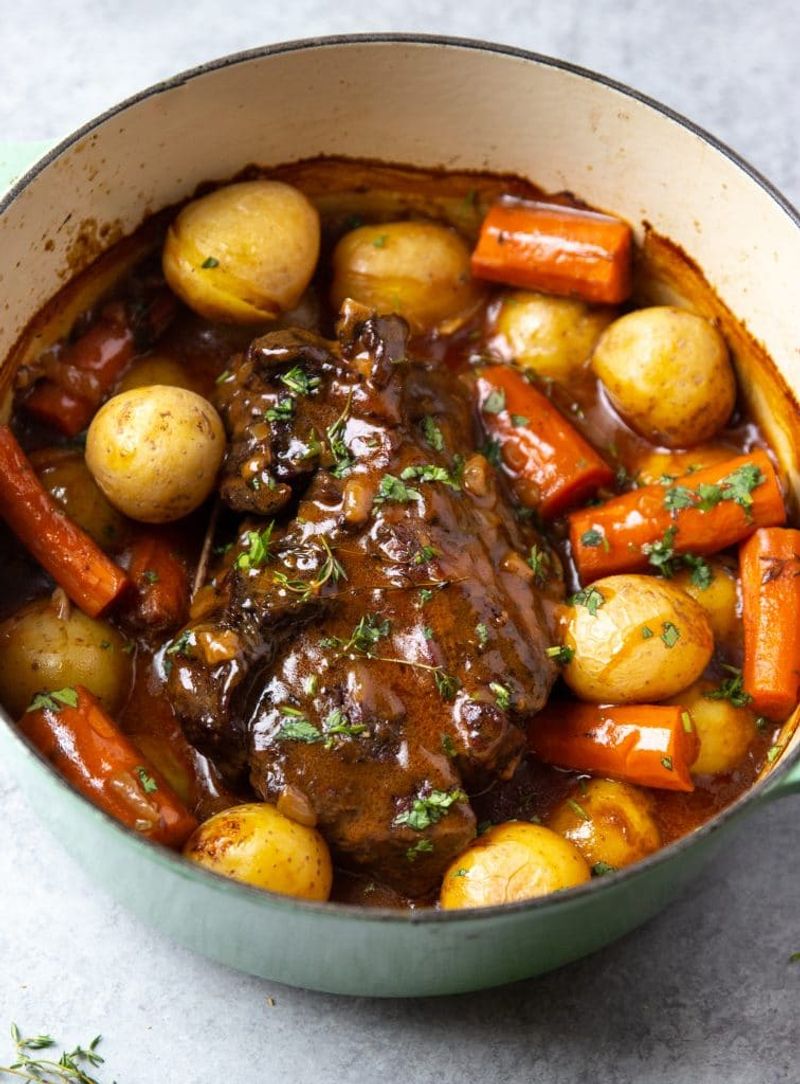
Tough, inexpensive cuts of meat become incredibly tender and flavorful when cooked low and slow for several hours. Grandparents knew this instinctively, relying on braises and stews to stretch their grocery dollars while still feeding the family something deeply satisfying and delicious.
Slow cookers became a modern convenience, and braising is now a celebrated cooking technique in culinary schools. Yet anyone who ever waited all day for grandma's pot roast already understood the magic behind low and slow cooking.
16. Homemade Vinegar
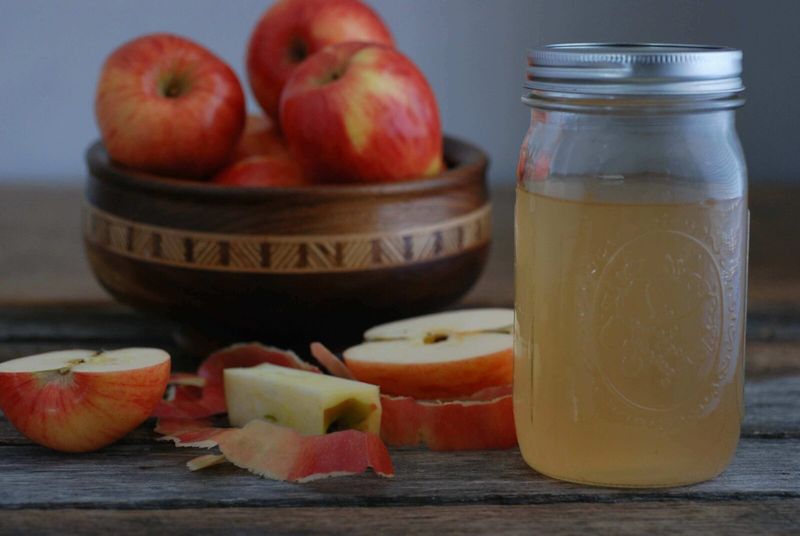
Apple cider vinegar has become a wellness superstar, sold in capsules, gummies, and fancy glass bottles. But grandparents kept a crock of homemade vinegar in the pantry and used it for everything from salad dressings to cleaning countertops.
Making vinegar at home was considered basic kitchen knowledge.
Raw, unfiltered apple cider vinegar is now celebrated for its potential health benefits. Grandma just knew it made her coleslaw taste better and helped with an upset stomach after a heavy meal.
17. Charcuterie and Cured Meats
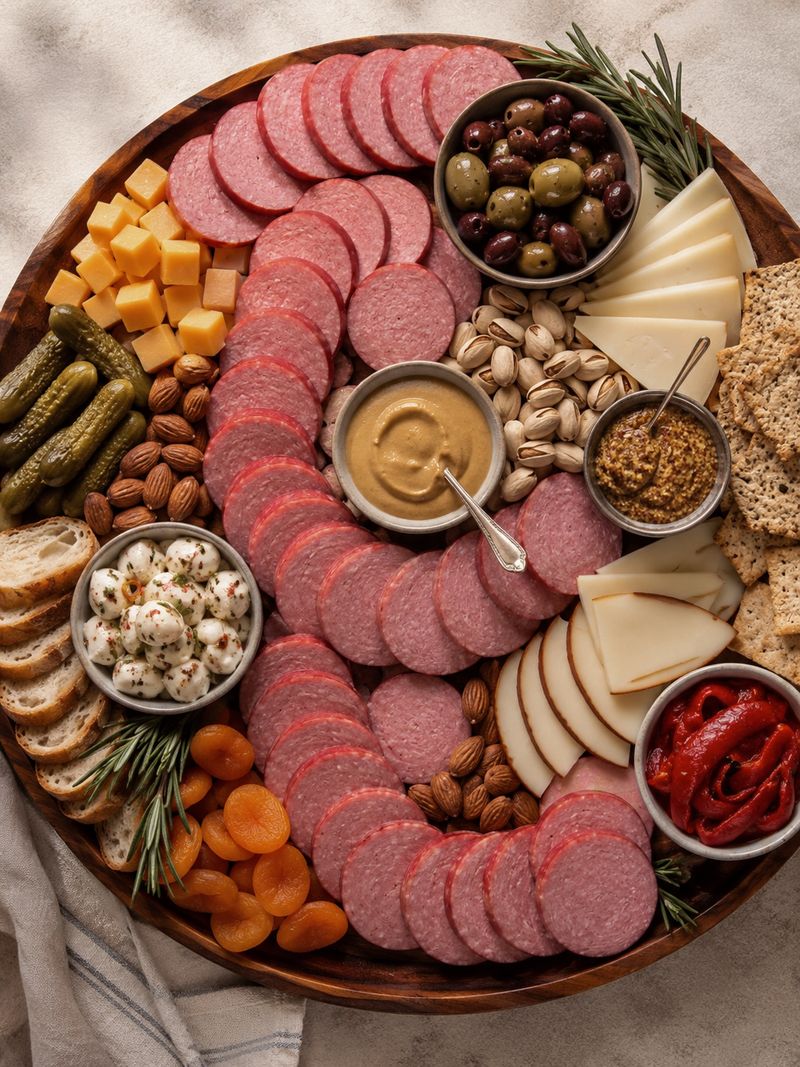
Before charcuterie boards became the centerpiece of every social gathering, curing meats at home was a survival skill. Grandparents smoked hams, cured sausages, and preserved pork belly to last through long winters without refrigeration.
The process took days and required careful attention to detail.
Today, charcuterie is trendy, Instagram-worthy, and served at fancy events. The craftsmanship behind it, though, is centuries old.
Grandpa was assembling his own version of the charcuterie board long before it had a stylish name.
18. Eating Seasonally
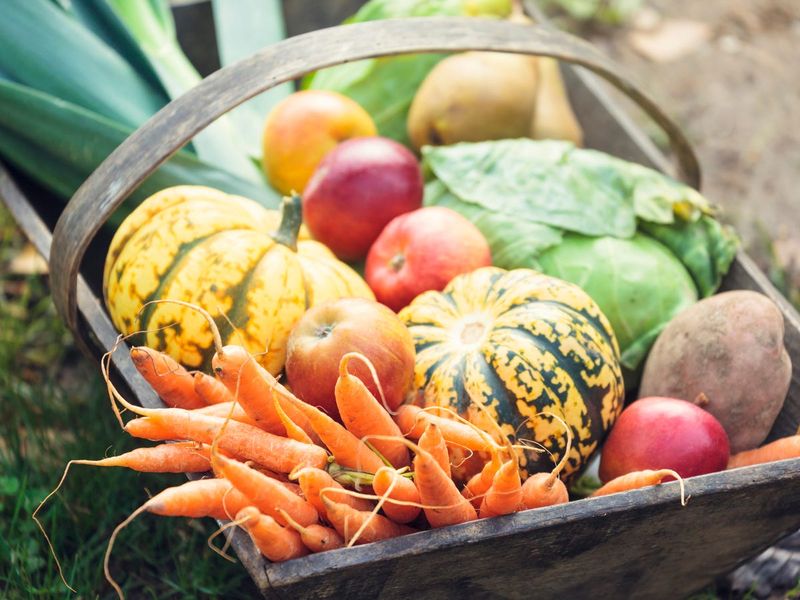
Strawberries in June, squash in October, root vegetables all winter long. Grandparents ate what was in season because that was what was available and affordable.
Grocery stores did not stock every fruit and vegetable year-round the way they do today.
Seasonal eating is now promoted by nutritionists and chefs for its superior flavor and nutritional value. Grandparents followed this principle not out of trendy awareness but simply because the seasons told them what was for dinner each week.
19. Sprouts and Microgreens
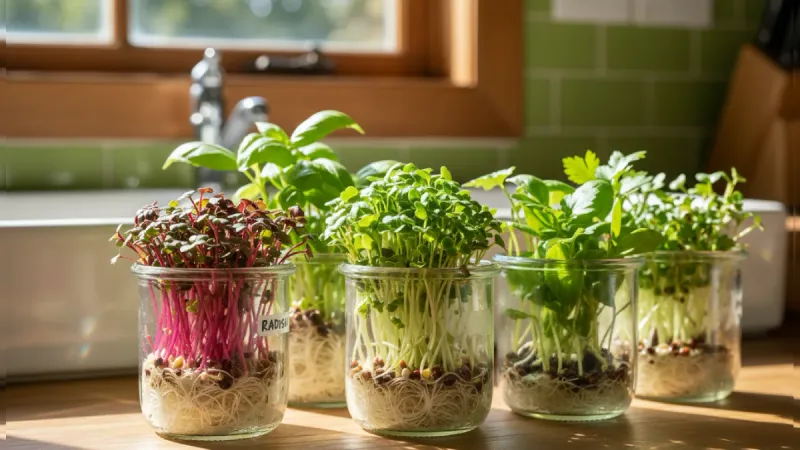
Growing bean sprouts in a jar on the kitchen windowsill was a fairly common practice in many households decades ago. Sprouted grains and seeds were used in salads, sandwiches, and stir-fries for a boost of freshness and nutrition.
It was simple, inexpensive, and required almost no space.
Microgreens are now sold at premium prices in specialty grocery stores and farmers markets. Chefs love them for their intense flavor and visual appeal.
Grandma was already growing something remarkably similar in her kitchen window for free.
20. Drinking Raw Milk
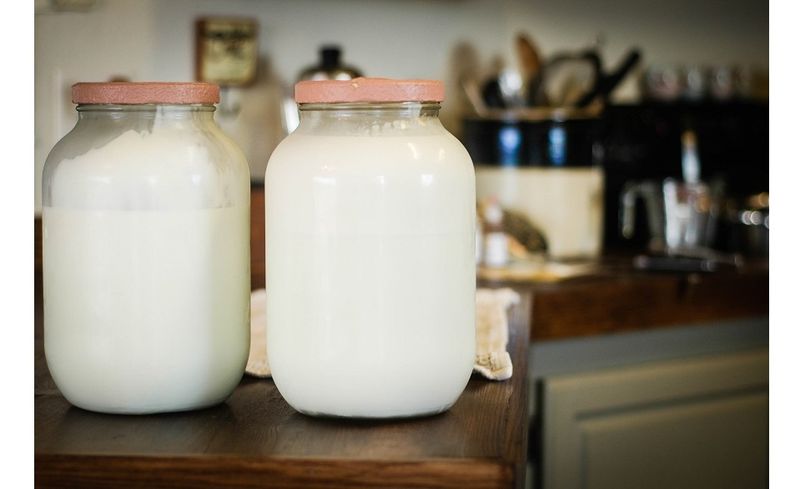
Before pasteurization became universal, raw milk from a trusted local farm was simply what families drank. Grandparents often had a relationship with a nearby dairy farmer and collected fresh milk regularly.
The taste was richer and creamier than anything found in a store carton.
Raw milk has become a controversial and sought-after product in health food circles today. Many enthusiasts seek it out for its natural enzymes and fuller flavor.
Grandpa just called it milk and picked it up on his way home from the fields.
21. Cooking with Leftovers
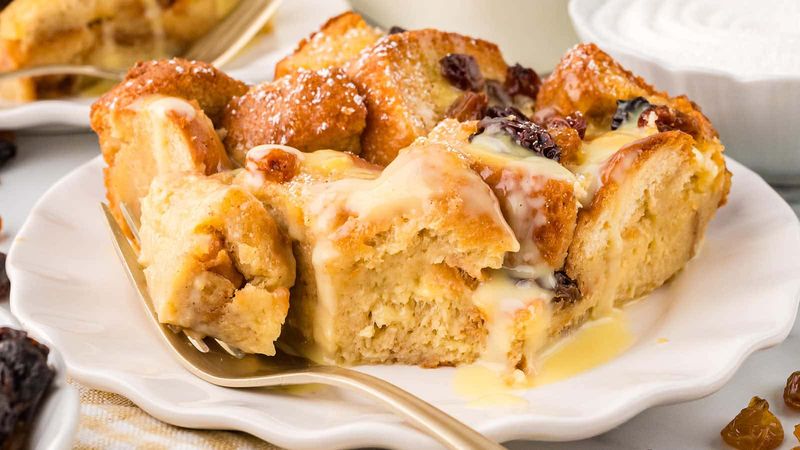
Throwing away food was practically unthinkable in a grandparent's household. Sunday's roast chicken became Monday's soup, and stale bread was transformed into bread pudding or stuffing.
Creative use of leftovers was a daily exercise in both frugality and culinary imagination.
Zero-waste cooking is now a celebrated movement with dedicated cookbooks and social media accounts. But grandma was already a zero-waste chef without the label.
She just called it making the most of what you had and getting dinner on the table.
22. Bitter Greens and Wild Herbs
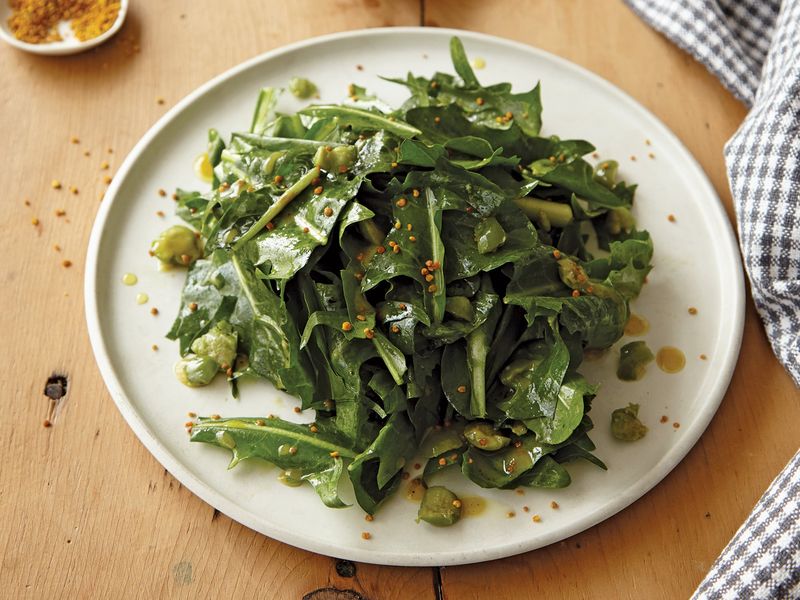
Dandelion greens, chicory, and mustard leaves were regular additions to salads and side dishes in many grandparents' kitchens. Bitter greens were not considered an acquired taste but a normal part of everyday eating.
They were often foraged from the backyard or bought cheaply at the local market.
Bitter greens are now featured on trendy menus and praised for their liver-supporting and digestive benefits. Chefs drizzle them with fancy dressings and call them sophisticated.
Grandma just tossed them with olive oil, garlic, and a splash of vinegar.

Comments
No Comments