













Some of the world's most beloved treats come with names so strange you'd think someone made them up on a dare. Behind those quirky titles are wild stories rooted in history, folklore, and a fair bit of human creativity.
From medieval European confections to ancient Asian delicacies, traditional sweets carry centuries of culture in every bite. Get ready to satisfy your curiosity and your sweet tooth at the same time.
1. Spotted Dick (United Kingdom)
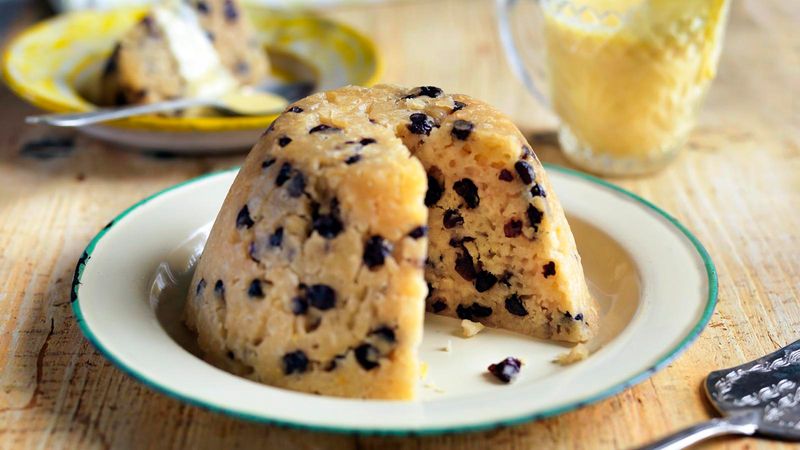
Snicker all you want, but Spotted Dick has been a British staple since the Victorian era. The name comes from the Old English word "dic," meaning thick paste or dough, while "spotted" refers to the dried currants dotted throughout the sponge.
It is traditionally steamed and served warm with a generous pour of custard.
Some cafes in England once tried renaming it "Spotted Richard" to avoid embarrassment, but loyal fans revolted. The original name proudly lives on.
2. Nun's Farts (France)
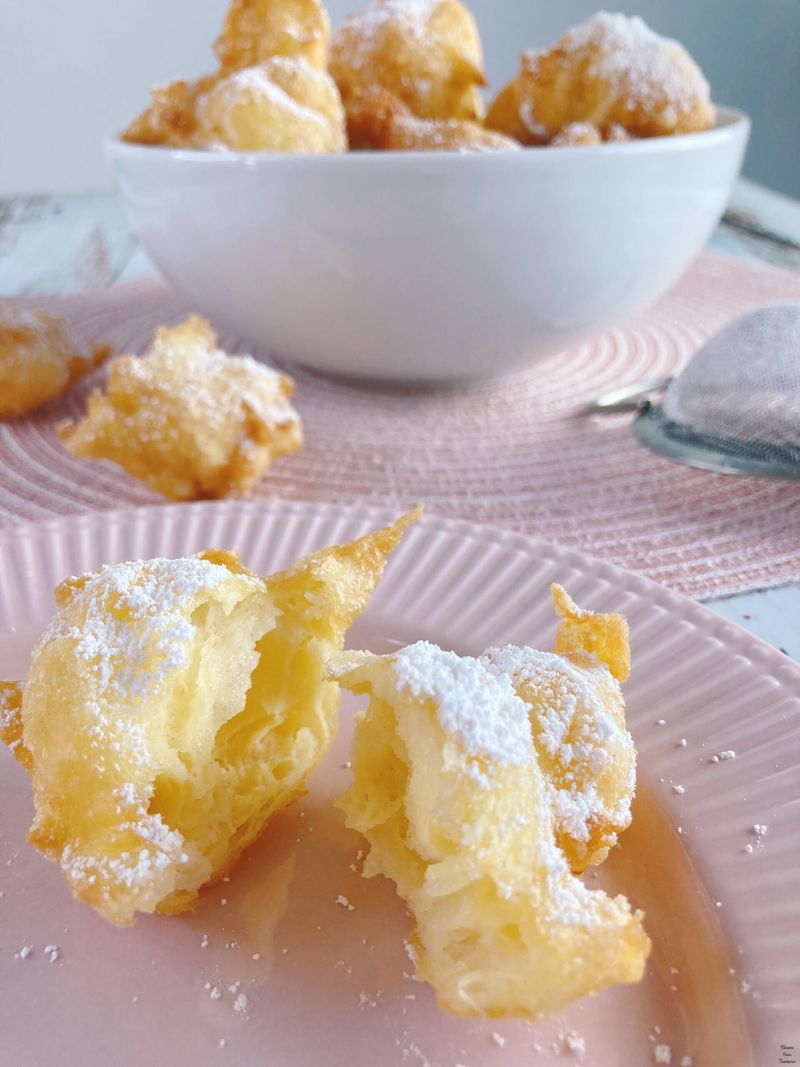
Pets de Nonne, which literally translates to "nun's farts," are light, airy choux pastry fritters that puff up dramatically when fried. According to legend, a clumsy nun accidentally dropped a spoonful of dough into hot oil at a convent kitchen and the result was so delicious that the recipe stuck around for centuries.
They are crispy outside, hollow inside, and dusted with powdered sugar. Embarrassing name, absolutely magical taste.
3. Love Cake (Sri Lanka)
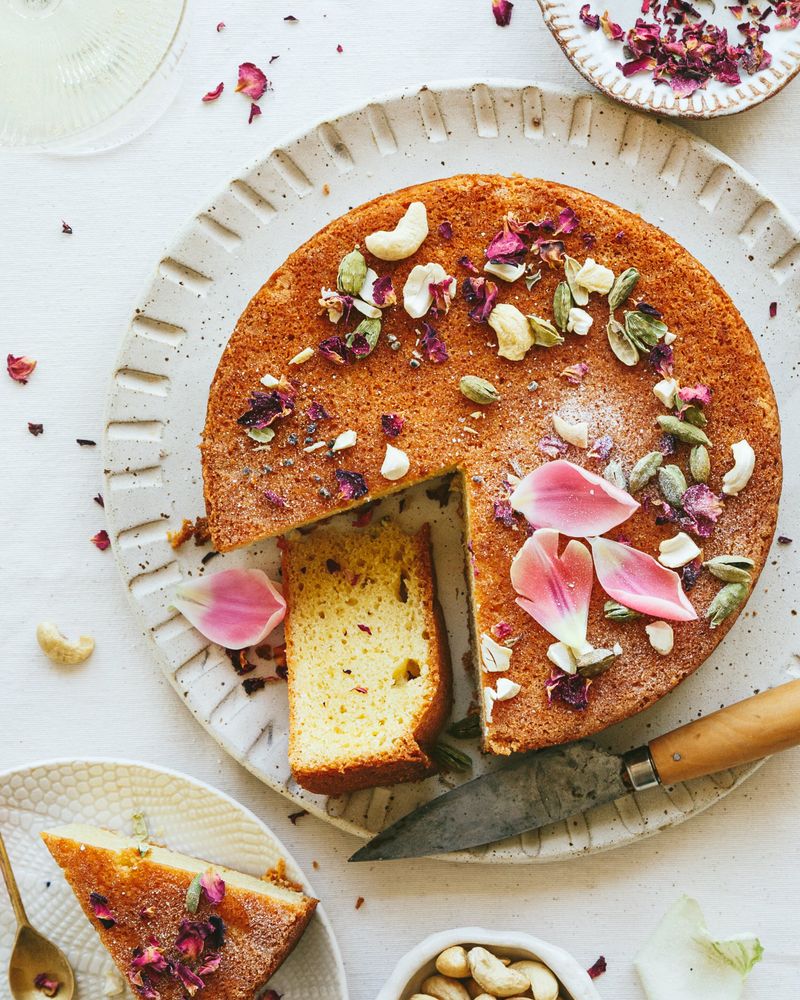
Sri Lankan Love Cake is not your typical birthday cake. Made with semolina, cashews, rose water, and a heady blend of spices including cardamom and nutmeg, it has a sticky, dense texture unlike anything in a standard bakery.
The origin of its romantic name is murky, but many believe Dutch Burgher communities created it as a gift of affection.
Baked slowly to develop deep caramel flavors, every piece tastes like someone put their whole heart into it.
4. Pig Snout Cookies (Germany)
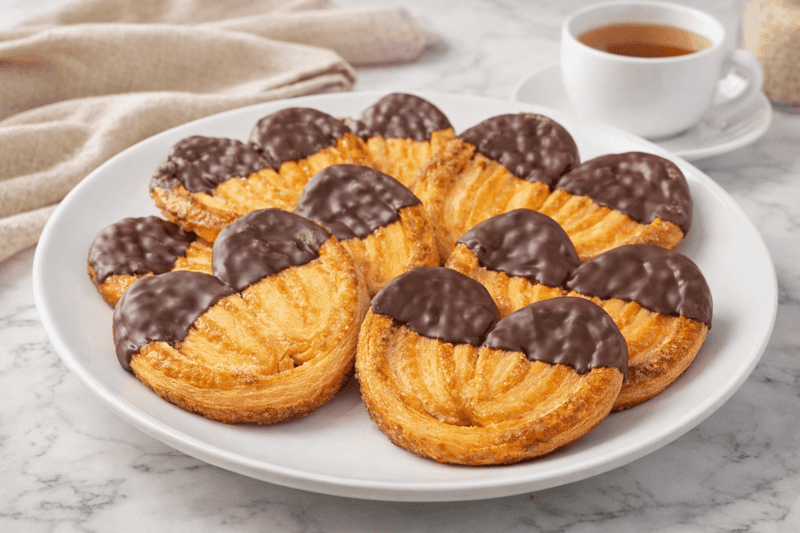
Schweinsohren, meaning "pig ears" or loosely "pig snouts," are twisted puff pastry cookies rolled in sugar and baked until caramelized and crispy. German bakers have crafted these for generations, and their curled, layered shape genuinely does resemble a pig's ear when finished.
They are crunchy, buttery, and satisfyingly sweet without being overwhelming. If you can get past the mental image of barnyard anatomy, these cookies are an absolute treat worth tracking down at any German Christmas market.
5. Dead Man's Bones (Mexico)
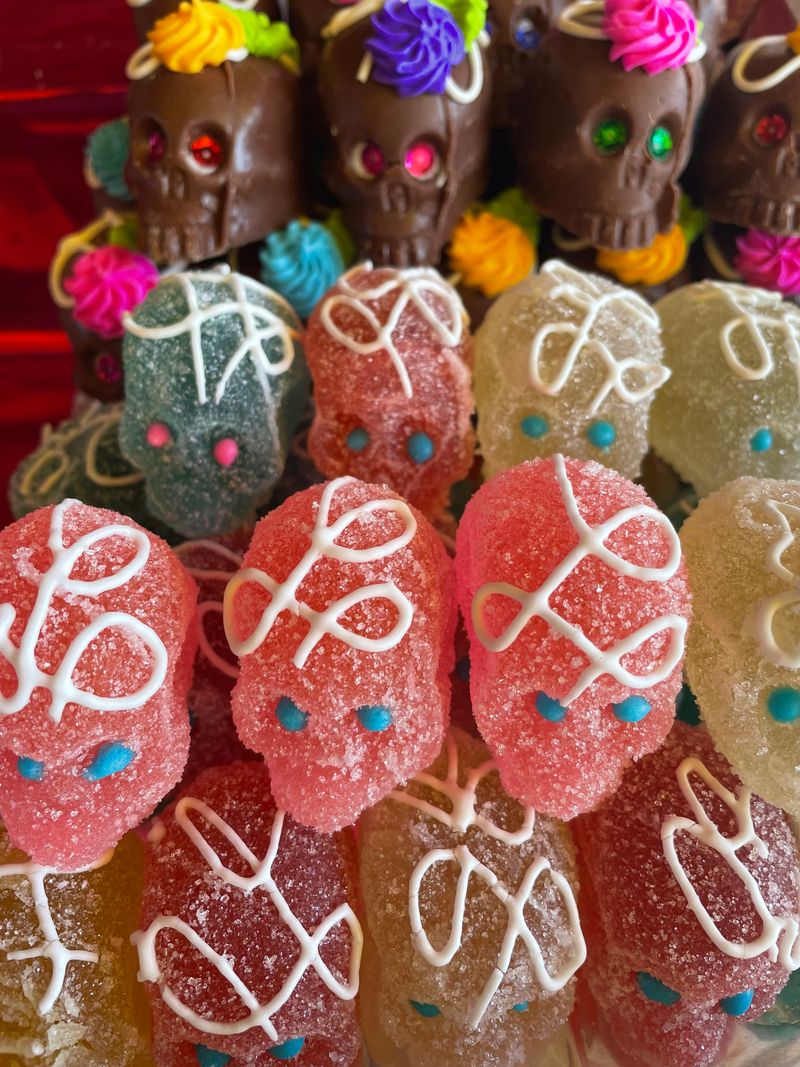
Huesos de Muerto, or Dead Man's Bones, are sugar candies traditionally made for Dia de los Muertos celebrations in Mexico. Shaped like miniature bones and decorated with vivid colors, they are placed on family altars as offerings to honor deceased loved ones.
Far from being morbid, they represent a joyful reunion between the living and the dead.
Made from sugar paste and sometimes anise-flavored, these sweet little bones carry enormous cultural meaning within every brightly painted detail.
6. Krapfen (Austria)
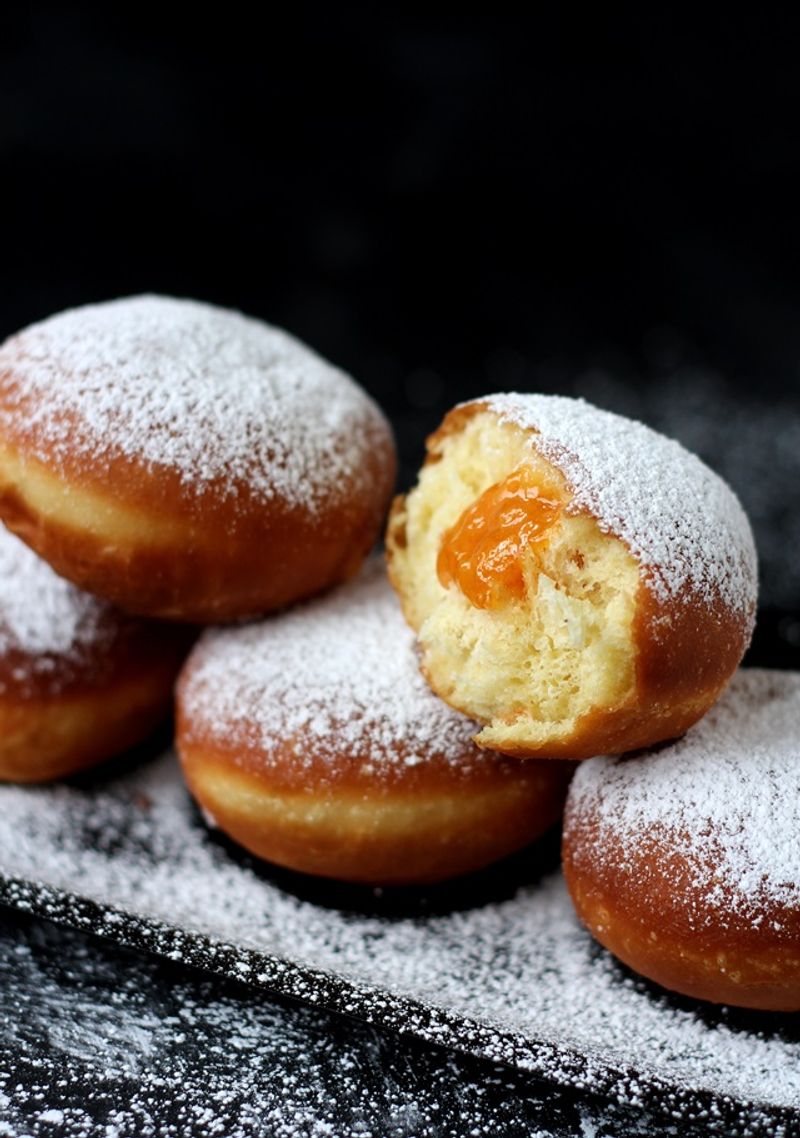
Long before Dunkin Donuts existed, Austrians were frying up Krapfen. These jam-filled doughnuts date back to the 17th century and are named after Cäcilie Krapf, a Viennese baker who supposedly invented them after a heated argument with her employer.
She threw a ball of dough into a pot of hot fat, and history was accidentally made.
Typically filled with apricot jam and dusted in powdered sugar, Krapfen remain the star of Austrian Carnival season every single year.
7. Bolo de Mel (Madeira, Portugal)
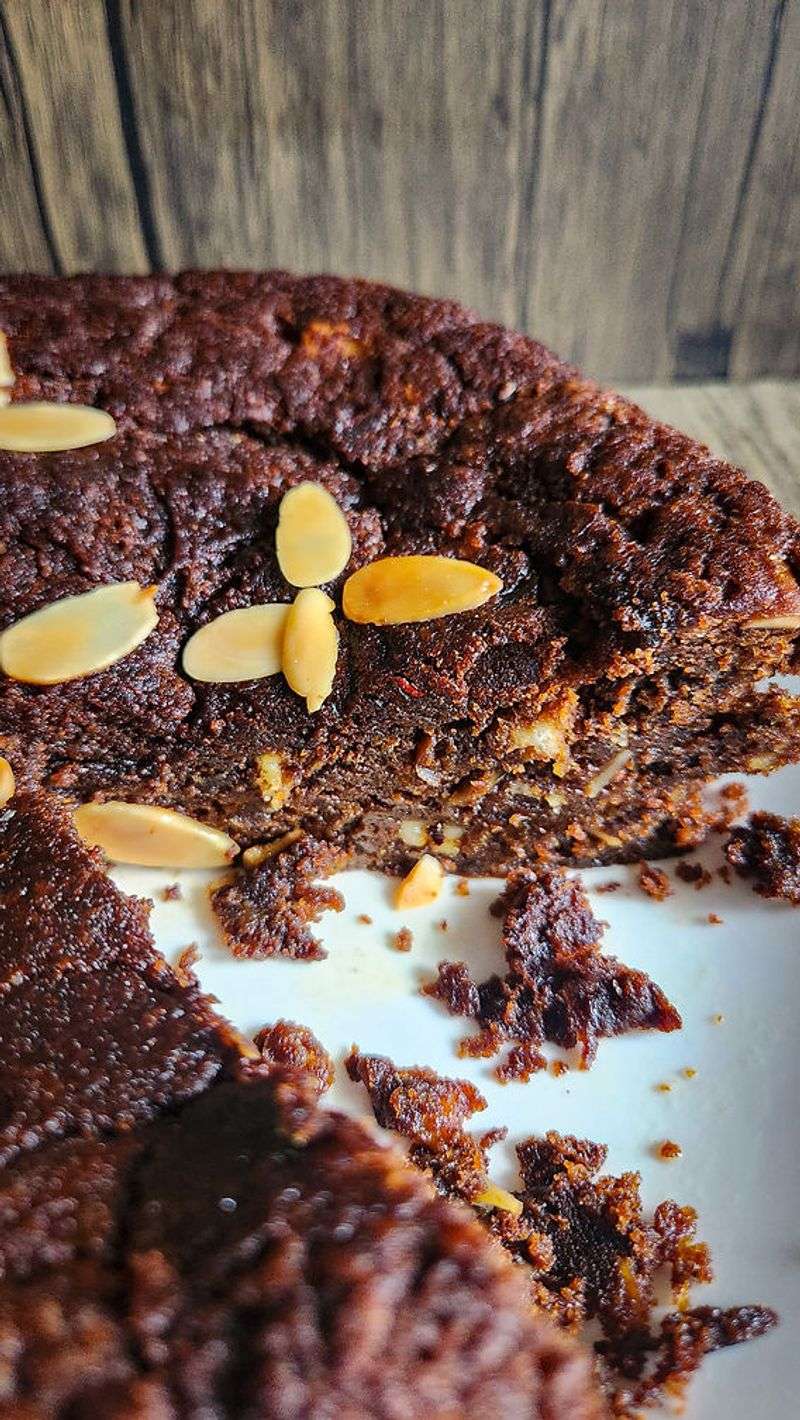
Bolo de Mel means "honey cake," but there is actually no honey in it. The name comes from molasses, called mel de cana in Portuguese, which gives this traditional Madeiran cake its intensely dark color and deep, bittersweet flavor.
Recipes are closely guarded family secrets passed down through generations.
Packed with spices, nuts, and dried fruits, a single loaf can last weeks if stored properly. Families in Madeira traditionally bake it at Christmas and keep it all year long.
8. Ladyfingers (Italy)
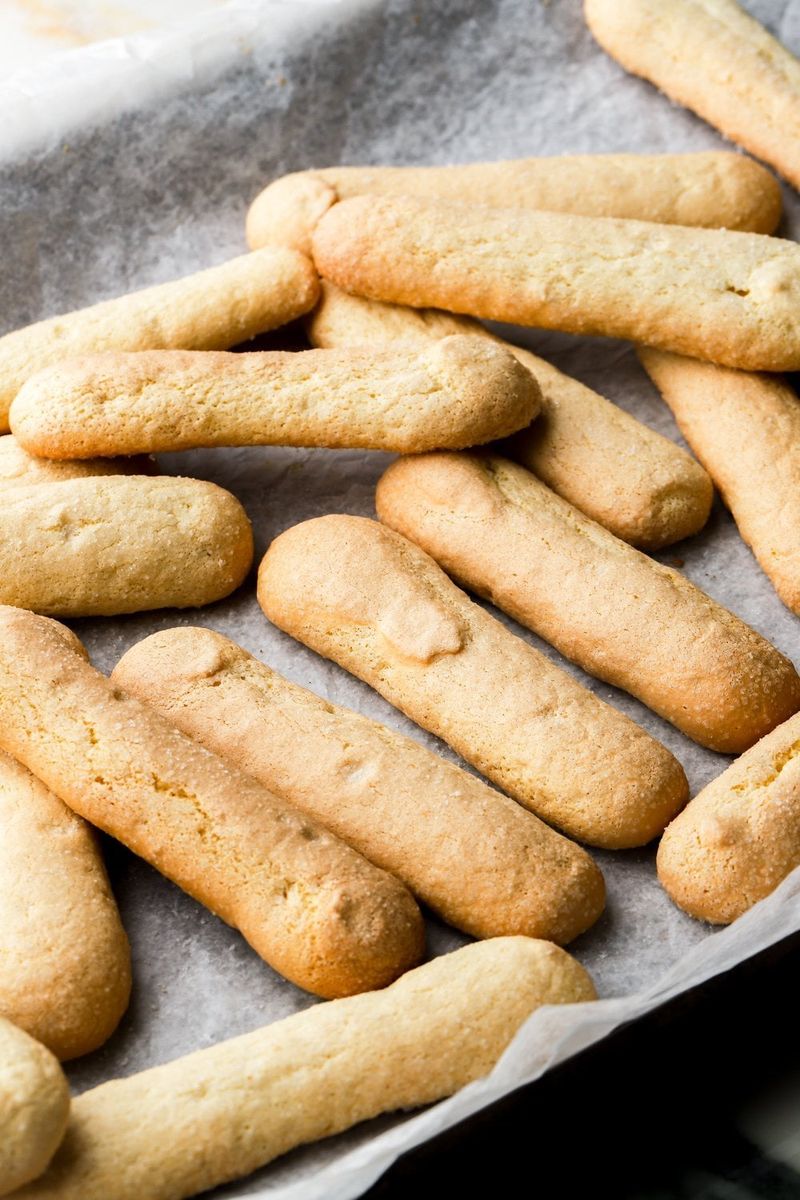
Savoiardi, known in English as ladyfingers, have a surprisingly royal origin. They were reportedly created in the late 15th century for a visit by the King of France to the Duchy of Savoy.
The elongated, sponge-like biscuits were designed to impress royalty, and their delicate shape was said to resemble a lady's slender finger.
Today they are famous as the backbone of tiramisu. Few cookies have gone from royal reception tables to global dessert menus quite so elegantly.
9. Snot Blocks (Australia)
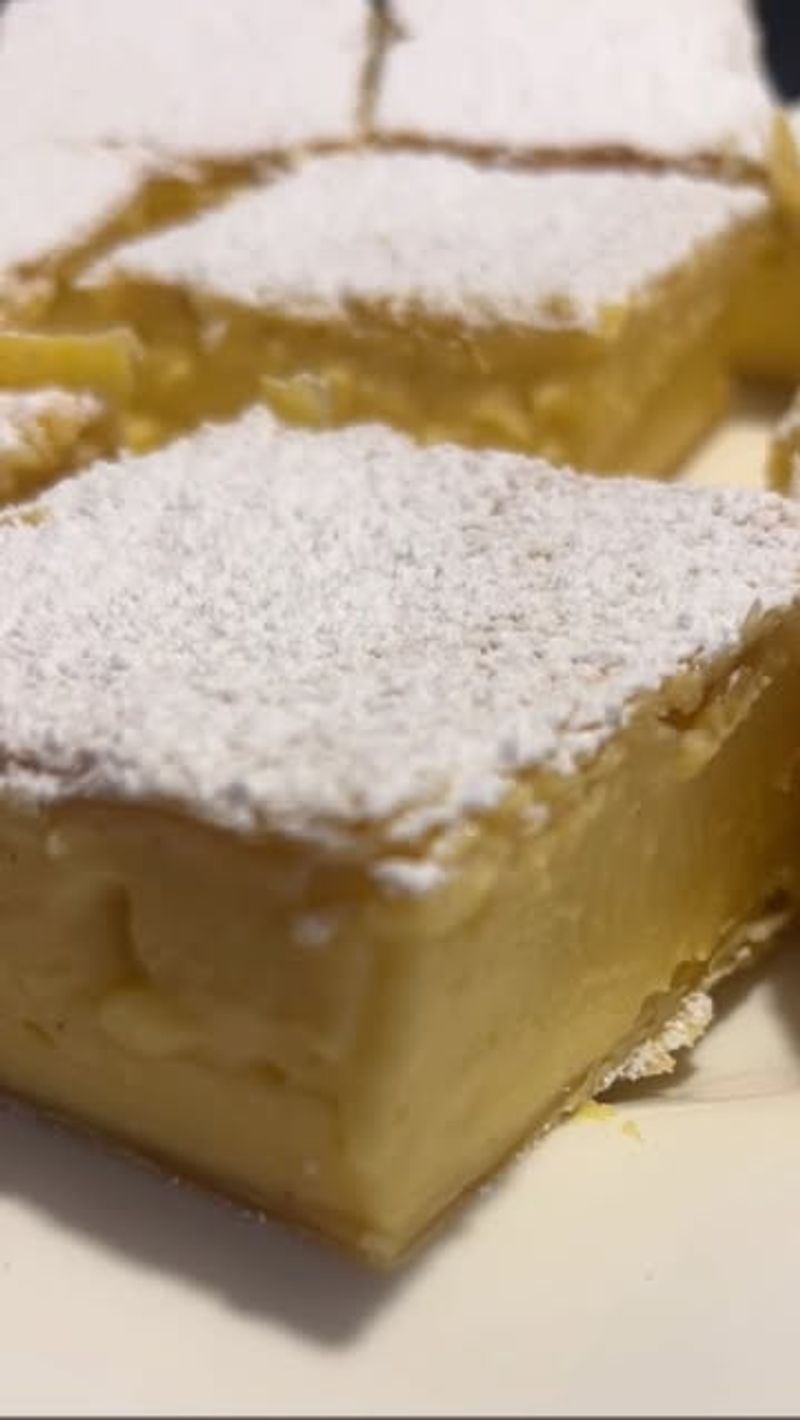
Australians have a gift for colorful nicknames, and "snot block" is their affectionate term for vanilla custard slice. The filling is a wobbly, gelatinous custard sandwiched between crisp puff pastry layers.
When you bite into it, the custard squirts unpredictably, which is apparently how the charming nickname was born.
Despite its unappealing moniker, custard slice is a beloved staple at Australian bakeries. Competitions are even held to crown the nation's best version of this jiggly, glorious pastry.
10. Fairy Bread (Australia)
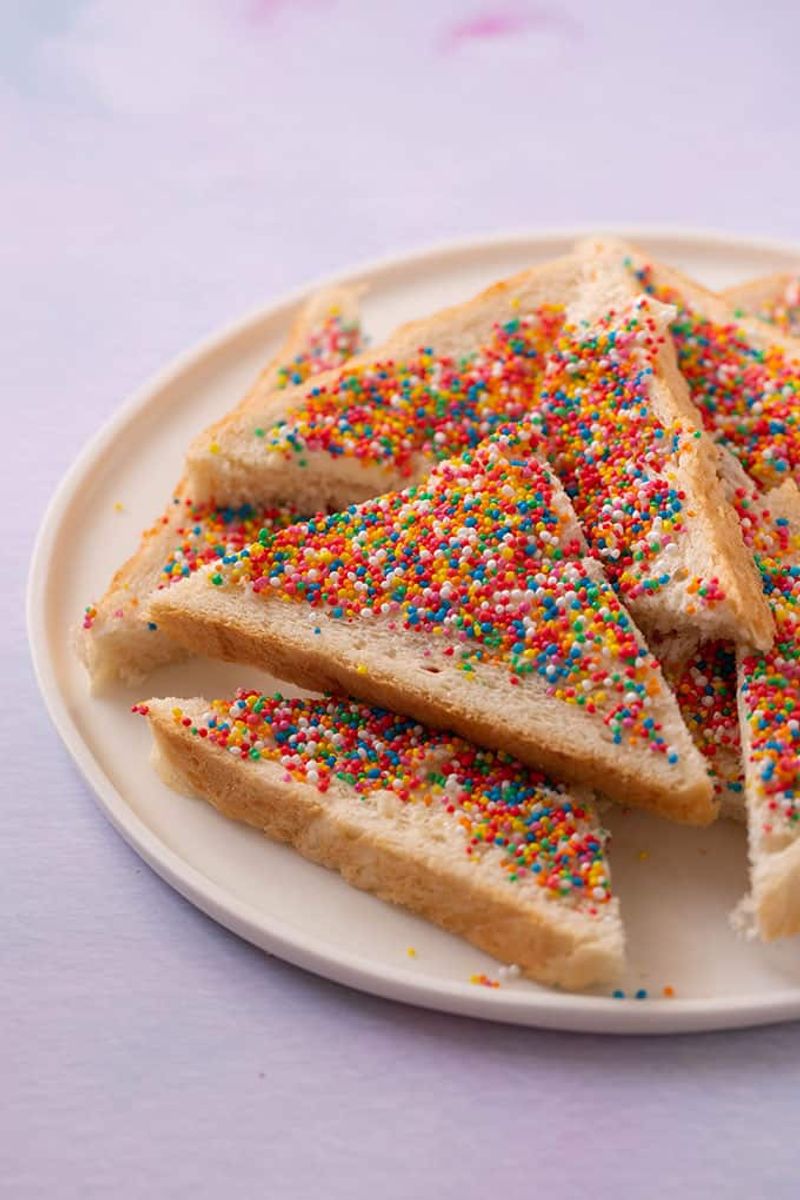
Plain white bread, butter, and a shower of rainbow sprinkles known as hundreds-and-thousands. That is literally all Fairy Bread is, yet Australians consider it an essential at any child's birthday party.
The name first appeared in print in 1929, inspired by a Robert Louis Stevenson poem about fairies eating bread.
There are no complex techniques or exotic ingredients here. Just pure, unapologetic childhood joy served in triangle form, and somehow it tastes better than it has any right to.
11. Brigadeiro (Brazil)
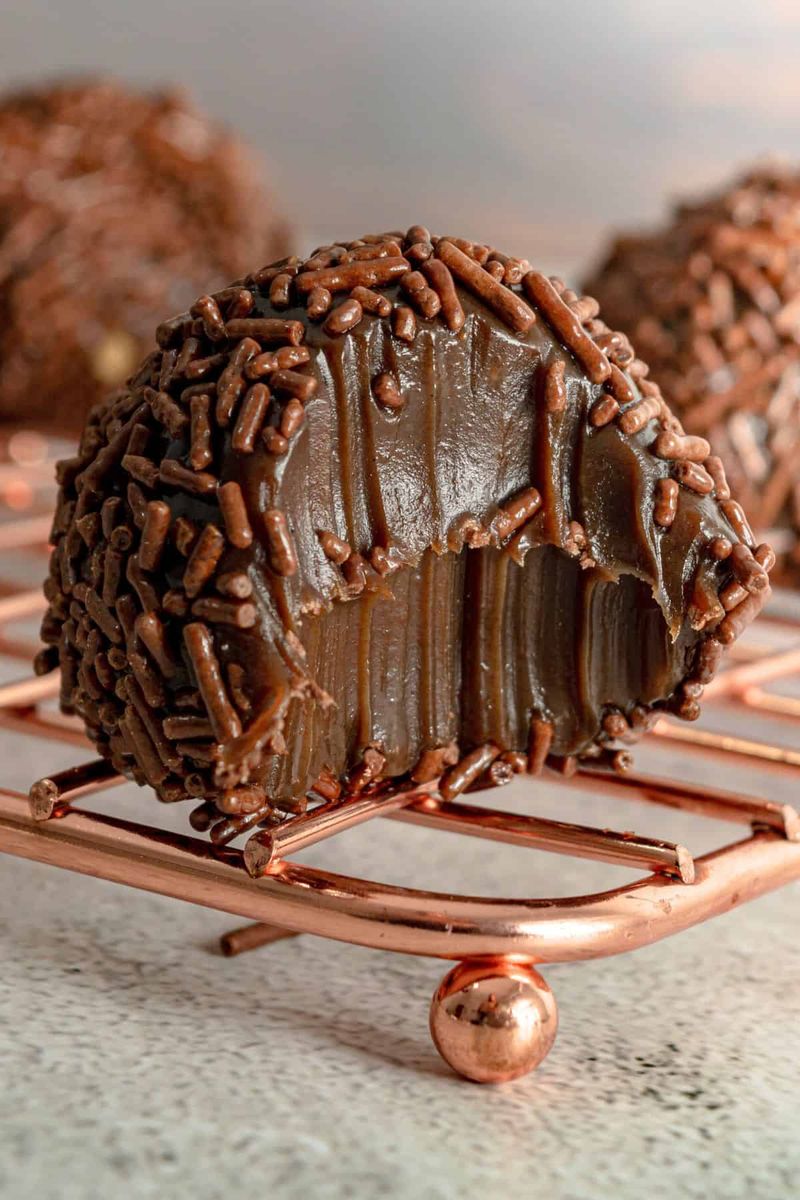
Named after Brigadier Eduardo Gomes, a Brazilian Air Force officer who ran for president in 1945, Brigadeiro was reportedly created as a campaign fundraiser sweet. Supporters made these chocolate fudge balls to sell at events, and the treat became more popular than the candidate himself.
Made from condensed milk, cocoa powder, butter, and chocolate sprinkles, Brigadeiro is now the undisputed king of Brazilian birthday parties. No celebration is complete without a plate of these sticky, irresistible little spheres.
12. Elephant Ears (United States/Canada)
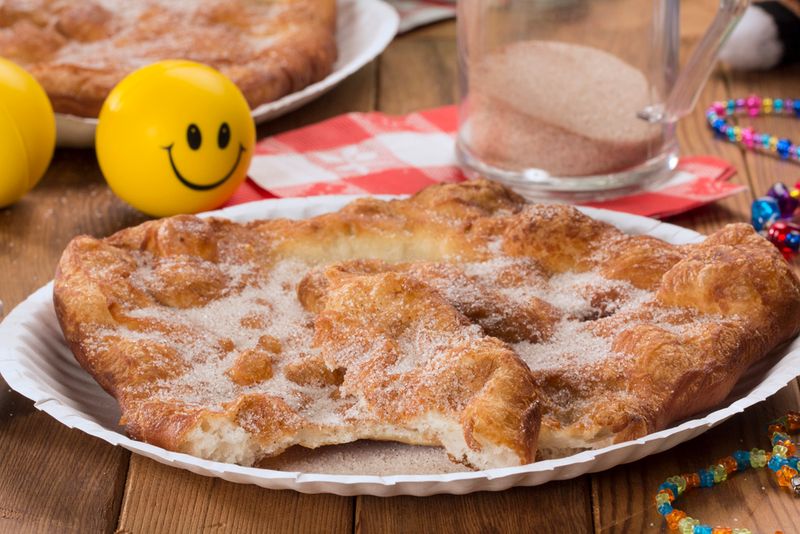
Elephant Ears are the undisputed royalty of the North American state fair circuit. These massive, flat fried dough discs are stretched so thin and wide that they genuinely resemble the ear of an elephant when finished.
Covered in cinnamon sugar or fruit toppings, they are crispy at the edges and doughy in the middle.
Nobody is entirely sure when the name stuck, but these fairground giants have been feeding hungry crowds since the early 20th century without apology.
13. Sticky Fingers (Wales)
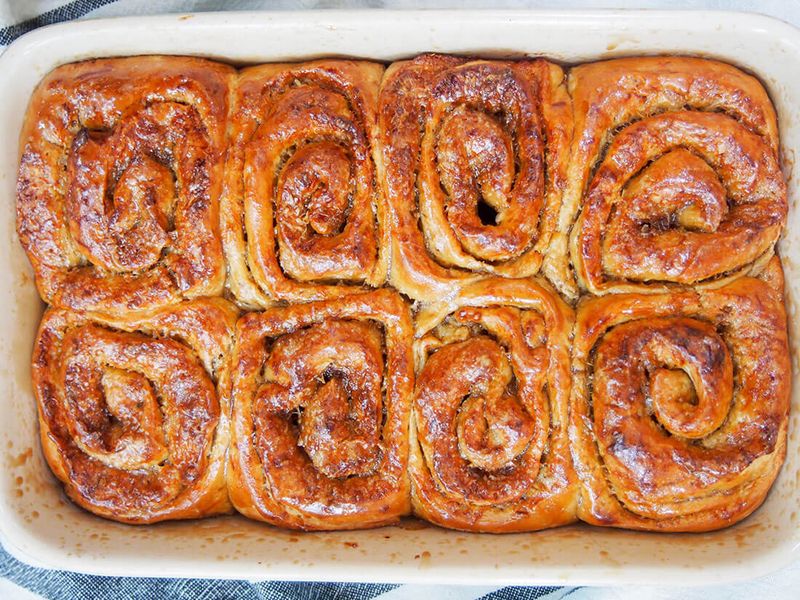
Welsh Sticky Fingers are spiral buns drenched in a dark treacle and honey glaze that makes them nearly impossible to eat without making a delightful mess. Baked in tight rows so they pull apart, each bun absorbs the sticky syrup into its soft, pillowy layers during baking.
They have been a fixture at Welsh tea tables for generations, served warm so the glaze stays gooey. The name is purely descriptive and absolutely accurate.
You will need a napkin. Possibly two.
14. Banket (Netherlands)
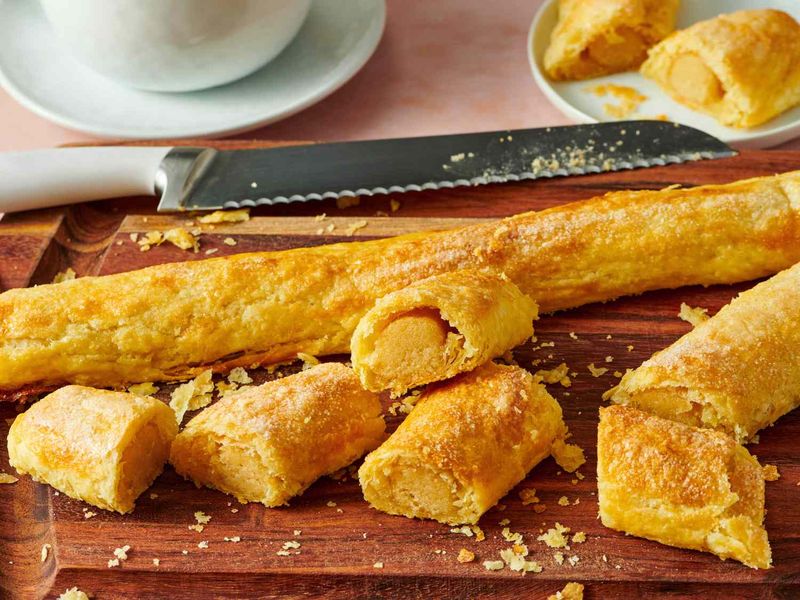
Banket is a Dutch almond paste-filled pastry traditionally baked for Sinterklaas celebrations on December 5th. Families shape the dough into the initials of family members or roll it into long logs, making each batch uniquely personal.
The almond filling, called amandelspijs, is rich and fragrant with a texture somewhere between marzipan and frangipane.
The word banket simply means "banquet" in Dutch, suggesting this was once a treat grand enough for a feast. Today it signals that the holiday season has officially begun.
15. Knafeh (Middle East)
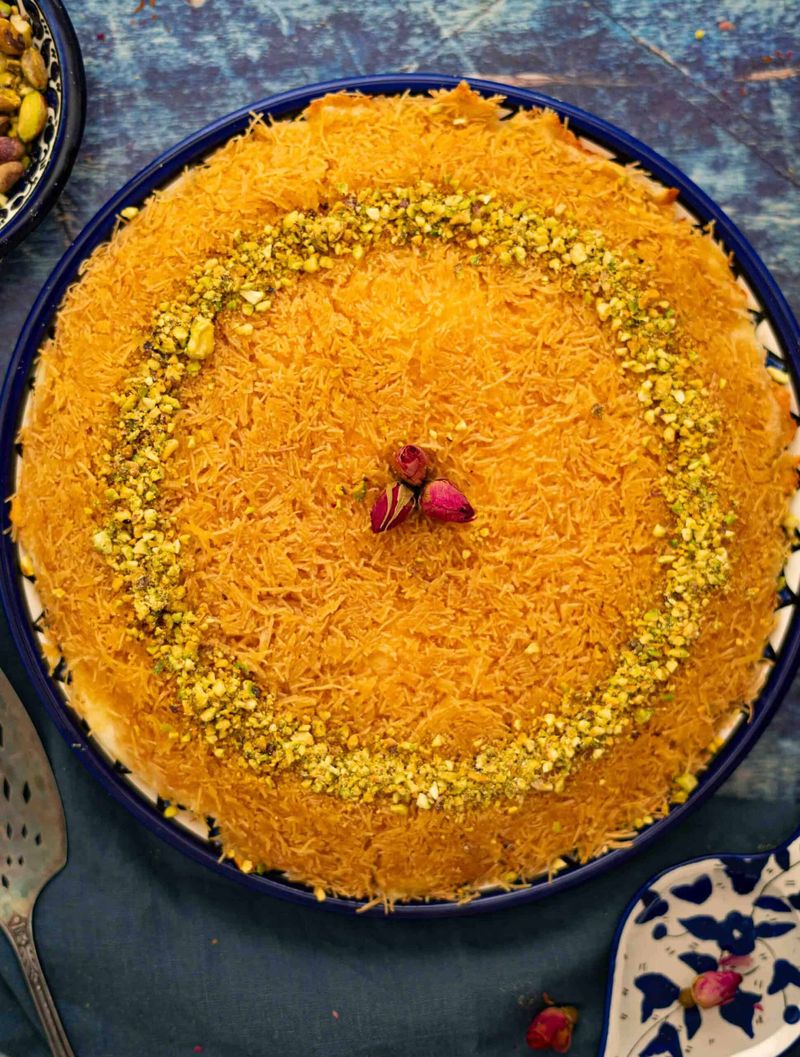
Knafeh looks like it belongs on a movie set rather than a dessert plate. The vivid orange color comes from food coloring added to the shredded wheat pastry, which sits on top of a thick layer of stretchy, melted white cheese soaked in rose water-scented sugar syrup.
It originated in the city of Nablus centuries ago.
Arguments about which country makes it best are genuinely heated across the Middle East. One bite of the warm, syrupy, cheesy layers explains why people feel so passionately about it.
16. Gooey Butter Cake (United States)
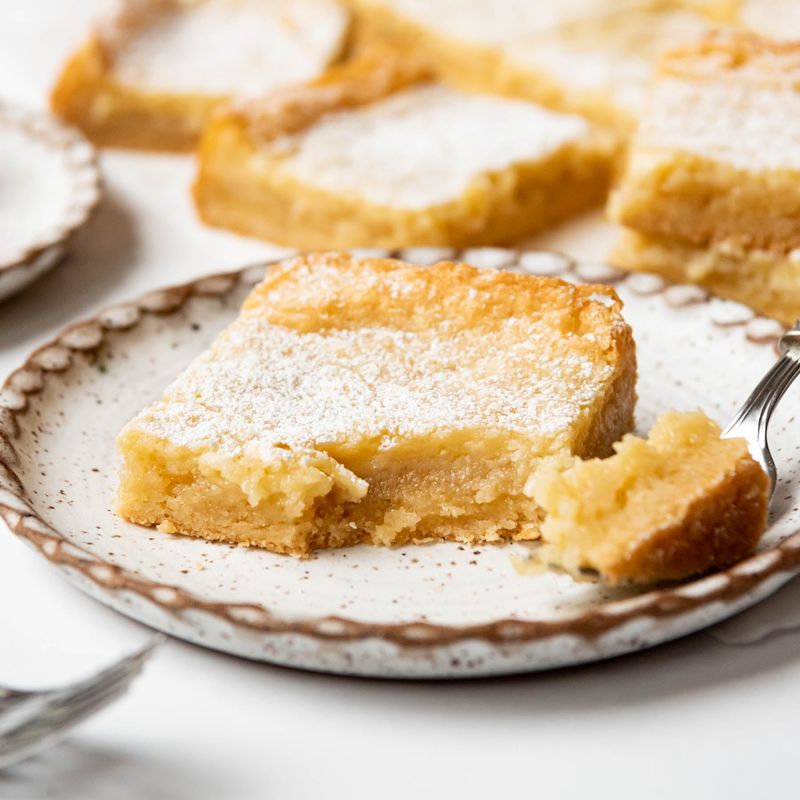
Back in the 1930s, a St. Louis baker allegedly mixed up the proportions of butter and sugar in a coffee cake recipe and created something accidentally extraordinary. Rather than throw it out, he sold it, and customers went wild for the dense, sticky, almost molten result.
Gooey Butter Cake was born from a happy accident.
The top layer sets into a slightly crispy crust while the inside stays almost liquid. St. Louis locals eat it for breakfast without the slightest hint of guilt.
17. Mochi (Japan)
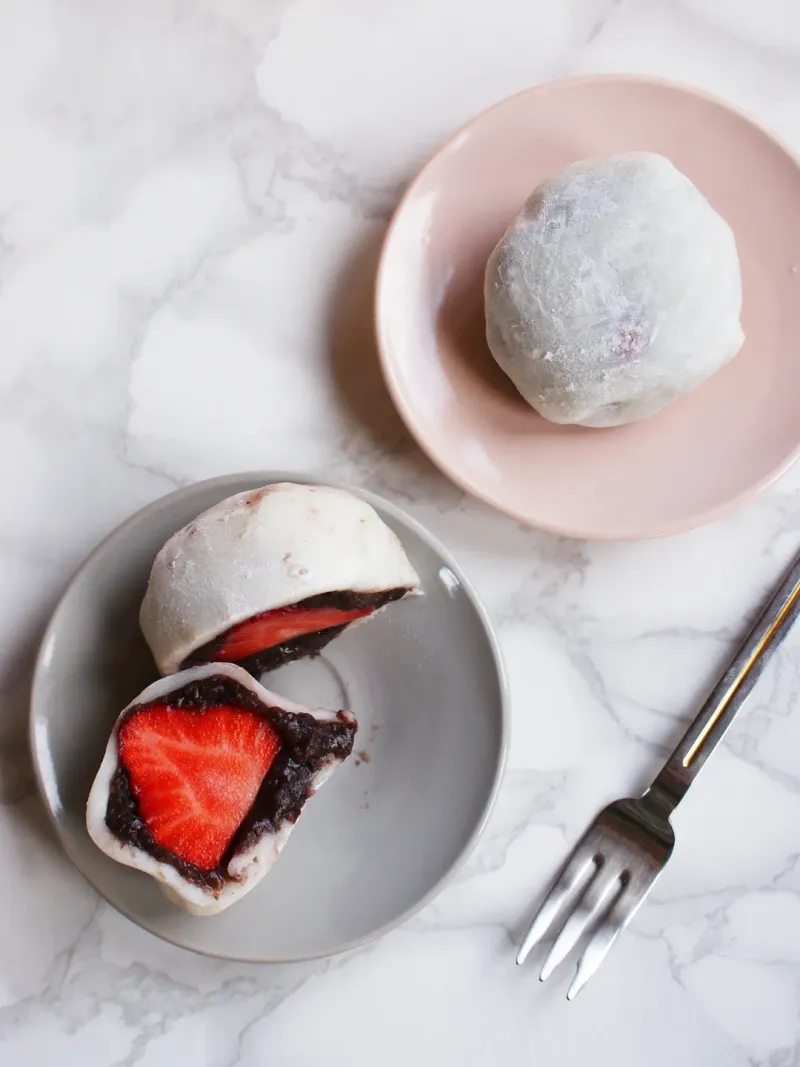
Mochi has been part of Japanese culture for over a thousand years, traditionally pounded during a ritual called mochitsuki where communities gather to beat glutinous rice into a smooth, elastic dough. The chewy texture is unlike anything in Western baking and takes some getting used to for first-timers.
Filled with sweet red bean paste, matcha cream, or strawberries, mochi comes in dozens of varieties. Every New Year in Japan, hospitals report a spike in choking incidents because people eat it too fast.
Chew slowly.
18. Haggis Truffles (Scotland)
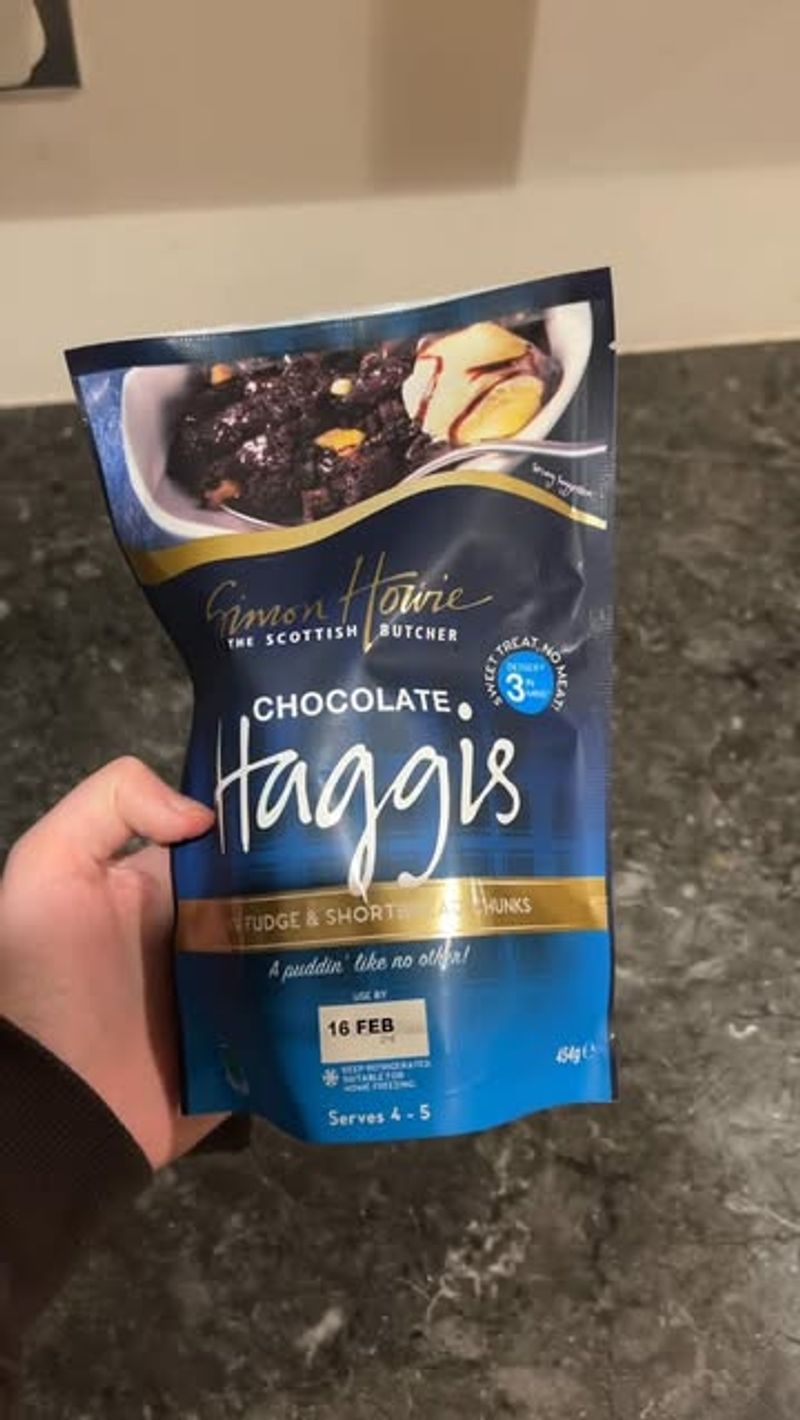
Scotland gave the world haggis, a savory dish made from sheep offal, and somehow someone decided the concept needed a dessert spinoff. Haggis Truffles are dark chocolate ganache truffles infused with Scotch whisky, occasionally containing a tiny amount of actual haggis seasoning to give them an earthy, spiced kick.
Adventurous tourists snap these up as novelty gifts from Edinburgh shops. Surprisingly, the whisky and dark chocolate combination is genuinely sophisticated, making these truffles far tastier than their bizarre name suggests.
19. Suffganiyot (Israel)
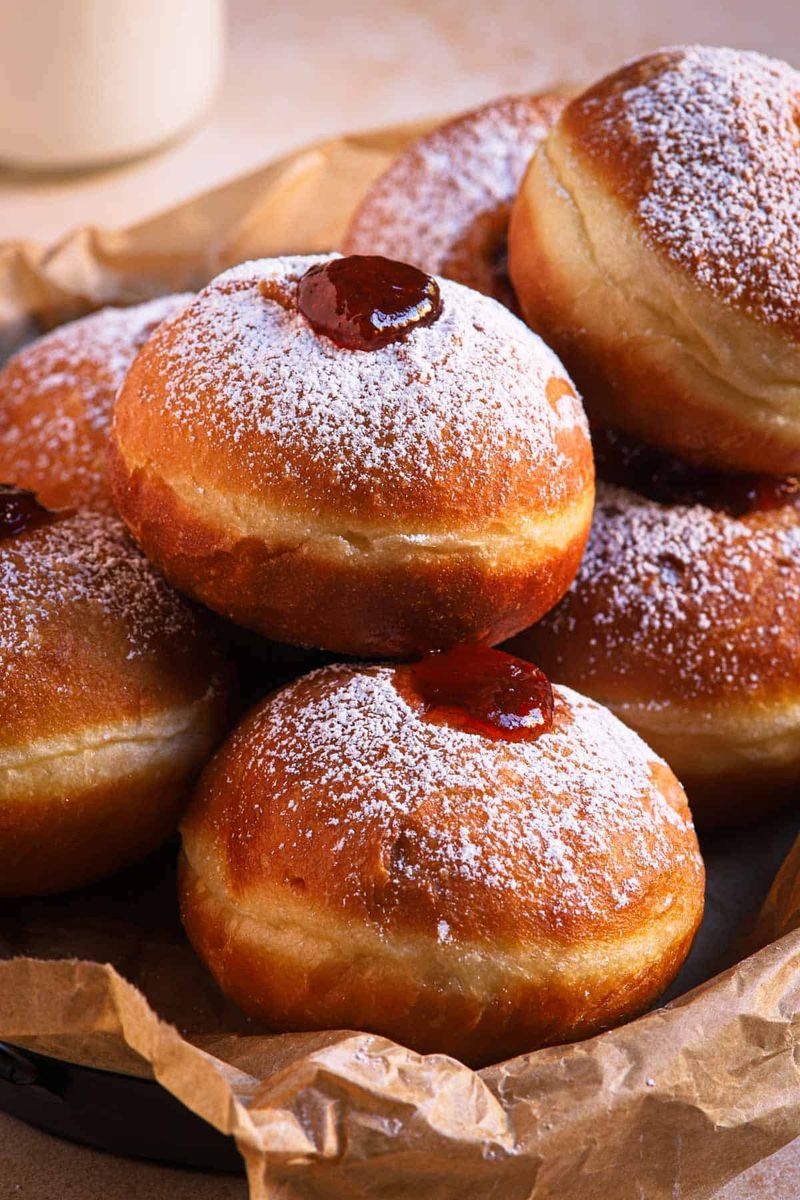
Suffganiyot are jelly-filled doughnuts eaten during Hanukkah in Israel, and the connection to the holiday is deeply symbolic. Because the Hanukkah miracle involved oil, fried foods take center stage in celebrations, and these pillowy jam doughnuts fried in oil fit perfectly.
The word comes from the Hebrew root meaning sponge, describing their soft, absorbent texture.
Modern Israeli bakeries now offer wild fillings including dulce de leche, pistachio cream, and even speculoos spread. The humble jelly doughnut has become an annual canvas for pastry creativity.
20. Mosquito Cake (Finland)
Hyttysenkakku, or Mosquito Cake, is a Finnish chocolate layer cake with a name that has nothing to do with insects. The dark, spindly chocolate decorations piped on top are said to resemble mosquito legs, which is apparently a completely reasonable thing to name a dessert after in Finland.
Finnish summers are notoriously full of mosquitoes, so the inspiration makes sense locally.
Underneath the creepy name is a genuinely delicious cake with tangy berry fillings and rich chocolate sponge layers that Finns adore year-round.
21. Pineapple Cake (Taiwan)
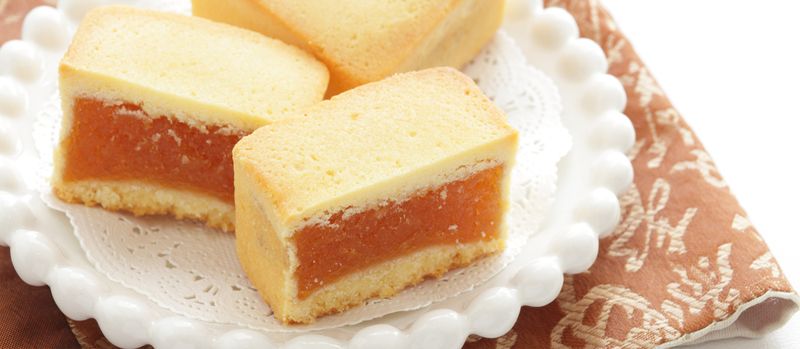
Taiwan's most iconic souvenir sweet has a secret identity problem. Traditional Taiwanese pineapple cake fillings were actually made from winter melon mixed with just a little pineapple, because real pineapple was too acidic and expensive for mass production.
Purists still argue about which version is more authentic.
The name Fengli Su carries symbolic weight because the Taiwanese word for pineapple sounds like "good luck coming your way." These buttery, crumbly little squares are given as gifts during weddings and festivals to pass on good fortune.

Comments
No Comments