













Baking is one of the most universal ways people show love, celebrate traditions, and share culture. Every country has its own signature sweet treat that tells a story about its people and history.
From flaky pastries to soft, syrup-soaked cakes, the world is full of incredible flavors waiting to be discovered. Get ready to take your taste buds on a delicious journey across the globe!
1. French Croissant
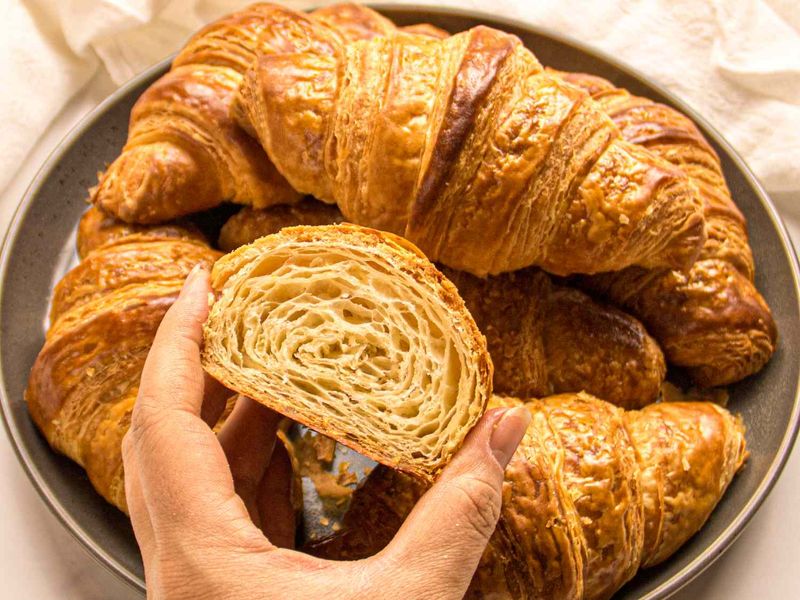
Few baked goods have captured hearts worldwide quite like the French croissant. Its paper-thin, buttery layers shatter with every bite, releasing a rich, warm aroma that feels like a hug on a chilly morning.
Originating in Austria but perfected in France, this crescent-shaped pastry takes skilled bakers hours to make. The secret lies in a technique called lamination, where butter is folded into dough dozens of times.
Try one fresh from the oven for the full experience!
2. Japanese Matcha Roll Cake
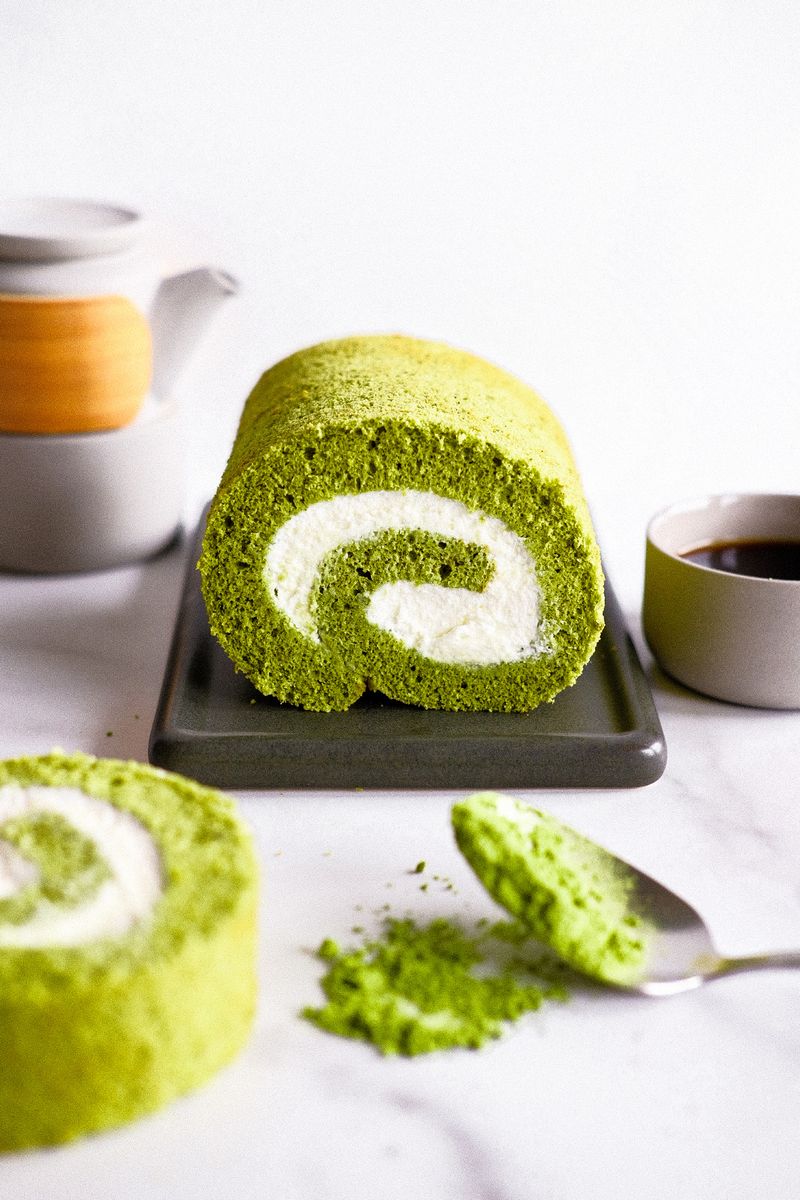
Japan has a magical way of turning simple ingredients into something extraordinary, and the matcha roll cake is the perfect example. The earthy bitterness of green tea powder meets pillowy soft sponge and lightly sweetened whipped cream in every single slice.
Matcha has been part of Japanese culture for centuries, originally used in tea ceremonies. Today, it flavors everything from ice cream to baked goods.
This roll cake is surprisingly easy to make at home and absolutely stunning to serve at gatherings.
3. Brazilian Pao de Mel
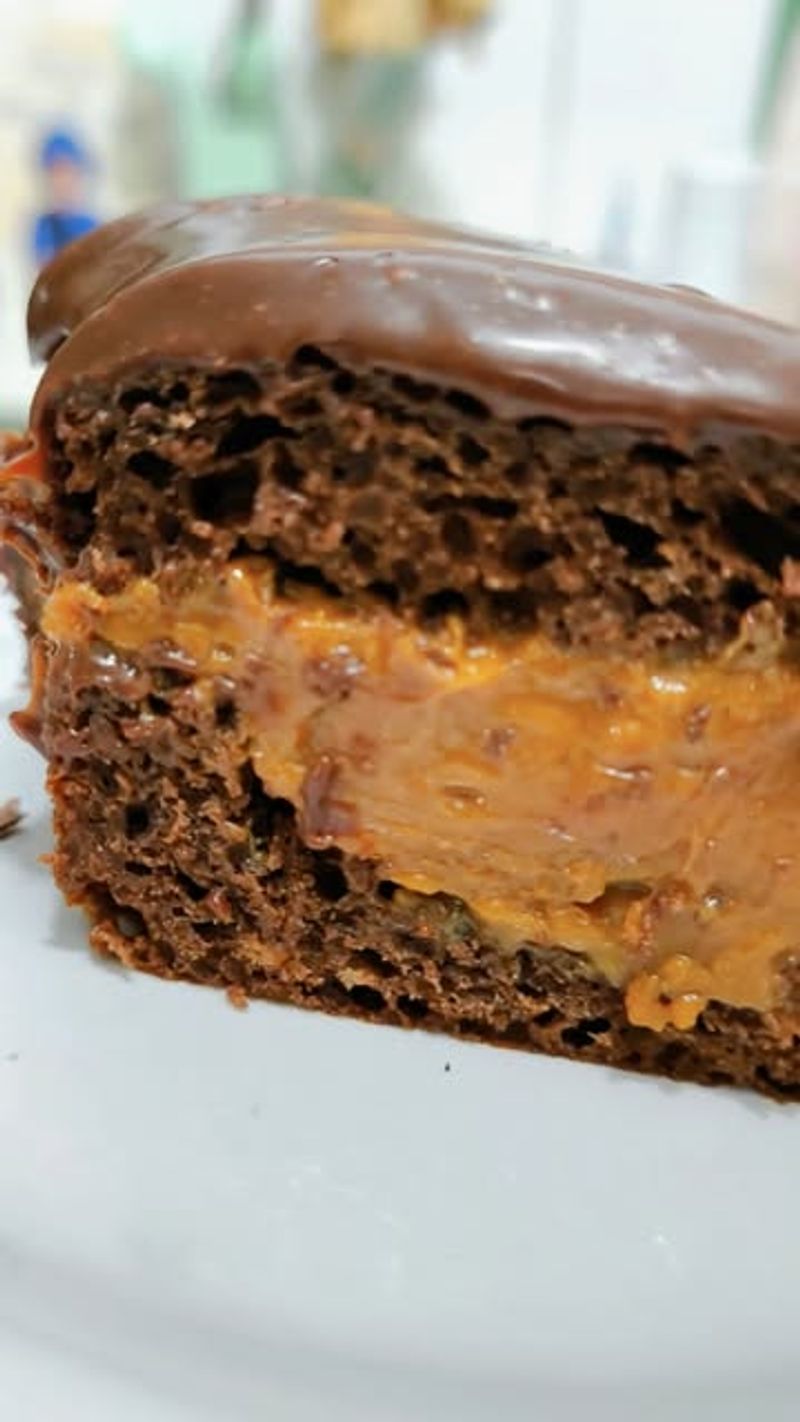
Pao de Mel, which translates to honey bread, is a beloved Brazilian treat that feels like Christmas in every bite. Dark chocolate coats a soft, spiced cake filled with doce de leite, a rich caramel spread that Brazilians absolutely adore.
The warming spices inside, like cinnamon, cloves, and ginger, give it a cozy depth of flavor. These little cakes are popular during the holiday season but honestly deserve a spot on the table year-round.
They also make wonderful homemade gifts!
4. Greek Baklava
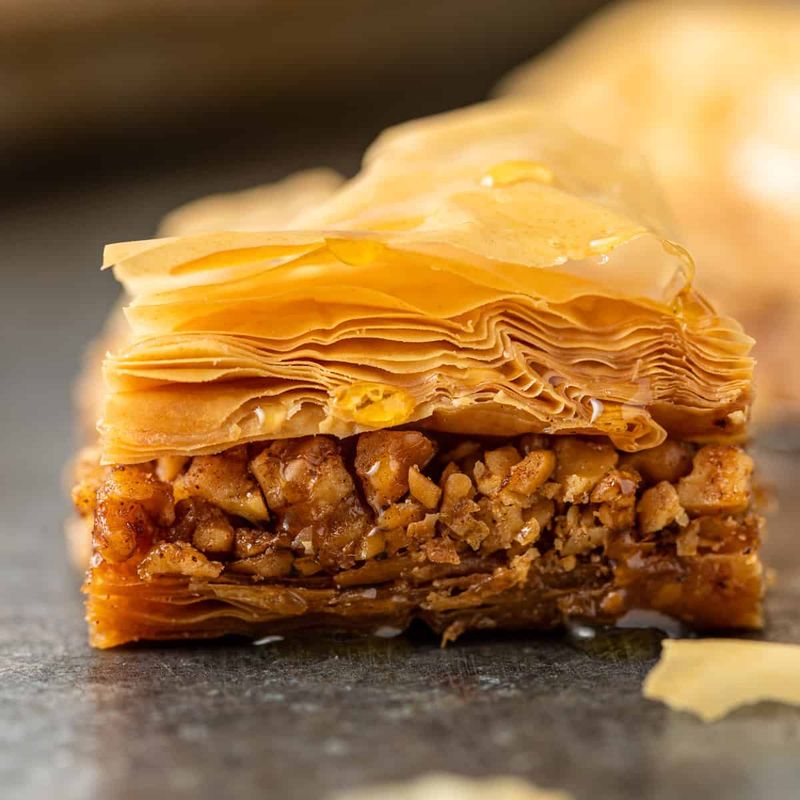
Sticky, crunchy, and soaked in fragrant honey syrup, Greek baklava is one of the most satisfying sweets ever created. Layers of tissue-thin phyllo pastry are stacked with crushed walnuts or pistachios, then baked until perfectly golden and crisp.
Once out of the oven, warm syrup infused with lemon and cinnamon is poured over the top. The result is a treat that is simultaneously light and indulgent.
Baklava has roots stretching back thousands of years across the Middle East and Mediterranean region.
5. American Cinnamon Roll
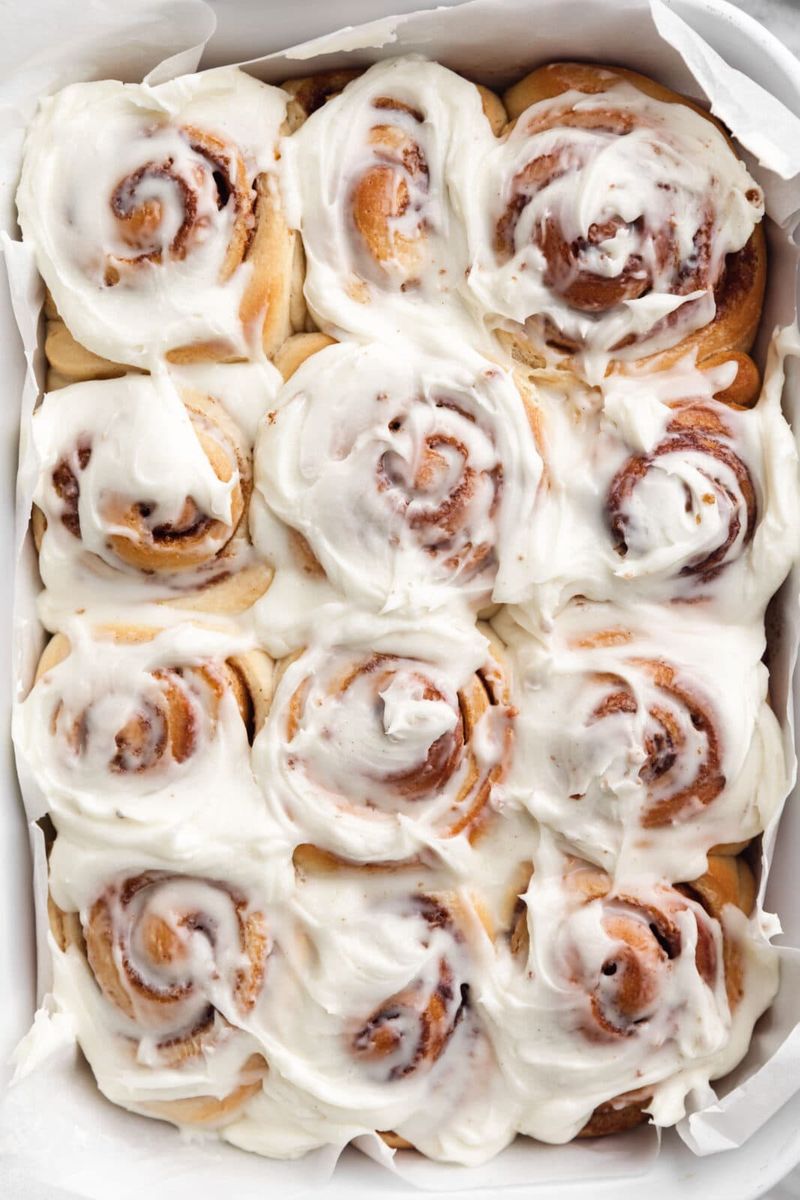
Walk into any American bakery on a Sunday morning and chances are the smell of cinnamon rolls will stop you in your tracks. Soft, pillowy dough is swirled with butter, brown sugar, and generous amounts of cinnamon before being baked to golden perfection.
The finishing touch is a thick drizzle of cream cheese frosting that melts right into the warm spirals. Cinnamon rolls became a staple in American breakfast culture during the 20th century.
Sharing a warm pan of these with family is a tradition many households treasure deeply.
6. Indian Gulab Jamun
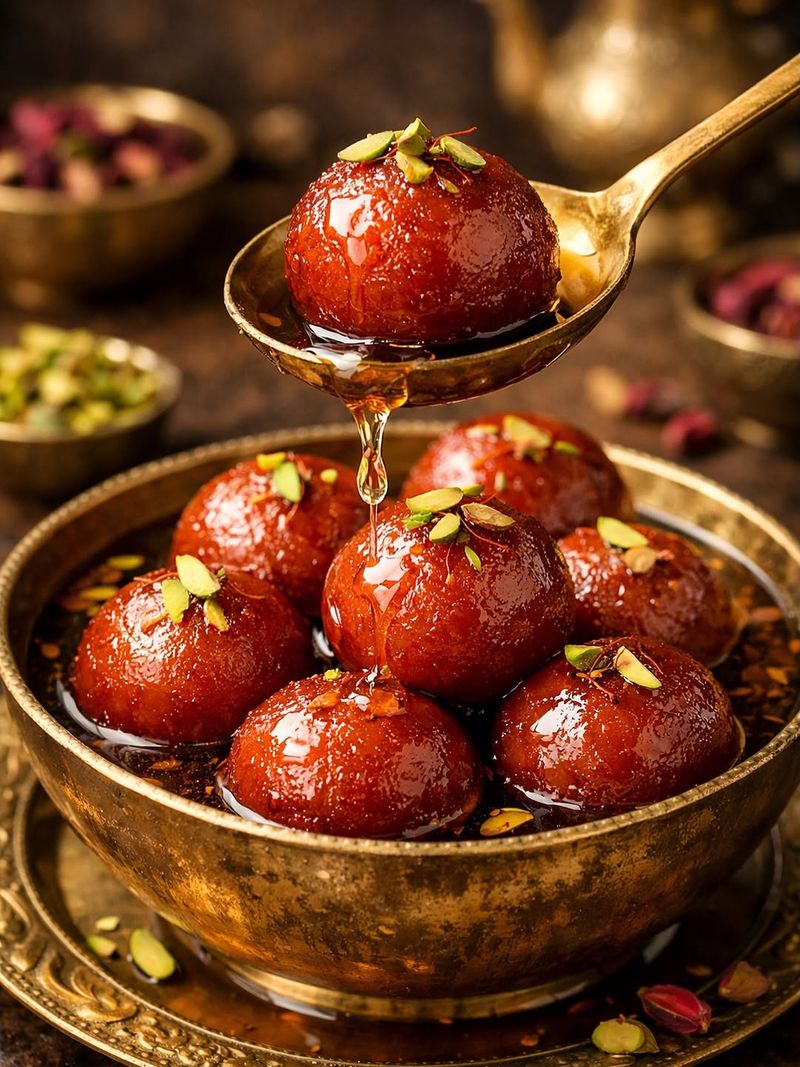
Gulab Jamun might just be India's most beloved dessert, and once you taste one, the reason becomes crystal clear. These soft, spongy dough balls are fried to a deep golden brown and then soaked in a fragrant syrup made with rose water, cardamom, and saffron.
The name itself means rose berry, a nod to the floral syrup they swim in. Served warm or at room temperature, they melt on the tongue in the most satisfying way.
No Indian celebration feels complete without a bowl of these on the table.
7. Swedish Cardamom Buns
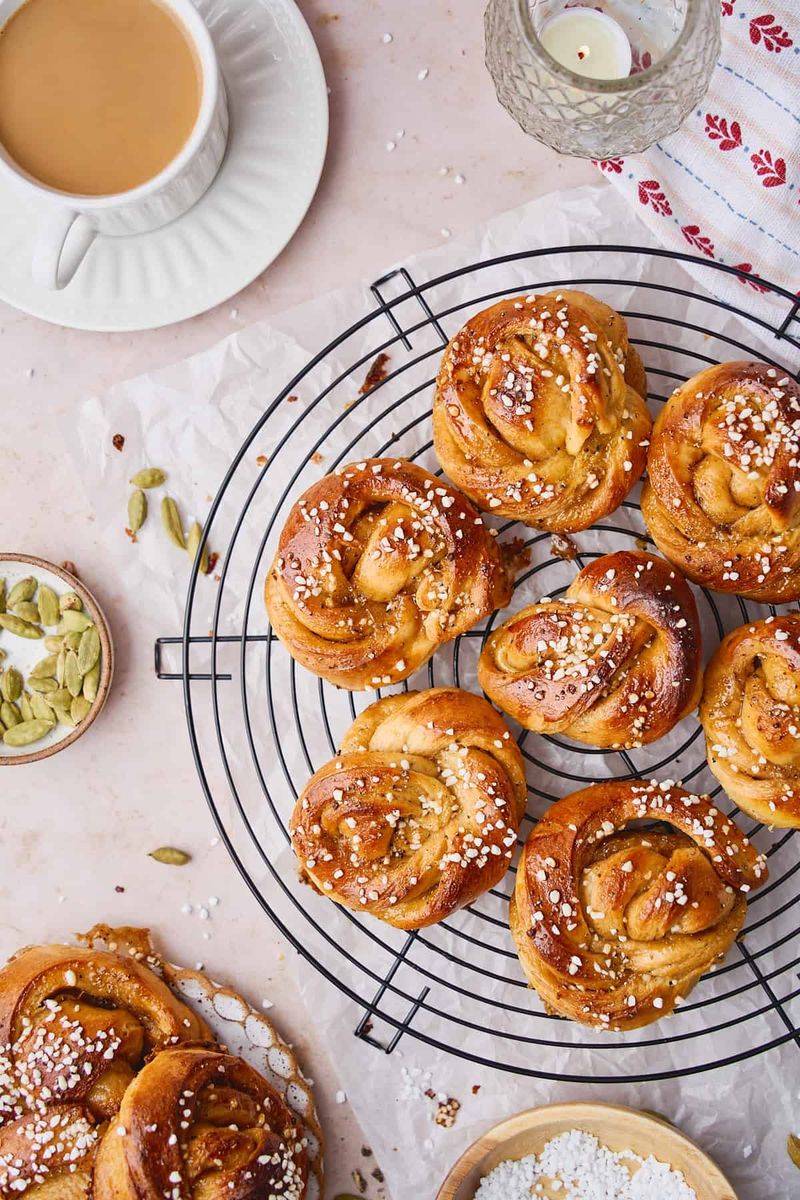
Sweden has fika culture, a beloved tradition of slowing down to enjoy coffee and a sweet bun with friends. The star of many fika tables is the kardamummabulle, or cardamom bun, twisted into a beautiful knot and topped with crunchy pearl sugar.
Cardamom gives these buns a warm, slightly spicy flavor that pairs perfectly with a hot drink. The aroma while they bake is absolutely incredible.
Unlike cinnamon rolls, cardamom buns have a subtler sweetness that makes them feel more elegant and slightly sophisticated without being complicated to bake.
8. Mexican Tres Leches Cake
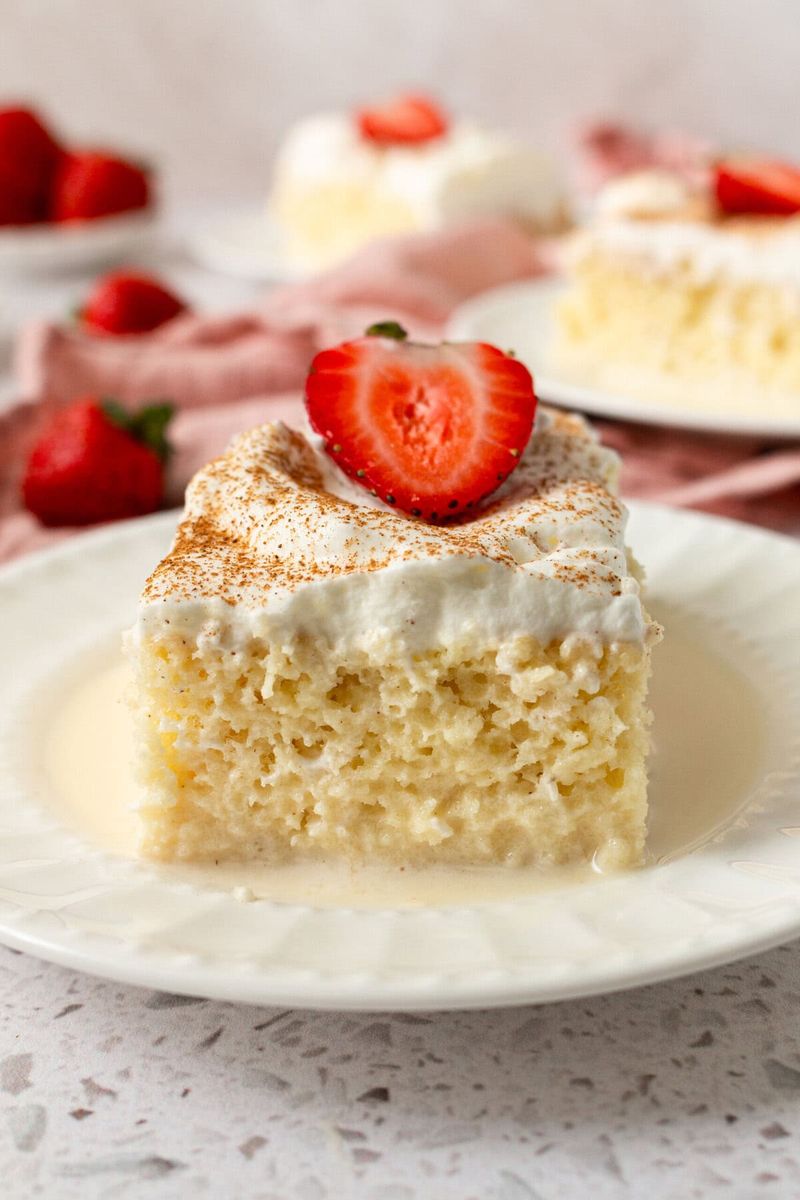
Tres Leches cake is proof that simplicity, done right, creates pure magic. A light sponge cake is baked, then drenched in a mixture of three milks: evaporated milk, condensed milk, and heavy cream, making it almost impossibly moist and rich.
Topped with clouds of whipped cream and a dusting of cinnamon, every forkful feels like a celebration. This cake is a staple at Mexican birthday parties and family gatherings.
The best part? It actually tastes better the next day after all those milks have fully soaked in.
9. Portuguese Pastel de Nata
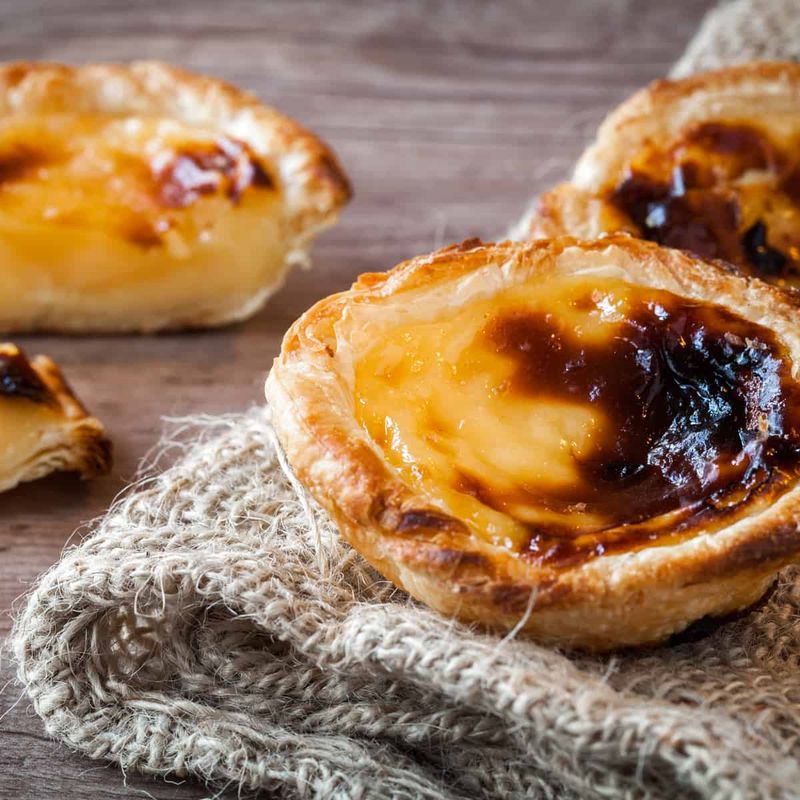
Created by monks in a Lisbon monastery in the 18th century, Pastel de Nata has become Portugal's most iconic pastry. A crispy, flaky shell holds a creamy, slightly caramelized custard filling that is simply impossible to resist.
The tops are traditionally scorched with high heat, giving them gorgeous brown spots and a subtle smoky sweetness. Locals eat them warm, dusted with cinnamon and powdered sugar.
Millions of these tarts are sold every year at the original Pasteis de Belem bakery in Lisbon alone.
10. Turkish Revani
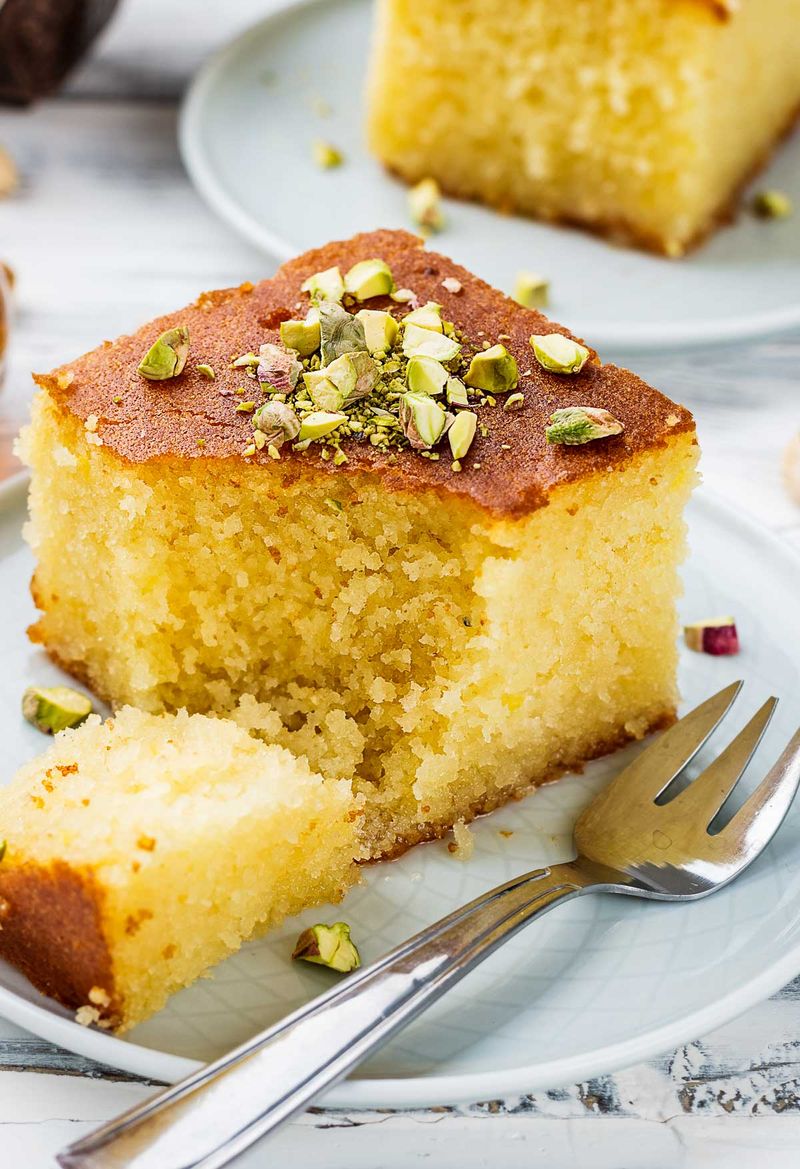
Revani is a Turkish semolina cake that strikes a beautiful balance between dense and moist. Baked until golden and then immediately soaked in a citrusy lemon or orange syrup, it absorbs every drop of sweetness and becomes wonderfully tender.
Some versions are topped with shredded coconut or crushed pistachios for extra texture. Revani is a common dessert served at Turkish family tables and during religious celebrations like Eid.
Its simple ingredients and straightforward preparation make it a great starting point for anyone curious about Turkish baking traditions.
11. Belgian Liege Waffle
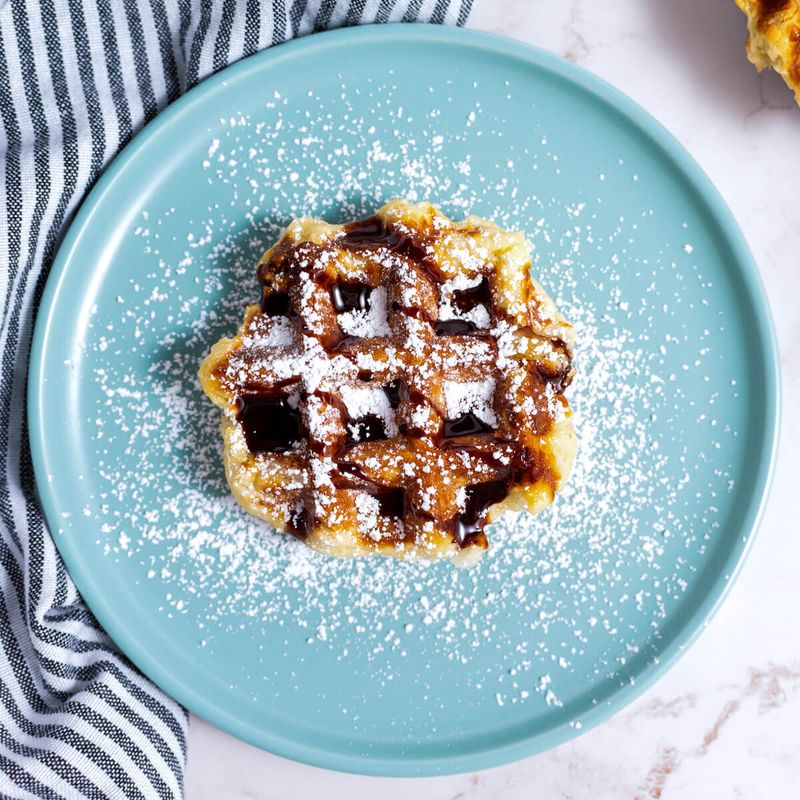
Not all waffles are created equal, and the Belgian Liege waffle proves it with every single bite. Unlike the lighter Brussels-style waffle, the Liege version is made from a rich, brioche-like dough studded with pearl sugar that caramelizes into crunchy, golden pockets during baking.
The outside is slightly crispy while the inside stays irresistibly soft and chewy. Legend says it was created in the 18th century by a chef working for the Prince of Liege.
Street vendors across Belgium sell them plain or topped with chocolate and strawberries.
12. Filipino Bibingka
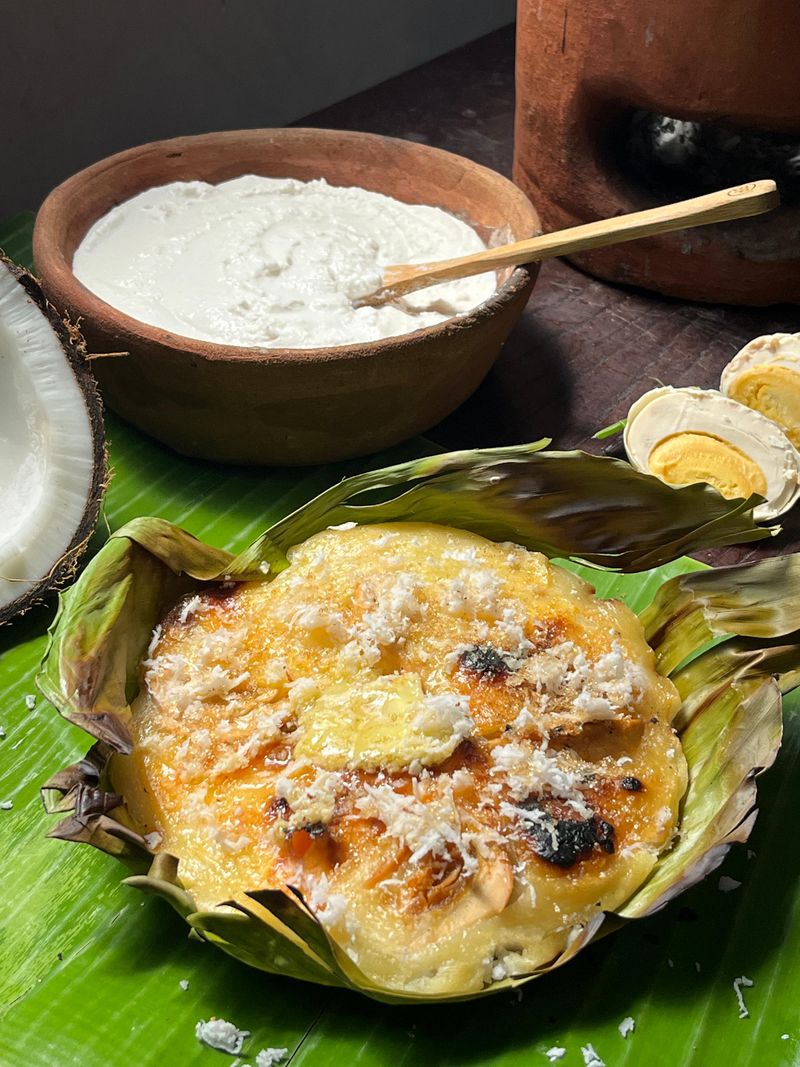
During the Christmas season in the Philippines, the smell of Bibingka baking over charcoal is one of the most nostalgic scents imaginable. This traditional rice cake is cooked in a clay pot lined with banana leaves, giving it a uniquely earthy, slightly smoky flavor.
Topped with salted egg, butter, and grated coconut, it perfectly balances salty and sweet. Bibingka is deeply tied to Simbang Gabi, a series of pre-dawn Christmas Masses.
Families gather afterward to share this warm, comforting cake in the cool December air.
13. Austrian Sachertorte
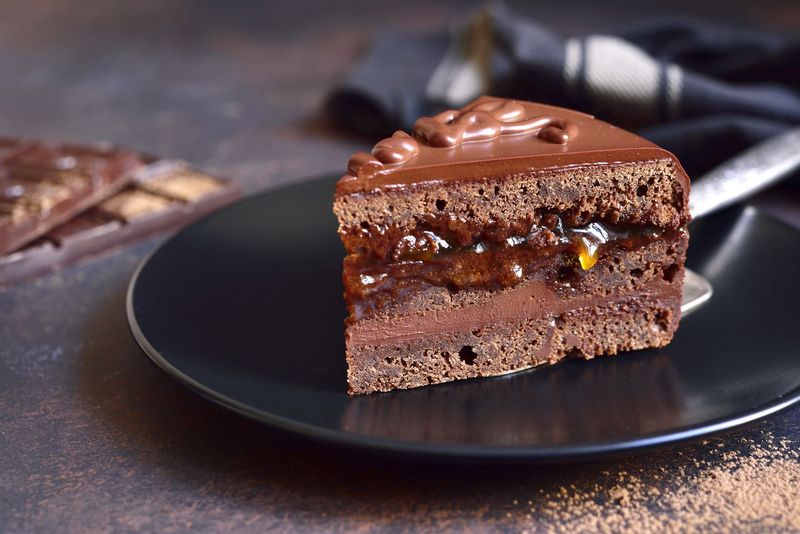
Few cakes carry as much prestige as the Sachertorte, Vienna's most famous chocolate creation. Invented in 1832 by a 16-year-old apprentice chef named Franz Sacher, this dense chocolate sponge cake is filled with a thin layer of apricot jam and coated in a glossy dark chocolate glaze.
The combination of bittersweet chocolate and fruity jam is surprisingly sophisticated. The Hotel Sacher in Vienna still sells the original recipe today, and the cake has inspired legal battles over its ownership.
A true piece of edible history!
14. South Korean Hotteok
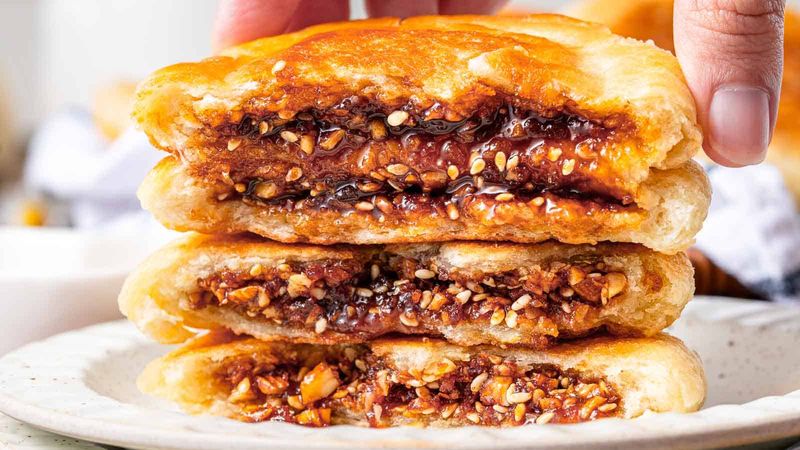
Hotteok is the kind of street food that makes you stop walking and just stand there, completely happy. These Korean sweet pancakes are stuffed with a mixture of brown sugar, cinnamon, and crushed nuts, then pan-fried until the outside turns perfectly golden and crispy.
When you bite in, the filling has melted into a warm, gooey caramel that oozes out in the most satisfying way. Hotteok is especially popular during Seoul winters, sold by street vendors wrapped in paper to warm cold hands.
Making them at home is a truly fun kitchen project.
15. Moroccan Chebakia
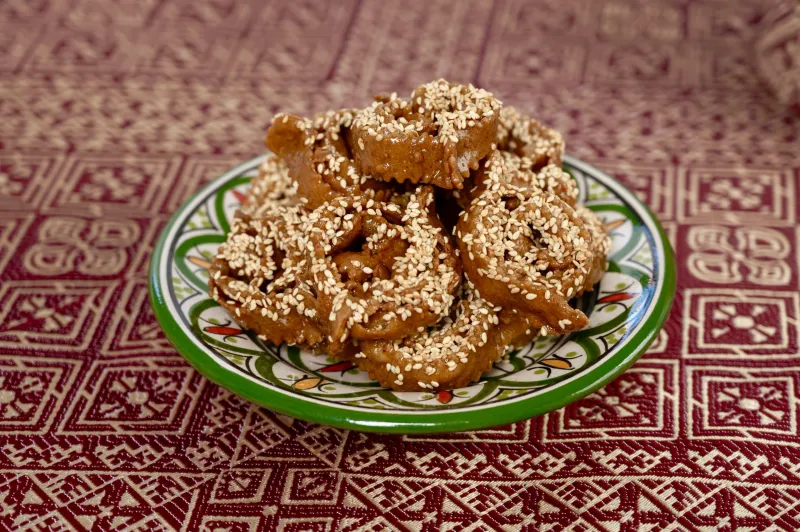
Chebakia is one of Morocco's most celebrated sweets, and its intricate flower shape alone makes it a work of art. The dough is flavored with sesame seeds, anise, cinnamon, and orange blossom water, then folded into a beautiful rosette shape before being deep-fried and soaked in warm honey.
Every bite is intensely fragrant and deeply satisfying. Chebakia is traditionally prepared during Ramadan, with families spending days making large batches together.
The process is labor-intensive but deeply meaningful, connecting generations through shared recipe knowledge and shared kitchen time.
16. Italian Cannoli
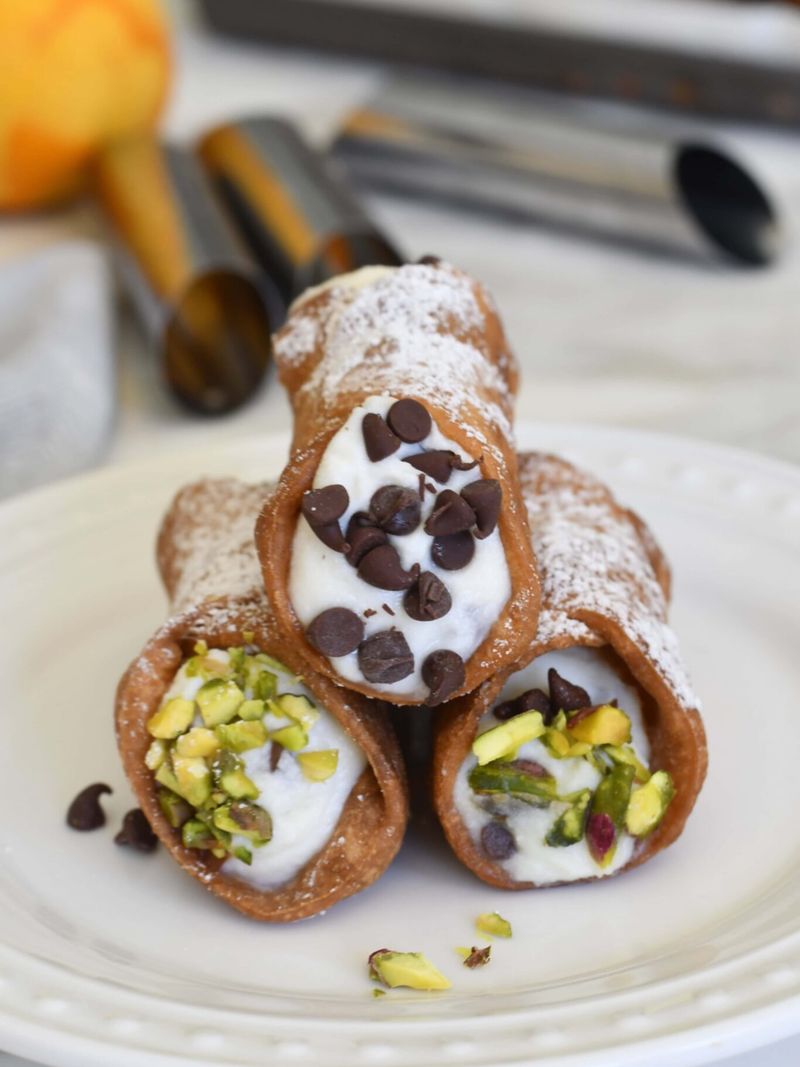
Sicily gave the world cannoli, and the world has been grateful ever since. These crispy fried pastry tubes are filled with a sweet, creamy ricotta mixture that is often studded with chocolate chips, candied orange peel, or crushed pistachios.
The shell must be eaten fresh, or it loses its signature crunch. Cannoli have roots going back to Arab rule in Sicily, making them one of Italy's oldest pastries.
The iconic line from The Godfather, leave the gun, take the cannoli, tells you everything about how seriously Italians take this treat.
17. Chinese Egg Tart (Dan Tat)
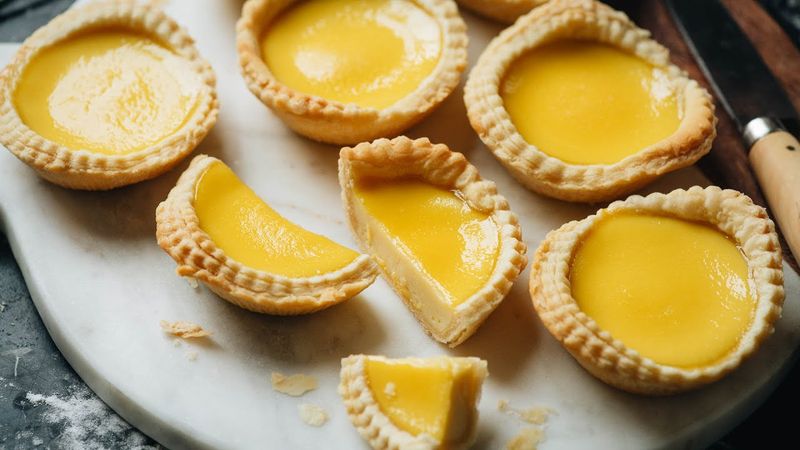
Walk through any Hong Kong bakery and you will spot trays of Dan Tat cooling near the window, their golden custard tops wobbling just slightly. These egg tarts have a silky smooth filling encased in either a crumbly shortcrust or flaky puff pastry shell.
Influenced by Portuguese Pastel de Nata through Macau, they evolved into their own distinct style. Dan Tat are a classic part of dim sum culture and are enjoyed by people of all ages.
They are best eaten warm, straight from the oven, without any extras needed.
18. British Victoria Sponge
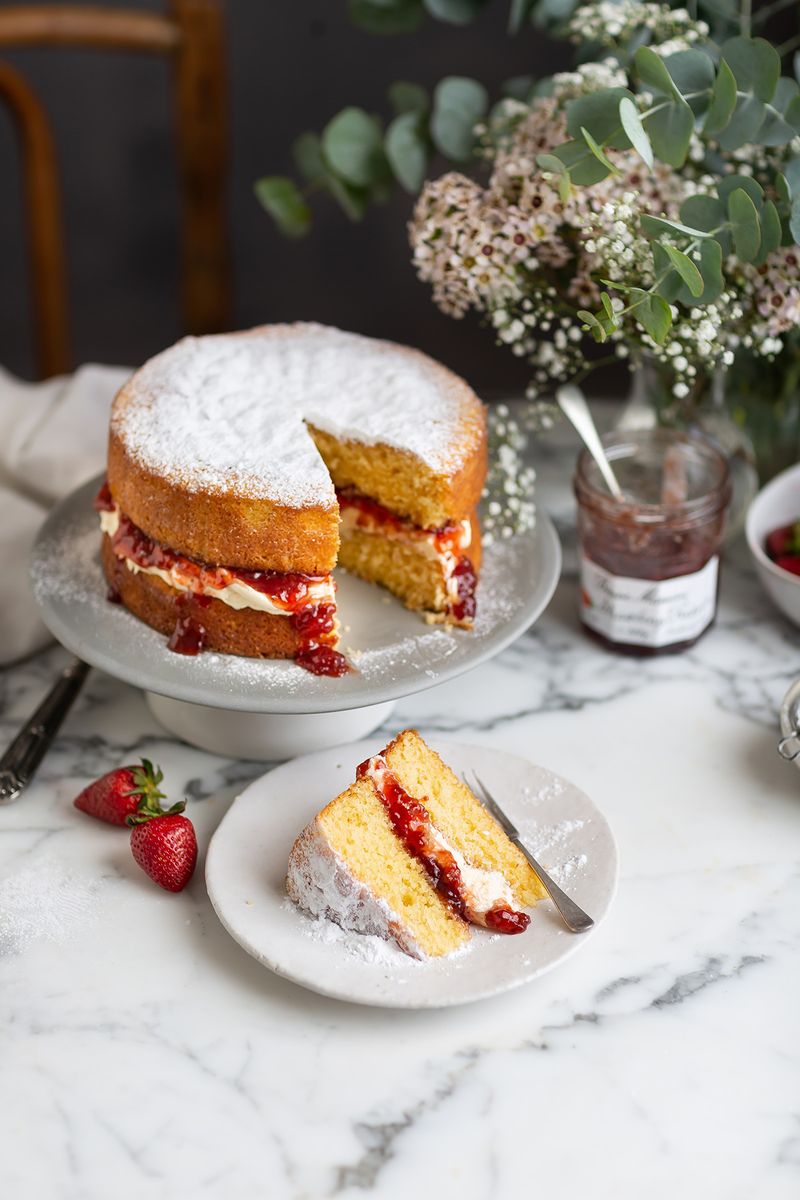
Named after Queen Victoria herself, who reportedly loved a slice with her afternoon tea, the Victoria Sponge is the backbone of British baking. Two golden, fluffy sponge layers are sandwiched together with strawberry jam and freshly whipped cream, then dusted with powdered sugar.
No fondant, no elaborate decorations, just pure, honest cake. The Great British Bake Off has introduced this classic to new generations around the world.
There is something wonderfully humble about a dessert this beloved relying entirely on the quality of its simple ingredients to shine.
19. Lebanese Maamoul
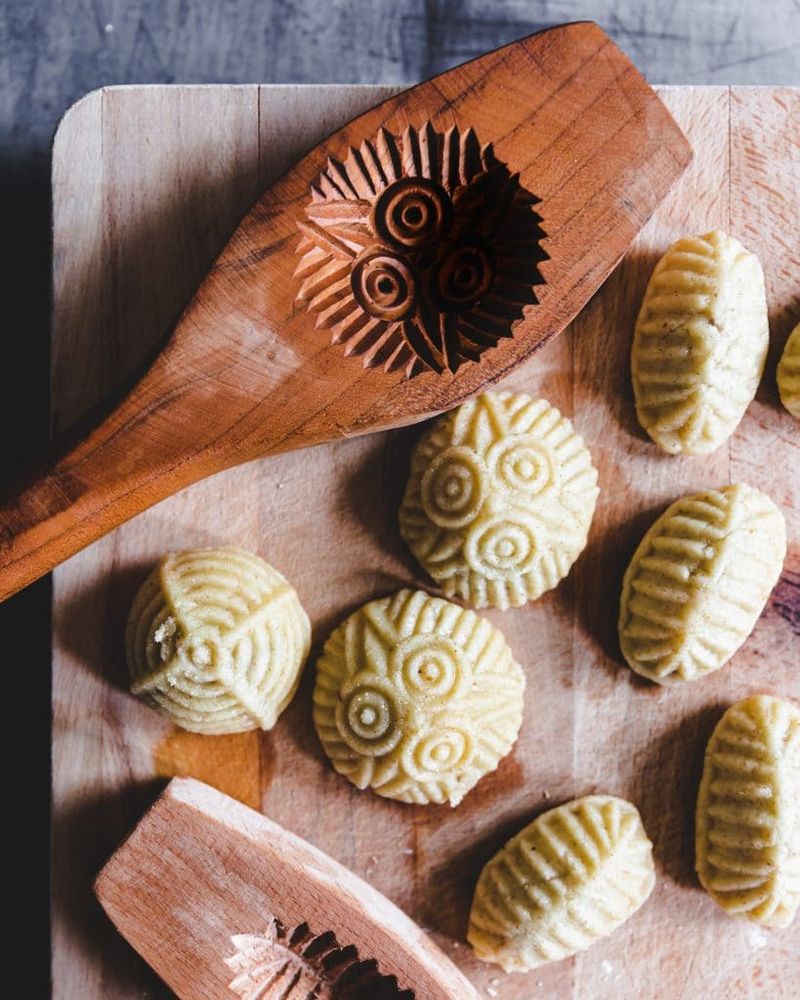
Maamoul cookies carry centuries of history in every bite. These delicate Lebanese shortbread cookies are shaped using intricately carved wooden molds, creating stunning patterns on the outside that hint at the rich filling hidden within.
The fillings vary by family and region, with dates, walnuts, and pistachios being the most popular choices. Maamoul are traditionally made for Easter, Eid, and other religious celebrations, with entire families gathering to shape and fill hundreds of cookies at once.
The ritual of making them is just as meaningful as eating them.
20. Argentinian Alfajores

Argentina runs on dulce de leche, and nowhere is that more delicious than in an Alfajor. Two melt-in-your-mouth cornstarch shortbread cookies are pressed together with a thick, creamy layer of dulce de leche and then rolled in coconut, dipped in chocolate, or dusted with powdered sugar.
These cookies are sold everywhere in Argentina, from gas stations to high-end patisseries. The name comes from an Arabic word, reflecting the country's diverse culinary heritage.
Biting into one feels like discovering a secret, soft, rich, and deeply satisfying in every way.
21. Nigerian Chin Chin
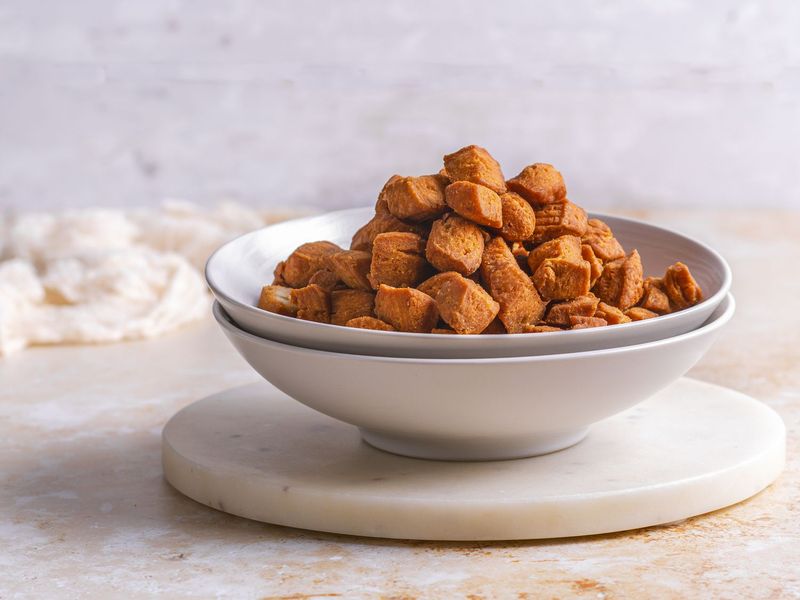
Chin Chin is one of West Africa's most cheerful snacks, showing up at celebrations, Christmas parties, and casual afternoon visits across Nigeria and beyond. These small, crunchy fried dough pieces are made with flour, sugar, eggs, butter, and a generous pinch of nutmeg that gives them their signature warm flavor.
Every family has its own recipe, with some adding coconut or vanilla for a personal twist. Making Chin Chin is a social activity in many Nigerian homes, with kids helping to roll and cut the dough.
The result is always worth the effort.

Comments
No Comments