













German baking has a long and delicious history that stretches back hundreds of years. From cozy Christmas markets to everyday kitchen tables, sweet treats are a huge part of German culture.
Whether you love rich chocolate cakes, spiced cookies, or fruit-filled pastries, German desserts have something for everyone. Get ready to explore some of the most beloved sweets that Germany has to offer.
1. Black Forest Cake (Schwarzwälder Kirschtorte)
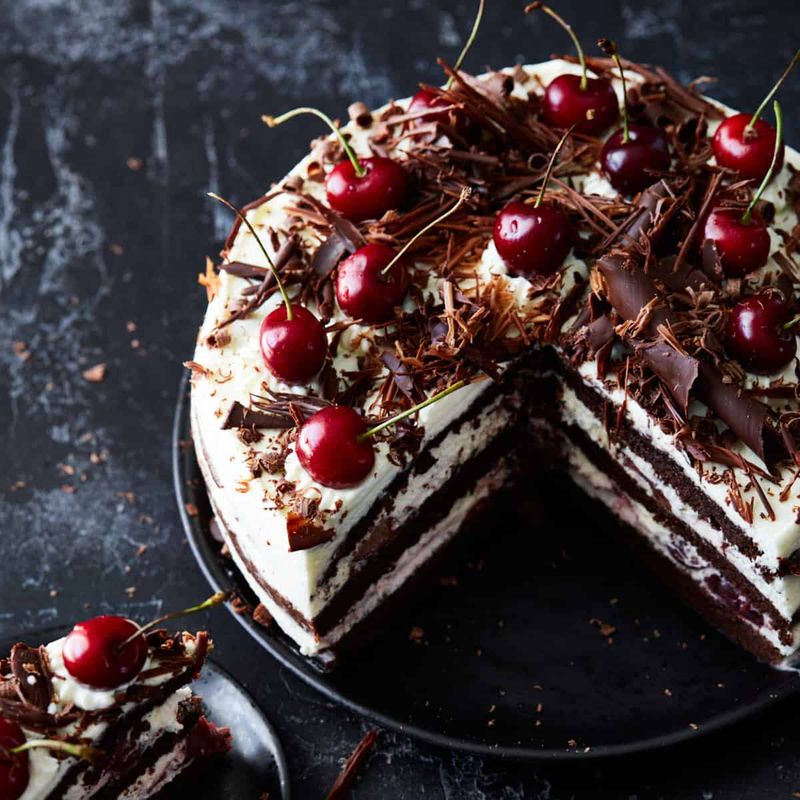
Few cakes in the world are as dramatic and delicious as Black Forest Cake. Layers of moist chocolate sponge are stacked with lightly sweetened whipped cream and tart cherries, then soaked with a hint of cherry liqueur.
The result is a dessert that feels both fancy and comforting at the same time. Originating from the Black Forest region of Germany, this cake has been wowing guests at celebrations for generations.
2. Lebkuchen (German Gingerbread)
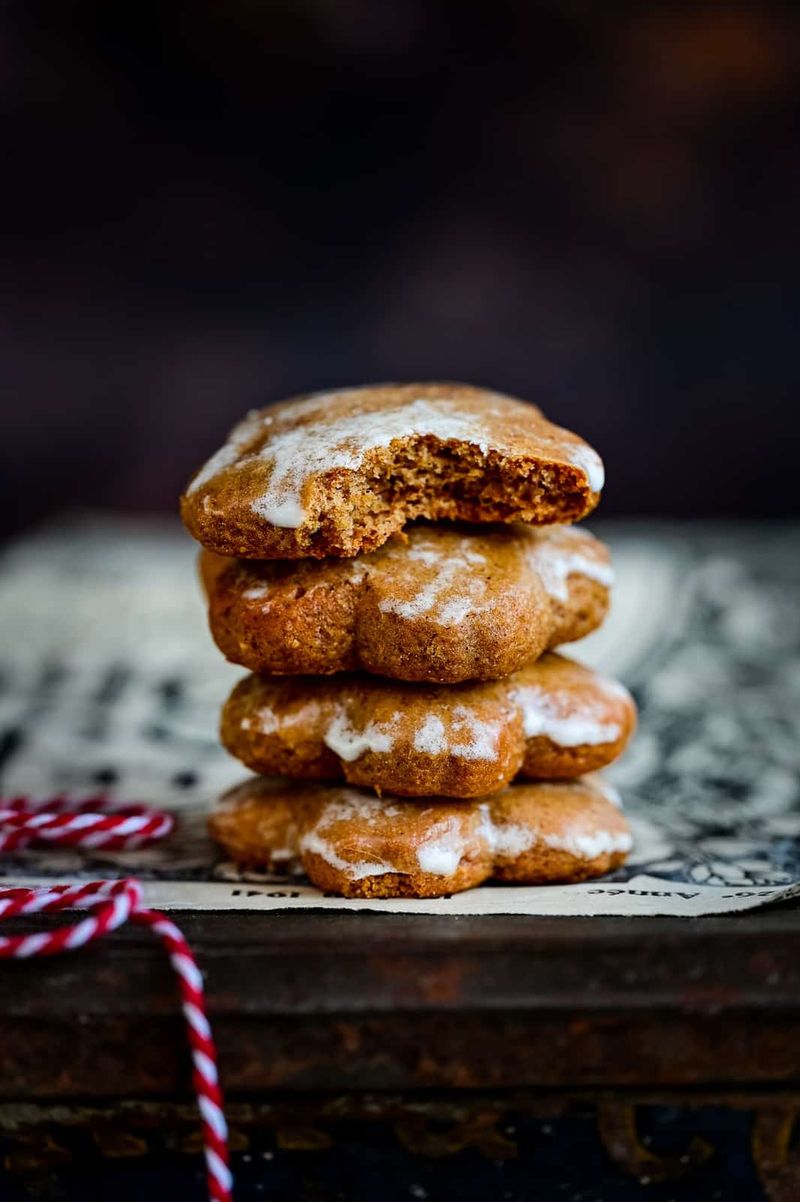
Walk through any German Christmas market and the warm, spicy scent of Lebkuchen will stop you in your tracks. These soft gingerbread cookies are packed with a blend of spices like cinnamon, cloves, and cardamom that have been used in German baking for centuries.
They come glazed with white icing or dipped in chocolate. Some bakers even use wafer paper on the bottom, a traditional touch that keeps the cookies from sticking.
3. Stollen (German Christmas Bread)
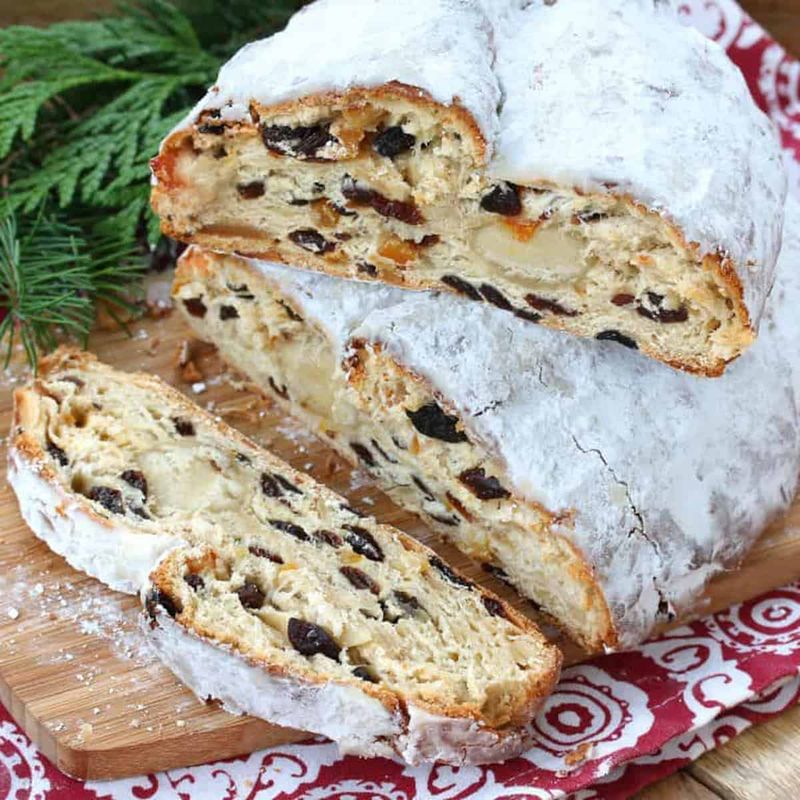
Stollen is the kind of recipe that smells like the holidays the moment it comes out of the oven. This dense, fruit-filled bread is packed with raisins, candied orange peel, almonds, and a hidden log of marzipan right in the center.
After baking, it gets brushed with melted butter and buried under a snowstorm of powdered sugar. Dating back to 15th-century Dresden, Stollen remains one of Germany's most iconic festive treats.
4. Bienenstich (Bee Sting Cake)
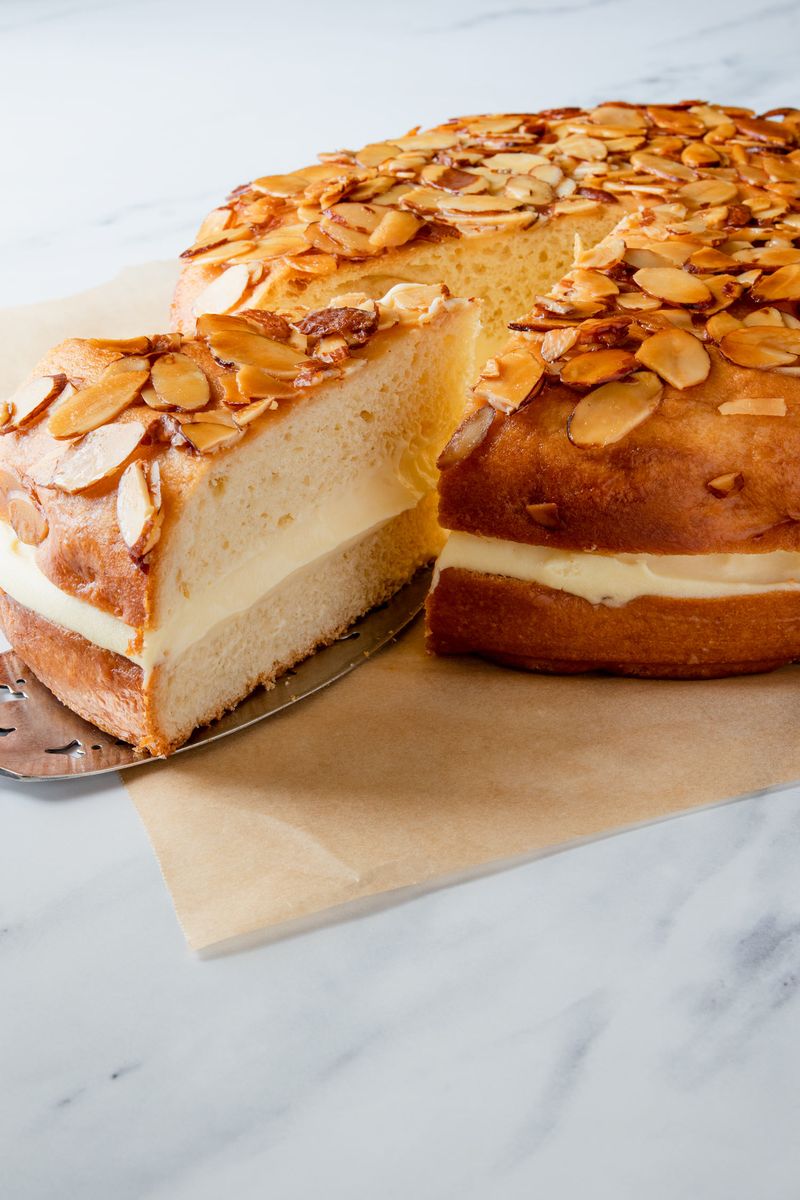
The name means "bee sting" and the legend says a baker was stung while collecting honey to make this very cake. Whether the story is true or not, Bienenstich absolutely earns its sweet reputation.
A pillowy yeast dough base is topped with a crunchy caramelized almond and honey glaze, then sandwiched together with a thick, silky vanilla cream filling. Every bite delivers a satisfying contrast of textures that keeps you reaching for another slice.
5. Apfelstrudel (Apple Strudel)
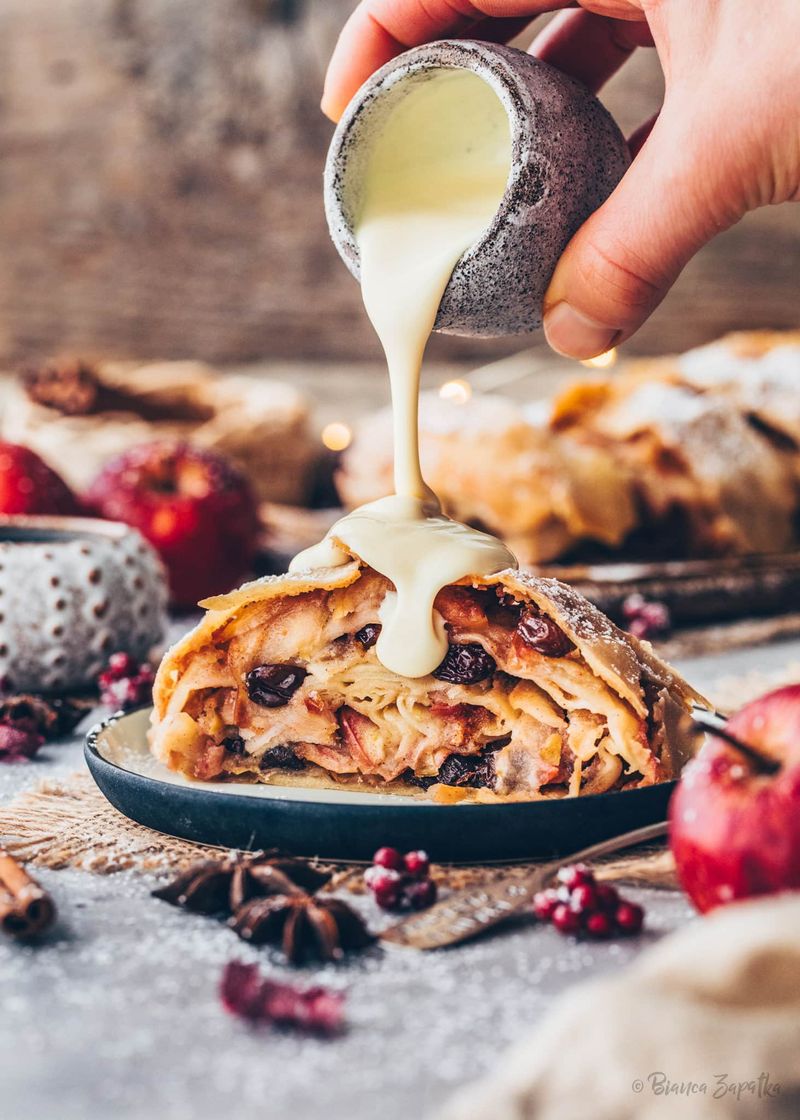
Apfelstrudel is the kind of dessert that feels like a warm hug on a cold afternoon. Paper-thin pastry dough is rolled around a sweet and spiced filling of apples, cinnamon, raisins, and breadcrumbs.
When baked, the pastry turns beautifully golden and flaky while the inside stays tender and fragrant. Serve it warm with a drizzle of vanilla sauce or a scoop of vanilla ice cream, and you have a dessert that nobody will turn down.
6. Frankfurter Kranz (Frankfurt Crown Cake)
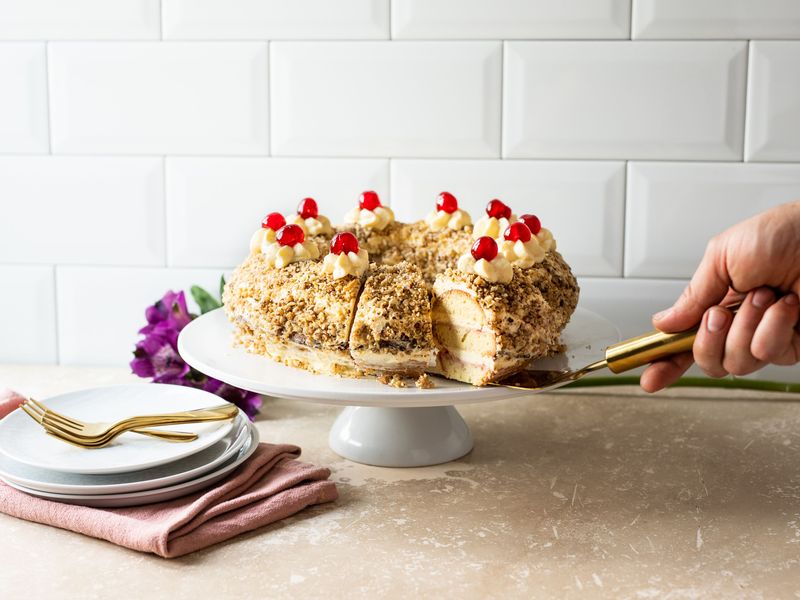
Shaped like a royal crown, this cake from Frankfurt is as impressive to look at as it is to eat. Three layers of buttery sponge cake are stacked with rich German buttercream, then the whole cake is rolled in crunchy caramelized almond brittle called Krokant.
Bright red cherries or jam dots are added on top as the finishing touch. This classic celebration cake has been a staple at German birthdays and family gatherings for well over a century.
7. Pfeffernüsse (Spiced Pepper Cookies)
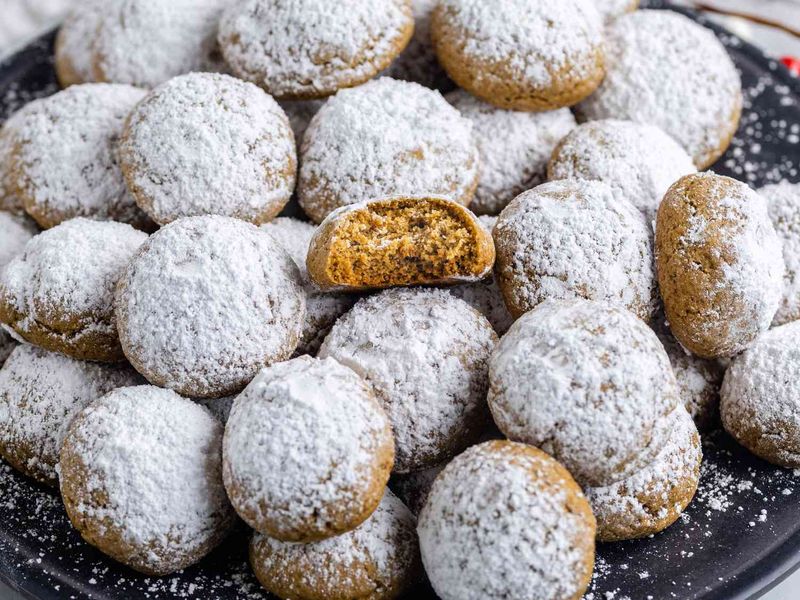
Do not let the name fool you. These tiny, round cookies may have "pepper" in their name, but they are wonderfully sweet with just a tiny kick of warmth from white pepper and anise.
Pfeffernüsse are a classic German holiday cookie that gets better with age. Bakers often make a big batch weeks before Christmas and store them in a tin so the spices can mellow and deepen.
Rolled in powdered sugar, they practically melt in your mouth.
8. Donauwellen (Danube Waves Cake)
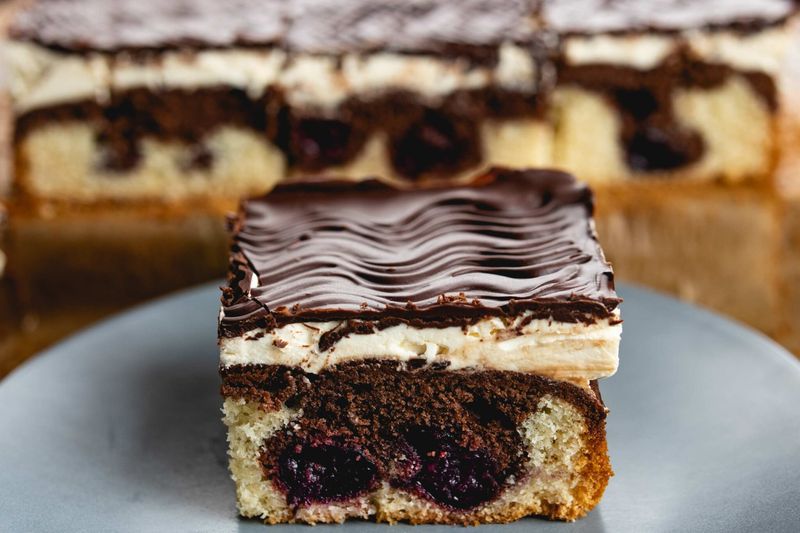
Named after the rippling waves of the Danube River, this layered sheet cake is almost too pretty to cut. A swirled marble sponge base holds a layer of tart sour cherries, which is then covered with a smooth, creamy chocolate buttercream and finished with a shiny chocolate glaze.
The contrast between the tangy cherries and the rich chocolate is what makes this cake truly special. Every slice looks like a little work of art when you see those wavy layers.
9. Baumkuchen (Tree Cake)
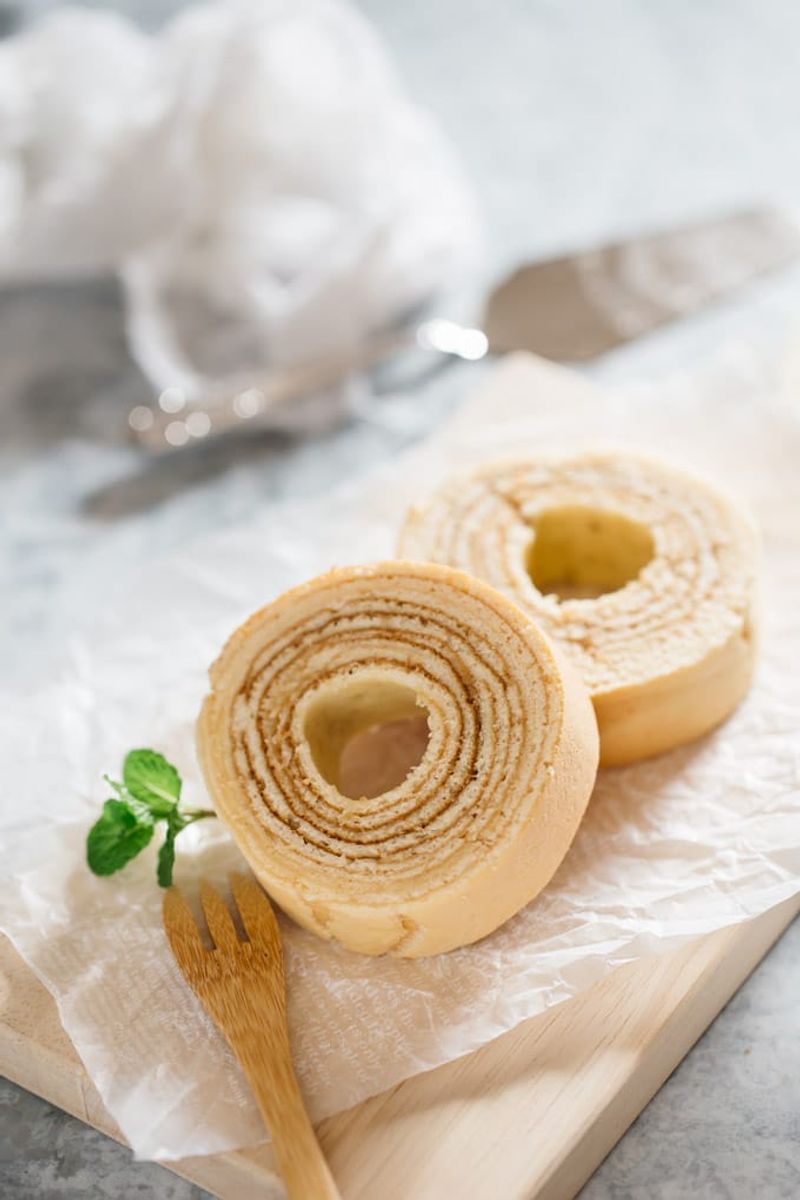
Baumkuchen is one of the most technically impressive cakes in the world, and Germany proudly calls it their own. When you slice through it, you see dozens of thin, even rings that look just like the inside of a tree trunk, which is exactly how it got its name.
Each layer is cooked one at a time on a rotating spit over an open flame. The result is a firm, slightly chewy cake with a delicate buttery flavor that is completely unlike anything else.
10. Mohnkuchen (Poppy Seed Cake)
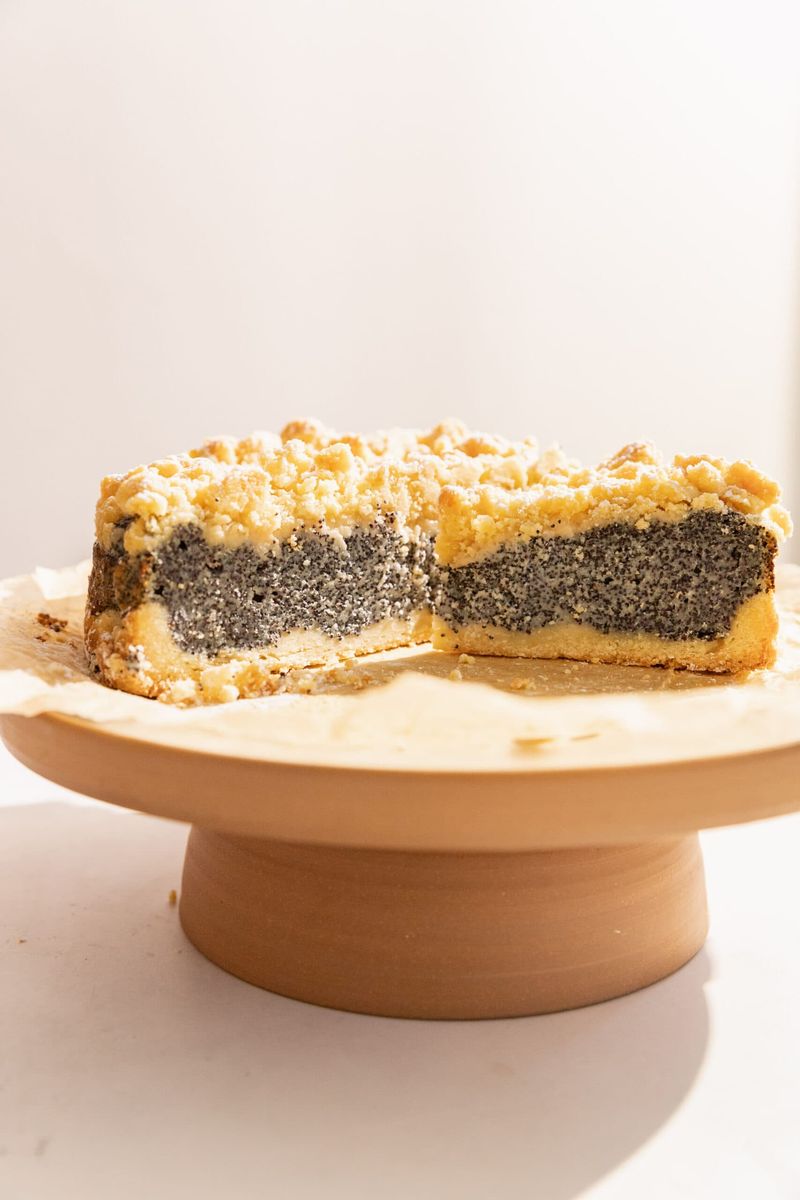
Poppy seeds might not sound like an exciting cake ingredient, but one bite of Mohnkuchen will completely change your mind. Ground poppy seeds are mixed with milk, sugar, and vanilla to create a dense, nutty, and surprisingly sweet filling that sits inside soft yeast dough.
This cake is especially popular in Eastern and Southern Germany, where poppy seed desserts have deep cultural roots. The filling has a unique earthy richness that pairs perfectly with a cup of strong German coffee.
11. Zimtsterne (Cinnamon Stars)
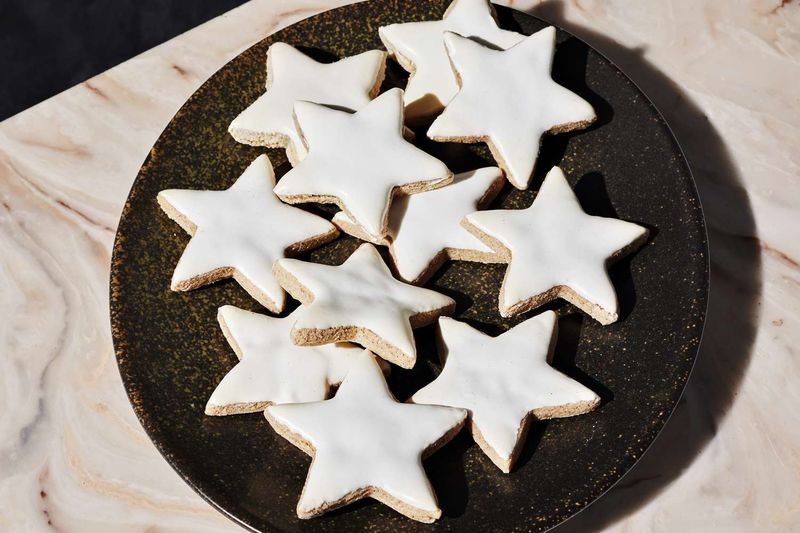
Zimtsterne are one of Germany's most beloved Christmas cookies, and they have been baked in German homes for hundreds of years. Made with ground almonds, cinnamon, and stiff egg white meringue, these cookies are naturally gluten-free, which is a big bonus for many bakers today.
The shiny white meringue topping gives them a festive, snow-dusted look that makes them almost too pretty to eat. Almost.
Their chewy texture and bold cinnamon flavor make them absolutely irresistible.
12. Käsekuchen (German Cheesecake)
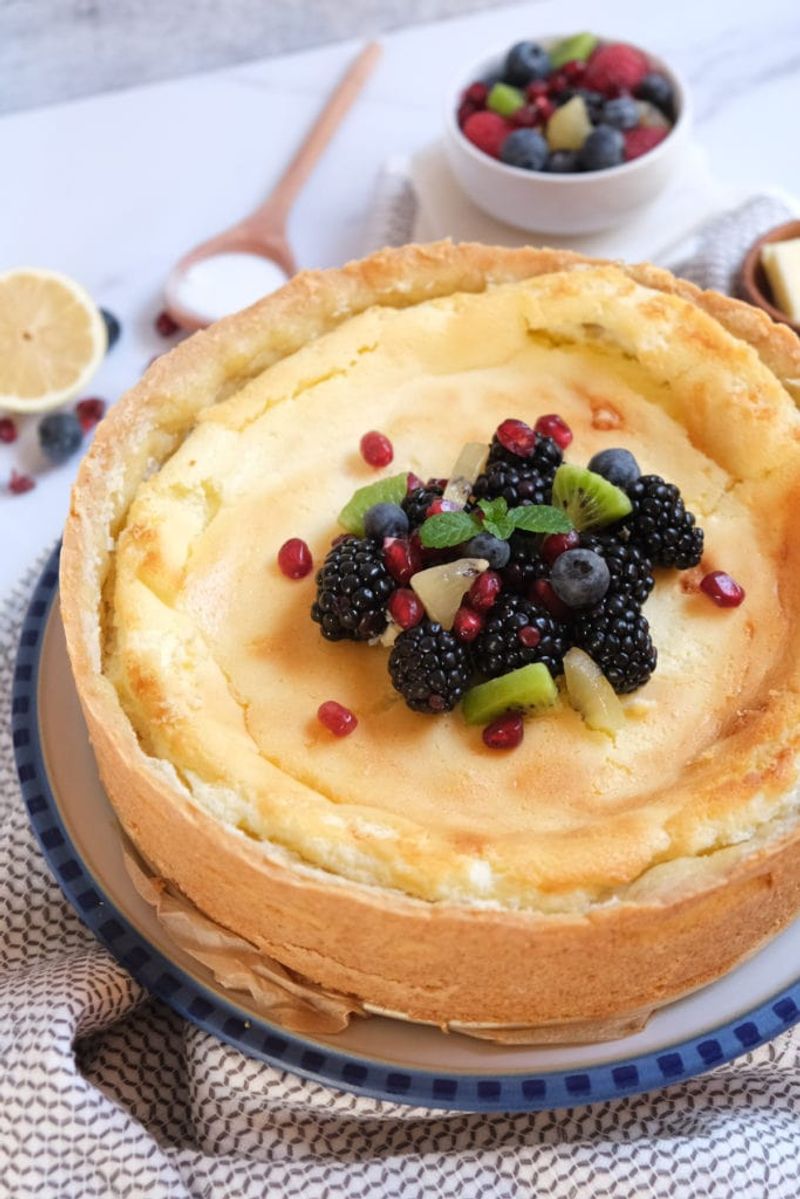
German cheesecake is a completely different experience from its American cousin. Instead of cream cheese, Käsekuchen is made with Quark, a fresh dairy product that gives the filling a lighter, creamier texture with a gentle tang.
The result is a cheesecake that feels less heavy but just as satisfying. Some versions include a buttery pastry crust, while others are baked directly in the pan.
Either way, this dessert is a Sunday afternoon staple in German households across the country.
13. Streuselkuchen (Crumble Cake)
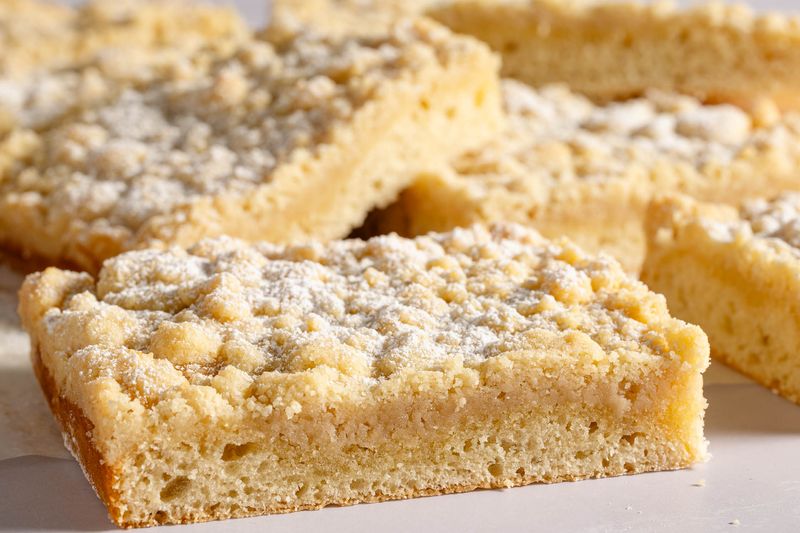
Sometimes the simplest things in life are the best, and Streuselkuchen is proof of that. A soft, slightly sweet yeast dough base is buried under a mountain of buttery, crumbly topping made from flour, sugar, and cold butter rubbed together with your fingertips.
The crumbles bake up golden and crisp on the outside while staying a little soft underneath. This unpretentious sheet cake is a fixture at German bakeries and family coffee tables, often enjoyed with a generous dusting of powdered sugar.
14. Berliner (German Doughnuts)
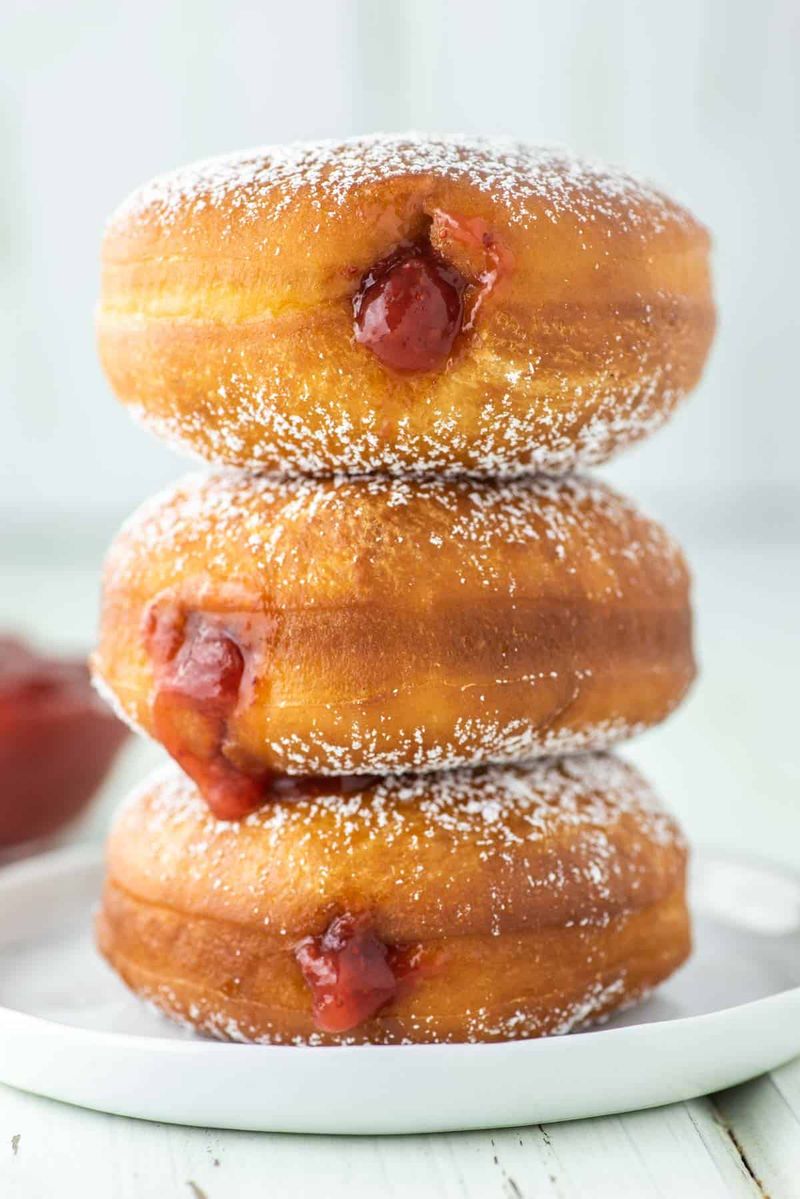
In Germany, New Year's Eve without a Berliner is practically unthinkable. These fluffy, deep-fried doughnuts are filled with a generous squirt of strawberry or plum jam and then rolled in powdered sugar or glazed with a sweet icing.
The dough is incredibly soft and pillowy, with a golden-brown exterior that practically crinkles when you pick one up. Fun fact: when John F.
Kennedy famously said "Ich bin ein Berliner," some historians joke he called himself one of these beloved doughnuts.
15. Nussecken (Nut Corners)
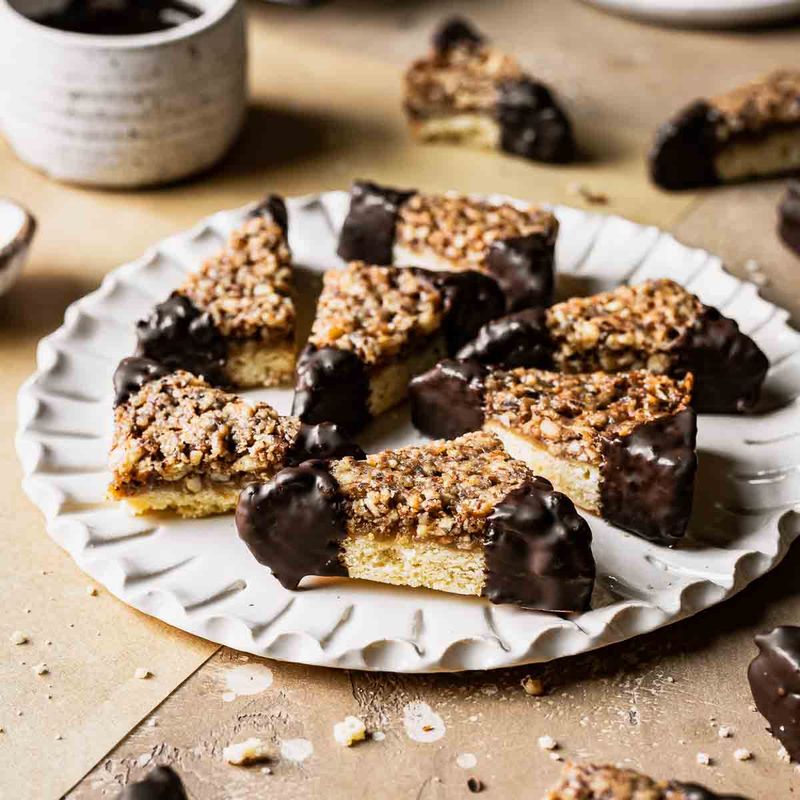
Nussecken are the kind of treat you find at every German bakery window and grandma's kitchen alike. A buttery shortcrust base is spread with apricot jam, then topped with a thick, caramelized mixture of chopped hazelnuts and honey.
After baking, the sheet is cut into squares, then each square is cut diagonally into triangles. The pointed corners are dipped in melted dark chocolate, giving each piece its signature look.
They are crunchy, nutty, sweet, and completely addictive.
16. Rote Grütze (Red Berry Pudding)
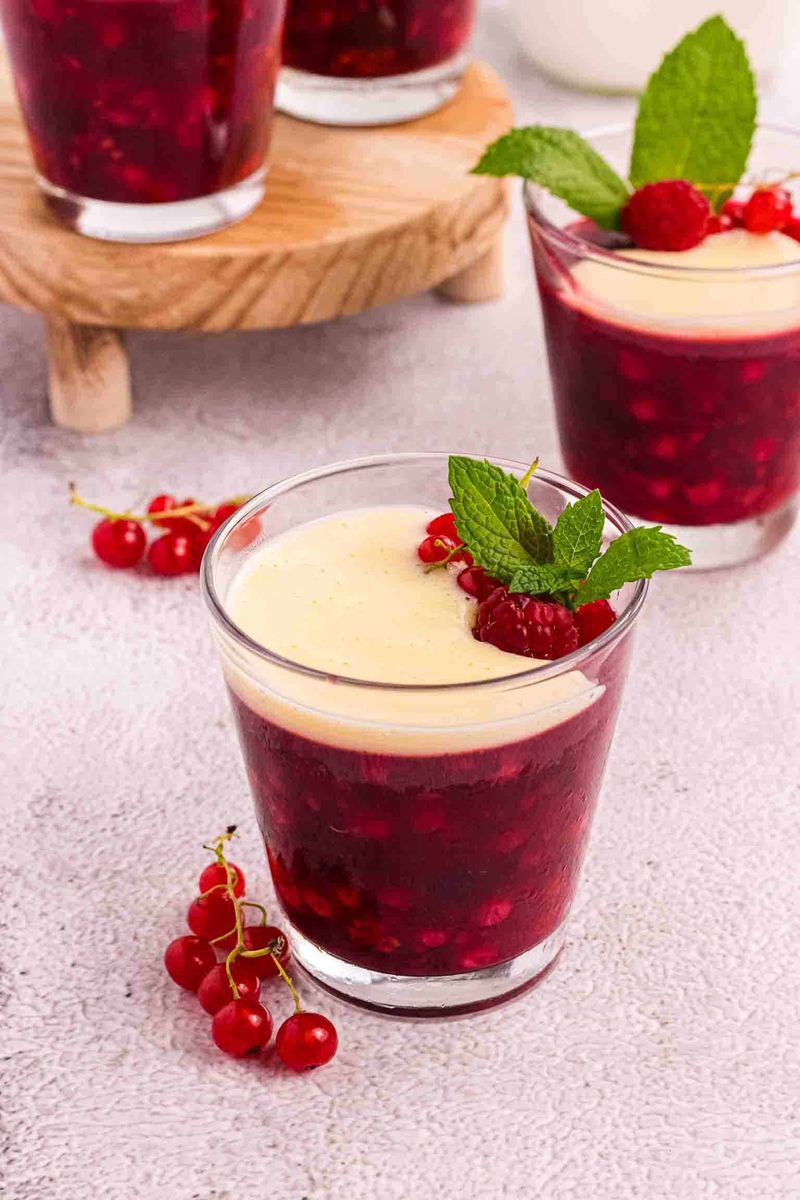
Rote Grütze is a dessert that celebrates the very best of summer berries. Raspberries, strawberries, red currants, and cherries are cooked together with sugar and a little starch until they form a thick, jewel-red fruit pudding that wobbles beautifully in a bowl.
It is typically served cold, topped with vanilla sauce, whipped cream, or a splash of milk. This dessert is especially popular in Northern Germany, where it has been a beloved part of regional cooking for generations.
17. Sandkuchen (German Sand Cake)
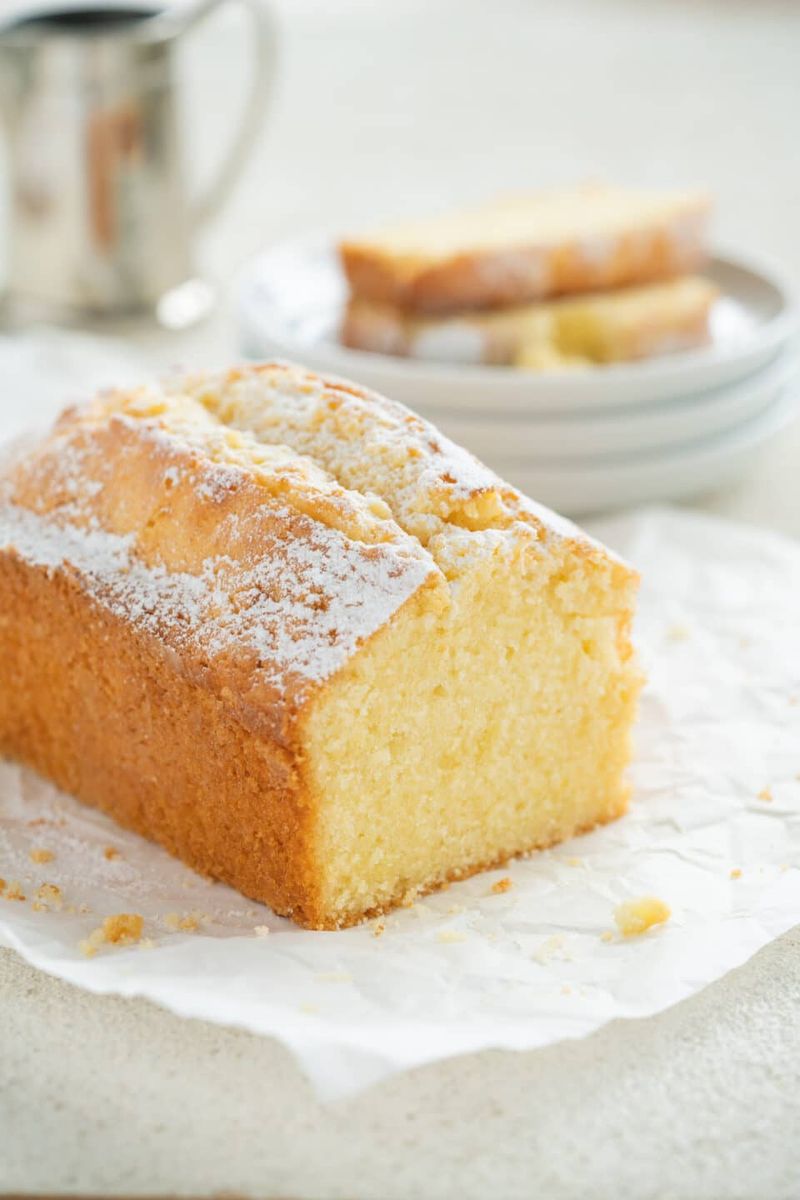
Sandkuchen gets its charming name from the incredibly fine, soft crumb that crumbles apart like sand when you bite into it. This classic German pound cake is made with a mix of flour and cornstarch, which is the secret behind that unique melt-in-your-mouth texture.
Flavored with vanilla and lemon zest, it is simple, elegant, and deeply satisfying. Sandkuchen is a go-to recipe for German home bakers because it requires no fancy ingredients and always turns out beautifully.
18. Dampfnudeln (Steamed Sweet Dumplings)
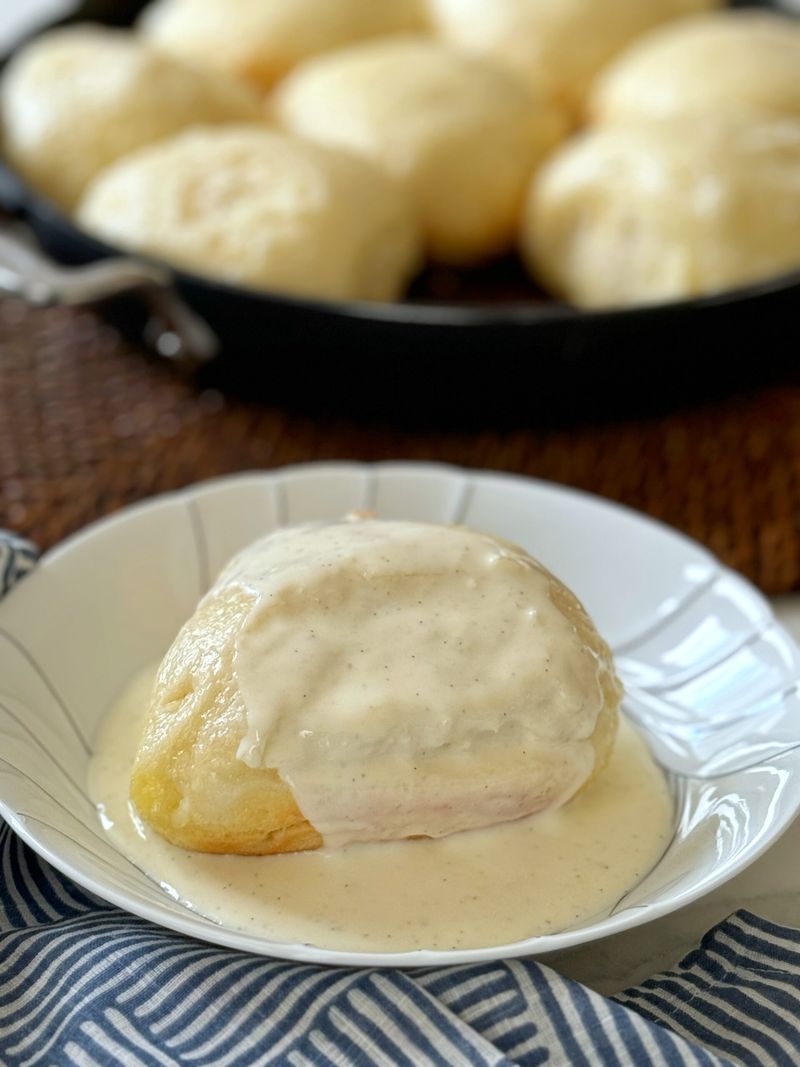
Dampfnudeln are a wonderfully old-fashioned German comfort food that has been warming people up since the Middle Ages. These large, pillowy yeast dumplings are steamed in a covered pot with butter and milk until they puff up dramatically and develop a crispy golden base.
Served with warm vanilla custard or a savory potato soup, they are hearty and deeply satisfying. Every German region has its own version, but the sweet variety served with custard is undeniably the most beloved.
19. Schokokuchen (German Chocolate Cake)
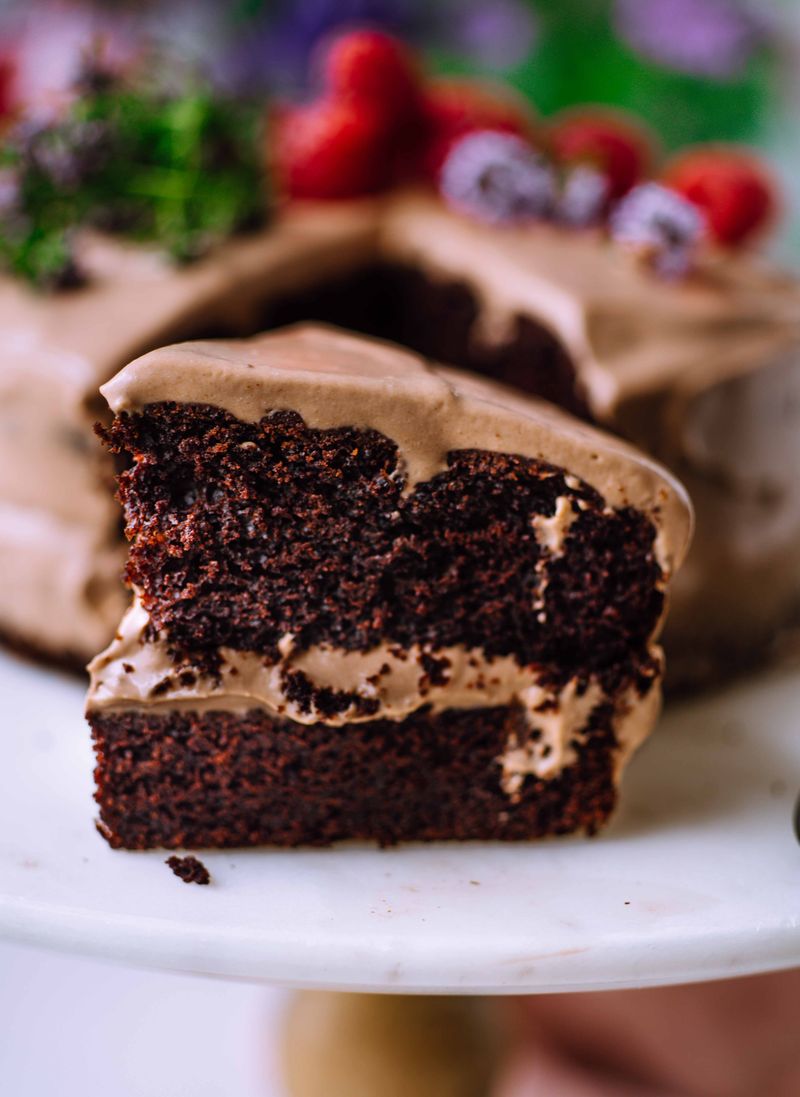
Germany takes chocolate cake seriously, and Schokokuchen is the ultimate proof. This rich, dense chocolate cake is made with real melted dark chocolate in the batter, giving it a deep, intense flavor that is worlds apart from a basic cocoa powder cake.
Some versions are baked just until the center is still slightly fudgy, making each slice feel almost like a brownie. Topped with a glossy ganache glaze, this is the kind of chocolate cake that ruins all other chocolate cakes for you.
20. Quarkbällchen (Quark Doughnut Balls)
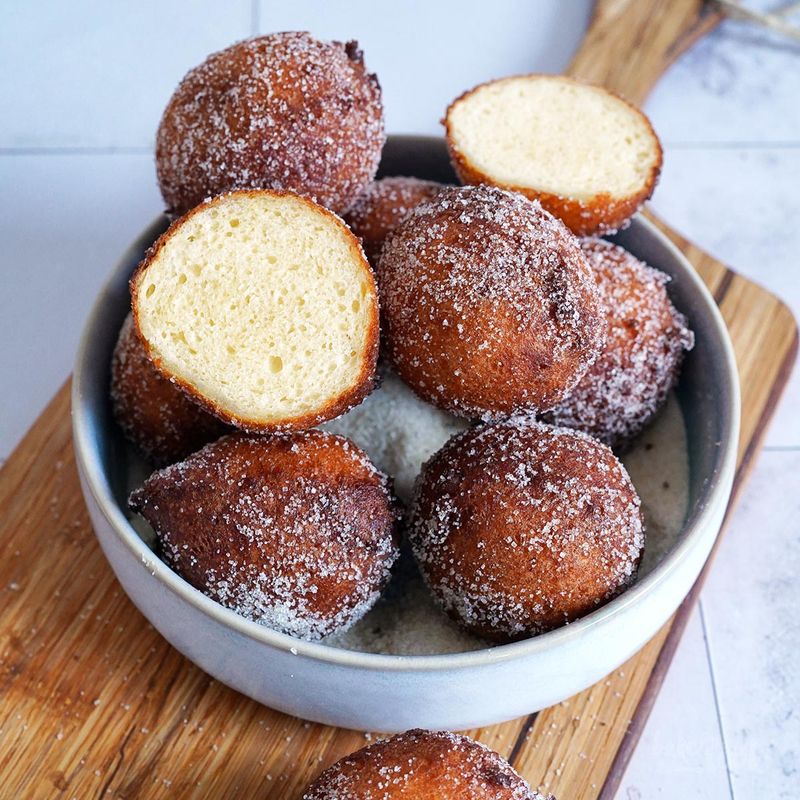
Quarkbällchen are the German answer to doughnut holes, and they are dangerously easy to eat by the handful. Made with Quark, eggs, flour, and a pinch of baking powder, the batter comes together in minutes and fries up into perfectly round, golden little balls.
Rolled in cinnamon sugar while still warm, they are crispy on the outside and soft and fluffy on the inside. These are a popular treat at German fairs and Christmas markets, and they are best eaten fresh and hot.
21. Marmorkuchen (Marble Cake)
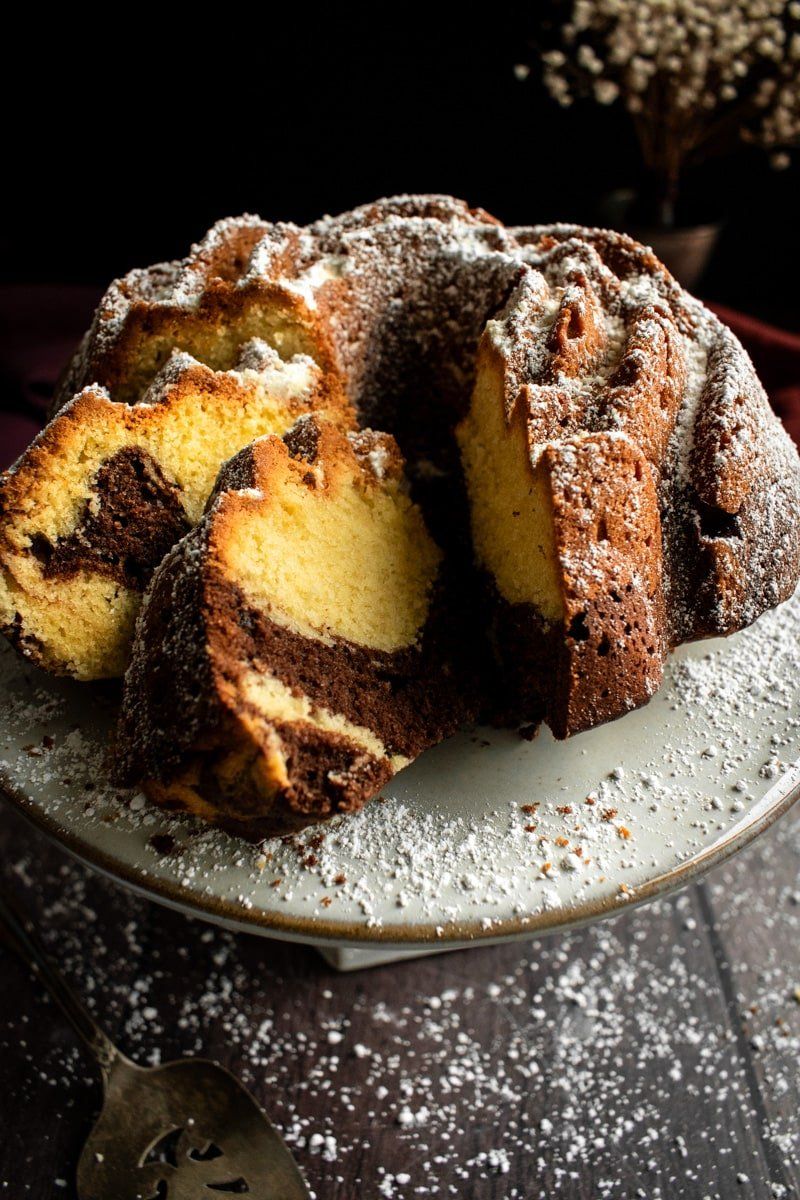
Marmorkuchen is one of the first cakes many German children learn to bake with their parents. The classic recipe swirls together a light vanilla batter and a rich cocoa batter in a Bundt pan, creating a stunning marble pattern inside every slice.
It is sturdy enough to pack in a lunchbox, beautiful enough to serve at a party, and easy enough for beginner bakers to nail on their first try. A dusting of powdered sugar is all the decoration it needs.

Comments
No Comments