











Hot sauce lovers, get ready for a flavorful trip around the world. Every region on Earth has its own special way of turning up the heat, using local peppers, spices, and traditions passed down for generations.
From smoky Mexican salsas to fiery African peri-peri, these sauces are more than just condiments — they are a taste of culture. Whether you like mild tingles or tongue-scorching heat, there is something on this list for every spice lover.
1. Tabasco Sauce (Louisiana, USA)
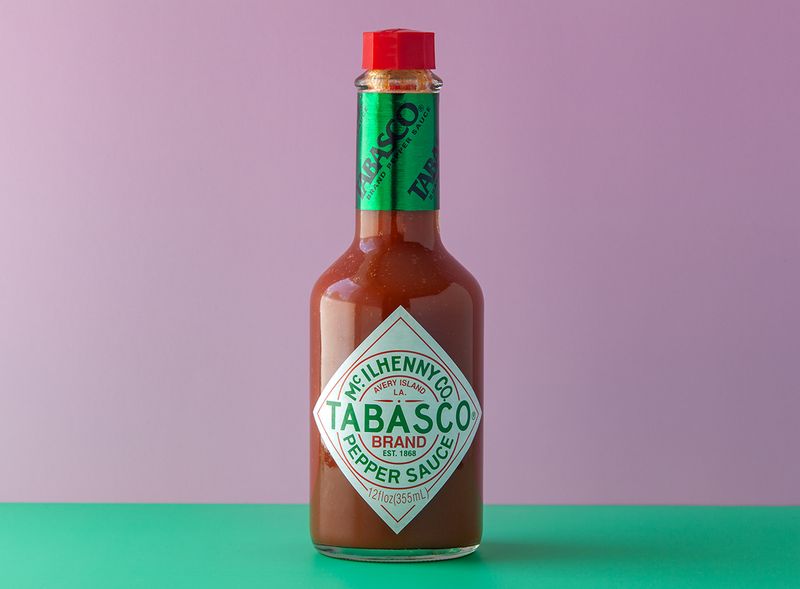
Born in the bayous of Louisiana, Tabasco has been firing up taste buds since 1868. Made from aged red peppers, vinegar, and salt, this iconic sauce is fermented in oak barrels for up to three years, giving it a sharp, tangy punch that is hard to beat.
Just a few drops can transform eggs, pizza, or soups into something memorable. With over 185 countries selling it, Tabasco is arguably the world's most recognized hot sauce.
2. Peri-Peri Sauce (Mozambique/South Africa)
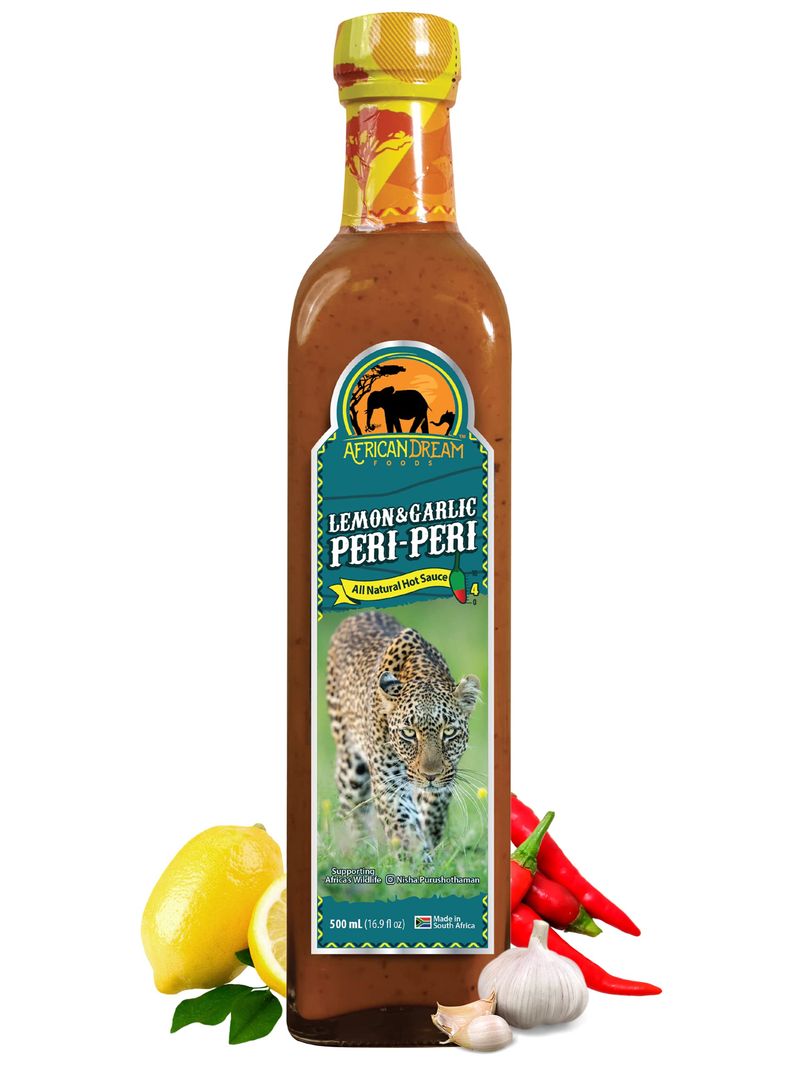
Peri-peri sauce carries the wild soul of southern Africa. Made from the tiny but ferocious African bird's eye chili, it blends garlic, lemon, and herbs into a fiery, citrusy marinade that stains everything it touches with bold flavor.
Popularized globally by restaurant chains, its roots go deep into Mozambican cooking. Locals rub it on grilled chicken, seafood, and bread.
The heat sneaks up on you slowly — and then it absolutely takes over your whole mouth.
3. Sriracha (Si Racha, Thailand)
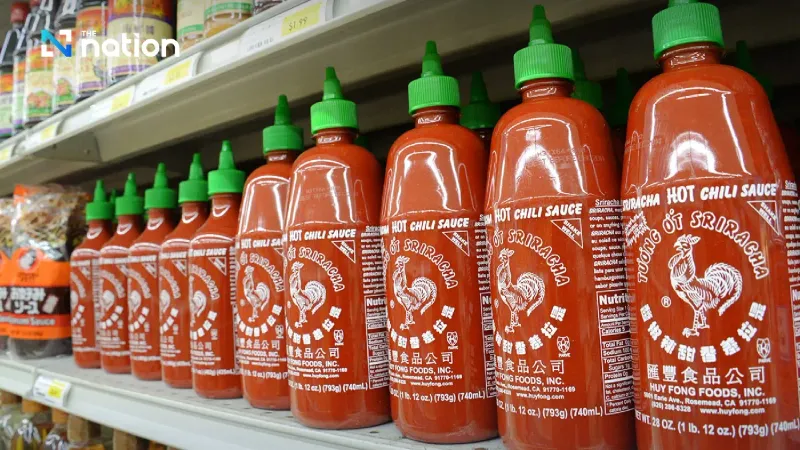
Sriracha started as a humble Thai condiment from the coastal town of Si Racha, but it conquered the world. This thick, garlicky red sauce hits with sweetness first, then slowly builds into a steady, satisfying heat that keeps you reaching for more.
The rooster-branded bottle became a cultural icon in America, popping up on everything from ramen to pizza. Fun fact: the American version made by Huy Fong Foods is actually inspired by the original Thai recipe but has its own bold identity.
4. Harissa (Tunisia/North Africa)
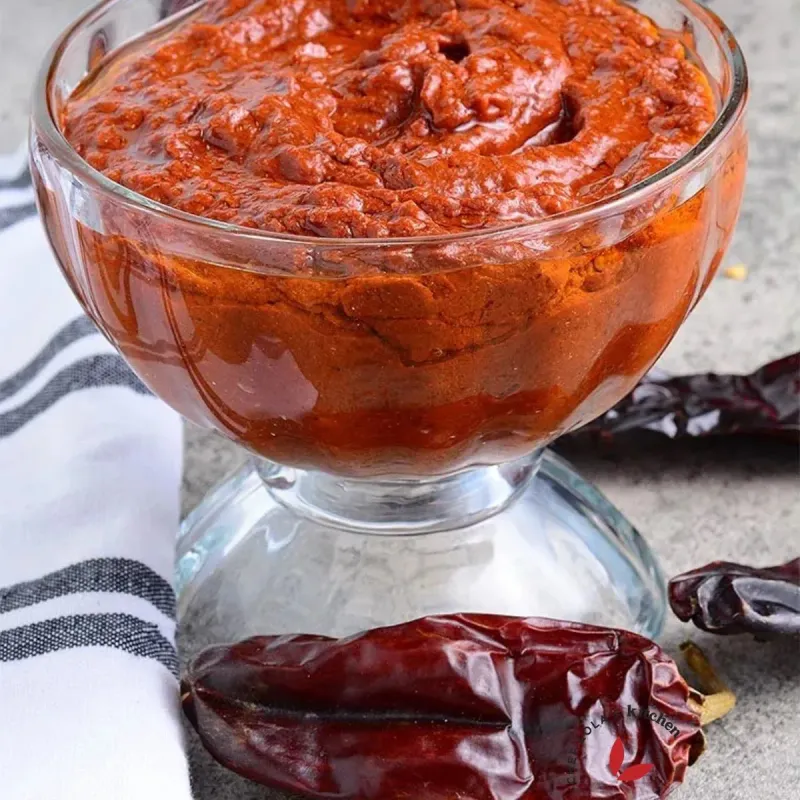
Harissa is the fiery heartbeat of North African cuisine. This deep-red paste is made from roasted red peppers, hot chili peppers, garlic, olive oil, and warming spices like cumin and coriander.
The result is smoky, earthy, and intensely aromatic.
Tunisians spread it on bread, stir it into soups, and use it as a base for stews. In 2022, UNESCO added Tunisian harissa to its list of Intangible Cultural Heritage, recognizing it as far more than just a sauce.
5. Salsa Roja (Mexico)
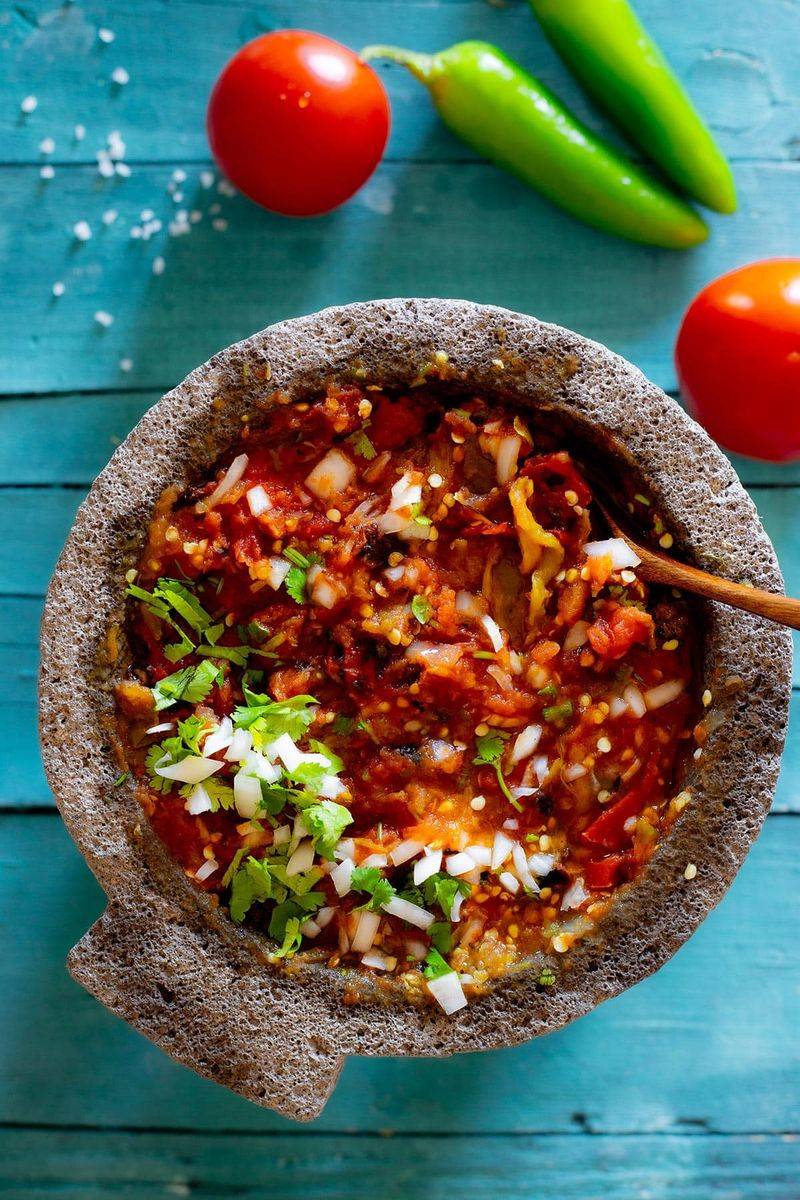
Salsa roja is the backbone of Mexican cooking — simple, bold, and endlessly versatile. Roasted tomatoes, dried chilies like guajillo or ancho, garlic, and onion are blended into a rich, smoky sauce that goes on absolutely everything.
Every Mexican family has its own recipe, passed down through generations with slight variations in pepper choice or roasting technique. Street taco stands, home kitchens, and fine restaurants all claim their version is the best.
Honestly, they might all be right.
6. Gochujang (South Korea)
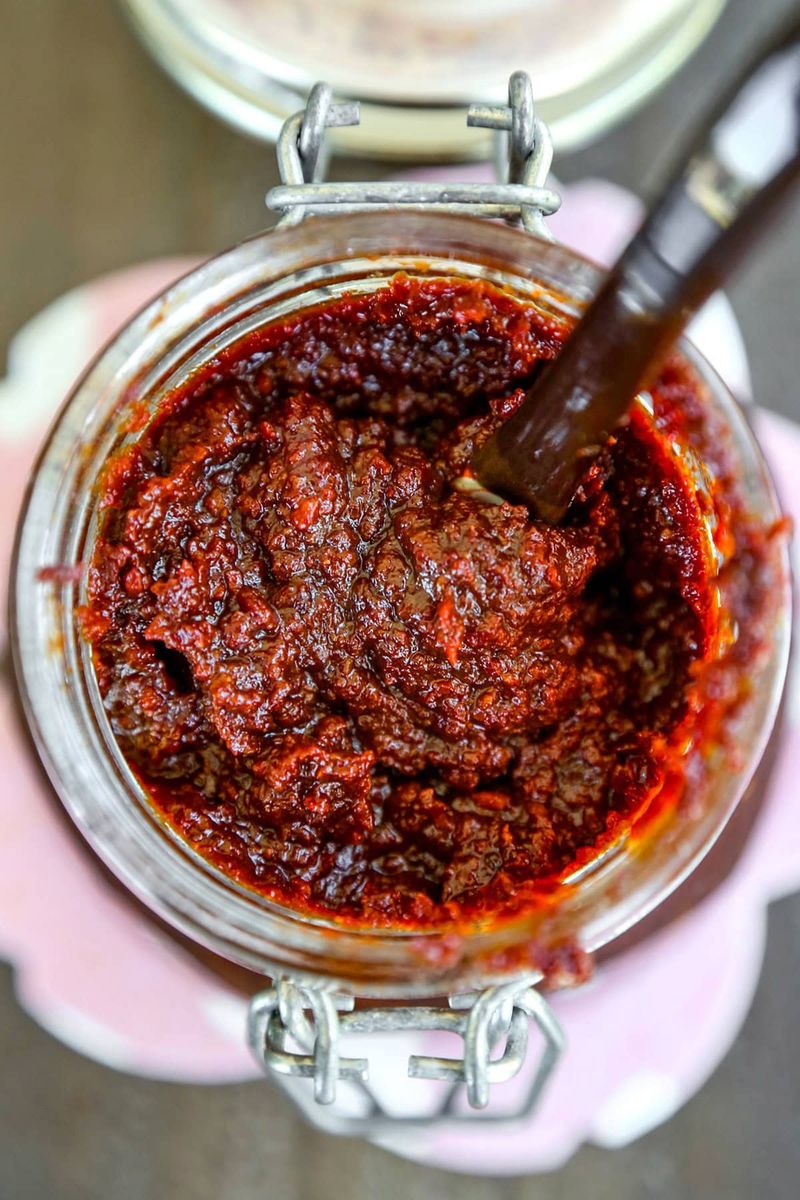
Gochujang is not just a hot sauce — it is a deeply fermented chili paste that anchors Korean cooking. Made from red chili powder, fermented soybean paste, glutinous rice, and salt, it delivers a complex flavor that is spicy, sweet, savory, and umami all at once.
Koreans use it in bibimbap, tteokbokki, marinades, and dipping sauces. The fermentation process can take months, creating layers of flavor that no quick-made sauce could ever replicate.
It is truly in a category of its own.
7. Zhug (Yemen)
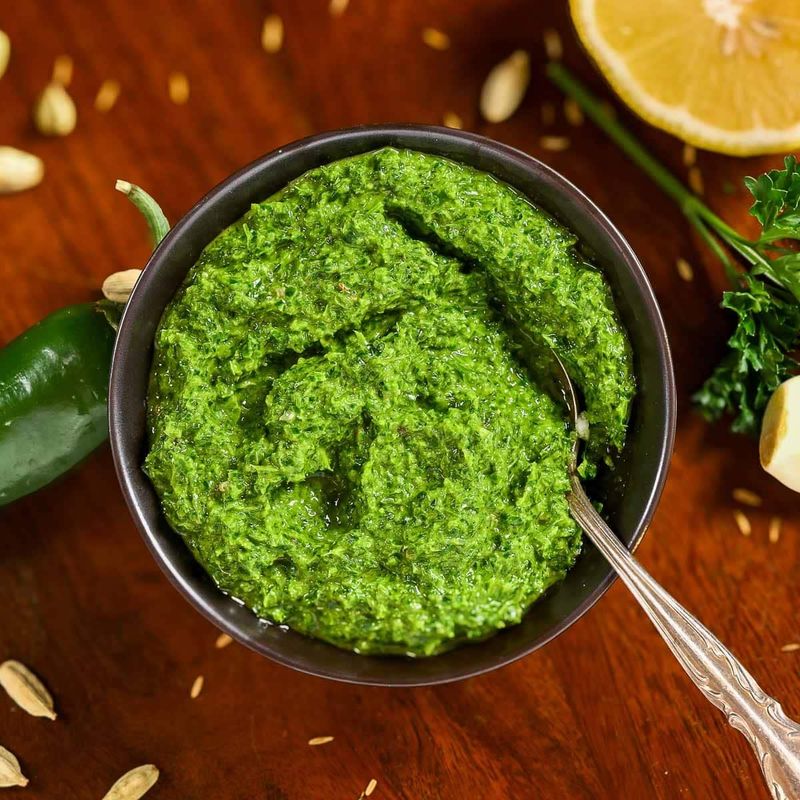
Zhug is Yemen's gift to the spice-loving world. This vibrant green sauce — sometimes made red — combines fresh hot peppers, cilantro, parsley, garlic, and warm spices like cardamom and cloves into something that smells incredible and hits hard.
It spread across the Middle East through Yemeni Jewish communities and is now a staple in Israeli cuisine too. Drizzle it on shakshuka, hummus, or grilled meats and you will immediately understand why people keep a jar of it in their fridge at all times.
8. Berbere Sauce (Ethiopia)
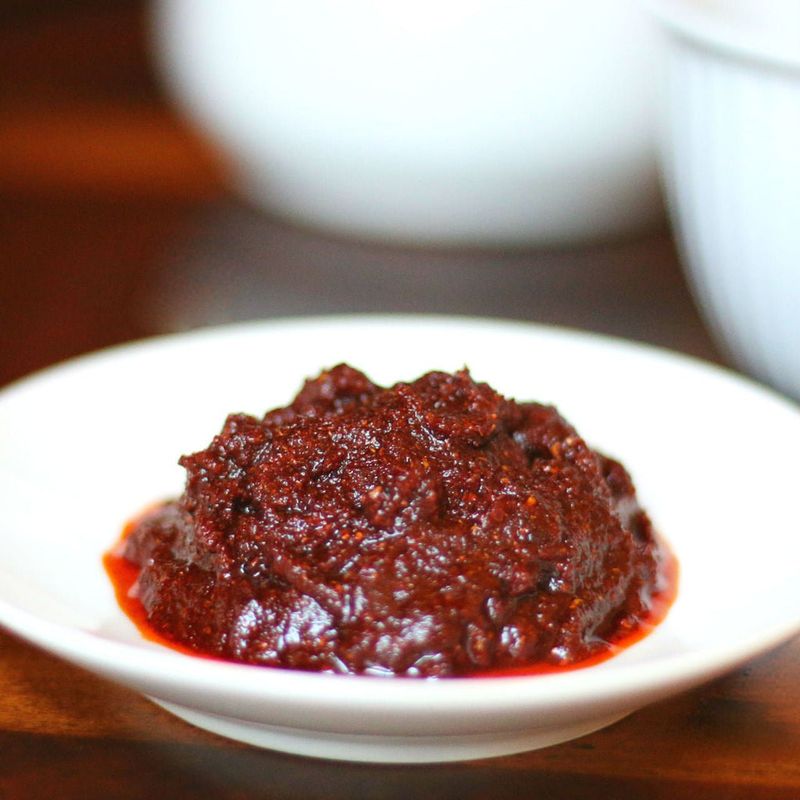
Berbere is the soul of Ethiopian cooking — a complex, deeply spiced chili blend that brings warmth and depth to everything it touches. Dried red chilies mix with fenugreek, coriander, cinnamon, and black pepper to create a paste that is smoky, earthy, and wonderfully layered.
It is the foundation of classic dishes like doro wat and misir wat. Ethiopian grandmothers often guard their personal berbere recipes fiercely, adjusting spice ratios based on family tradition and regional custom.
Every batch tells a story.
9. Aji Amarillo Sauce (Peru)
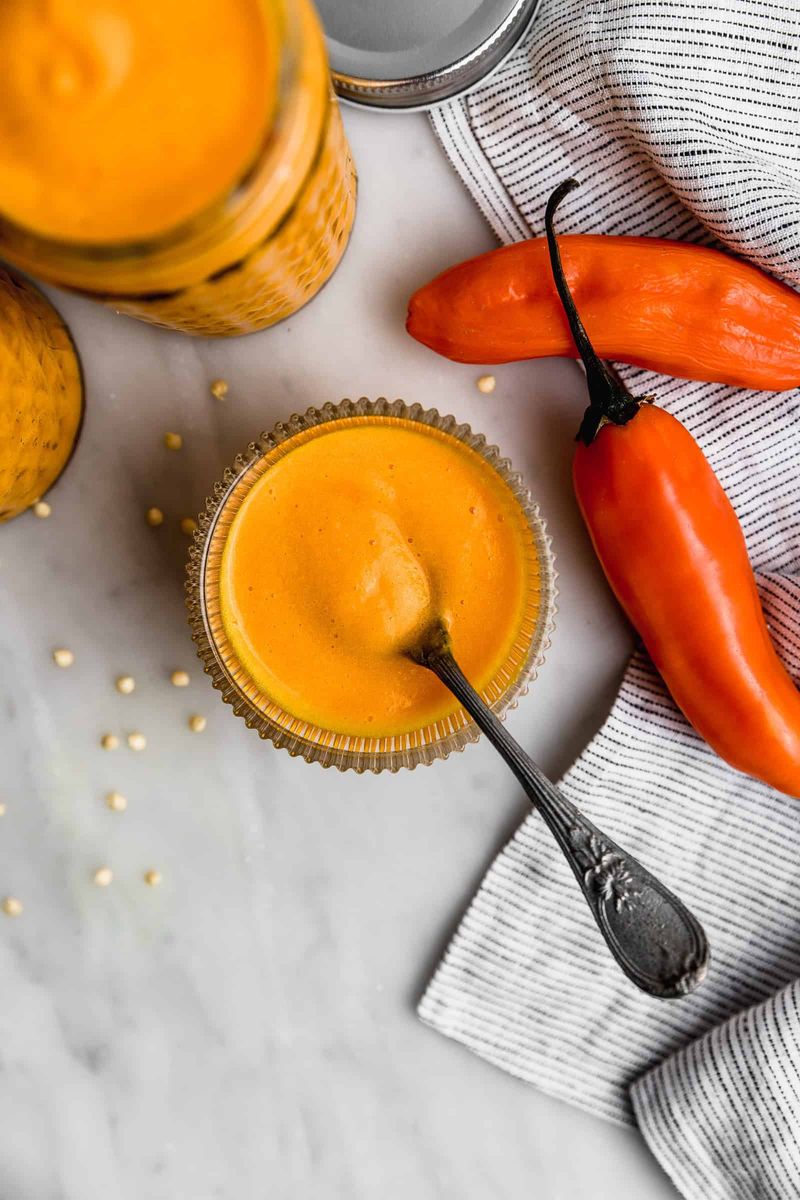
Aji amarillo may be the most important ingredient in Peruvian cooking. This sunny yellow pepper carries a fruity, tropical heat that is unlike anything else on this list.
Blended into a smooth paste, it forms the base of ceviche marinades, causa, and huancaina sauce.
The pepper itself rates around 30,000 to 50,000 on the Scoville scale — hot, but not punishing. What makes it truly special is the way its bright, mango-like flavor balances the fire.
Peru runs on aji amarillo, and for good reason.
10. Sambal Oelek (Indonesia)
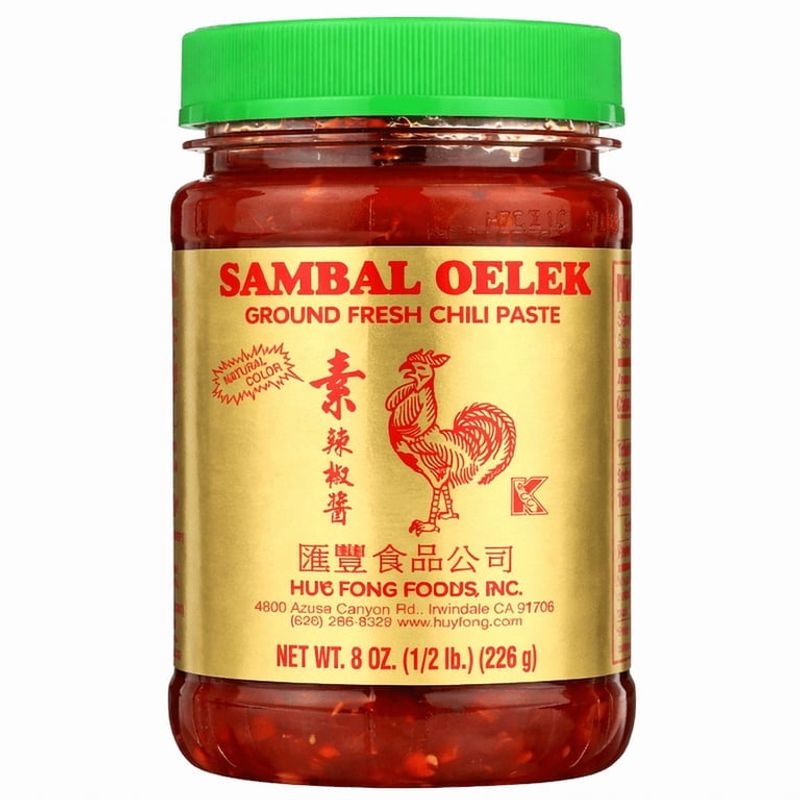
Sambal oelek is raw, rustic, and unapologetically fiery. Ground from fresh red chilies with just a touch of salt and vinegar, it skips the fancy extras and delivers pure, unfiltered chili heat.
The name comes from the traditional stone mortar used to grind it.
Indonesia has hundreds of sambal varieties, but oelek is the most basic and widely exported. It works as a cooking base, a dipping sauce, or a condiment.
Food lovers around the world panic when their grocery store runs out of it.
11. Pikliz (Haiti)
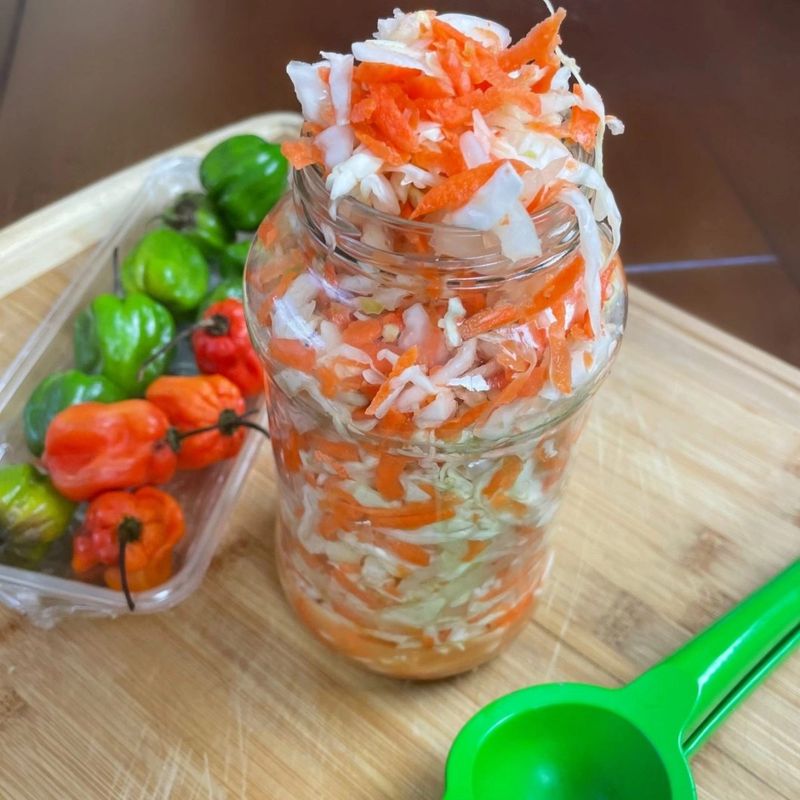
Pikliz is Haiti's fiery, tangy condiment that turns any meal into a celebration. Made from Scotch bonnet peppers, shredded cabbage, carrots, and onions pickled in vinegar and spices, it delivers a bright, crunchy heat that cuts through rich, fried foods beautifully.
You will find it alongside griot (fried pork), accra (fritters), and rice dishes at nearly every Haitian table. The Scotch bonnet gives it serious firepower — this is not a sauce for the faint-hearted.
But once you try it, there is no going back.
12. Shito (Ghana)
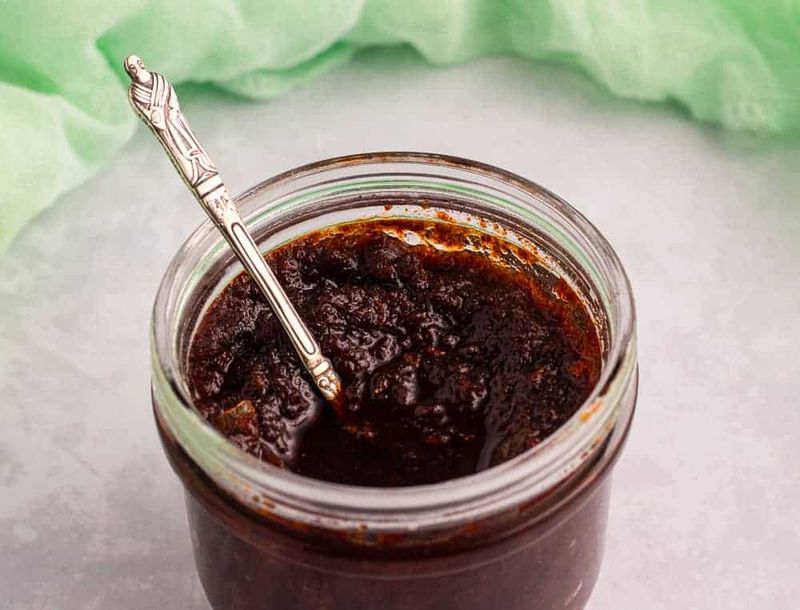
Shito is Ghana's dark, intensely flavored hot sauce that stops people in their tracks the first time they smell it. Made from dried shrimp, dried fish, chili peppers, ginger, and onion fried down in oil, it has a deeply savory, smoky complexity that is truly one-of-a-kind.
The name literally means pepper in the Ga language. Ghanaians use shito with rice dishes, fried fish, kelewele (spiced plantain), and even sandwiches.
It is bold, funky, and absolutely addictive once you get past the first surprising bite.
13. Muhammara (Syria/Lebanon)
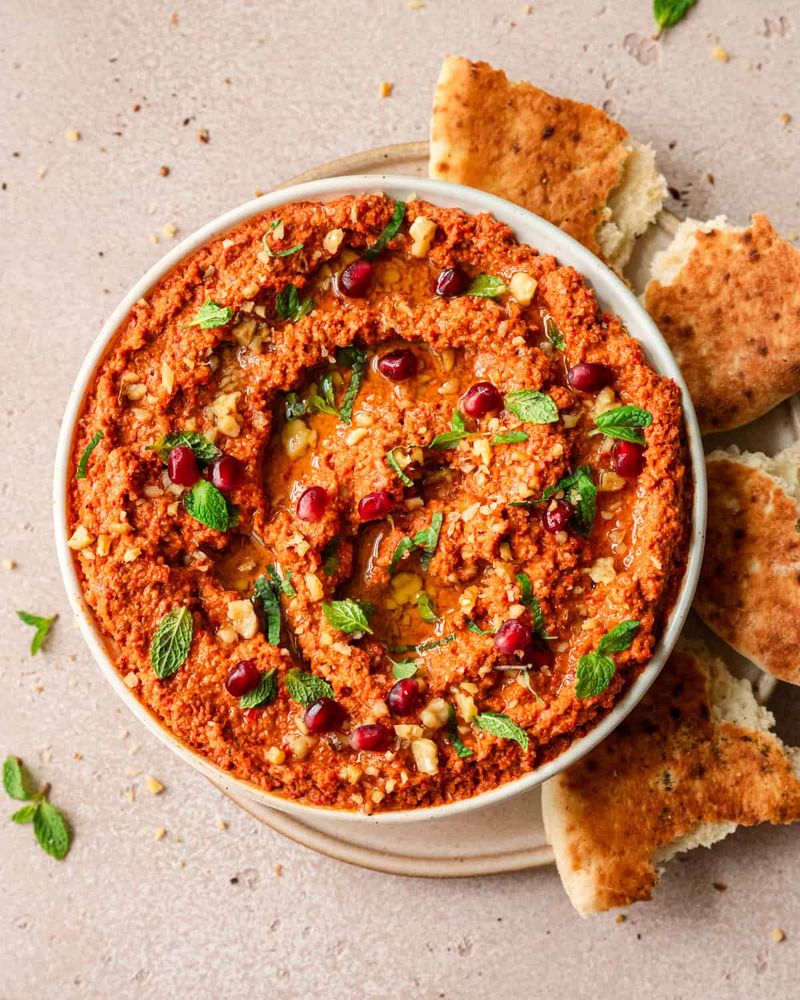
Muhammara is a Syrian roasted red pepper and walnut paste that brings a smoky, nutty warmth to every bite. Pomegranate molasses adds a tart sweetness while Aleppo pepper delivers a gentle, fruity heat that lingers pleasantly on the tongue.
Originally from Aleppo, Syria, this sauce is traditionally served as a mezze dip with warm flatbread. It also works beautifully as a pasta sauce or a spread on grilled meats.
Its layered flavor profile makes it one of the most sophisticated hot condiments on this entire list.
14. Chili Crisp (China)
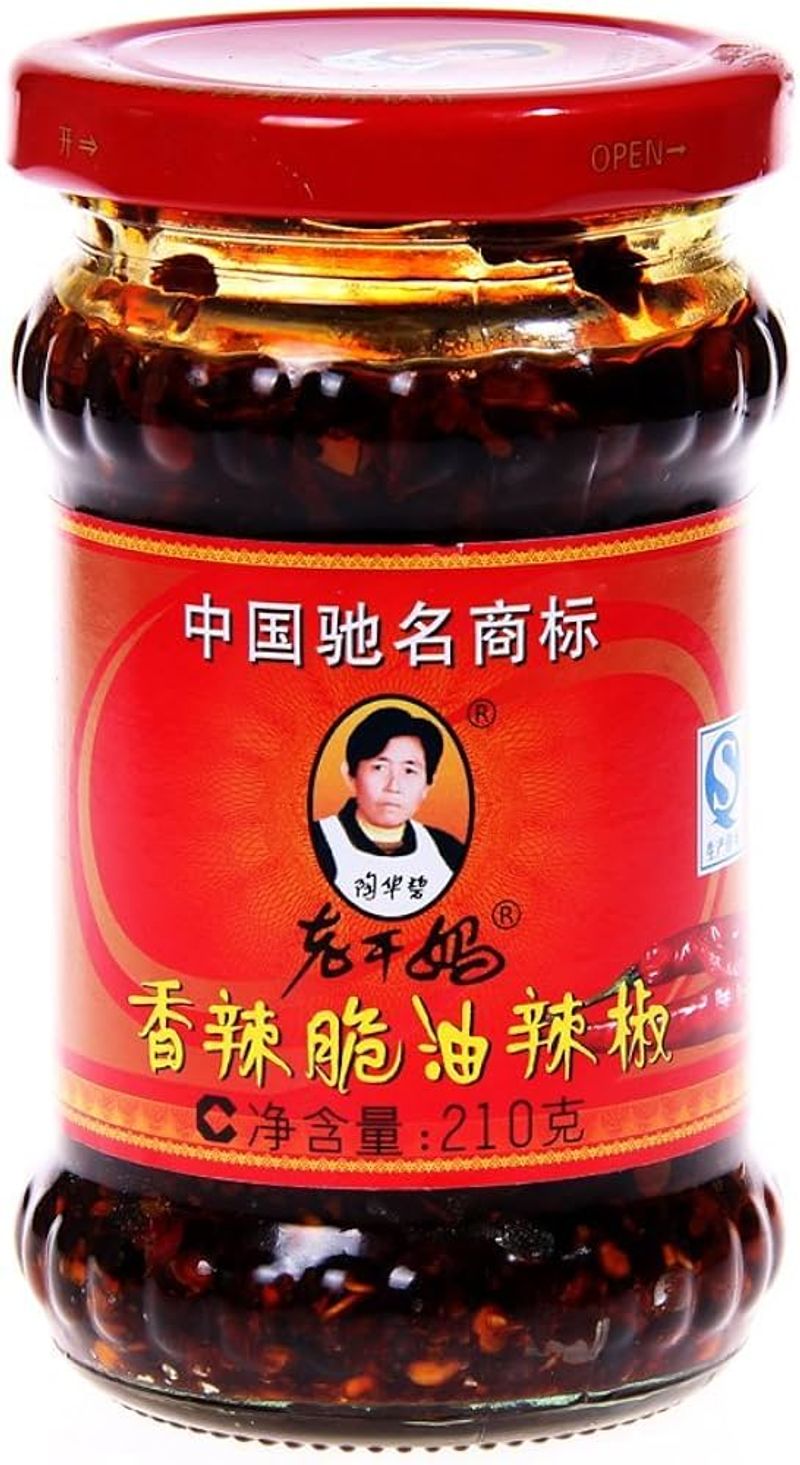
Chili crisp took the internet by storm — and for good reason. This Chinese condiment combines chili flakes, fried garlic, shallots, and Sichuan peppercorns suspended in fragrant oil.
The result is crunchy, spicy, numbing, and absolutely impossible to stop eating.
The Sichuan peppercorn adds a unique electric tingling sensation called mala, which is unlike any other heat experience. Spoon it over dumplings, noodles, eggs, or even vanilla ice cream if you dare.
Lao Gan Ma brand made it globally famous, but countless regional versions exist across China.
15. Chermoula (Morocco)
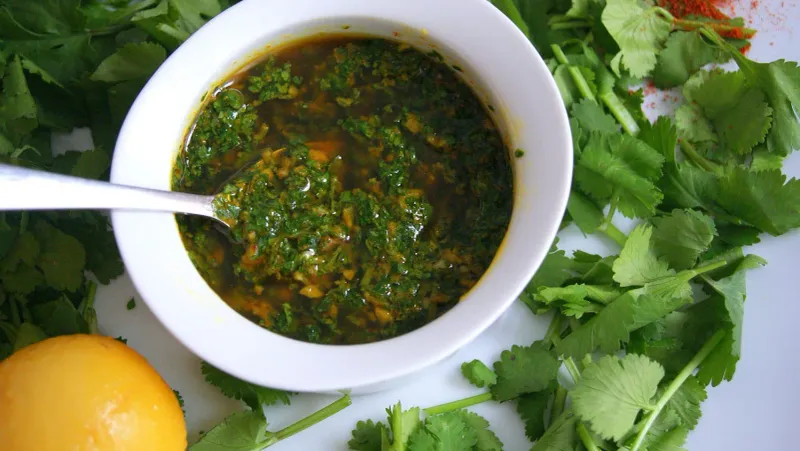
Chermoula is Morocco's zesty, herb-packed marinade and sauce that smells like a spice market in the best possible way. Fresh cilantro, parsley, garlic, cumin, paprika, lemon juice, and chili come together in a bright green blend that is both punchy and refreshing.
Moroccans traditionally use it to marinate fish before grilling, but it works on chicken, vegetables, and couscous too. Unlike many sauces on this list, chermoula leans on herbal freshness rather than raw heat — though the chili still makes sure you know it is there.
16. Scotch Bonnet Pepper Sauce (Jamaica)
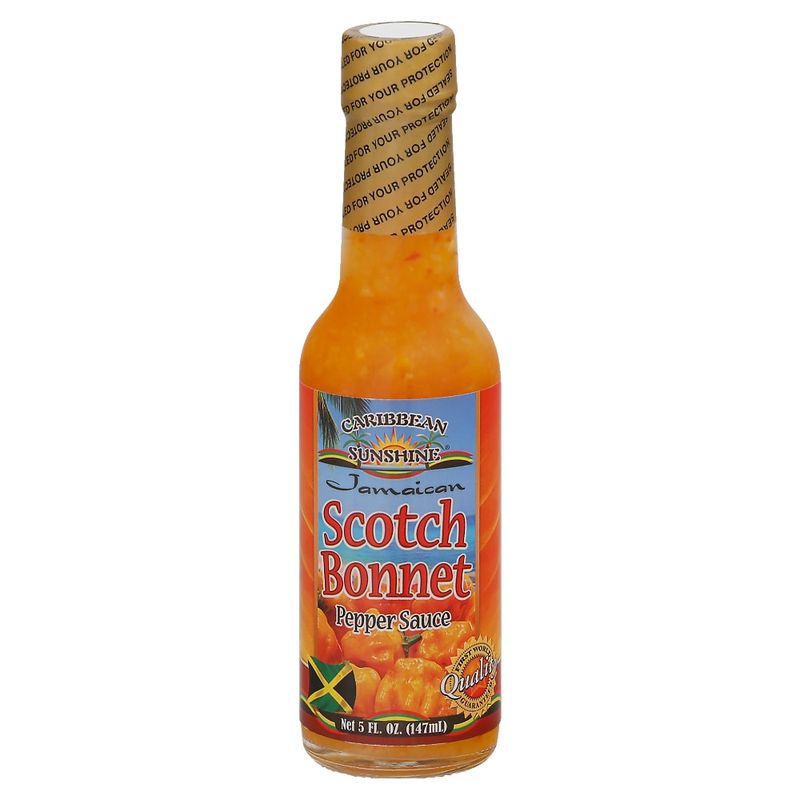
Jamaican Scotch bonnet sauce is sunshine and fire in a bottle. The Scotch bonnet pepper, named for its resemblance to a Scottish tam o'shanter hat, clocks in between 100,000 and 350,000 Scoville units — making it one of the hottest peppers used in everyday cooking.
Blended with tropical fruit, vinegar, and island spices, Jamaican hot sauce carries a fruity sweetness that makes the intense heat almost addictive. It is essential to jerk chicken and rice and peas, and it turns a simple meal into a full Caribbean experience.
17. Zhoug (Israel)
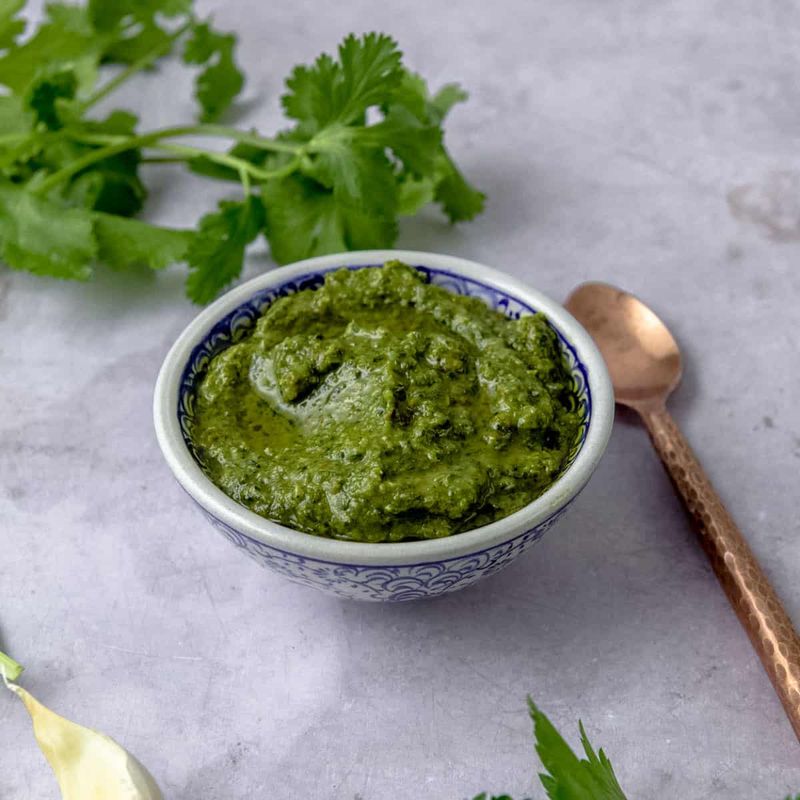
Zhoug arrived in Israel through Yemeni Jewish immigrants and quickly became a beloved street food staple. This punchy green sauce blends fresh jalapeño or serrano peppers with cilantro, parsley, cardamom, and garlic into a sauce that is herby, spicy, and deeply fragrant.
You will find it drizzled over falafel, shawarma, and sabich at every food stall in Tel Aviv. Unlike its Yemeni cousin zhug, the Israeli version tends to be slightly milder and smoother.
Either way, once it hits your falafel, life gets considerably better.
18. Pul Biber Sauce (Turkey)
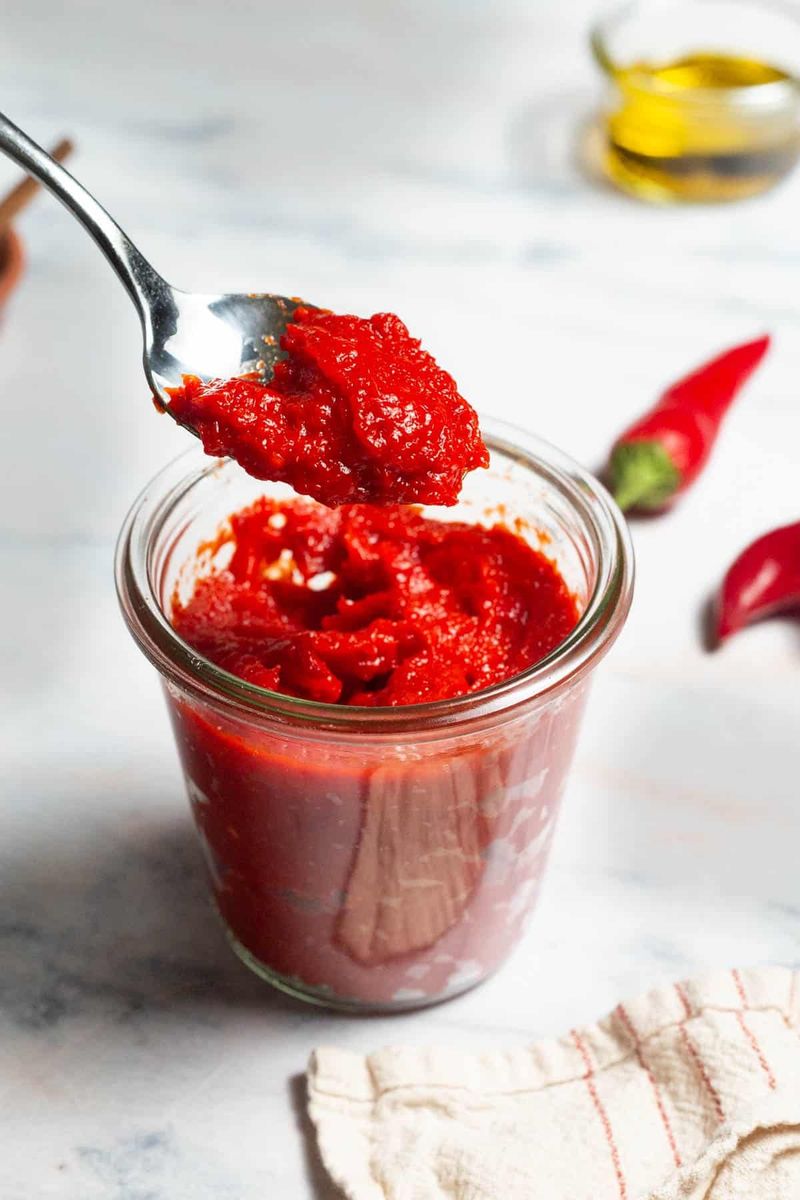
Turkish pul biber, also known as Aleppo pepper paste or biber salcasi, is a staple in Turkish kitchens that quietly elevates every dish it touches. Sun-dried red peppers are slowly cooked down with olive oil and salt into a thick, glossy paste with moderate heat and a rich, sweet depth.
It is stirred into soups, spread on bread, rubbed on meats, and used as a base for stews. Turkish cooks treat it the way American cooks treat ketchup — always within arm's reach and never optional.
The flavor is warm, slightly smoky, and wonderfully complex.
19. Mole Negro (Oaxaca, Mexico)
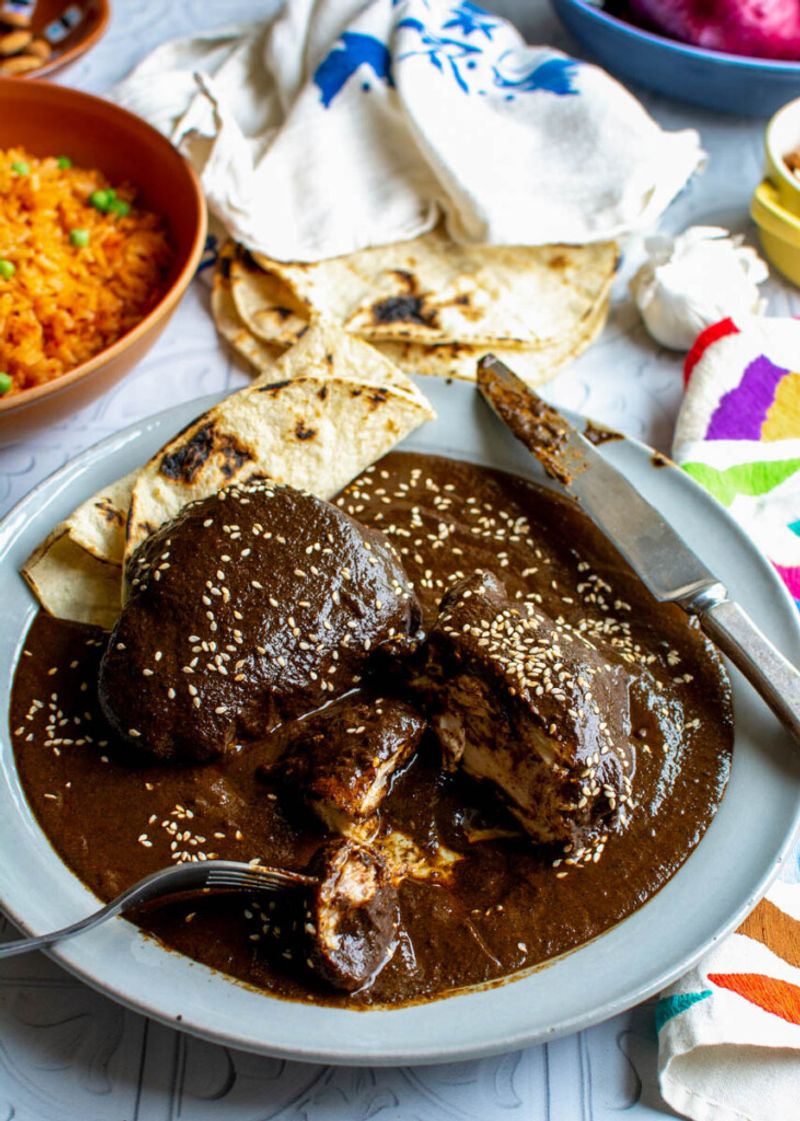
Mole negro from Oaxaca is arguably the most complex sauce ever created. Made from over 30 ingredients including dried chilies, chocolate, charred tortillas, plantain, spices, and more, it takes days to prepare and rewards patience with extraordinary depth of flavor.
The heat is present but not overwhelming — it is more about the incredible layering of smoky, sweet, bitter, and savory notes. Oaxacans call it the king of moles, and the title is well earned.
Poured over turkey or chicken, it becomes a meal you will never forget.
20. Naga Jolokia Sauce (Nagaland, India)
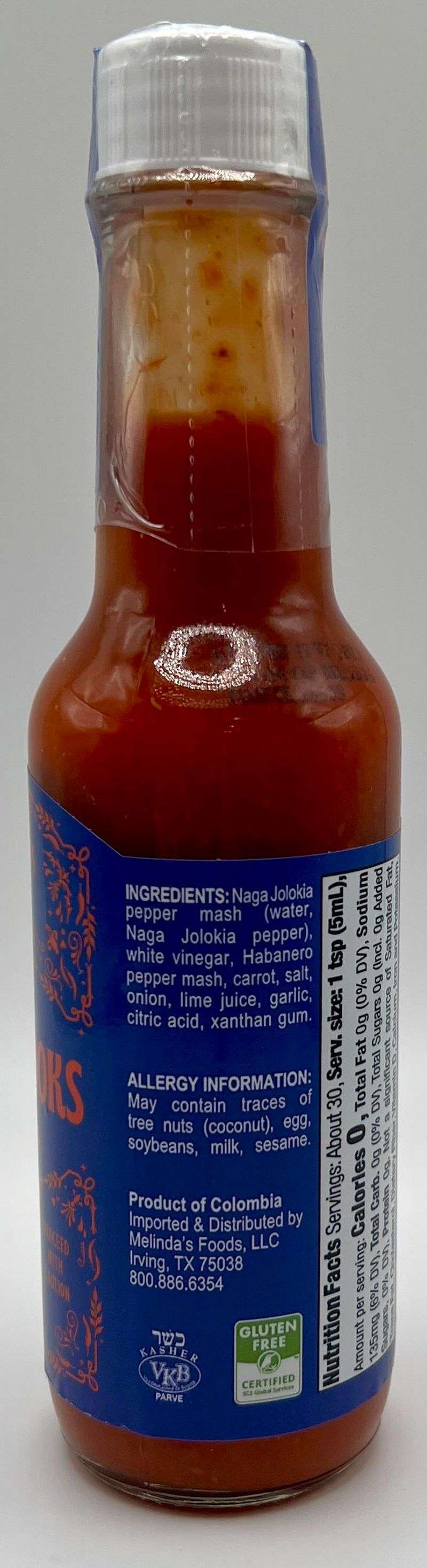
The Naga jolokia, better known as the ghost pepper, held the Guinness World Record for the world's hottest chili from 2007 to 2011 — and it still commands serious respect. Native to Nagaland in Northeast India, this pepper registers over one million Scoville units, making it truly extreme.
Local Naga communities use it sparingly in fermented fish pastes and chutneys, where its raw fire is tempered by other bold flavors. Hot sauce makers around the world bottle it for thrill-seekers.
One drop is all it takes to understand why legends surround this pepper.
Comments
No Comments