













Ever wonder why sauces at restaurants taste so much better than the ones you make at home? The secret is not some fancy ingredient you can't find at the grocery store.
With the right techniques and a few smart tricks, you can make rich, flavorful sauces right in your own kitchen. Get ready to impress your family and friends with these 19 clever methods that will seriously upgrade your cooking game.
1. Start With a Proper Fond
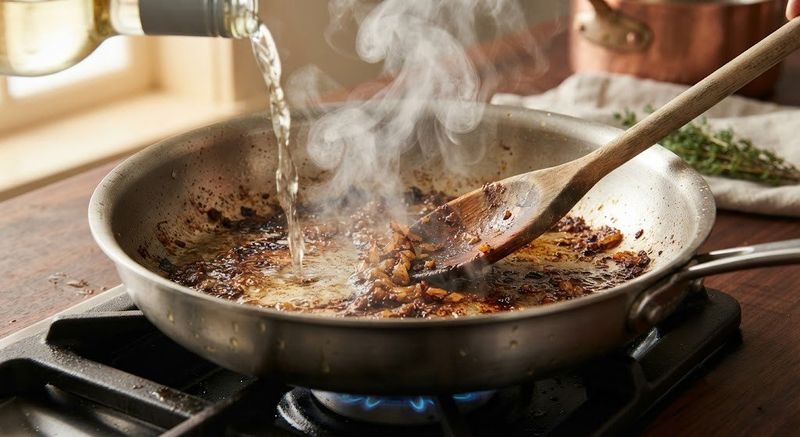
Those little browned bits stuck to the bottom of your pan after cooking meat? They are pure flavor gold.
Restaurants call this the "fond," and they never throw it away. By adding a splash of liquid like wine, broth, or even water to the hot pan, you loosen those bits and create an incredibly rich base for your sauce.
This technique is called deglazing, and it is one of the most powerful moves in any cook's playbook.
2. Use Homemade Stock Instead of Water
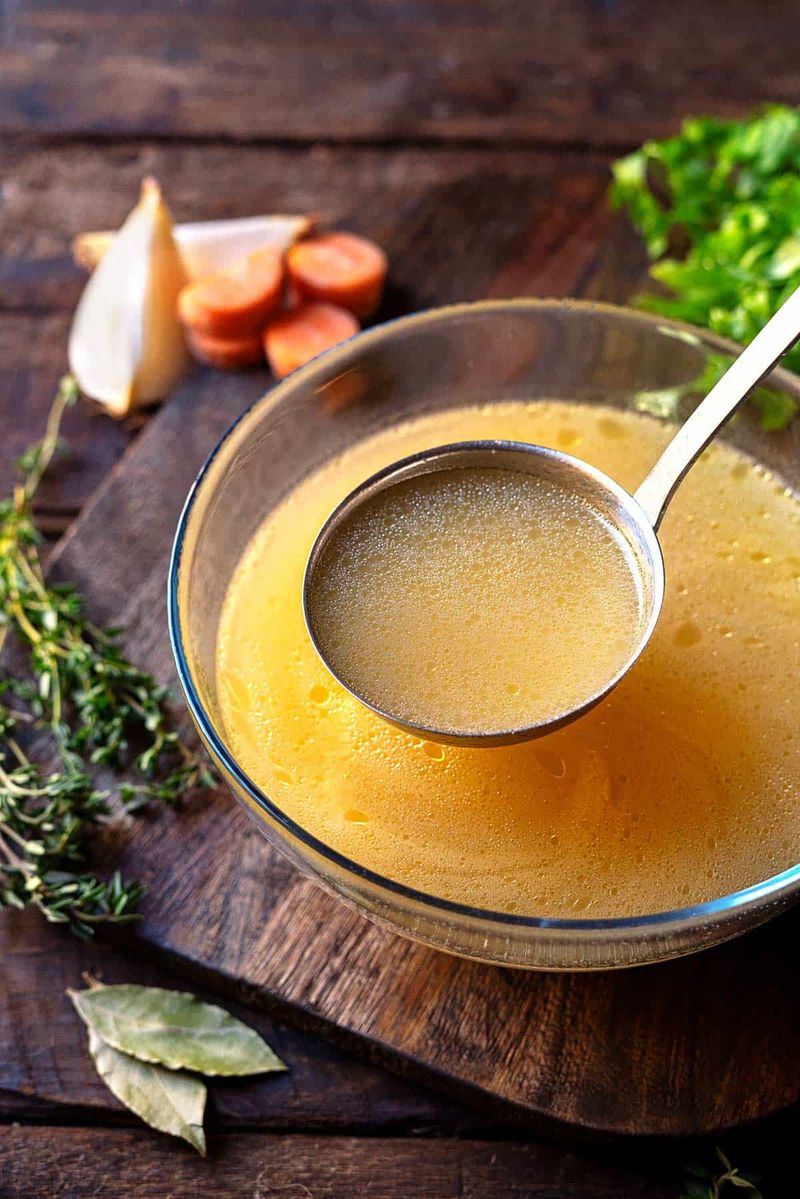
Store-bought sauces often taste flat because they are made with water instead of real stock. Homemade stock is packed with gelatin and deep savory flavor that water simply cannot replicate.
Even a simple vegetable or chicken stock made from kitchen scraps can transform a basic sauce into something that tastes like it came from a five-star kitchen.
Make a big batch on weekends and freeze it in ice cube trays for easy use throughout the week.
3. Master the Art of Reduction
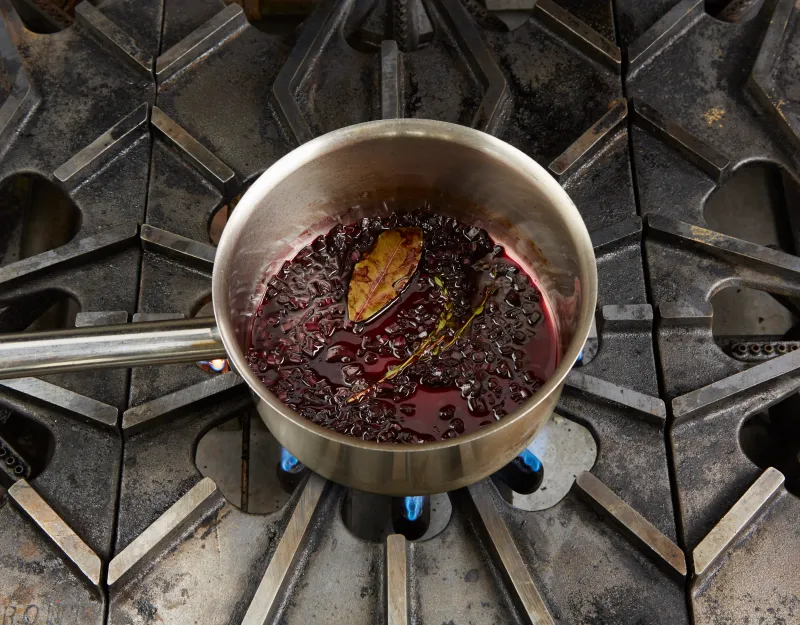
Reduction is the chef's secret weapon for concentrating flavor without adding extra ingredients. When you simmer a sauce uncovered, water evaporates and leaves behind a richer, thicker, more intense liquid.
Most home cooks rush this step, but patience here pays off big time.
A sauce reduced by half can taste twice as complex. Keep the heat at medium-low and stir occasionally so nothing scorches at the bottom of your pan.
4. Finish With Cold Butter
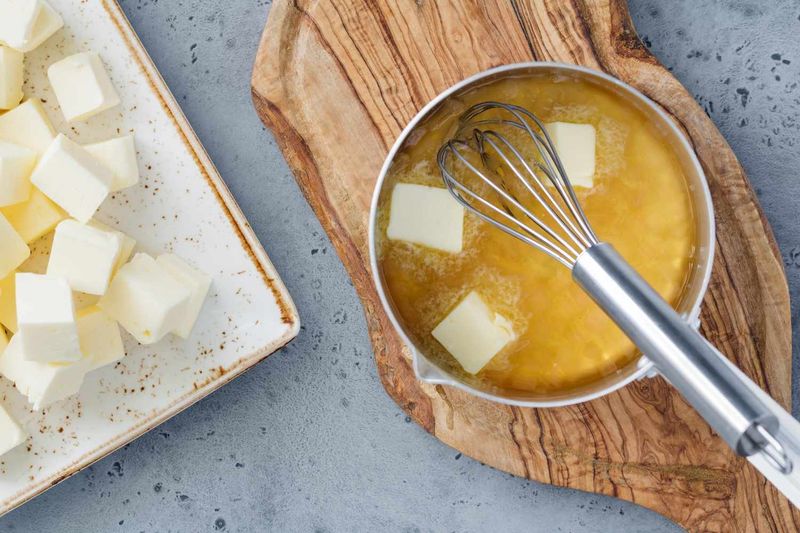
French chefs have a trick called "monter au beurre," which means finishing a sauce with cold butter. Right before serving, you whisk in small cubes of cold butter off the heat.
This creates a silky, glossy texture and rounds out sharp or acidic flavors beautifully.
The butter must be cold and added gradually so it emulsifies rather than just melting into a greasy pool. It is a small step that makes an enormous difference in the final result.
5. Balance Acid and Sweetness
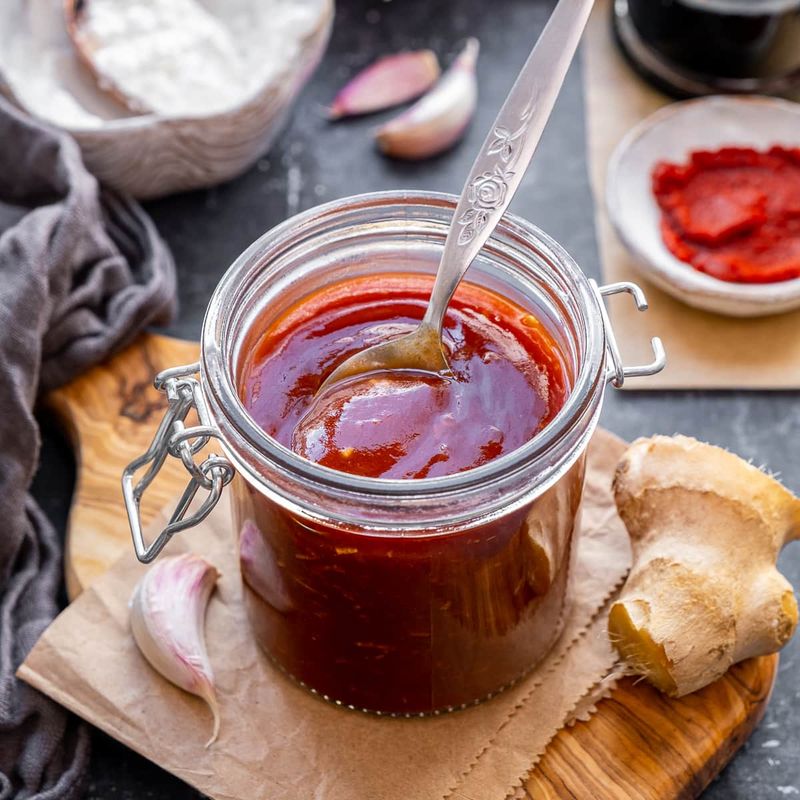
A flat-tasting sauce almost always needs a little acid or sweetness to bring it to life. A squeeze of lemon juice or a splash of vinegar can brighten a heavy cream sauce instantly.
On the flip side, a pinch of sugar or a drizzle of honey can tame a sauce that tastes too sharp or sour.
Restaurants carefully balance these two elements in every sauce they serve. Tasting and adjusting as you go is the key habit to develop here.
6. Toast Your Spices First
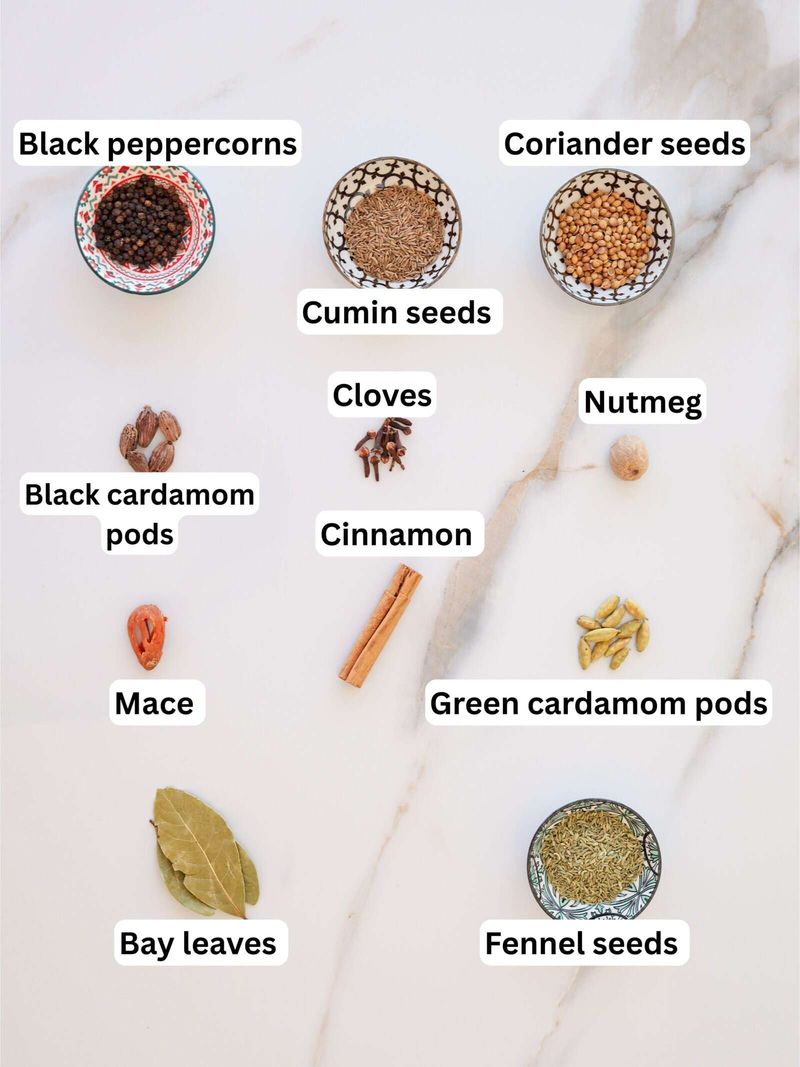
Raw spices straight from the jar can taste dusty and muted in a sauce. Toasting them briefly in a dry pan unlocks essential oils and creates a much deeper, more complex aroma.
You only need about 60 to 90 seconds over medium heat before they become fragrant and slightly darker in color.
Grind them fresh after toasting for the best results. This one habit alone can make your sauces smell and taste like they were made by a professional chef.
7. Build a Soffritto Base
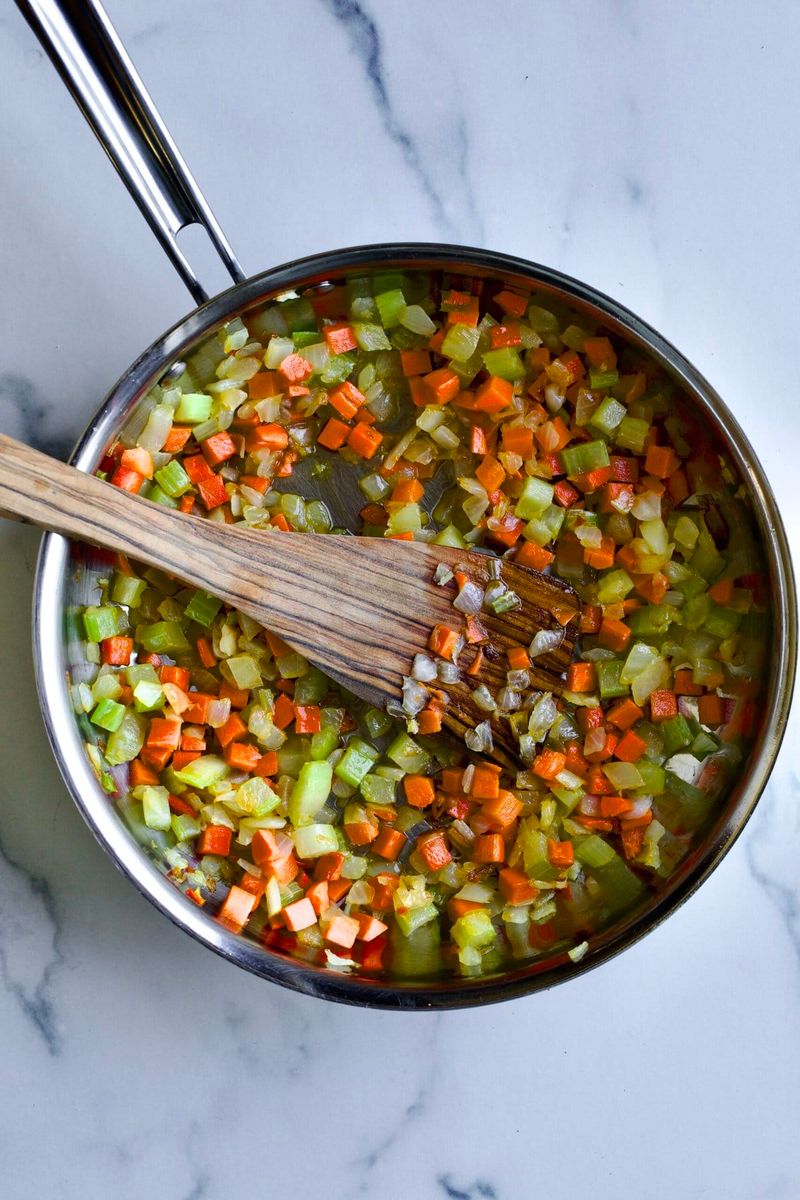
Soffritto is the Italian foundation of countless restaurant sauces, and it is simply onions, carrots, and celery cooked slowly in olive oil until sweet and soft. This aromatic base adds layers of flavor before any other ingredient even hits the pan.
The key is low and slow cooking, which draws out the natural sugars in the vegetables. Rushing this step by using high heat will give you crunchy, bitter vegetables instead of a sweet, mellow flavor foundation.
8. Use Wine the Right Way
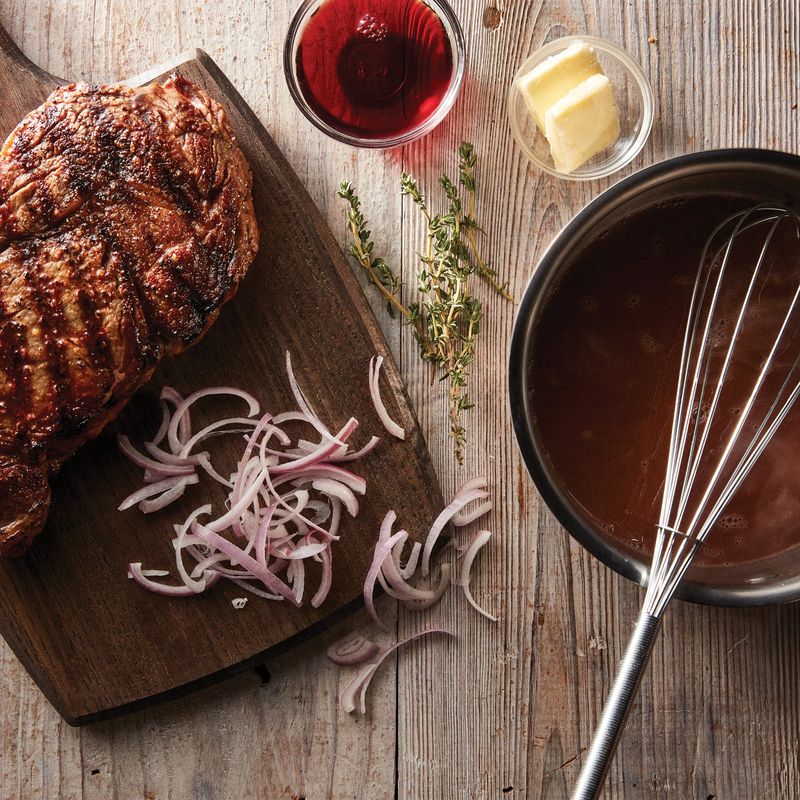
Adding wine to a sauce is not just about flavor, it is also about chemistry. The alcohol in wine helps dissolve fat-soluble flavor compounds that water cannot reach, making the overall sauce taste more complex.
Always cook the wine down until the alcohol smell is gone before adding other liquids.
Use a wine you would actually drink, because bad wine makes bad sauce. A dry white wine works well with cream sauces, while red wine shines in hearty meat-based ones.
9. Bloom Aromatics in Fat
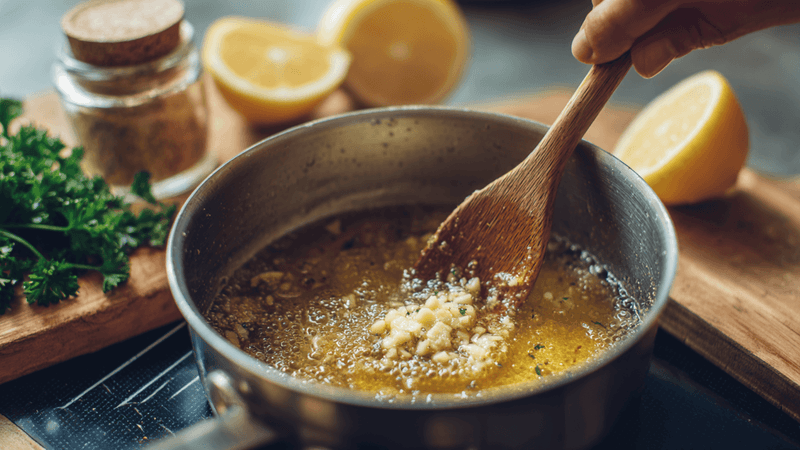
Garlic, onions, shallots, and ginger release their best flavors when cooked in fat rather than simmered directly in liquid. This process, called blooming, activates fat-soluble flavor compounds that make aromatics taste rounder and sweeter.
Start every sauce by gently cooking these ingredients in butter or oil before adding anything else to the pan.
Low heat is your best friend here. Burnt garlic is bitter and can ruin an entire sauce, so watch it closely and keep stirring.
10. Add Umami Boosters
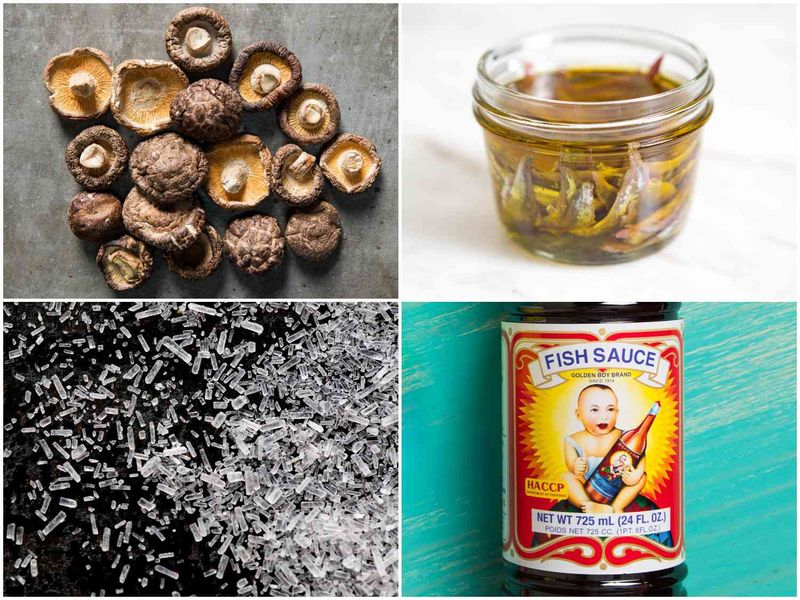
Umami is that savory, mouth-filling depth of flavor that makes you keep going back for another bite. Restaurants sneak umami boosters into their sauces constantly.
A teaspoon of soy sauce, a small spoonful of tomato paste, or even a tiny bit of anchovy paste can make a sauce taste dramatically richer without being identifiable as an added ingredient.
Worcestershire sauce is another underrated powerhouse. These boosters work quietly in the background to make everything taste fuller and more satisfying.
11. Make a Classic Roux
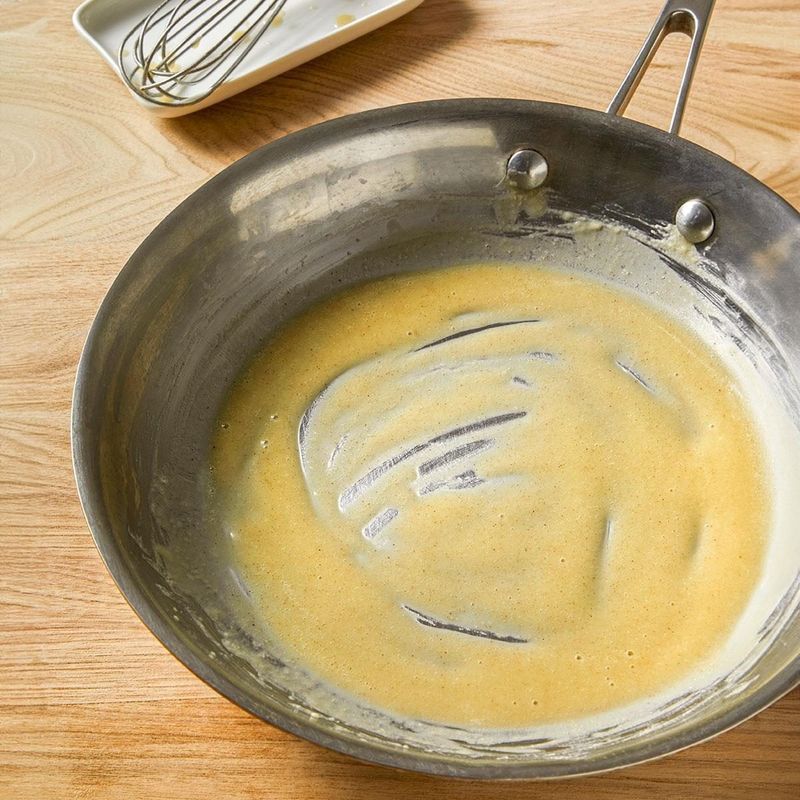
A roux is the backbone of countless creamy restaurant sauces, from bechamel to country gravy. Made by cooking equal parts flour and butter together, it creates a smooth thickening base that prevents lumps and gives sauces a velvety body.
Cook it for at least two minutes to remove the raw flour taste before adding your liquid.
Whisk constantly and add your milk or stock gradually. Patience during this step guarantees a sauce with a smooth, professional texture every time.
12. Layer Flavors at Different Stages
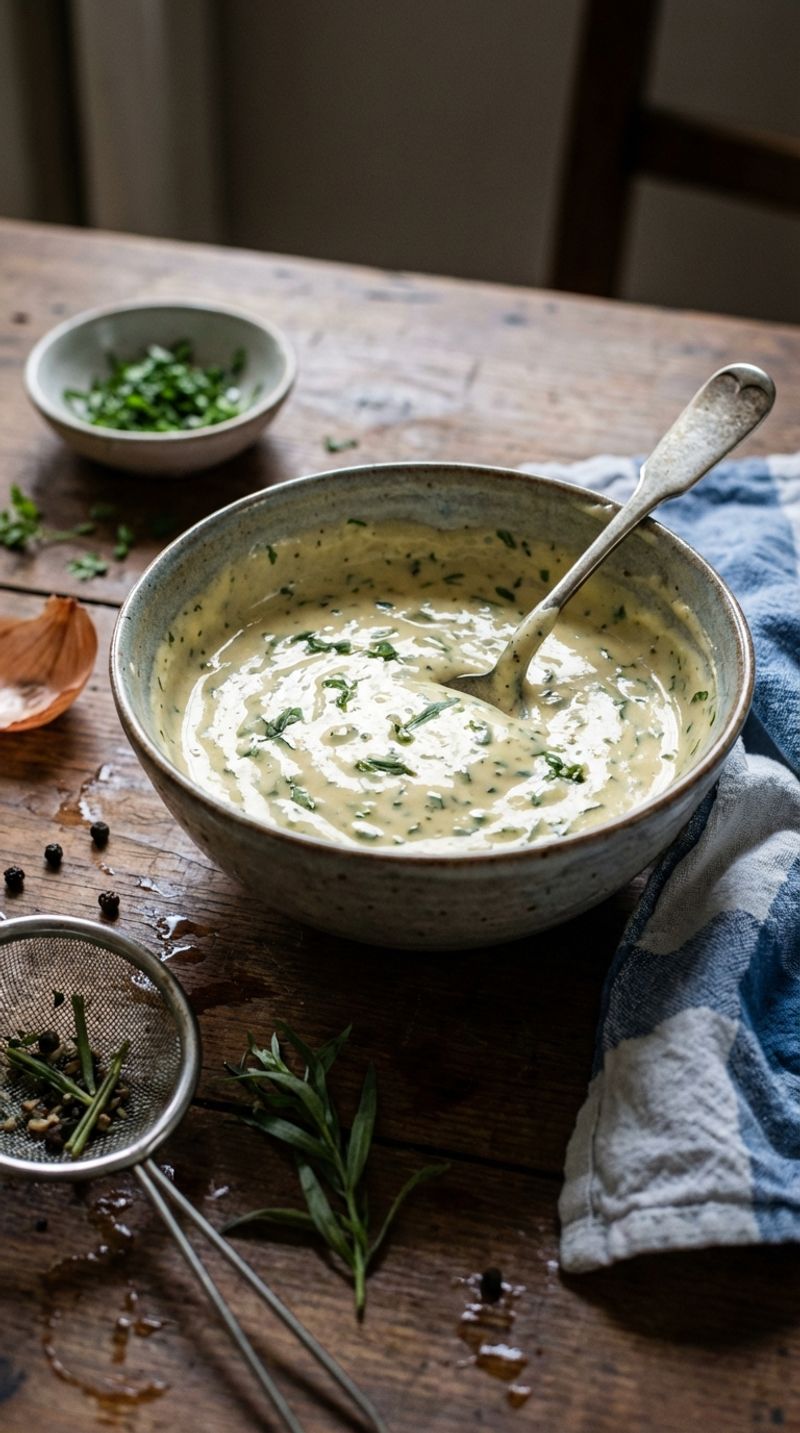
Professional chefs understand that adding all your seasonings at once leads to a flat, one-dimensional sauce. Layering means adding certain ingredients at the beginning, middle, and end of cooking to build complexity.
Dried herbs go in early, fresh herbs at the very end, and a final seasoning adjustment right before serving ties everything together.
Each stage of cooking extracts different flavor compounds from your ingredients. This thoughtful approach is what separates a truly great sauce from an ordinary one.
13. Use a Blender for Silky Smooth Texture
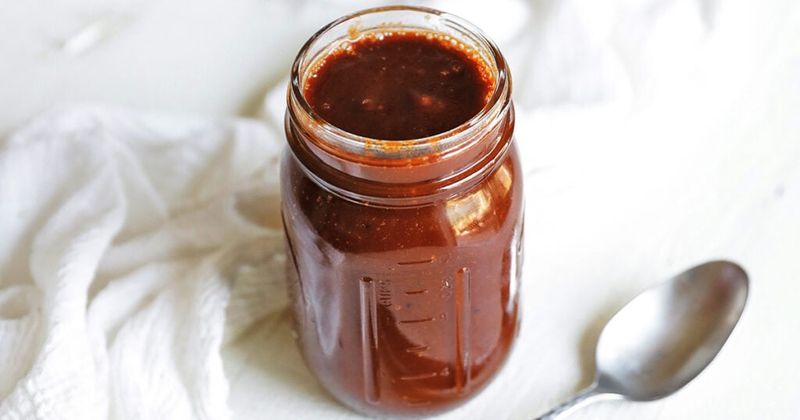
Restaurant sauces often have that impossibly smooth texture because they are blended and sometimes strained through a fine mesh sieve. At home, a regular blender or an immersion blender can get you surprisingly close to that result.
Blending hot sauce in a regular blender requires caution, so only fill it halfway and hold the lid down firmly with a towel.
For an extra-silky finish, strain the blended sauce through a fine mesh strainer. This removes any remaining fibrous bits and creates a refined, restaurant-quality texture.
14. Roast Your Vegetables First
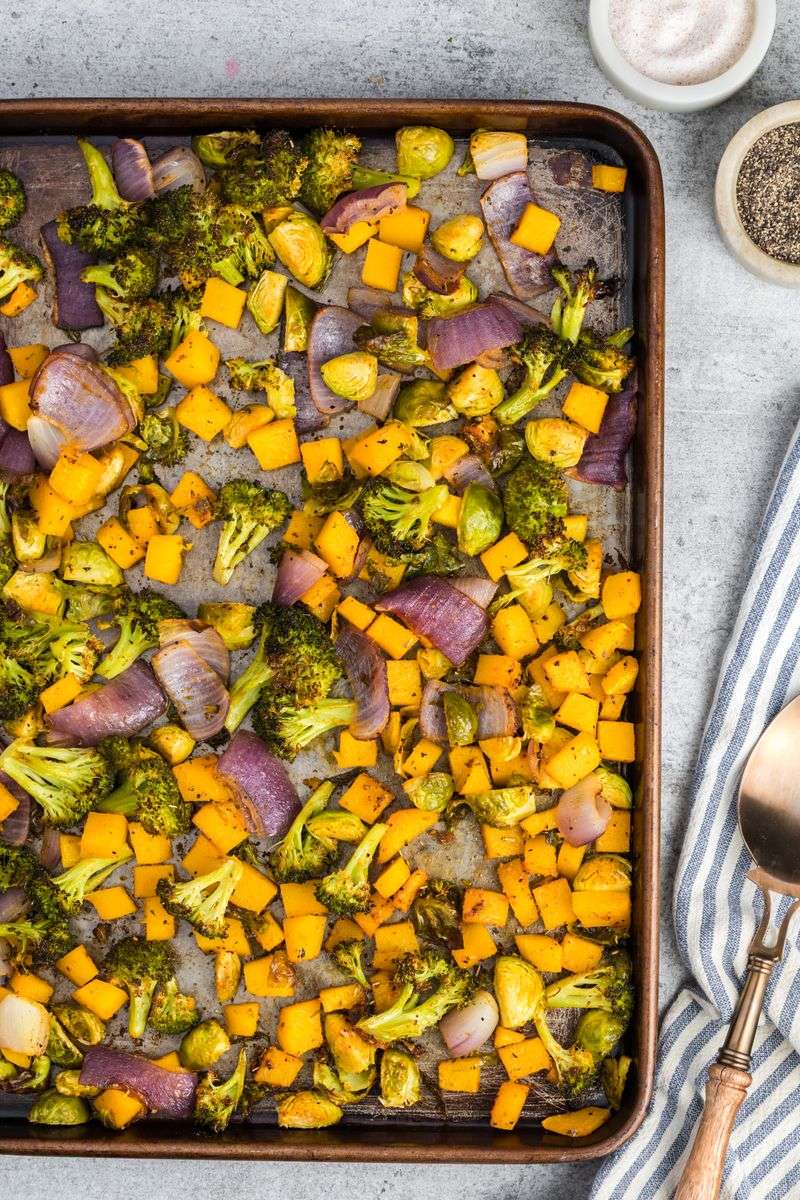
Roasting vegetables before adding them to a sauce concentrates their natural sugars and creates caramelized, slightly smoky flavors that raw or boiled vegetables simply cannot match. This is a trick used in everything from marinara to enchilada sauce at professional kitchens.
Spread your vegetables on a sheet pan, drizzle with olive oil, and roast at high heat until the edges are golden and slightly charred.
The resulting sauce will have a deep, complex flavor with a natural sweetness that makes it taste like it cooked for hours.
15. Season in Stages, Not All at Once
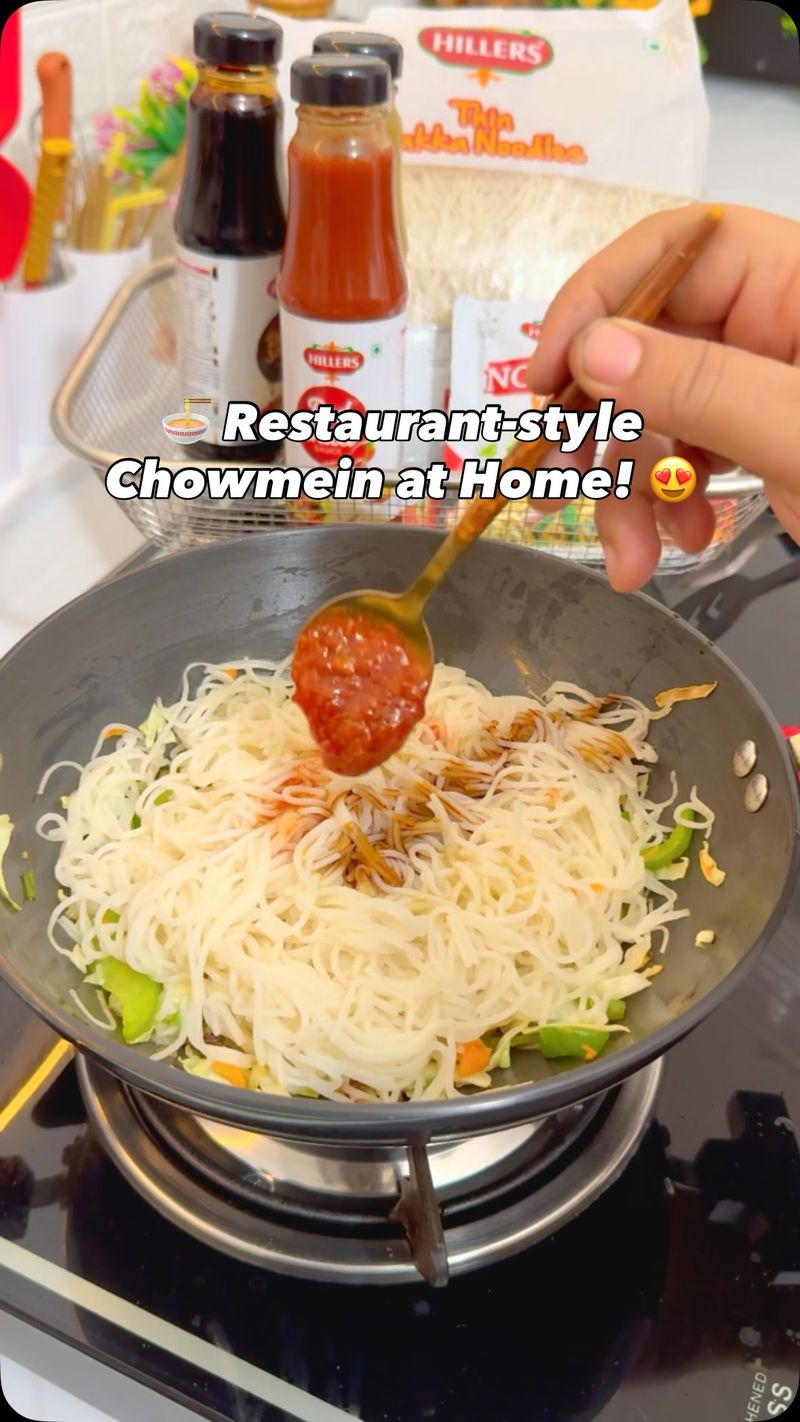
Seasoning is not a one-time event in professional kitchens. Chefs taste and adjust salt and pepper throughout the entire cooking process.
Adding salt early draws moisture out of vegetables and helps build flavor from the start, while a final pinch right before serving brightens everything and makes flavors pop on the palate.
Under-seasoned sauce is the number one reason homemade sauces taste bland. Tasting as you cook and trusting your palate is a skill that gets better every time you practice it.
16. Try a Splash of Cream at the End
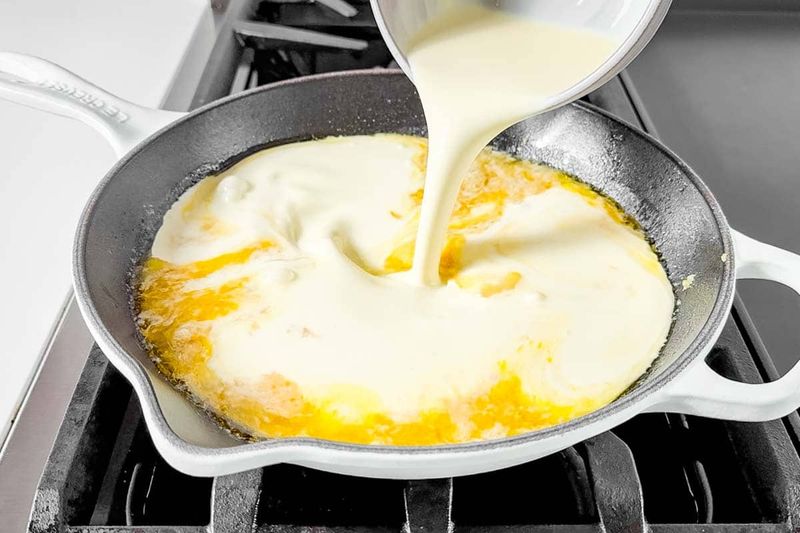
A small pour of heavy cream stirred into a sauce right at the end of cooking can completely transform its texture and richness. You do not need much, just a few tablespoons, to soften sharp edges and give the sauce a luxurious, coating quality.
This works especially well with tomato-based sauces, mushroom sauces, and pan drippings.
Let the cream simmer for just a minute or two after adding it. This helps it blend fully into the sauce rather than sitting on top as a separate layer.
17. Incorporate Fresh Herbs at the Right Moment
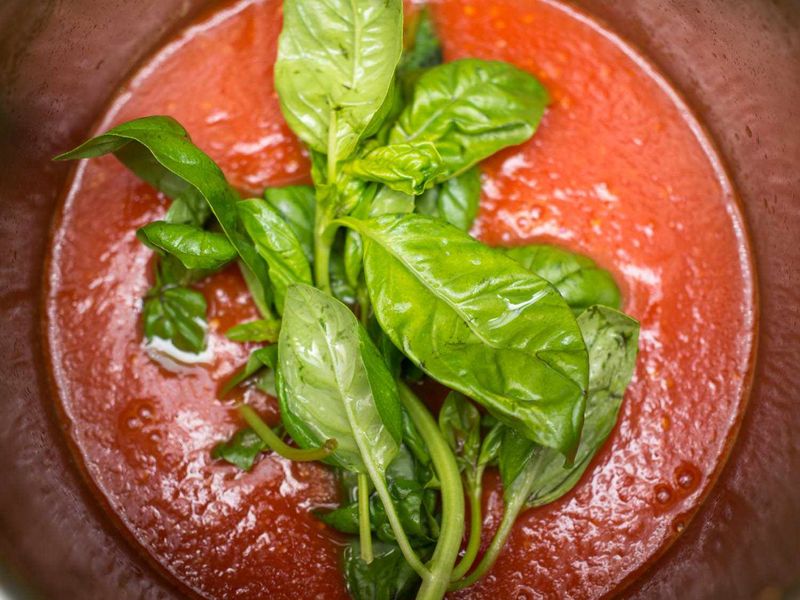
Timing matters more than you might think when it comes to fresh herbs. Delicate herbs like basil, cilantro, and parsley should only be added in the final minute of cooking or even after the pan is off the heat entirely.
Heat destroys their bright color and fragrant oils surprisingly fast.
Hardier herbs like thyme and rosemary can handle longer cooking times and work well early in the process. Knowing which herb goes when is one of those little details that makes a sauce taste truly alive and vibrant.
18. Use a Heavy-Bottomed Pan
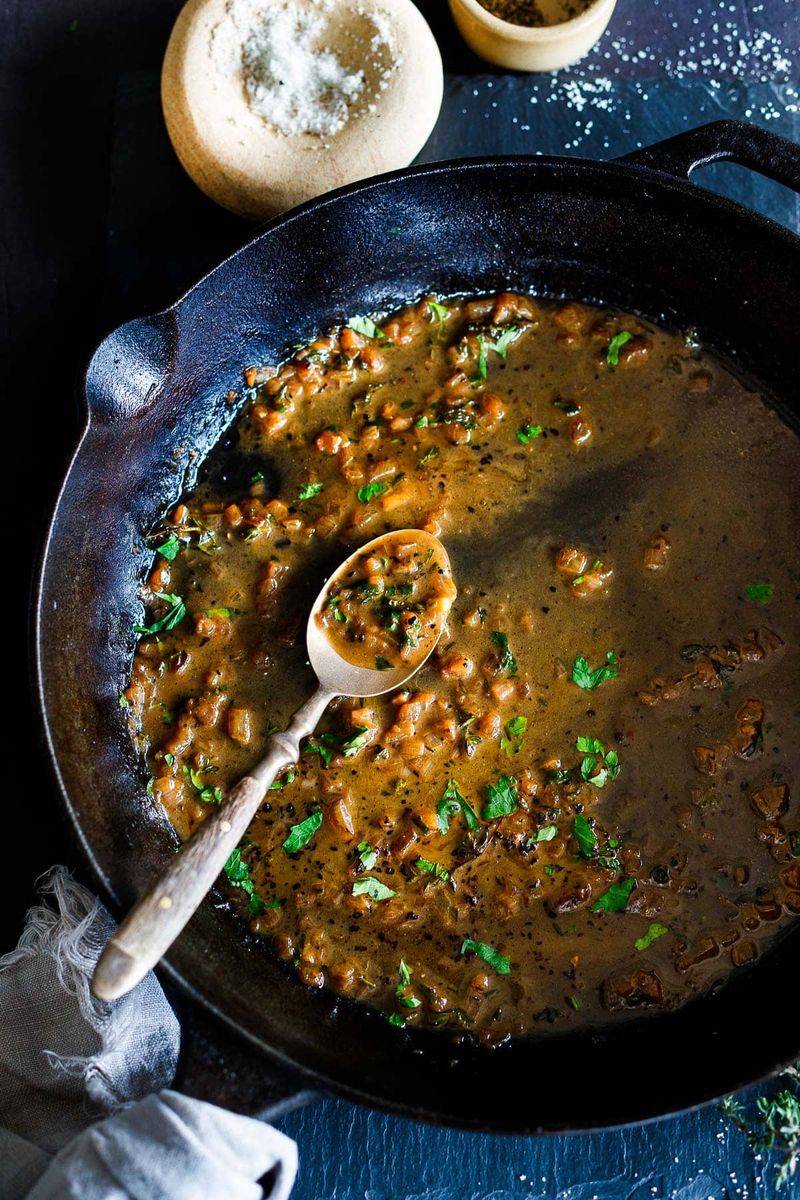
The pan you choose matters more than most people realize. A thin, cheap pan heats unevenly and creates hot spots that cause sauces to scorch before they have a chance to develop flavor.
Heavy-bottomed pans distribute heat evenly and give you much more control over the cooking process.
Stainless steel and enameled cast iron are favorites among professional cooks for good reason. Investing in a quality pan is one of the smartest upgrades any home cook can make for better sauces across the board.
19. Taste, Adjust, and Trust Yourself
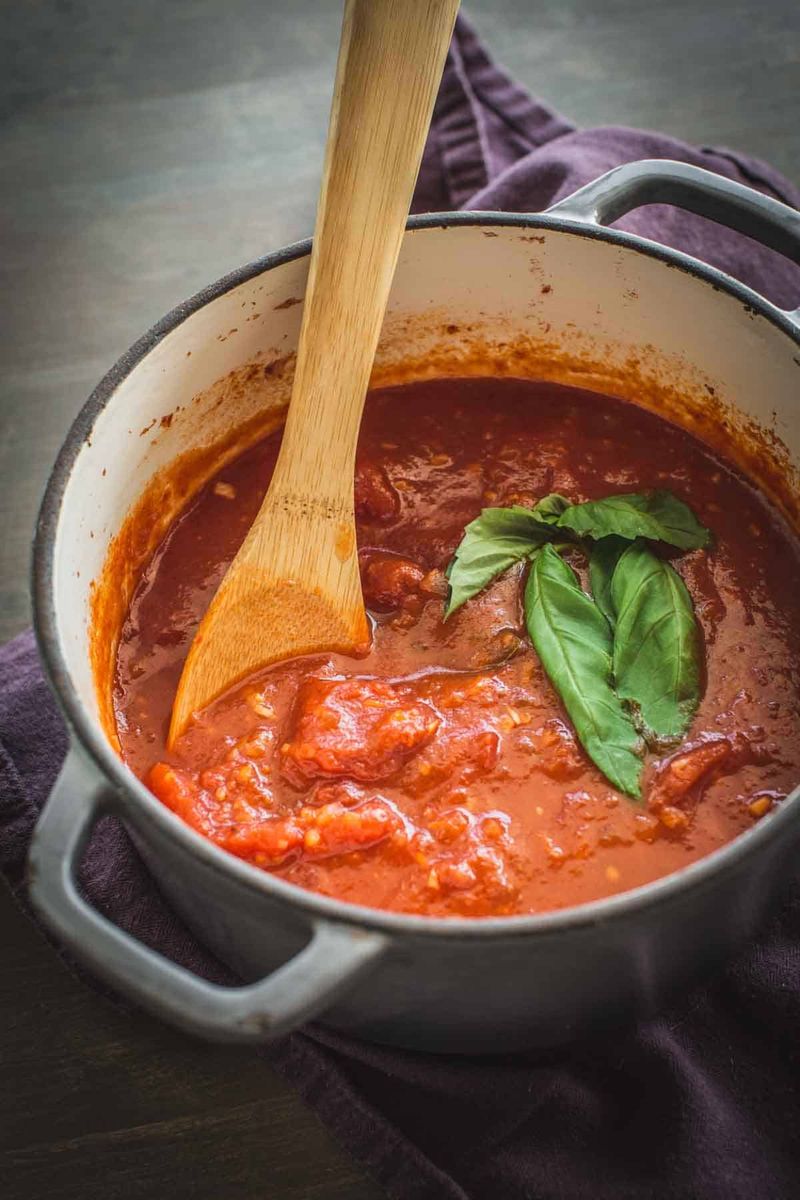
No recipe can account for every variable in your kitchen, from the saltiness of your stock to the ripeness of your tomatoes. The most important thing any cook can do is taste constantly and make adjustments based on what the sauce actually needs.
Does it taste flat? Add acid.
Too sharp? Try a pinch of sugar.
Missing depth? Add a splash of soy sauce.
Cooking is a conversation between you and your ingredients. The more you practice tasting and adjusting, the more confident and instinctive your cooking will naturally become.
Comments
No Comments