












Korean food has a magical way of turning any quiet evening into something warm and memorable. From bubbling stews to crispy street snacks, Korean-inspired dishes bring bold flavors and cozy feelings to your table.
Whether you grew up eating kimchi or just discovered tteokbokki last week, these dishes have a way of making you feel right at home. Get ready to explore 20 Korean-inspired comfort foods that are perfect for chilly nights and happy bellies.
1. Sundubu Jjigae (Soft Tofu Stew)
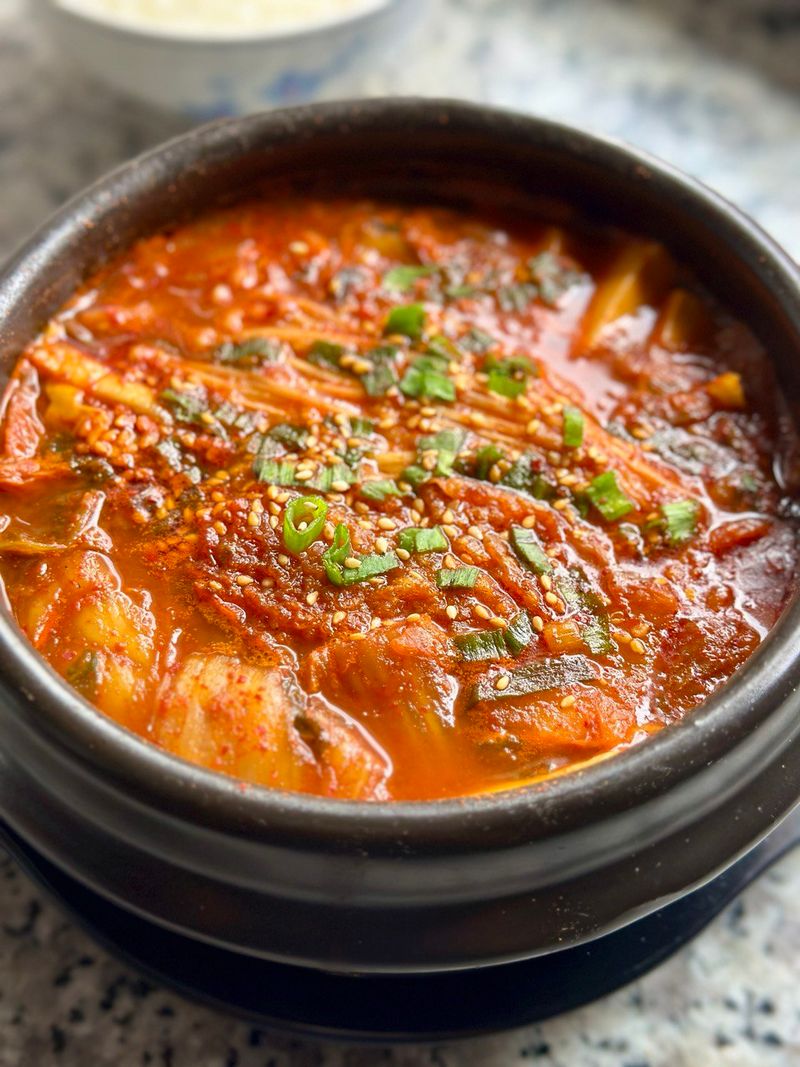
Nothing warms you up faster on a cold night than a bubbling clay pot of sundubu jjigae. This soft tofu stew is spicy, silky, and deeply satisfying in every spoonful.
The secret is the gochugaru-laced broth that turns a rich, fiery red. You can add seafood, pork, or keep it vegetarian.
Crack a raw egg into the pot right before eating and watch it cook in the heat.
2. Tteokbokki (Spicy Rice Cakes)

Tteokbokki is the kind of street food that gets stuck in your memory the moment you try it. Chewy rice cakes swimming in a sweet and spicy gochujang sauce make this dish completely irresistible.
Street vendors across Seoul sell this classic snack in paper cups, but it tastes just as amazing made at home. Add fish cakes, boiled eggs, or ramen noodles to make it a proper cozy meal.
3. Doenjang Jjigae (Fermented Soybean Paste Stew)
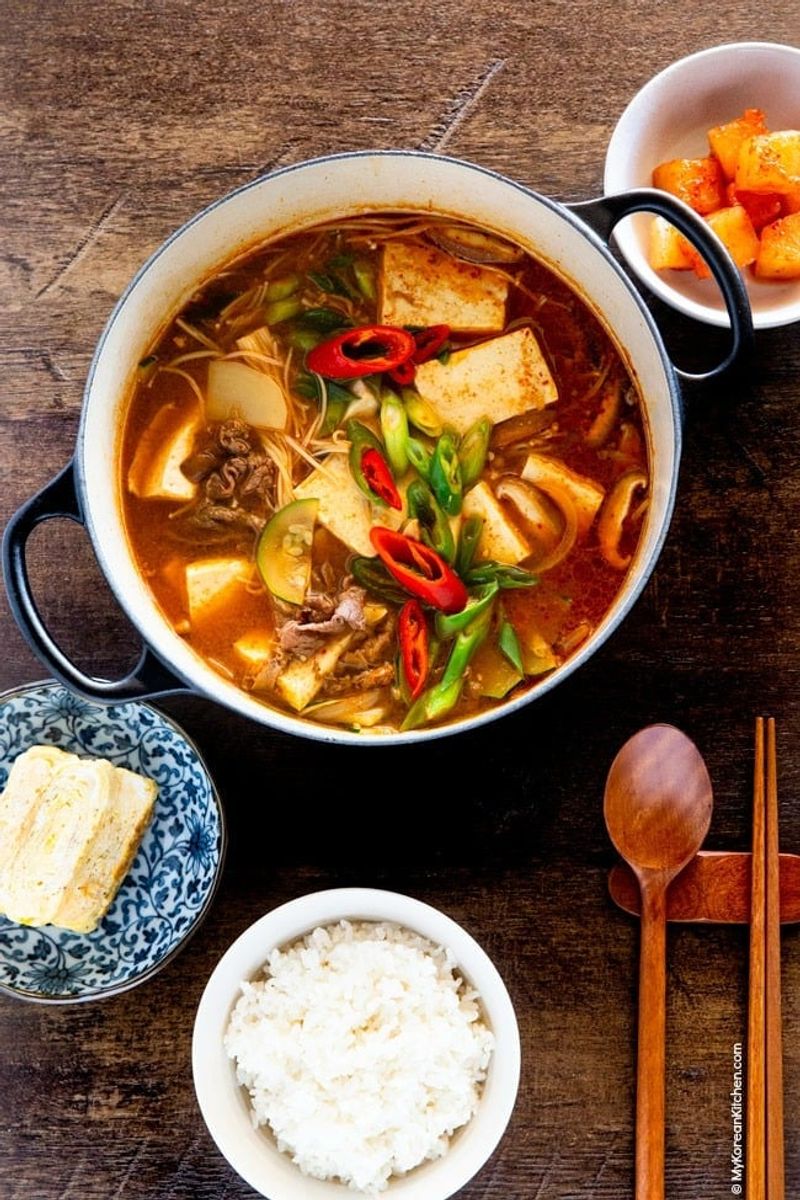
Doenjang jjigae is the ultimate Korean home-cooked comfort food, the kind of dish that smells like someone's grandmother's kitchen. The fermented soybean paste gives the broth a deep, earthy richness unlike anything else.
Chunks of zucchini, tofu, and mushrooms soak up all that savory flavor beautifully. Pair it with a bowl of steamed white rice and a few banchan side dishes for a truly satisfying weeknight dinner.
4. Bibimbap (Mixed Rice Bowl)
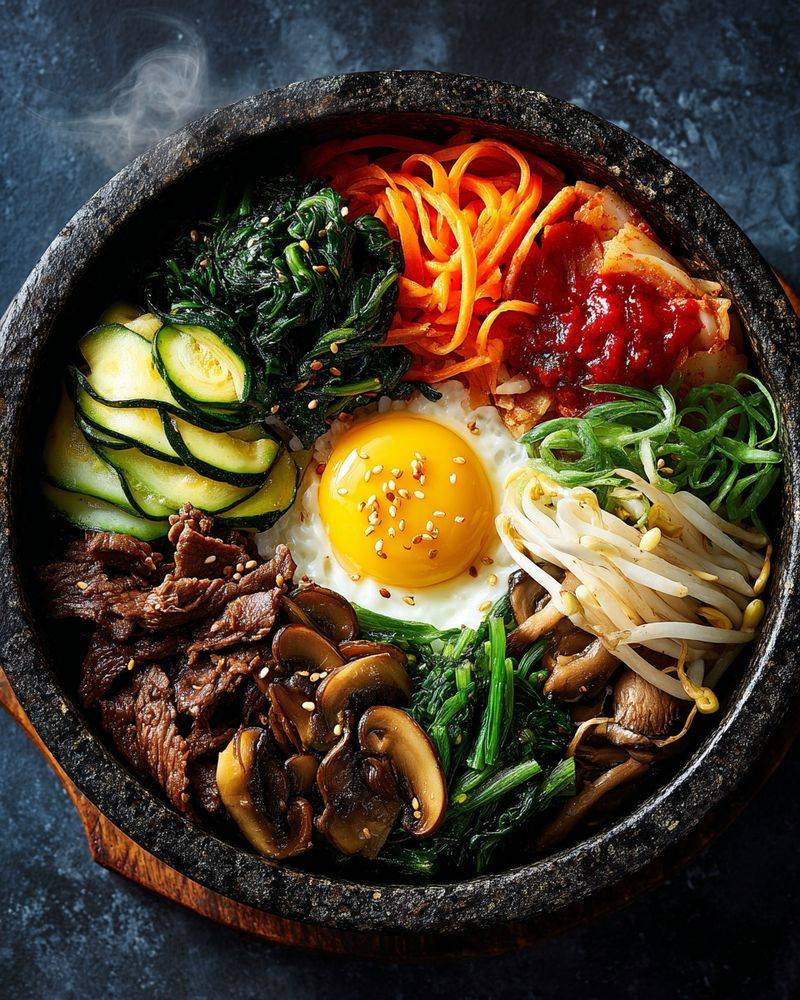
Bibimbap literally means mixed rice, and once you stir everything together, it becomes one of the most colorful and satisfying meals you can make. Each topping brings its own flavor and texture to the bowl.
The gochujang sauce ties everything together with a sweet, spicy kick. Using a hot stone bowl called a dolsot creates crispy rice at the bottom, which is honestly the best part of the whole dish.
5. Samgyetang (Ginseng Chicken Soup)
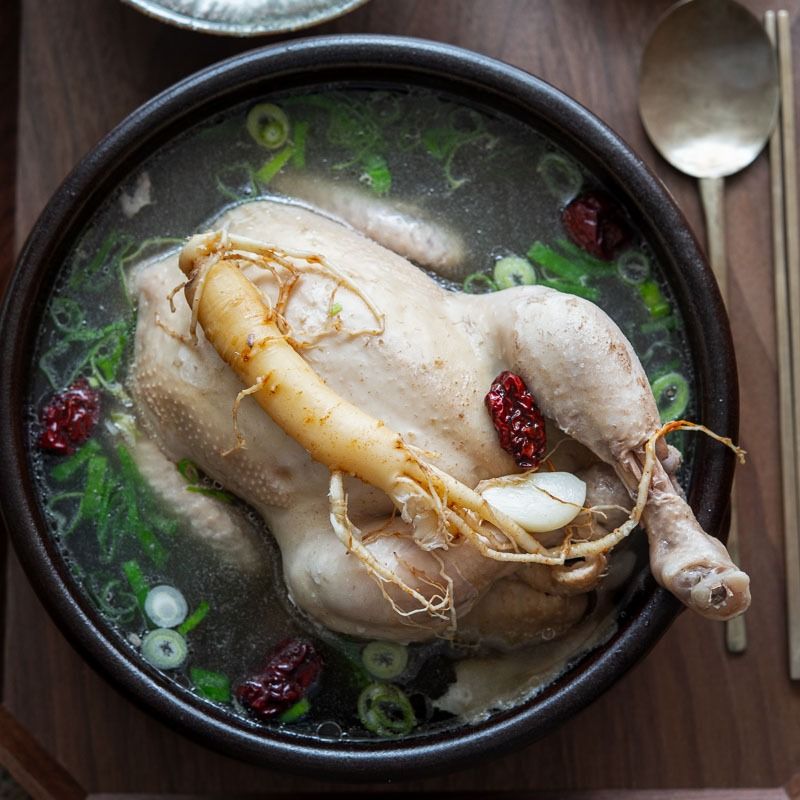
Samgyetang is the kind of soup Koreans turn to when they need to feel restored and nourished from the inside out. A whole young chicken is stuffed with sticky rice, garlic, and ginseng, then slow-simmered into a silky, golden broth.
Koreans traditionally eat this on the hottest days of summer to replenish energy, but honestly it tastes even better on a cold, rainy evening. Every bowl feels like a warm hug.
6. Japchae (Glass Noodle Stir-Fry)
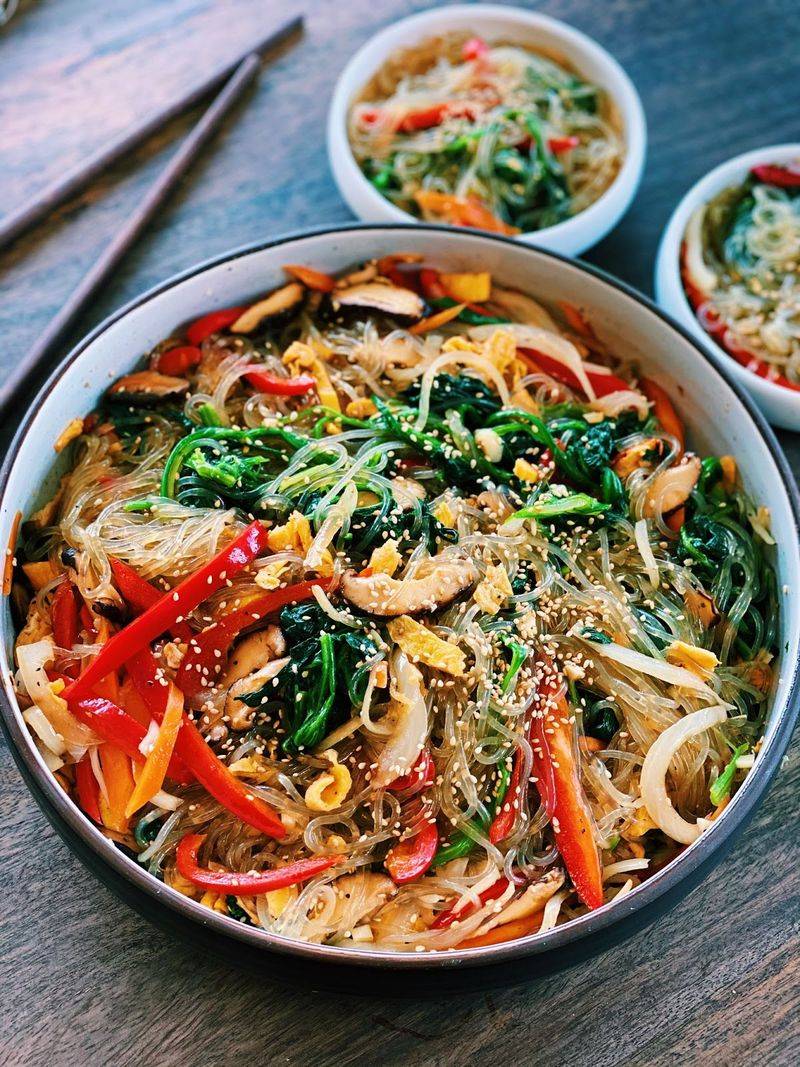
Japchae has a wonderfully slippery, chewy texture that makes it totally unique among noodle dishes. Made from sweet potato starch noodles, it soaks up a savory soy and sesame sauce like a dream.
Stir-fried with colorful vegetables and tender beef, this dish looks as good as it tastes. It is popular at Korean celebrations, but there is absolutely no reason not to enjoy it on a regular cozy night at home.
7. Budae Jjigae (Army Stew)
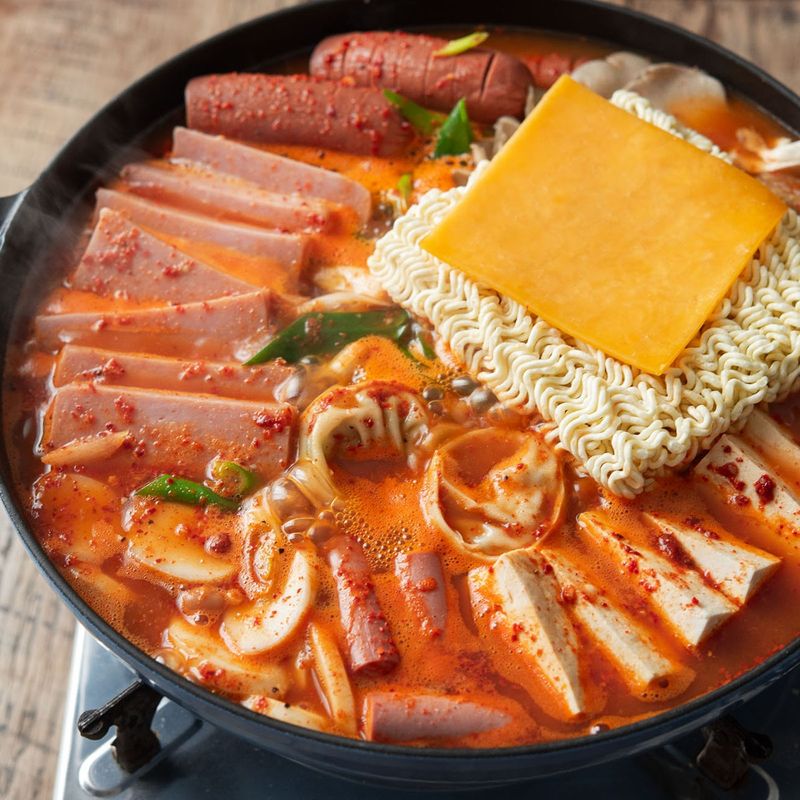
Budae jjigae has one of the most fascinating origin stories in Korean food history. Born after the Korean War, it was created by mixing American army surplus foods like Spam and hot dogs with Korean kimchi and gochujang.
The result is a surprisingly delicious, hearty stew that feels both nostalgic and indulgent. Melted cheese on top is non-negotiable, and ramen noodles added at the end make it a full, filling meal perfect for sharing.
8. Kimchi Jjigae (Kimchi Stew)
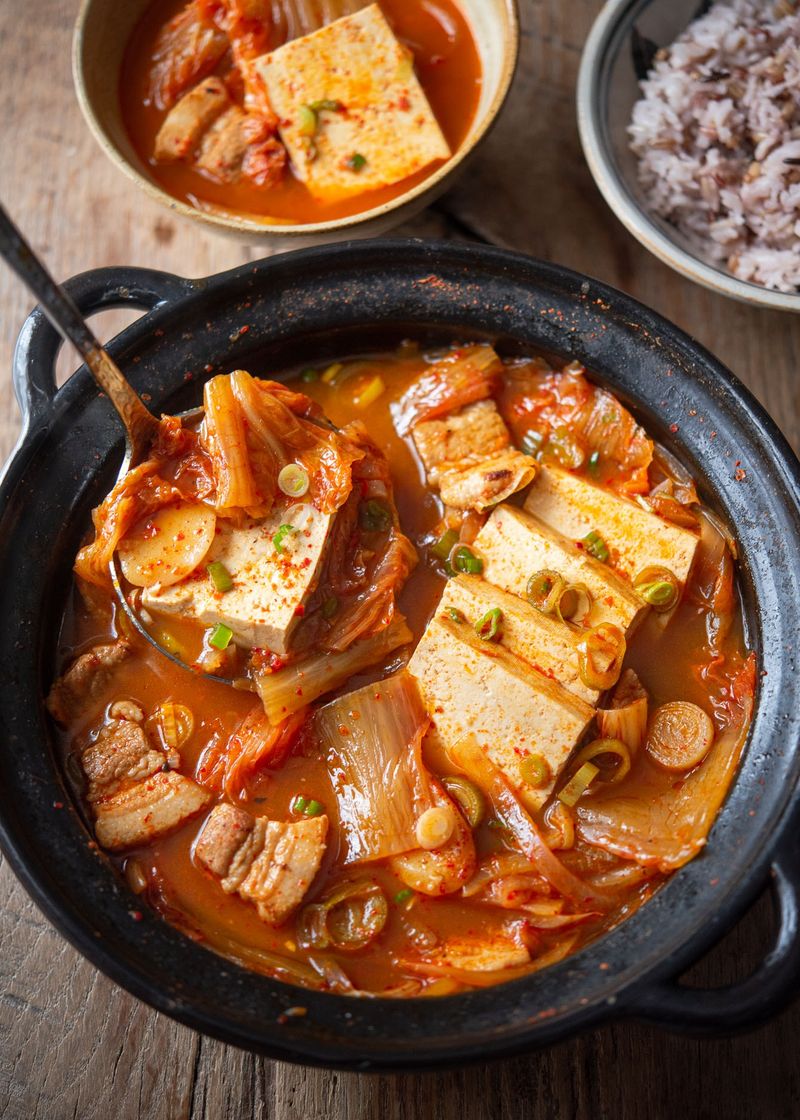
Kimchi jjigae is proof that aged, sour kimchi is actually better than fresh. The older and more fermented the kimchi, the richer and more complex the stew becomes.
Pork belly adds a fatty richness that balances the tang of the kimchi perfectly. Eaten with a bowl of sticky white rice, this stew is one of those meals that feels deeply comforting no matter what kind of day you have had.
9. Hotteok (Sweet Pancakes)

Hotteok is what happens when a pancake gets a delicious, gooey surprise stuffed inside it. These chewy Korean street pancakes are filled with a mixture of brown sugar, cinnamon, and crushed peanuts that melts into a sticky, sweet syrup when cooked.
They are a beloved winter street food in Korea, sold from carts on cold nights. Making them at home fills your kitchen with the most incredible caramel-cinnamon smell imaginable.
10. Galbitang (Short Rib Soup)
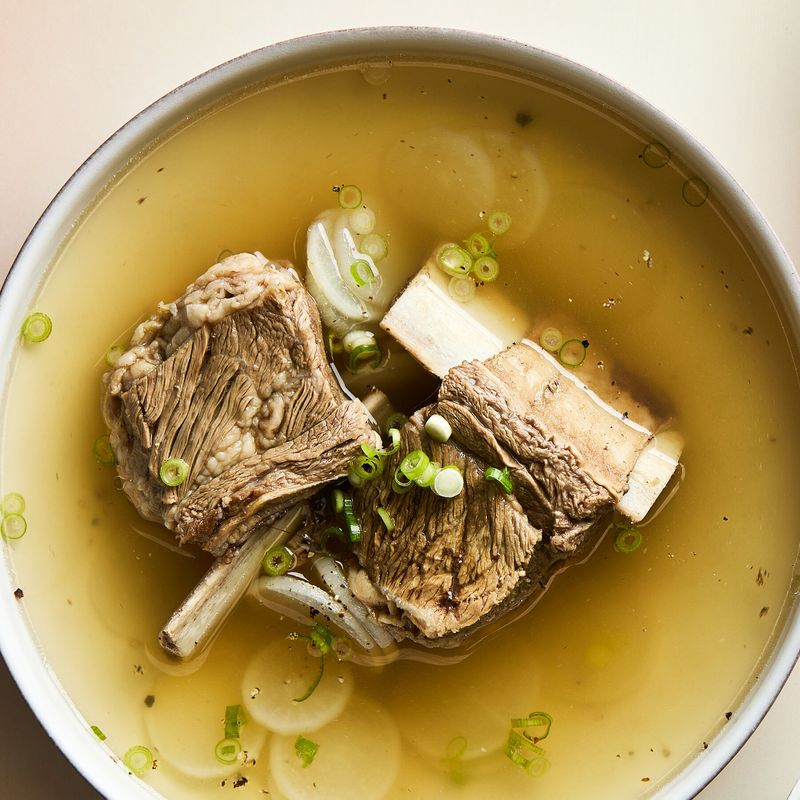
Galbitang is quiet and understated, but one sip of its clear, golden broth and you immediately understand why Koreans treasure it. Beef short ribs are simmered for hours until the meat falls off the bone and the broth becomes impossibly rich.
Unlike spicier Korean soups, galbitang is subtle and clean-flavored, making it ideal when you want something soothing rather than bold. Add glass noodles and sliced radish for a complete, satisfying bowl.
11. Dakgalbi (Spicy Stir-Fried Chicken)
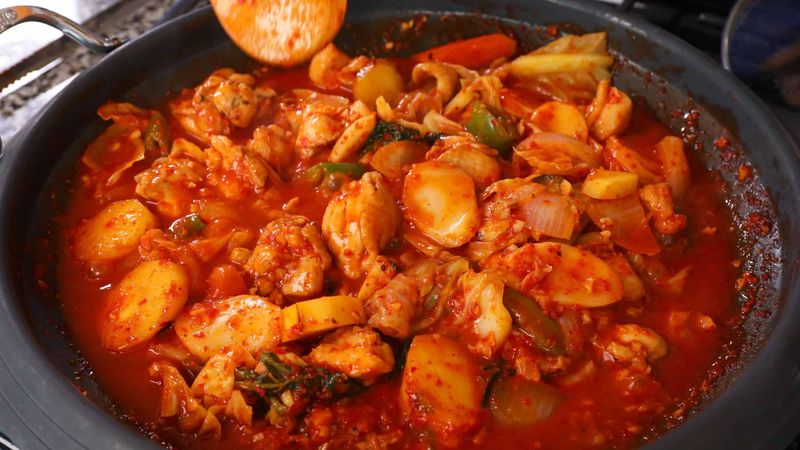
Dakgalbi is loud, sizzling, and absolutely impossible to ignore. Marinated chicken pieces are stir-fried in a fiery gochujang sauce alongside chewy tteok, sweet potato, and cabbage in a pan big enough to share with the whole table.
In Korea, it is a popular dish for groups because everyone gathers around the cooking pan together. When the chicken is almost finished, mixing fried rice into the leftover sauce at the bottom is a must-do move.
12. Jeon (Korean Savory Pancakes)
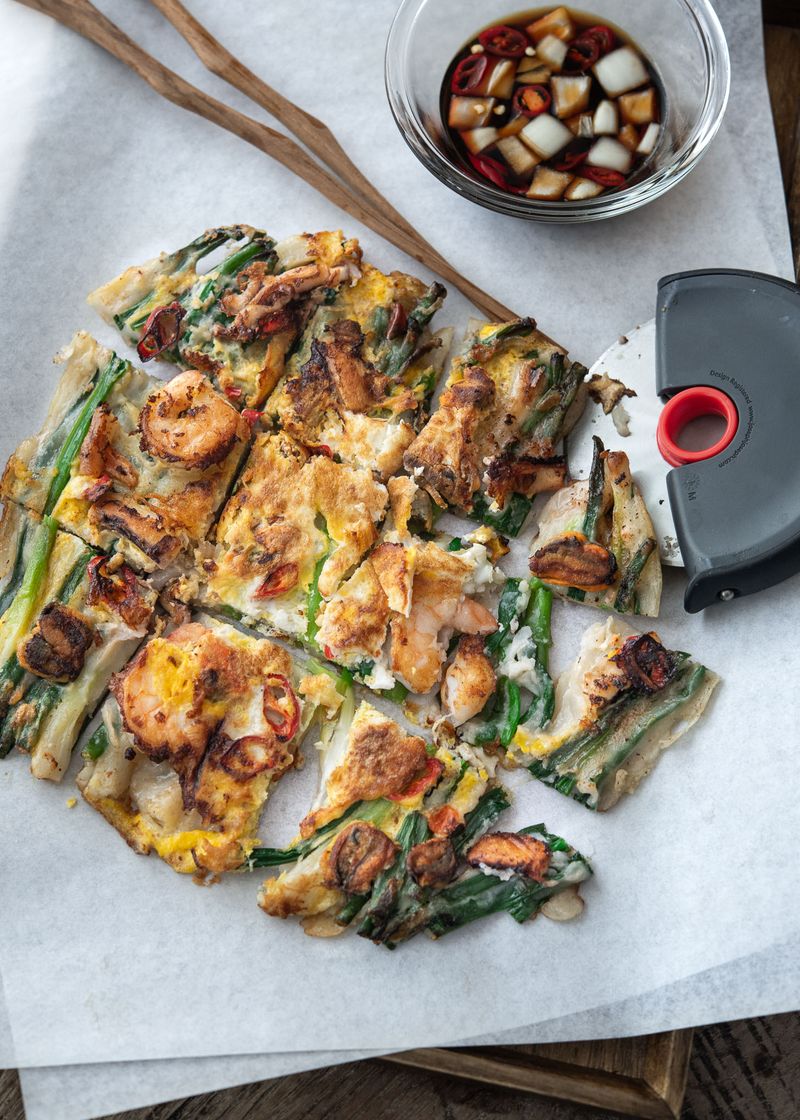
Rainy days in Korea are unofficially jeon days, and once you taste one of these crispy savory pancakes, you will completely understand why. The batter fries up into a golden, crackling shell around fillings like green onions, kimchi, or seafood.
The sizzling sound of jeon hitting a hot oiled pan is oddly satisfying, almost like the rain outside. Dip each piece in a tangy soy and vinegar sauce for the full experience.
13. Kongnamul Guk (Soybean Sprout Soup)
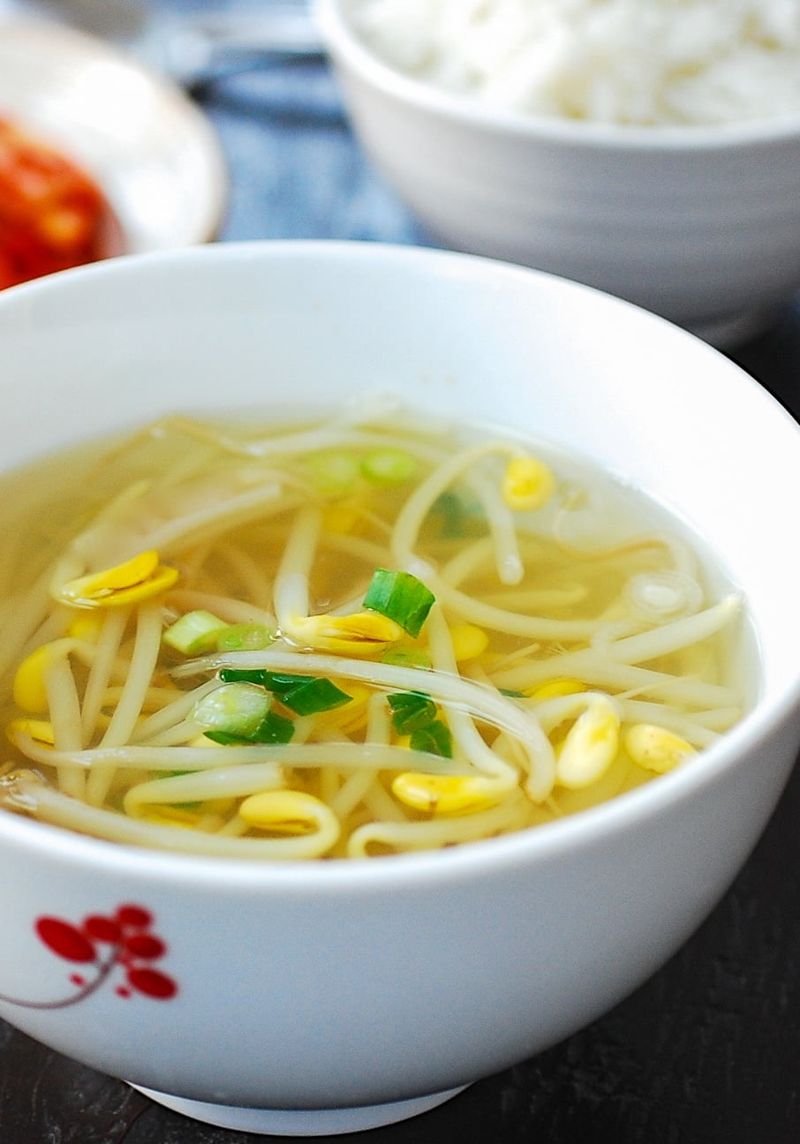
Sometimes the simplest things are the most comforting, and kongnamul guk is the perfect example of that. This light, clean soybean sprout soup takes only minutes to make but delivers a surprisingly satisfying, nourishing bowl.
Koreans often eat it as a hangover cure because of how gentle and restorative it feels on the stomach. A drizzle of sesame oil and a pinch of salt at the end brings all the delicate flavors together beautifully.
14. Bossam (Boiled Pork Wraps)
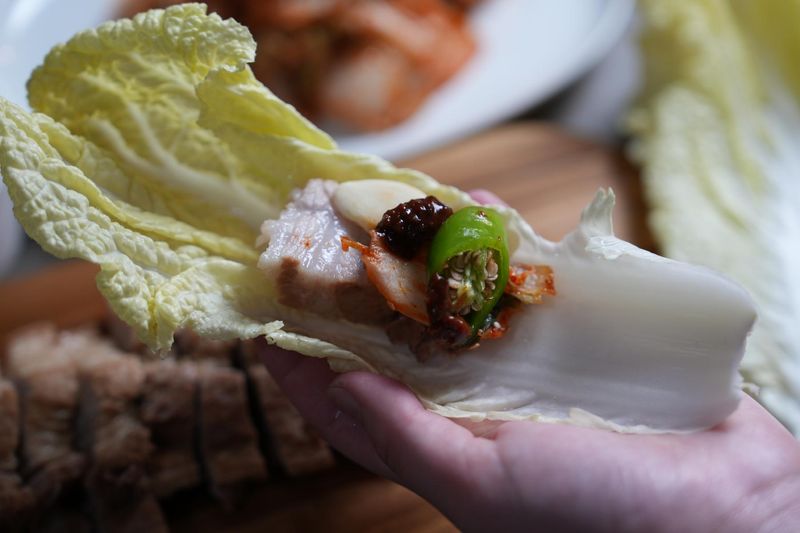
Bossam is a social food, the kind of meal that makes everyone lean in closer and start talking louder. Tender slices of boiled pork belly are wrapped in fresh cabbage or perilla leaves with kimchi, garlic, and a dab of fermented shrimp paste.
Each wrap is a perfect little bundle of salty, tangy, and savory flavors. It is the kind of dish that disappears fast at the table, so make more than you think you need.
15. Ramyeon (Korean Instant Noodles Upgraded)
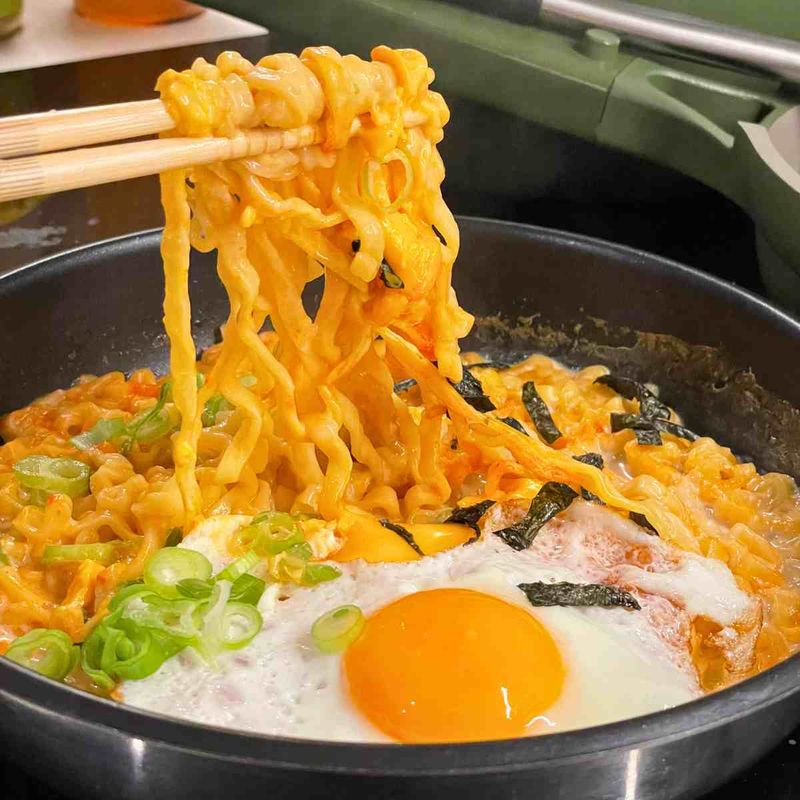
Korean ramyeon is not just instant noodles. It is a cultural institution that millions of people eat at midnight when nothing else will do.
The broth is aggressively spicy and savory in a way that hits differently after a long day.
Upgrading a basic packet with a soft-boiled egg, a slice of cheese, leftover kimchi, or even a handful of frozen dumplings transforms it into something genuinely special. Late-night ramyeon has its own cozy magic.
16. Gyeran Mari (Rolled Egg Omelette)

Gyeran mari might look simple, but getting those neat, layered rolls just right is a small kitchen victory worth celebrating. This Korean rolled omelette is made by layering thin sheets of cooked egg and rolling them up tightly with green onions and carrots tucked inside.
It is a staple in Korean lunchboxes and a beloved banchan side dish at home. Sliced into little rounds, it is as pretty to look at as it is satisfying to eat.
17. Haemul Sundubu (Seafood Soft Tofu Stew)
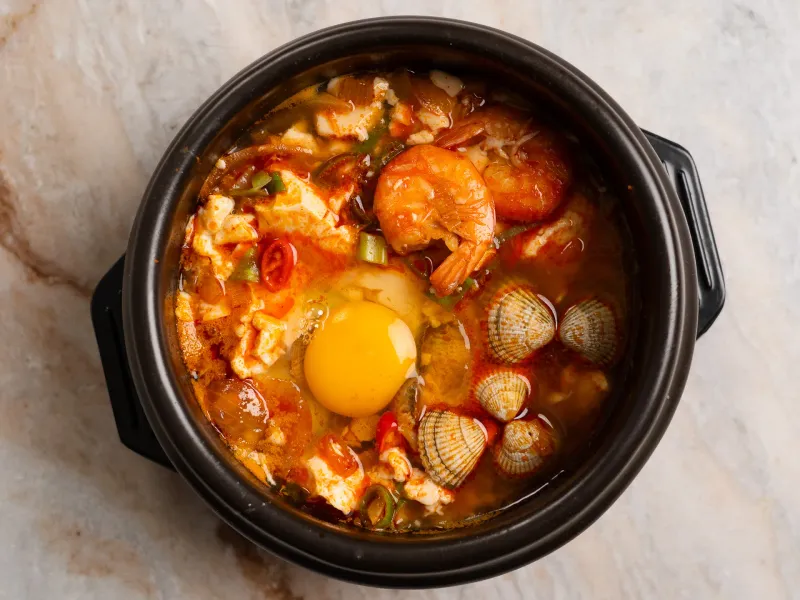
Haemul sundubu takes everything great about soft tofu stew and turns the dial up with the addition of fresh seafood. Plump shrimp, briny clams, and tender squid nestle into the silky tofu and fiery red broth like they belong there.
The contrast between the delicate tofu and the bold, spicy broth is what makes this dish so addictive. Served in a sizzling stone bowl, it stays piping hot all the way to the very last spoonful.
18. Pajeon (Green Onion Pancake)
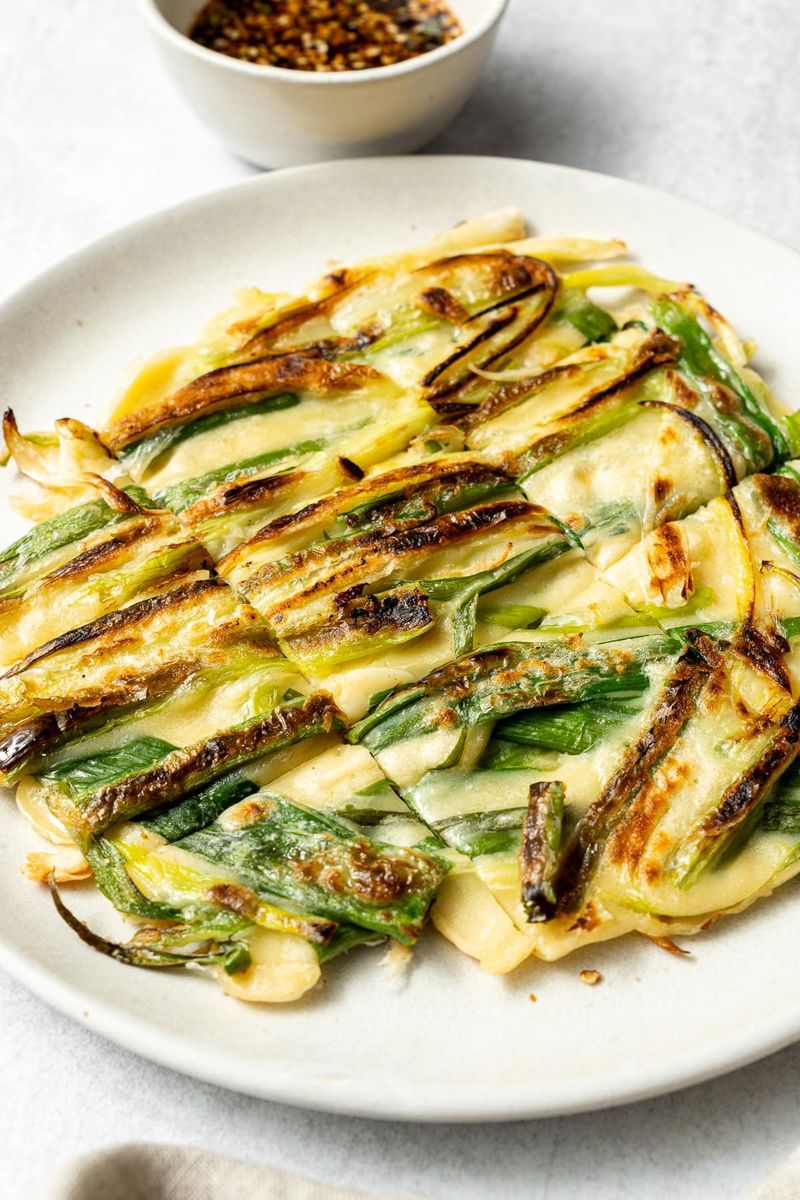
Pajeon is one of those dishes that proves a few humble ingredients can create something truly spectacular. Whole green onion stalks are embedded into a thin, savory batter and pan-fried until the edges turn irresistibly crispy and golden.
The contrast between the crunchy outside and the soft, chewy center is what keeps people reaching for another piece. Dip it in a simple mix of soy sauce, rice vinegar, and chili flakes for the ideal cozy snack.
19. Ganjang Gejang (Soy Marinated Raw Crab)
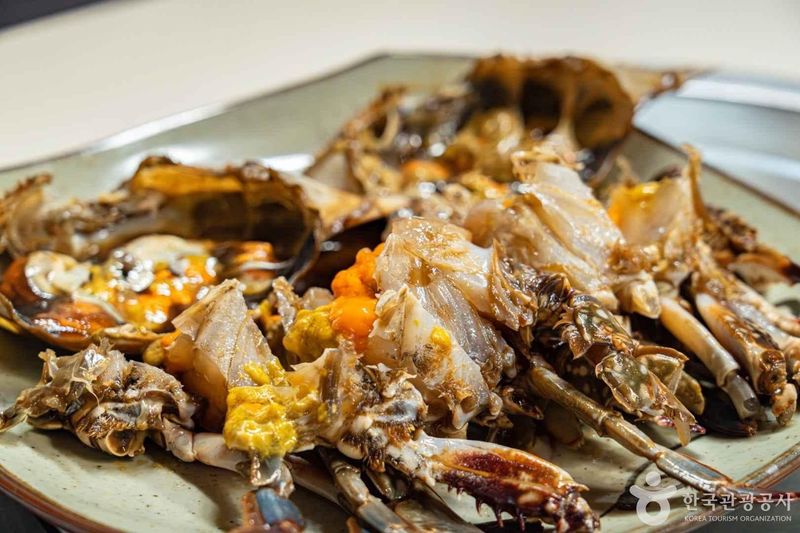
Ganjang gejang is famously nicknamed rice thief in Korea because its intensely savory, briny flavor makes you eat bowl after bowl of rice without even realizing it. Raw blue crabs are marinated in a seasoned soy sauce mixture for days until the meat becomes silky and jam-like.
It sounds unusual, but the flavor is unlike anything else, deeply umami and slightly sweet. Scoop the creamy crab roe directly onto warm rice for the full experience.
20. Sikhye (Sweet Rice Punch)

Sikhye is the sweet, gentle drink that Koreans traditionally sip at the end of a big meal to help with digestion. Made by fermenting cooked rice in a malt barley liquid, it develops a mild sweetness that feels clean and refreshing.
The little floating rice grains inside are part of the charm, and a few pine nuts on top add a lovely finishing touch. Chilled and served in a tall glass, sikhye is the perfect cozy evening wind-down drink.

Comments
No Comments