













Korean food is packed with bold flavors, colorful ingredients, and satisfying meals that are surprisingly simple to make at home. Whether you love spicy, savory, or sweet dishes, Korean cuisine has something for everyone.
Cooking Korean dinners during the week doesn't have to feel overwhelming — many recipes come together in under 30 minutes. Get ready to bring some serious flavor to your dinner table with these 20 easy Korean meals.
1. Bibimbap (Mixed Rice Bowl)
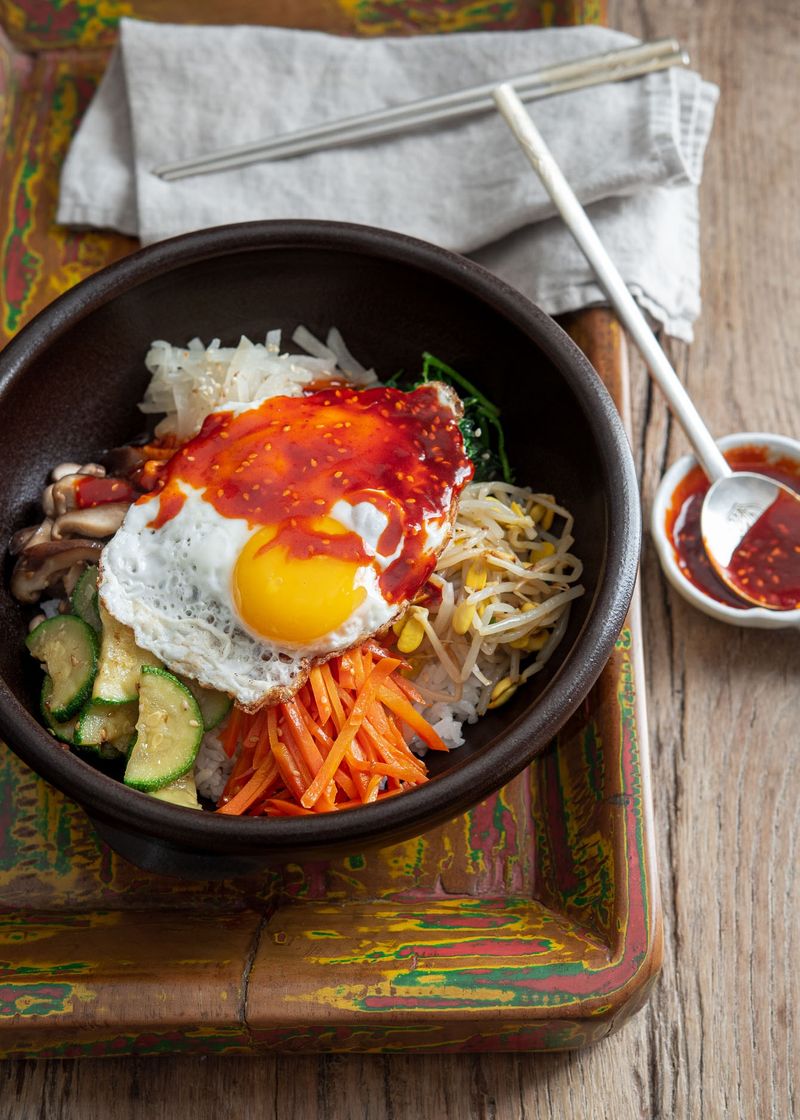
Few meals are as satisfying as a big bowl of bibimbap. This Korean classic layers steamed rice with colorful vegetables like spinach, carrots, and bean sprouts, then tops it all off with a fried egg and a spoonful of spicy gochujang sauce.
Mix everything together and every bite is a little different. You can use whatever veggies you have on hand, making it a great way to clean out the fridge.
It's truly a weeknight winner.
2. Japchae (Glass Noodle Stir-Fry)
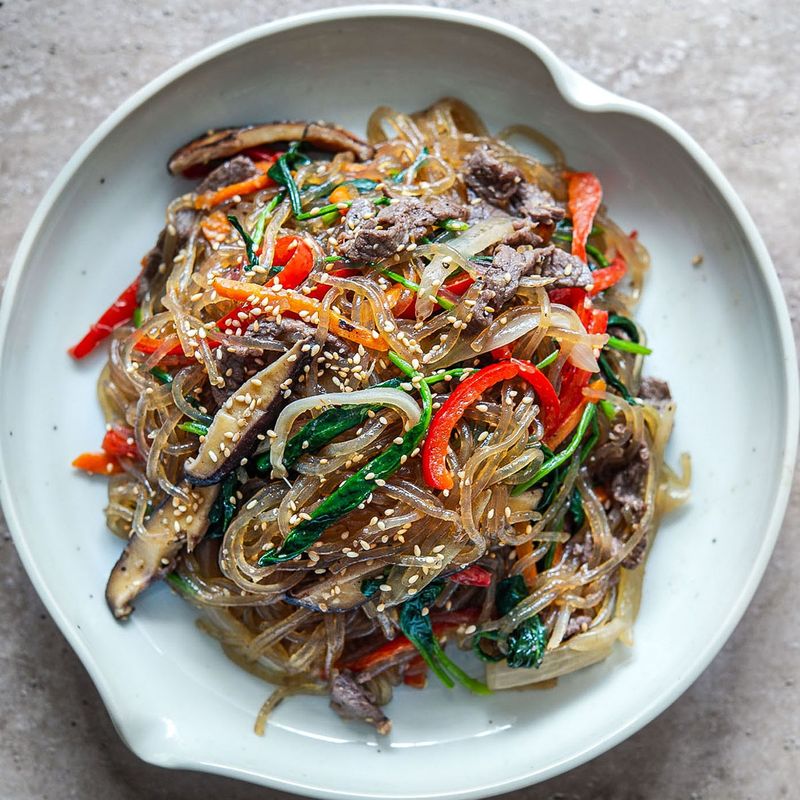
Japchae might look fancy, but it's one of the easiest Korean dishes you'll ever make. Sweet potato glass noodles are stir-fried with thinly sliced beef, spinach, carrots, and mushrooms in a savory sesame soy sauce.
The noodles have a slightly chewy, almost silky texture that soaks up all that delicious flavor. This dish is often served at Korean celebrations, but honestly, it's good enough to eat any night of the week.
3. Dakgalbi (Spicy Stir-Fried Chicken)
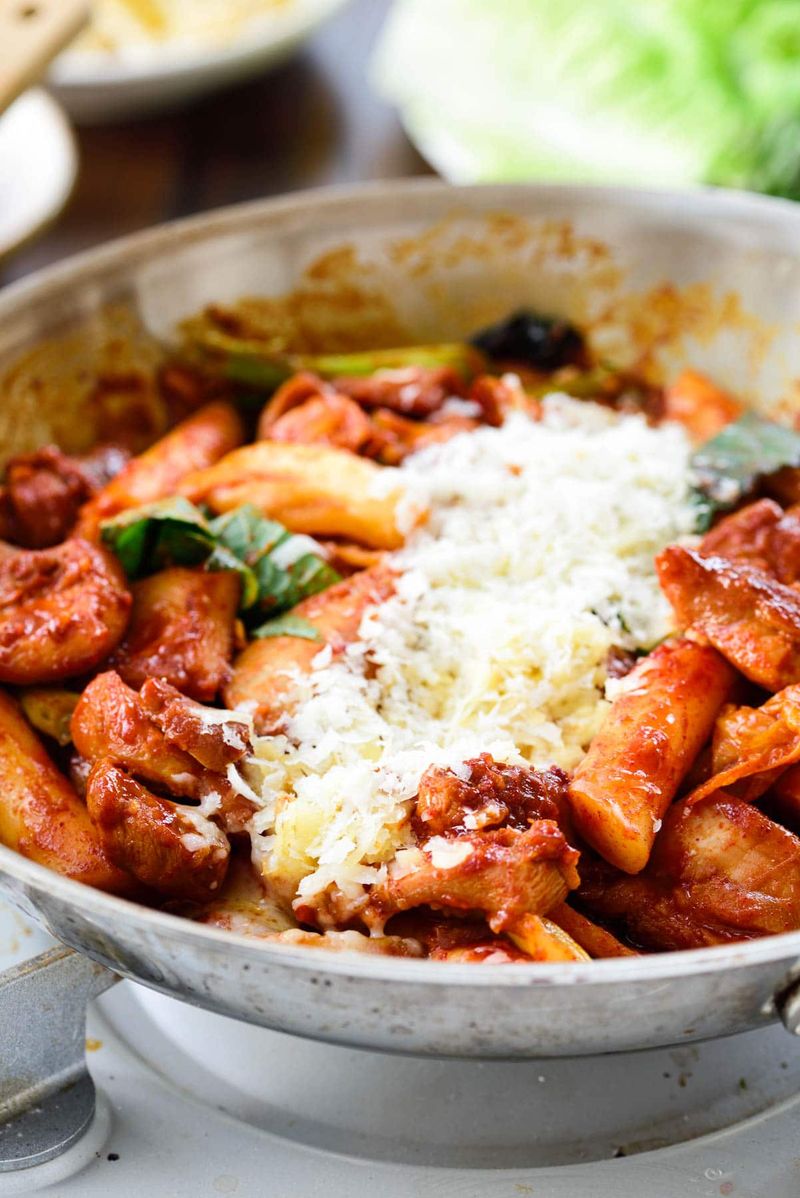
If you love spicy food, dakgalbi is about to become your new obsession. Chunks of chicken are marinated in a fiery gochujang-based sauce and stir-fried with cabbage, sweet potatoes, and chewy rice cakes in one big pan.
The combination of tender chicken and soft, chewy rice cakes makes every bite incredibly satisfying. Best of all, cleanup is minimal because everything cooks in a single skillet.
Spice lovers, this one's for you.
4. Sundubu Jjigae (Soft Tofu Stew)
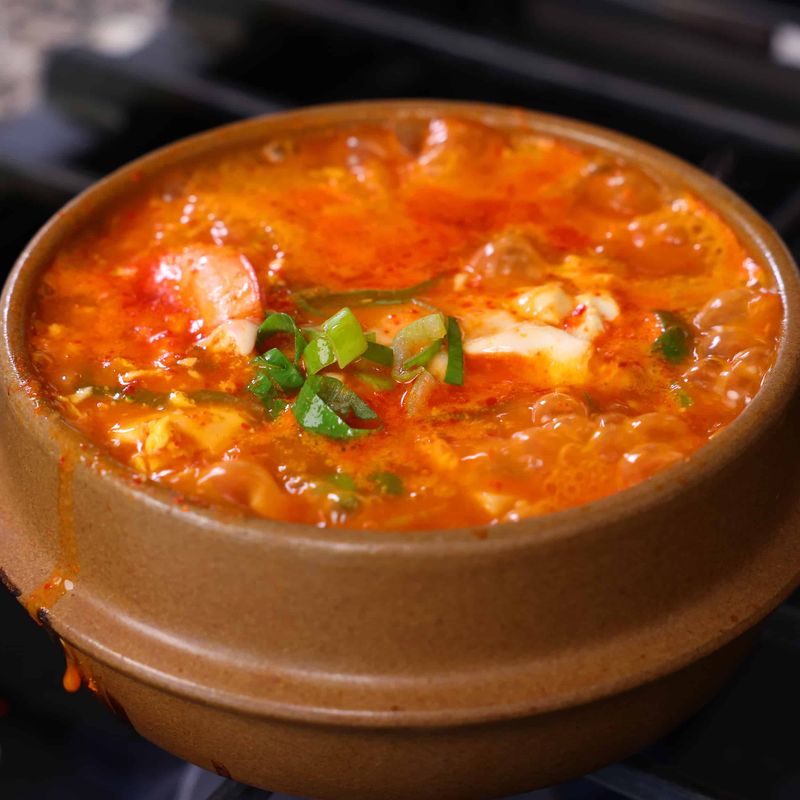
Nothing warms you up quite like a steaming pot of sundubu jjigae. This spicy Korean stew is made with silken tofu that practically melts in your mouth, swimming in a rich, red broth flavored with gochugaru, garlic, and seafood or pork.
A raw egg cracked in right before serving adds extra richness. Pair it with a bowl of white rice and you have a complete, comforting dinner that takes less than 25 minutes to prepare.
5. Bulgogi (Korean BBQ Beef)
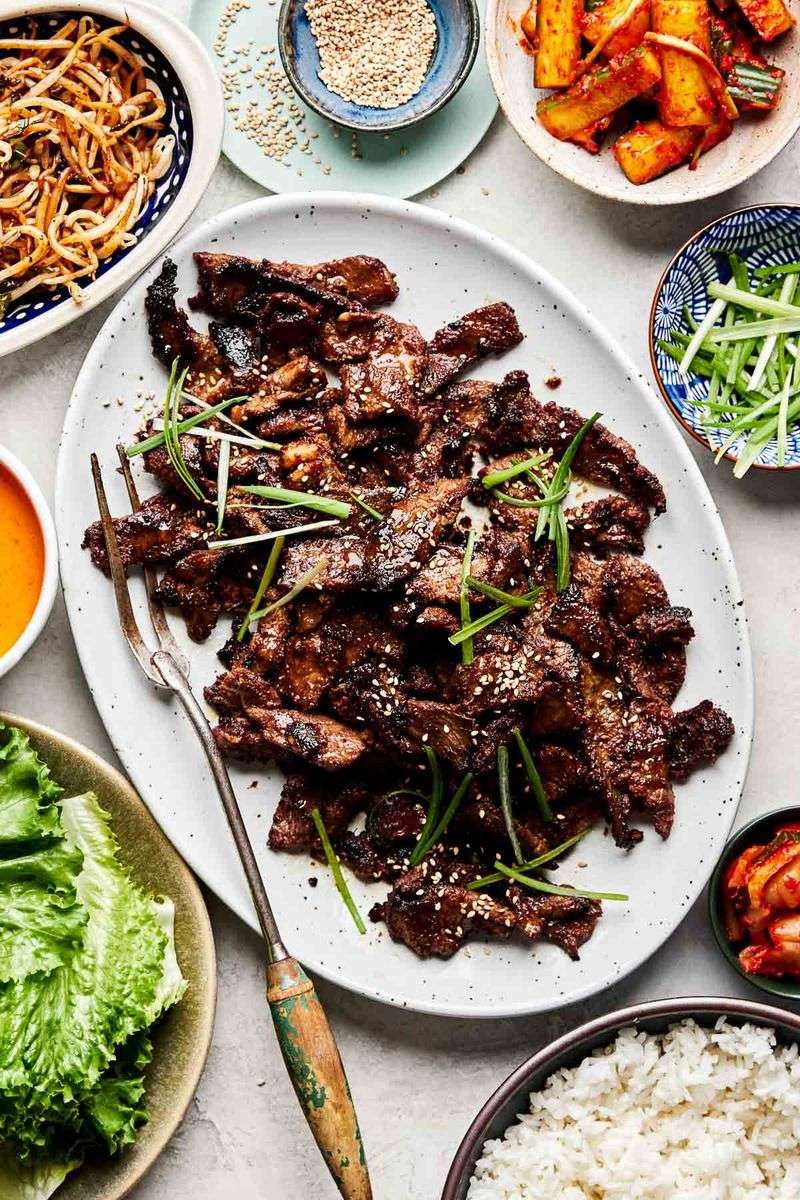
Bulgogi is probably the most well-known Korean dish outside of Korea, and for good reason — it's absolutely delicious. Thinly sliced beef is marinated in a sweet-savory blend of soy sauce, garlic, sesame oil, and Asian pear, which naturally tenderizes the meat.
Once cooked, the edges caramelize beautifully. Wrap the beef in a lettuce leaf with rice and a dab of ssamjang paste for the ultimate Korean dinner experience at home.
6. Doenjang Jjigae (Soybean Paste Stew)
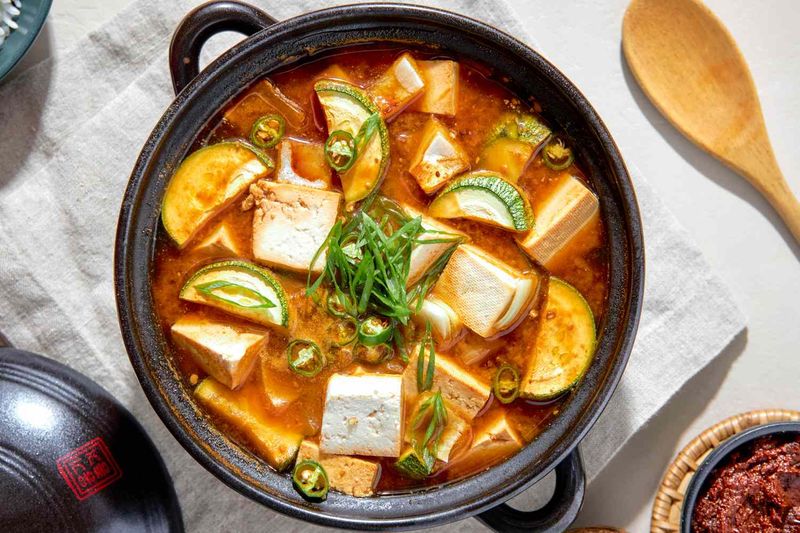
Doenjang jjigae is the kind of dish Korean families have been making for generations. Fermented soybean paste gives this hearty stew a deep, earthy flavor that pairs perfectly with cubed tofu, zucchini, potatoes, and mushrooms.
Think of it like Korean miso soup, but much heartier and more filling. The aroma alone will make your kitchen smell incredible.
It's one of those meals that tastes like it simmered all day, even though it's ready in about 20 minutes.
7. Kimchi Fried Rice
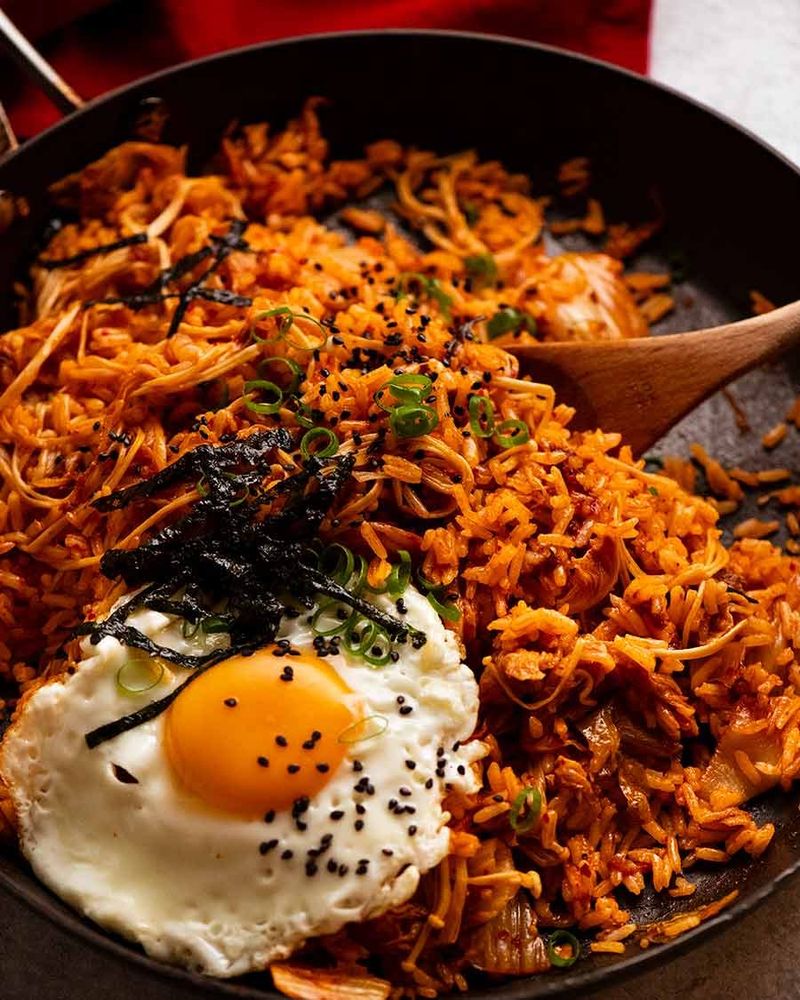
Got leftover rice and some kimchi in the fridge? You're already halfway to one of the best quick dinners in Korean cooking.
Kimchi fried rice is tangy, spicy, and deeply savory all at once, with the fermented kimchi adding a punch of flavor that store-bought sauces can't replicate.
A drizzle of sesame oil and a fried egg on top takes it over the edge. This dish comes together in literally 10 minutes flat.
8. Tteokbokki (Spicy Rice Cakes)

Walk through any Korean street market and you'll spot tteokbokki bubbling away in giant pots — it's one of Korea's most beloved street foods. Chewy rice cakes are simmered in a sweet and spicy gochujang sauce alongside fish cakes and boiled eggs.
The sauce is sticky, bold, and just a little addictive. Making it at home is surprisingly easy and takes only about 15 minutes.
Serve it as a main dish or a fun shared snack.
9. Samgyeopsal (Pan-Fried Pork Belly)
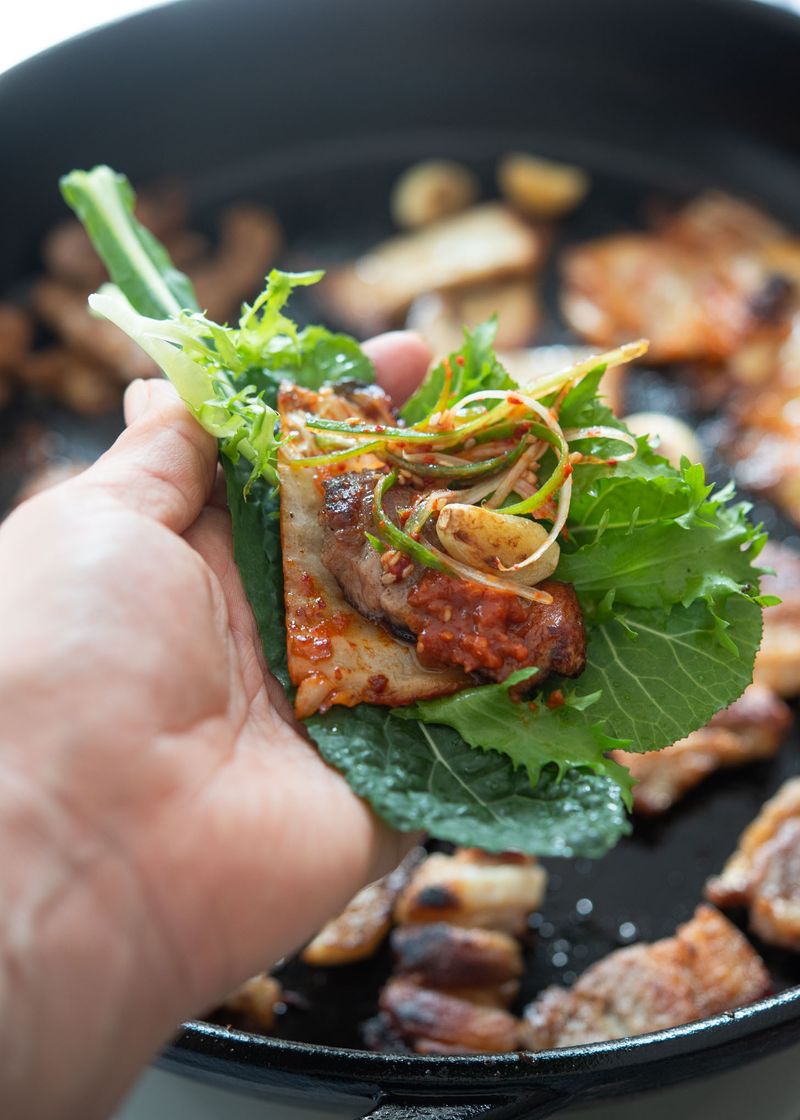
Samgyeopsal turns dinner into a fun, interactive experience. Thick slices of pork belly are grilled right at the table (or on a stovetop grill pan) until crispy on the outside and juicy inside.
You wrap each piece in a fresh lettuce leaf with garlic, sliced green onions, and a smear of ssamjang — a savory fermented dipping paste. Every bite is a little bundle of pure joy.
It's casual, social, and ridiculously tasty for a weeknight dinner.
10. Gyeran Bap (Egg Rice Bowl)
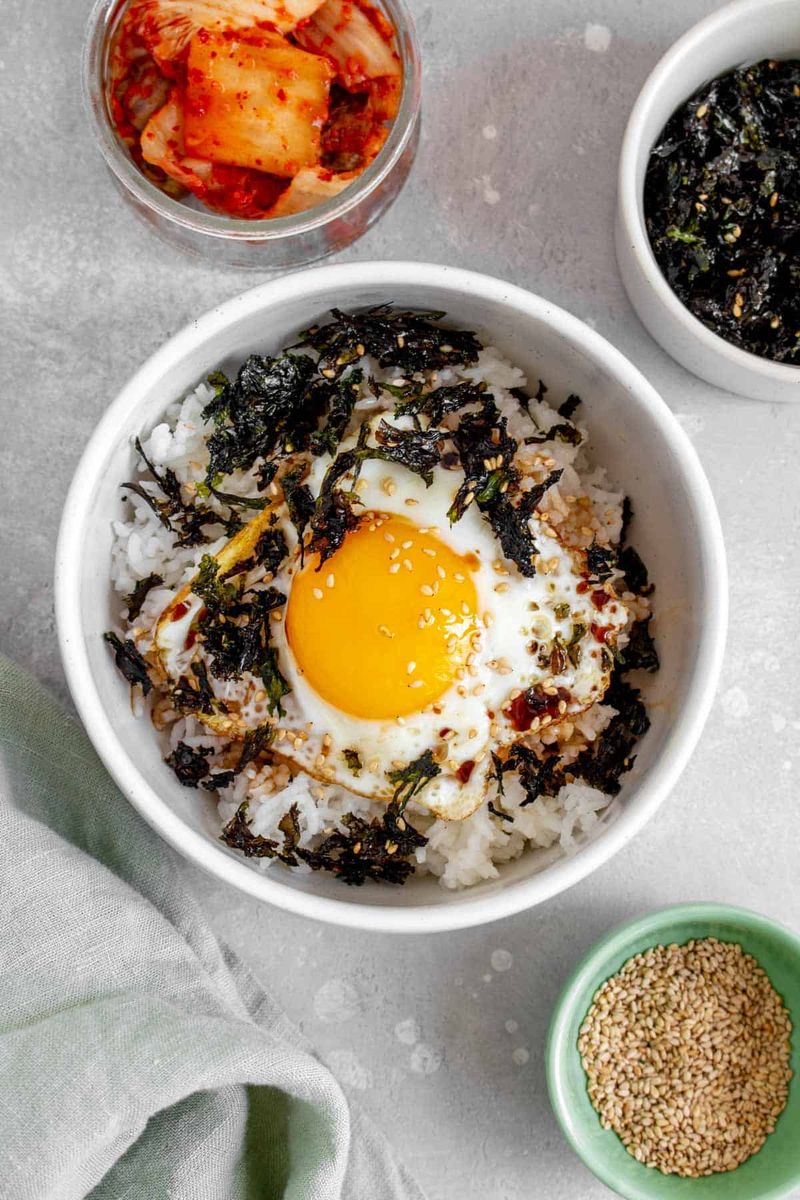
Some of the best meals are the simplest ones, and gyeran bap is proof of that. This humble Korean egg rice bowl is made with steamed rice, a fried egg, a pat of butter, a splash of soy sauce, and a drizzle of sesame oil.
Mix it all together and you get something that's creamy, savory, and incredibly comforting. Korean home cooks have been turning to this dish on tired weeknights for decades, and once you try it, you'll understand why.
11. Dakjuk (Korean Chicken Rice Porridge)

Dakjuk is Korea's answer to chicken soup — warm, gentle, and deeply nourishing. Soft, slow-cooked rice breaks down into a thick, creamy porridge that's simmered with tender shredded chicken and seasoned simply with sesame oil and salt.
It's the kind of meal you crave when you're feeling under the weather or just need something soothing. Don't let the simplicity fool you — the flavor is subtle but deeply satisfying.
A sprinkle of green onions adds the perfect finishing touch.
12. Kimchi Jjigae (Kimchi Stew)
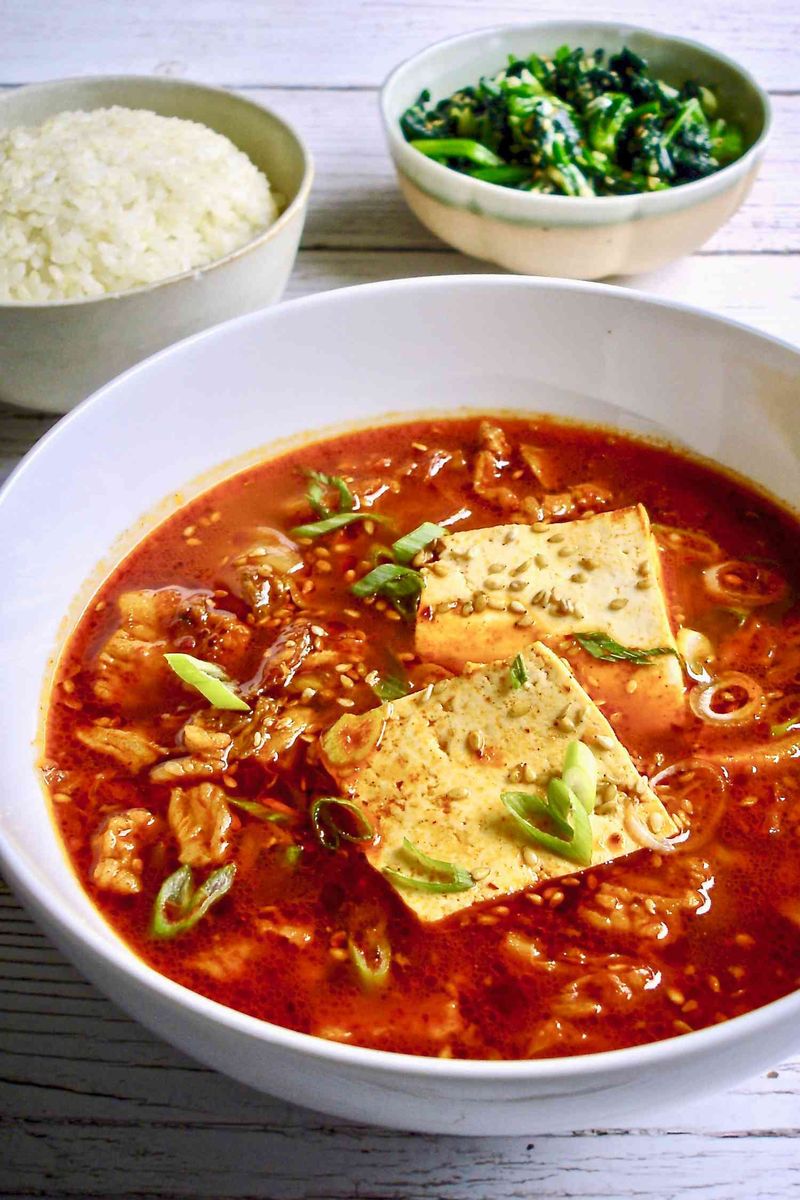
Kimchi jjigae is the ultimate comfort food in Korean households, especially when the kimchi has been fermenting for a while and gets extra sour and funky. That aged kimchi is what gives this stew its unbeatable depth of flavor.
Pork belly, tofu, and a rich red broth make it hearty enough to be a full meal. Spoon it over a bowl of steamed rice and you're all set.
This recipe rewards patience — the longer it simmers, the better it tastes.
13. Ojingeo Bokkeum (Spicy Stir-Fried Squid)
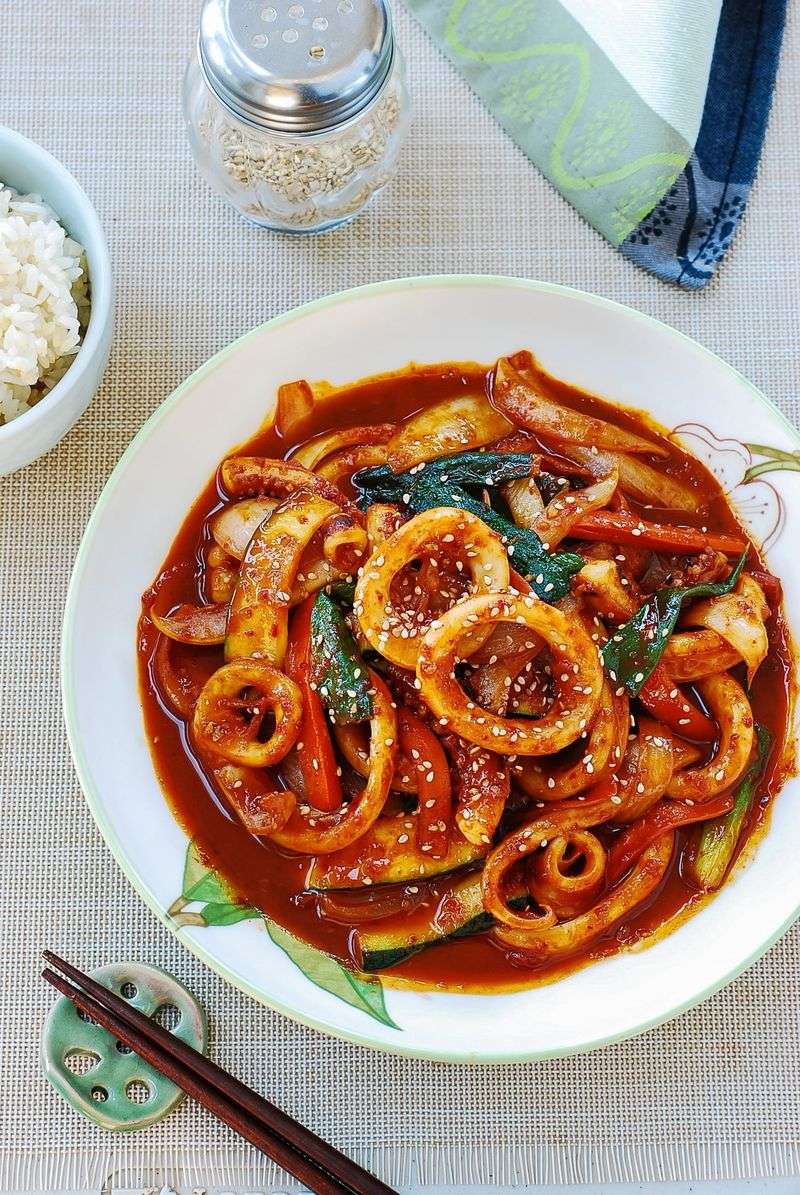
Spicy stir-fried squid might sound intimidating, but ojingeo bokkeum is one of the quickest Korean dinners you can throw together. Squid is sliced into rings and stir-fried with onions and zucchini in a fiery, sweet gochujang sauce.
Squid cooks in just a couple of minutes, so the whole dish is ready before you know it. The chewy texture of the squid against that bold, spicy sauce is a combination that keeps you going back for more bites.
14. Kongnamul Bap (Soybean Sprout Rice Bowl)
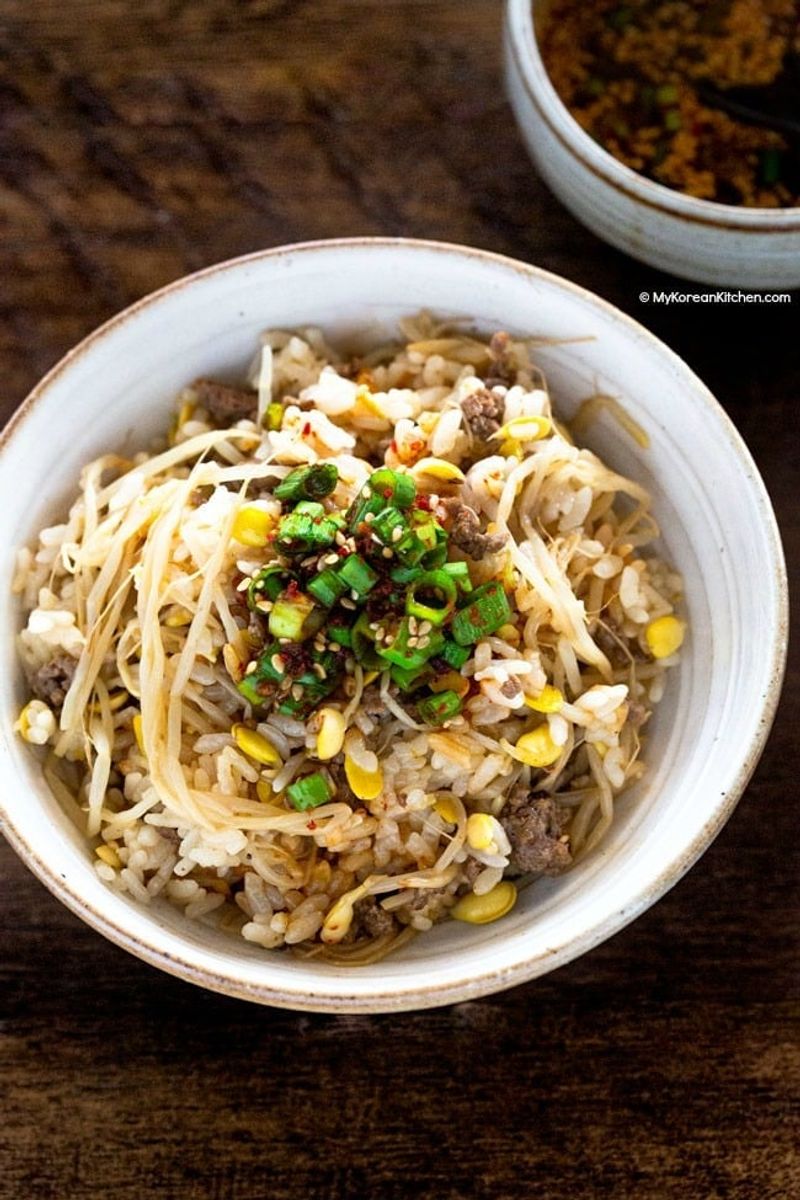
Crunchy, fresh, and surprisingly filling — kongnamul bap is a Korean rice bowl built on simplicity. Soybean sprouts are steamed right on top of cooking rice, absorbing all the steam and becoming perfectly tender.
A savory sauce made from soy sauce, sesame oil, and gochugaru is drizzled over everything before serving. It's a budget-friendly, plant-forward dinner that comes together with almost no effort.
Add a fried egg on top for extra protein and you have a well-rounded, delicious meal.
15. Jeyuk Bokkeum (Spicy Pork Stir-Fry)
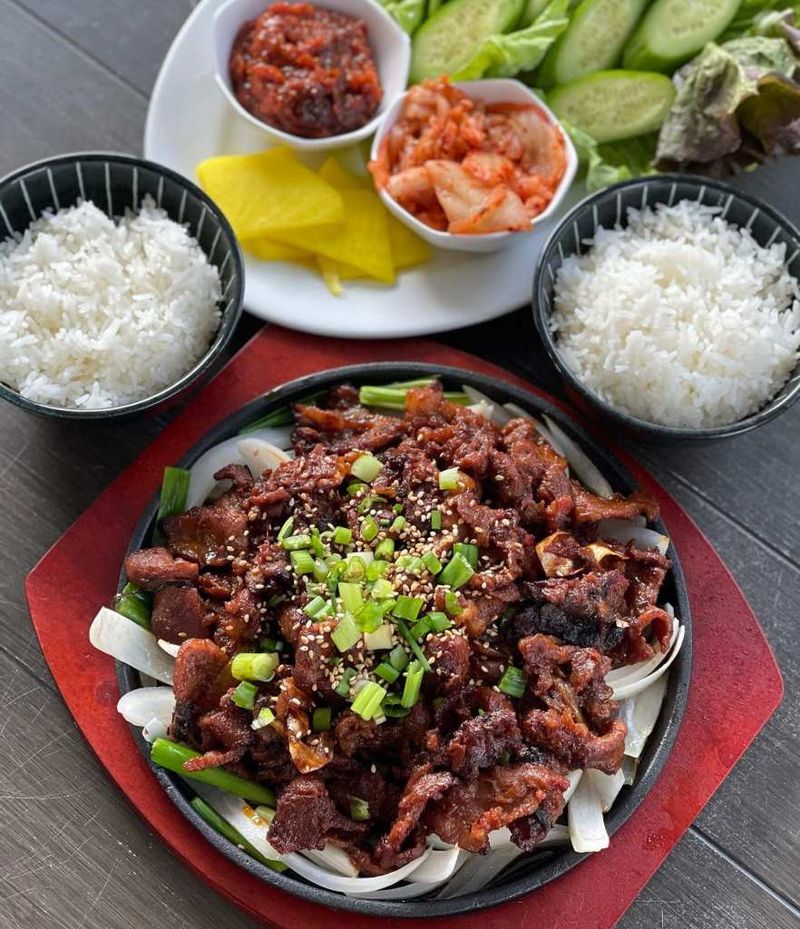
Jeyuk bokkeum is the kind of bold, punchy dinner that makes plain rice taste extraordinary. Thinly sliced pork is tossed in a marinade of gochujang, soy sauce, garlic, ginger, and sesame oil, then stir-fried over high heat until the edges are slightly charred.
The caramelized bits of pork are the best part — sweet, spicy, and smoky all at once. Pile it over steamed rice with a side of kimchi and you've got a seriously satisfying weeknight dinner in under 20 minutes.
16. Haemul Pajeon (Seafood Scallion Pancake)
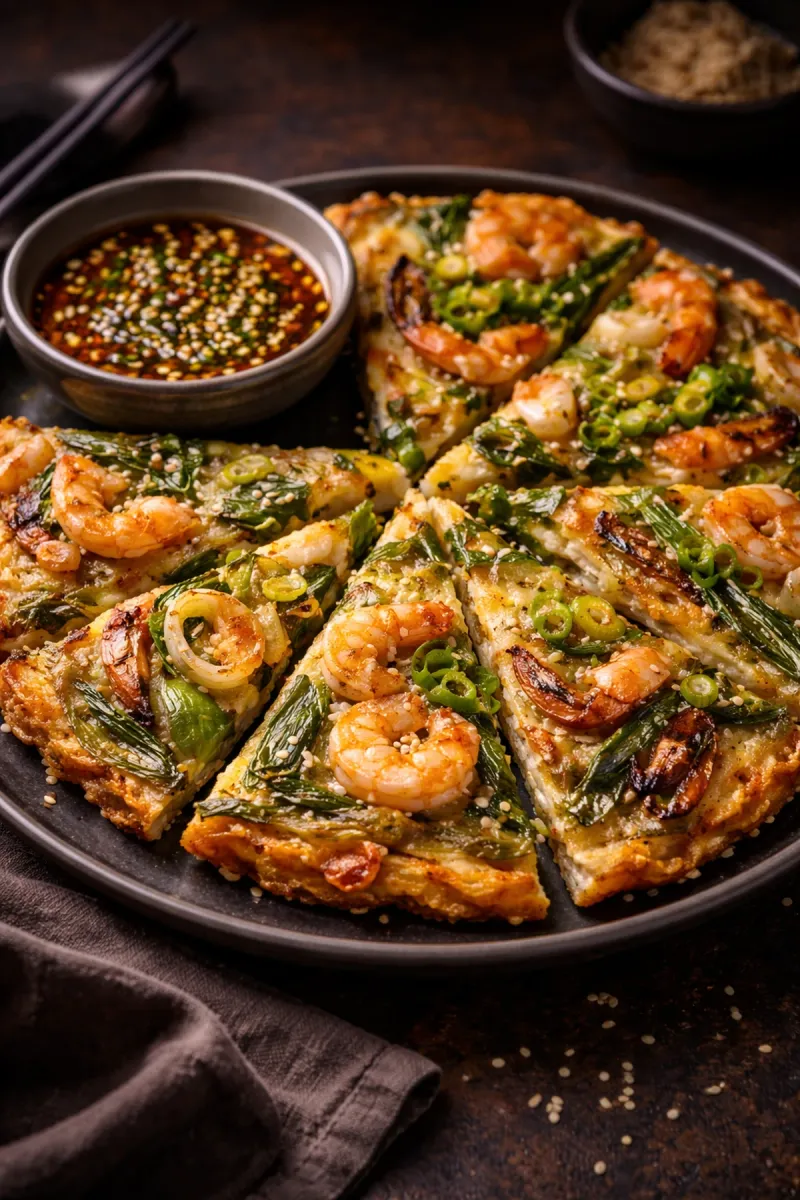
Rainy days and pajeon go hand in hand in Korean culture — there's even a saying that the sound of rain makes people crave these crispy pancakes. Haemul pajeon is loaded with shrimp, squid, and long green onions, all bound together in a light, savory batter.
Pan-fry it until golden and crispy on both sides, then dip each slice into a tangy soy dipping sauce. It makes a fantastic appetizer or a fun, shareable dinner option.
17. Ganjang Gejang (Soy Sauce Marinated Crab)
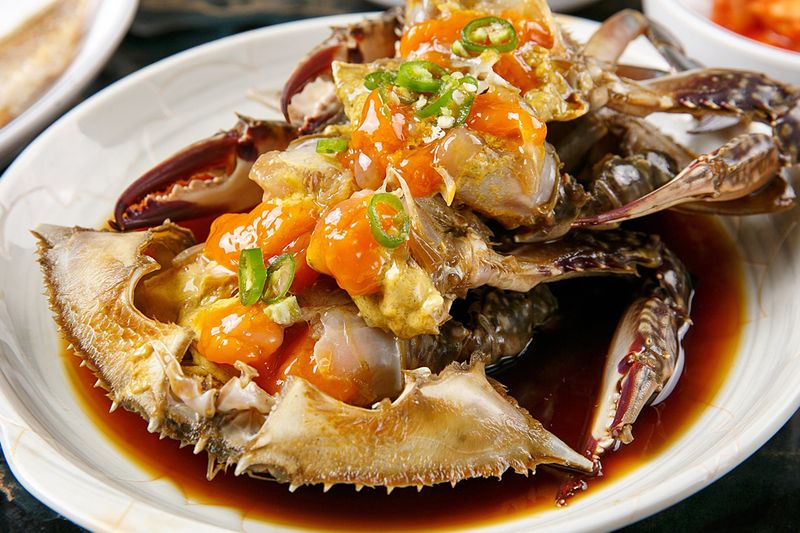
Called "rice thief" in Korea because it makes you eat bowl after bowl of rice, ganjang gejang is a bold and unique dish. Raw blue crabs are marinated in a rich soy sauce brine with garlic, chili, and ginger for at least 24 hours.
The result is intensely savory, briny, and deeply flavorful — unlike anything you've tasted before. While it does require advance preparation, the actual hands-on work is minimal.
It's an adventurous Korean dinner that's absolutely worth trying.
18. Dosirak (Korean Lunch Box Dinner)
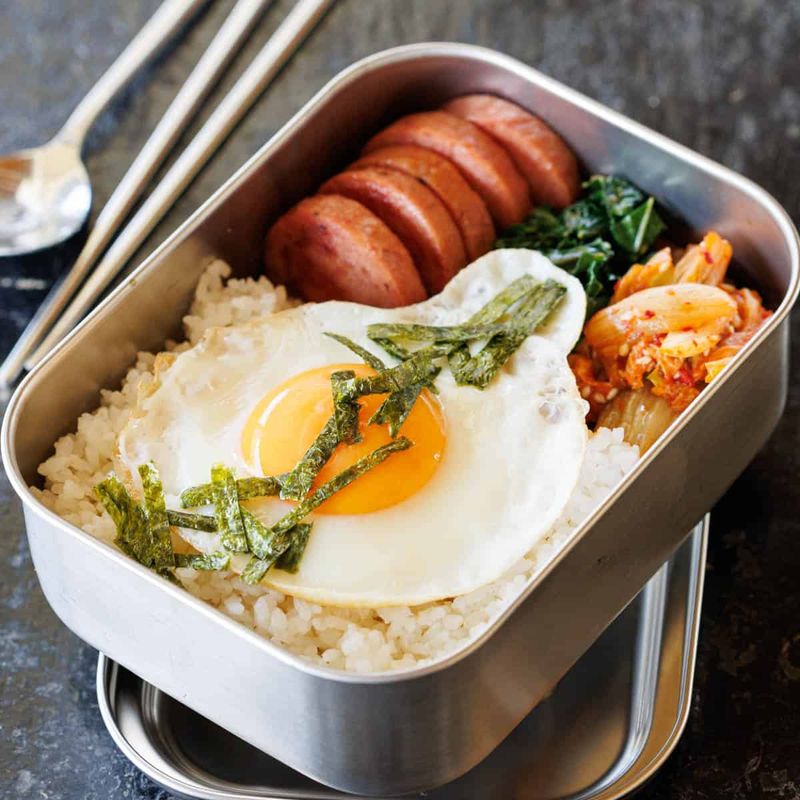
Dosirak is the Korean version of a bento box, and turning it into a weeknight dinner is a genius move. You simply prepare small portions of several banchan (side dishes) — like seasoned spinach, stir-fried kimchi, and pan-fried spam — and arrange them alongside steamed rice.
It's a meal where variety is the main attraction. Everyone at the table gets a little bit of everything.
Kids especially love the colorful, compartmentalized setup, and you can customize each box to suit different tastes.
19. Budae Jjigae (Army Stew)
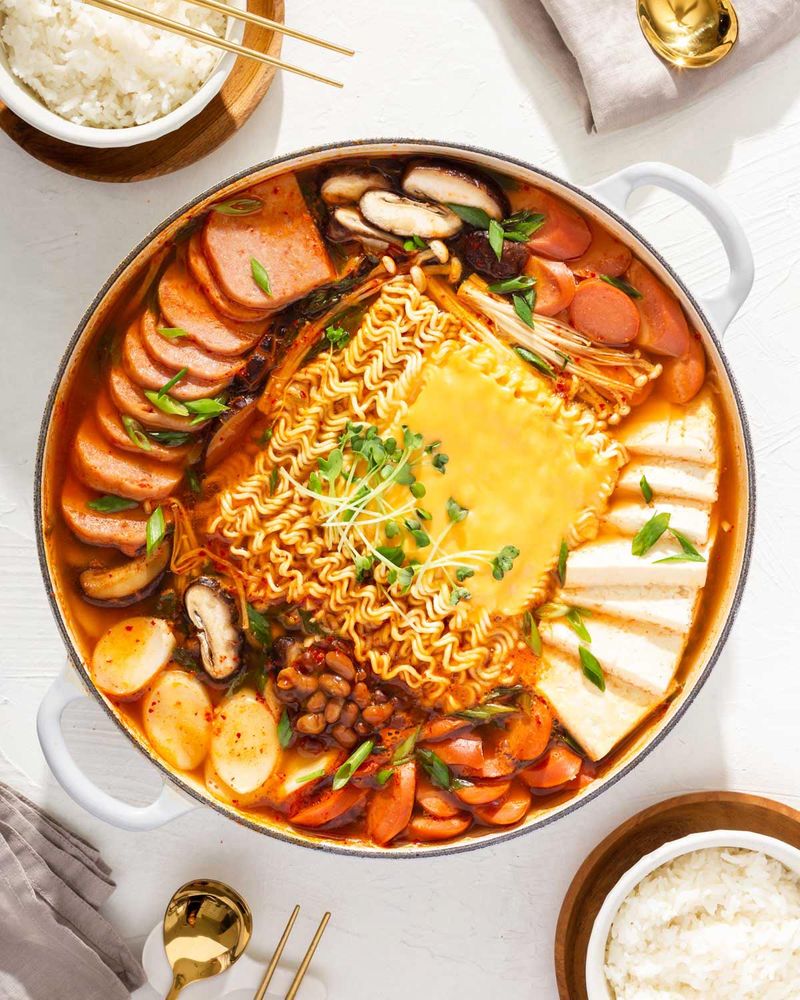
Budae jjigae has one of the most fascinating origin stories in Korean food history. Born after the Korean War, this stew was created using surplus American military rations like spam, hot dogs, and baked beans, combined with Korean staples like kimchi and gochujang.
Today it's a beloved comfort food loaded with ramen noodles, tofu, and melted cheese. It's messy, hearty, and wildly flavorful.
Gather everyone around the pot and cook it together — it's a communal dining experience at its finest.
20. Galbi Jjim (Braised Short Ribs)
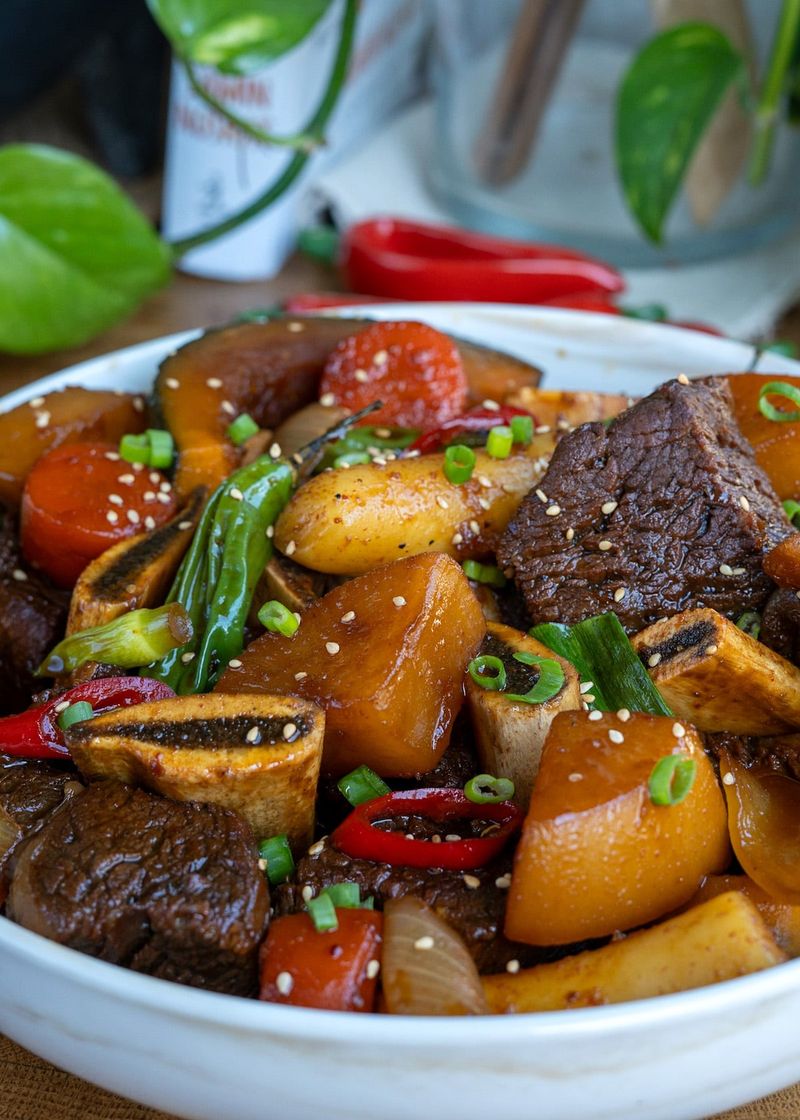
Galbi jjim is the kind of dish that makes your whole home smell incredible while it cooks. Beef short ribs are slow-braised in a rich sauce of soy sauce, garlic, ginger, pear, and brown sugar until the meat is fork-tender and falling off the bone.
Carrots, potatoes, and chestnuts soak up all that luscious braising liquid, making every component of the dish taste amazing. It takes a bit more time than other recipes, but the payoff is absolutely spectacular for a special weeknight dinner.



Comments
No Comments