













Britain has a rich tradition of baking that goes far beyond scones and Victoria sponge. Hidden in the corners of England, Scotland, Wales, and Northern Ireland are dozens of incredible bakes that most people have never even heard of.
From crumbly pastries to sticky spiced loaves, these regional treats carry centuries of history in every bite. Get ready to discover some seriously underappreciated gems from across the British Isles.
1. Singing Hinnies (Northumberland)
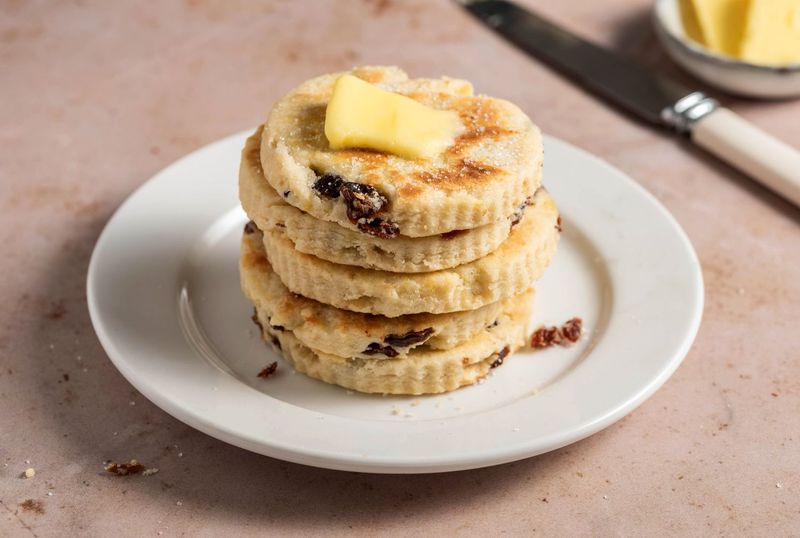
Named for the sizzling sound they make on the griddle, Singing Hinnies are a beloved Northumberland treat that rarely gets the spotlight it deserves. These flat, round scone-like cakes are cooked directly on a hot griddle rather than baked in an oven.
Made with flour, lard, and currants, they come out crispy on the outside and soft inside. Spread with butter while still warm, they taste absolutely wonderful.
Few bakes capture Northern English comfort food quite so perfectly.
2. Bara Brith (Wales)
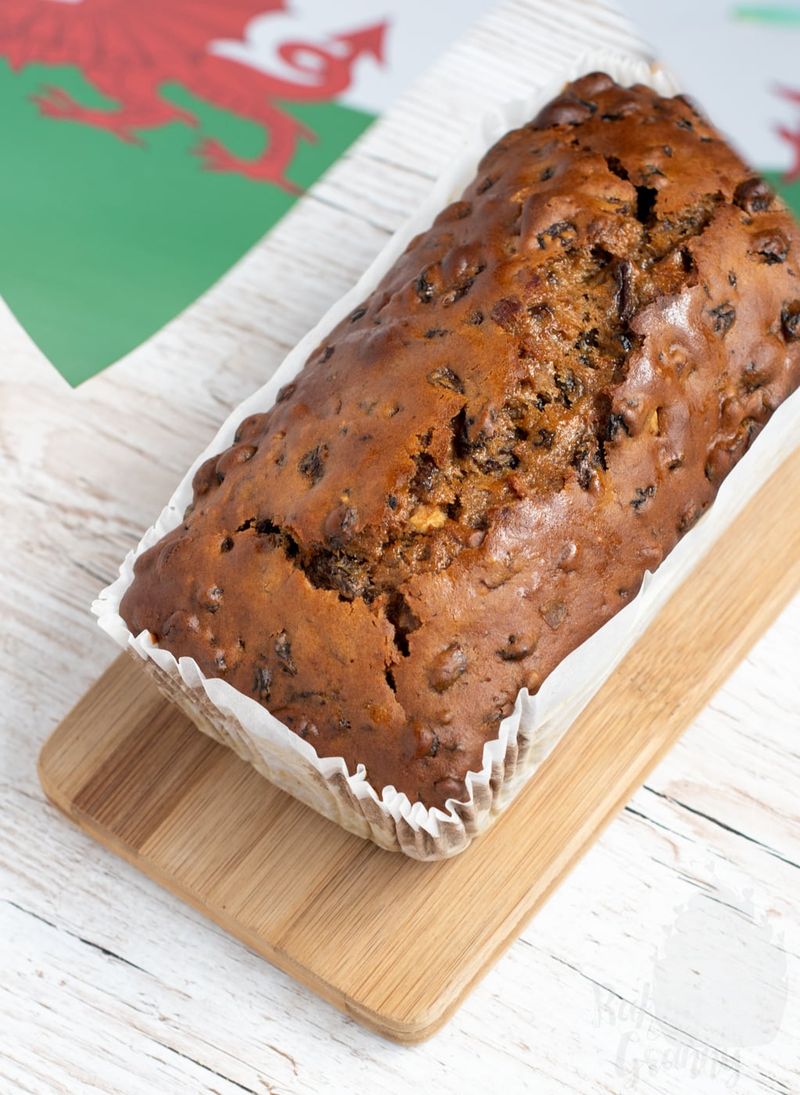
Bara Brith translates to "speckled bread" in Welsh, and once you taste it, you will understand why it has been a Welsh kitchen staple for generations. Dried fruit is soaked overnight in strong tea, giving this loaf its deeply rich, moist texture.
Sliced thick and spread with salted butter, it pairs brilliantly with a strong cuppa. Despite being a true Welsh icon, it rarely appears outside Wales.
That is a genuine shame worth correcting on your next baking day.
3. Coventry Godcakes
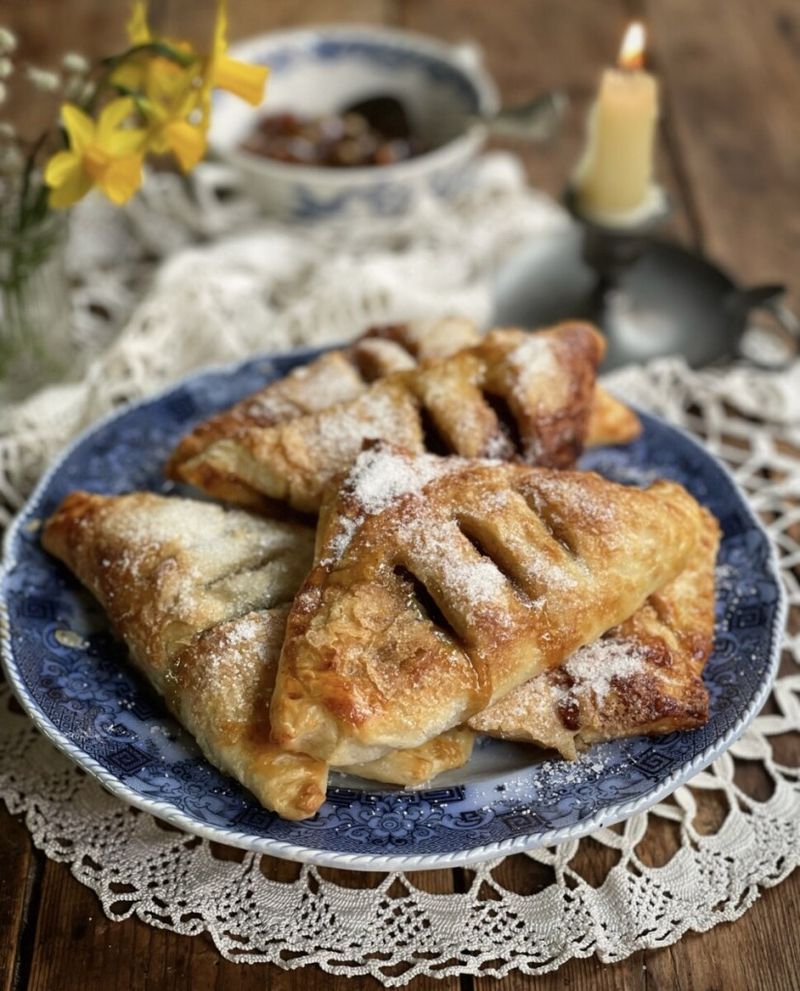
Shaped like triangles and filled with mincemeat, Coventry Godcakes have a quirky history tied to godparents giving them to godchildren as New Year gifts. The three corners are said to represent the Holy Trinity, making this pastry surprisingly symbolic for something so flaky and sweet.
Puff pastry wraps around a spiced fruit filling, then gets glazed and baked golden. They are festive, fun, and criminally overlooked outside the Midlands.
Tracking down a traditional recipe is absolutely worth your time.
4. Selkirk Bannock (Scotland)
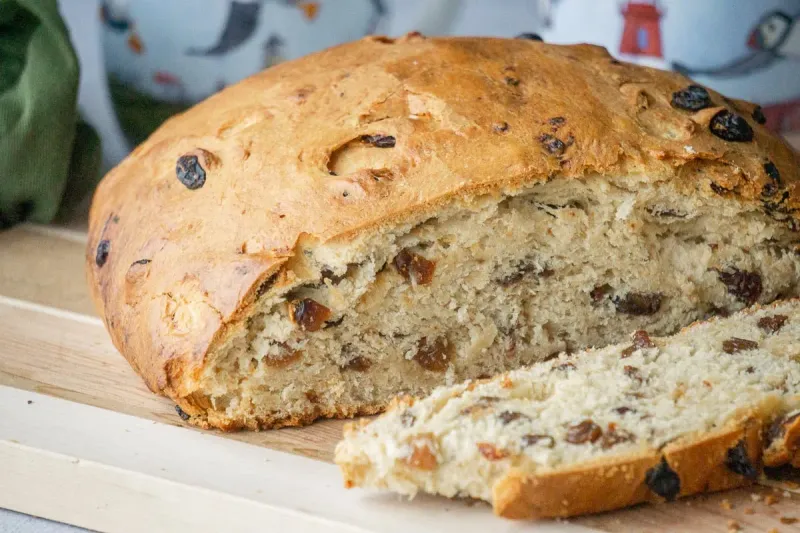
Queen Victoria herself reportedly loved the Selkirk Bannock, which makes it royally underrated in the modern baking world. This enriched Scottish bread is packed with sultanas and has a beautifully soft, slightly sweet crumb that makes it incredibly satisfying.
Originally baked by a Selkirk baker named Robbie Douglas in the 1800s, the recipe has barely changed. Eat it plain or with a generous spread of butter.
It is hearty, honest Scottish baking at its finest and most delicious.
5. Yorkshire Fat Rascals
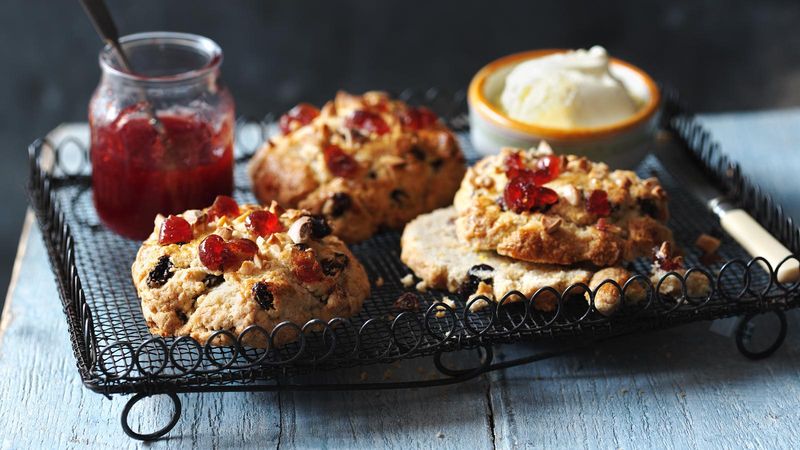
Do not let the funny name fool you - Yorkshire Fat Rascals are seriously delicious. These chunky, fruit-studded scone-like cakes are a specialty of Betty's Tea Rooms in Harrogate, though their roots stretch back much further into Yorkshire baking tradition.
Decorated with cherries and almonds on top, they look almost too cheerful to eat. Almost.
Rich, crumbly, and generously sized, they are the kind of bake that feels like a warm hug. Yorkshire folk know exactly what they have got here.
6. Soda Farls (Northern Ireland)
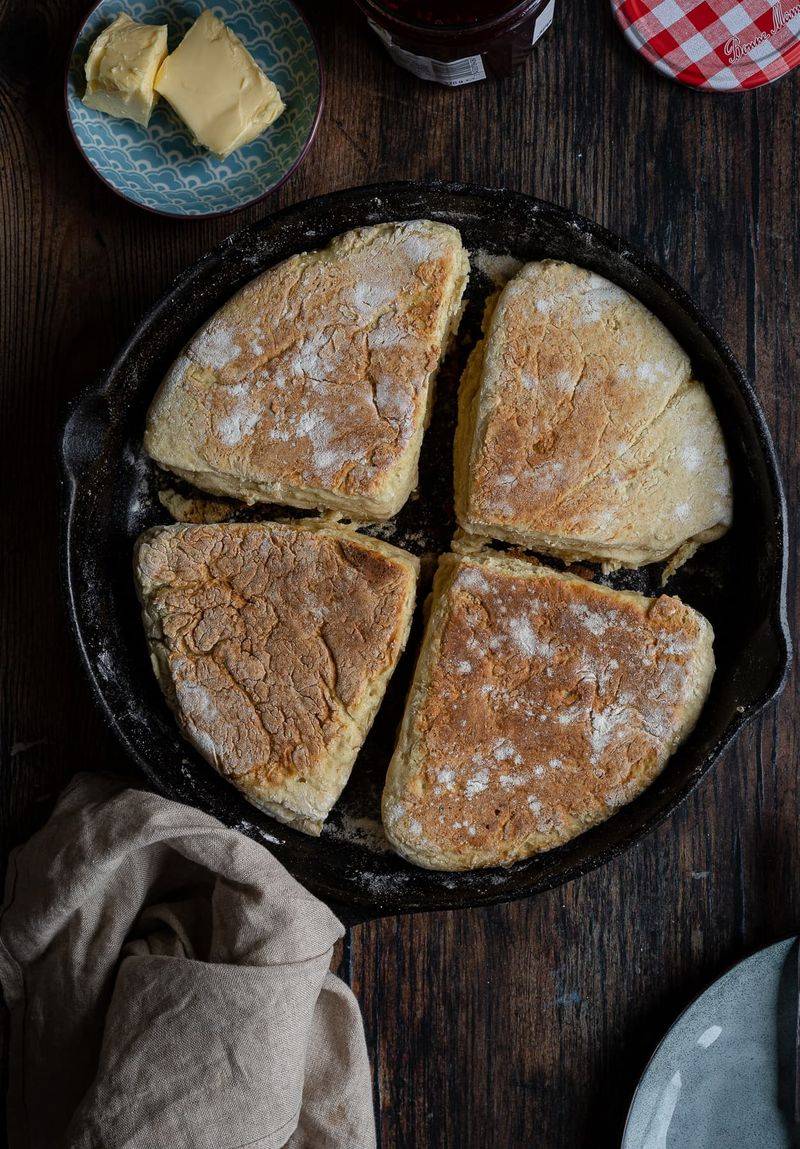
A proper Ulster Fry is not complete without soda farls, yet outside Northern Ireland, most people have no idea what they are. Made from a simple soda bread dough cooked on a flat griddle, these triangular flatbreads are soft, slightly tangy, and endlessly versatile.
Eat them fresh off the griddle with butter, or fry them up the next day for a crispy breakfast treat. They require zero yeast and very little time, making them one of the most practical and tasty bakes on this entire list.
7. Lardy Cake (Wiltshire)
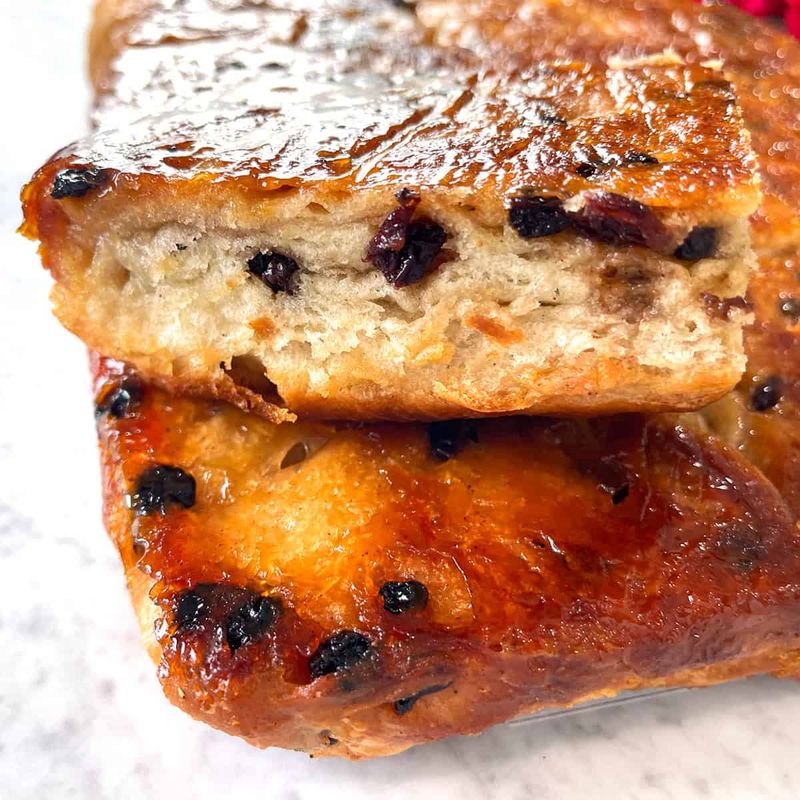
Lardy Cake sounds simple, but this Wiltshire specialty is one of the most indulgent bakes in British food history. Bread dough is layered with lard, sugar, and dried fruit, then rolled and folded repeatedly before baking into a sticky, caramelized masterpiece.
The bottom caramelizes into an almost toffee-like crust that is frankly irresistible. Traditionally baked for harvest festivals, it was fuel food for hard-working farmhands.
Modern bakers are slowly rediscovering it, and honestly, the world is a better place for that.
8. Cornish Saffron Cake
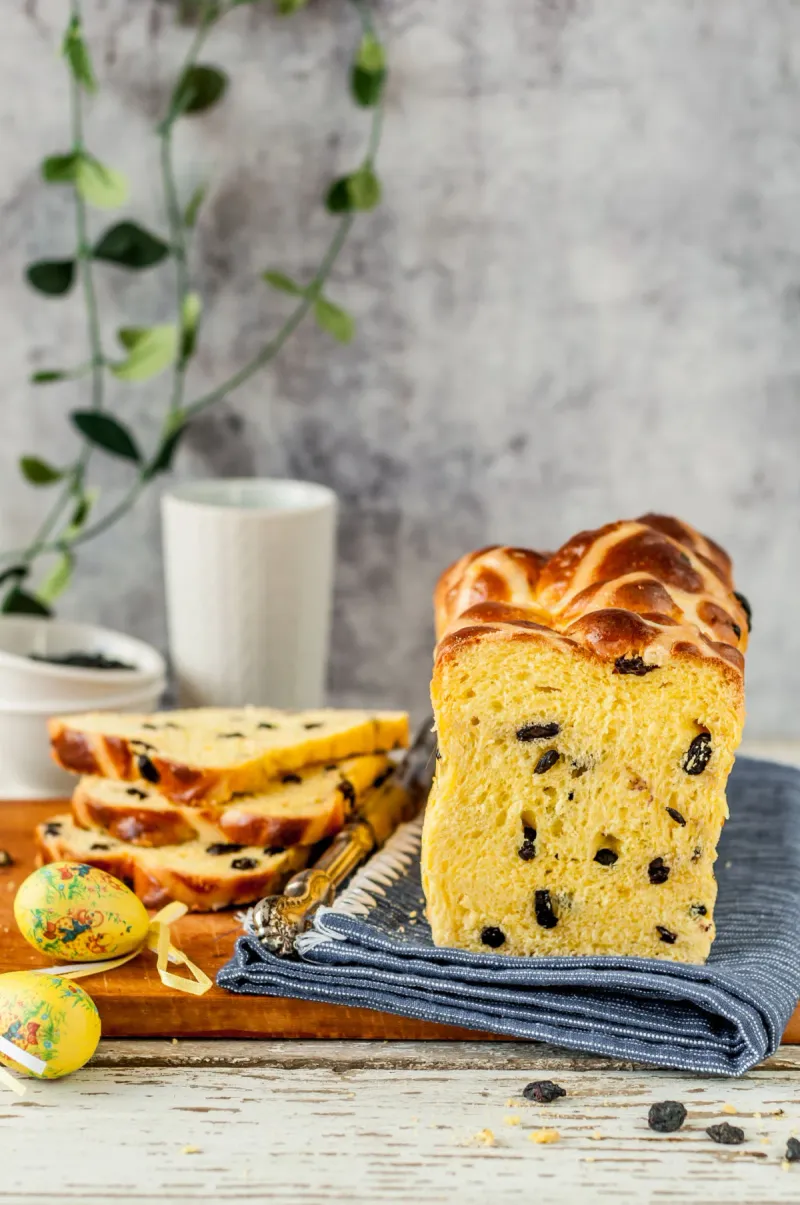
Saffron might seem like an unusual ingredient for a British bake, but Cornwall has been using it for centuries thanks to old trade routes. This bright yellow loaf or bun gets its golden color entirely from real saffron, giving it a subtle floral flavor unlike anything else.
Packed with currants and lightly sweetened, Cornish Saffron Cake is both beautiful and delicious. It is a genuine piece of culinary history that deserves far more attention than it gets outside the southwestern tip of England.
9. Eccles Cakes (Lancashire)
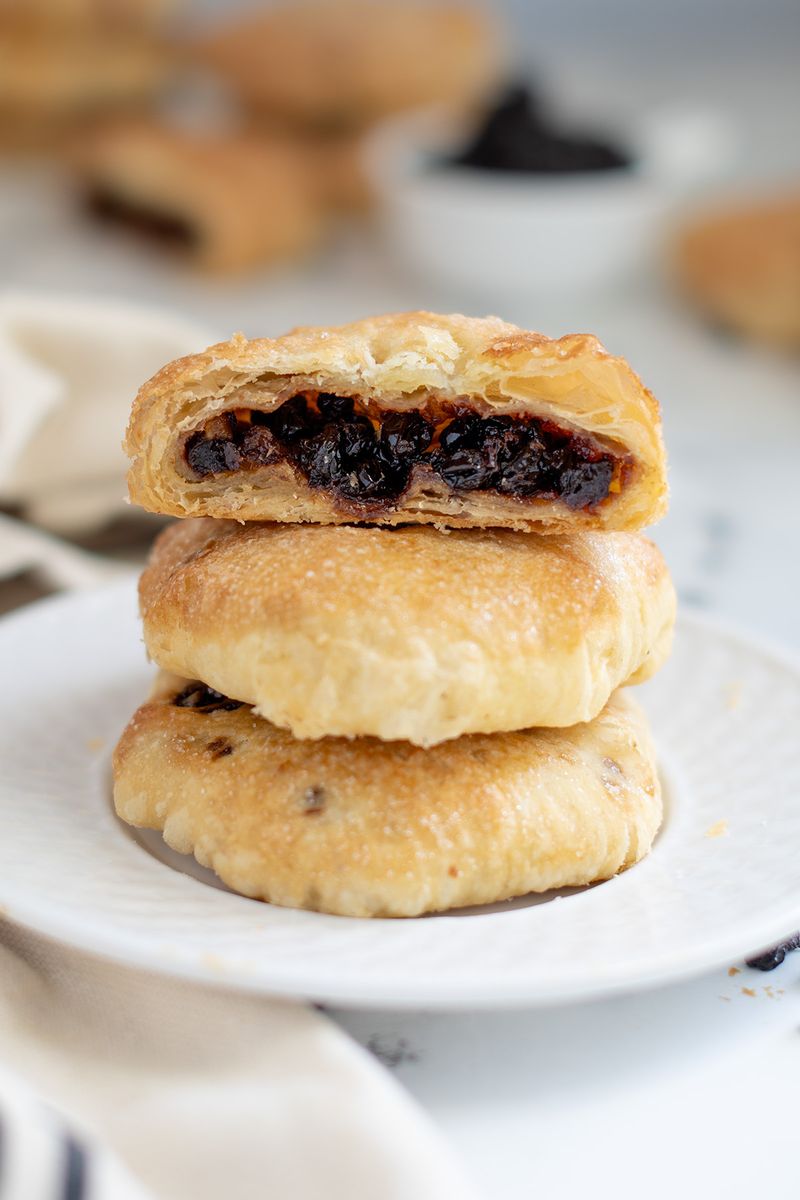
Eccles Cakes have been baked in the Lancashire town of Eccles since at least 1793, making them one of Britain's oldest commercially sold bakes. Flaky puff pastry wraps around a buttery, spiced currant filling in a way that is deeply satisfying and just a little bit addictive.
They are best eaten slightly warm, when the pastry is at its crispiest. Paired with a slice of Lancashire cheese, they become something truly magical.
Surprisingly, many younger British bakers have never even attempted making them at home.
10. Black Bun (Scotland)
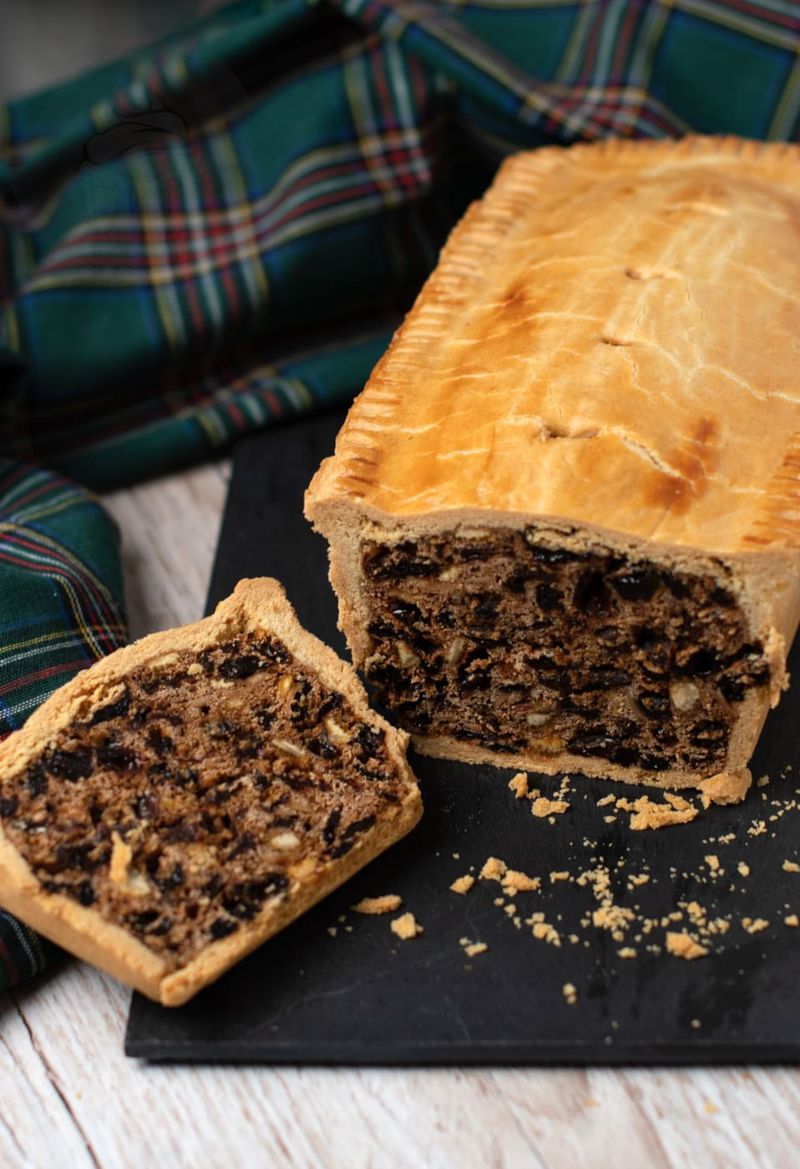
Black Bun is the kind of bake that looks intimidating but rewards the curious baker enormously. A thick shortcrust pastry shell encases a dense, heavily spiced mixture of raisins, currants, almonds, and whisky, baked until firm and deeply aromatic.
Traditionally eaten at Hogmanay, Scotland's New Year celebration, it is often given as a gift by the first-footer entering a home. The flavor is bold, complex, and completely unlike anything else in British baking.
Try it once and you will understand why Scots guard this recipe so proudly.
11. Hawkshead Biscuits (Lake District)
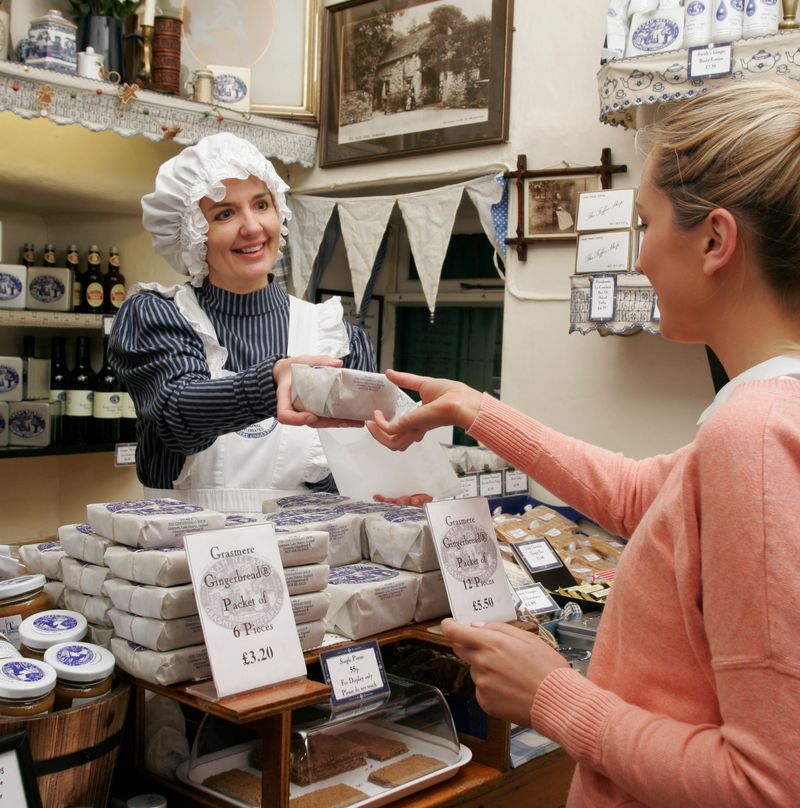
Tucked away in the picturesque village of Hawkshead in the Lake District, these simple butter biscuits have a loyal local following that outsiders rarely hear about. Their appeal lies in their honest simplicity: butter, flour, and sugar combine into a melt-in-the-mouth shortbread-style treat.
William Wordsworth reportedly attended school in Hawkshead, and one imagines he might have enjoyed these very biscuits. Light, crumbly, and not overly sweet, they are the kind of understated bake that grows on you with every single bite.
12. Welsh Cakes
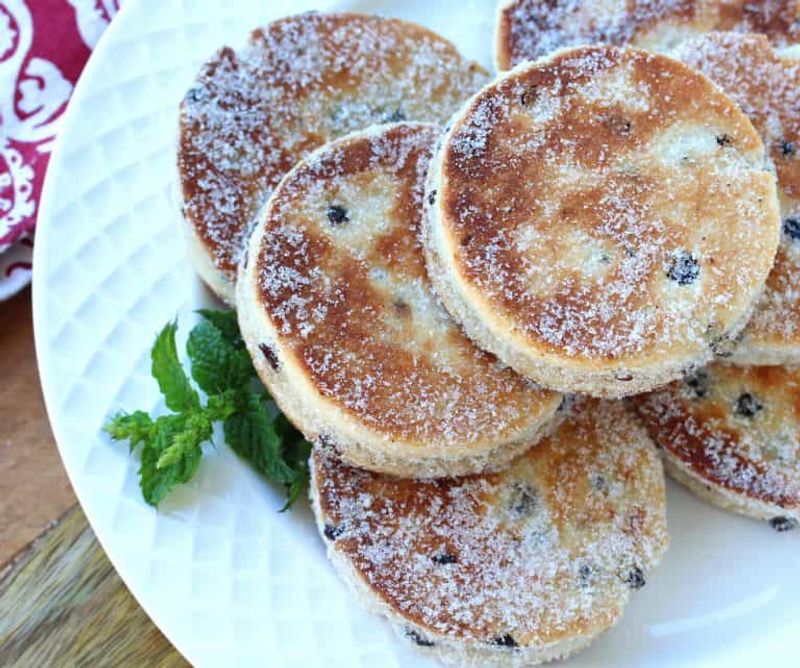
Welsh Cakes occupy a beautiful middle ground between a scone and a pancake, cooked on a flat iron griddle called a bakestone. Spiced with mixed spice and studded with currants, they are eaten warm, dusted generously with caster sugar, straight off the heat.
Cardiff market stalls have sold them for generations, filling the air with an irresistible warm spice smell. They take under 10 minutes to cook, making them one of the most beginner-friendly regional bakes in Britain.
Truly a Welsh treasure worth celebrating loudly.
13. Gingerbread Husbands (Grasmere)
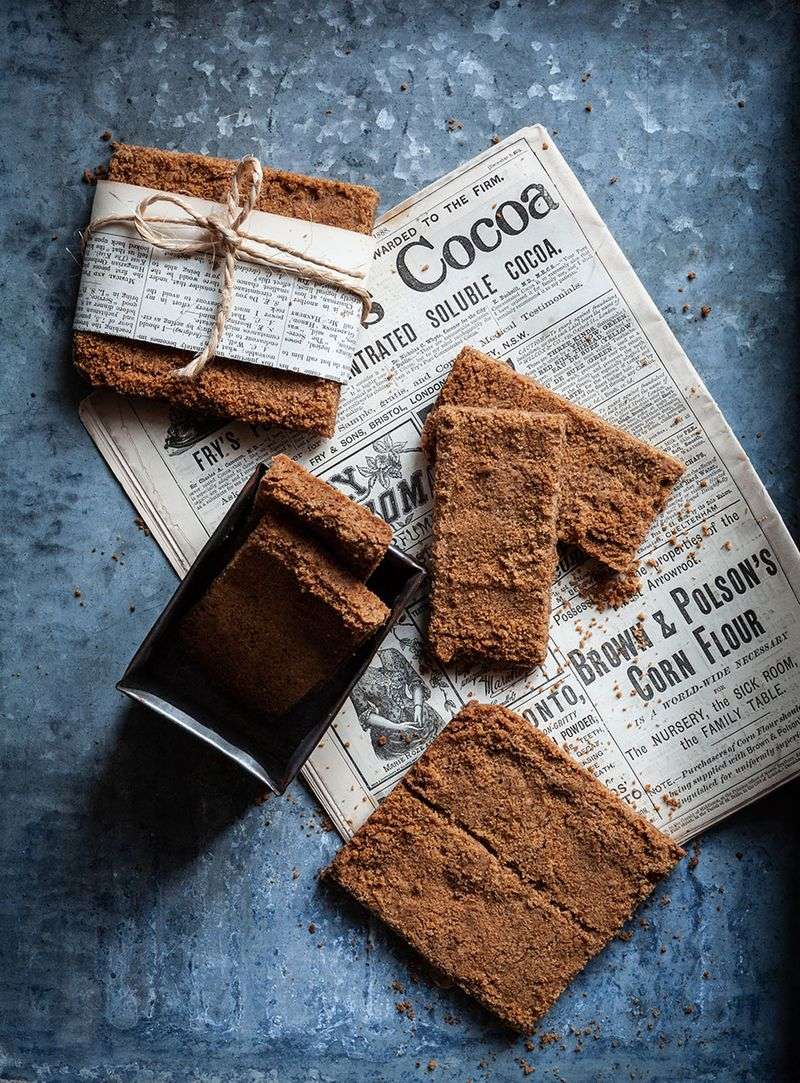
Grasmere Gingerbread is not your average supermarket gingerbread, and locals will tell you that firmly. Made to a secret recipe created by Sarah Nelson in 1854, this Cumbrian specialty is uniquely crumbly and intensely spiced, somewhere between a biscuit and a cake in texture.
The original recipe is still locked in a bank vault in Grasmere, which makes it one of Britain's most mysterious bakes. Sold only from a tiny cottage shop, it has a cult following among walkers and tourists.
One bite explains everything.
14. Staffordshire Oatcakes
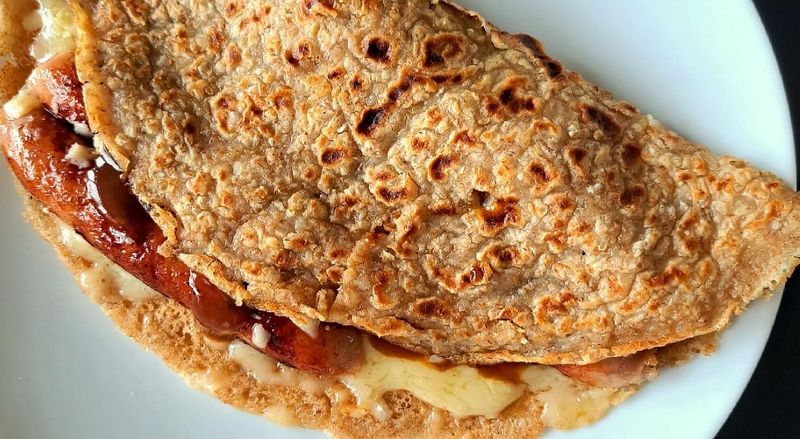
Staffordshire Oatcakes are nothing like Scottish oatcakes, and that surprises most people who encounter them for the first time. These are soft, yeasted flatbreads made with oatmeal, cooked on a griddle until golden and slightly lacy around the edges.
Fill them with cheese, bacon, or eggs for a breakfast that locals in the Potteries region have sworn by for over 150 years. They were once sold directly from cottage windows in Stoke-on-Trent.
Hearty, filling, and completely unique to their region, they deserve national recognition.
15. Sly Cake (Yorkshire)
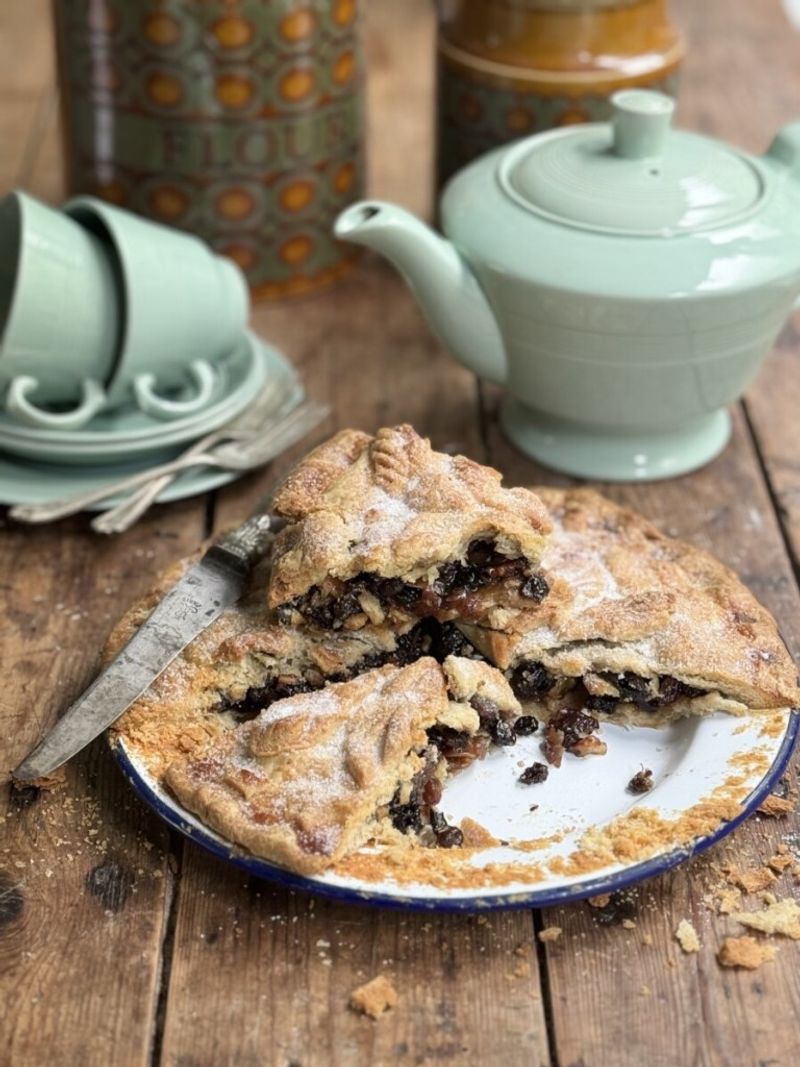
Sly Cake gets its cheeky name from the fact that you cannot see the fruit filling hiding inside the pastry until you cut into it. Originating from Yorkshire, this flat pastry is layered with currants, sugar, and spices, then sealed and baked until golden.
It has a satisfying snap when you bite through the crispy pastry into the sweet, sticky filling below. Old Yorkshire recipe books mention it frequently, yet it has almost vanished from modern baking culture.
Reviving it at home is a genuinely rewarding weekend project.
16. Devonshire Splits
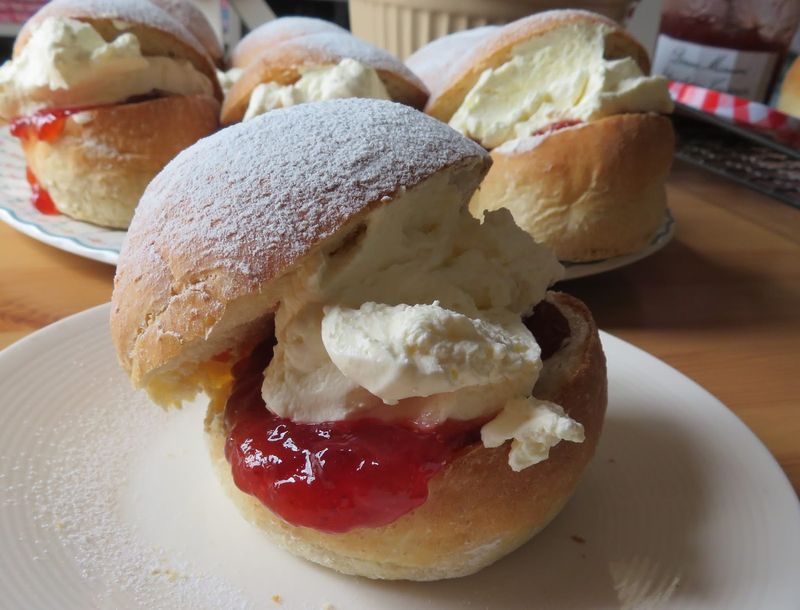
Softer and lighter than a standard scone, Devonshire Splits are small, pillowy bread rolls that get filled with clotted cream and jam. They are a staple of Devon cream teas, though they are steadily losing ground to the more famous scone in popular culture.
Made with an enriched yeasted dough, they have a tender, almost brioche-like quality that makes them genuinely special. The debate over jam-first or cream-first applies here just as fiercely.
Devon locals are passionate about their Splits, and rightly so.
17. Borrowdale Tea Bread (Cumbria)
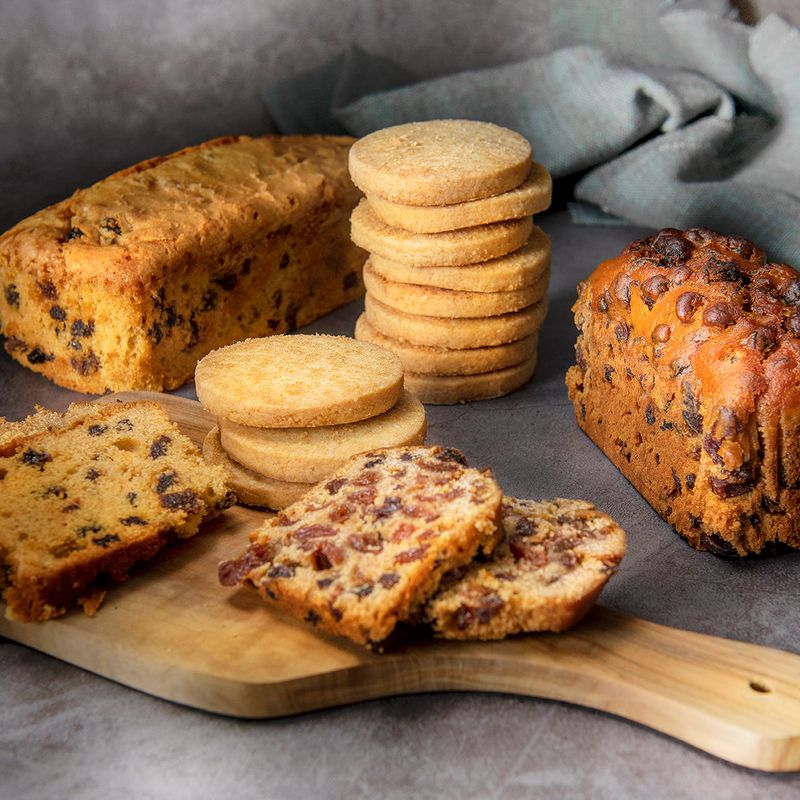
Named after the stunning Borrowdale valley in Cumbria, this tea bread is as comforting as the landscape it comes from. Dried fruits soak in cold tea overnight, then get stirred into a simple batter and baked into a wonderfully moist, dense loaf.
No butter or fat is needed in the batter itself, which makes it surprisingly light despite its richness. Served sliced with butter at afternoon tea, it is simple perfection.
Walkers in the Lake District have been fueling up on it for generations, and it remains a hidden gem.
18. Manchet Bread (Historic English)
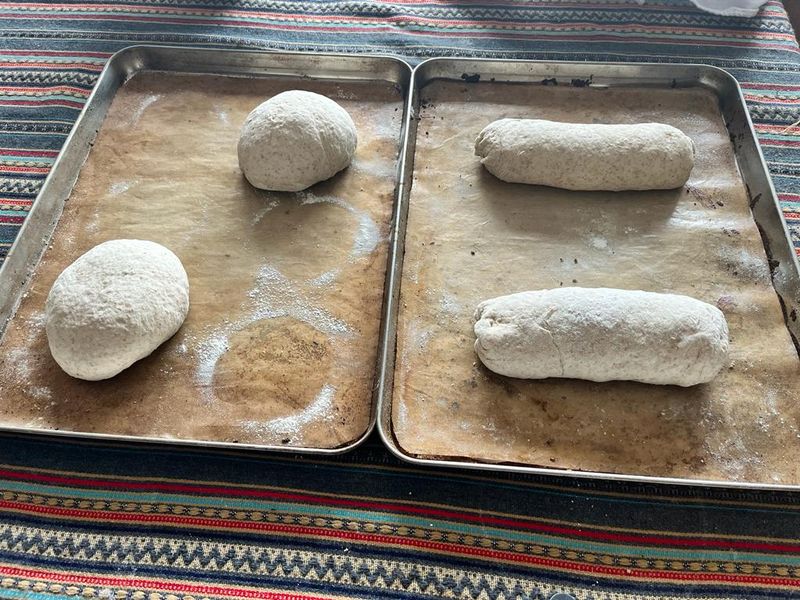
Manchet bread dates back to Tudor England, making it one of the oldest regional British bakes still occasionally made today. These small, round white bread rolls were considered a luxury in the 16th century, reserved for wealthy households and royal tables.
Made from fine white flour, they have a soft crumb and a slightly crispy crust that makes them deeply satisfying. Food historians and heritage bakers have been working to revive Manchet, and the results are genuinely impressive.
Baking one connects you to five centuries of British culinary history.
19. Whitby Gingerbread (Yorkshire Coast)
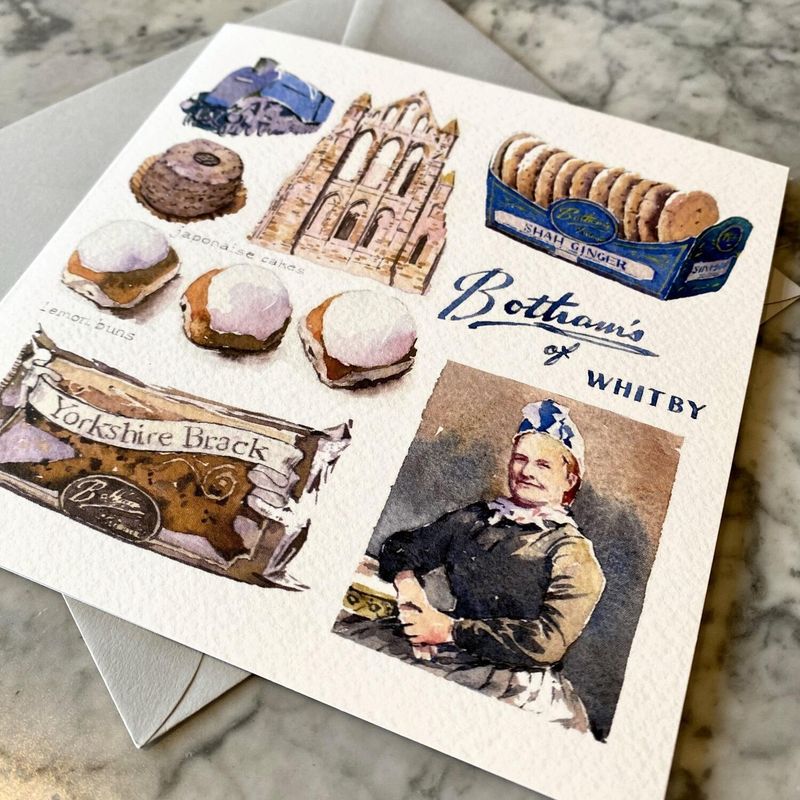
Whitby Gingerbread is a pale, crumbly biscuit quite different from the dark, chewy gingerbread most people picture. Sold in shops near the famous Whitby Abbey, these delicate biscuits have a light ginger warmth and a melt-in-the-mouth texture that is quietly addictive.
Sailors and fishermen historically bought them from harbourside vendors before heading out to sea. Today they are a seaside souvenir that genuinely tastes as good as it looks.
If you ever visit the Yorkshire coast, skipping Whitby Gingerbread would be a serious mistake.
Comments
No Comments