













Greek desserts are like little edible souvenirs from the Mediterranean sun. Packed with honey, nuts, spices, and flaky pastry, they carry the warmth of Greek celebrations straight to your kitchen.
Whether you discovered them on a holiday or simply love exploring new flavours, these sweets are worth knowing. Get ready to meet 19 iconic Greek treats that taste like a vacation in every bite.
1. Baklava
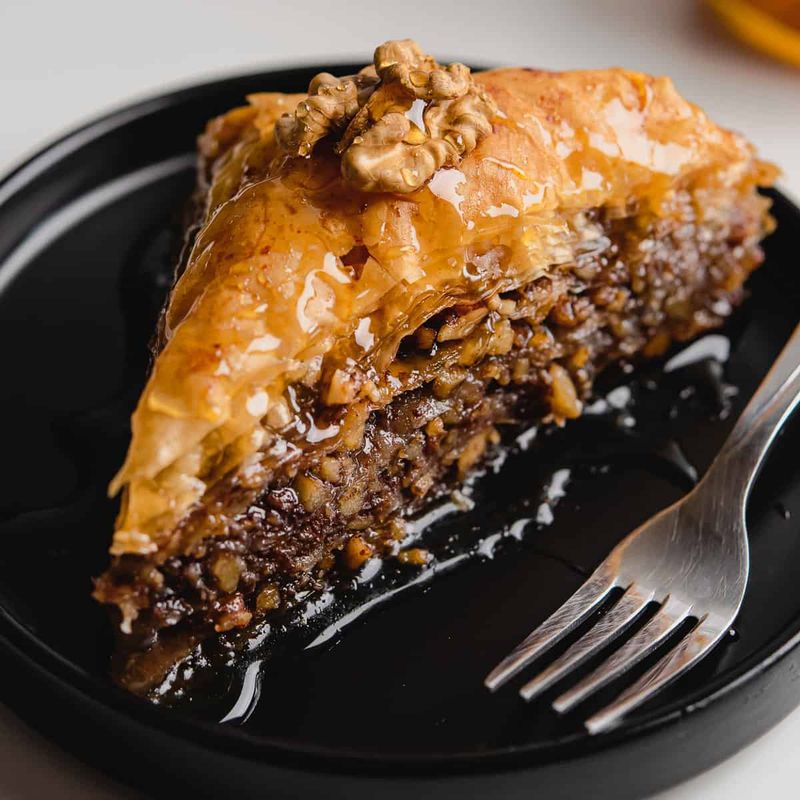
Few desserts in the world carry as much legend as baklava. Layers of paper-thin phyllo pastry are brushed with butter, packed with crushed nuts, baked until golden, then soaked in fragrant honey syrup.
The result? A sticky, crunchy, melt-in-your-mouth square of pure joy.
Greeks often serve it at celebrations and family gatherings. Making it at home is easier than you think, and the smell alone is worth every minute of effort.
2. Loukoumades
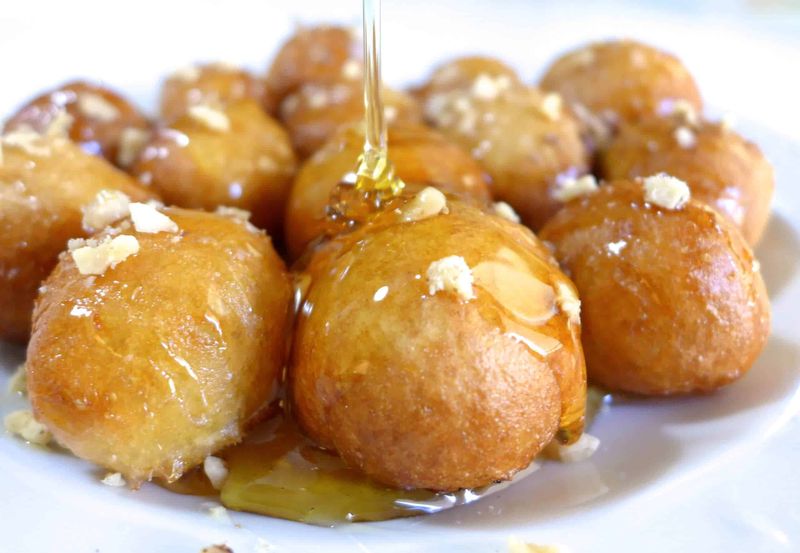
Imagine biting into a warm, pillowy doughnut hole drenched in honey and dusted with cinnamon. That is exactly what loukoumades deliver every single time.
These little fried dough balls are one of the oldest recorded desserts in history, dating back to ancient Greek Olympic festivals.
Street vendors across Greece still sell them piping hot. They are best eaten immediately so the crispy outside and soft inside stay perfectly contrasted.
Truly addictive.
3. Galaktoboureko
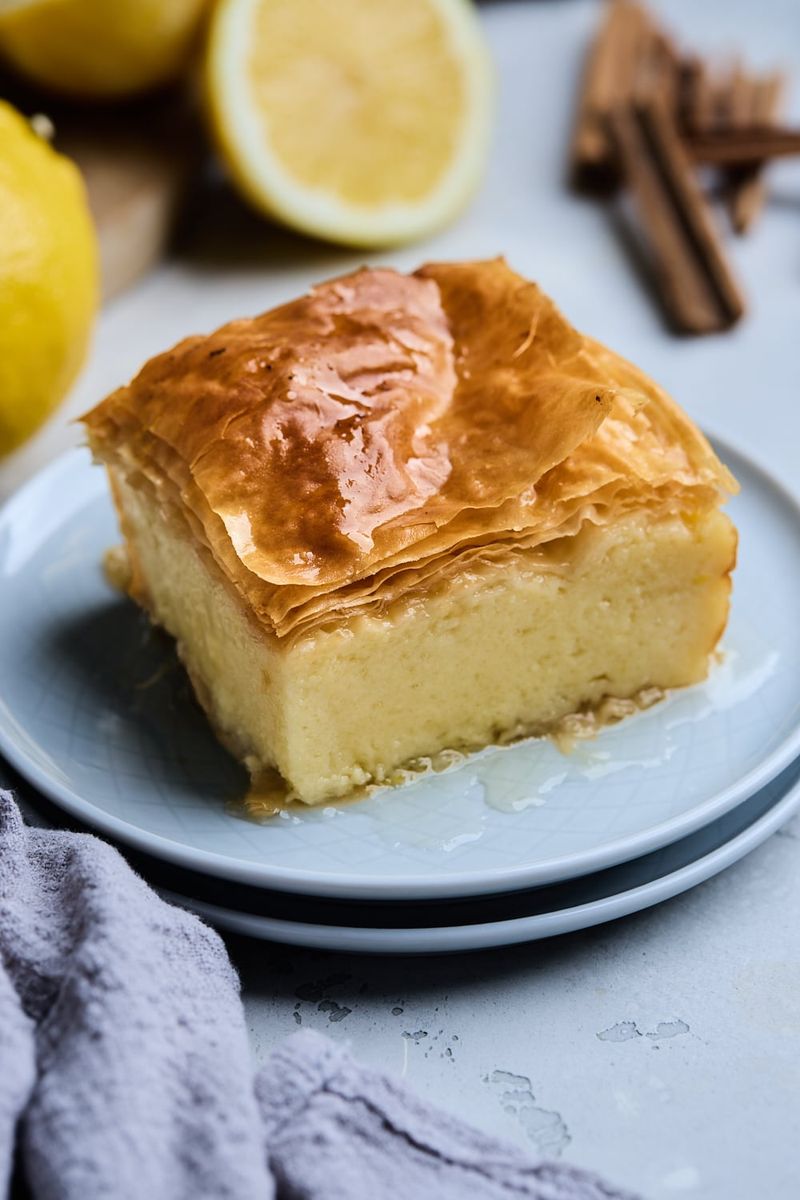
Galaktoboureko sounds complicated, but its soul is simple: creamy semolina custard wrapped in crispy phyllo and kissed with citrus syrup. The name itself roughly translates to milk pie, which is basically exactly what it is.
Warm or cold, it hits differently depending on your mood. Many Greek grandmothers guard their version of this recipe fiercely.
Once you taste a homemade slice, you will completely understand why the competition for the best recipe is so serious.
4. Melomakarona
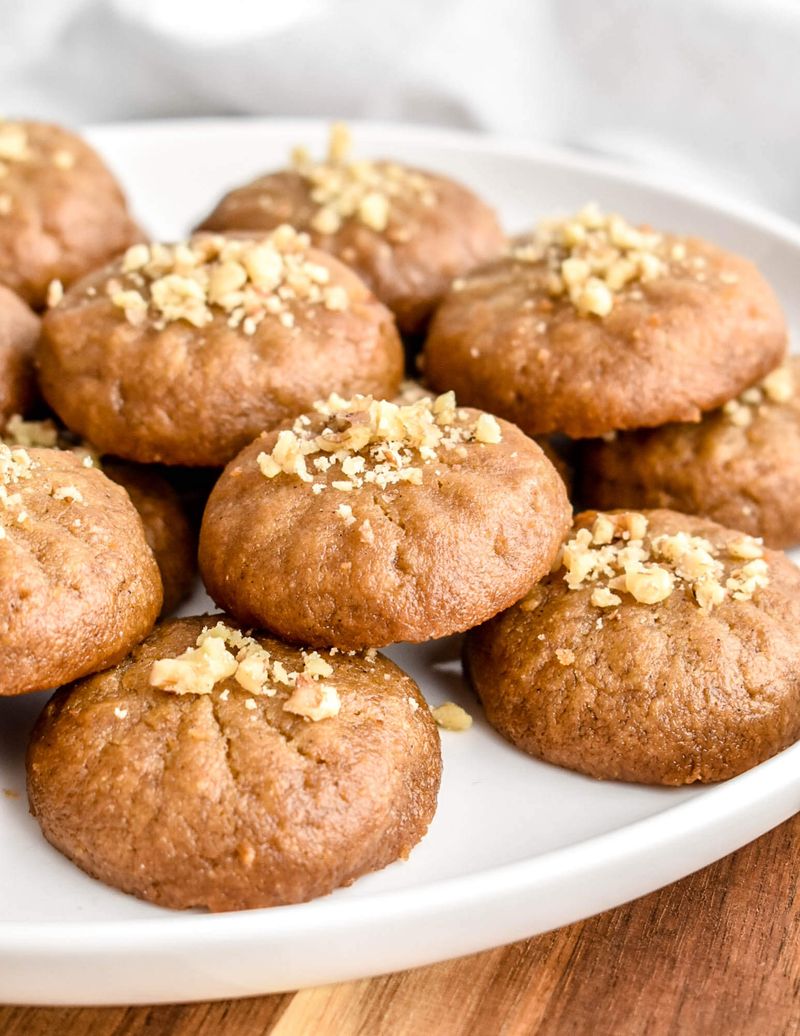
Come December, Greek households fill with the warm scent of orange zest and cinnamon as melomakarona come out of the oven. These soft, oval-shaped cookies are soaked in honey syrup and finished with crushed walnuts on top.
They are a Christmas staple in Greece and appear on almost every holiday table. The combination of olive oil, orange juice, and spices gives them a uniquely earthy sweetness that feels both festive and comforting at the same time.
5. Kourabiedes
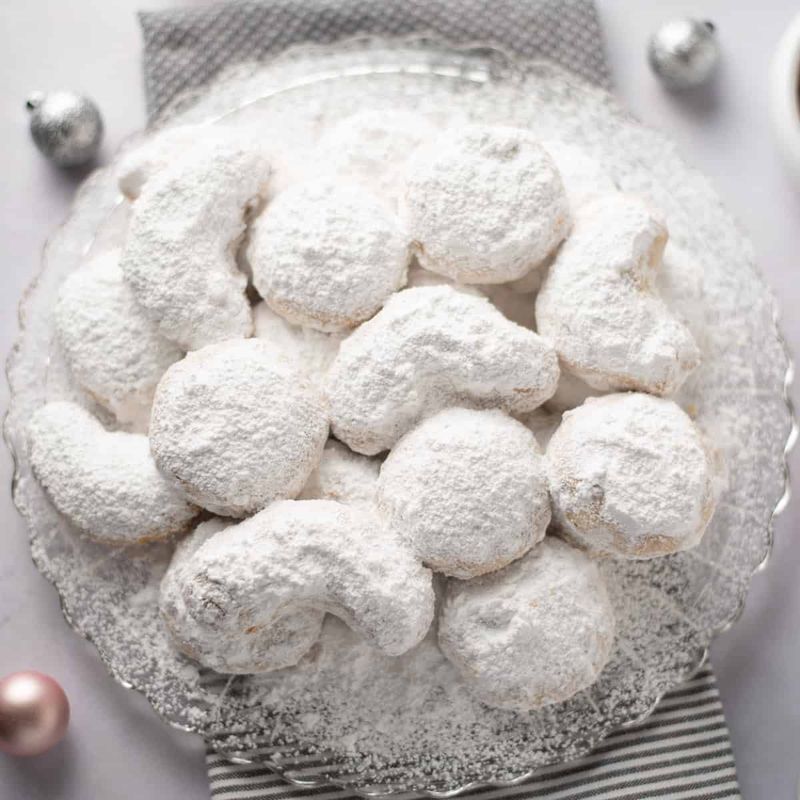
Kourabiedes look like little snowballs, and that is exactly why they are a Christmas favourite across Greece. These buttery almond shortbread cookies are rolled generously in powdered sugar after baking, creating a cloud-like coating that melts the moment it touches your tongue.
They crumble beautifully and taste rich without being overpowering. Traditionally made with clarified butter and toasted almonds, every Greek family seems to have a slightly different spin on the classic recipe passed down through generations.
6. Ravani
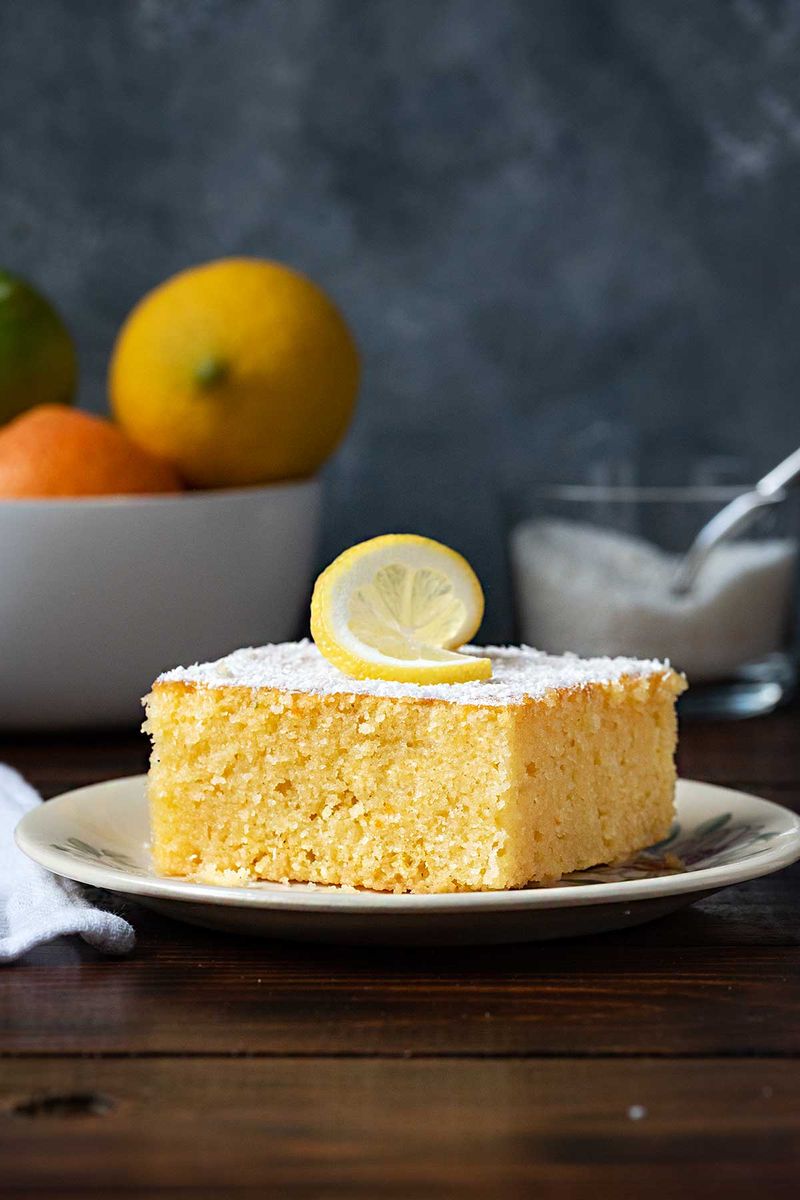
Ravani is a semolina-based cake drenched in light lemon syrup, and it has a surprisingly spongy, moist texture that sets it apart from heavier European cakes. Some versions include coconut, adding a subtle tropical twist to this classic Greek treat.
It is popular at bakeries and home kitchens alike, especially during spring celebrations. The brightness of the lemon cuts through the richness of the semolina perfectly, making each bite feel refreshing rather than heavy.
A real crowd-pleaser.
7. Diples
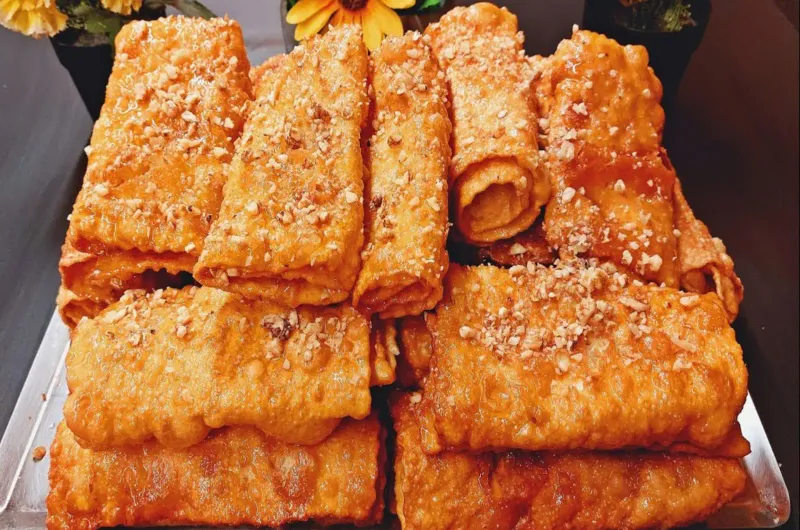
Diples are thin sheets of dough that get rolled, folded, and fried into delicate, crispy ribbons before being soaked in honey and sprinkled with nuts. The name literally means folds, and the technique is as beautiful as it sounds.
Traditionally made at weddings and holidays in the Peloponnese region, diples are a labour of love. They take patience to make but reward every effort with an airy crunch that feels almost celebratory.
Definitely a showstopper dessert for special occasions.
8. Rizogalo
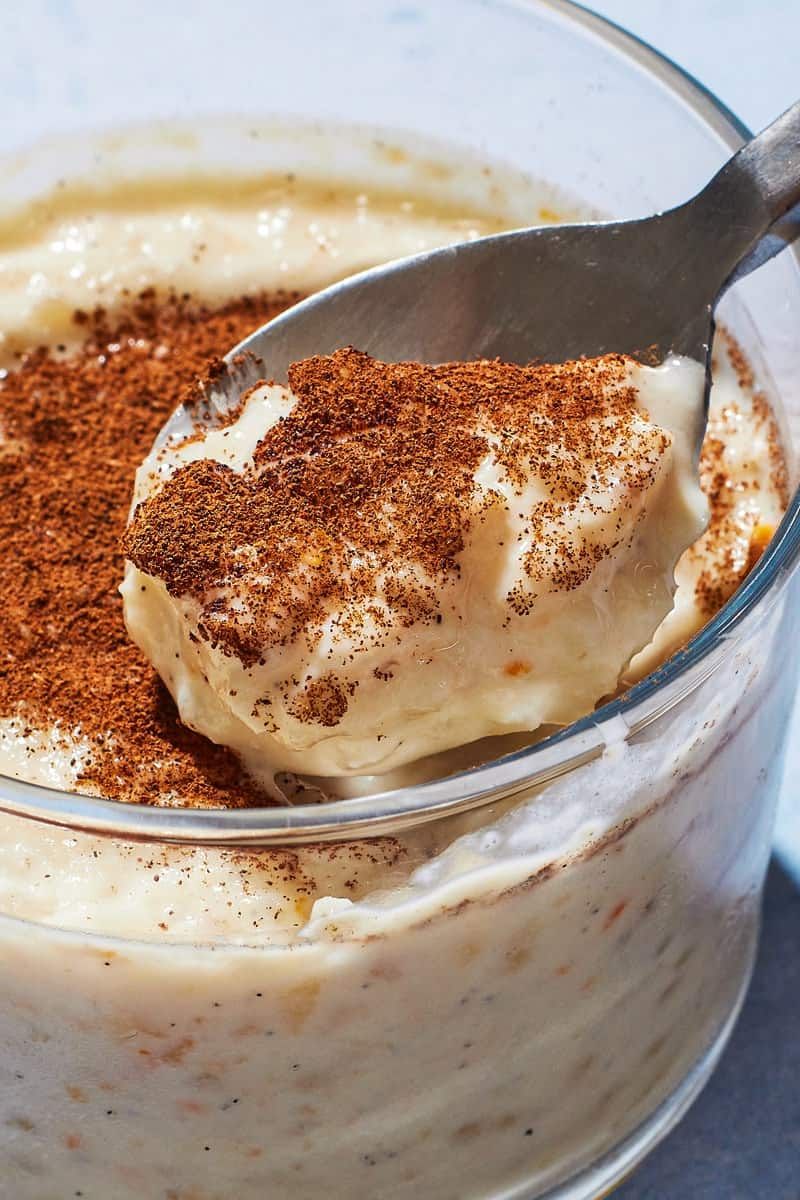
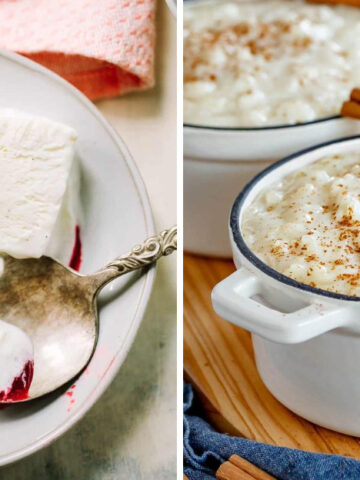
Rizogalo is Greece's answer to rice pudding, and it is far more elegant than it sounds. Slow-cooked with whole milk, sugar, and a touch of vanilla, it develops a thick, velvety texture that feels luxurious without any complicated ingredients.
A generous dusting of cinnamon on top is non-negotiable. Served chilled, it is a popular everyday dessert found in Greek cafes and home fridges alike.
Simple, soothing, and quietly satisfying, rizogalo is the kind of sweet that never overstays its welcome.
9. Halvas
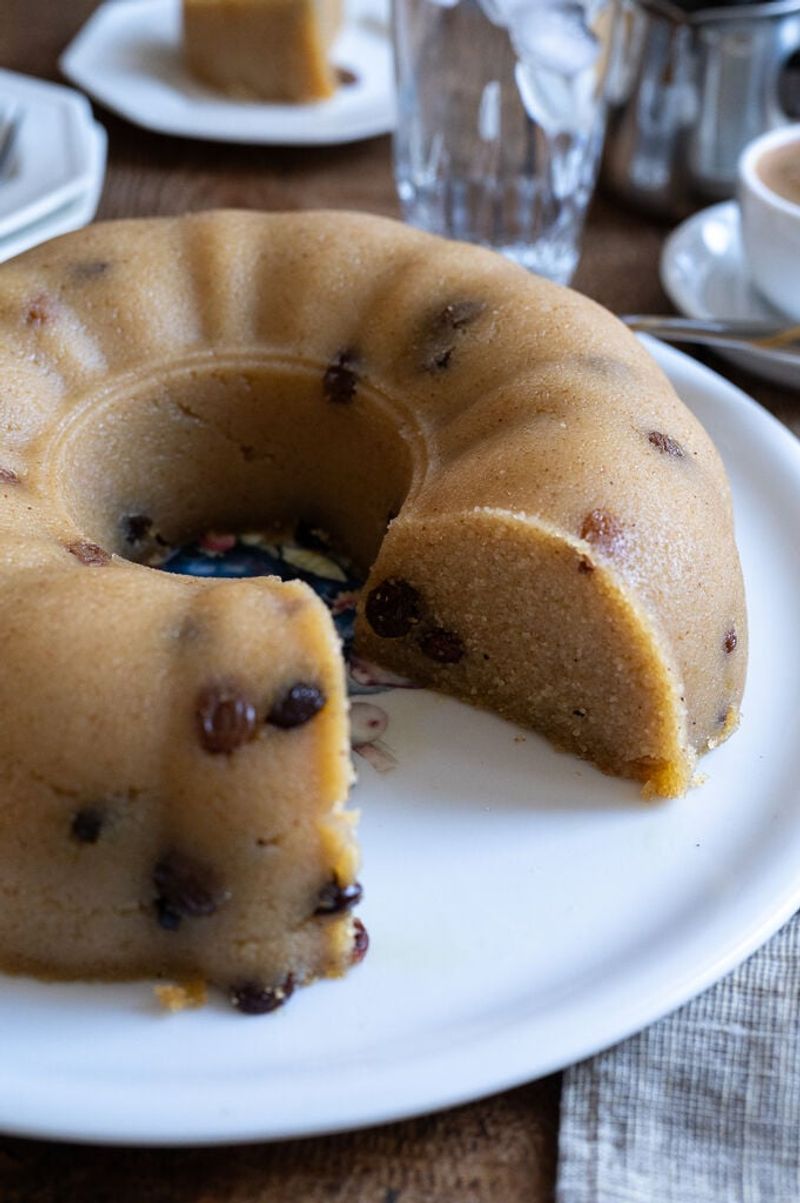
Greek halvas is not the same as the Middle Eastern sesame variety. Here, it is a dense, golden semolina cake cooked with olive oil, sugar syrup, and often studded with raisins or pine nuts.
The texture is firm yet moist, almost like a set porridge.
Halvas is traditionally eaten during Greek Orthodox fasting periods, making it a religiously significant food as well as a delicious one. Its nutty, caramel-like flavour develops even more deeply the day after baking.
10. Bougatsa
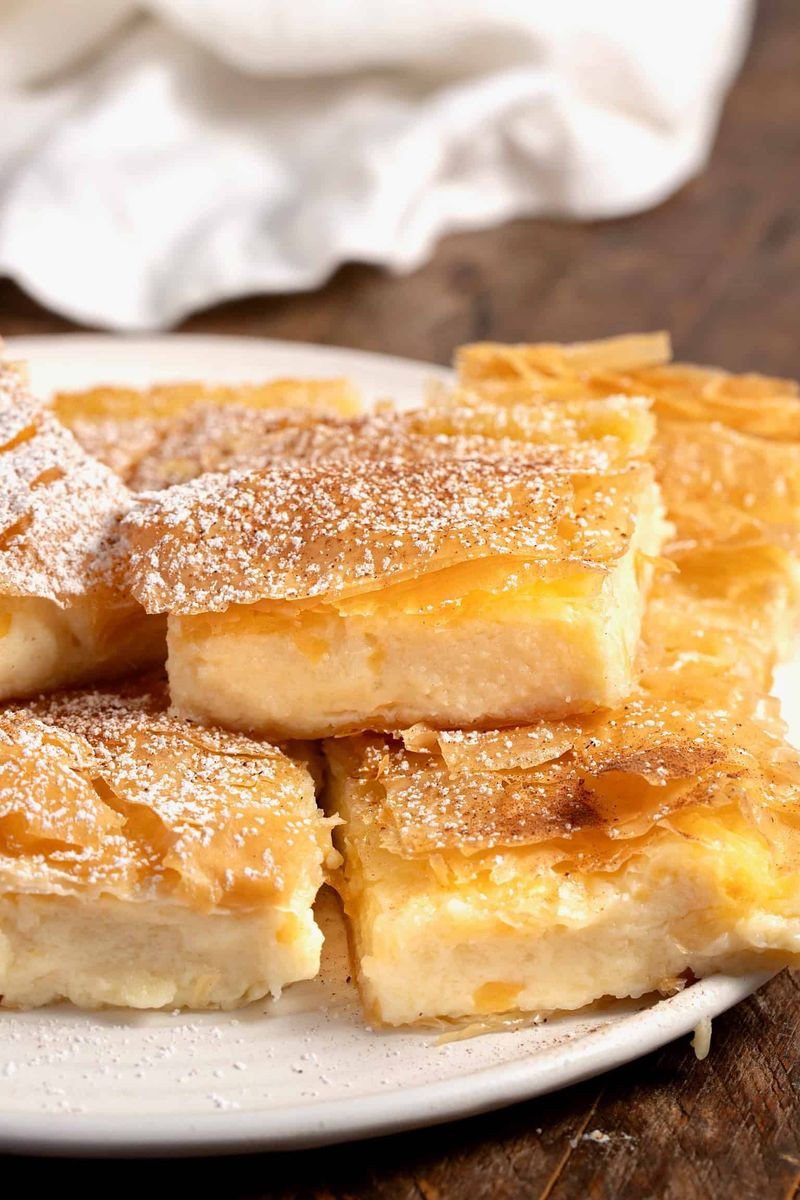
Walk through any Greek city in the morning and the smell of bougatsa will stop you mid-step. This breakfast pastry is made from crispy phyllo dough stuffed with warm semolina custard, then dusted with powdered sugar and cinnamon before serving.
Thessaloniki is especially famous for its bougatsa, and locals take their favourite bakery very seriously. Eaten fresh and warm, straight from the pastry shop, it is one of those food experiences that instantly becomes a travel memory you want to recreate at home.
11. Karydopita
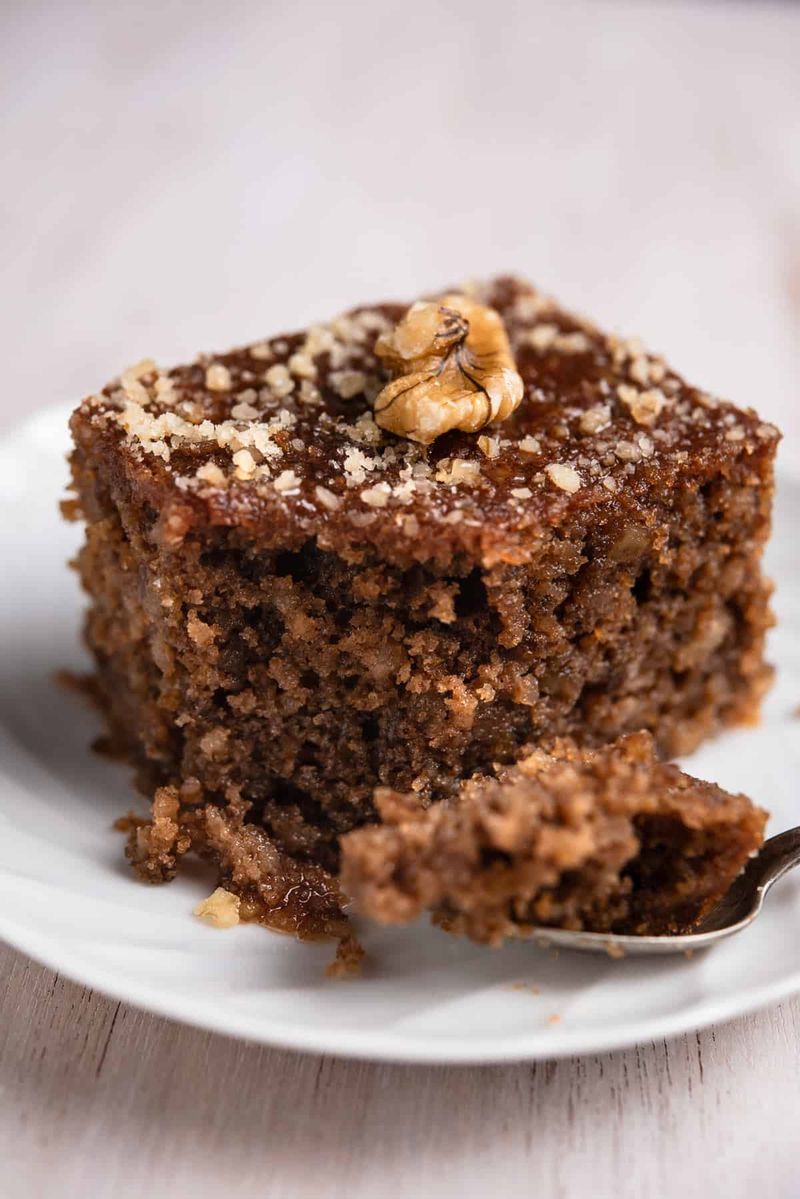
Karydopita is a walnut cake soaked in warm spiced syrup, and it is the kind of dessert that feels like a hug on a cold evening. Cinnamon, cloves, and sometimes a splash of brandy make the flavour deep and aromatic.
Unlike many Greek sweets, this one skips phyllo entirely and relies on the walnuts themselves for structure and texture. The syrup keeps it incredibly moist for days.
Paired with a small cup of Greek coffee, it is an absolutely unbeatable combination.
12. Pasteli
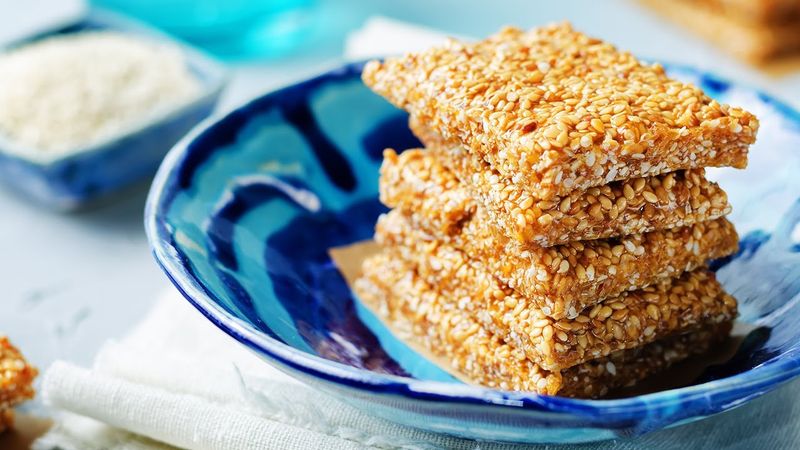
Pasteli might be the oldest energy bar ever created. Made from just two ingredients, sesame seeds and honey, this ancient Greek snack has been fuelling athletes and travellers for thousands of years.
It is crunchy, sticky, and naturally sweet.
Modern versions sometimes add nuts or spices, but the original simplicity is what makes pasteli so timeless. It is sold wrapped in cellophane at Greek markets and makes a brilliant holiday gift.
Healthy, historic, and genuinely delicious in a no-fuss kind of way.
13. Amygdalota
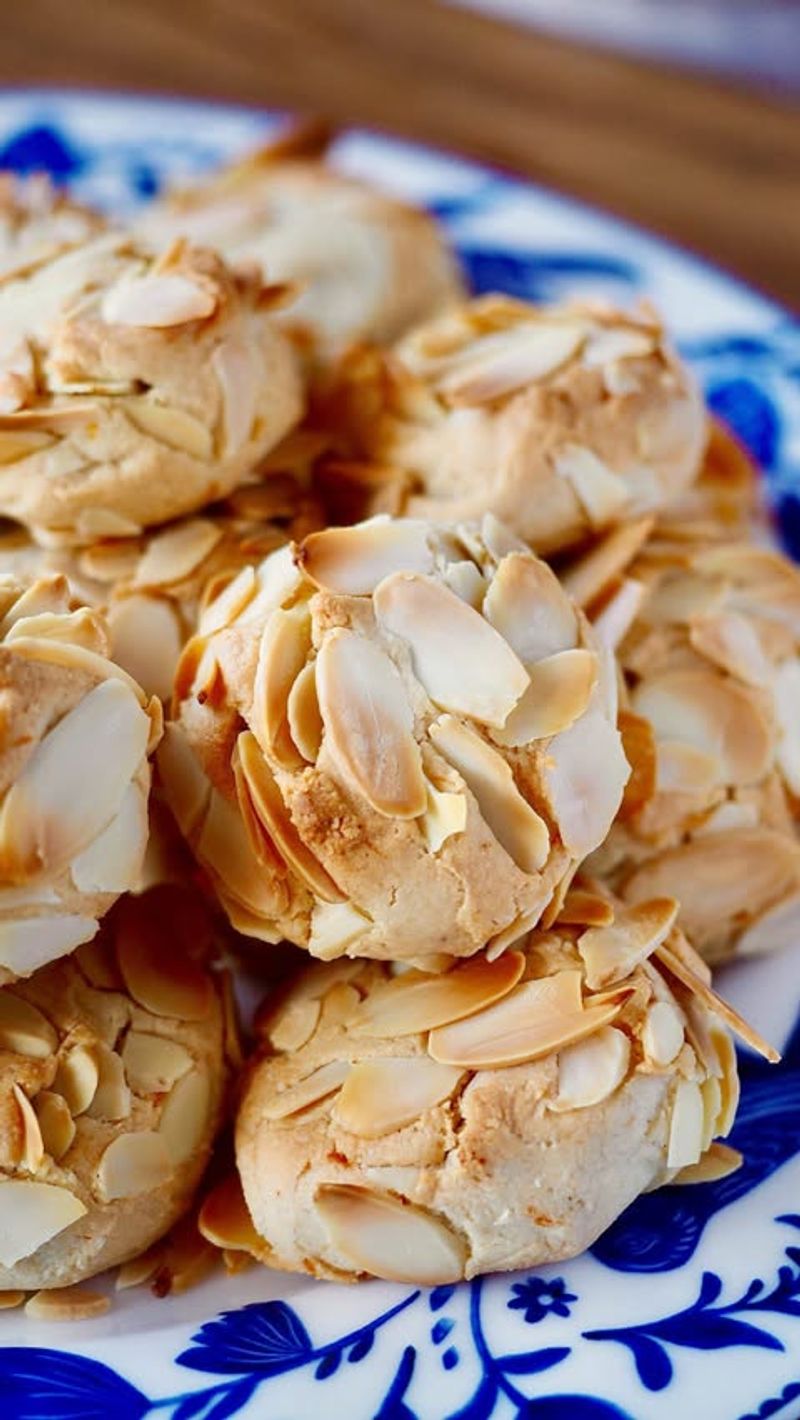
Amygdalota are soft, chewy almond cookies with a delicate floral aroma that comes from rose water. Made primarily from ground almonds and sugar, they are naturally gluten-free, which makes them a wonderful option for guests with dietary needs.
These cookies are especially popular on the islands, particularly in places like Hydra and Mykonos, where they are sold at traditional sweet shops. Their marzipan-like texture and subtle sweetness make them feel refined and special, perfect for gifting during the holiday season.
14. Tiganites
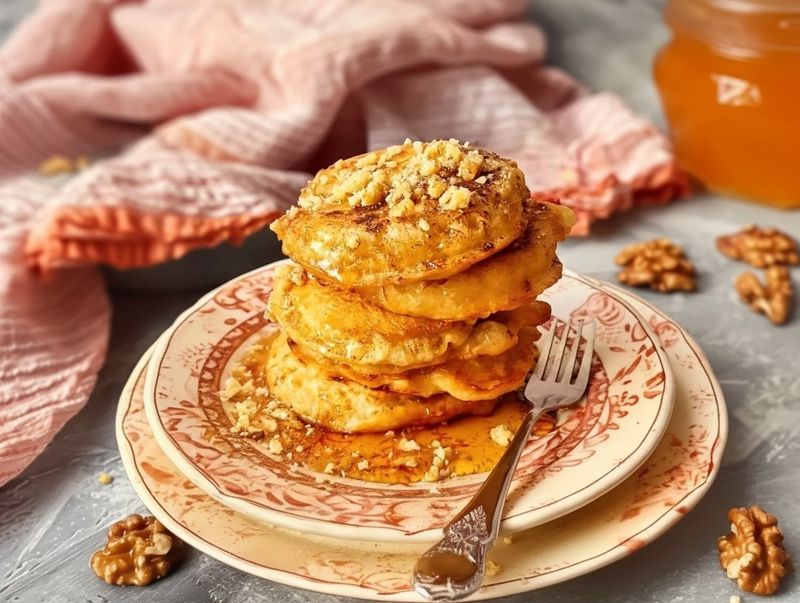
Tiganites are Greece's version of pan-fried pancakes, and they have been enjoyed since ancient times. Made from a simple batter of flour, water, and olive oil, they puff up slightly in the pan and develop crispy golden edges.
Drizzle them with honey and crushed walnuts, and suddenly a humble breakfast becomes a celebration. They are especially popular during Apokries, the Greek carnival season.
Quick to make and endlessly satisfying, tiganites prove that some of the best things in life are beautifully uncomplicated.
15. Loukoumi
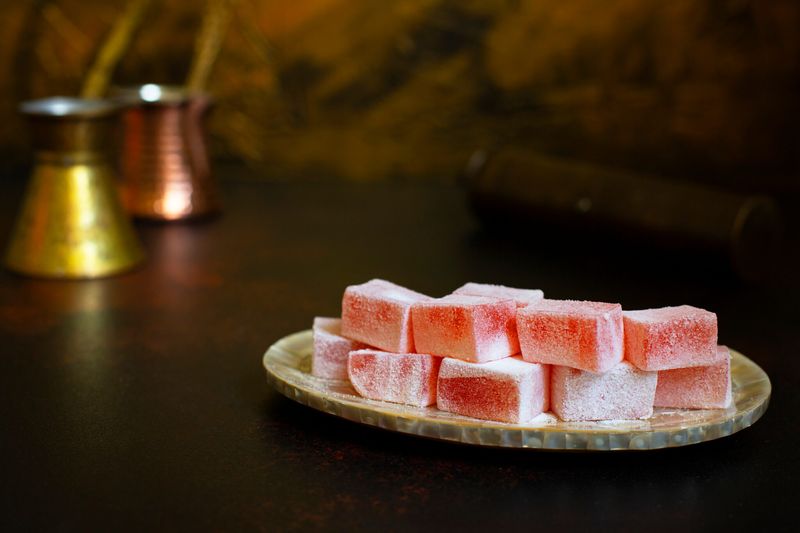
Loukoumi, the Greek version of Turkish delight, is a jewel-toned confection made from sugar, starch, and flavourings like rose water, mastic, or citrus. Each cube is dusted in powdered sugar and has a satisfying, jelly-like chew.
The island of Syros is particularly famous for its loukoumi, where it has been made by hand since the 19th century. Sold in beautiful gift boxes, it is one of the most popular edible souvenirs from Greece.
Sweet, pretty, and wonderfully old-fashioned.
16. Saragli
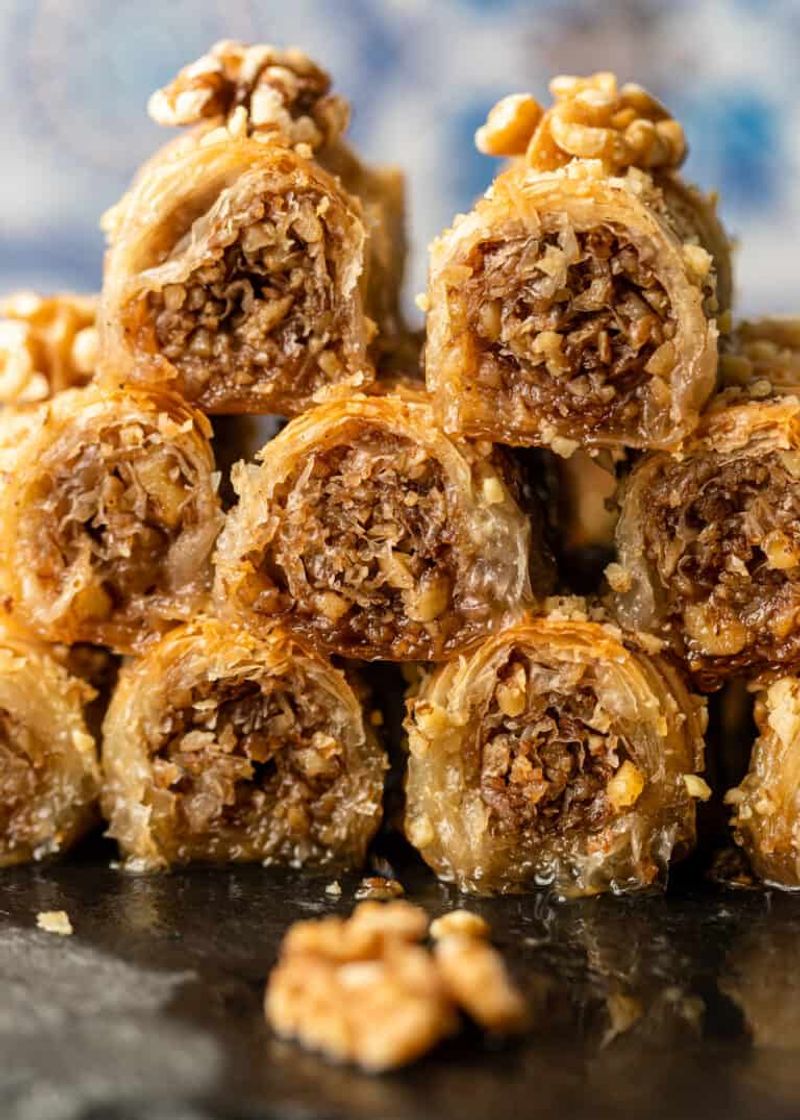
Saragli is baklava's more elegant cousin. Instead of layered squares, the phyllo is rolled into neat cigars or cylinders around a filling of chopped nuts, then baked and soaked in honey syrup.
The result is crispier and a little lighter than traditional baklava.
The rolled shape makes each piece easier to eat and somehow more satisfying to bite into. Many Greek pastry shops sell saragli alongside baklava, letting customers compare and debate which version they prefer.
It is a very enjoyable debate to have.
17. Portokalopita
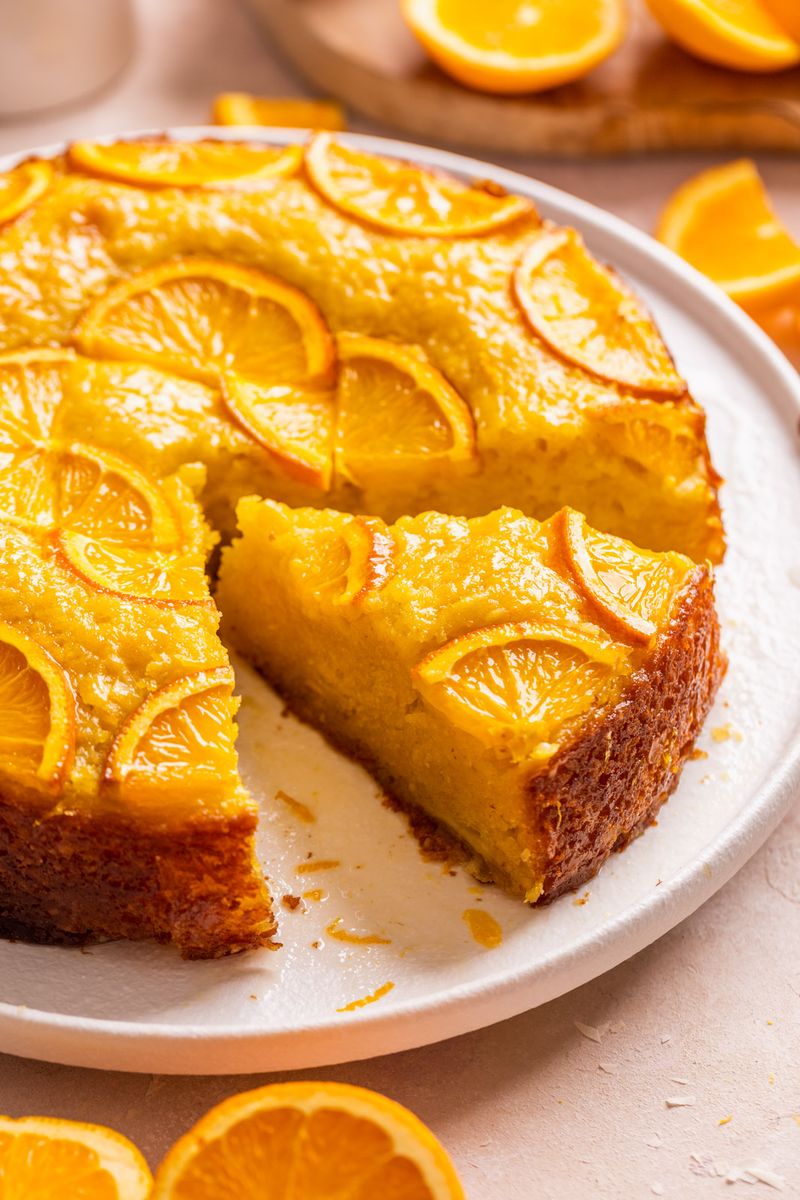
Portokalopita breaks all the usual phyllo rules. Instead of carefully layering the dough, you scrunch it up and mix it into a batter with yogurt, eggs, and loads of fresh orange.
The cake bakes into a wonderfully moist, almost pudding-like texture.
After baking, it gets soaked in a sweet orange syrup that makes every bite intensely citrusy and fragrant. It is one of those recipes that sounds strange until you taste it.
Then it immediately becomes your new favourite thing to bake on weekends.
18. Vasilopita
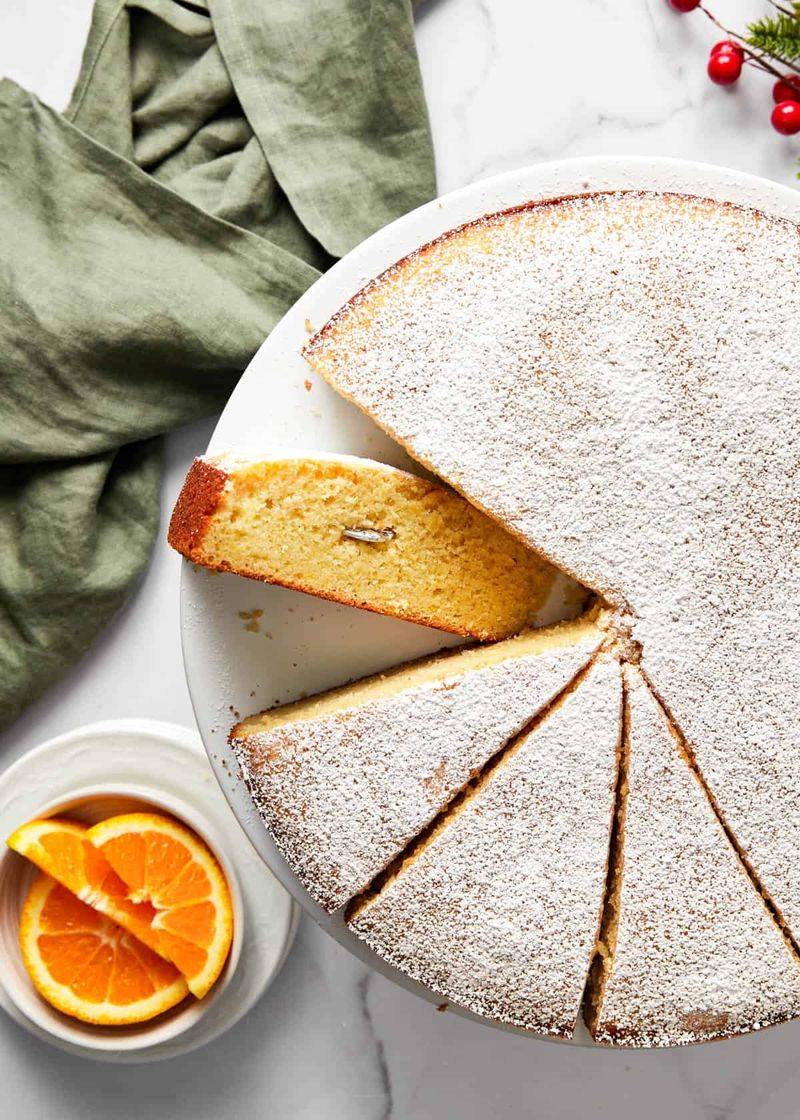
Every Greek New Year begins with the cutting of vasilopita, a lightly sweet cake or bread baked with a coin hidden inside. Whoever finds the coin in their slice is said to have good luck for the entire year ahead.
Named after Saint Basil, whose feast day falls on January 1st, this tradition brings families together in a way few other foods can. The cake itself is subtly flavoured with orange and vanilla.
The real magic, though, is in the ritual surrounding it.
19. Ekmek Kataifi
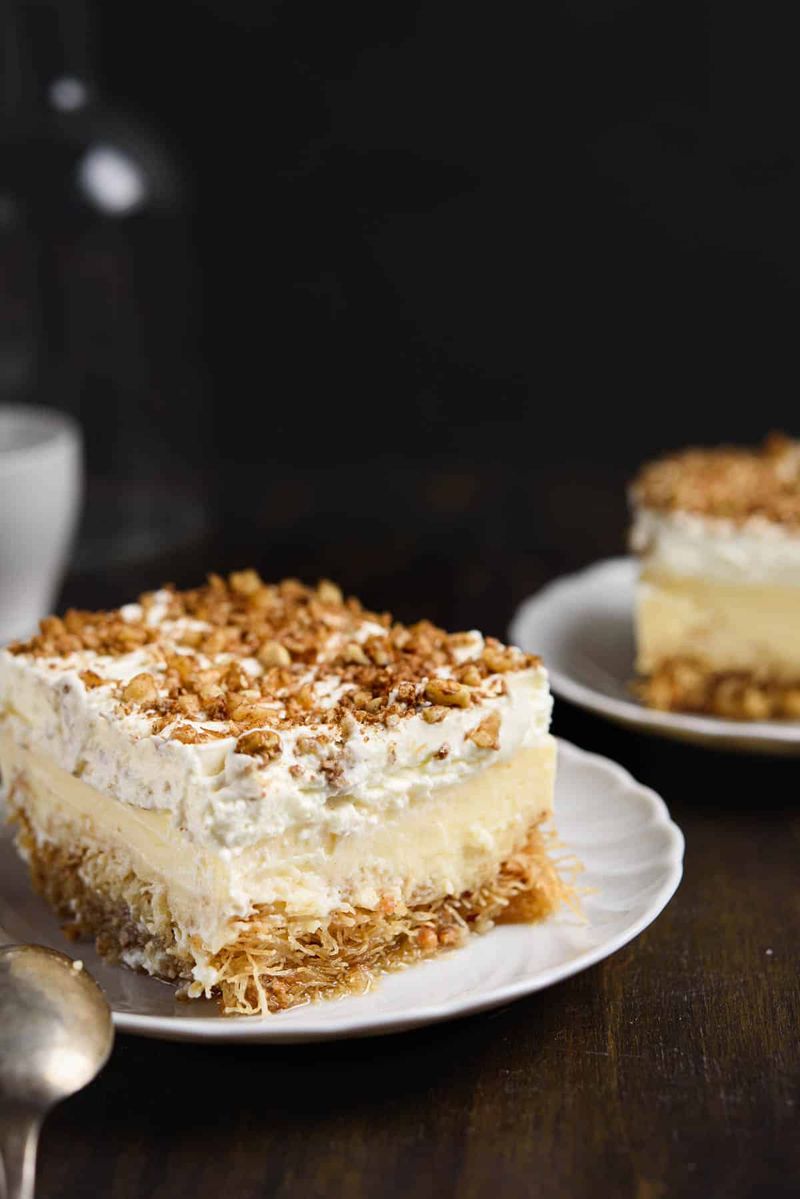
Ekmek kataifi is a three-layered masterpiece of texture and flavour. The base is made from shredded kataifi pastry soaked in syrup, topped with a thick layer of custard cream, and finished with lightly whipped heavy cream.
Every spoonful delivers something different.
It is a staple at Greek pastry shops and is often considered a more indulgent alternative to galaktoboureko. Served cold, it is especially refreshing in summer.
Rich, creamy, and deeply satisfying, this dessert earns its reputation as one of Greece's most beloved sweet creations.

Comments
No Comments