













There is nothing more disappointing than spending time making a pasta sauce, only to taste it and feel like something is missing. A flat-tasting sauce can ruin an otherwise great meal, but the good news is that fixing it is usually pretty simple.
Most of the solutions are already sitting in your kitchen, waiting to be used. Read on to find out exactly how to bring your sauce back to life.
1. Add a Pinch of Salt
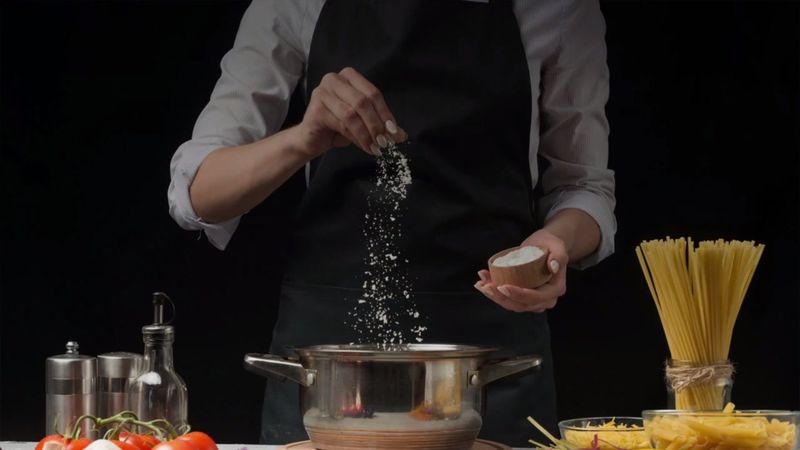
Salt is the most powerful flavor booster in your kitchen, and it costs almost nothing. If your pasta sauce tastes dull, a small pinch of salt could be all it needs.
Add a little at a time, stir, and taste as you go.
Over-salting is easy to do, so patience matters here. Even half a teaspoon can completely transform a bland sauce into something that tastes rich and full of depth.
2. Squeeze In Some Fresh Lemon Juice
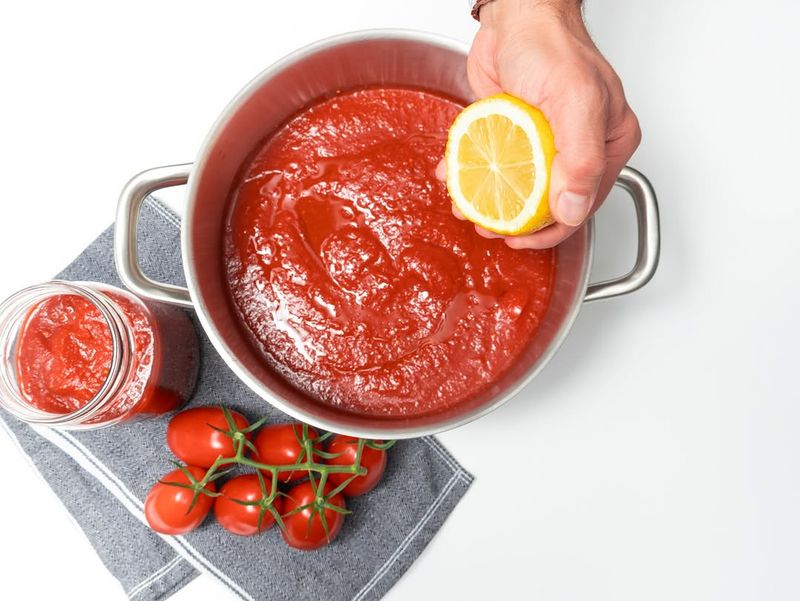
Acid is a secret weapon that most home cooks overlook. A squeeze of fresh lemon juice wakes up all the other flavors in your sauce, making everything taste brighter and more vibrant.
You do not need much at all. Start with just a teaspoon and stir it in before tasting.
The citrus does not overpower the sauce; instead, it lifts the whole dish in a way that feels surprisingly satisfying.
3. Stir In a Splash of Red Wine
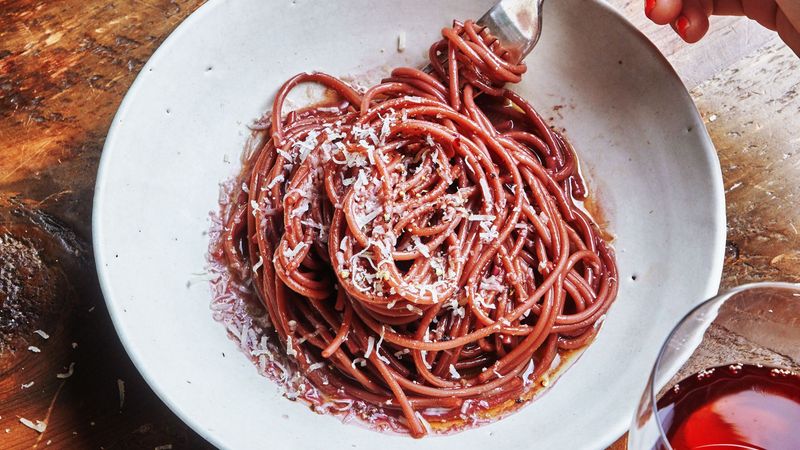
Red wine adds complexity and a subtle richness that makes pasta sauce taste like it came from a proper Italian restaurant. The alcohol cooks off, leaving behind deep, bold flavor notes.
Use a wine you would actually drink, since poor-quality wine can make the sauce taste sour. Add a small splash, let it simmer for a few minutes, and watch your flat sauce transform into something genuinely impressive.
4. Toss In a Parmesan Rind
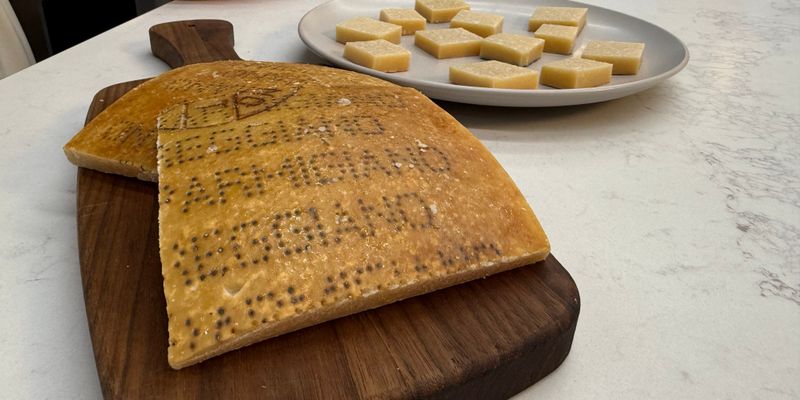
Before you throw away that Parmesan rind, drop it straight into your simmering sauce. As it slowly melts, it releases salty, savory, umami-packed flavor that gives the sauce a deep, almost meaty richness.
This trick has been used in Italian kitchens for generations. The rind will not fully dissolve, so just fish it out before serving.
Keep a bag of rinds in the freezer so you always have one ready to go.
5. Add a Spoonful of Tomato Paste
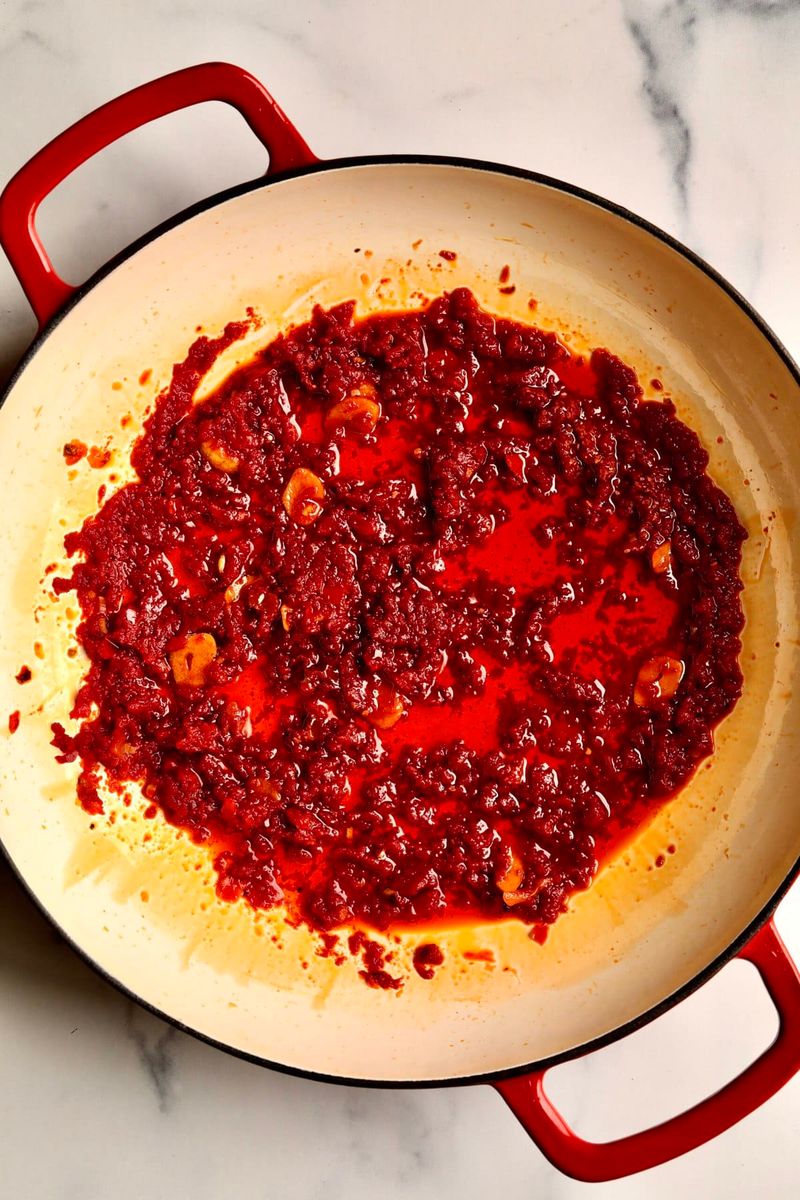
Tomato paste is essentially ultra-concentrated tomato flavor, and a single spoonful can dramatically change the depth of your sauce. It adds body, color, and a rich, slightly sweet undertone that fresh or canned tomatoes alone cannot replicate.
For best results, cook the paste in the pan for a minute or two before adding it to your sauce. That brief heat exposure caramelizes the sugars and makes the flavor even more intense and satisfying.
6. Drop In a Tiny Bit of Sugar
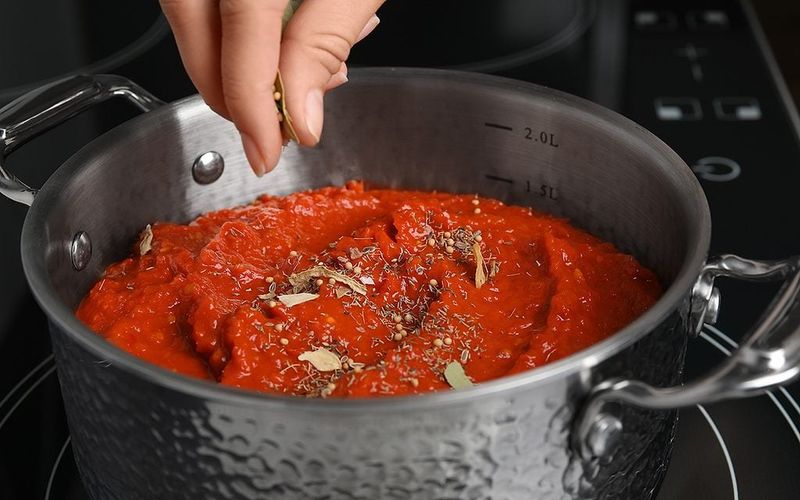
Sometimes a sauce tastes flat because it is too acidic, and a small pinch of sugar is the perfect counterbalance. Sugar does not make the sauce sweet; it simply smooths out the sharp edges and brings everything into harmony.
Start with just a quarter teaspoon and taste before adding more. This trick works especially well with canned tomatoes, which tend to be more acidic than fresh ones.
It is one of those old-school tips that really delivers.
7. Simmer It Longer
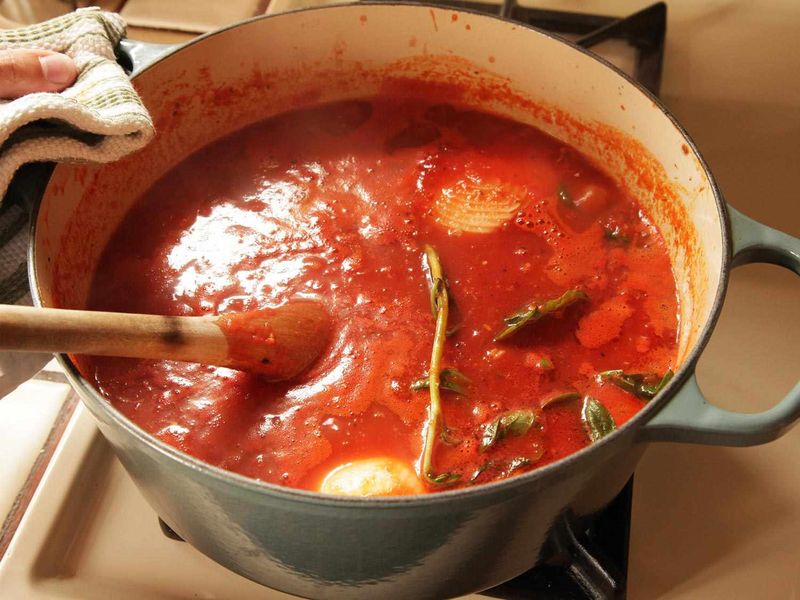
One of the most underrated fixes is simply giving your sauce more time. Flavor develops as water evaporates and ingredients meld together, so a sauce that tastes thin after 20 minutes might be incredible after 45.
Keep the heat low and stir occasionally so nothing burns on the bottom. Longer simmering concentrates the natural sugars in the tomatoes and creates layers of flavor that a rushed sauce can never achieve.
Patience really does pay off here.
8. Finish With Fresh Herbs
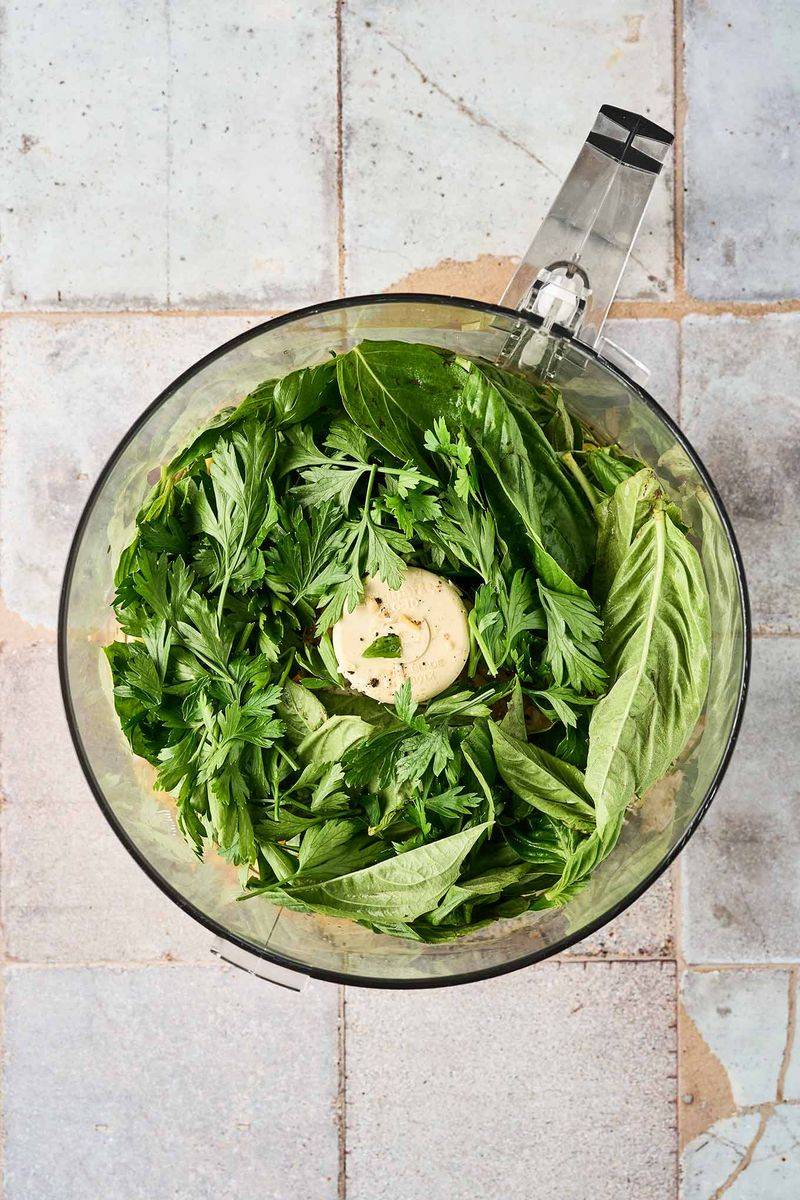
Fresh herbs added at the end of cooking bring a burst of fragrant, garden-fresh flavor that dried herbs simply cannot match. Basil, parsley, and oregano are all excellent choices for pasta sauce.
Add them right before serving so the heat does not kill their vibrant aroma. Tear basil leaves by hand instead of chopping them, since tearing releases more of the essential oils.
Even a small handful makes a noticeable and delicious difference.
9. Grate In Some Garlic
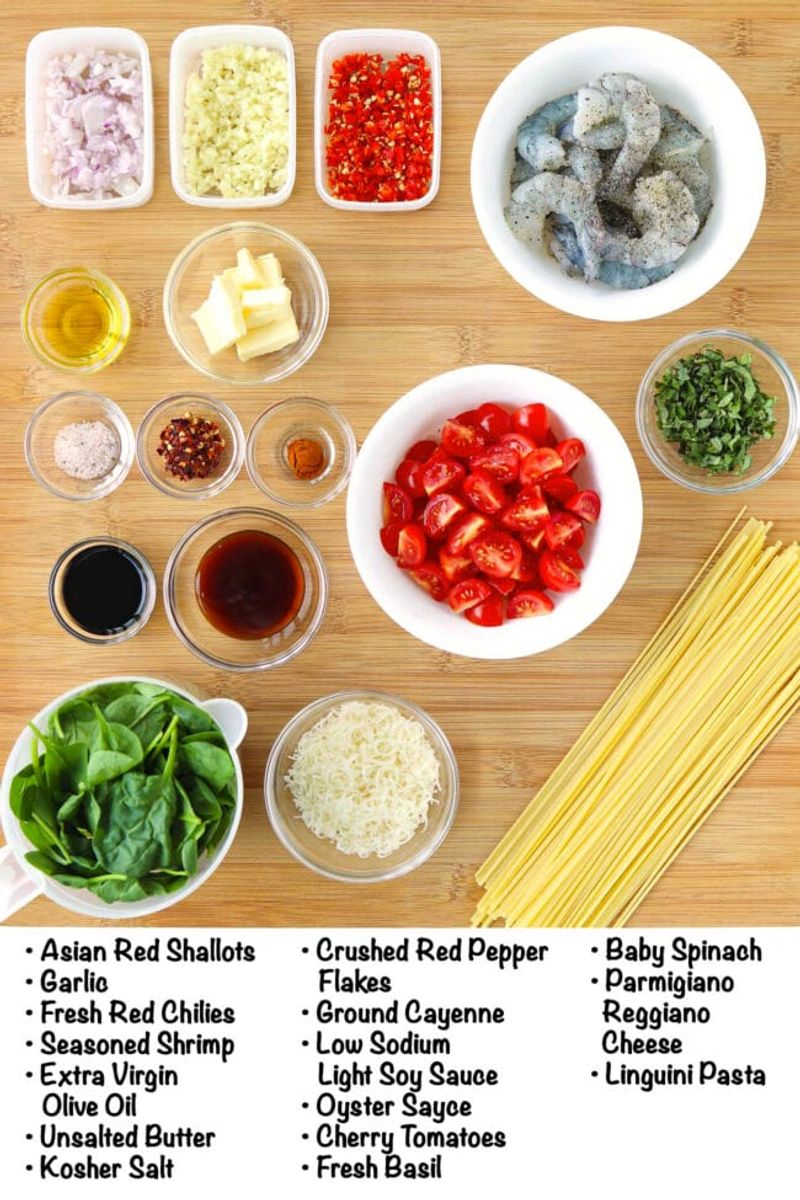
Garlic that has been pre-cooked into the sauce early on tends to mellow out significantly. If your sauce needs a punch, try grating a raw clove directly into the sauce just before serving.
Grating instead of slicing or mincing creates an almost paste-like texture that distributes evenly throughout the sauce. The raw garlic brings sharpness and heat that reawakens the whole dish.
Use just one clove to start, since raw garlic is quite powerful.
10. Stir In a Knob of Butter
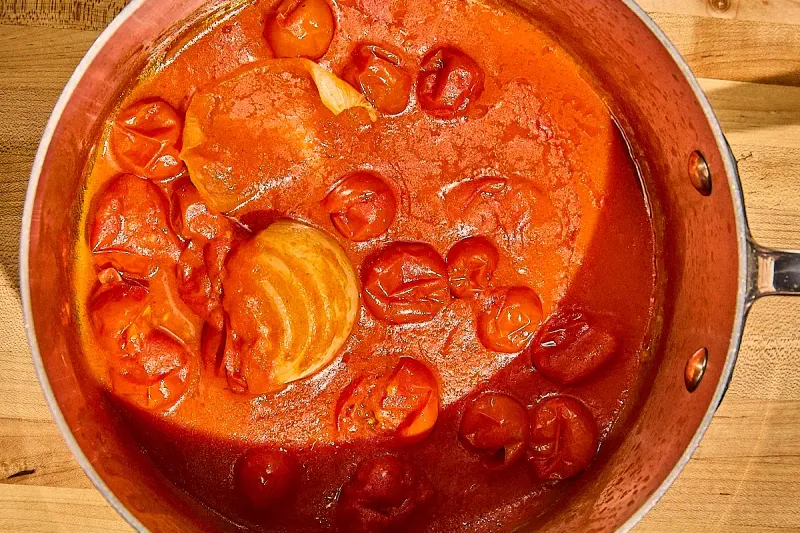
Butter might seem like an unusual addition to tomato sauce, but it is absolutely transformative. A small knob stirred in at the end of cooking adds a silky, luxurious texture and softens any sharp or sour notes in the sauce.
The famous Marcella Hazan butter-and-onion tomato sauce has proven this technique to millions of home cooks. Use unsalted butter so you can control the salt level.
One tablespoon is usually enough to make the whole sauce feel richer and more rounded.
11. Add a Dash of Worcestershire Sauce
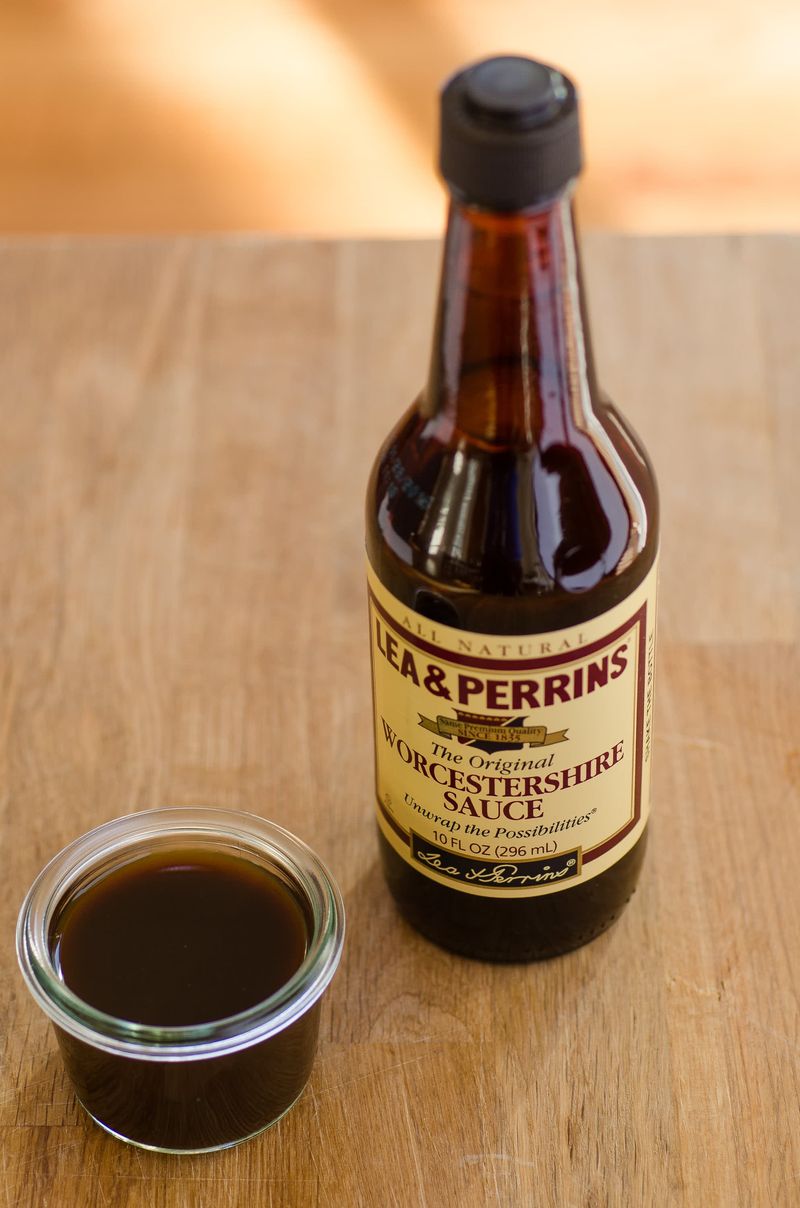
Worcestershire sauce is packed with umami, that savory fifth taste that makes food feel deeply satisfying. A small dash added to a flat pasta sauce can add complexity and a subtle background richness.
It sounds unconventional, but it works surprisingly well, especially in meat-based sauces like Bolognese. Use no more than a teaspoon at a time and taste as you go.
The flavor should enhance the sauce without anyone being able to identify what you added.
12. Try a Spoonful of Miso Paste
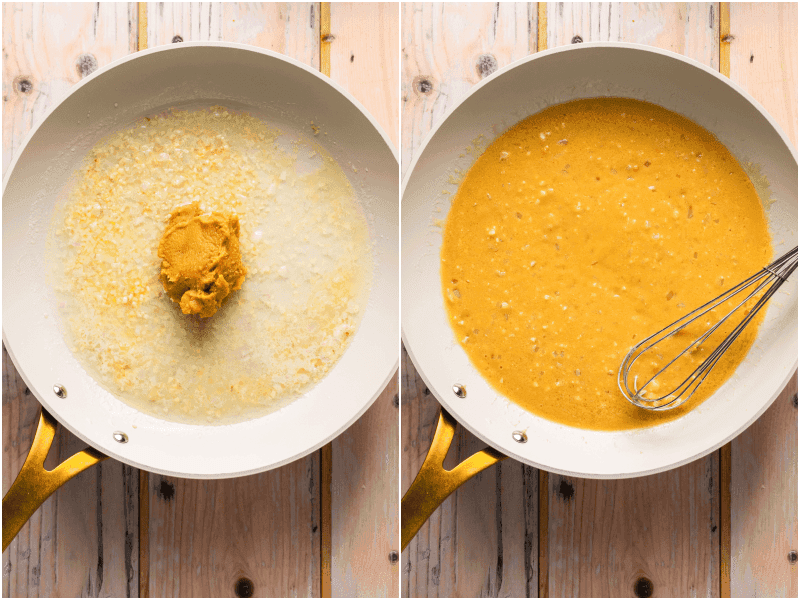
Miso paste might sound like an unusual fix for Italian-style sauce, but it is one of the most effective umami boosters available. Even a small amount adds a deep, savory, fermented richness that is hard to pinpoint but impossible to ignore.
White or yellow miso works best since it is milder than red miso. Stir it in at the end of cooking so the fermentation benefits stay intact.
Start with half a teaspoon and adjust from there based on taste.
13. Bloom Your Dried Spices in Oil First
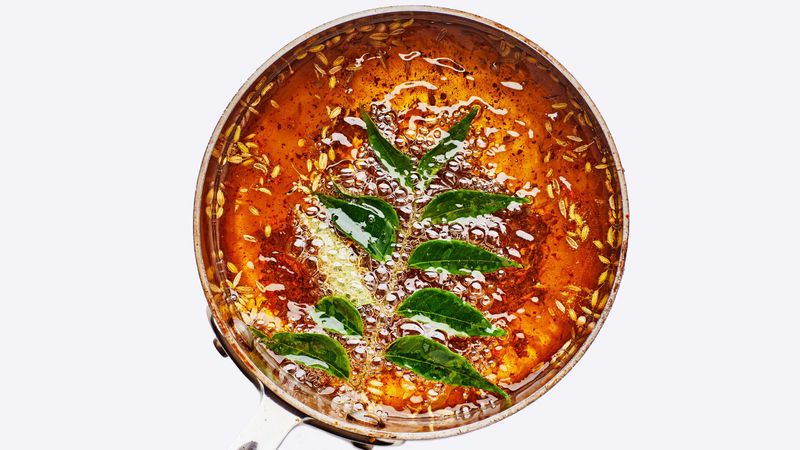
Dried spices that get dumped straight into a liquid sauce often taste muted and dusty. Blooming them in a little olive oil first activates their essential oils and releases far more flavor than adding them cold.
Heat a small amount of oil in your pan, add the spices, and let them sizzle for about 30 seconds before incorporating them into your sauce. This one small step makes your seasoning taste fresher, bolder, and more aromatic throughout the finished dish.
14. Add Anchovy Paste or Fillets
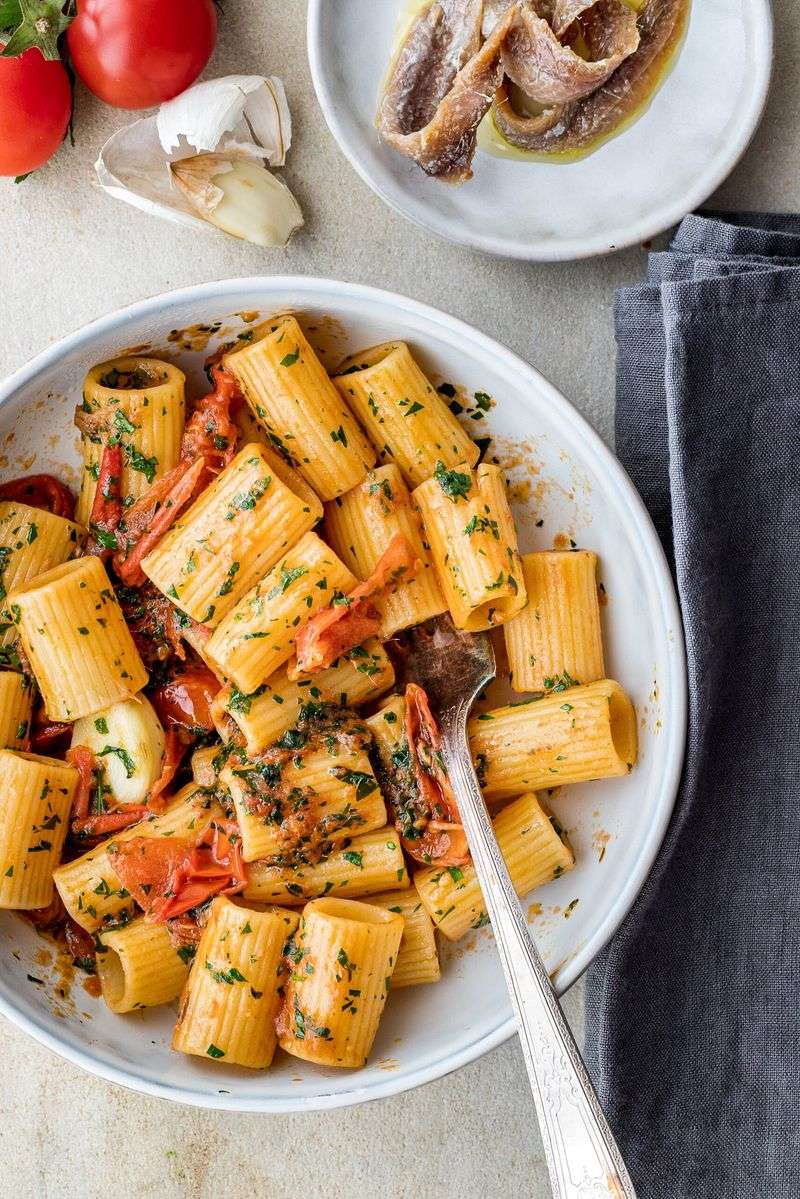
Before you say no, hear this out. Anchovies dissolve completely into the sauce when cooked, leaving behind zero fishiness and an incredible depth of savory flavor.
They are used in many classic Italian recipes for exactly this reason.
Just one or two anchovy fillets, or a small squeeze of paste, is enough to completely change the character of a flat sauce. Even people who claim to dislike anchovies often cannot detect them once they have melted into the dish.
15. Drizzle In High-Quality Olive Oil
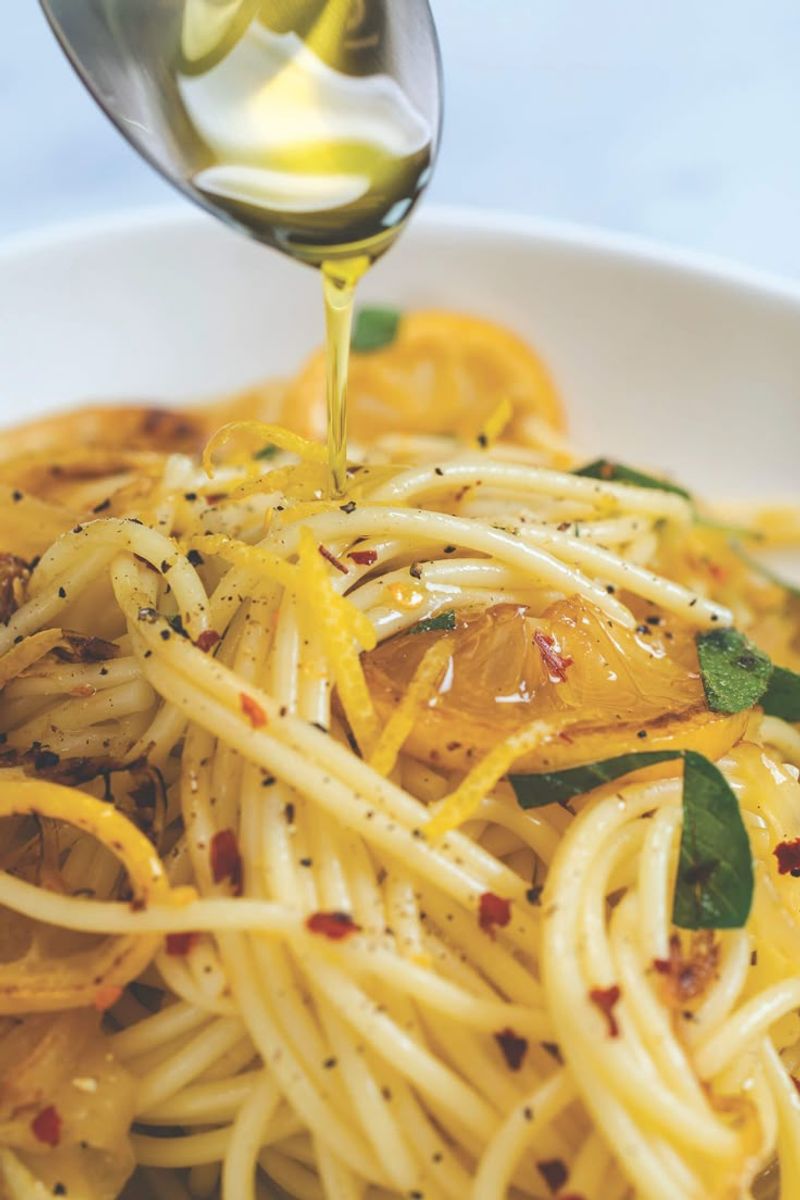
There is a reason Italian grandmothers always finish their pasta with a drizzle of good olive oil. A high-quality extra-virgin olive oil adds fruity, peppery richness and makes every other flavor in the dish taste more pronounced.
Add it at the very end, after the heat is off, so the delicate flavor compounds stay intact. Cooking-grade olive oil will not give you the same result.
Treat yourself to a decent bottle, and the difference will be immediately obvious.
16. Use Pasta Cooking Water
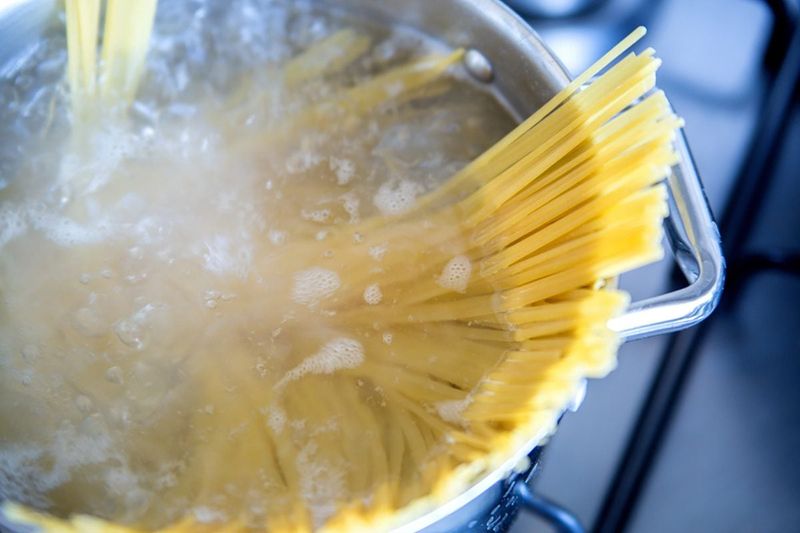
That cloudy, starchy water left over from boiling pasta is liquid gold. Adding a splash to your sauce helps it cling to the noodles and creates a silkier, more cohesive texture that ties everything together beautifully.
The dissolved starch also subtly thickens the sauce and mellows out any sharp flavors. Save at least a cup before draining your pasta.
Add it a little at a time, stirring constantly, until the sauce reaches the consistency and balance you are looking for.
17. Caramelize Your Onions Properly
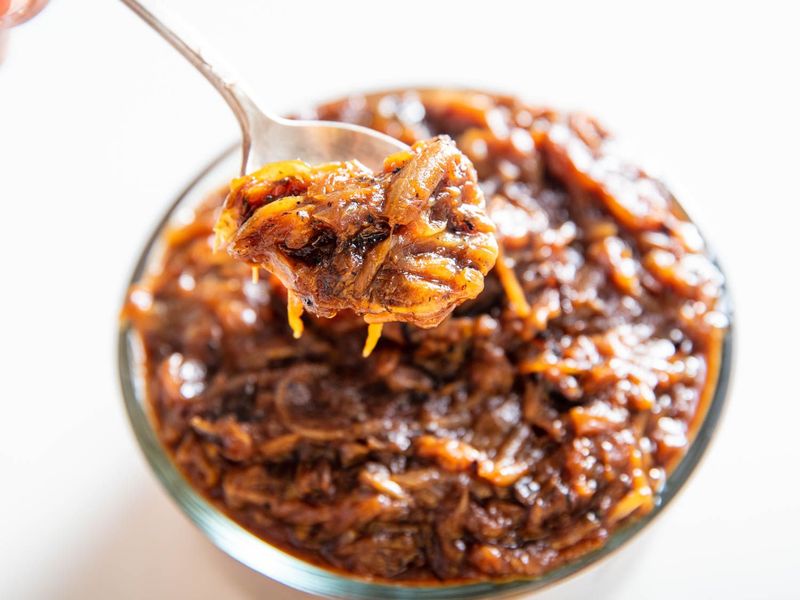
Raw or lightly cooked onions add sharpness, but onions that have been slowly caramelized for 20 to 30 minutes become sweet, jammy, and deeply flavorful. Adding them to a flat sauce is like adding a flavor foundation from scratch.
Low and slow is the key. Rushing the process on high heat just softens them without developing that characteristic golden sweetness.
Stir them into your sauce and watch the whole flavor profile shift from one-dimensional to beautifully complex and satisfying.
18. Roast Your Tomatoes Before Using Them
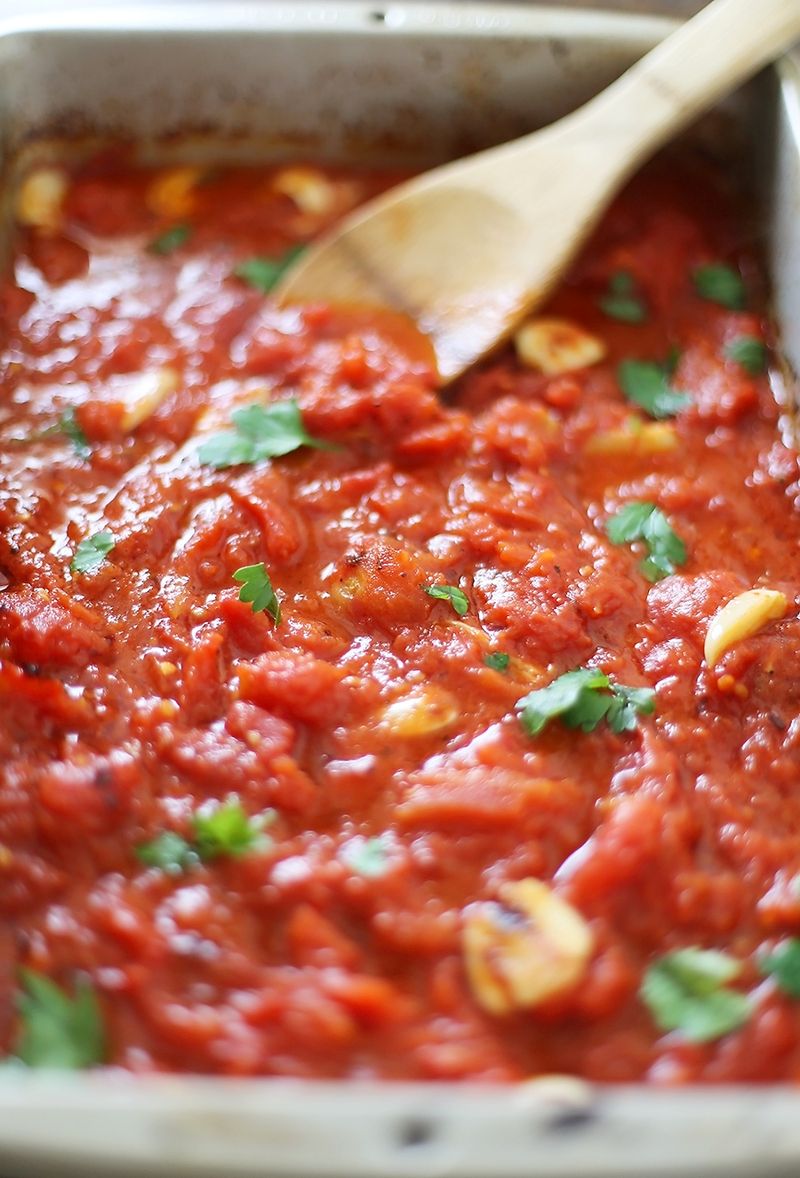
Roasting tomatoes in the oven before adding them to your sauce concentrates their natural sugars and creates a smoky, caramelized sweetness that raw or canned tomatoes cannot provide. The difference in flavor is remarkable.
Halve them, drizzle with olive oil, season with salt, and roast at around 400 degrees Fahrenheit for 25 to 30 minutes. Once they are soft and slightly charred at the edges, blend or crush them into your sauce for an instantly richer and more complex result.
19. Add a Pinch of Red Pepper Flakes
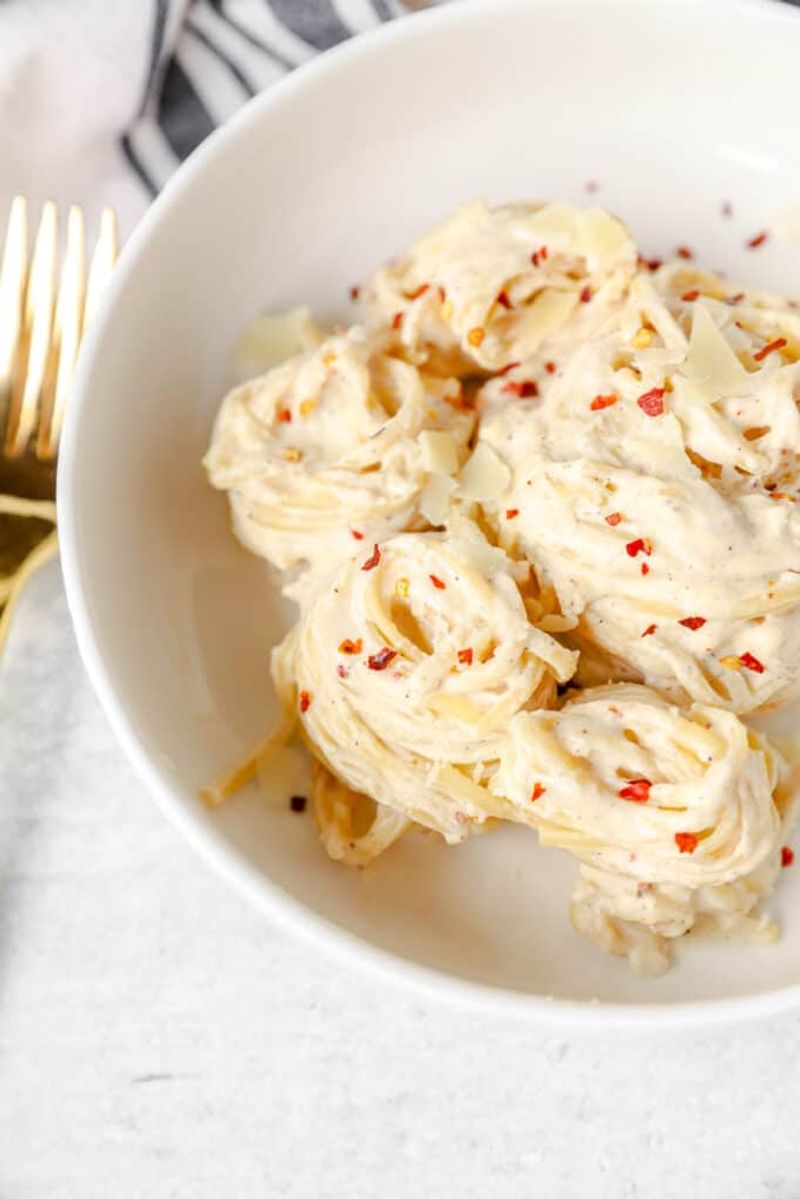
A flat sauce often lacks contrast, and a pinch of red pepper flakes provides just the right amount of heat to make everything else taste more alive. You are not trying to make the sauce spicy; you are giving it an edge.
Even people sensitive to heat can usually tolerate a very small amount without noticing the spice directly. Add just a pinch, stir, and taste.
That gentle warmth in the background is often the exact thing a dull sauce needs to feel complete.



Comments
No Comments