













Britain is famous for fish and chips, but its dessert game is just as wild and wonderful. From oddly named puddings to sweet treats with centuries of history, British desserts are unlike anything else in the world.
Many of these sugary creations have been enjoyed for generations, yet most people outside the UK have never heard of them. Get ready to discover some of the most delightfully strange sweets the British Isles have to offer.
1. Spotted Dick
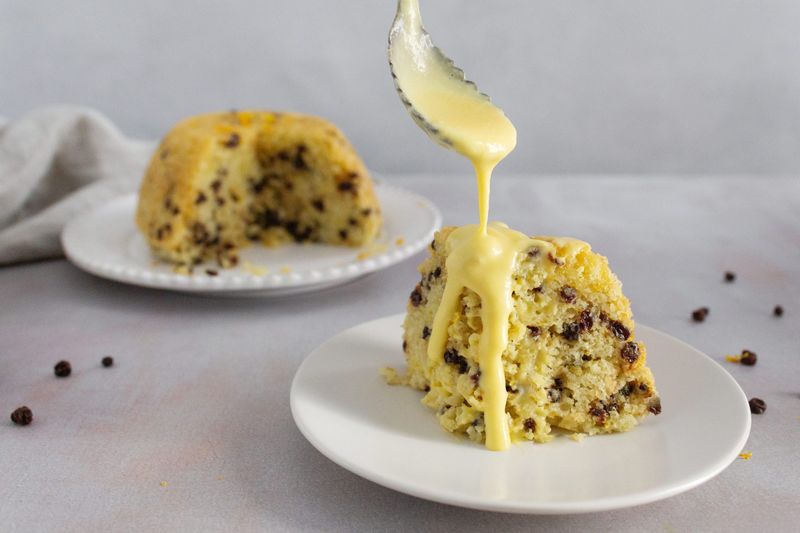
Few desserts in the world have a name quite as memorable as this one. Spotted Dick is a traditional British steamed pudding packed with dried currants, which are the "spots." The "dick" part likely comes from an old word for dough or pudding.
Served warm with a generous pour of yellow custard, it has a soft, spongy texture that feels like a cozy hug on a cold day. You can even buy it in a tin at British supermarkets.
2. Eton Mess
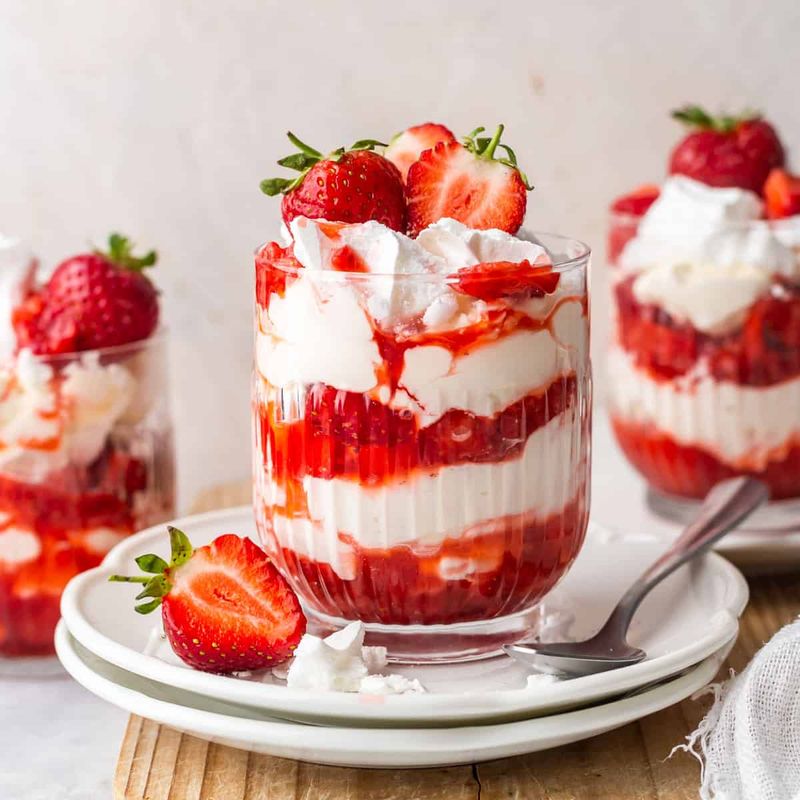
Legend has it this dessert was accidentally created when a dog sat on a picnic basket at Eton College, crushing a strawberry meringue cake. Whether that story is true or not, the result is absolutely delicious.
Eton Mess is a jumbled mix of broken meringue, whipped cream, and fresh strawberries. The crunchy, creamy, and fruity combination is surprisingly satisfying.
It requires almost zero cooking skill, making it a favorite at British summer garden parties.
3. Sticky Toffee Pudding
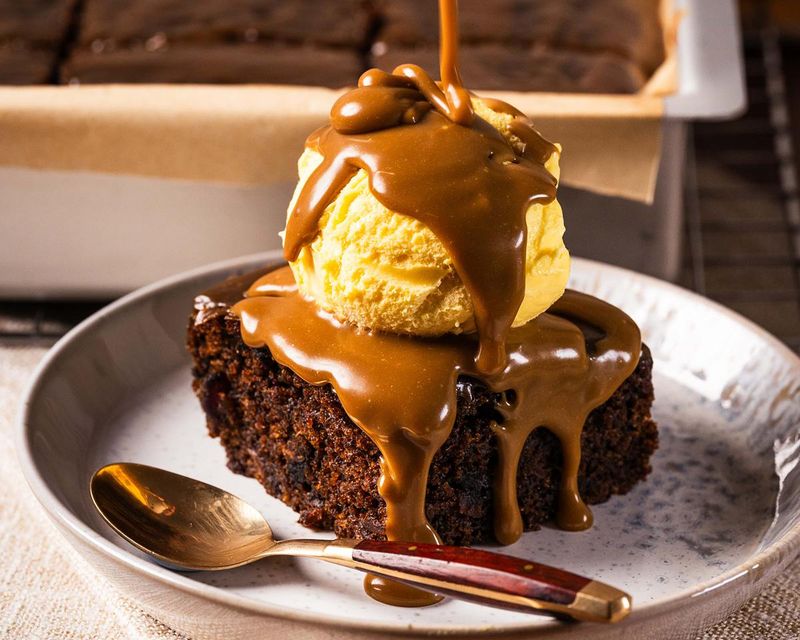
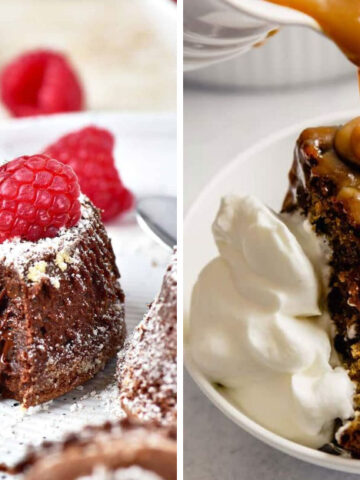
Sticky toffee pudding might just be the most beloved British dessert of all time, yet many Americans have never tasted it. Made with finely chopped dates baked into a moist sponge cake, it is then soaked in a rich butterscotch toffee sauce.
Every bite is intensely sweet and warming. It is often served with vanilla ice cream or clotted cream.
The dessert became widely popular in the 1970s, though its exact origins are still debated among British food historians.
4. Treacle Tart
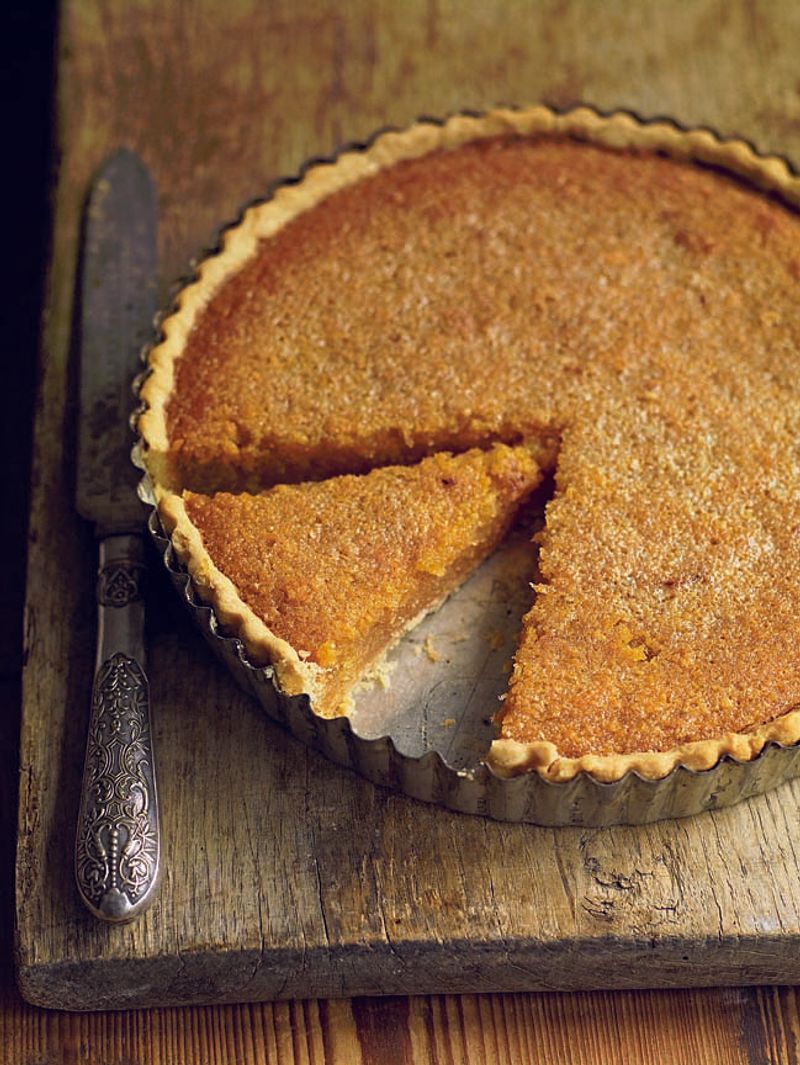
Harry Potter fans might recognize this one. Treacle tart is Harry's favorite dessert in the books, and it is a real British classic.
Despite the name, it is actually made with golden syrup rather than treacle, mixed with breadcrumbs and a little lemon juice.
The filling bakes into something sticky, sweet, and slightly chewy inside a buttery shortcrust pastry shell. The lemon adds just enough tang to balance the sweetness.
Served warm with cream, it is pure comfort food.
5. Syllabub
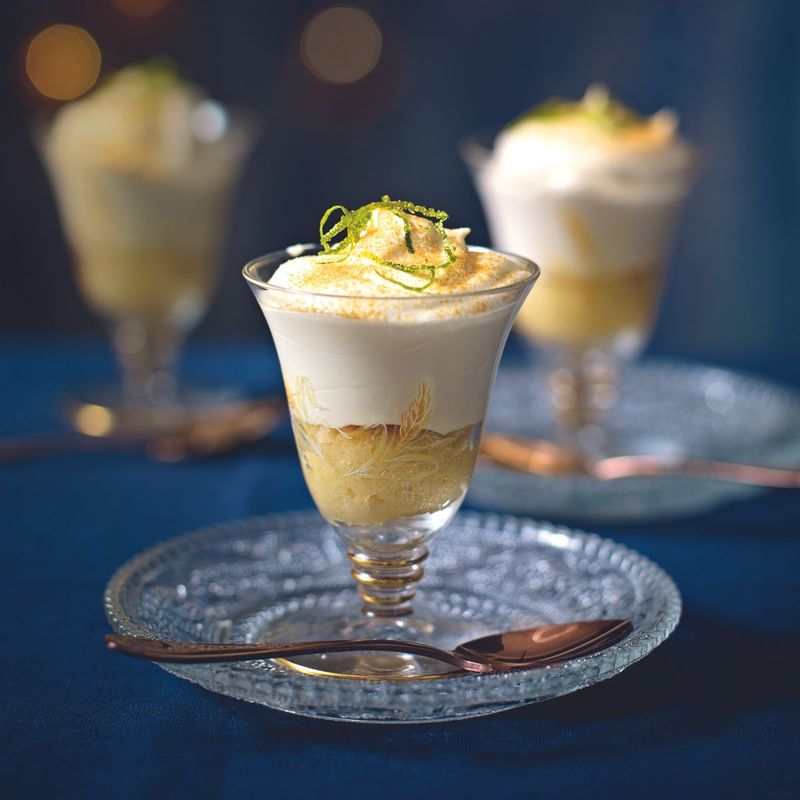
Dating back to the 16th century, syllabub is one of the oldest British desserts still enjoyed today. Originally, it was made by squirting warm milk directly from a cow into a pot of cider or wine, creating a frothy, boozy drink.
Modern syllabub is a whipped cream dessert flavored with white wine, lemon, and sugar. It is light, airy, and refreshingly tangy.
Served chilled in small glasses, it feels incredibly fancy for something so simple to prepare at home.
6. Bread and Butter Pudding
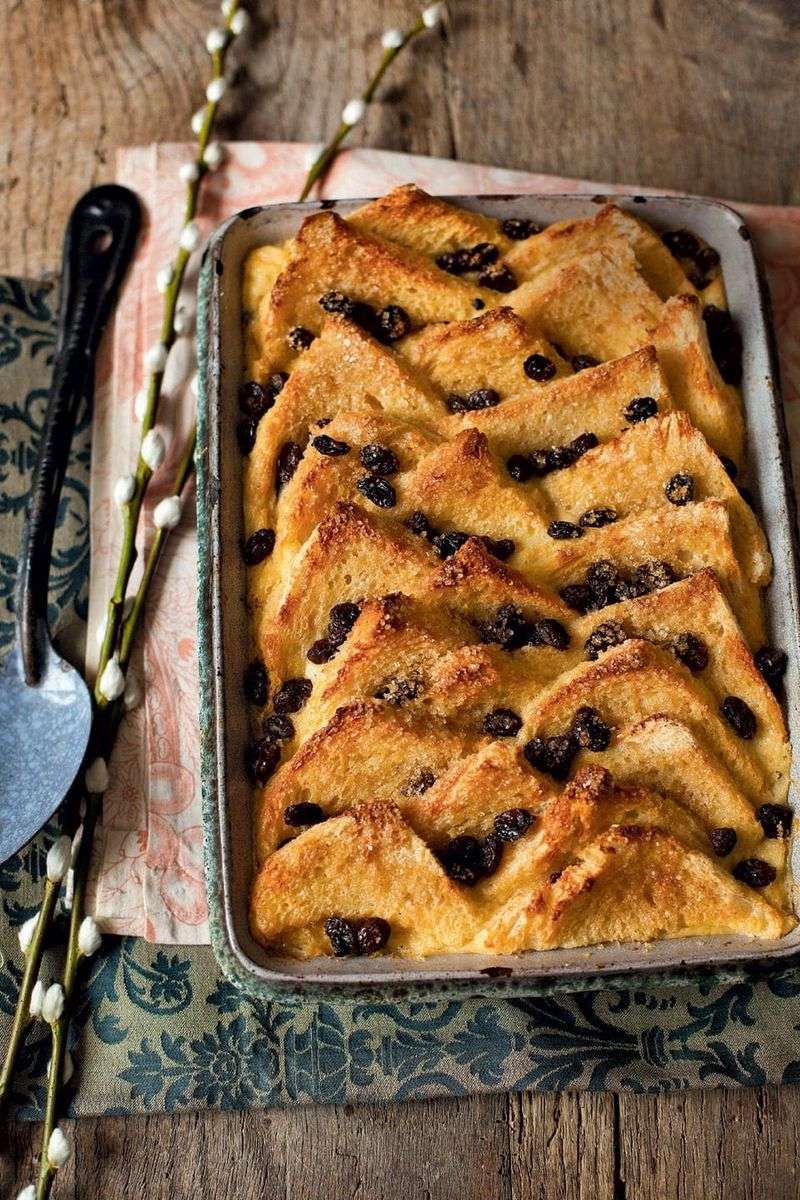
Born from a brilliant desire to use up stale bread, bread and butter pudding is one of those humble desserts that somehow tastes like royalty. Slices of buttered bread are layered in a dish, scattered with raisins, and soaked in a creamy egg custard before baking.
The top turns golden and slightly crispy while the inside stays soft and custardy. It is the ultimate British comfort food.
Adding a splash of whisky or marmalade gives it an extra grown-up twist worth trying.
7. Jam Roly-Poly
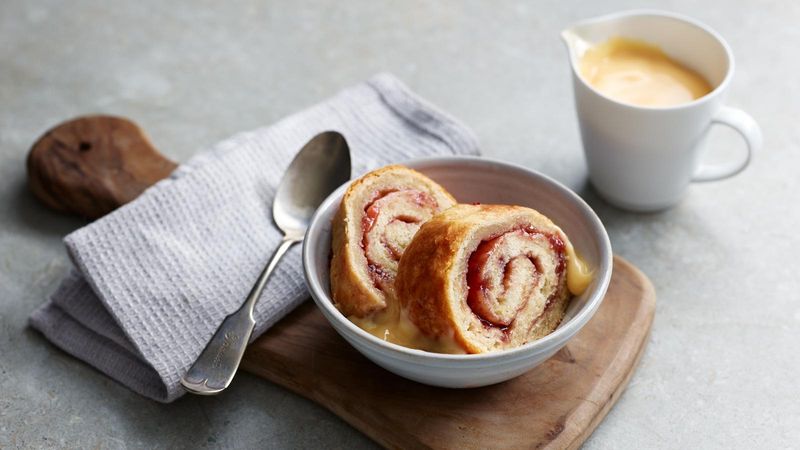
With a name that sounds like a playground game, jam roly-poly is pure British nostalgia. It is a flat sheet of suet pastry spread with jam, then rolled up and either steamed or baked until soft and doughy.
Schoolchildren across Britain have been eating this in cafeterias for decades. Nicknamed "dead man's arm" in school canteens because of how it was steamed in a cloth sleeve, it is always served with plenty of custard.
Odd nickname aside, it tastes wonderful.
8. Clootie Dumpling
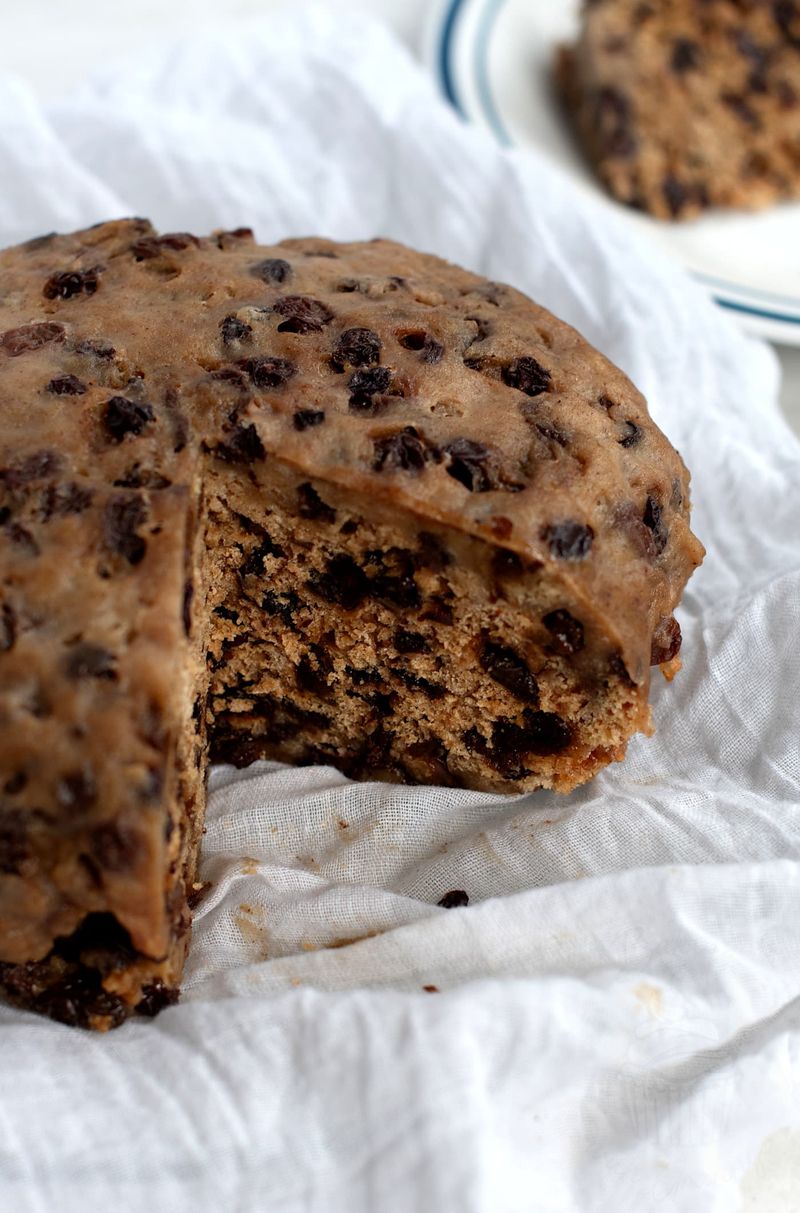
Scotland's answer to Christmas pudding, the clootie dumpling is a dense, spiced fruit pudding cooked in a damp cloth called a "clootie." The cloth gives it a distinctive wrinkled skin on the outside that becomes slightly chewy when dried out.
Packed with currants, raisins, spices, and golden syrup, it is rich and deeply satisfying. Traditionally, coins or charms were hidden inside for good luck.
Leftover slices are often fried in butter the next morning, which sounds strange but tastes amazing.
9. Flummery
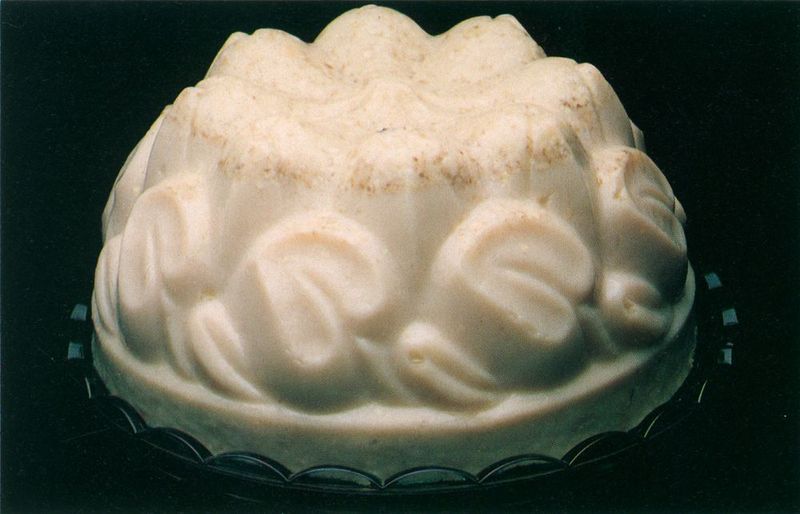
Flummery sounds made-up, but it is a genuinely ancient British dessert with roots stretching back to medieval Wales. Early versions were made from soaked oatmeal, but by the 18th century it had transformed into an elegant almond-flavored jelly dessert served at fancy dinner parties.
Set in decorative molds and turned out like a wobbly, pale centerpiece, flummery was considered very sophisticated. Today it is rarely made, which makes it one of Britain's most forgotten sweet treasures.
Reviving it at home would definitely impress guests.
10. Gooseberry Fool
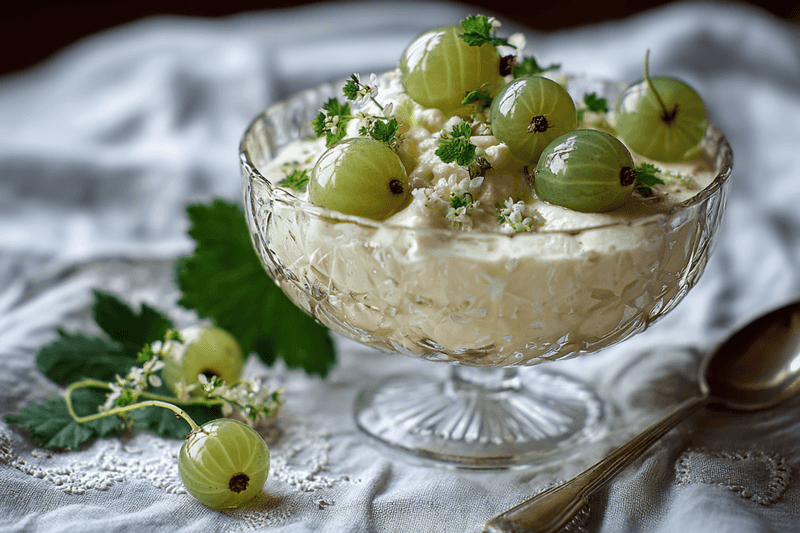
Gooseberry fool has been a British staple since the 16th century, and the name has nothing to do with being silly. Food historians believe "fool" may come from the French word "fouler," meaning to crush or press, which is exactly what you do to the fruit.
Tart, stewed gooseberries are folded through sweetened whipped cream to create a light, refreshing dessert. The sharp fruit balances the rich cream beautifully.
Gooseberries are not widely known outside Britain, making this a truly unique cultural treat worth seeking out.
11. Lardy Cake
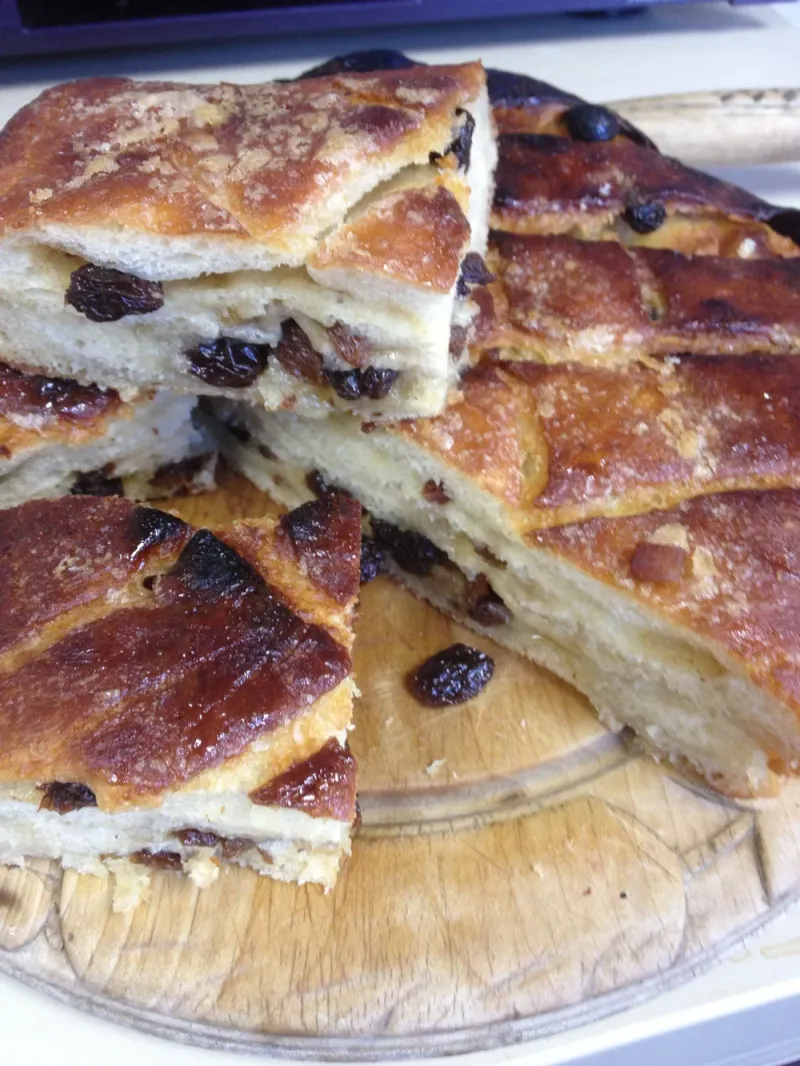
Lardy cake is not trying to be fashionable, and that is exactly what makes it wonderful. A traditional English bake from Wiltshire, it is made by layering bread dough with lard, sugar, and dried fruit, then baking it until sticky and caramelized on the outside.
Yes, lard. Real pork fat.
And yes, it is absolutely delicious. The layers create a flaky, sweet, slightly greasy texture that is deeply satisfying.
Locals eat it warm, straight from the bakery, without any apologies whatsoever.
12. Bakewell Tart
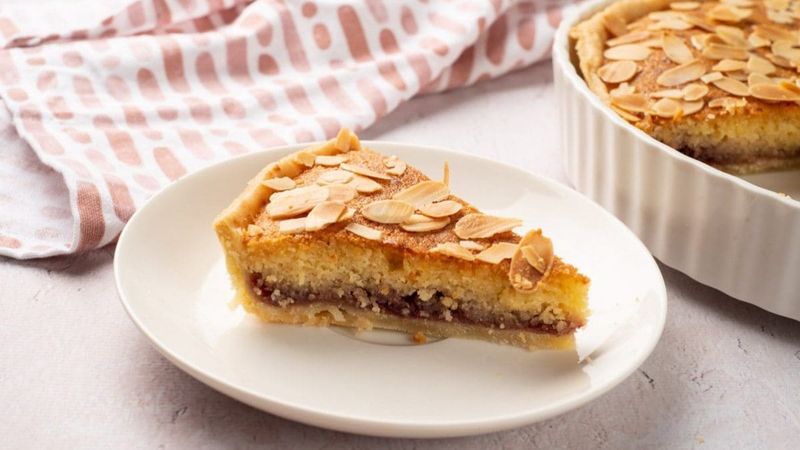
According to local legend, the Bakewell tart was created by accident in the 1800s when a cook in the Derbyshire town of Bakewell misread a recipe and spread egg and almond mixture over jam instead of mixing it into the pastry.
The result was a beautiful layered tart with shortcrust pastry, strawberry jam, and almond frangipane filling. The shop version is topped with white icing and a glace cherry.
Do not confuse it with a Bakewell pudding, which is a completely different, older dessert from the same town.
13. Rhubarb Crumble
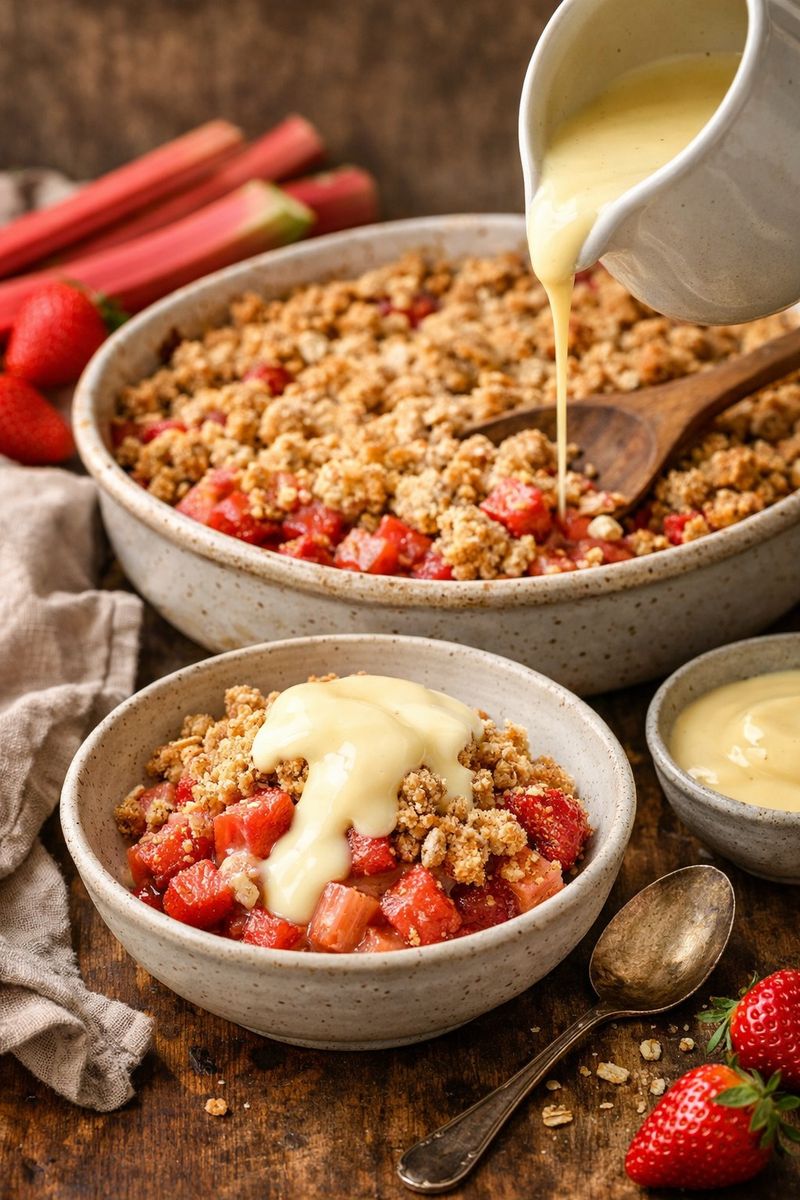
Rhubarb crumble is the kind of dessert that smells like a British grandmother's kitchen. Chunks of tart, bright pink rhubarb are sweetened and topped with a buttery, crumbly mixture of flour, oats, and sugar before being baked until golden and bubbling.
Rhubarb is technically a vegetable, which makes this dessert secretly rebellious. The contrast between the sharp fruit and the sweet, crunchy topping is what makes crumbles so irresistible.
Served with custard or cream, it is the unofficial dessert of rainy British afternoons everywhere.
14. Queen of Puddings
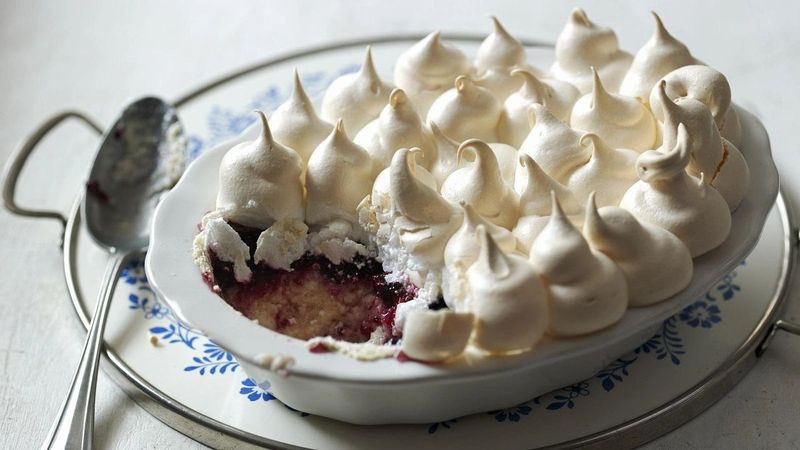
Queen of Puddings is exactly as regal as it sounds. A soft custard base made from breadcrumbs, eggs, milk, and lemon zest is spread with a layer of jam, then crowned with swirled meringue and baked until golden.
The dessert reportedly got its name in honor of Queen Victoria, who was said to enjoy it greatly. Each layer brings a different texture, from creamy to jammy to airy.
It looks incredibly impressive on the table but is surprisingly straightforward to make at home.
15. Cranachan
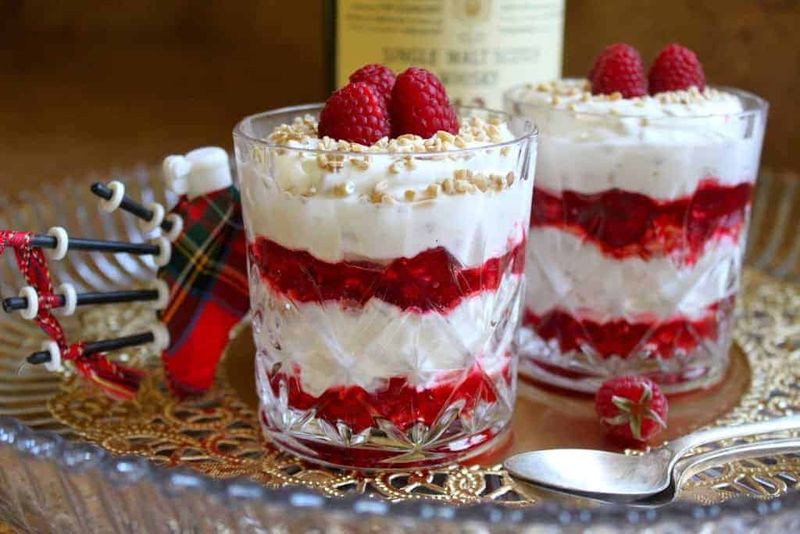
Scotland's national dessert is a showstopper that comes together in minutes. Cranachan layers toasted oatmeal, whipped cream, fresh raspberries, honey, and a generous splash of Scotch whisky into a gorgeous, rustic parfait.
Traditionally served at harvest festivals and Burns Night celebrations on January 25th, it celebrates some of Scotland's finest ingredients. The whisky gives it a warm, slightly smoky depth that pairs brilliantly with the sweet cream and tart raspberries.
Even people who do not usually like whisky tend to love cranachan.
16. Sussex Pond Pudding
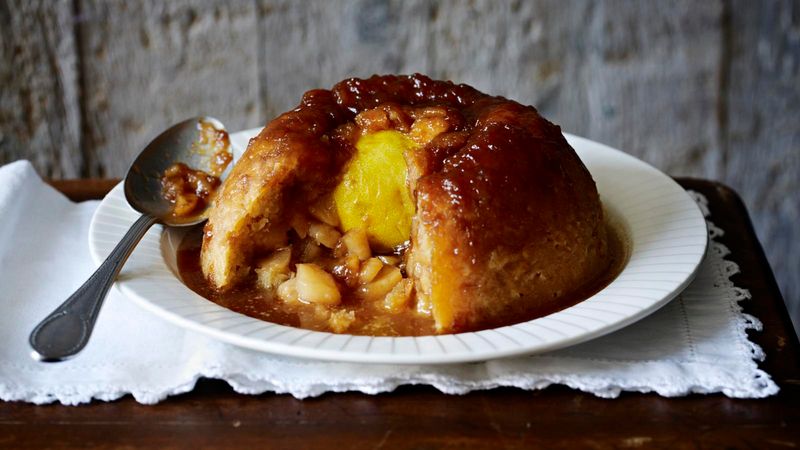
Cut into a Sussex Pond Pudding and something magical happens. A whole lemon is hidden inside a suet pastry shell along with butter and brown sugar.
As it steams for hours, the lemon slowly dissolves into a rich, buttery sauce that floods out like a pond when you slice it open.
The effect is dramatic and delicious. The sauce is intensely lemony and caramel-sweet all at once.
Dating back to 17th-century Sussex, this pudding is a true theatrical experience that rewards patient cooks with something genuinely spectacular.
17. Marmalade Pudding
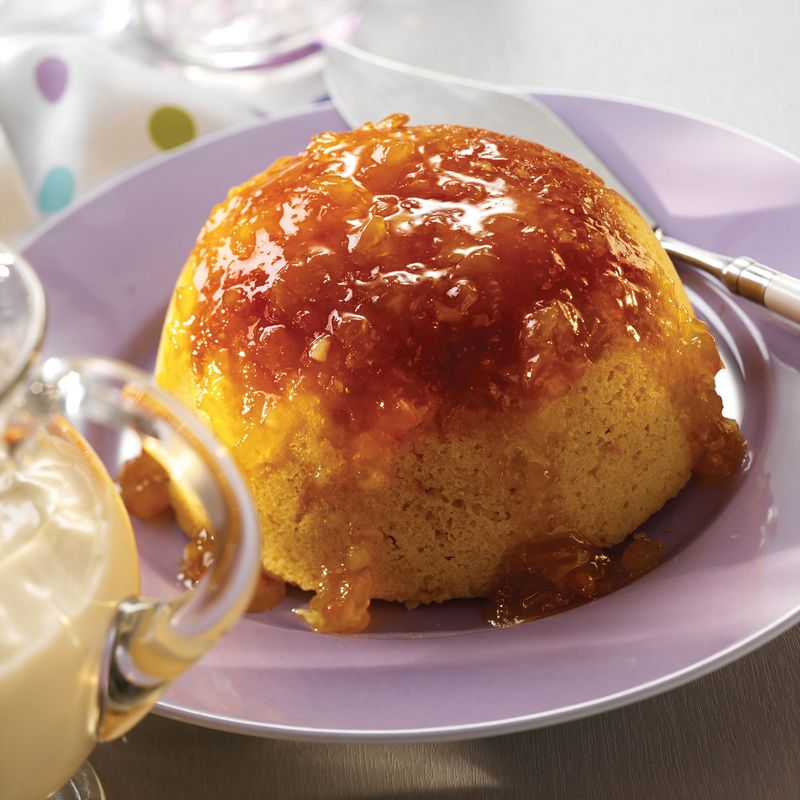
Marmalade is one of Britain's most iconic breakfast spreads, but tucking it inside a steamed sponge pudding takes it somewhere completely unexpected. The bitter orange marmalade is spread in the base of the pudding basin and then covered with a simple sponge batter before steaming.
When turned out, the marmalade becomes a glossy, sticky glaze that coats the whole pudding. The bittersweet citrus flavor cuts through the richness of the sponge perfectly.
It is a clever, old-fashioned dessert that deserves far more attention than it currently gets.
18. Wet Nelly
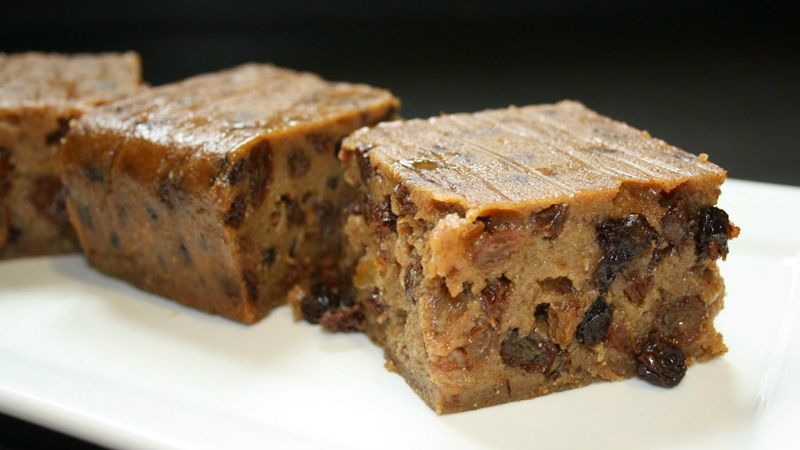
Wet Nelly is a Liverpool classic with a wonderfully bizarre name. Made from stale bread soaked in water or milk, mixed with dried fruit, spices, and sugar, then baked inside a pastry case, it was originally a thrifty working-class treat designed to waste nothing.
The name may come from a slang term for a cheap, soggy cake sold near the Liverpool docks. Despite its unglamorous origins, Wet Nelly has a sticky, dense, spiced flavor that is deeply comforting.
Local bakeries in Liverpool still sell it today with pride.

Comments
No Comments