













British puddings are a world of their own, full of strange names, odd ingredients, and surprisingly delicious results. From steamed sponges swimming in sauce to cold wobbly desserts that look more like science experiments, these treats have been loved for centuries.
Many visitors to the UK raise an eyebrow at the menu, but locals can not get enough. Get ready to discover the weird and wonderful world of puddings that Brits hold close to their hearts.
1. Spotted Dick
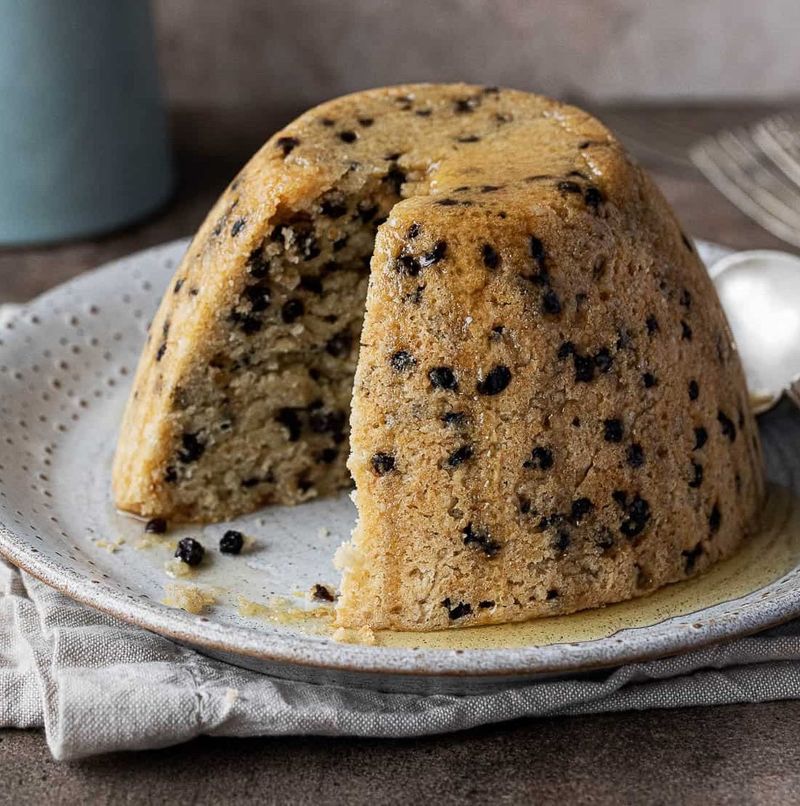
Few desserts cause as much giggling as this one, yet spotted dick has been a British staple since the Victorian era. The name likely comes from "dough" being called "dick" in old dialect, while the spots are dried currants baked right into a rich suet sponge.
Steamed until wonderfully moist, it is almost always served with lashings of hot custard. School canteens across the UK have served it for generations, making it a nostalgic favourite that most Brits will defend fiercely.
2. Stargazy Pie
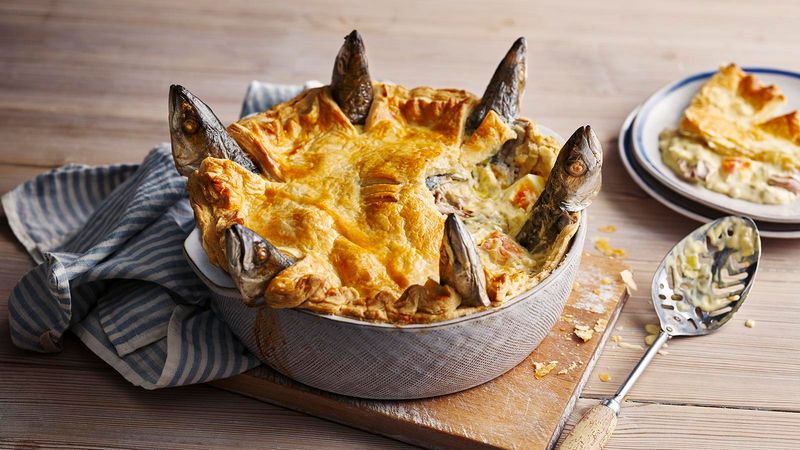
Imagine cutting into a golden pastry pie and finding fish heads staring back at you. That is exactly what stargazy pie looks like, and yes, Cornish locals genuinely love it.
The fish heads poke through the crust on purpose, allowing oils to drip back into the filling during baking.
Originally made with pilchards, the dish celebrates a legendary fisherman named Tom Bawcock who saved his village from starvation. It is traditionally eaten on December 23rd in the Cornish village of Mousehole.
3. Bread and Butter Pudding
Stale bread getting thrown away? Not in a British kitchen.
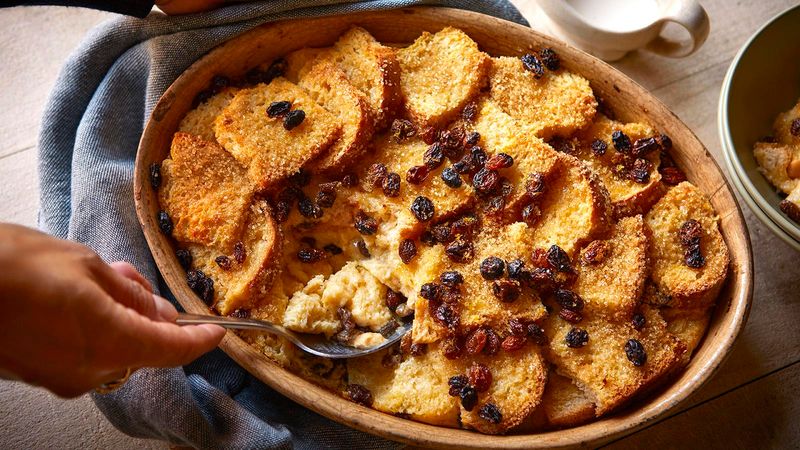
Bread and butter pudding was born from pure thriftiness, turning leftover slices into a bubbling, golden baked dessert that somehow tastes luxurious. Layers of buttered bread soak in a spiced egg custard before being baked until puffed and caramelised on top.
Sultanas tucked between the layers add little bursts of sweetness. Some fancy restaurants now serve gourmet versions with brioche or croissants, but the original humble version still wins hearts every time.
4. Treacle Sponge
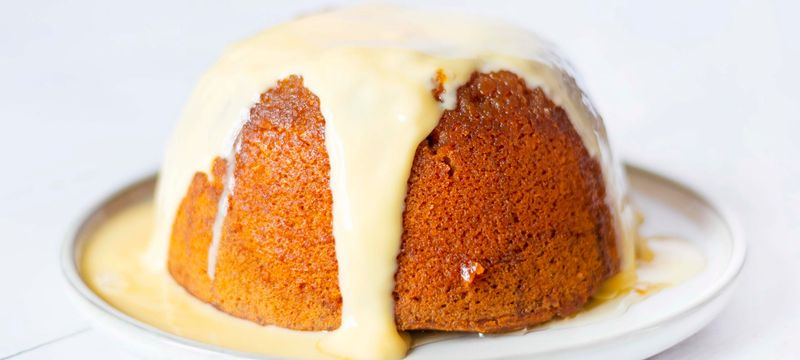
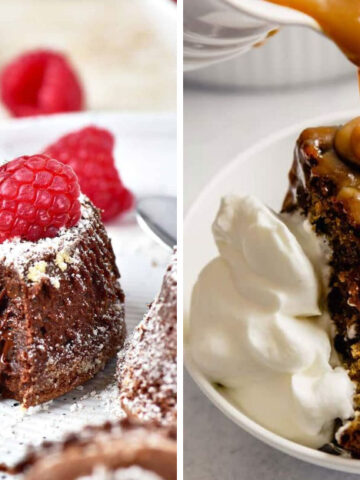
Dark, sticky, and almost dangerously sweet, treacle sponge is the kind of pudding that makes you forget about everything else. A light steamed sponge sits on top of a thick pool of golden syrup that soaks upward as it cooks, creating a glossy, toffee-like base.
Despite its name, most recipes actually use golden syrup rather than black treacle. Served with vanilla custard or thick cream, this pudding is a cold-weather essential.
One spoonful and it is easy to understand why Brits are so devoted to it.
5. Clootie Dumpling
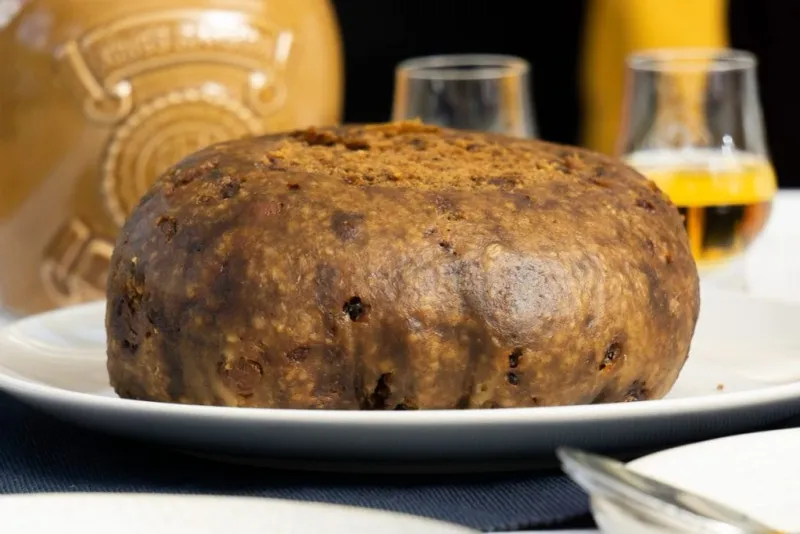
Scotland's answer to Christmas pudding, the clootie dumpling is boiled inside a cloth called a "cloot" for several hours. The result is a dense, dark, fruit-spiced ball with a slightly chewy skin on the outside that forms naturally during cooking.
It smells like warm spices, dried fruit, and pure comfort.
Traditionally, small coins or charms were hidden inside for lucky diners to find. Leftover slices are often fried in butter the next morning for breakfast, which might sound odd but tastes absolutely brilliant.
6. Jam Roly-Poly
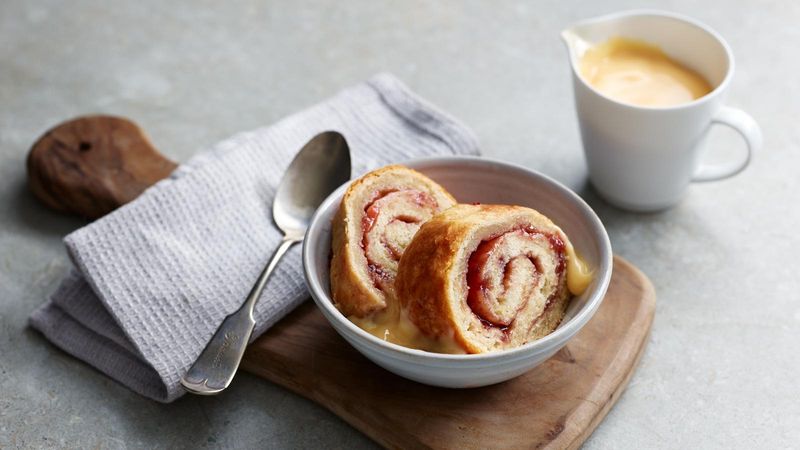
Rolling out suet pastry, spreading on bright jam, and rolling it back up might sound simple, but the result is gloriously satisfying. Jam roly-poly earns its nickname "dead man's arm" because it was once steamed inside an old shirt sleeve, giving it a somewhat eerie sausage-like shape.
Raspberry or strawberry jam is most traditional, though any flavour works. Once baked or steamed, the jam bubbles and caramelises slightly at the edges.
Paired with custard, this is pure British childhood on a plate.
7. Eton Mess
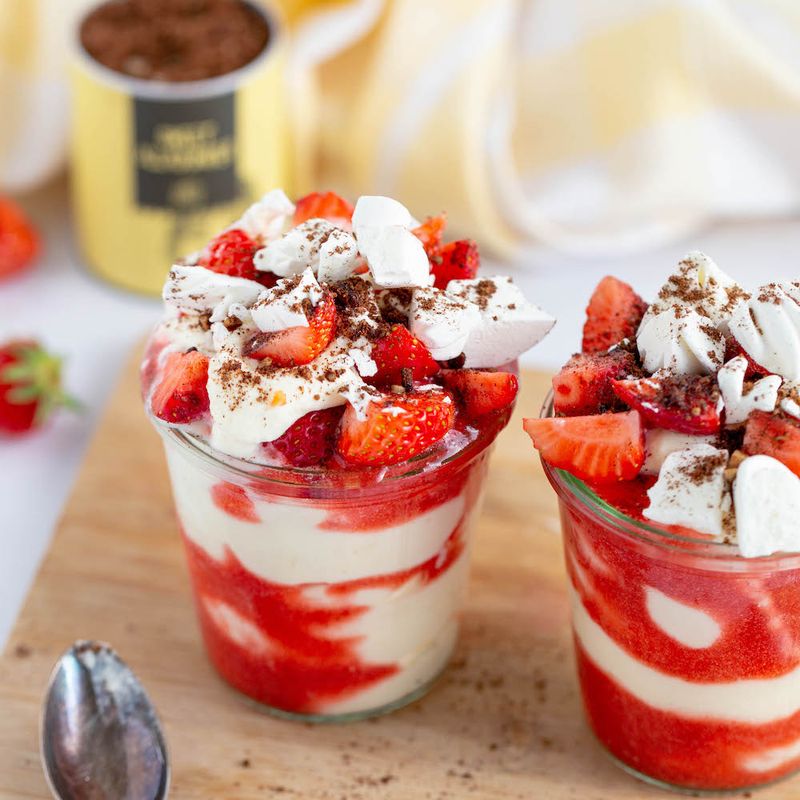
Supposedly born from a dropped pavlova at Eton College's annual cricket match, this dessert celebrates being beautifully imperfect. Crushed meringue, fresh strawberries, and whipped cream are simply stirred together into a glorious, chaotic heap of textures and flavours.
The contrast between crunchy meringue, soft cream, and juicy berries makes every mouthful different. Modern versions swap strawberries for mango, passion fruit, or raspberries.
Yet despite all the fancy upgrades, the original chaotic strawberry version remains the crowd favourite at summer garden parties across England.
8. Black Pudding Trifle
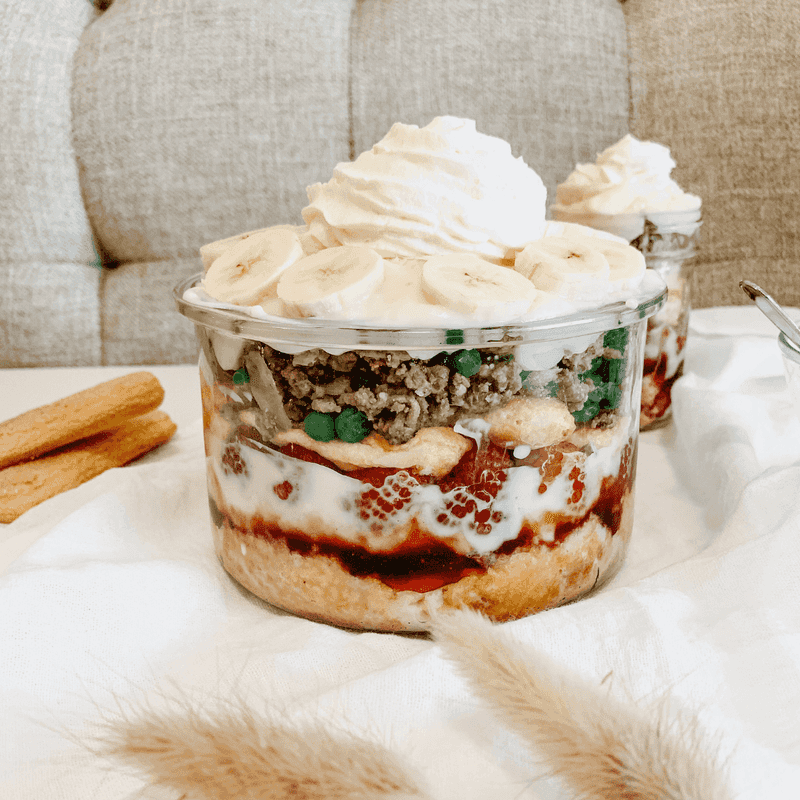
Before you wrinkle your nose, hear this out. A small number of adventurous British chefs have created savoury trifles featuring black pudding, the dark blood sausage that Brits adore at breakfast.
Layered with creamy elements and bold flavours, it challenges everything a trifle is supposed to be.
It sounds outrageous, and honestly it kind of is. But in a country where black pudding is considered a delicacy and trifle is a national treasure, combining the two feels almost logical.
Curious food lovers have been pleasantly surprised.
9. Marmalade Pudding
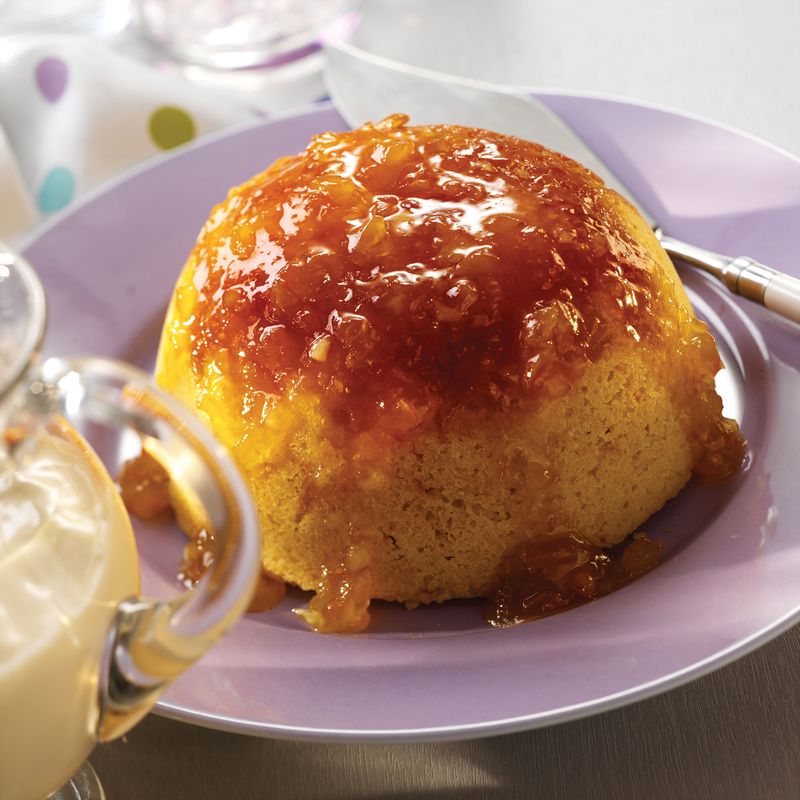
Bitter orange marmalade might seem like a strange base for a dessert, but steamed marmalade pudding is one of those gloriously old-fashioned British sweets that just works. The tangy citrus cuts through the richness of the suet sponge, creating a balance that keeps every bite interesting.
Marmalade lines the bottom of the pudding basin and caramelises slightly as it steams, turning into a sticky, glossy sauce. Brits of a certain generation remember this fondly from school dinners, served in generous slabs with runny custard poured on top.
10. Flummery
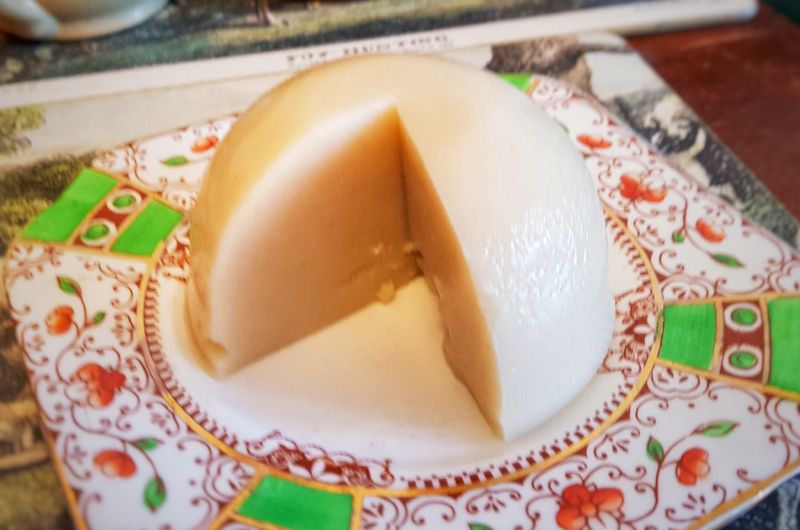
Long before fancy mousses and panna cottas took over dessert menus, flummery was the wobbly treat of choice. This ancient British pudding is made from soaked oats or cream set with gelatine, producing a pale, quivering mound that looks almost too delicate to eat.
It dates back to at least the 17th century.
Welsh and Scottish versions use oatmeal soaked overnight and then boiled, resulting in a thicker, more savoury flavour. Honey and cream are classic accompaniments.
Few modern Brits have tried it, but those who have often become quietly obsessed.
11. Spotted Dog
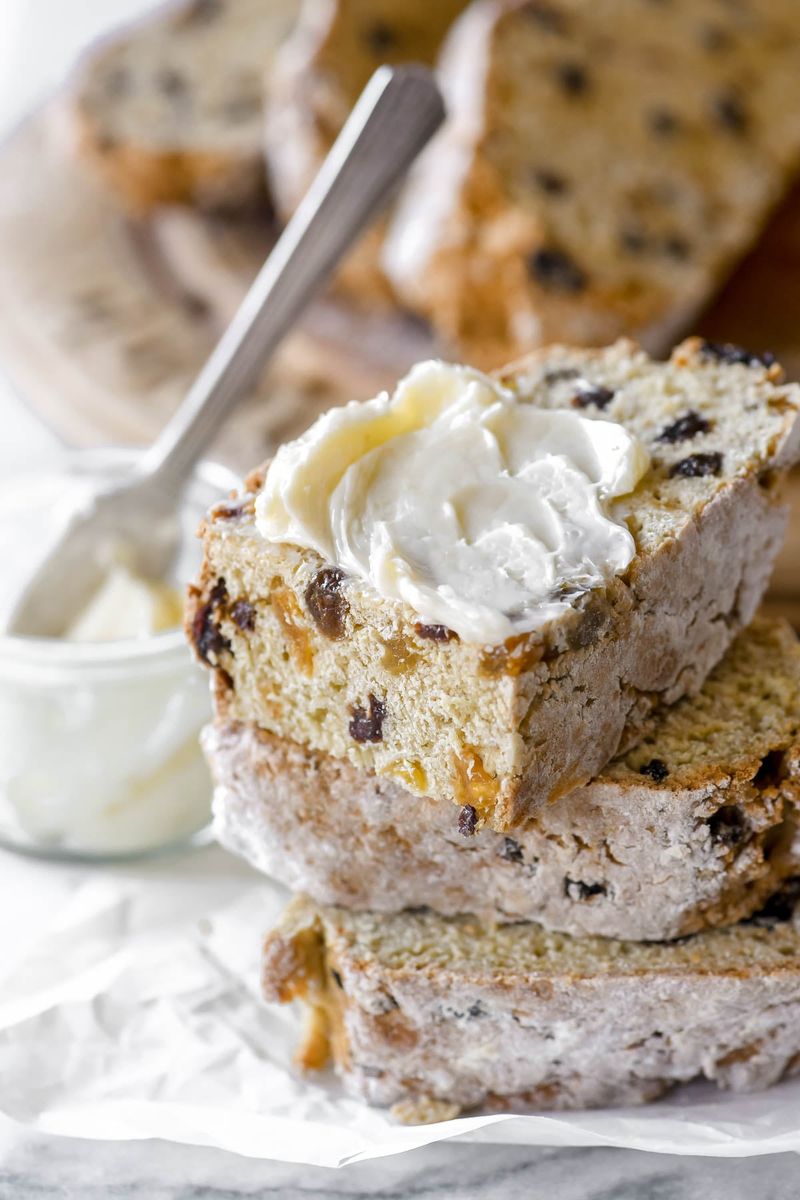
Often confused with its British cousin spotted dick, spotted dog is actually an Irish soda bread loaded with currants or raisins. However, it has long been enjoyed across the British Isles as a teatime pudding treat, sliced thick and served warm with generous amounts of butter.
The name comes from the dark fruit spots scattered through the pale dough, resembling a Dalmatian. Made without yeast, it rises quickly and fills the kitchen with a warm, homely smell.
Slather it with clotted cream for a truly indulgent experience.
12. Cabinet Pudding
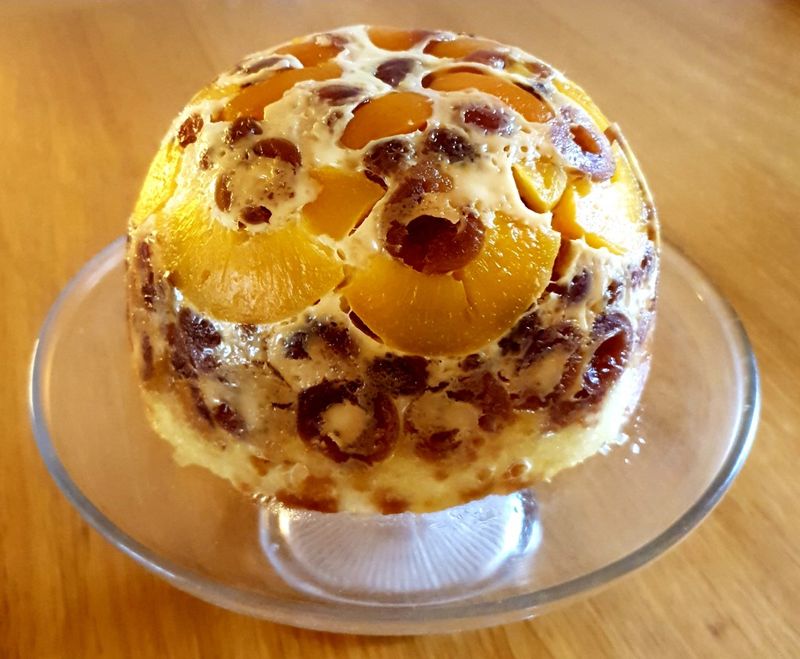
Victorian dinner parties often ended with cabinet pudding, a rather elegant affair made from sponge fingers, dried fruit, and a rich egg custard all steamed together in a fancy mould. When turned out, the layers reveal themselves like an edible piece of architecture.
The name is thought to come from its association with grand cabinet dining rooms of the era. Glacé cherries and raisins studded throughout add colour and sweetness.
Though rarely seen today, food history enthusiasts are slowly bringing this forgotten Victorian classic back to the table.
13. Frumenty
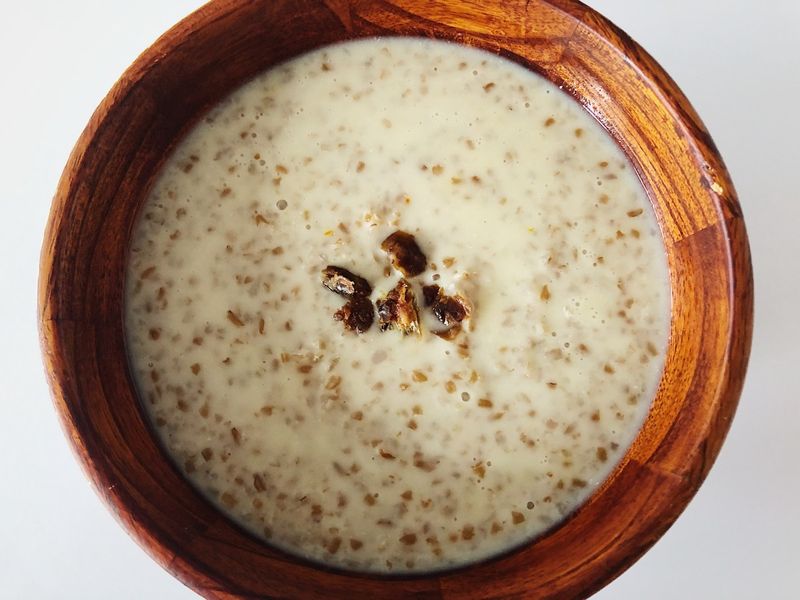
Dating back to medieval England, frumenty is one of the oldest British puddings still occasionally made today. Cracked wheat is simmered slowly in milk until thick and porridge-like, then flavoured with spices like cinnamon, nutmeg, and saffron, giving it a vivid golden colour.
Once considered festive food fit for kings, frumenty was traditionally served alongside venison or porpoise at royal banquets. Modern revival cooks add dried fruit and honey for extra sweetness.
It tastes surprisingly warming and comforting, like ancient British history in a bowl.
14. Sussex Pond Pudding
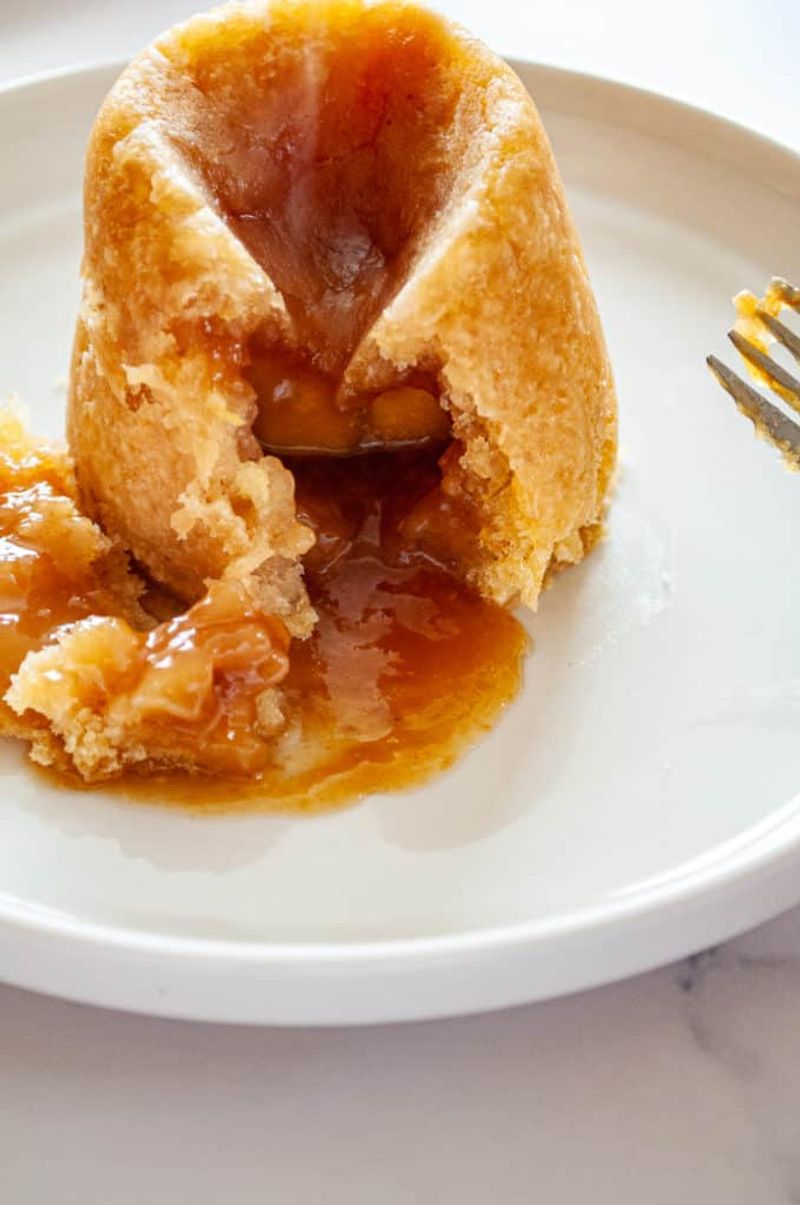
Cut into this pudding and a golden river of buttery caramel floods the plate like a pond, which is exactly where the name comes from. Tucked inside the thick suet pastry crust is a whole lemon, slowly cooked until completely soft, surrounded by sugar and butter that melt into liquid gold.
The lemon releases its juice during steaming, creating a sharp citrus note in the rich caramel sauce. First recorded in a 17th-century cookbook, this peculiar pudding from Sussex remains one of Britain's most theatrical and delicious desserts.
15. Hasty Pudding
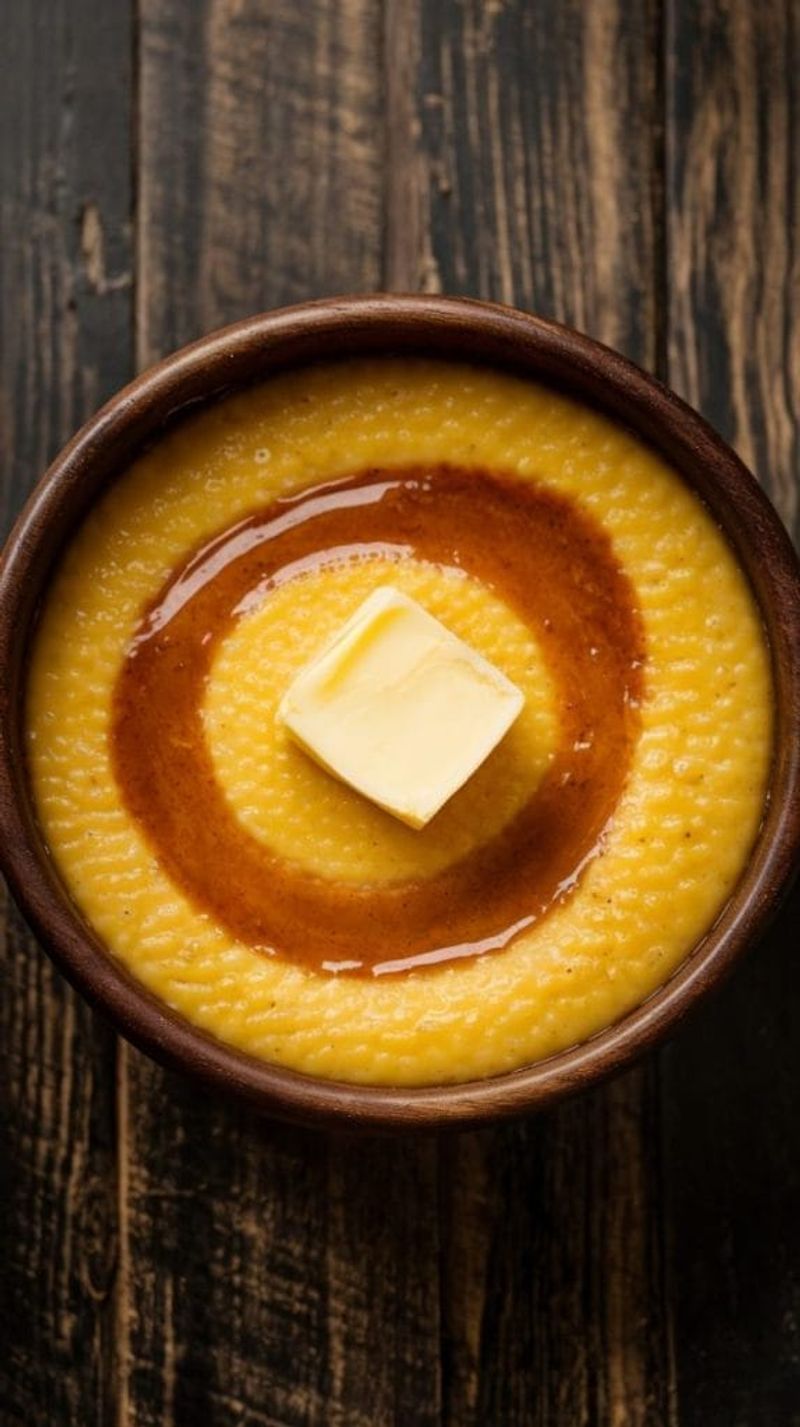
Speed was the whole point. Hasty pudding was the original fast food of old England, made by stirring flour or oatmeal into boiling milk or water until thick.
Ready in minutes, it was the go-to meal for anyone in a hurry or short on ingredients.
Simple as it sounds, the flavour is comforting and wholesome. A knob of butter, a spoonful of sugar, or a drizzle of treacle transforms it completely.
American settlers later adapted this recipe into what became cornmeal mush, so hasty pudding has a surprisingly global legacy.
16. Quaking Pudding
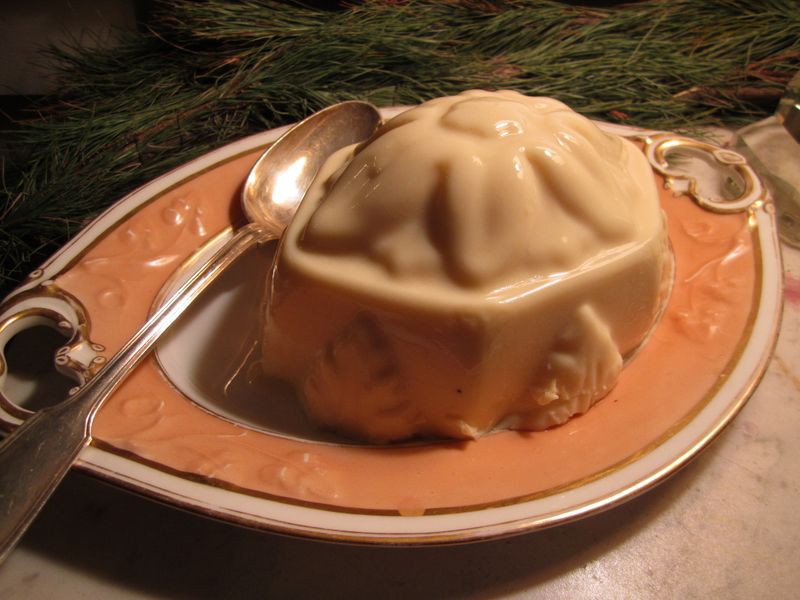
The name alone deserves attention. Quaking pudding gets its wonderfully dramatic title from the way it trembles and wobbles when moved, thanks to its delicate cream-and-egg base set just firmly enough to hold its shape.
It was a popular dessert in 17th-century England and appeared in many early recipe books.
Flavoured with nutmeg and rosewater, it has a faintly floral, custard-like taste that feels surprisingly refined. Served with a sweet wine sauce or cream, quaking pudding is the kind of historical recipe that deserves a serious comeback on modern British tables.
17. Wet Nelly
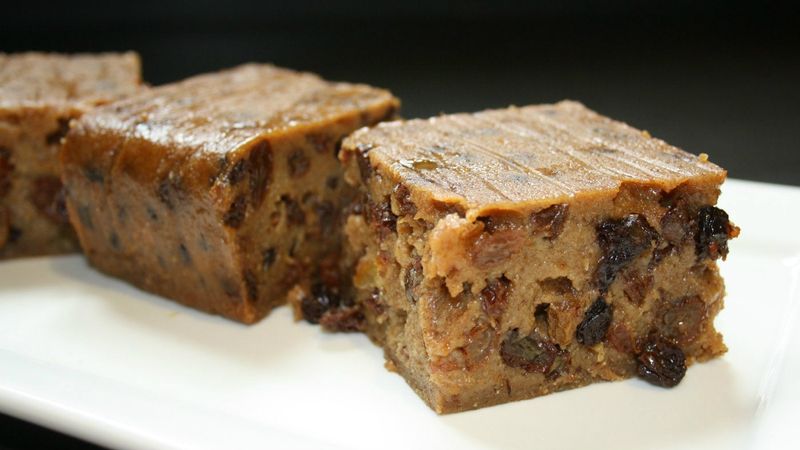
Liverpool has its own beloved pudding, and it goes by the brilliantly blunt name of Wet Nelly. Made from stale bread soaked in water, then mixed with dried fruit, sugar, and spices before being baked, it is essentially a thriftier, denser version of bread pudding with a distinctly Scouse personality.
The origin of the name is debated, though some link it to a Victorian street vendor. Locals eat it cold in thick squares as a snack.
It is sticky, satisfying, and oddly addictive once you get past the unusual name.
18. Roly-Poly Jam Suet Pudding with Brown Sauce
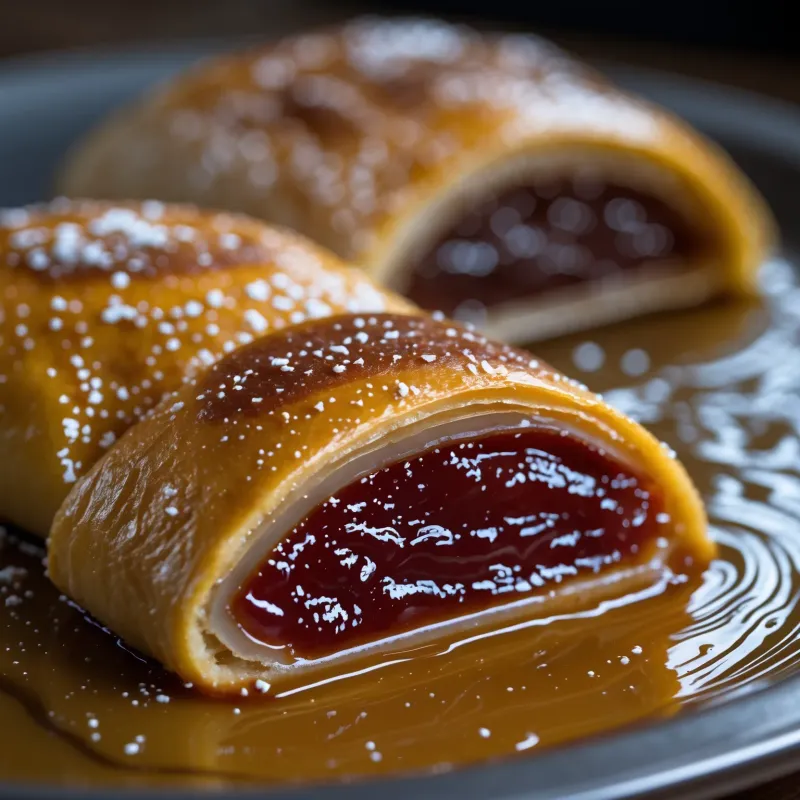
Some Brits insist that a splash of tangy brown sauce alongside their jam suet pudding is not weird at all. The sharp, vinegary kick of the sauce cuts through the sweetness of the jam and rich suet pastry in a way that, against all logic, actually works.
This combination pops up in old-fashioned British cafes and working-class households, where sweet and savoury boundaries have always been cheerfully blurred. Food purists may shudder, but devoted fans swear by it.
Sometimes the strangest pairings turn out to be the most memorable ones.

Comments
No Comments