













Spanish desserts are quietly winning over sweet-toothed Brits from London cafes to small-town bakeries. Rich flavors, golden pastry, and centuries-old recipes are making their way onto British menus and kitchen tables alike.
Whether you spotted churros at a street fair or tried a creamy flan at a tapas restaurant, there is a good chance you wanted more. Here are 17 Spanish treats that are seriously worth knowing about.
1. Churros with Chocolate Sauce
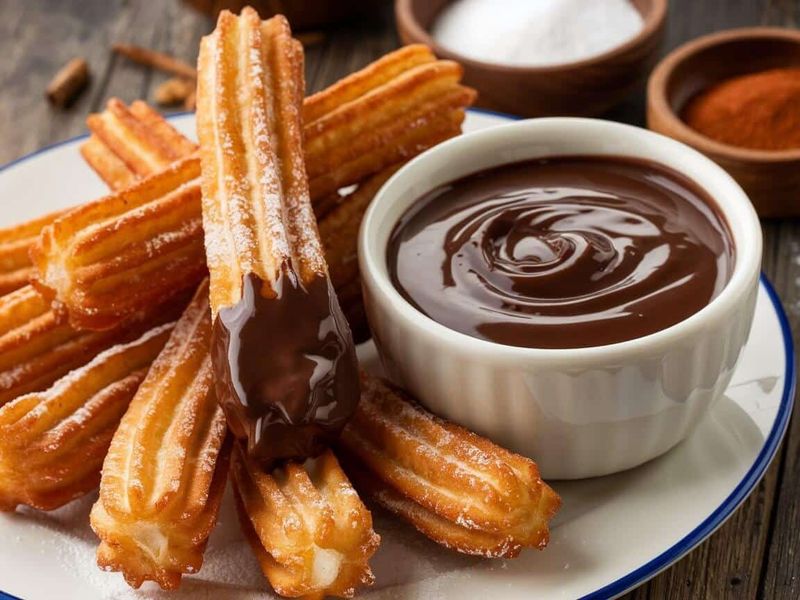
Few things feel as satisfying as pulling a warm, crispy churro through a cup of thick, dark chocolate sauce. Originally a simple street food in Spain, churros have found a very enthusiastic audience across Britain.
You can now spot them at markets, theme parks, and even high street dessert shops.
The outside is crunchy, the inside is soft, and the chocolate dip takes everything up a notch. Once you try them fresh, frozen bags never quite cut it again.
2. Crema Catalana
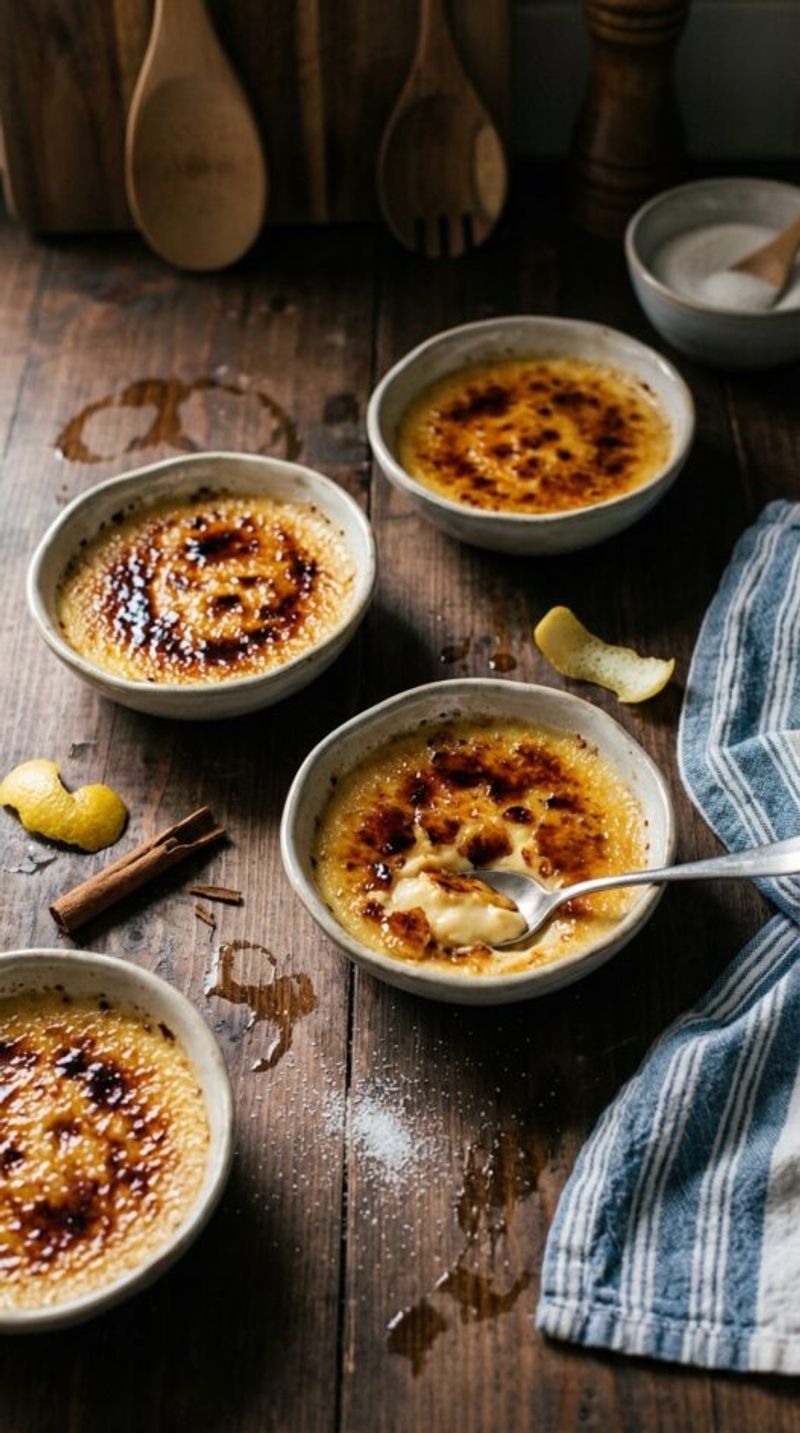
Spain got there first. Crema Catalana predates the French creme brulee by centuries, and food historians are still arguing about it.
This Catalan custard is infused with lemon zest and cinnamon, giving it a flavor that feels both familiar and completely different from anything British pudding culture usually offers.
That satisfying crack when you tap the caramelized sugar top is half the experience. Restaurants across the UK are now proudly listing it on their menus.
3. Tarta de Santiago
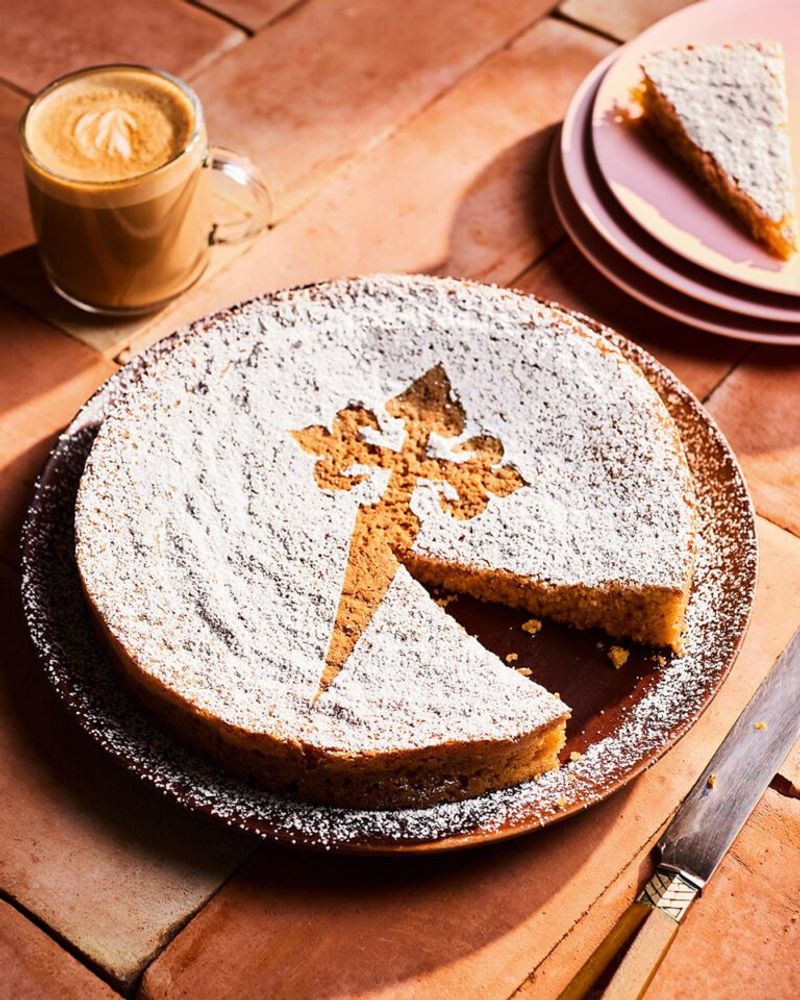
Baked in Galicia for hundreds of years, Tarta de Santiago is an almond cake with a story behind every slice. The iconic cross of Saint James stenciled in powdered sugar on top makes it instantly recognizable.
It is naturally gluten-free, which has helped it earn fans among health-conscious British bakers.
The texture is dense and moist, almost like a frangipane but richer. Specialty delis and Spanish food importers across the UK are now stocking it regularly.
4. Flan de Huevo
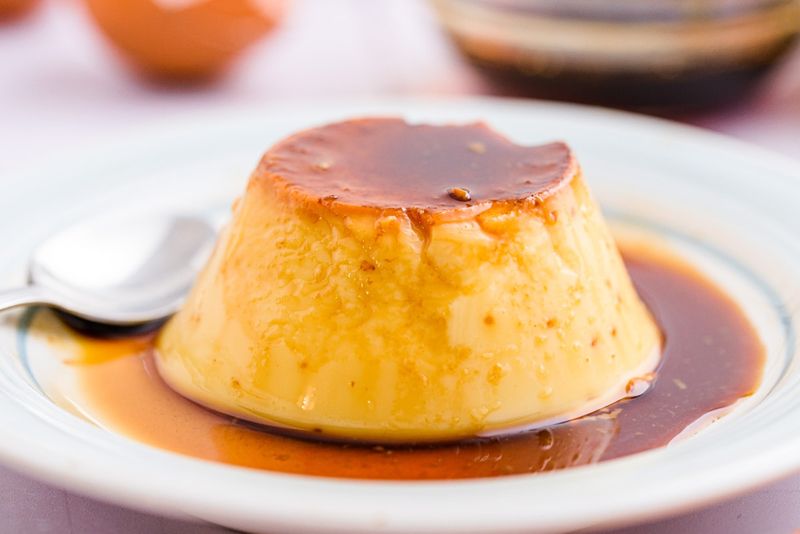
Silky, wobbly, and dripping in amber caramel, Spanish flan is comfort food at its most elegant. Every Spanish grandmother has her own version, and every version is slightly different.
The egg-based custard is baked slowly in a water bath, giving it that impossibly smooth texture that jiggles when you nudge the plate.
British diners who try it at Spanish restaurants often describe it as a revelation. Simple ingredients, patient cooking, and the result is genuinely unforgettable.
5. Polvorones
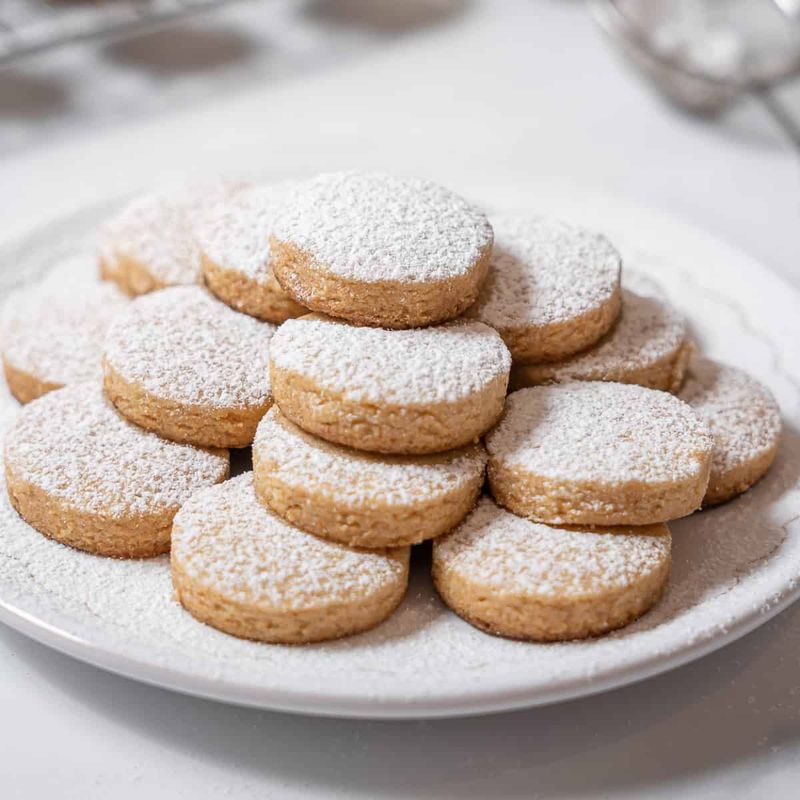
Polvorones crumble the moment they touch your tongue, and that is entirely the point. These melt-in-the-mouth shortbread cookies from Andalusia are traditionally eaten during Christmas, but honestly, any time of year works.
They are made with lard, flour, toasted almonds, and lots of powdered sugar.
Spanish delis in the UK have noticed a spike in demand, especially around the winter holidays. Once someone discovers polvorones, they tend to buy several boxes at once without any apology.
6. Tocino de Cielo
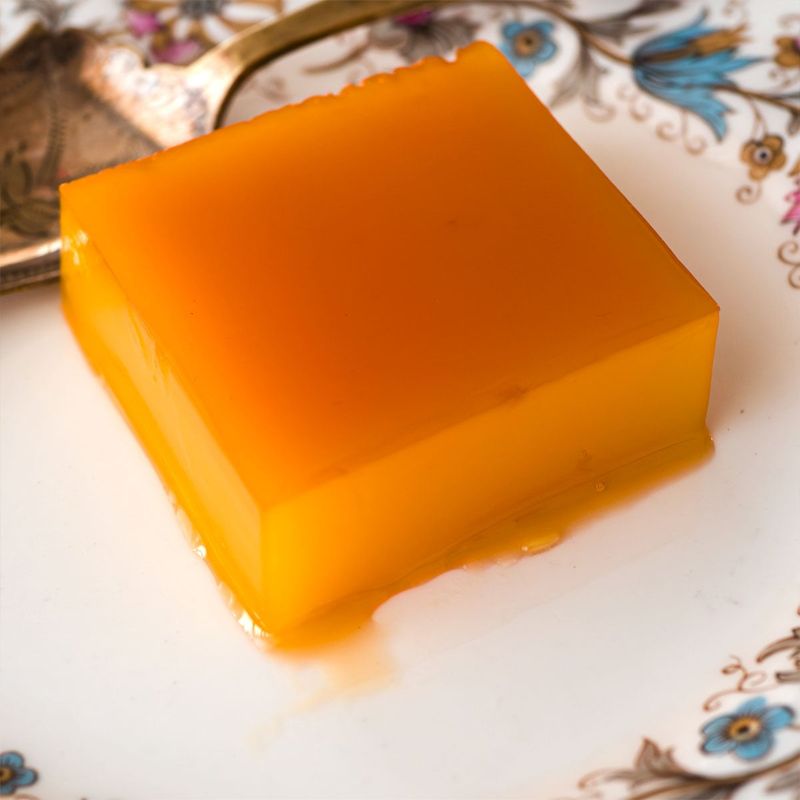
The name translates to heaven's bacon, which is admittedly a strange name for a dessert. Tocino de Cielo originated in Jerez, where winemakers donated egg whites for clarifying wine and left convents overflowing with yolks.
The nuns turned those yolks into this intensely sweet, dense custard, and the result was extraordinary.
It is richer than flan and smaller in portion, which makes it feel even more luxurious. Spanish food enthusiasts in Britain are actively seeking it out.
7. Arroz con Leche
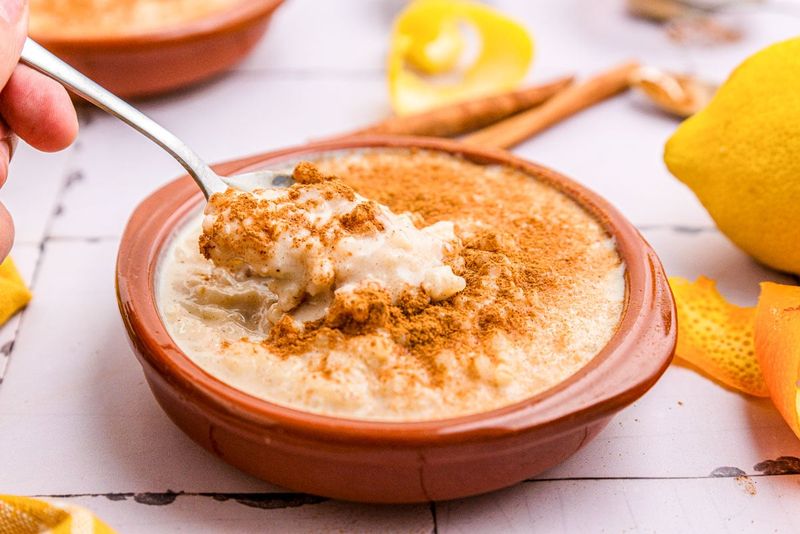
Rice pudding might sound ordinary, but the Spanish version has a way of making you reconsider everything you thought you knew about it. Arroz con leche is slow-cooked with whole milk, lemon peel, cinnamon sticks, and a generous amount of sugar until it becomes thick and creamy.
Served warm or chilled, it is the kind of dessert that feels like a hug. British food bloggers have been sharing homemade versions for years, and the interest keeps growing steadily.
8. Buñuelos de Viento
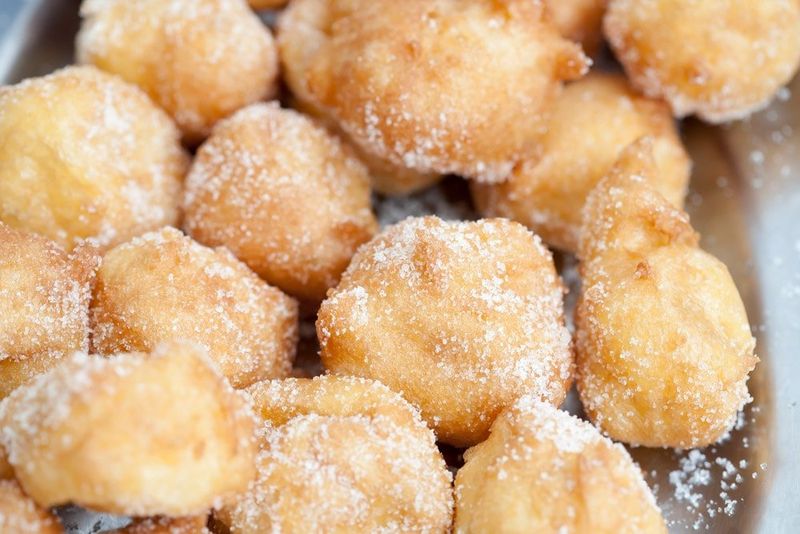
Light as air and dusted with sugar, these little choux pastry fritters are traditionally eaten in Spain during All Saints Day. The name literally means wind fritters, which perfectly describes how they feel when you bite into one.
They puff up dramatically during frying and collapse into a soft, eggy interior.
Pastry lovers in Britain have started recreating them at home after seeing Spanish food videos online. They are easier to make than they look and completely addictive.
9. Mantecados
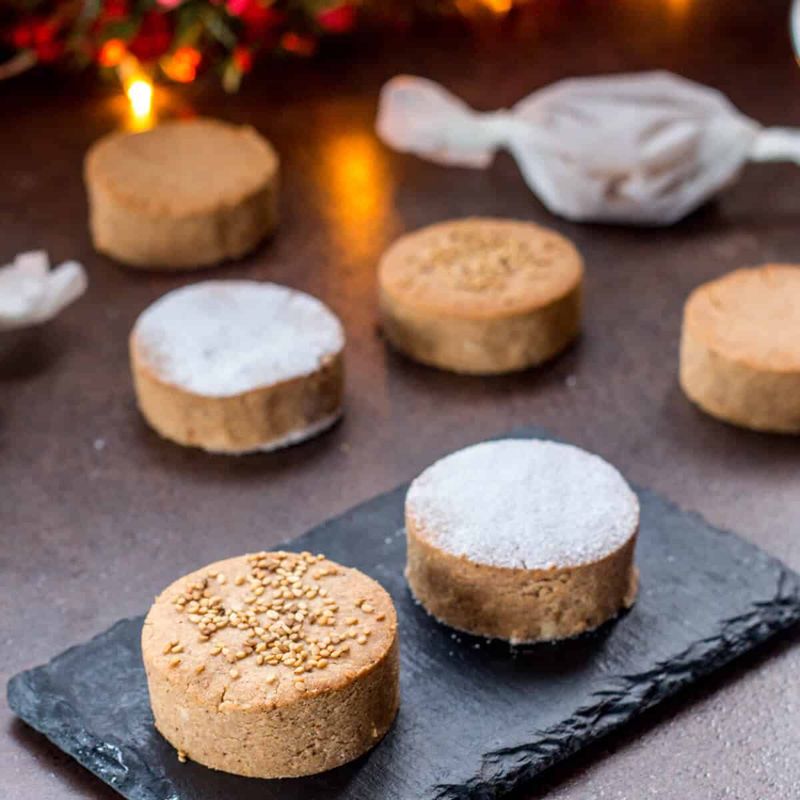
Mantecados share a family resemblance with polvorones but have their own distinct personality. Made with lard, flour, and spices like cinnamon or anise, they have a dry, crumbly texture that practically dissolves before you finish chewing.
They originated in Estepa in Andalusia and remain a staple of Spanish holiday baking.
A growing number of UK specialty shops now import them directly from Spain. People who try them for the first time are often surprised by how deeply satisfying something so simple can taste.
10. Leche Frita
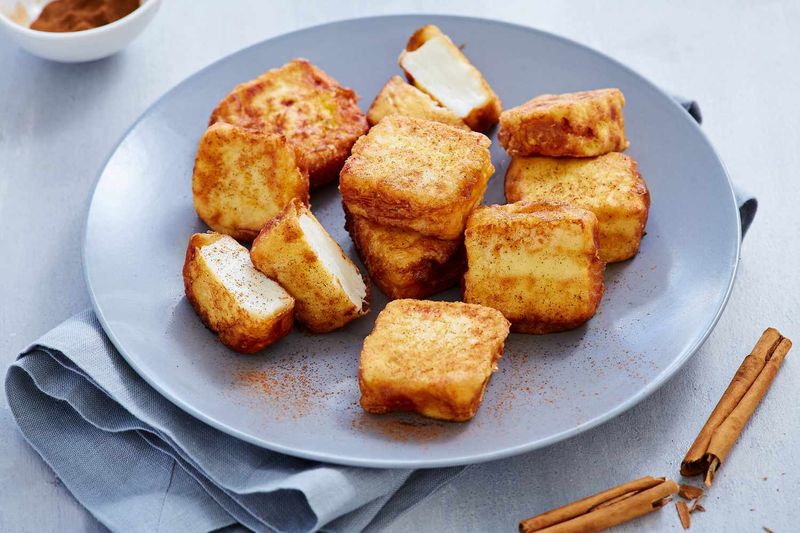
Fried milk sounds like a riddle, but leche frita is very much a real and wonderful thing. Thick milk custard is set, sliced into squares, coated in breadcrumbs, and fried until golden.
The outside becomes crisp while the inside stays creamy and soft, creating a texture contrast that is genuinely exciting.
Popular in northern Spain, this dessert has been popping up on British tapas menus with increasing regularity. It is the kind of dish that stops conversation at the table.
11. Pestiños
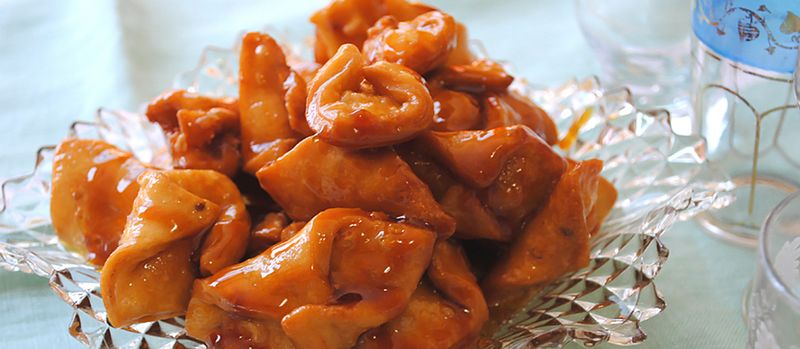
Pestiños carry a whiff of history with every bite. These honey-glazed fried pastries trace their roots back to Moorish Andalusia, and the combination of sesame, anise, and honey reflects that rich cultural blend.
They are traditionally made during Easter and Christmas in southern Spain.
British food writers exploring Spanish cuisine have started highlighting pestiños as one of the most underrated treats to discover. Finding them outside of specialist Spanish shops is still rare, which makes trying them feel like a genuine find.
12. Suspiros de Monja
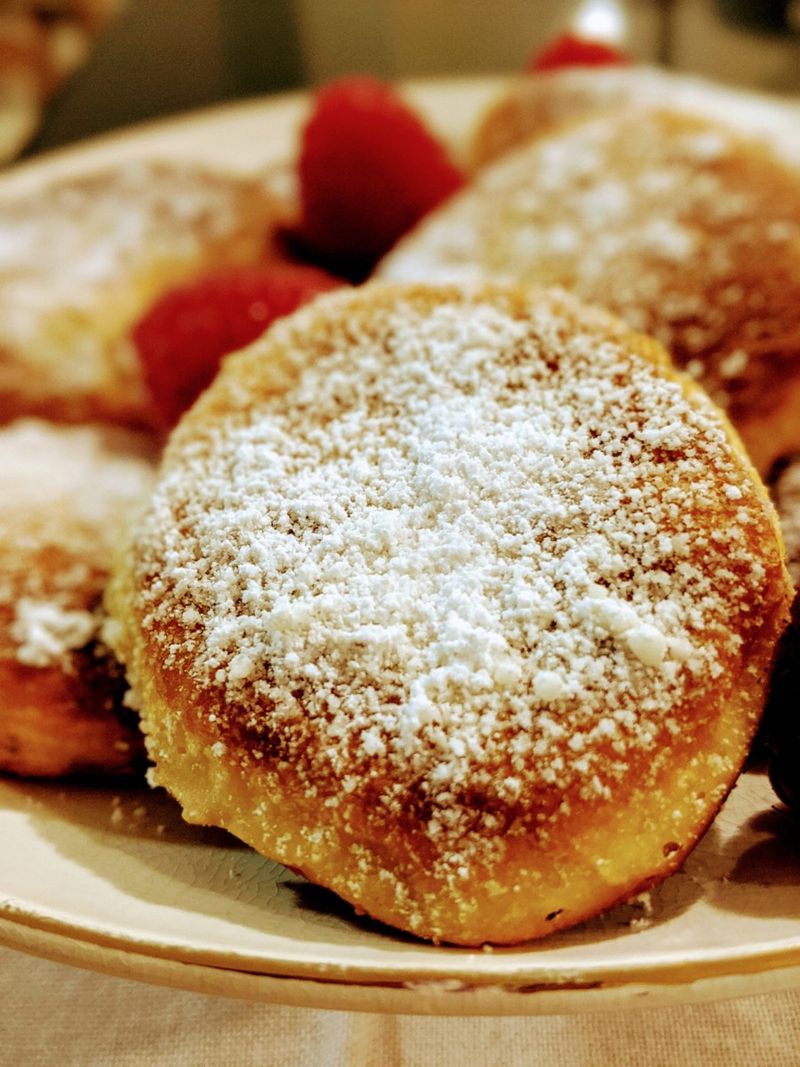
Translated as nun's sighs, these little meringue puffs are as airy and delicate as their name suggests. Made from just egg whites and sugar, they are piped into small mounds and baked until crisp on the outside with a slightly chewy center.
Convents across Spain have been making them for centuries.
Their simplicity is part of the appeal, and British home bakers have been experimenting with flavored versions using vanilla or citrus. They are surprisingly easy to make and endlessly snackable.
13. Turrón
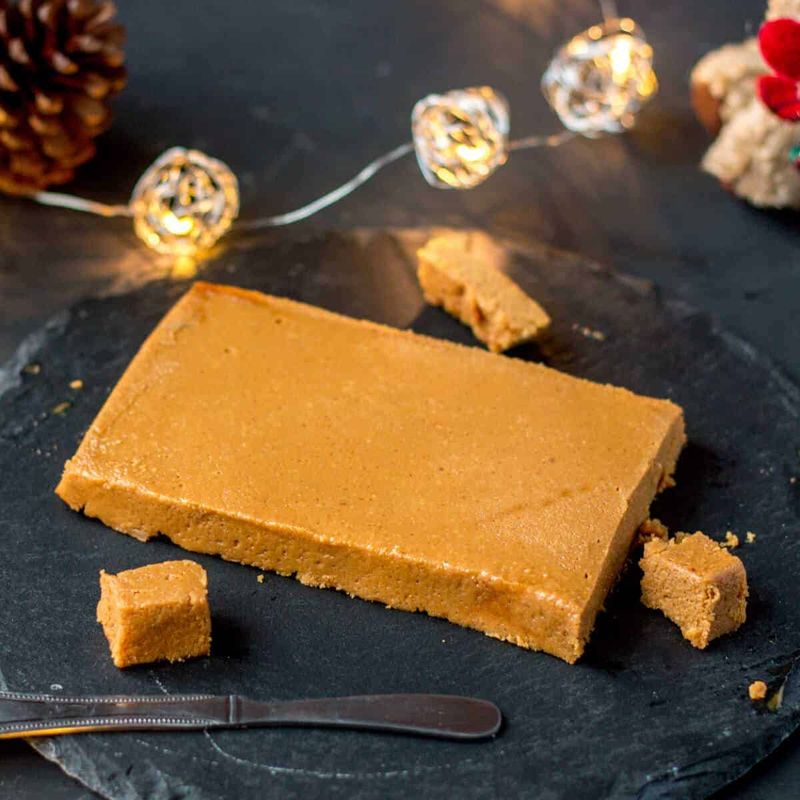
Turrón has been Spain's favourite festive sweet for over five centuries, and British chocolate lovers are finally catching on. Made from honey, egg whites, and almonds, it comes in two classic styles.
The hard Alicante version is crunchy and studded with whole almonds, while the soft Jijona variety is smooth and almost paste-like.
Supermarkets and delis across the UK have expanded their turrón selections noticeably in recent years. It also makes a genuinely impressive edible gift during the holiday season.
14. Filloas
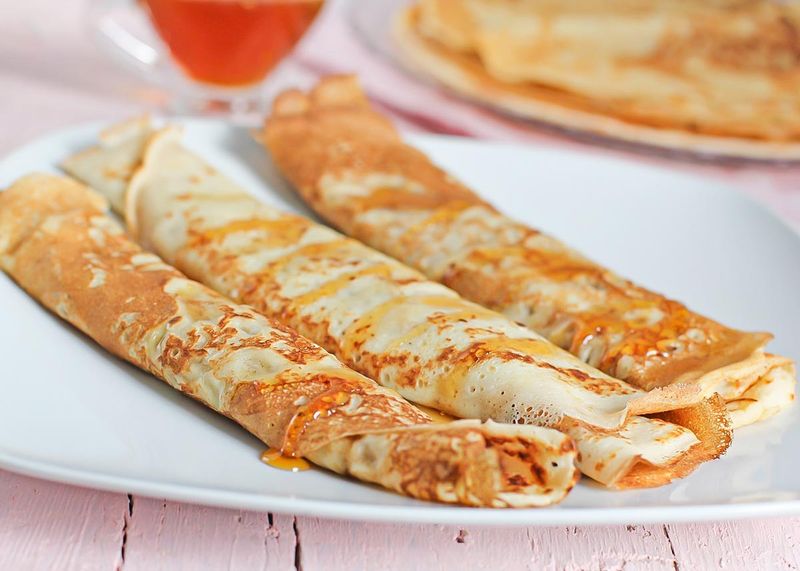
Galicia has its own answer to the crepe, and it is called a filloa. These paper-thin pancakes are made during Carnival season and can be filled with cream, honey, or sugar.
Some traditional recipes even use pork broth in the batter, though the sweet versions are what have been catching attention abroad.
Spanish restaurants in cities like Manchester and Edinburgh have introduced filloas to curious diners. The delicate texture and subtle flavor make them feel both familiar and refreshingly different to British palates.
15. Brazo de Gitano
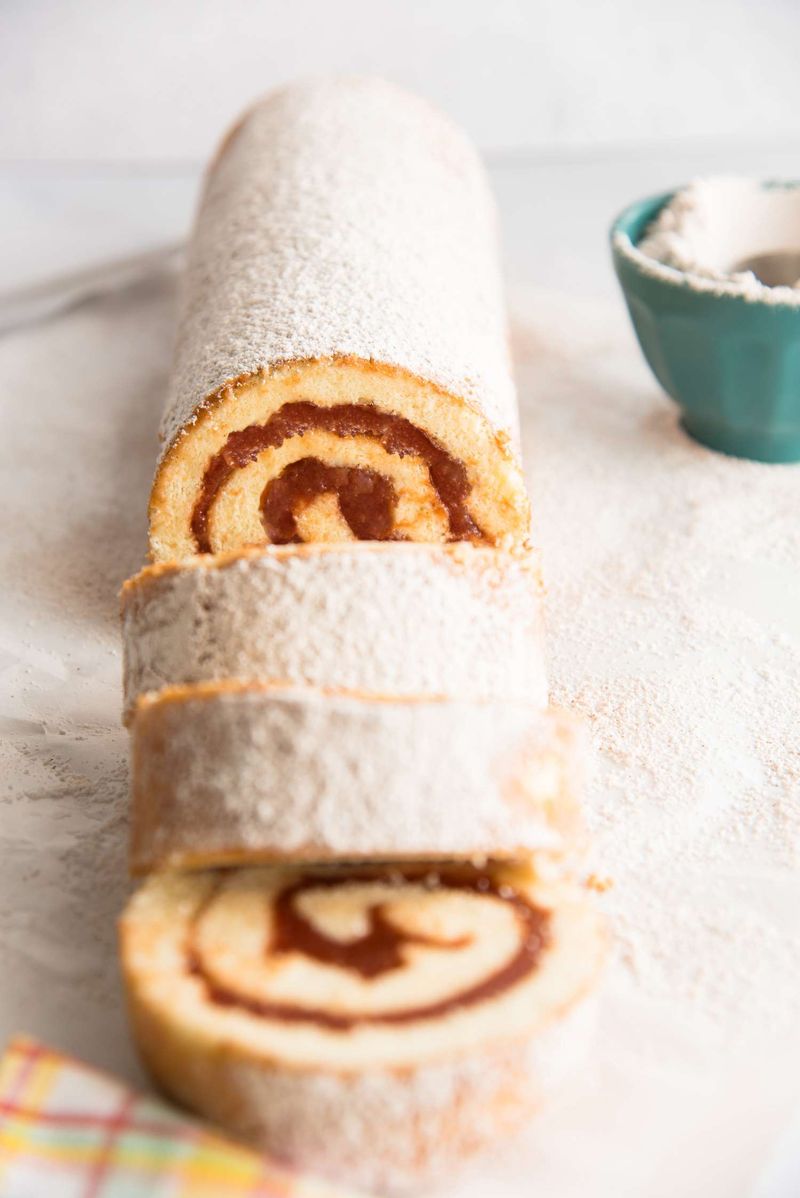
Spain's version of a Swiss roll is called brazo de gitano, which translates rather dramatically to gypsy's arm. A light sponge is spread with cream, pastry cream, or chocolate filling, then rolled tightly and dusted with powdered sugar.
It looks elegant on a dessert table but is surprisingly straightforward to make.
British bakers who have tried making it often say it quickly becomes a family favourite. The filling can be customized endlessly, making it versatile for any occasion or season.
16. Ensaimada
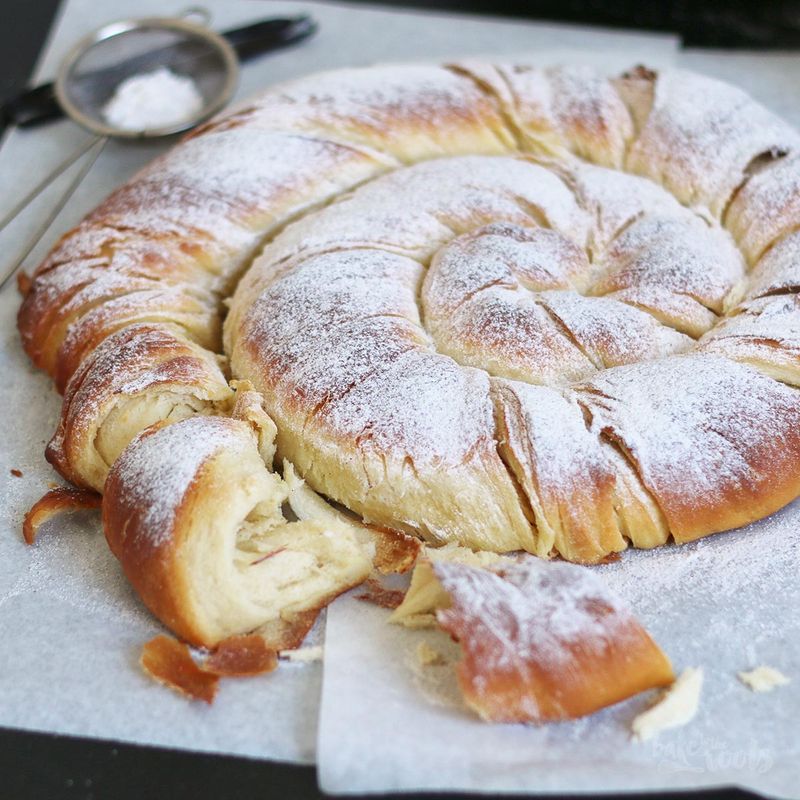
Mallorca's most famous pastry is a coiled, feather-light spiral of enriched dough dusted with a snowfall of powdered sugar. Ensaimada is made with a special type of lard called saim, which gives the dough its characteristic flaky, pull-apart layers.
Bakers in Mallorca have been perfecting the recipe for hundreds of years.
Artisan bakeries in London and other UK cities have started offering their own versions. Once you tear off a warm spiral and taste that buttery, airy dough, it is very hard to stop.
17. Natillas
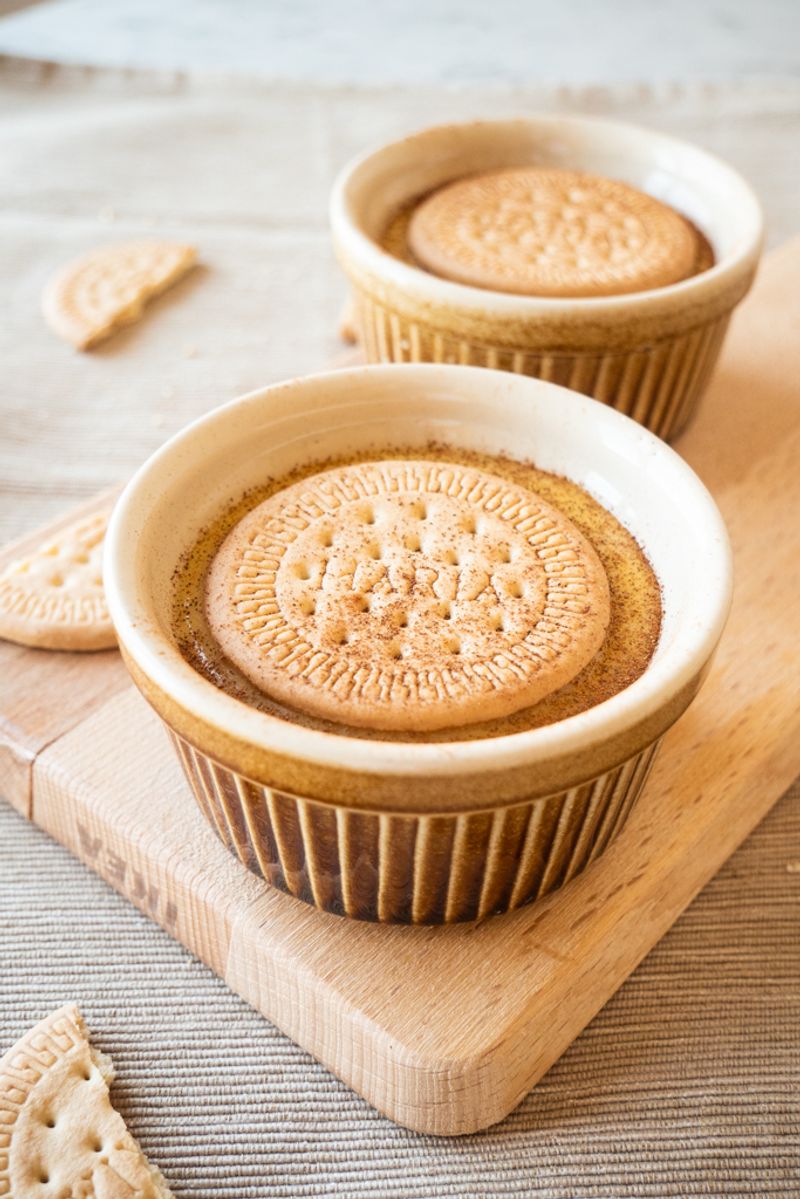
Natillas is the kind of dessert that Spanish children grow up eating after school, and adults never quite stop craving. It is a soft, pourable vanilla custard made with egg yolks, milk, sugar, and a touch of cinnamon.
A single tea biscuit is traditionally placed on top, which softens into the cream as it chills.
British fans of smooth, creamy puddings have been discovering natillas through Spanish food accounts online. It is understated, deeply comforting, and takes about twenty minutes to make from scratch.

Comments
No Comments